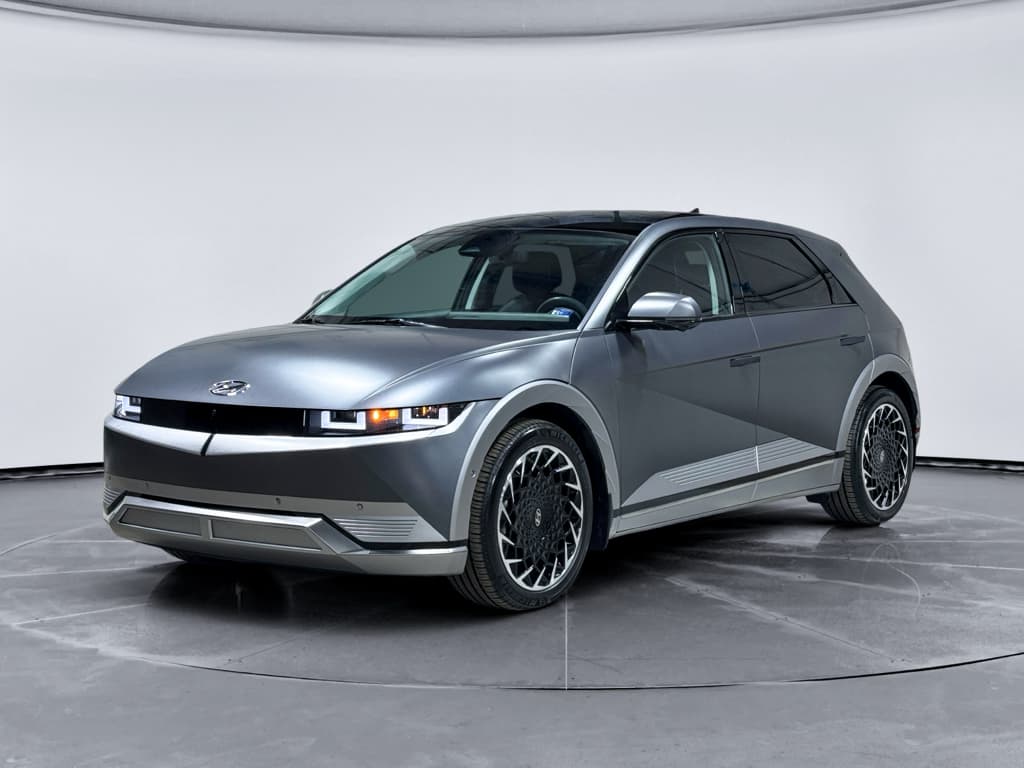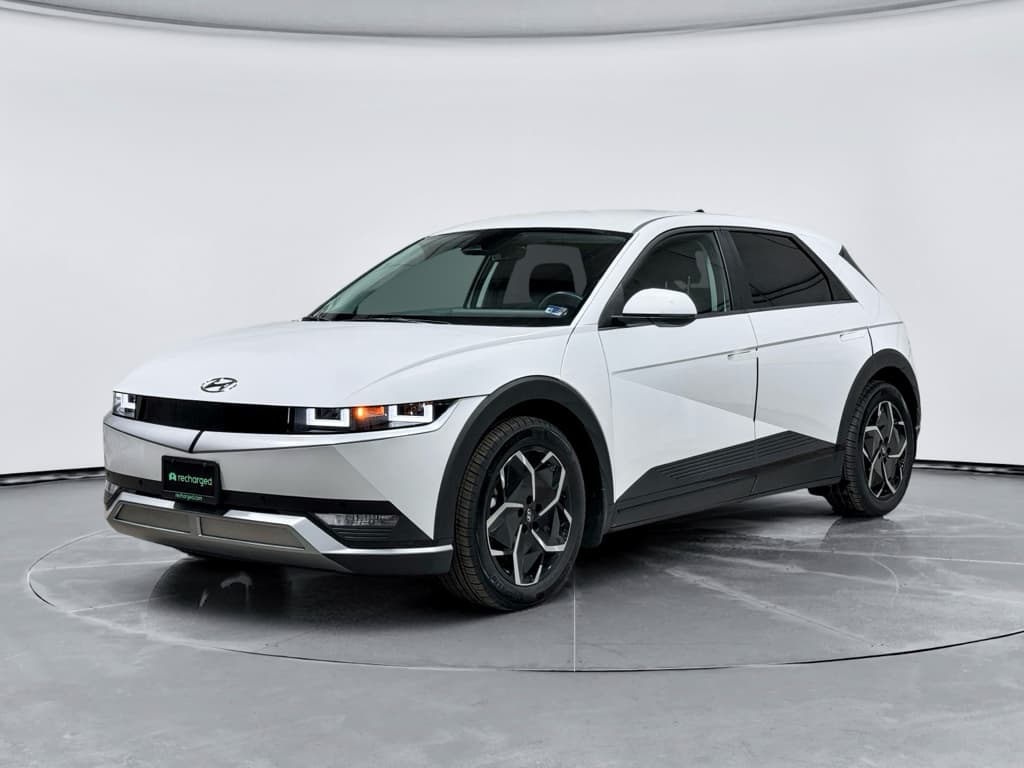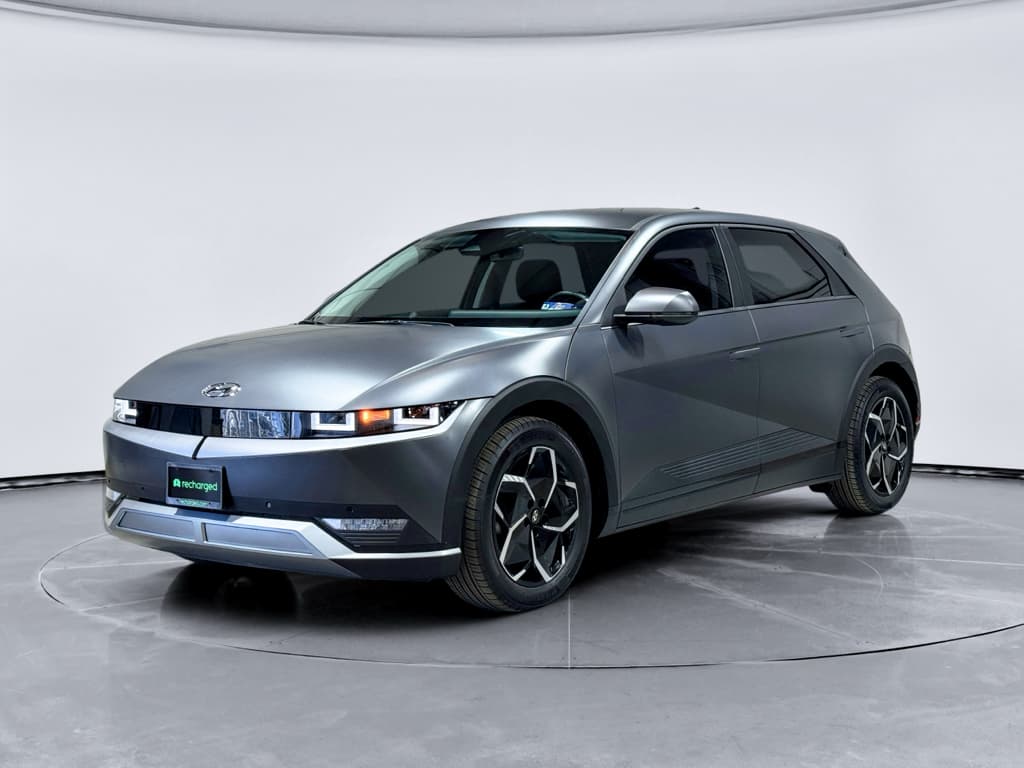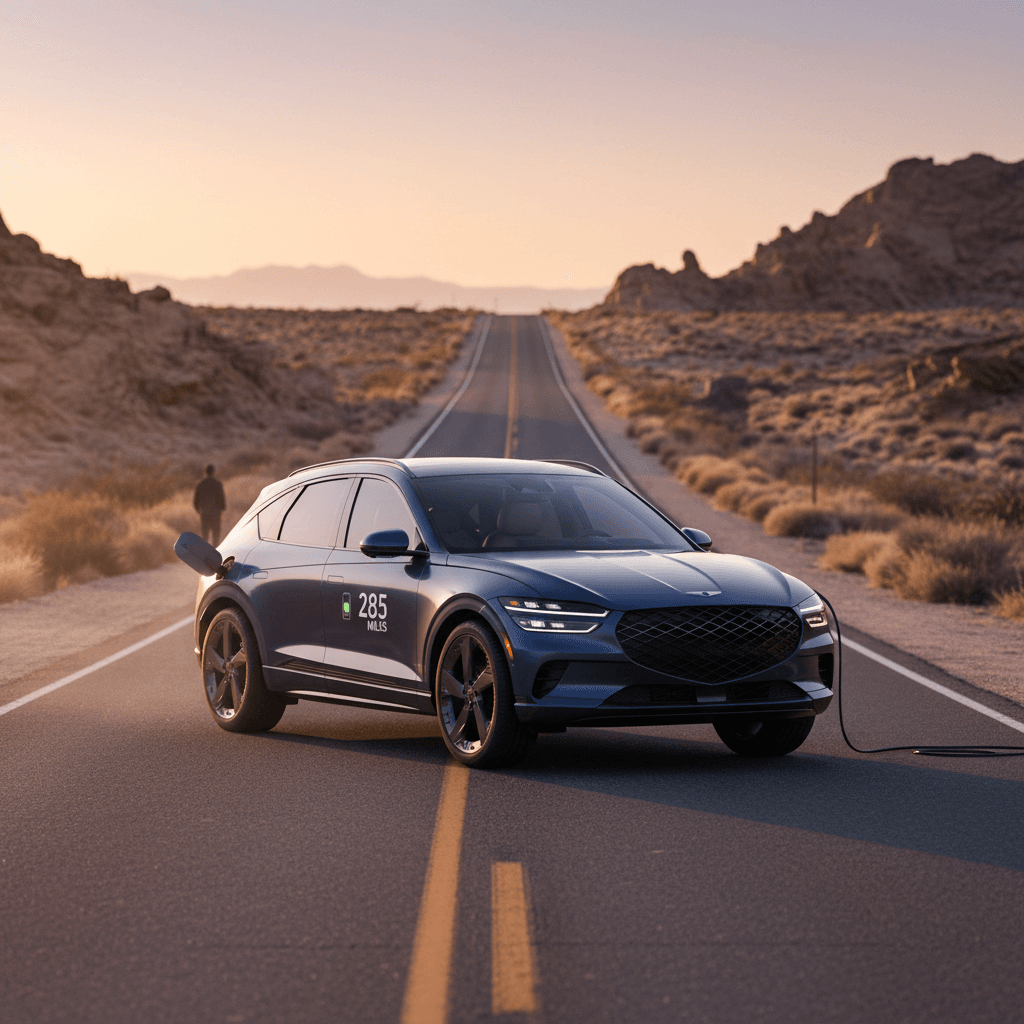
If you’re considering a 2025 Genesis GV60, you’ve probably noticed the impressive range headlines: an 84 kWh battery, fast 800‑volt charging, and **EPA estimates north of 270–290 miles**, depending on configuration. But what you really care about is simple: *In the real world, how far will a GV60 actually go on a charge?* This guide breaks down what a 2025 Genesis GV60 range test looks like, how results compare to the window sticker, and what that means if you’re shopping new or used.
Quick range snapshot
2025 Genesis GV60 range overview
The GV60 rides on Hyundai’s E‑GMP platform (shared with the Hyundai Ioniq 5 and Kia EV6) and, for the 2025 model year, it moves from a 77.4 kWh battery to an **84 kWh pack** in most markets. Official U.S. EPA numbers haven’t all been finalized as of early 2026, but we can triangulate from Genesis documentation and early media drives:
- Single‑motor RWD long‑range (84 kWh): EPA estimate expected in the **290–310 mile** range, with overseas test cycles already showing strong efficiency.
- Dual‑motor AWD (84 kWh): likely in the **250–270 mile** EPA range depending on wheels and trim.
- Carry‑over 77.4 kWh 2023–2024 cars: EPA ratings of roughly **235–294 miles**, with the high figure for RWD on smaller wheels.
EPA ≠ guaranteed range
Key 2025 Genesis GV60 range & charging numbers
EPA ratings vs real‑world GV60 range
If you search "2025 Genesis GV60 range test," you’ll see a mix of lab numbers and early drive impressions for the updated 84 kWh pack. To make sense of it, it helps to separate **what’s on paper** from **what drivers actually see** on the road.
What the official numbers say
- Earlier 77.4 kWh GV60s were EPA‑rated at about 235–294 miles, depending on trim and wheels.
- The 2025+ 84 kWh pack adds capacity and slightly better aero, so RWD trims are expected to land around or just above 300 miles EPA once fully certified.
- International tests (WLTP, Korean cycles) already quote ranges over 300 miles equivalent for RWD versions.
What independent tests & owners report
- On **mixed suburban driving** at moderate speeds, many E‑GMP vehicles (including GV60 siblings) achieve **90–110% of EPA** in mild weather.
- On **steady 70–75 mph highway runs**, range commonly drops to **70–85% of EPA**.
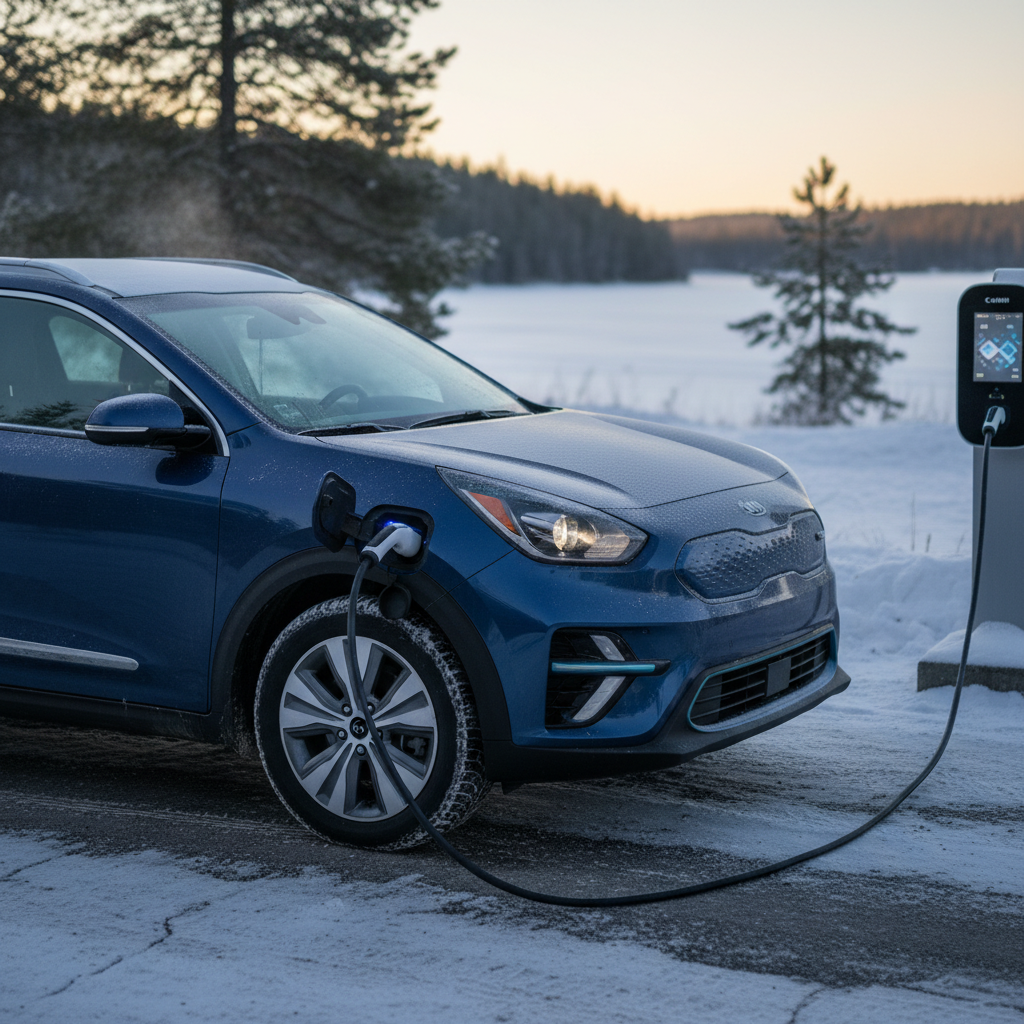
- In **cold weather** with the heater running, some drivers see range fall by **25–40%** vs the rating, depending on trip length and preconditioning.
A simple planning rule
How to approach a GV60 range test
You don’t need a lab to run a meaningful **2025 Genesis GV60 range test**. What you want is a repeatable loop that reflects how you actually drive. Here’s a structured way to do that, useful whether you own the car already or you’re evaluating one on an extended test drive or from a used‑EV marketplace like Recharged.
Practical GV60 range test protocol
1. Start with at least 90% charge
Charge the GV60 to 90–100% on AC or DC, then reset the trip meter and energy consumption. Note the outside temperature, wheel size, and your starting state of charge (SoC).
2. Create a realistic loop
Pick a loop of **30–60 miles** that matches your routine, commute, school run, or weekend errand route, with a mix of city and highway if that’s how you normally drive.
3. Use normal drive mode
Leave the car in Comfort or Eco, set climate to a temperature you’d actually use, and drive at the prevailing traffic speed. Don’t hypermile; the point is to see genuine, day‑to‑day results.
4. Drive down to ~10–15%
Complete your loop and keep driving until you reach around 10–15% SoC. You don’t need to hit 0%; you just want a large enough sample to project total range reliably.
5. Read the consumption figure
Check the GV60’s energy use (kWh/100 mi or mi/kWh). Multiply that by the usable pack size (roughly 77–80 kWh of the nominal 84 kWh) to estimate **true usable range** in those conditions.
6. Repeat in different conditions
If you can, repeat the same loop in **cold weather**, **rain**, or with a full family and cargo. That will give you a real picture of best‑ and worst‑case range.
Why this matters for used buyers
Ready to find your next EV?
Browse VehiclesCity vs highway range performance
Like most EVs, the 2025 Genesis GV60 is **much more efficient in city and suburban driving** than at a steady 75 mph on the interstate. That surprises gas‑car drivers, but it’s core to planning your range.
How the GV60 behaves in different driving cycles
Approximate real‑world outcomes for an 84 kWh GV60, assuming a fresh battery and milder temps
Urban & suburban (25–45 mph)
- Stop‑and‑go traffic lets regen braking recover energy.
- In mild weather, expect **280–320 miles** from a full charge in a RWD GV60.
- AWD trims run lower but still compare favorably to rivals.
Mixed commute (city + freeway)
- Common for U.S. commuters: 40–65 mph with lights and short freeway bursts.
- Real‑world range often lands around **240–280 miles** for RWD; less for AWD.
- Short trips in winter will shave more off than long, steady drives.
Sustained highway (70–75 mph)
- Aero drag hits harder at speed, especially with roof racks or winter tires.
- Plan for **200–240 miles** between 90% and 10% SoC in many conditions.
- That’s plenty for 2–3 hour legs with a quick DC fast‑charge stop in between.
Don’t plan to 0%
How weather and climate control hit GV60 range
The updated GV60 is more efficient than early builds, but physics still wins. Heating a cabin in winter or cooling it during a heat wave takes energy, and your **2025 Genesis GV60 range test** will look very different in Minnesota in January than it does in California in May.
Typical GV60 range impact by weather scenario
These are directional examples, not guarantees. Actual results depend on your speed, elevation, and tire choice.
| Scenario | Temp & HVAC | Approx. impact vs EPA | What you’ll notice |
|---|---|---|---|
| Mild spring commute | 55–70°F, light HVAC | 0 to -10% | Range often matches or beats the sticker in stop‑and‑go driving. |
| Summer highway trip | 85–95°F, A/C on | -10 to -20% | A/C draws a few kW, especially at startup, and aero drag rises with heat‑thinned air. |
| Cold snap short trips | 0–25°F, heater on | -25 to -40% | Short, frequent drives where the cabin keeps reheating are the worst‑case scenario. |
| Cold but steady drive | 20–32°F, heater on | -15 to -30% | Once warmed, longer runs are less punishing than many owners fear. |
How temperature and HVAC use can affect usable range on an 84 kWh GV60.
Use preconditioning to your advantage
Inside the 84 kWh battery and efficiency
Under the floor, the 2025 GV60’s long‑range 84 kWh pack is an evolution of the earlier 77.4 kWh unit. Genesis combines a larger usable energy buffer with software and aero tweaks to stretch range without radically changing the driving experience.
- **Usable vs gross capacity:** While the pack is rated at 84 kWh, only a portion is usable to protect longevity. In practice, assume roughly **77–80 kWh** of energy between 100% and near‑zero.
- **800‑V architecture:** The GV60’s high‑voltage system allows ultra‑fast charging and helps keep current (and therefore losses) lower at a given power level.
- **Active aero and low‑rolling‑resistance tires:** Later‑model GV60s add subtle aero aids and optimized wheels/tires that can shave a few percent off consumption at highway speeds.
- **Thermal management:** A liquid‑cooled battery pack, heat pump (on many trims), and intelligent thermal control help the GV60 maintain more consistent range across seasons than early‑generation EVs.
Range on a road trip: planning and charging
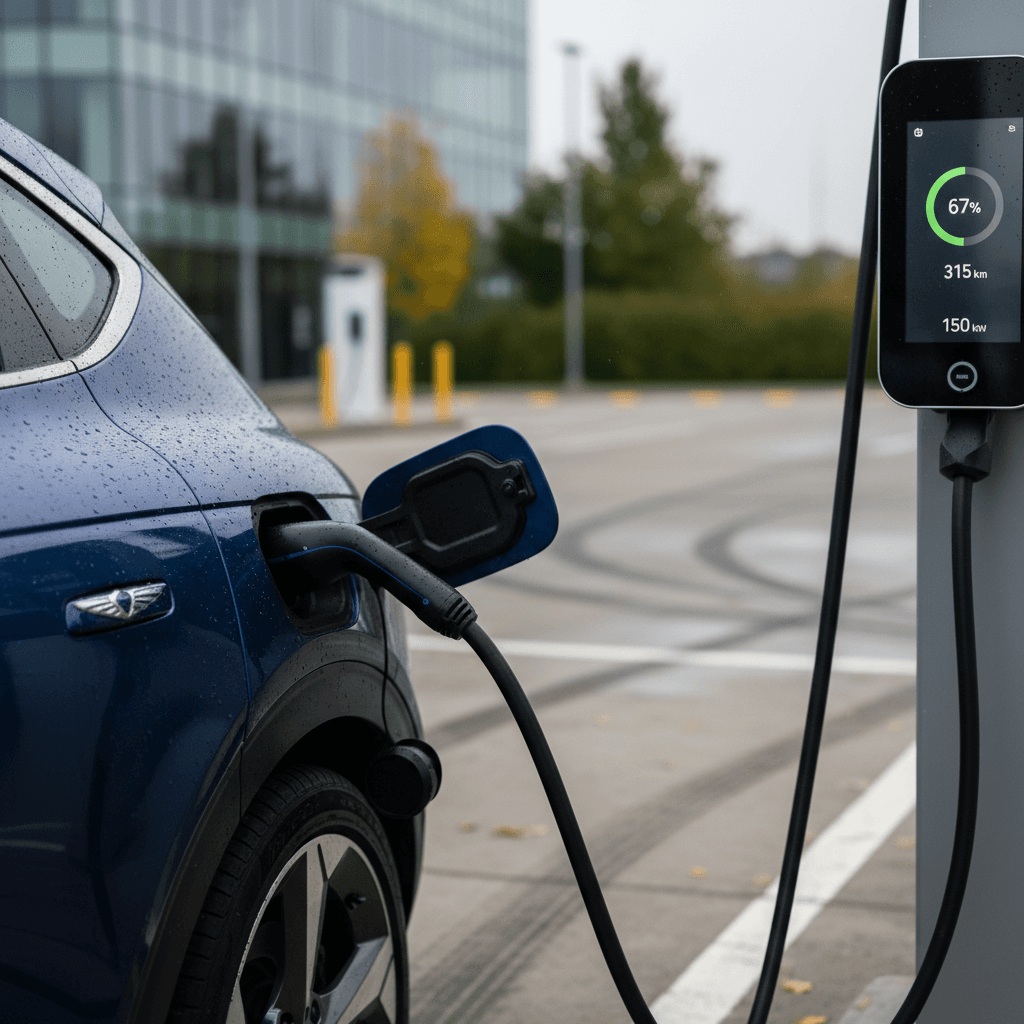
On paper, the GV60’s EPA range looks tailor‑made for American highway trips, especially with 10–80% fast‑charge times around **18 minutes on a 350 kW charger**. In reality, your trip experience will depend less on the car and more on how you plan your stops.
How far to run between stops
- On a typical interstate run, many owners find that charging from **10% to ~70–80%** is the sweet spot for speed.
- In an 84 kWh RWD GV60, that translates to **150–200 miles** between fast charges in most conditions.
- Try to stack charging with natural breaks: restrooms, coffee, meals. You’ll almost always be ready before the car is.
Networks & connectors
- GV60s sold in the U.S. have used CCS so far, with a shift toward **NACS (Tesla‑style)** ports expected on newer model years.
- As NACS rolls out, GV60 owners will gain access to far more high‑power chargers, improving real‑world road‑trip flexibility.
- Plan trips with apps like PlugShare, Chargeway, or network‑specific tools, and always have a Plan B in case a station is busy or offline.
Mind your wheel and tire combo
What range looks like on a used Genesis GV60
Range questions get even more important when you’re considering a **used Genesis GV60**. Battery degradation, prior fast‑charging habits, climate, and wheel/tire choices all add variability that isn’t obvious from a listing photo or a quick test drive.
Used GV60 range: what to look for
Practical checks before you sign for a pre‑owned GV60
Battery health & degradation
- Modern packs like the GV60’s tend to lose range slowly if treated reasonably.
- After a few years, it’s normal to see **5–10%** loss vs the original EPA estimate.
- Ask for recent full‑charge estimates and consumption logs; a structured range test is even better.
Data‑driven inspections
- Platforms like Recharged use a **Recharged Score** and independent diagnostics to verify battery health and expected range.
- That’s far more telling than a seller’s claim that it "still gets great mileage."
- Look for transparent reporting on fast‑charge history and any battery‑related repairs.
Test drive that mimics your life
- Push for an extended drive that includes your typical mix of city, highway, and hills.
- Track SoC over at least **30–50 miles** to see how quickly the gauge drops.
- Pay attention to how the predicted range changes as you drive; big swings can indicate prior reset or adaptation in progress.
Range vs price calculus
- A lightly degraded GV60 that still easily covers your daily routine can be a terrific value, especially compared to new‑car pricing.
- Use range as one factor alongside **price, equipment, warranty coverage, and service history**.
- At Recharged, specialists can help you weigh all of that, not just the number on the gauge.
Where Recharged fits in
Checklist: Getting the best range from your GV60
Whether you’re testing a 2025 Genesis GV60 for the first time or living with one every day, a few habits go a long way toward maximizing range without turning every drive into a science project.
GV60 owner’s range optimization checklist
Use Eco or Comfort for long runs
Sport mode is fun and the GV60 can be genuinely quick, but it also encourages harder acceleration. For commuting and road trips, Eco or Comfort gives smoother, more efficient responses.
Pre‑condition while plugged in
On hot or cold days, start cabin preconditioning before you unplug, using shore power to handle the biggest HVAC load instead of draining the pack at the start of your trip.
Leverage regenerative braking
Get comfortable with higher regen settings in traffic. Lifting earlier instead of braking late lets the GV60 reclaim energy that would otherwise turn into heat at the pads.
Check tire pressures regularly
Under‑inflated tires increase rolling resistance and can easily nibble away **5–10%** of your range. Follow the door‑jamb placard and re‑check with seasonal temperature swings.
Travel lighter when possible
Roof boxes, bike racks, and heavy cargo all add drag or weight. When you don’t need them, pull them off the car, you’ll notice the difference on longer trips.
Keep software up to date
Genesis is steadily improving thermal, charging, and efficiency logic. Make sure over‑the‑air updates are enabled so you benefit from quiet upgrades that can improve real‑world range and charging behavior.
2025 Genesis GV60 range FAQ
Frequently asked questions about 2025 GV60 range
Bottom line: Should range stop you from buying a GV60?
If you strip away the brochure language and look at how the **2025 Genesis GV60** behaves in real‑world range tests, a clear picture emerges. In single‑motor form with the 84 kWh pack, it’s a genuinely capable long‑range EV that can handle typical U.S. commutes, weekend errands, and multi‑state road trips without drama, provided you plan your charging the way you would fuel stops.
Dual‑motor AWD trims take a predictable efficiency hit, and like any EV, the GV60 will show its biggest range losses in **cold weather, high speeds, and short, heater‑heavy trips**. But those are manageable with smart habits: pre‑conditioning, sensible speeds, and right‑sized wheel choices go a long way.
If you’re cross‑shopping used EVs, the GV60’s combination of **comfortable cabin, fast charging, and competitive real‑world range** makes it a compelling option, especially when you can see objective battery data up front. On Recharged, every GV60 listing includes a Recharged Score Report, verified battery health, and expert support, so you can match the car’s true range to the way you actually drive. Range shouldn’t scare you away from a GV60; it should simply be one of the levers you pull to find the right one.