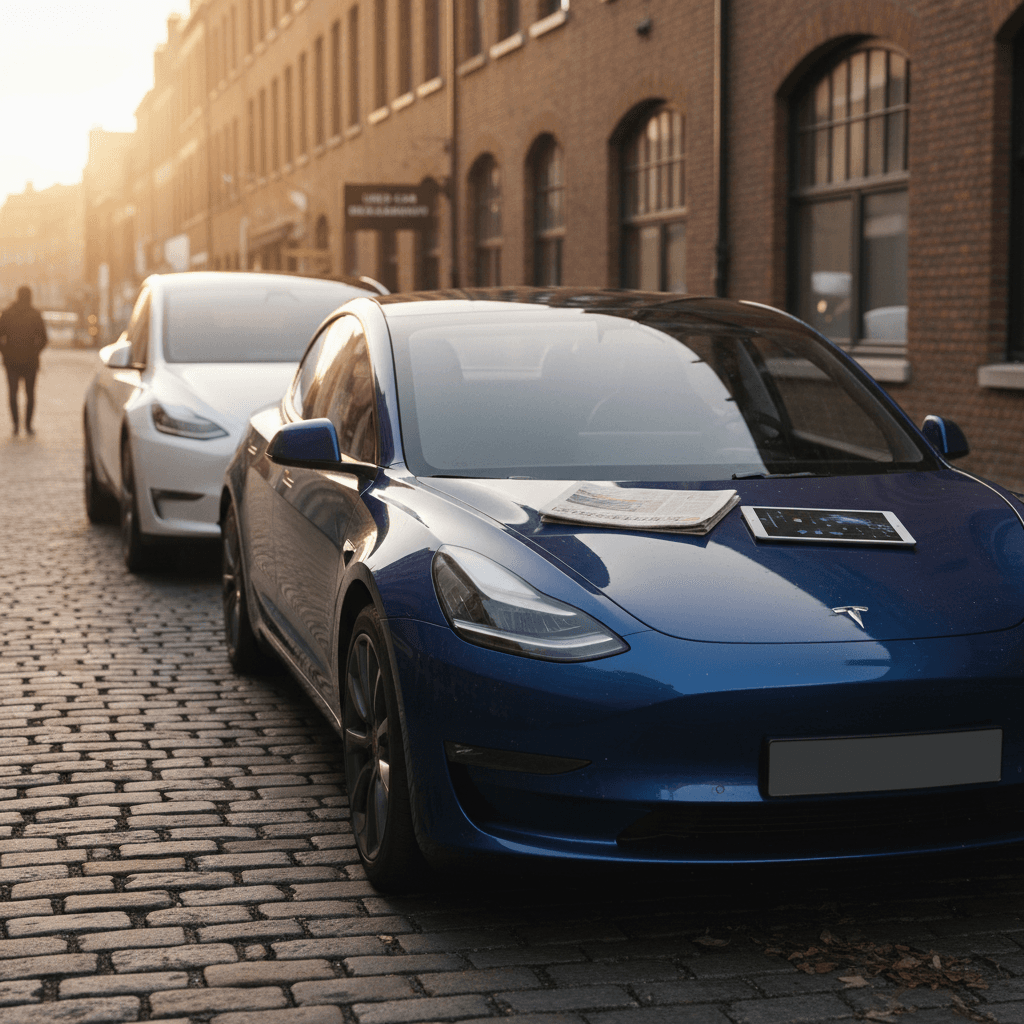
If you’re trying to make sense of all the Tesla auto models on the road today, you’re not alone. Between Model 3, Model Y, Model S, Model X and the headline-grabbing Cybertruck, it can be hard to know which Tesla actually fits your life, and whether you’re better off buying new or choosing a used Tesla from a trusted EV marketplace like Recharged.
Tesla lineup in one sentence
Tesla auto models in 2025: quick overview
Tesla doesn’t sell traditional trims like most automakers. Instead, each model has a small handful of configurations defined by motor count (single, dual, or tri-motor), performance, and battery size. On top of that, over-the-air software updates constantly tweak features, range estimates and even acceleration figures.
Tesla and EV ownership by the numbers
Those big numbers are helpful, but they don’t tell you which car fits your driveway. To do that, let’s walk through each Tesla model in plain language, then talk about how to shop the used market without guessing about battery health or overpaying.
Tesla lineup at a glance
What each Tesla auto model is really built for
Think of these not as trim names, but as personalities.
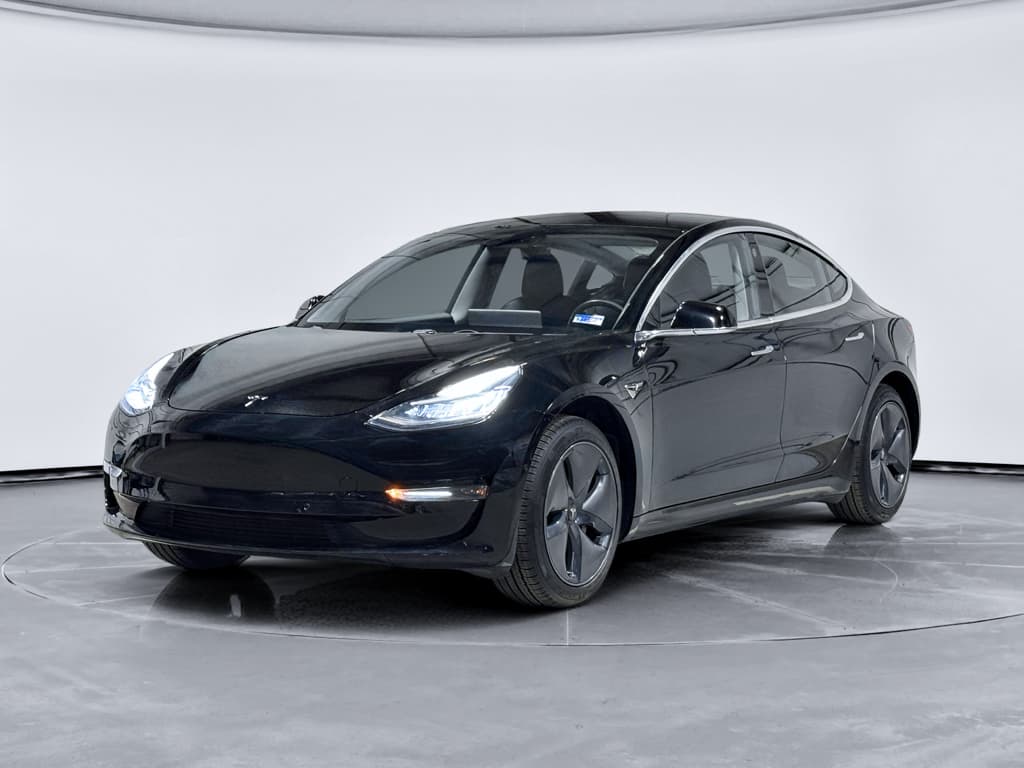
Model 3 – Compact sedan
Best for: Commuters and first‑time EV owners.
- Lowest starting price in the lineup
- Tidy size, easy to park
- Excellent efficiency and range
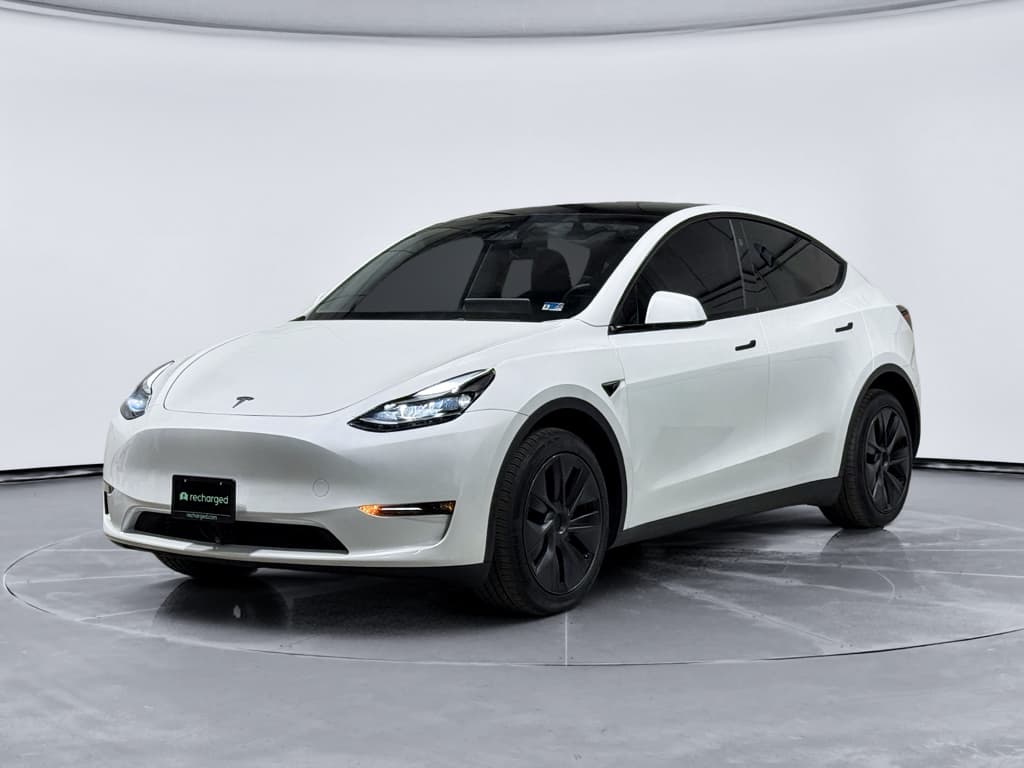
Model Y – Crossover SUV
Best for: Families and road‑trippers.
- Higher seating position, hatchback practicality
- Optional 3rd row on some versions
- America’s bestselling EV in recent years
Model S – Flagship sedan
Best for: Long‑distance drivers and performance fans.
- High range and supercar‑quick acceleration
- Larger cabin and trunk than Model 3
- Typically more expensive to buy and insure
Model X – Three‑row SUV
Best for: Larger families and towing.
- Three rows with available six‑seat layout
- Falcon Wing rear doors
- Higher price but serious space
Cybertruck – Electric pickup
Best for: Early adopters and truck owners who want something different.
- Stainless‑steel exterior, ultra‑distinctive look
- Impressive tow ratings and payload
- Higher price than originally promised
Roadster & others
Tesla has teased a new Roadster sports car and other projects, but as of late 2025 these remain future or limited‑run vehicles, not part of the mainstream lineup most shoppers will cross‑shop.
Model 3: the affordable everyday Tesla sedan
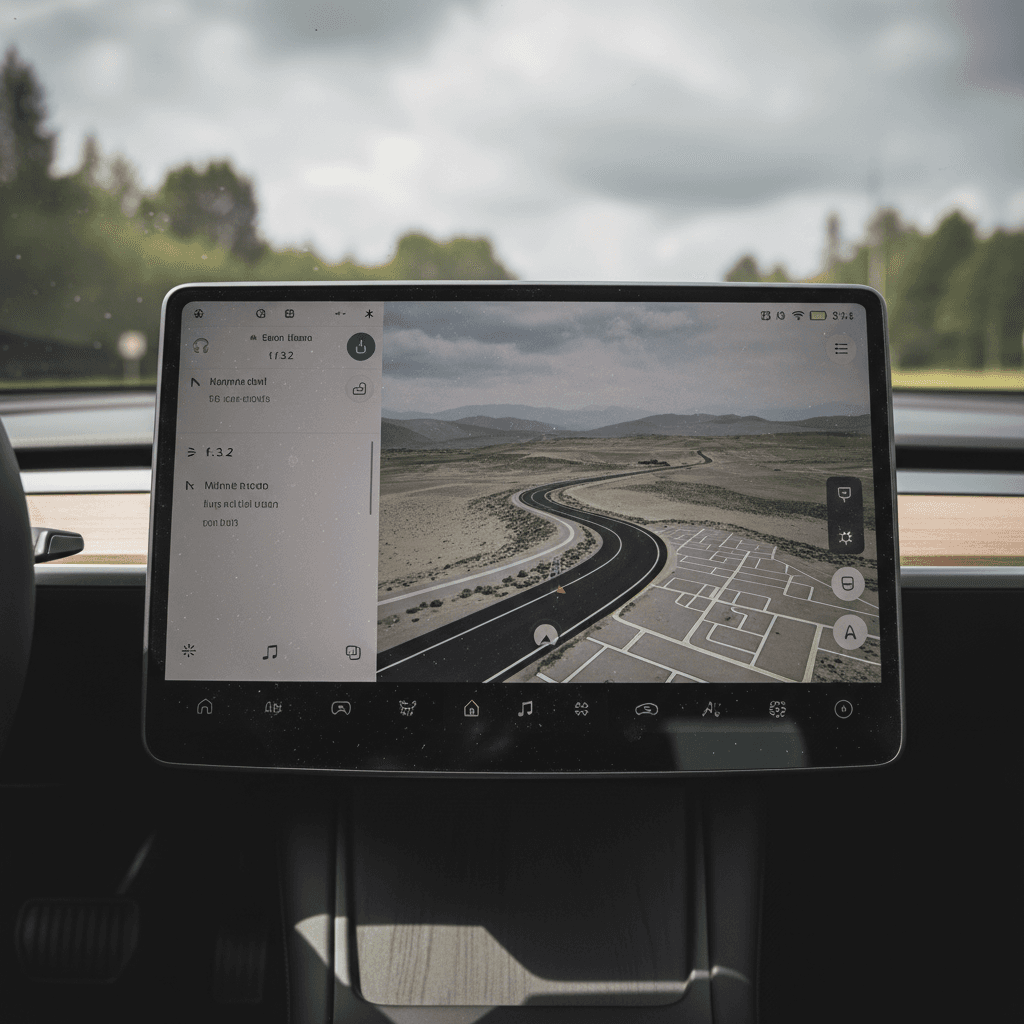
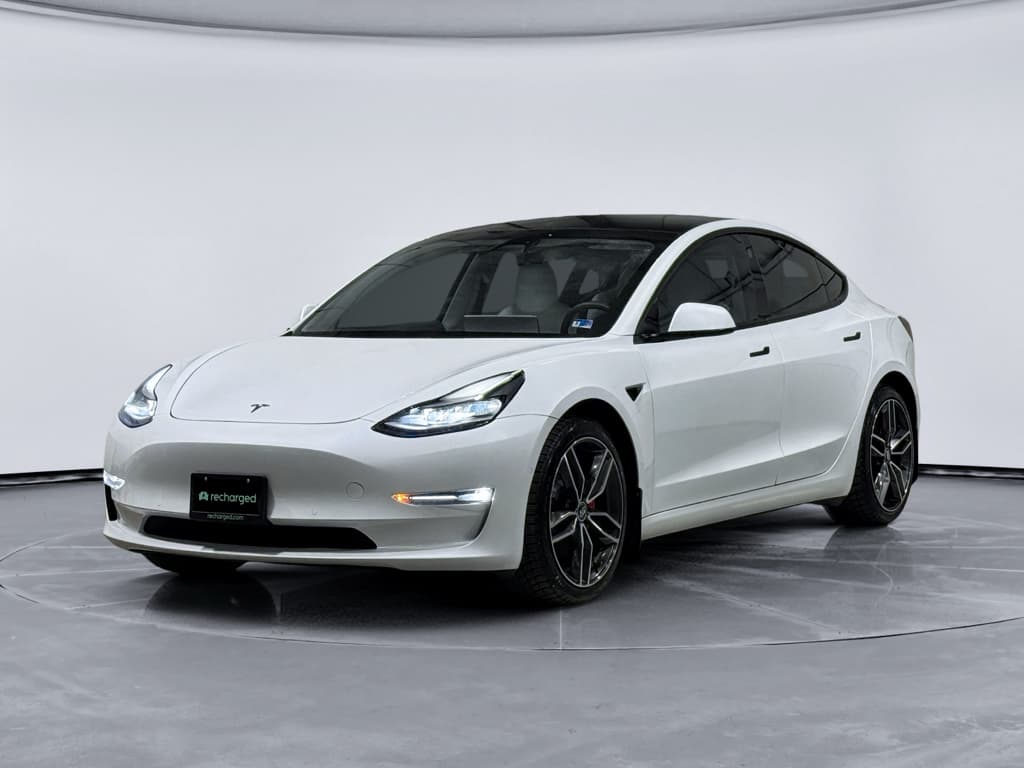
If you picture a white Tesla with a clean, coupe‑like roofline slipping silently through traffic, you’re probably thinking of the Model 3. It’s the most attainable of the Tesla auto models and generally the easiest to live with if you’re downsizing from a gas sedan or compact SUV.
- Body style: 4‑door compact sedan with a usable trunk and split‑fold rear seats
- Typical range when new: roughly 270–340 miles depending on year, wheels and battery
- Drive options: rear‑wheel drive or dual‑motor all‑wheel drive on most model years
- Character: light on its feet, efficient, and easy to park; ride quality can feel firm on rough pavement
New vs used Model 3
For many buyers, a well‑priced used Model 3 delivers almost all of Tesla’s signature experience: quick acceleration, one‑pedal driving, easy home charging, and access to the Supercharger network, without the sticker shock of a brand‑new build.
Model Y: the family-friendly crossover SUV
The Model Y takes the Model 3 formula and stretches it into a compact crossover. Same basic platform, but a taller roof, hatchback cargo area and available third row (on some configurations and years) make it the go‑to Tesla for growing households.
Why families flock to Model Y
- High seating position makes it easier to load kids and car seats.
- Hatchback cargo area swallows strollers, sports gear and Costco runs.
- Available all‑wheel drive for better traction in bad weather.
Things to keep in mind
- Third row (if equipped) is best for kids, not full‑size adults.
- Ride can feel firmer than traditional SUVs on broken pavement.
- Roof height and hatch can make tight garages feel tighter, measure before you buy.
When Model Y is the sweet spot
On the used market, you’ll find a wide spread of Model Y builds, some with the optional third row, some with upgraded wheels and tow packages. A marketplace built around EVs, like Recharged, can help you quickly filter by seat count, tow rating and range so you aren’t wading through generic listings that just say “Long Range.”
Model S: long-range, high-performance flagship sedan
The Model S is the car that made Tesla a household name. It’s a large fastback sedan with serious road‑trip legs and supercar‑level acceleration in its performance variants. Think of it as Tesla’s answer to the Mercedes‑Benz S‑Class, only with a quiet electric powertrain and a very different dashboard.
- Body style: large liftback sedan with a massive rear cargo opening
- Typical range when new: often in the 350–400+ mile ballpark, depending on year and configuration
- Performance: some versions sprint from 0–60 mph in under 3 seconds
- Cabin: roomy front seats and ample rear legroom, though the sweeping roofline can limit rear headroom for tall passengers
Flagship thrills, flagship costs
If you routinely drive long highway stretches and want a quiet, fast EV that still feels premium inside, a well‑chosen Model S can be a compelling alternative to luxury sedans from BMW, Audi or Mercedes, with far fewer fuel stops.
Model X: three-row SUV with distinctive doors
The Model X is Tesla’s people‑mover: a large three‑row SUV with dramatic Falcon Wing rear doors and towing capability. It’s the most visually distinctive of the Tesla auto models, and one of the most polarizing.
Model X strengths
- Three rows of seating, with flexible 5, 6, or 7‑seat layouts depending on year.
- All‑wheel drive on almost all configurations.
- Serious cargo space with the rear seats folded.
- Falcon Wing doors make for theatrical kid‑drop‑offs at school.
Model X trade-offs
- Those same Falcon Wing doors can be finicky in tight garages and low carports.
- Price and insurance costs sit near the top of Tesla’s range.
- Heavier weight and larger frontal area mean slightly lower efficiency than Model Y.
Who should consider Model X
Cybertruck: polarizing but capable electric pickup
No Tesla auto model has generated more headlines than the Cybertruck. With its stainless‑steel exoskeleton, angular shape and huge light bar, it barely resembles a traditional pickup, but Tesla engineered it to work like one.
- Body style: crew‑cab pickup with a short bed and integrated locking tonneau cover on many trims
- Powertrains: dual‑motor all‑wheel drive or tri‑motor “Cyberbeast” performance versions, with a large battery pack
- Range: roughly low‑300‑mile estimates for many configurations when new, depending on wheels and options
- Capability: competitive tow ratings and payload versus other electric pickups, plus onboard power outlets on many trims for tools and camping
What to know about Cybertruck in 2025
Because Cybertruck is newer and more complex, used examples may command a premium compared with more common Model 3 or Model Y listings. This is a case where a detailed, third‑party battery health report, like the Recharged Score, is especially valuable to separate showroom‑fresh trucks from those that have already seen a hard working life.
Which Tesla auto model is right for you?
Match a Tesla model to your lifestyle
Start with how you drive, not just what looks good in the driveway.
Daily commuter
If most of your driving is commuting, errands and the occasional weekend trip:
- Model 3 is usually the most cost‑effective.
- Look for a configuration that comfortably covers your round‑trip commute on 60–70% of its range so you’re not constantly charging to 100%.
Growing family
Kids, car seats, pets and strollers?
- Model Y hits the sweet spot for most families.
- If you routinely carry six or seven people, test‑sit a Model X and compare real‑world space.
Performance enthusiast
If you care more about 0–60 times than cargo volume:
- Model S performance variants and some Model 3 Performance trims feel genuinely quick.
- Cybertruck’s tri‑motor versions deliver shocking acceleration in a pickup body.
Road-tripper
Long highway stretches and mountain passes ahead?
- Favor higher‑range Model S or Model 3 configurations.
- Use Tesla’s trip planner or your favorite routing app to sanity‑check charging stops based on where you live.
Truck and utility use
Need a bed and serious tow ratings?
- Cybertruck is the obvious Tesla choice right now.
- Compare it against other electric trucks and even efficient gas pickups, especially if you tow long distances, where range drops quickly.
Budget-conscious buyer
Trying to keep monthly payments comfortable?
- A used Model 3 or Model Y with verified battery health can undercut new‑car pricing dramatically.
- Shopping on Recharged lets you compare fair‑market pricing, financing options and battery reports side by side.
Buying a used Tesla: battery health, pricing and peace of mind
Tesla auto models hold their value well, which makes them attractive in the used market, but it also means you want to know exactly what you’re getting. With any used EV, two questions matter more than leather colors or wheel designs: How healthy is the battery? and Is the price fair for that condition?
Used Tesla buying checklist
1. Start with your real-world range needs
Estimate your weekly driving, longest regular trips, and how often you’ll rely on public fast charging. A Model 3 with slightly more mileage but a larger battery might serve you better than a low‑miles example with less range.
2. Look for verified battery health data
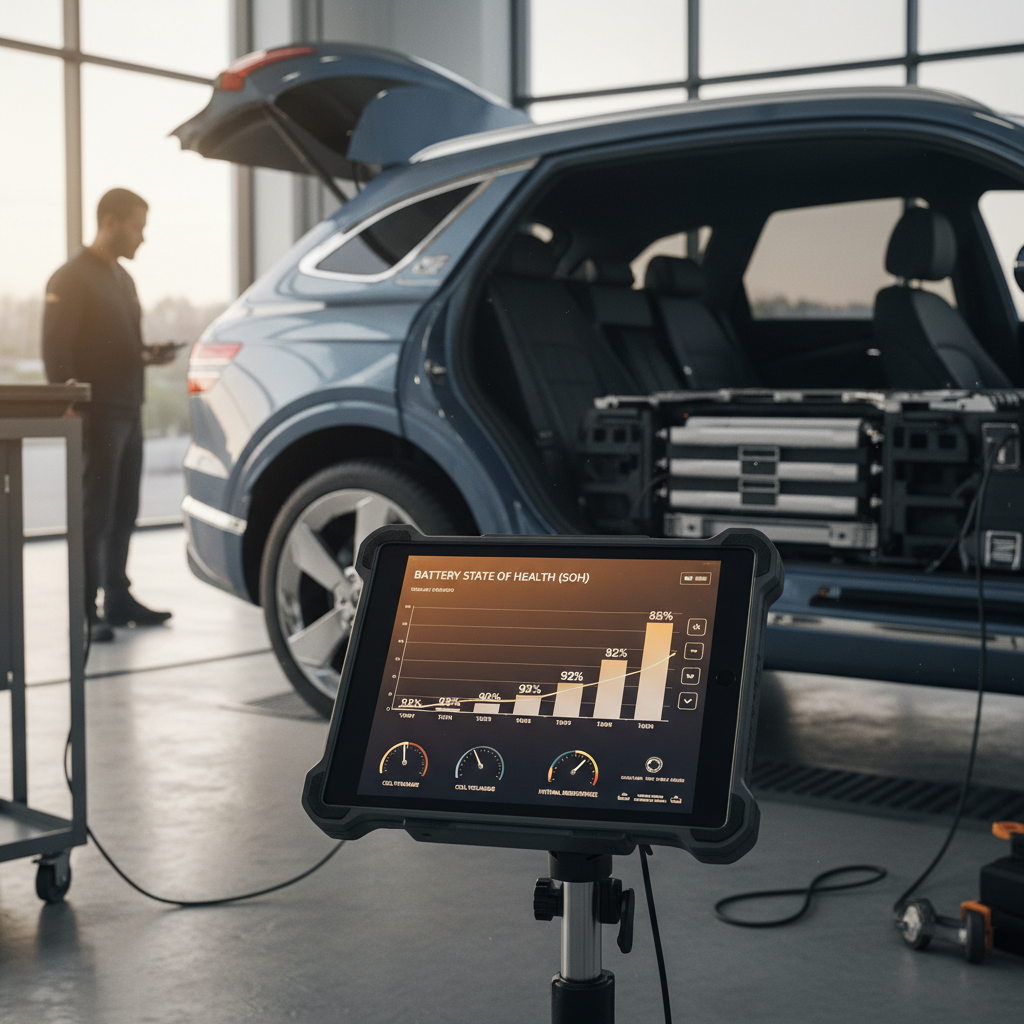
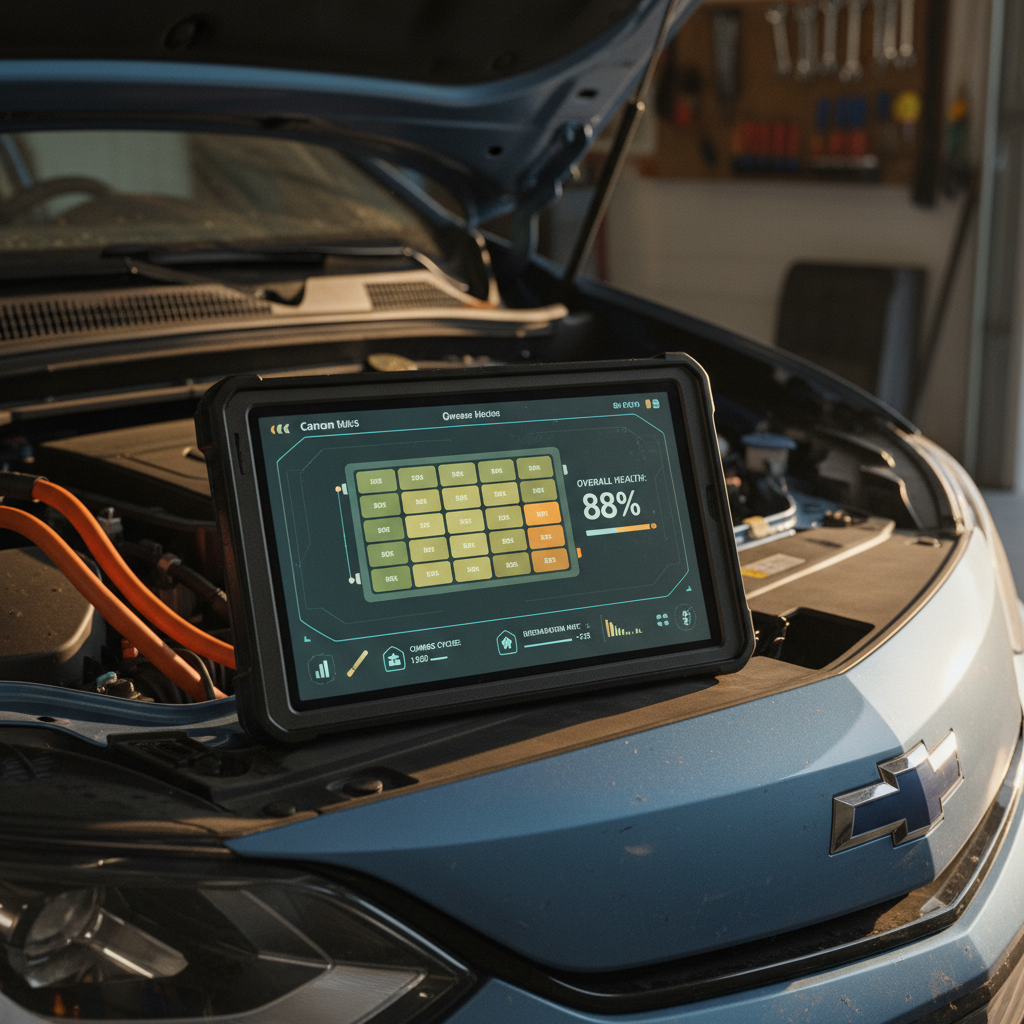
Battery replacement on a Tesla can run into the thousands of dollars. Aim to see a <strong>third‑party battery report</strong>, like the Recharged Score, that measures current capacity versus original specification, not just guess from the dash estimate.
3. Check DC fast-charging and towing history
Frequent Supercharger use or heavy towing (particularly on Cybertruck and Model X) can accelerate battery wear. Service records, owner disclosure and independent diagnostics help you spot hard‑used vehicles.
4. Compare fair-market pricing, not just asking price
Tesla has changed prices frequently, especially from 2022–2025. Use a marketplace that benchmarks each VIN against similar sales so you aren’t overpaying for yesterday’s MSRP.
5. Inspect tires, brakes and suspension
Performance‑oriented Teslas and heavier models like Model X and Cybertruck can eat through tires more quickly. Uneven wear, vibration or clunks over bumps are all reasons to negotiate, or walk away.
6. Confirm software features and included hardware
Autopilot, Full Self‑Driving capability, premium connectivity and tow packages can materially change a Tesla’s value. Confirm what’s actually active on the car you’re considering, not just what the original window sticker listed.
How Recharged helps with used Teslas
Ready to find your next EV?
Browse VehiclesKey Tesla model differences: comparison table
High-level comparison of core Tesla auto models
Use this as a starting point, exact numbers vary by year, trim, wheels and options.
| Tesla model | Body style | Typical seating | Ballpark range when new | Personality |
|---|---|---|---|---|
| Model 3 | Compact sedan | 5 | ~270–340 miles | Efficient, agile, value-focused |
| Model Y | Compact crossover SUV | 5–7 (depending on configuration) | ~260–330 miles | Practical, family-oriented, hugely popular |
| Model S | Large liftback sedan | 5 | ~350–400+ miles | Long‑legged, luxurious, very quick in performance trims |
| Model X | Large three‑row SUV | 6–7 (depending on layout) | ~300–350 miles | Roomy, distinctive, capable of towing |
| Cybertruck | Crew‑cab pickup | 5 | ~300+ miles (trim dependent) | Angular, capable, aimed at truck and adventure buyers |
All ranges are rough ballparks for popular configurations when new.
Frequently asked questions about Tesla auto models
FAQ: Tesla auto models and buying decisions
Final thoughts: Tesla models and smart EV shopping
All of Tesla’s auto models, from the workhorse Model 3 and Model Y to the flagship Model S and Model X, plus the wild‑card Cybertruck, share the same core idea: quick, quiet performance and seamless charging. The trick is matching that idea to your life, your budget and your tolerance for tech.
Start by choosing the Tesla model that fits how you actually drive, then focus on battery health, range and total cost of ownership rather than just the shiniest screen or biggest wheels. And if you’re looking at a used Tesla, lean on tools built specifically for EVs. With Recharged, every car includes a transparent Recharged Score battery report, expert EV guidance and nationwide delivery, so you can pick the right Tesla with confidence, not guesswork.