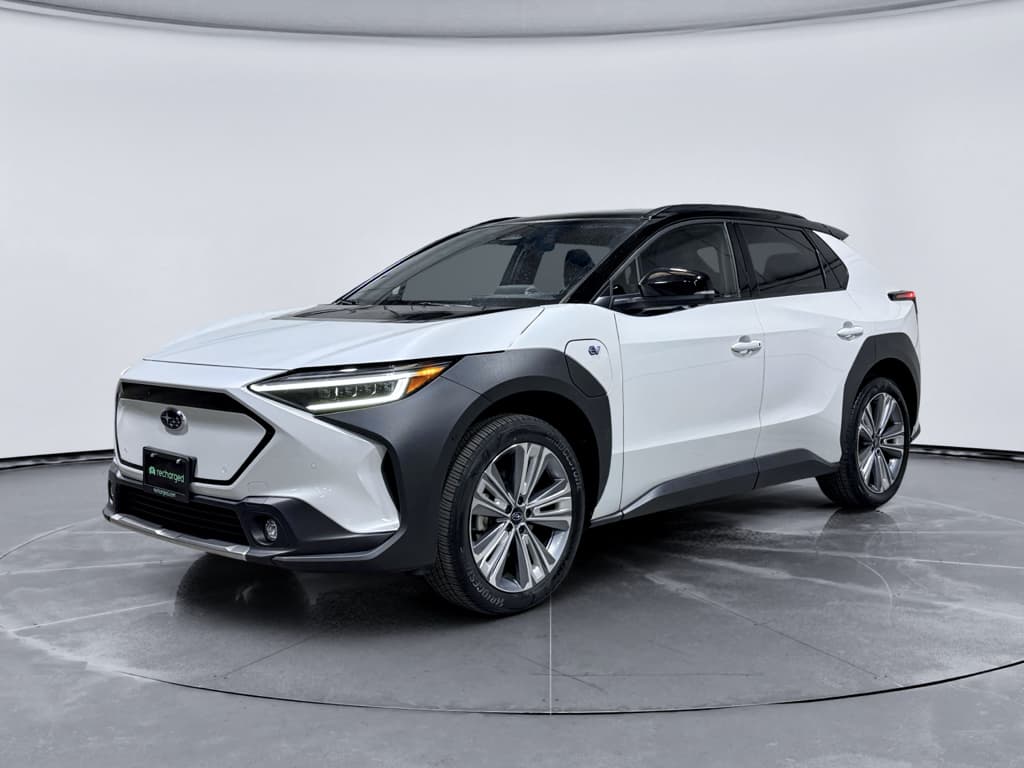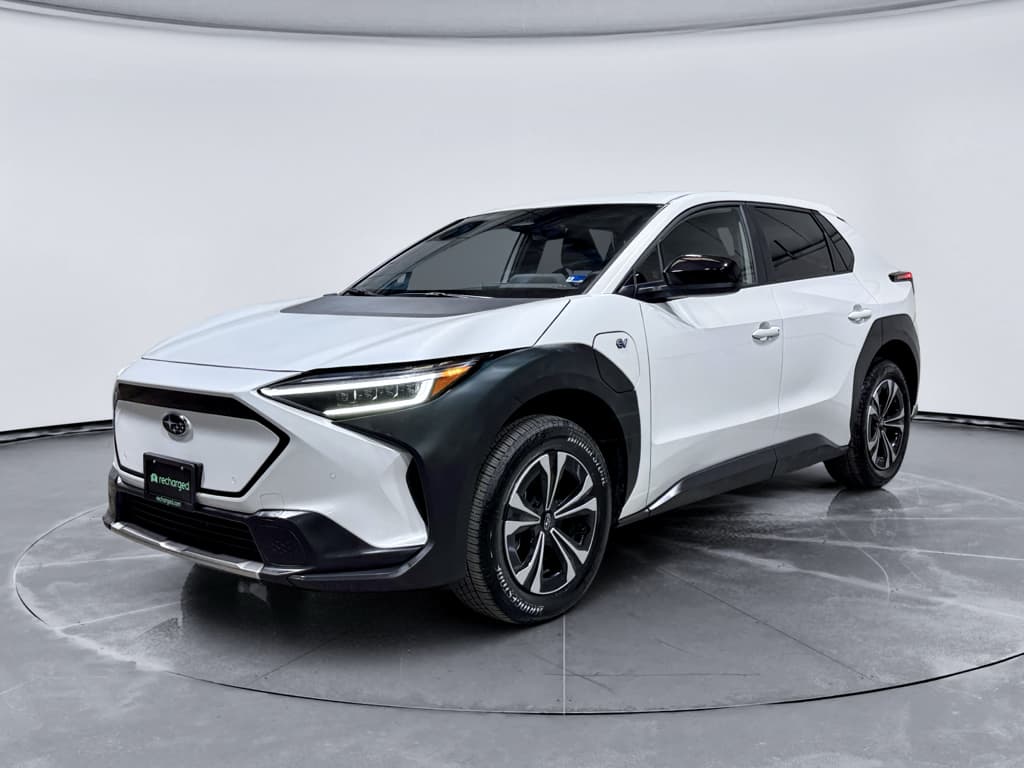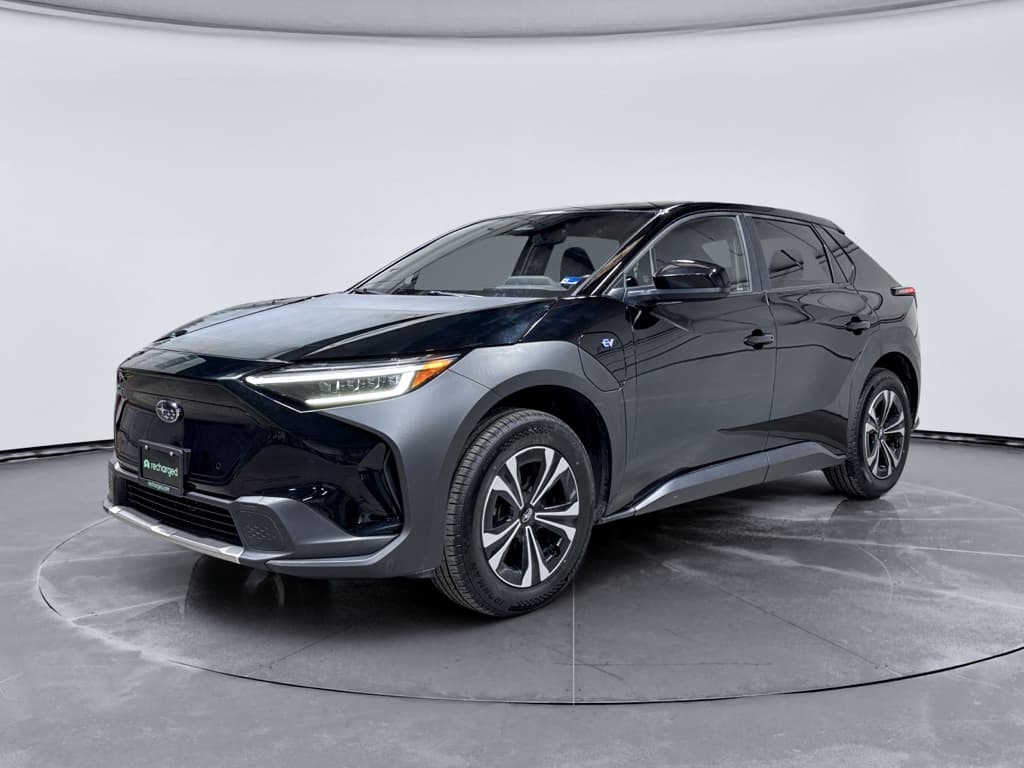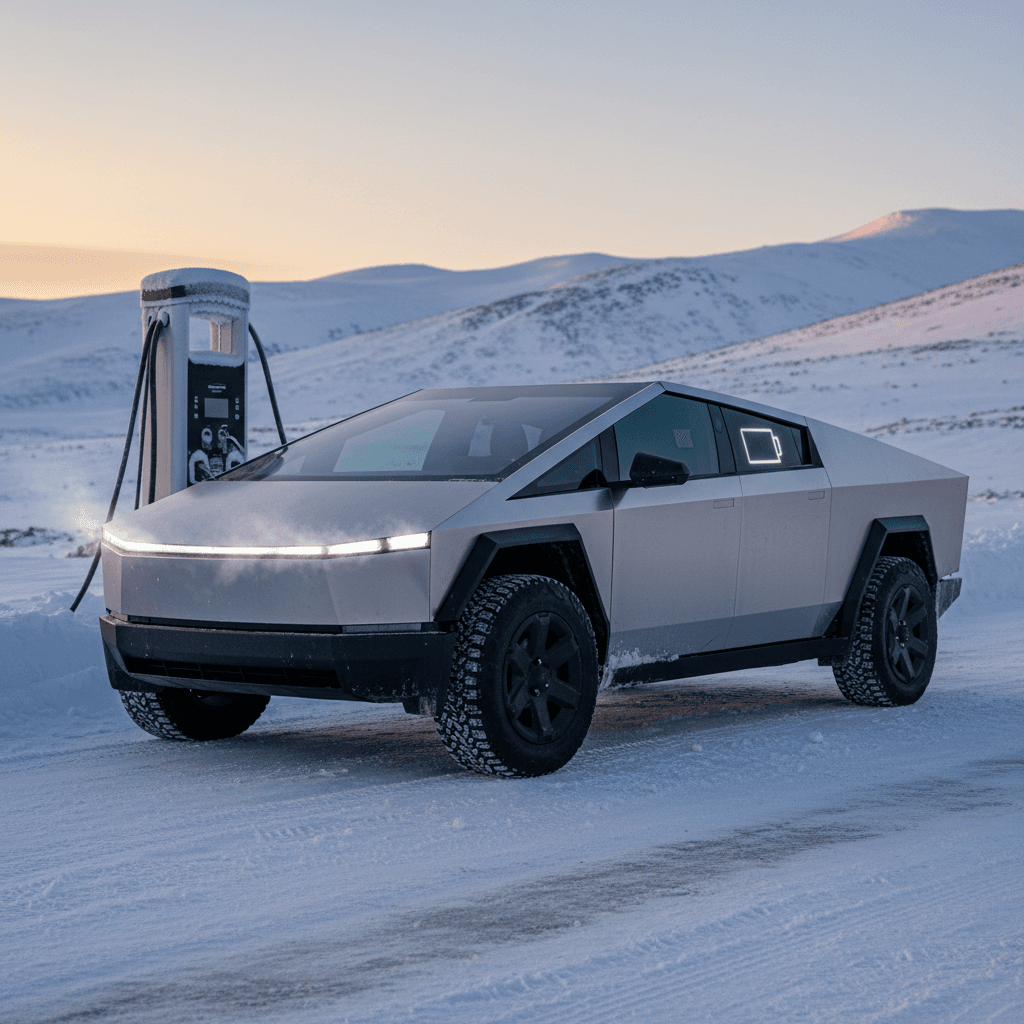
If you drive a Subaru Solterra through real winters, you’ve probably watched the range estimate melt away faster than the snow on your driveway. Subaru talks about a 220–230 mile EPA rating for early Solterras and close to 290 miles for the 2026 update, but in January at 15°F, the number on the screen can look very different. This guide breaks down Subaru Solterra winter range loss using real-world data, physics, and practical fixes, whether you already own one or are shopping for a used Solterra.
Quick takeaway
Why your Subaru Solterra loses range in winter
Cold-weather range loss isn’t a Subaru quirk; it’s how lithium-ion batteries and aerodynamics work. The Solterra’s battery pack, motors, and heat pump are all affected when temperatures drop, especially below freezing. Understanding the “why” makes it easier to decide what you can control, and what you can’t.
Four main reasons Solterra range drops in the cold
Two are pure physics, two are about how you use the car
1. Cold battery chemistry
At low temperatures, the ions inside the Solterra’s lithium-ion pack move more slowly. That increases internal resistance, so you get:
- Less usable energy until the pack warms up
- Lower power for fast charging and hard acceleration
- Higher losses when you first start driving
2. Denser winter air
Colder air is denser, so your Solterra has to push harder through the air at highway speeds.
- This matters most above ~55 mph
- At 70–75 mph in 20°F weather, drag is a big share of your losses
3. Cabin heating load
Unlike a gas Subaru that uses engine waste heat, your Solterra has to make heat from battery energy.
- Cabin heat can draw 3–5 kW continuously in real cold
- On a 60–70 mile commute, heat alone can cost 10–20 miles of range
4. Short trips & sitting cold
Short, stop–go winter trips are worst-case.
- Battery never fully warms up
- Car repeatedly reheats the cabin from a cold soak
- Displayed efficiency looks terrible, even though the pack is fine
Don’t blame AWD alone
EPA range vs real-world Solterra winter range
Subaru quotes EPA range around 222–227 miles for earlier Solterra trims and roughly near-290 miles for the updated 2026 model, thanks to a slightly larger pack and improved thermal management. Those tests are done at mild temperatures and lower average speeds than a typical American highway commute. In winter on real roads, your effective range will be lower, and that’s what you should plan around.
Solterra range snapshots (big picture)
Owner reports from colder U.S. states and Canada line up with what we see across many EVs: on a 20–30°F day, you may see your real usable range drop from ~220 miles to somewhere between 130 and 180 miles, depending on speed and how warm you keep the cabin. That sounds dramatic, but the pattern is consistent and predictable enough to plan around.
How much winter range loss to expect by temperature
Exact numbers depend on your driving, but the physics are consistent enough that we can talk in reasonable ballparks. These estimates assume an early Solterra with a 227‑mile EPA rating, driven at mostly highway speeds with normal use of climate control. The percentage applies similarly to the updated 2026 pack; the absolute miles just scale with the higher starting range.
Subaru Solterra winter range loss by temperature (approximate)
These are realistic planning numbers for mixed driving with normal cabin comfort, not idealized hypermiling figures.
| Outside temp | Typical range loss | Usable range (early ~227 mi) | Notes |
|---|---|---|---|
| ~40°F (4°C) | 10–15% | 190–205 mi | Mild loss; highway speed and rain have a big impact |
| ~25°F (-4°C) | 25–30% | 155–170 mi | Heavier heating load, cold-soaked pack |
| ~10°F (-12°C) | 30–40% | 135–160 mi | Plan conservative; short trips hurt efficiency most |
| 0°F (-18°C) or below | 40–45%+ | 120–140 mi | Very dependent on preconditioning, wind, and speed |
Use this as a planning baseline; your actual results will vary with terrain, wind, speed, and passengers.
How to use these numbers
Solterra settings and modes that hurt or help winter range
The Solterra’s software and hardware give you more control than the simple range number on the dash suggests. Small choices, drive mode, climate settings, even which button you press first on a cold morning, can easily swing your winter efficiency by 10–20%.
Key Solterra features that affect winter range
Where efficiency meets comfort
Drive modes (Eco vs Normal vs Power)
Eco softens throttle response and encourages smoother driving, which helps in the cold. Normal is fine for most days. Power mode makes the car feel quicker but also makes it easier to waste energy pulling hard out of every light.
Heat pump & climate settings
Solterra uses a heat pump in many markets to warm the cabin more efficiently than simple resistive heaters, especially in the 20–45°F range. At very low temps, it still may rely on energy‑hungry resistive heat.
Lowering cabin temp from 72°F to 65–67°F and leaning on seat/steering‑wheel heat is one of the biggest wins you have.
X‑MODE & traction systems
X‑MODE and deep‑snow traction settings are brilliant when you actually need them, but they can lock in more aggressive torque use. For a plowed highway in cold but dry conditions, you don’t need those extra traction modes engaged all the time.
Preconditioning while plugged in
Using the app or in‑car timer to pre‑heat the cabin and battery while plugged in is one of the best winter tools you have. You arrive at the start of your drive with a warm battery and less initial heating load on the pack.
Speed discipline
At winter air densities, going from 70 to 75 mph can cost you well over 10% more energy. Owners consistently report much better efficiency holding 65–70 mph rather than 75+ when it’s below freezing.
Snow & winter tire choice
True winter tires dramatically improve grip, which matters more than a few percent of energy use when conditions are bad. Plan on a small additional range hit (often ~5%) from the stickier compound and more aggressive tread, and budget that into your winter planning.
Charging a Subaru Solterra in cold weather
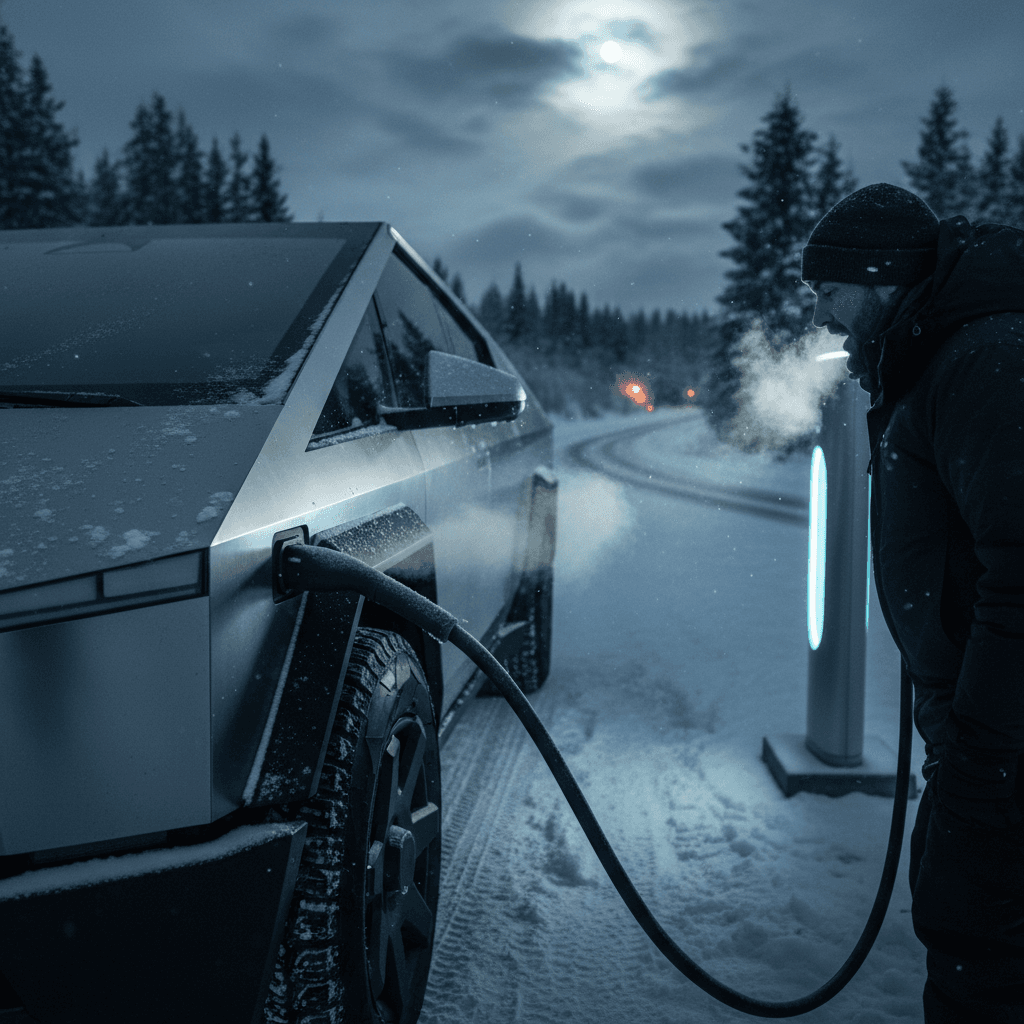
Cold affects not just how far you can drive, but how quickly you can put energy back into the pack. The Solterra’s DC fast‑charging curve is noticeably slower when the battery is cold, especially if you hop straight onto a DC fast charger after the car has been sitting outside overnight.
Level 2 home & workplace charging
For most Solterra owners, especially in colder states, a Level 2 (240V) charger at home or work is the single most important winter upgrade you can make.
- Lets you finish charging close to departure so the pack is warmer
- Makes preconditioning while plugged in practical
- Reduces the temptation to arrive home nearly empty on a frigid night
If you’re shopping used, a previous owner who already installed Level 2 at home is a subtle but real quality‑of‑life perk.
Fast charging when it’s freezing
On DC fast chargers, a cold battery will:
- Start at much lower power than the advertised peak
- Take longer to ramp up to its best charging rate
- Sometimes never reach peak if the drive to the charger was short
To get closer to the Solterra’s best winter charging performance, fast‑charge after at least 20–30 minutes of highway driving so the pack has time to warm internally.
Never fast‑charge a deeply cold-soaked pack repeatedly
Winter range tips for daily Solterra driving
For daily commuting, school runs, and errands, the goal isn’t to squeeze every last mile out of your Solterra, it’s to make winter predictable. These steps will make your range estimates boringly reliable, which is exactly what you want in January.
Daily winter habits that pay off all season
1. Start plugged in when it’s below freezing
Whenever possible, park and charge overnight on Level 2. Set your charge to finish within an hour of departure so the battery and cabin are already warmed by grid power.
2. Pre‑heat through the app, not remote start on battery
Use Subaru’s connected services or in‑car timers to precondition while plugged in. Avoid long remote pre‑heats on battery power alone; they feel convenient but quietly chew through range.
3. Use heated seats and wheel first
Turn seat and steering‑wheel heaters on early, then lower the cabin setpoint a few degrees. You’ll feel just as warm with less draw on the high‑power cabin heater.
4. Keep highway speeds in check
If you’re struggling with winter range, dropping from 75 mph to around 65–70 mph is one of the biggest single levers you have, especially on longer commutes.
5. Avoid lots of tiny cold trips
If you can batch errands into a single longer drive, you’ll spend less time repeatedly heating a cold cabin and pack. That’s free range compared with three separate 10‑minute outings.
6. Watch tire pressures
Cold air drops tire pressure, which increases rolling resistance. Check pressures regularly in winter and keep them near the door‑jamb spec for best efficiency and predictable handling.
Planning winter road trips in a Solterra
The Solterra’s dual‑motor AWD, ground clearance, and Subaru‑style traction systems make it a great ski‑country or back‑roads companion. The constraint in winter isn’t traction, it’s energy. Long winter trips simply require more charging stops and a more conservative planning buffer than a similar trip in May.
How to plan your charging stops
- Base your planning on 60–65% of the EPA range in truly cold conditions.
- Plan to arrive at fast chargers with 15–20% state of charge, not 2–3%.
- Favor sites where you can spend 25–35 minutes: eat, use the restroom, and let the pack warm.
- Use apps that show recent station reliability reports, not just map dots.
What to watch for on the road
- Headwinds and slush can add another 10–15% to your energy use, watch your live consumption.
- Climbs into mountain passes will hurt range on the way up but you’ll regain some energy on the descent via regen.
- If the state‑of‑charge estimate keeps trending lower than your nav prediction, start slowing and, if needed, pick an earlier charger.
Winter road trips are doable, if you plan like a pilot
Battery health vs temporary winter range loss
One of the biggest fears for new EV drivers is confusing normal seasonal range swings with permanent battery degradation. In a Solterra, it’s normal to see a drop in available miles as temperatures fall, then a recovery in spring. The real question is whether the underlying pack is staying healthy over years, not days.
Is it winter loss or real degradation?
How to tell the difference in a Solterra (especially a used one)
Signs it’s just winter
- Range improves clearly on warmer days.
- Efficiency (mi/kWh) looks better on long steady drives than on short city hops.
- Charging speeds improve after 20–30 minutes of driving before a DC fast‑charge.
- Spring and fall range feel similar year over year.
Signs to check battery health
- Noticeably less range than other Solterras in similar conditions.
- Summer range feels permanently reduced vs the first year.
- DC fast‑charge speeds are low even with a warm pack.
- Large, persistent differences between displayed state of charge and real‑world miles.
In those cases, a professional battery health report is worth getting before you buy, or as part of a warranty conversation if you already own the car.
How Recharged helps with used Solterra battery health
Buying a used Subaru Solterra if you live in a cold climate
If you’re in the market for a used Solterra in a place like Minnesota, Colorado, upstate New York, or New England, you’re asking a smart question: will this EV still work for me when it’s 5°F and sleeting sideways? The answer is usually yes, but only if you match the car’s true winter capabilities to your daily reality.
Cold-climate used Solterra buyer checklist
1. Map your worst‑case winter day
Before you even test‑drive, write down your longest realistic winter day: total miles, elevation, and whether you can plug in at home or work. Compare that to conservative winter range numbers (60–65% of EPA).
2. Ask about charging setup
Does the seller (or dealership) have a Level 2 charger installed? If not, factor the cost of installation into your budget. If you buy through Recharged, our specialists can help you plan home charging and financing together.
3. Request battery‑health documentation
For private‑party sales, ask for any service records or third‑party battery checks. From Recharged, you’ll get a Recharged Score Report with quantified pack health rather than just a dashboard guess.
4. Test‑drive in realistic conditions if possible
A five‑minute loop on dry pavement won’t tell you much. If you can, test‑drive on a colder day and include some highway speeds so you can see energy consumption at 60–70 mph.
5. Inspect tires and wheel setup
Oversized wheels and aggressive all‑terrain tires may look great but will cost winter range. If the car comes with a separate set of winter wheels and tires, that’s extra value.
6. Factor in Subaru lease‑return dynamics
Many Solterras on the used market will be lease returns. Mileage may be low, but cold‑climate history and charging habits still matter. A structured inspection and battery report help you separate the good ones from the merely cheap ones.
Subaru Solterra winter range loss: FAQ
Common questions about Solterra winter range
Every EV loses range in winter; the Subaru Solterra isn’t an exception, but it is predictably affected by temperature, speed, and how you use its systems. The good news is that with home Level 2 charging, smart use of preconditioning, and a realistic understanding of winter range, most Solterra owners in cold climates find the car entirely workable, especially for daily driving. If you’re exploring a used Solterra, leaning on objective battery‑health data and real‑world winter planning is far more powerful than fixating on a single EPA number. That’s exactly why Recharged pairs every EV with a detailed Recharged Score Report and EV‑specialist support, so you can choose the Solterra that will still feel capable when the forecast turns blue and the roads turn white.