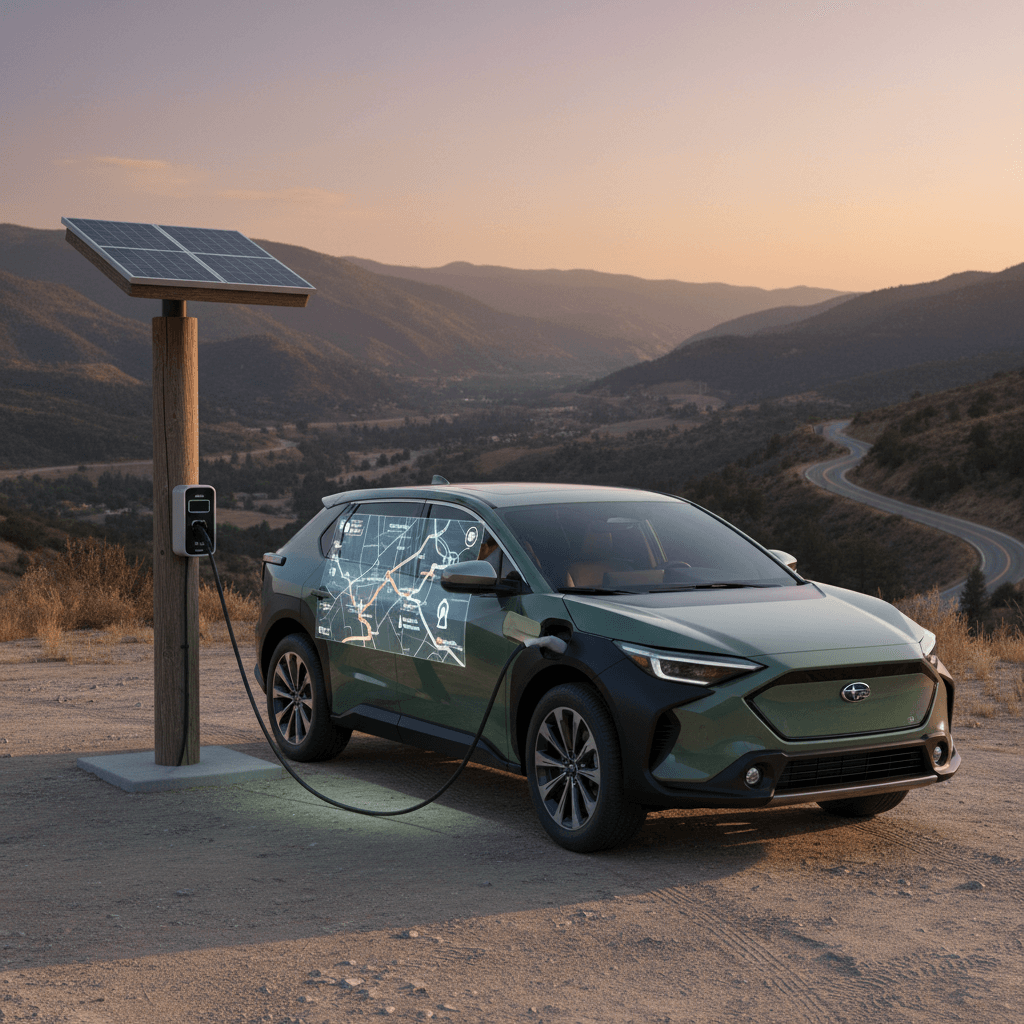
If you own a Subaru Solterra and you’re thinking about your first long road trip, you’re asking the right questions. The Solterra is a capable, all-wheel-drive EV, but its modest range and conservative DC fast‑charging curve mean you need a slightly different strategy than you would with a Tesla or a Hyundai Ioniq 5. With the right long-distance driving tips, though, the Solterra can handle interstate runs, weekend getaways, and even cross-country drives without drama.
Key takeaway for Solterra road trips
Why the Solterra needs a specific road-trip strategy
On paper, the Subaru Solterra posts an EPA range up to about 227 miles depending on trim and model year. In real-world highway driving at U.S. interstate speeds, most owners see more like 180–210 miles per charge under good conditions. That’s slightly shorter than many competing electric crossovers, and the Solterra’s DC fast‑charging performance, especially on earlier model years, is more conservative than the spec sheet suggests.
- All-wheel drive and SUV ride height are great for bad weather and light trails, but they add aerodynamic drag on the highway.
- A roughly 72.8 kWh battery (about 65 kWh usable in earlier years) means there’s less total energy to work with than some rivals.
- The car prefers a gentle fast‑charging curve designed to protect battery life rather than chase headline kW numbers.
None of this is a dealbreaker for long-distance driving. It just means that as a Solterra owner, you get the best experience when you treat range and charging as part of the trip plan, not an afterthought.
Know your Solterra range by model year
Subaru Solterra EPA range and realistic highway range
Approximate range expectations for U.S. Solterra models in mild weather at typical highway speeds.
| Model year & trim | EPA rated range (mi) | Typical highway range (mi)* | Notes |
|---|---|---|---|
| 2023 Premium | 228–228 | 170–190 | First model year; conservative DC fast‑charging and more range loss at high speeds. |
| 2023 Limited/Touring | 222–228 | 165–185 | Heavier trims, slightly shorter highway range. |
| 2024–2025 Premium | 227 | 175–200 | Software and thermal tweaks improve cold‑weather charging and efficiency slightly. |
| 2024–2025 Limited/Touring | 222 | 170–195 | Expect similar real-world numbers to 2023 but with more consistent charging. |
| 2026+ (updated battery) | ~230+ (target) | 190–215 | Larger pack, faster charging and NACS port help on road trips. |
Use the realistic highway range column for route planning, not the EPA label.
Don’t plan to zero
For most U.S. interstate driving, a sweet spot is 150–180 miles between DC fast‑charging stops. That keeps you in the efficient middle of the battery pack and buys you some buffer for headwinds, elevation gain, or a closed charger.
Plan your route around realistic fast-charging windows
On the road, your experience is driven less by peak kW numbers and more by how long it takes to go from about 10% back up to 70–80%. The Solterra is happiest when you charge in that window and avoid sitting at a DC fast charger all the way to 100%.
Solterra DC fast‑charging windows by generation
What you should actually plan for on a long drive
2023 Solterra
Realistic 10–80% time: 45–60 minutes on a healthy DC fast charger.
Charging speeds are conservative, especially in cold weather. Plan for slightly longer stops and try to arrive with the battery warmed by steady driving.
2024–2025 Solterra
Realistic 10–80% time: ~35–45 minutes.
Improved battery conditioning helps both speed and consistency. You still want to avoid charging above ~80% unless necessary.
2026+ Solterra
Realistic 10–80% time: ~30–35 minutes on a strong 150 kW charger.
Faster charging hardware and NACS access make this generation much easier to road-trip, especially in areas with dense Tesla Supercharger coverage.
Time, not percentage, should drive your stops
Build a Solterra-friendly charging plan
Pre-trip checklist for Solterra route planning
1. Start with a realistic highway range
Use your trim’s realistic highway range, not the EPA rating. If your daily driving suggests 190 miles per charge, plan legs of 150–170 miles, not 200+.
2. Use multiple planning tools
Combine apps like A Better Routeplanner, PlugShare, and your Solterra’s built‑in navigation to confirm charger locations, power levels, and recent check‑ins.
3. Prioritize higher-power DC fast chargers
Look for 100–150 kW stations where possible. The Solterra won’t always hit the peak, but higher‑rated hardware usually means better reliability and faster average speeds.
4. Layer in backup stops
For each planned stop, identify at least one backup within 20–30 miles. That way a broken or busy charger doesn’t wreck your day.
5. Avoid deep discharges repeatedly in one day
Trying to run from 5% to 95% over and over will slow you down and stress the pack. It’s better to do more frequent, shorter 10–70% or 15–80% sessions.
6. Think in drive/charge cycles
Aim for a rhythm of ~2–3 hours of driving, then 30–40 minutes of charging. That aligns with how the Solterra charges and keeps you fresh as a driver.
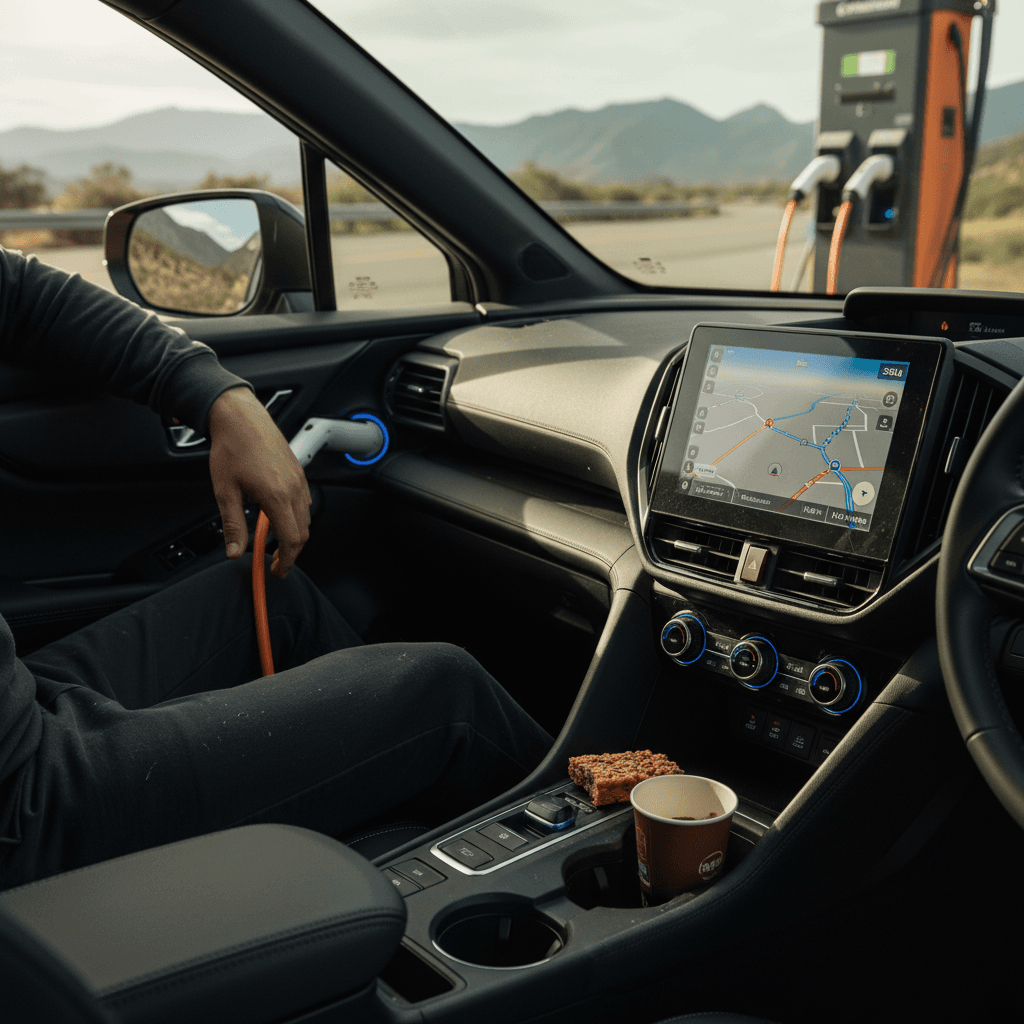
Drive more efficiently at highway speeds
Because the Solterra’s battery and charging curve leave less margin than some rivals, how you drive on the highway has a noticeable impact on your day. Small changes in speed and technique can easily swing your total range by 10–20%.
Highway driving habits that help Solterra range
You don’t have to crawl in the right lane, but you should be intentional
Speed discipline
- Above ~70 mph, aerodynamic drag ramps up quickly and eats into the Solterra’s modest range.
- Set cruise control closer to 65–70 mph when you can. That alone can add 10–20 miles of range per charge on a long day.
Smooth inputs
- Use the Solterra’s regenerative braking and Eco modes to avoid constant on‑off throttle.
- Look far ahead, lift early for traffic, and coast gently where safe instead of stabbing the brakes.
Lane choice and drafting etiquette
- Stay in middle or right lanes where speeds are steadier; frequent lane changes and hard accelerations waste energy.
- Don’t tailgate large trucks, but a reasonable following distance behind traffic can reduce drag versus driving alone in clean air.
Use the energy display
- Periodically glance at your real‑time energy usage in the cluster.
- If a small speed change drops your consumption noticeably, lock that in as your new “comfortable” pace.
Treat 75–80 mph as “emergency only”
Manage climate control without killing range
Heating and cooling can quietly rob range, especially in cold weather, where EV heaters can draw a surprising amount of energy. The Solterra’s cabin is efficient, but over hundreds of miles, your settings matter.
Cold weather strategy
- Precondition while plugged in: Use remote climate or scheduled departure so the cabin and battery are warm before you unplug. That saves energy and improves fast‑charge speeds later.
- Favor seat and wheel heaters: They use far less power than blasting hot air. Run the main cabin heat a bit lower and let the seat warmers carry more of the load.
- Keep it steady: Constantly cranking the temperature up and down is less efficient than finding a comfortable setting and leaving it alone.
Hot weather strategy
- Pre-cool in the shade: If possible, park under cover and cool the cabin for a minute or two before unplugging to reduce initial A/C load.
- Use recirculate: Once the cabin is cool, recirculating air usually takes less energy than constantly pulling in hot outside air.
- Crack windows briefly at low speeds: At city speeds, venting a very hot car can be more efficient than max A/C alone. Close up and rely on A/C as you reach highway speeds.
Weather and terrain: how they hit Solterra range
Route planners rarely tell the whole story about wind, temperature, and elevation, but those are the variables that most often surprise Solterra drivers on long trips.
How external conditions affect Solterra range (rule-of-thumb)
Plan the tough legs earlier in the day
Packing and loading tips for long trips
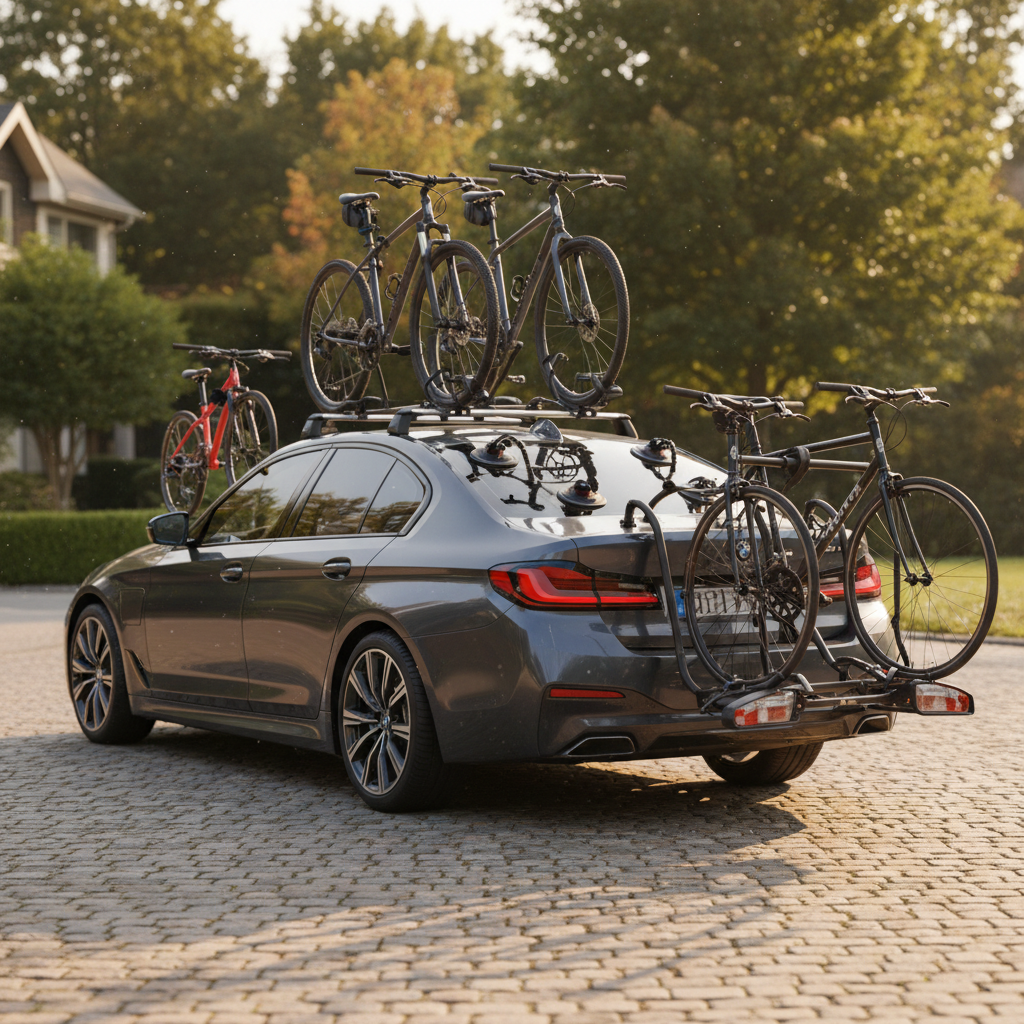
The Solterra has generous cargo space for an EV SUV, but weight and aerodynamics still matter. A heavily loaded roof rack or hitch box can pull your effective range down just when you need it most.
- Pack heavy items low and inside the cabin when possible instead of on the roof.
- If you must use a roof box, reduce cruising speed by 5 mph compared with your usual target.
- Avoid driving with non‑aero roof racks or bike carriers when you’re not using them; they add drag for the entire trip.
- Check tire pressures before departure and set them to the door‑sticker spec when cold, underinflated tires waste energy and hurt stability.
- If towing a small trailer, expect a substantial range hit and plan more frequent, shorter legs. Keep speeds conservative.
Secure your charging gear
Use driver-assistance features to cut fatigue
Long interstate days are where the Solterra’s driver-assistance tech really shines. Features like adaptive cruise control and lane centering can take the edge off stop‑and‑go traffic and long, straight stretches, which indirectly helps your efficiency because you’re less tempted to make abrupt inputs when you’re tired or frustrated.
Smart use of driver-assistance on road trips
Let the car help, but keep your attention engaged
Adaptive cruise + lane centering
Use these features on well-marked highways to smooth out your driving. The system will maintain following distance and keep you centered, which usually means fewer sharp corrections and less energy wasted.
Stay alert and hands-on
These systems reduce workload, but they still require your full attention. Think of them as helpers, not autopilots. You’re still responsible for watching traffic, weather, and changes in road conditions.
Battery health matters more on a road trip
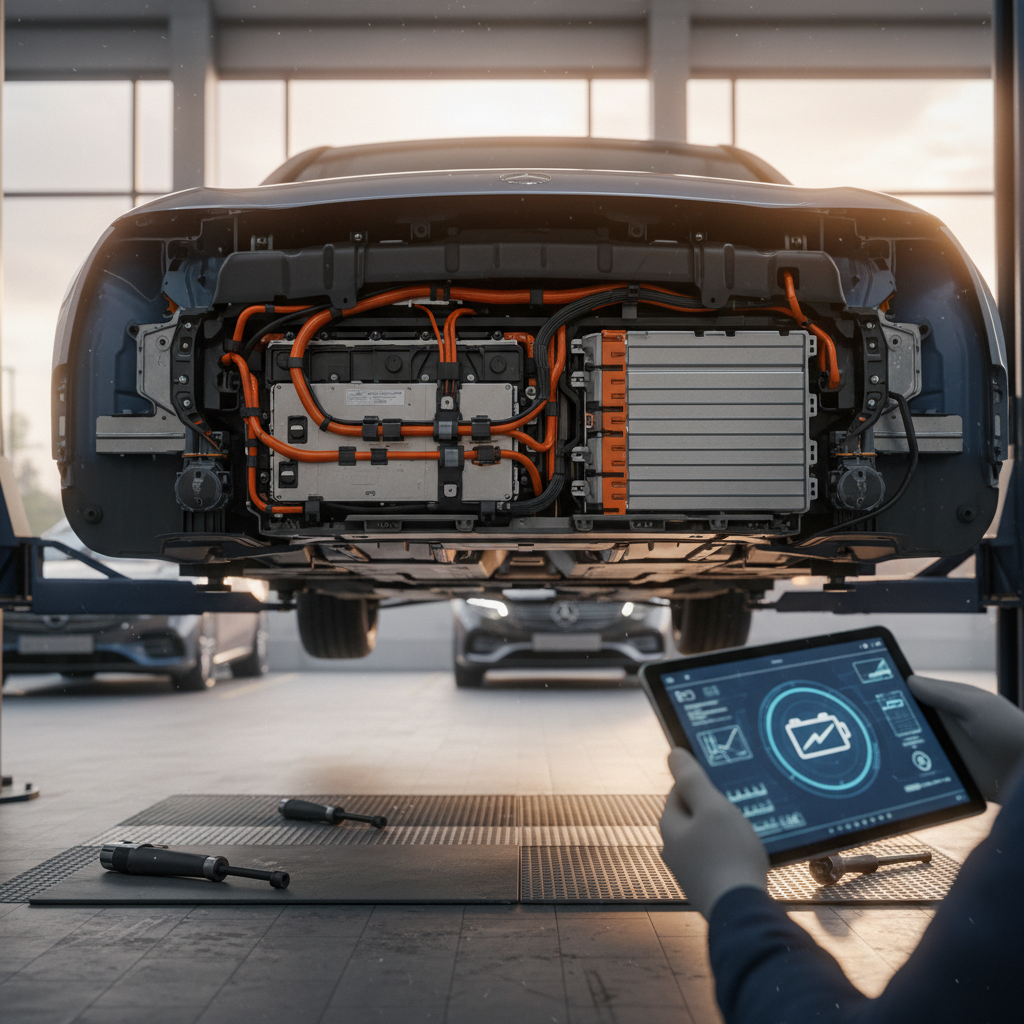
Two Solterras with the same EPA rating can behave very differently on a long drive if one has a healthier battery than the other. Over time, fast‑charging habits, climate, and mileage will affect how much usable capacity you have and how confident the car is in its range estimate.
How Recharged helps with Solterra battery confidence
Ready to find your next EV?
Browse Vehicles- Avoid leaving the Solterra at 0–5% or 100% for long periods; aim to sit between ~20–80% in day‑to‑day use when you’re not road‑tripping.
- On multi-day trips, mix in overnight Level 2 charging at hotels or rentals so you’re not fast‑charging every leg.
- If your car shows significantly worse range than expected, a professional battery health check can tell you whether it’s your pack, your route, or your driving style.
Sample itineraries: what a Solterra day on the road looks like
Example long-distance days in a Subaru Solterra
Moderate day – 400–450 miles (2024–2025 Solterra)
Start at 90–100% after overnight Level 2 charge.
Drive ~170 miles to first DC fast charger; arrive around 20–25%.
Charge 30–35 minutes back to ~75–80%; grab coffee and snacks.
Drive another ~160 miles; arrive at 15–20%.
Short 25–30 minute charge to ~70%; stretch and check route/weather.
Finish last 80–100 miles to hotel with 10–20% remaining and plug into Level 2 for the night.
Ambitious day – 500+ miles (2026+ Solterra with NACS
Start at 100% with a preconditioned battery.
Drive ~190–210 miles on interstates; arrive near 15–20%.
Fast‑charge 30 minutes on a high‑power NACS or CCS station to ~75–80%.
Repeat two more drive/charge cycles of ~180–200 miles + 30–35 minute stops.
Use the last leg to land at your destination hotel with 10–15%, then let overnight Level 2 bring you back to full.
Shorter legs in winter – 300–350 miles (all years)
Start at 100% after preconditioning while plugged in.
Plan early legs of 120–140 miles to see how the day’s conditions affect consumption.
Charge more frequently (every 100–130 miles) for 25–30 minutes rather than running deep into the pack.
Keep speeds conservative (60–65 mph) in heavy snow or deep cold.
End your day near a DC fast charger or Level 2 so you’re ready to go in the morning.
FAQ: Subaru Solterra long-distance driving
Frequently asked questions about Solterra road trips
Bottom line: Is the Subaru Solterra good for road trips?
If your goal is 600‑mile days at 80 mph with minimal stops, the Subaru Solterra isn’t the perfect tool. But if you’re willing to plan around its strengths, standard all‑wheel drive, a comfortable cabin, and predictable though conservative charging, it’s absolutely capable of long-distance travel. Think 150–180 mile legs, 30–45 minute fast‑charge breaks, and weather‑aware planning, and the Solterra settles into a relaxed, repeatable rhythm on the open road.
If you’re shopping for a Solterra or comparing it against other used EVs for road‑trip duty, buying through Recharged gives you the advantage of a verified Recharged Score battery health report, transparent pricing, and EV‑savvy specialists who can walk you through what real‑world range will look like for your routes. Combine that insight with the long-distance driving tips in this guide, and you’ll know exactly what to expect before you pull onto the highway.