If you want EV efficiency without giving up SUV practicality, a small electric SUV hits a sweet spot. You get a higher driving position, flexible cargo space, and real-world range that works for commutes and weekend trips, without the size or price tag of a big electric truck or three-row SUV.
What this guide covers
Why small electric SUVs are booming
Small electric SUVs (often called compact or subcompact electric crossovers) have become the default choice for many first-time EV buyers. They’re easier to park than full-size SUVs, more efficient than larger EVs, yet still offer enough space for kids, pets, and gear. As charging networks expand and more brands add NACS (Tesla-style) ports, these small SUVs are increasingly practical even if you don’t have a home charger.
Small electric SUVs: where they fit today
What counts as a “small” electric SUV?
Automakers and reviewers use slightly different labels, but when people say small electric SUV, they typically mean a compact or subcompact crossover with a hatchback-style rear and higher seating position than a sedan. Think Hyundai Kona Electric or Chevy Equinox EV, not a three-row Tesla Model X.
Small / compact electric SUVs
- 2 rows, 5 seats
- Similar footprint to a traditional compact SUV or large hatchback
- Examples: Hyundai Kona Electric, Kia Niro EV, Chevy Equinox EV, VW ID.4
- Great for city dwellers, small families, and commuters who want versatility.
Mid-size & large electric SUVs
- More length, width, and weight
- Higher price and slightly lower efficiency
- Examples: Tesla Model Y and Model X, Hyundai Ioniq 7 (upcoming), Honda Prologue
- Better if you routinely carry 5+ people or lots of cargo.
Think in parking spaces, not inches
Pros and cons of a small electric SUV
Is a small electric SUV right for you?
Weigh these benefits and trade-offs before you shop.
Pros
- Easy to live with: Shorter length and tighter turning circle than bigger SUVs.
- Better efficiency: Smaller frontal area and lighter weight mean more miles per kWh.
- Family-friendly: Two real rows of seating, liftgate access, and split-fold rear seats.
- Lower cost of entry: Typically cheaper than mid-size or three-row EV SUVs, especially on the used market.
Cons
- Less cargo space: Road trips with lots of gear may feel tight.
- Range ceilings: Many small EV SUVs cap out around the high-200s to low-300s in miles of range.
- Back-seat comfort: Taller adults may feel cramped in some subcompact models.
- Towing limits: Only a few small electric SUVs are rated to tow, and capacities are modest.
Watch out for trim-level traps
Key specs to compare: range, charging, space & price
Shopping small electric SUVs can feel like alphabet soup, kW, kWh, kW DC, kW AC, NACS, CCS. Focus on a few key specs that actually change how the vehicle will feel to own and drive every day.
Small electric SUV specs that matter most
Use this checklist while you compare small EV SUVs online or in person.
| Spec | What it means | What to look for in a small EV SUV |
|---|---|---|
| Battery size (kWh) | Energy capacity, like the size of your fuel tank. | For most drivers, 60–80 kWh is a practical sweet spot. |
| Range (EPA mi) | Estimated distance on a full charge. | Aim for at least 230–250 miles if this will be your only car. |
| DC fast charging (kW) | How quickly it can gain charge on a fast charger. | Look for 100 kW+ peak; 150 kW+ is ideal for frequent road trips. |
| AC home charging (kW) | Speed on Level 2 (240V) charging at home or work. | 7–11 kW is typical; higher is nice but not critical if you charge overnight. |
| Drivetrain | FWD, RWD or AWD. | AWD helps in snow but can reduce range and raise price. |
| Cargo volume | Space behind rear seats and with seats folded. | Compare numbers, but also test with your stroller, golf clubs, or luggage. |
| Price (new vs used) | MSRP vs real-world used pricing. | A slightly older used EV SUV can cost far less while still feeling modern. |
Prioritize the specs that match your real-world driving rather than chasing the biggest numbers on a brochure.
Home charging changes everything
Notable small electric SUVs in 2025
The small electric SUV field changes quickly, but a few models have emerged as strong options in 2025. Here’s a high-level look to help you frame your search; always check current EPA figures and equipment for the exact year and trim you’re considering, especially if you’re shopping used.
Examples of small electric SUVs to consider
These models illustrate the range, pricing, and personality you’ll find in today’s compact and subcompact EV SUVs.
Chevrolet Equinox EV
GM’s compact electric SUV aims squarely at mainstream buyers.
- Class: Compact electric SUV
- Range: FWD versions are targeting ~300+ miles in many trims.
- Highlights: Spacious cabin, tech-forward interior, and pricing designed to undercut many rivals.
For a lot of households, this is the template for a practical small electric SUV.
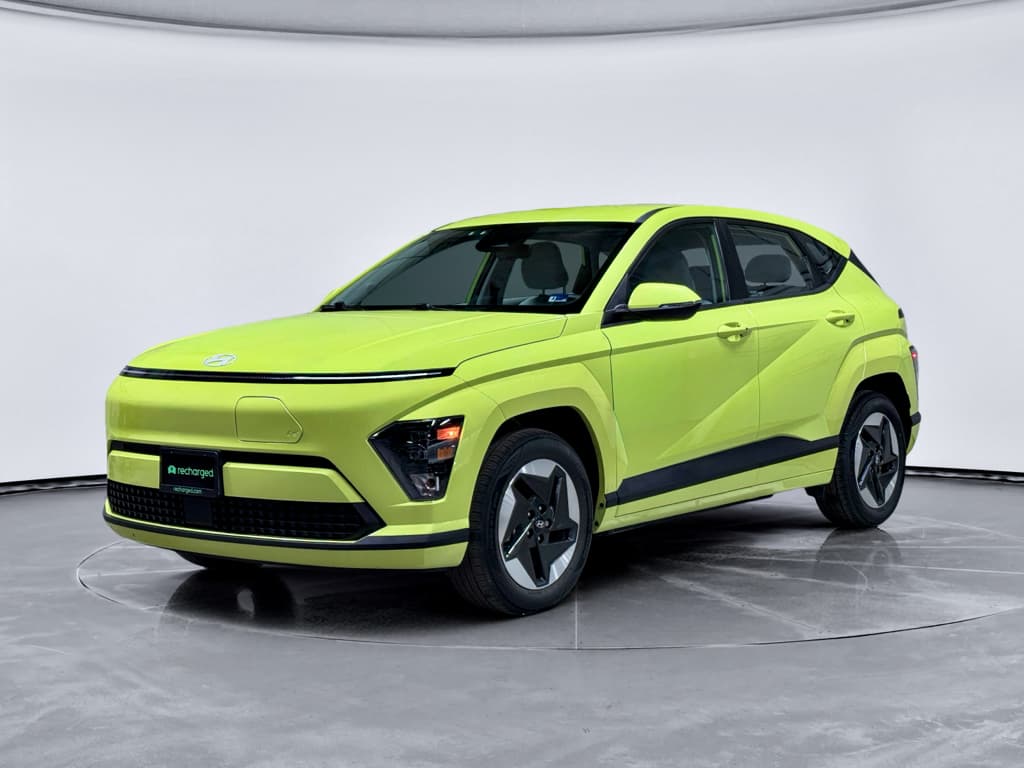
Hyundai Kona Electric
A longtime value champion in the small EV SUV segment.
- Class: Subcompact electric SUV
- Range: Around 260 miles for recent model years.
- Highlights: Compact footprint, high-efficiency powertrain, and a strong warranty.
Excellent if you want easy parking and don’t need a huge back seat.
Kia Niro EV & similar
Vehicles like the Kia Niro EV, Nissan Ariya, VW ID.4, and Subaru Solterra/Toyota bZ-series crowd into the same space.
- Class: Compact electric SUVs
- Range: Generally in the mid- to high-200-mile range depending on trim.
- Highlights: Roomy cabins, more upright SUV feel than a hatchback, and plenty of driver-assistance tech.
Upcoming and evolving models
Buying a used small electric SUV
A used small electric SUV can be one of the smartest buys in the EV world. Early depreciation means you may pay compact-sedan money for a comfortable, techy electric crossover. But because the battery pack is the most expensive component in the car, you want more than just a quick test drive before you commit.
Used small electric SUV checklist
1. Start with battery health
Ask for <strong>verified battery diagnostics</strong>, not just a guess from the dashboard range estimate. At Recharged, every vehicle includes a Recharged Score Report with a battery-health snapshot so you know how much capacity remains compared with new.
2. Confirm charging standards and ports
Check whether the SUV uses CCS, NACS (Tesla-style), or older CHAdeMO in older models. Adapters exist, but convenient charging is easier when your car’s port matches the common plugs in your area.
3. Review warranty coverage
Look at remaining factory warranty, especially the battery and electric drive unit. Many EVs carry battery warranties of 8 years or around 100,000 miles from new, knowing what’s left can protect you from surprises.
4. Check software and recall status
Small electric SUVs are rolling computers. Make sure previous owners kept software updated and that open recalls have been addressed. A dealer or EV specialist can verify this.
5. Inspect tires and brakes
EVs are heavier than gas cars, even when they’re small. That extra weight can accelerate tire wear. Uneven wear may also hint at alignment issues or aggressive driving.
6. Ask about charging habits
How the previous owner charged the battery matters. Frequent DC fast charging or constant 100% charging isn’t automatically a deal-breaker, but it’s useful context when you compare vehicles.
How Recharged helps with used EV SUVs
Ready to find your next EV?
Browse VehiclesUnderstanding total cost of ownership
Sticker price is only part of the story. One reason small electric SUVs make sense is that they can dramatically change your ongoing costs, especially if you commute regularly or drive in stop-and-go traffic.
Where you save with a small electric SUV
- Fuel: Electricity is usually cheaper per mile than gasoline, particularly if you can charge at home overnight on a residential rate.
- Maintenance: No oil changes, fewer moving parts, and regenerative braking that reduces brake wear.
- City driving: Stop-and-go traffic actually suits EVs; they recapture energy while slowing down.
- Depreciation opportunities: The first owner takes the biggest hit; as a used buyer, you benefit.
Costs to keep in mind
- Home charging setup: Installing a 240V outlet or wallbox has an up-front cost, though it pays back over time.
- Public charging: DC fast charging on the road is more expensive than home charging, and prices vary by network.
- Insurance: Some EVs cost more to insure than equivalent gas models; quotes can vary widely by brand and region.
- Future battery work: While most EV packs last years, repairs can be costly, another reason verified battery health matters.
Run the numbers over 5 years
How to choose the right small electric SUV
There’s no single “best” small electric SUV, only the one that fits your life. Start with your daily routine, then layer on range, space, and budget. From there, it’s about test drives, charging plans, and the specific features that make you smile every time you get behind the wheel.
Choose your path to the right small electric SUV
Urban commuter
Prioritize compact size and easy parking over max range.
A small electric SUV like a Kona Electric or similar-sized used EV SUV can be ideal.
Focus on driver-assist tech and good visibility for dense city streets.
Make sure you have access to reliable home, workplace, or nearby public charging.
Growing family
Look for generous rear-seat legroom and a wide-opening rear hatch.
Check cargo space with a stroller, sports gear, or luggage you actually use.
Range in the mid-200s may be enough if most trips are local; consider more if you visit relatives often.
Consider rear climate controls and USB ports to keep kids comfortable and devices charged.
Frequent road-tripper
Target an EPA range closer to 280–320 miles for fewer stops.
Pay attention to fast-charging speed and the networks you’ll use along your routes.
Investigate which models have or will get NACS ports for access to more fast chargers in the future.
Think about seating comfort and noise levels at highway speeds during test drives.
Budget-focused buyer
Shop used small electric SUVs where early depreciation works in your favor.
Look closely at battery health and warranty status rather than just mileage.
Compare financing options, Recharged can help you pre-qualify with no impact to your credit.
Focus on core needs: reliable range, safe handling, and a cabin you can live with every day.
- Define your must-haves: seating, cargo, and minimum range.
- Decide whether you can install home charging or will rely on public infrastructure.
- Shortlist 2–4 models and compare them using real-world specs, not just brochure highlights.
- Test drive at least two vehicles back-to-back so differences stand out.
- If you’re buying used, get a battery health report and pricing that reflects it, Recharged includes both in every purchase.
Don’t ignore charging access
Frequently asked questions about small electric SUVs
Small electric SUV FAQ
A small electric SUV can be the simplest way to join the EV world without turning your life upside down. You get an easy-to-park footprint, real utility for family and cargo, and ownership costs that can beat a comparable gas SUV over time. Start by mapping your daily driving and charging options, then focus on range, space, and budget. With clear battery health data and expert support, like you get from Recharged, you can shop used with confidence and find a small electric SUV that will feel like it was built for your everyday life.