If you’ve glanced at used electric car prices lately, you know the market has been on a roller coaster. Some EVs are shockingly cheap; others are hanging onto their value like a mountain goat. In 2026, understanding which electric cars hold value best isn’t just trivia, it’s the difference between a smart buy and an expensive lesson.
Quick take
Why EV resale value looks so weird in 2026
If you’re coming from gas cars, EV depreciation in 2026 can look upside-down. We’ve seen waves of price cuts on new EVs, the end of most federal EV tax credits on September 30, 2025, and a flood of early lease returns hitting the market. That cocktail pushes used prices down, especially for models that were heavily discounted or overbuilt in the first place.
What’s pushing EV values down
- Rapid tech change: Range, charging speed, and software improve every year, making older models feel outdated faster.
- Price cuts on new EVs: When new prices drop, used prices usually have to follow.
- Tax credit whiplash: Shifting incentives and their end in late 2025 reshaped what buyers are willing to pay.
- Supply finally catching demand: There are simply more used EVs to choose from than a few years ago.
What’s helping some EVs hold value
- Strong brand demand: Models people actively search for, often Teslas and a few hot crossovers, hold value better.
- Proven reliability: Solid battery health data and fewer high-profile issues calm buyer nerves.
- Practical range: Cars that deliver 230–300+ real-world miles age better than short-range city EVs.
- Charging access: Native access or easy adapters for strong fast-charging networks is a big plus.
Don’t confuse price with value
How much value an EV typically loses
EV depreciation in context, 5-year outlook
The headline: EVs as a group still depreciate more heavily than gas cars, but that’s an average. Within the EV world you’ve got stars that age surprisingly well, and wallflowers the used market wants nothing to do with. Your job as a 2026 shopper is to spot the difference.
Top electric cars that hold value best in 2026
Let’s get to what you came for. Based on recent resale data, five‑year depreciation studies, and current market behavior in early 2026, here are the EVs that tend to hold value best in the U.S. right now. We’ll focus on models you’re likely to find on the used market, 2019–2024 vehicles especially.
Electric cars that hold value best in 2026
Representative models with historically strong or improving resale value. Exact numbers vary by trim, mileage, and local market, but these nameplates consistently show better-than-average demand.
| Model | Type | Why it holds value | Typical sweet-spot years |
|---|---|---|---|
| Tesla Model 3 | Compact sedan | Huge buyer pool, strong range, access to Tesla Superchargers, robust software support | 2019–2023 |
| Tesla Model Y | Compact SUV | America’s best-selling EV, family-friendly shape, long range, high awareness | 2020–2023 |
| Hyundai Ioniq 5 | Compact crossover | Striking design, fast 800V charging, solid range and warranty, strong demand | 2022–2024 |
| Kia EV6 | Sporty crossover | Fun to drive, good efficiency, bold styling, similar tech to Ioniq 5 | 2022–2024 |
| Hyundai Kona Electric (2nd gen) | Subcompact crossover | Efficient, practical, much improved vs first gen, lower entry price | 2022–2024 |
| Ford Mustang Mach-E | Sporty crossover | Recognizable name, wide dealer network, popular with families and commuters | 2021–2023 |
| Ford F-150 Lightning | Full-size pickup | Truck-shaped EV with built-in work and home-backup appeal, limited direct competitors | 2022–2024 |
| Chevrolet Bolt EUV/EV (later years) | Compact hatch/SUV | Rock-bottom new prices boosted adoption; later cars with proven batteries are a used bargain with decent value retention from already-lowered MSRPs | 2022–2023 |
| Nissan Leaf (latest generation) | Compact hatch | Simple, efficient, inexpensive to buy, especially where CHAdeMO infrastructure is still strong | 2021–2024 |
Use this as a starting shortlist when you’re browsing used EVs in 2026.
Model vs. trim matters
Why these EVs sit near the top of the value curve
A closer look at a few standouts
Tesla Model 3 & Model Y
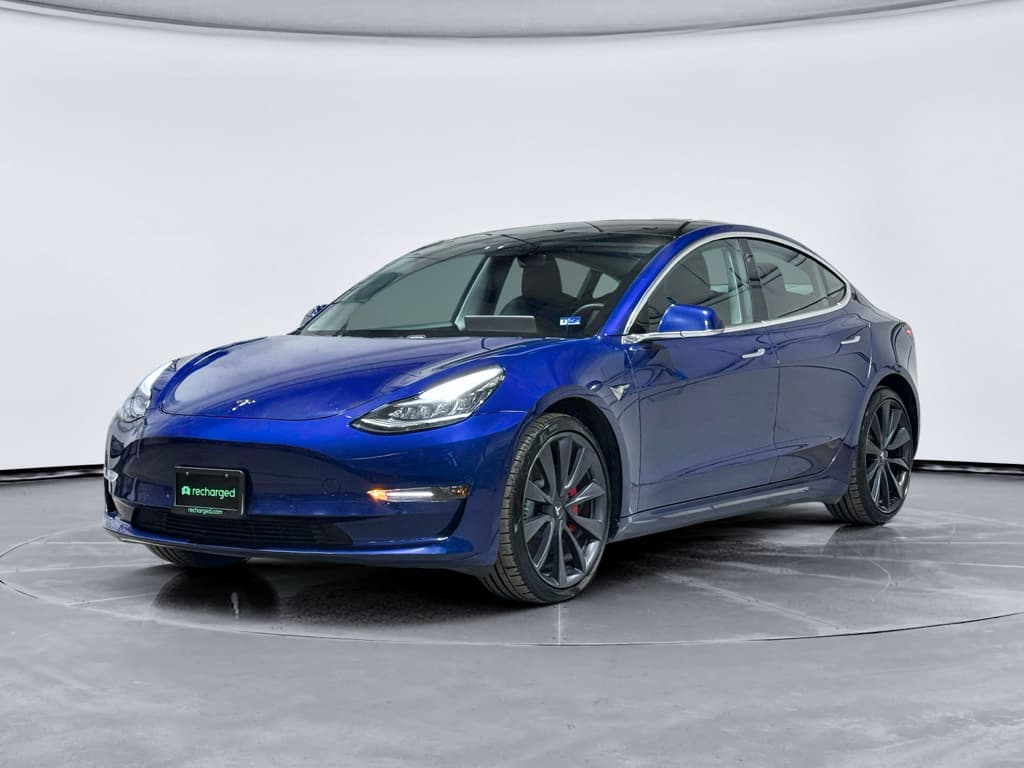
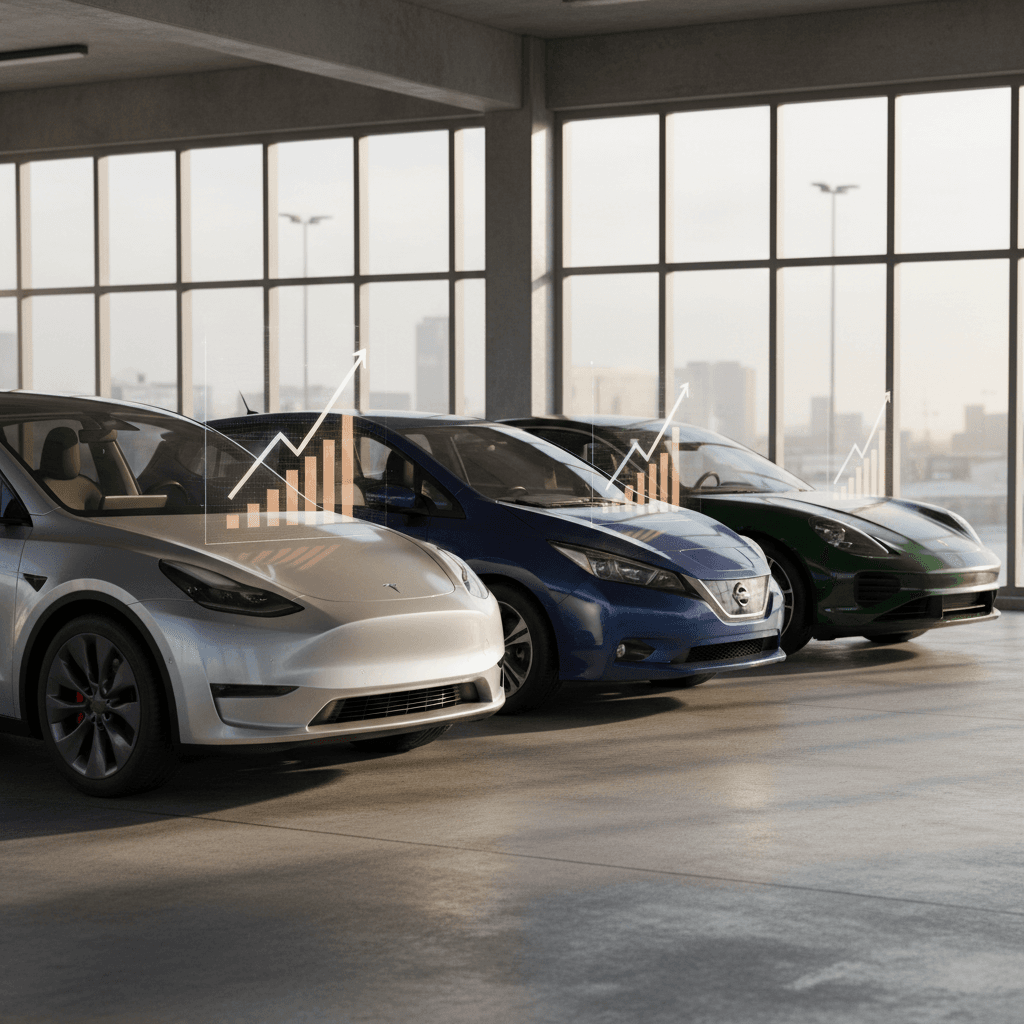
Tesla’s compact sedan and SUV remain the benchmarks for EV resale. There’s a deep buyer pool, wide awareness, and a still-expanding Supercharger network that now increasingly works for other brands.
They’re not depreciation-proof, but a five-year-old Model 3 often retains a distinctly higher share of its original price than most rival sedans.
Hyundai Ioniq 5 & Kia EV6
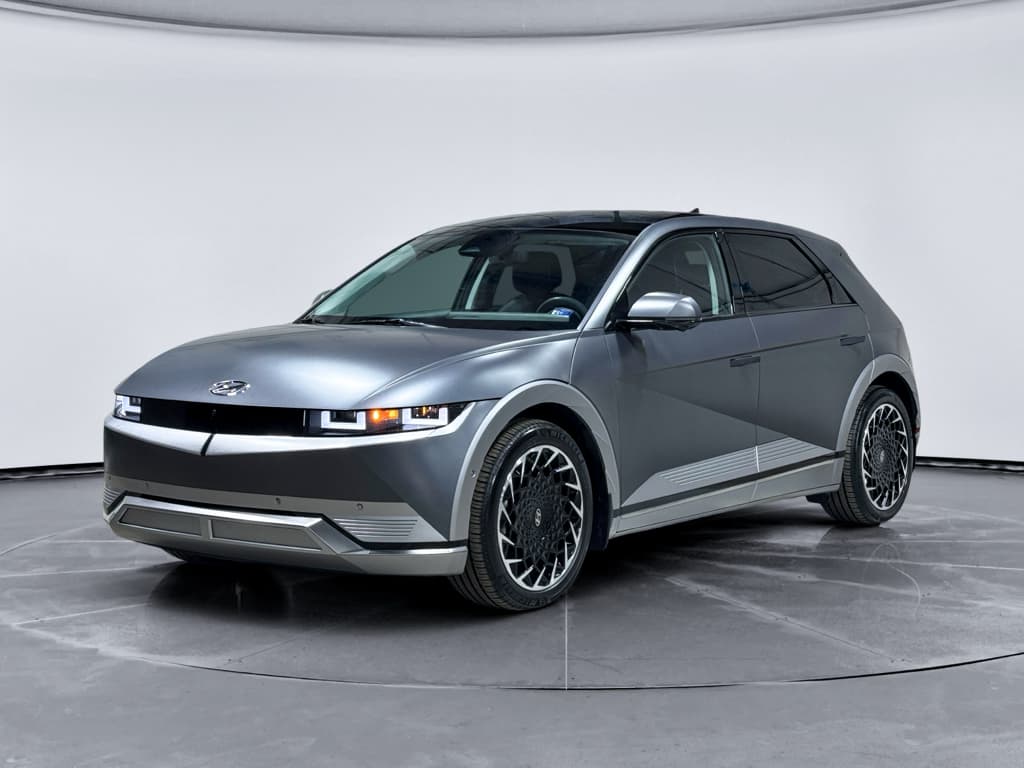
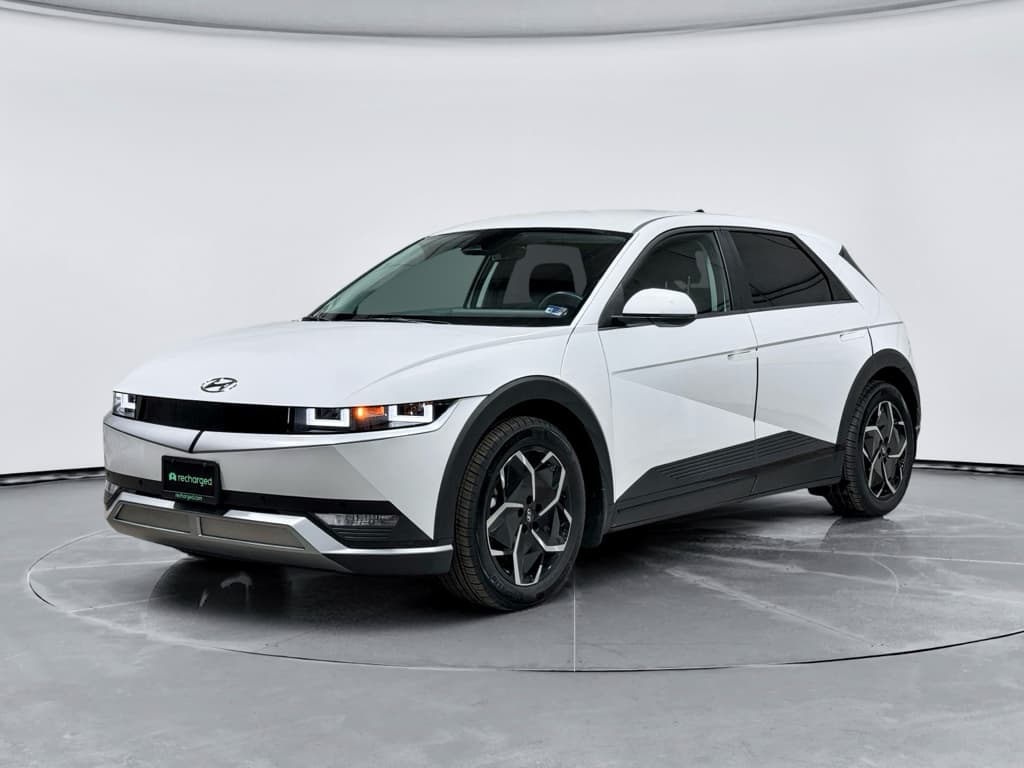
Hyundai and Kia were early with long-range, fast‑charging crossovers that actually look and feel special. Shoppers love that, and it shows up in resale.
These twins blend design, range, and charging speed in a way that keeps used demand strong, especially for better‑equipped trims.
Ford F-150 Lightning & Mach-E
Ford’s first modern EVs had a rocky pricing story, but the nameplates carry clout. The Lightning enjoys work-truck plus family-truck appeal, and the Mach‑E taps into the Mustang halo.
Clean, realistically priced examples with decent range still move quickly on the used market.
Electric cars that are losing value fastest
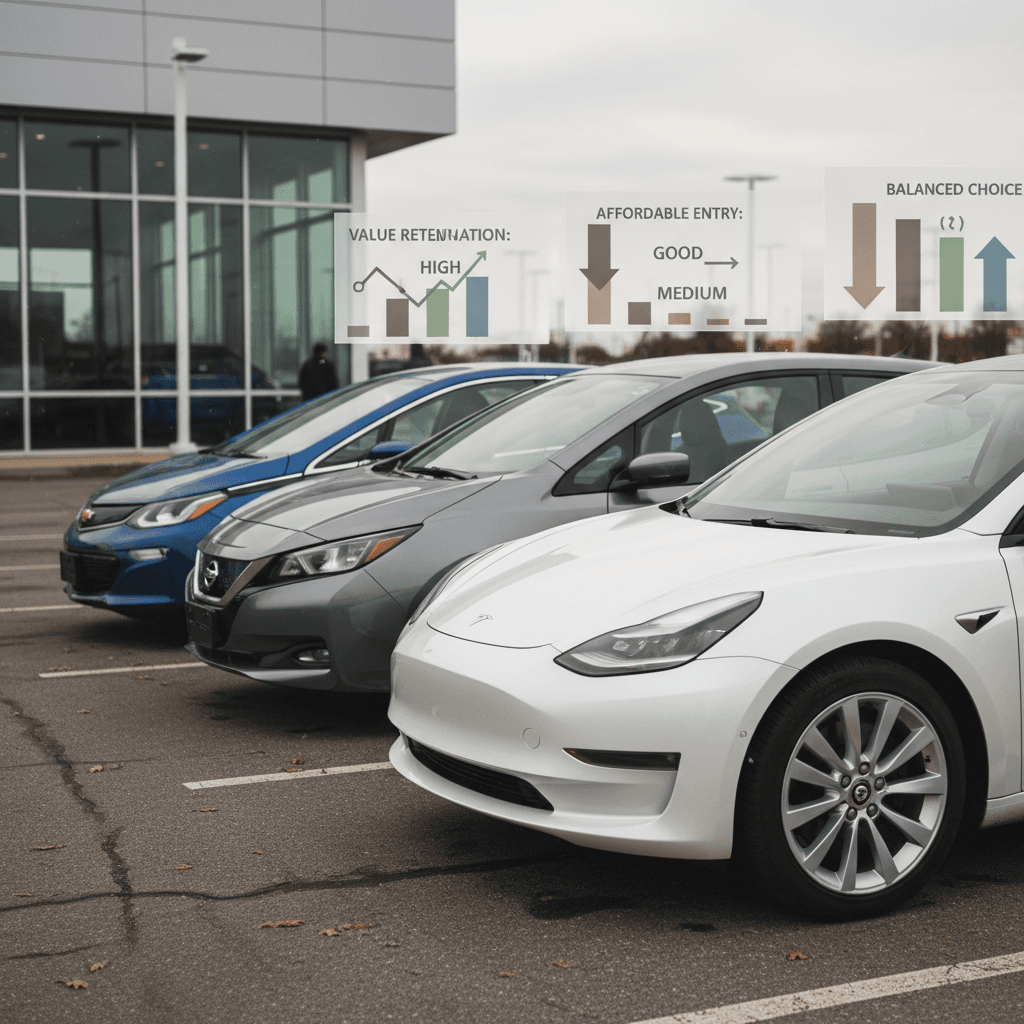
On the other side of the curve are EVs with resale values that fall off a cliff. Some were too expensive new, some have short range, others battle weak charging networks, or all three. A recent five‑year depreciation study showed a cluster of EVs losing 60% or more of their value over five years, with a few standouts doing even worse.
- Early short‑range city EVs (first‑generation Nissan Leaf, BMW i3, older Fiat 500e) where real‑world range feels tight by 2026 standards.
- Slow‑selling mainstream crossovers that were discounted heavily new and then hammered again as used vehicles.
- Some luxury‑brand EVs with high MSRPs and complex tech, where repair costs and reliability questions scare away second owners.
- Models tied to weak or shrinking fast‑charging networks, making road trips a chore.
Be careful chasing the absolute lowest price
What makes some EVs hold value better than others?
Resale value isn’t magic; it’s about demand, confidence, and math. When you strip away the marketing gloss, EVs that hold value best in 2026 usually share the same handful of traits.
Key ingredients of a strong‑value EV
Look for this mix when you shop used
Usable range & charging speed
Buyers in 2026 are wary of anything under about 200 real‑world miles. EVs with honest 230–300+ mile capability and decent DC‑fast‑charging speeds feel future‑proof enough to justify stronger prices.
Battery health and reliability
As more data from fleet studies comes in, we’re learning that most modern EV batteries age better than feared, but not equally. Models with clean battery‑health records and few high‑profile failures inspire confidence on the used market.
Charging ecosystem
Access to a robust fast‑charging network matters, especially if you road trip. Native use of the NACS connector or reliable adapters to tap into Tesla Superchargers is now a selling point, not a footnote.
Right price when new
Overpriced EVs that lived on the incentive and discount carousel get punished twice: first by fire‑sale new pricing, then again when they hit the used lot. Cars that were reasonably priced up front tend to have smoother depreciation curves.
Wide buyer pool
Compact crossovers, small sedans, and practical hatchbacks usually draw more shoppers than niche performance toys. The more people who want what you’re selling, the better your odds of a strong resale number.
Software & support
EVs are rolling computers. Brands with consistent software updates, good service coverage, and clear battery warranty support earn a reputation that helps keep values afloat.
Checklist: How to pick a used EV that will hold its value
Used EV value checklist for 2026 shoppers
1. Start with the right models
Focus your search on EVs with strong demand: Tesla Model 3/Y, Hyundai Ioniq 5, Kia EV6, Kona Electric, Ford Mach‑E, and F‑150 Lightning are good starting points. A healthy market today makes a healthier resale later.
2. Target the range sweet spot
Look for real‑world range around 230–300+ miles. Ultra‑short‑range EVs are harder to resell; ultra‑long‑range flagships can suffer from sticker‑shock depreciation. The middle lane is often best for value.
3. Check battery health, don’t guess
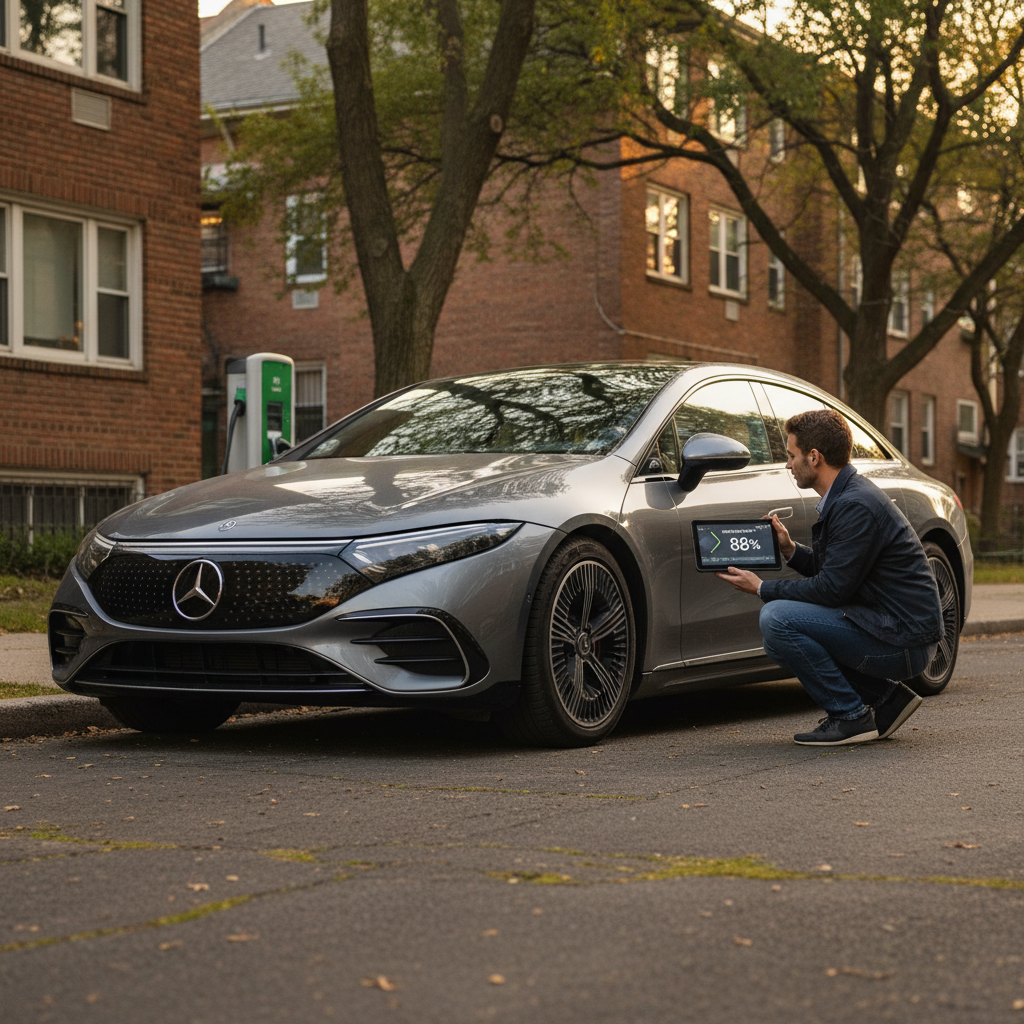
Ask for a recent battery‑health report or have one done. On Recharged, every vehicle includes a <strong>Recharged Score Report</strong> with verified battery health so you’re not buying blind.
4. Verify fast‑charging access
Confirm that the car can use convenient fast‑charging networks where you live and travel. In 2026 that increasingly means NACS (Tesla) support or a well‑supported adapter path for CCS vehicles.
5. Prefer mainstream trims & colors
Mid‑level trims with common option packages and neutral colors typically resell faster and closer to market value than oddball specs. You’re buying the car, but you’re also buying your future buyer’s taste.
6. Look up real market pricing
Use multiple pricing tools and marketplaces to see what similar cars actually sell for, not just what sellers ask. When you shop on Recharged, pricing is benchmarked against fair market value to keep you out of the guessing game.
A used EV can be the best deal in the segment
How to protect your EV’s resale value
Once you own the car, preserving value is a lot like any other vehicle, just with a few EV‑specific twists. The good news: most of this is simple, low‑drama maintenance and smart charging habits.
- Keep charging in the battery’s comfort zone. For daily use, many manufacturers recommend charging to around 70–80% instead of 100% and avoiding running down to 0% unless necessary.
- Use DC fast charging strategically. Rapid charging on road trips is fine; relying on it every single day adds wear and can hurt buyer confidence when they see that history.
- Stay on top of software updates. Many EVs get efficiency, range, and charging improvements over the air. Keeping your car current can literally make it a better vehicle over time.
- Document everything. Save service records, software update notes from dealers, and any battery‑health reports. A clean paper trail supports a stronger resale price.
- Fix cosmetic issues early. Curb‑rashed wheels, dings, and worn tires are easy to spot and easy to use as bargaining chips against you. Tidying them up pays off at resale time.
- Know your warranty timeline. Battery and drivetrain warranties are big safety nets for second owners. Being able to say “this pack is still under warranty until 2031” is money in the bank.
Think like the second owner from day one
How Recharged helps you avoid a bad-value EV
If you’re shopping used, you shouldn’t have to guess which electric cars hold value best, or whether the one in front of you is hiding a tired battery. That’s exactly the problem Recharged was built to solve.
Buying a used EV with value in mind, the Recharged way
Less mystery, more transparency
Recharged Score battery health diagnostics
Every EV on Recharged comes with a Recharged Score Report that includes verified battery health, so you can see how the pack is aging before you buy, and factor that into long‑term value.
Fair market pricing, not guesswork
Recharged benchmarks each vehicle against the broader EV market. That helps you avoid overpaying for a model with weak resale, and spot genuinely good buys on EVs with strong demand.
Expert-guided support & flexible selling options
Whether you’re trading in, getting an instant offer, or consigning your EV, Recharged’s EV specialists help you understand where your car sits on the value curve, and how to present it for the best return.
Ready to find your next EV?
Browse VehiclesYou can shop fully online, arrange financing, and even have the car delivered nationwide. If you’re selling, Recharged can handle the legwork while you keep driving until it sells, or you can take an instant offer if you’re ready to move on today.
FAQs: Which electric cars hold value best in 2026?
Frequently asked questions about EV resale value in 2026
Bottom line: The best value electric cars for 2026
In 2026, asking which electric cars hold value best is really asking which EVs buyers actually trust and want. Today that short list includes familiar names, Tesla Model 3 and Model Y, Hyundai Ioniq 5, Kia EV6, Kona Electric, Ford Mustang Mach‑E, F‑150 Lightning, and a few sensible compacts like the newer Nissan Leaf and Chevy Bolt variants.
If you stick with proven models, verify battery health, and buy at a fair market price, a used EV can be one of the smartest automotive purchases you can make in 2026. And if you’d like someone in your corner as you navigate the alphabet soup of trims, warranties, and charging standards, Recharged was built for exactly this moment, helping you find a used EV that makes sense today and still holds its own when it’s time for your next electric adventure.