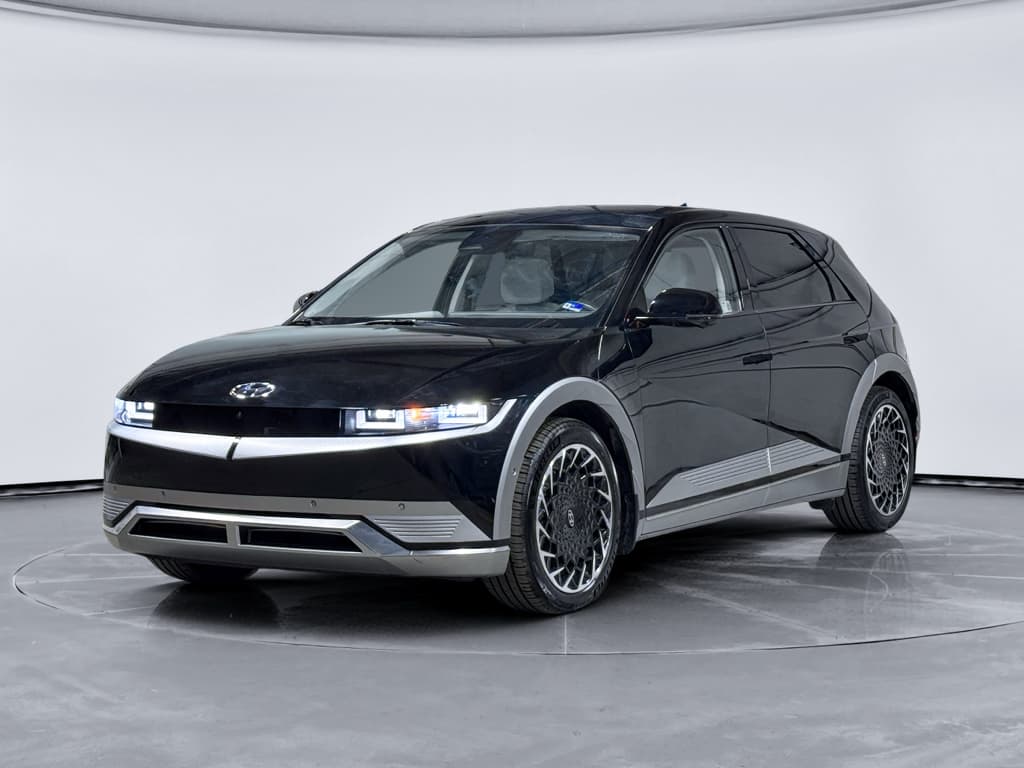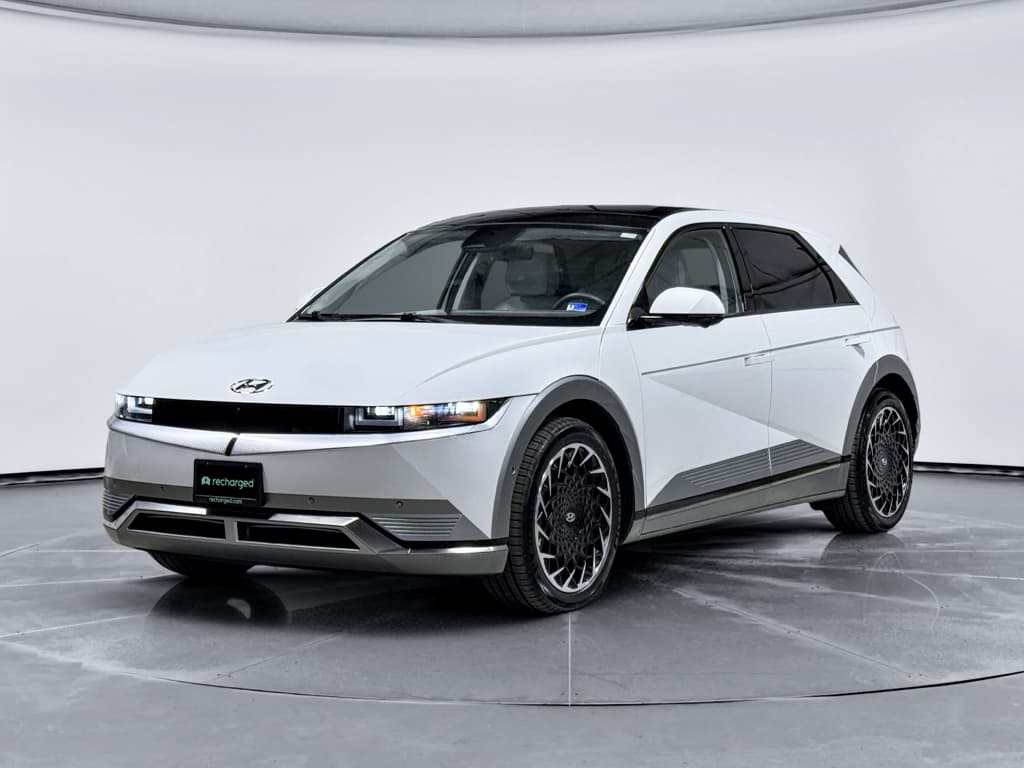
If you’re cross‑shopping the Hyundai Ioniq 5 and Hyundai Tucson in 2026, you’re really asking one big question: will an electric SUV actually cost less to own than a gas (or hybrid) compact SUV? This 2026-focused Hyundai Ioniq 5 vs Hyundai Tucson cost comparison breaks down pricing, fuel, maintenance, insurance and resale so you can see the dollars, not just the specs sheet.
What this comparison covers
Why compare the Hyundai Ioniq 5 and Tucson for 2026?
On paper, the Hyundai Ioniq 5 and Hyundai Tucson live in different worlds, one’s a fully electric crossover built on Hyundai’s E‑GMP EV platform, the other a compact SUV available with gas, hybrid and plug‑in hybrid powertrains. In practice, though, they target the same American households: families who want a comfortable, two‑row SUV that can handle commuting, errands and road trips without feeling overly large.
- Similar size and interior space (two‑row compact SUVs)
- Both widely available new and used in the U.S.
- Multiple trims that overlap around the low‑to‑mid $30,000s on the used market by 2026
- Strong warranty backing and good safety tech on both nameplates
Think in “total cost per mile,” not just monthly payment
Sticker price: 2026 MSRP and used-market pricing
Exact 2026 MSRPs can move with incentives and option packages, but by spring 2026 both the Ioniq 5 and Tucson sit squarely in the mainstream compact‑SUV price band. Here’s how typical new and used pricing lines up in the U.S.
2026 pricing snapshot: Hyundai Ioniq 5 vs Hyundai Tucson
Approximate U.S. pricing as of early 2026 for popular trims, excluding taxes and destination. Used prices assume clean history and average mileage.
| Model / powertrain | Typical new MSRP range (2026) | Typical 3‑year‑old used price (2023 model in 2026) |
|---|---|---|
| Hyundai Ioniq 5 (RWD SE/SEL) | $41,000 – $47,000 | $30,000 – $36,000 |
| Hyundai Ioniq 5 (AWD Limited) | $50,000 – $57,000 | $36,000 – $42,000 |
| Hyundai Tucson 2.5L gas (SEL/Limited) | $31,000 – $39,000 | $23,000 – $29,000 |
| Hyundai Tucson Hybrid | $34,000 – $41,000 | $26,000 – $32,000 |
| Hyundai Tucson Plug‑in Hybrid | $39,000 – $45,000 | $31,000 – $37,000 |
Pricing will vary by region, trim, incentives and mileage, but this gives a realistic ballpark for 2026 shoppers.
Don’t forget incentives and dealer markups
Where the Ioniq 5 is more expensive
- New purchase prices usually run $8,000–$12,000 higher than a comparable gas Tucson.
- Insurance carriers sometimes rate EVs higher due to pricier bodywork and electronics.
- Home charging setup (if you install a Level 2 charger) adds $700–$1,500 up front.
Where the Tucson is cheaper upfront
- Gas and hybrid Tucsons undercut the Ioniq 5 on MSRP and used pricing.
- Plug‑in hybrid Tucsons tend to sit between the Ioniq 5 and gas Tucson on price.
- No need for home charging equipment; you can use existing gas infrastructure.
Electricity vs gas: real-world energy use and cost per mile
Fuel or electricity is where the Hyundai Ioniq 5 can claw back a lot of its higher sticker price. To compare fairly in 2026, we’ll use EPA‑style efficiency numbers plus current U.S. energy prices.
2026 U.S. energy cost picture (rounded for simplicity)
Next, let’s look at roughly where each vehicle lands on efficiency. Exact numbers vary by trim, wheels and driving style, but these are representative:
Energy efficiency: Hyundai Ioniq 5 vs Hyundai Tucson
Approximate combined efficiency using EPA ratings and real‑world reports, rounded for clarity.
| Model / powertrain | Efficiency metric | Approx. efficiency |
|---|---|---|
| Hyundai Ioniq 5 (RWD) | Miles per kWh | 3.2 mi/kWh |
| Hyundai Ioniq 5 (AWD) | Miles per kWh | 2.8–3.0 mi/kWh |
| Hyundai Tucson 2.5L gas | MPG (combined) | 27–29 mpg |
| Hyundai Tucson Hybrid | MPG (combined) | 36–38 mpg |
| Hyundai Tucson Plug‑in Hybrid | MPGe in EV use | ~35–40 mi of electric range; then high‑30s mpg on gas |
Your results will vary with climate, speed and driving style, but these figures work well for cost planning.
How we calculate cost per mile
Cost per mile: electricity vs gasoline
Using $0.18/kWh and $3.00/gal to illustrate typical 2026 energy costs.
| Model / powertrain | Energy cost per mile (approx.) | What that means |
|---|---|---|
| Ioniq 5 (RWD, 3.2 mi/kWh) | ≈ 5.6¢ / mile | 0.18 ÷ 3.2 = $0.056 per mile |
| Ioniq 5 (AWD, 2.9 mi/kWh) | ≈ 6.2¢ / mile | 0.18 ÷ 2.9 = $0.062 per mile |
| Tucson gas (28 mpg) | ≈ 10.7¢ / mile | 3.00 ÷ 28 = $0.107 per mile |
| Tucson Hybrid (37 mpg) | ≈ 8.1¢ / mile | 3.00 ÷ 37 = $0.081 per mile |
| Tucson Plug‑in Hybrid | Varies widely | Heavy EV use can get close to Ioniq 5 costs; highway gas use looks more like the hybrid. |
If your local electricity or gas prices differ, you can plug your own numbers into the same formulas.
Bottom line on energy costs
Five-year fuel and electricity costs
Translating cents per mile into actual dollars over time is where the story gets real. Using our 12,000‑mile‑per‑year assumption and holding energy prices flat for simplicity, here’s a 5‑year energy cost estimate.
Estimated 5‑year energy spend (60,000 miles)
Assumes 12,000 miles per year, $0.18/kWh electricity, $3.00/gallon gasoline and typical efficiency for each powertrain.
| Model / powertrain | Energy cost per mile | 5‑year energy cost (approx.) |
|---|---|---|
| Ioniq 5 (RWD) | 5.6¢ / mi | $3,360 |
| Ioniq 5 (AWD) | 6.2¢ / mi | $3,720 |
| Tucson gas (28 mpg) | 10.7¢ / mi | $6,420 |
| Tucson Hybrid (37 mpg) | 8.1¢ / mi | $4,860 |
| Tucson Plug‑in Hybrid* | ≈5–9¢ / mi | $3,000–$5,400, depending on how often you plug in |
This comparison isolates energy cost only, it does not include maintenance, insurance, taxes or financing.
How your charging habits change the math
Maintenance, repairs and wear items
EVs like the Ioniq 5 eliminate oil changes, spark plugs and many transmission services, but that doesn’t mean “maintenance‑free.” Meanwhile, the Tucson’s gas and hybrid drivetrains are familiar territory for most shops. The best way to compare is to look at typical annual costs over five years, excluding collision damage.
Where EVs save, and where they don’t
Ioniq 5 vs Tucson maintenance and repairs, in practical terms
Hyundai Ioniq 5
- No engine oil, spark plugs or timing belts to service.
- Regenerative braking usually extends pad and rotor life.
- Still needs tires, cabin filters, brake fluid and alignments.
- Out‑of‑warranty EV‑specific repairs (battery cooling, power electronics) can be expensive but are rare in the first 5–8 years.
Third‑party cost‑to‑own studies and early real‑world data suggest annual maintenance and repair for an Ioniq 5 in its first five years typically runs in the low‑to‑mid $400s, not counting tires.
Hyundai Tucson (gas & hybrid)
- Regular oil changes and more drivetrain fluids over time.
- More moving parts in the engine and transmission.
- Brake wear is higher on gas models; hybrids benefit from regen but still have a conventional engine to maintain.
- Independent reliability data points to annual repair costs for a Tucson in the $400–$500 range once it’s a few years old.
Over the first five years, total scheduled maintenance and typical out‑of‑warranty repairs tend to be a bit higher than for an EV, but not dramatically so.
What about battery replacement costs?
Insurance, taxes and fees
Insurance and taxes are highly location‑ and driver‑specific, but several patterns show up when you compare Ioniq 5 and Tucson policies in 2026.
- Insurance premiums: Many carriers still price EVs a bit higher than comparable gas SUVs because of repair part costs and calibration of advanced driver‑assist systems. Expect the Ioniq 5 to run roughly $100–$300 more per year than a similarly equipped Tucson for a typical driver with clean history.
- Registration and EV fees: A growing list of states adds an annual EV fee to registration (often $100–$250) to replace lost gas‑tax revenue. Tucson owners avoid these EV‑specific charges but, of course, pay fuel taxes at the pump instead.
- Local incentives: Some states and utilities still offer rebates on home charging equipment or reduced registration fees for EVs. These can partially offset higher insurance or EV fees if you drive an Ioniq 5.
Run actual quotes before you decide
Depreciation and resale value
Depreciation is the single biggest line item in most 5‑year cost analyses. Both the Ioniq 5 and Tucson have performed relatively well so far, but they behave a little differently.
Hyundai Ioniq 5 depreciation
- Like most new EVs, the Ioniq 5 saw steeper initial depreciation as supply grew and incentives shifted.
- By 2026, used prices have settled, making 3‑year‑old Ioniq 5s a sweet spot: a big chunk of depreciation is already baked in.
- Battery health is a key driver of value; verified pack condition can support stronger resale prices.
Hyundai Tucson depreciation
- Gas and hybrid Tucsons follow predictable, moderate depreciation similar to other mainstream compact SUVs.
- Hybrids and PHEVs generally hold value better than base gas models, thanks to better fuel economy.
- Because the technology is familiar, buyers worry less about long‑term component costs.
Why used EVs shine on cost of ownership
Ioniq 5 vs Tucson: side-by-side 5-year cost table
Let’s put everything together. These rough 5‑year totals assume you buy in 2026, drive 12,000 miles per year and keep the vehicle to year five. We’ll compare a well‑equipped Ioniq 5 RWD to two popular Tucson choices: a mid‑trim gas model and a hybrid.
Approximate 5‑year cost of ownership (bought new in 2026)
Illustrative comparison using common trims, national average energy prices and typical depreciation. Actual costs will vary by region, incentives, interest rates and driving profile.
| Cost category (5 yrs) | Ioniq 5 RWD (new) | Tucson gas (new) | Tucson Hybrid (new) |
|---|---|---|---|
| Purchase price (after typical discounts, before tax) | $44,000 | $33,000 | $36,000 |
| Depreciation (est. value lost over 5 yrs) | ≈ $21,000 | ≈ $16,000 | ≈ $17,000 |
| Fuel / electricity (60,000 miles) | ≈ $3,360 | ≈ $6,420 | ≈ $4,860 |
| Maintenance & repairs (excl. tires) | ≈ $2,000 | ≈ $2,500 | ≈ $2,500 |
| Insurance (5‑yr total, typical driver) | ≈ $7,500 | ≈ $6,750 | ≈ $6,750 |
| Registration & EV fees | ≈ $1,000 (incl. EV surcharges in some states) | ≈ $800 | ≈ $800 |
| Estimated 5‑yr total outlay | ≈ $78,860 | ≈ $65,470 | ≈ $67,910 |
| Effective cost per mile (60,000 mi) | ≈ $1.31 / mi | ≈ $1.09 / mi | ≈ $1.13 / mi |
All figures rounded for clarity. Dollar amounts shown in today’s terms, not adjusted for inflation.
Read this table carefully
Which Hyundai actually costs less to own?
Who should pick the Ioniq 5, and who’s better in a Tucson?
Match your driving pattern and budget to the right powertrain.
Choose the Hyundai Ioniq 5 if…
- You drive 10,000–15,000 miles per year and can charge at home.
- Your local electricity rate is reasonable, or you have time‑of‑use or solar.
- You’re budgeting over 7–10 years, not just the first 3–5.
- You value smooth EV performance and very low daily running costs.
Choose a Tucson Hybrid if…
- You want better fuel economy than gas without plugging in.
- You take frequent long road trips in areas with limited fast‑charging.
- You prefer conventional gas infrastructure and quick refueling.
- You’re sensitive to upfront price and plan to keep the SUV 3–5 years.
Choose a gas Tucson if…
- You’re shopping on a tight purchase‑price budget.
- You drive fewer miles per year (say, under 8,000–10,000).
- You want the simplest possible ownership experience with any shop able to service it.
- You expect to sell or trade out in just a few years.
Where the Ioniq 5 can win on cost
How Recharged can help you shop smarter for an Ioniq 5
If you’re leaning toward an Ioniq 5 after comparing costs, the used market is where the numbers get especially compelling. That’s where Recharged comes in: we specialize in making used EV ownership simple and transparent, starting with the part that matters most, battery health.
Why consider a used Ioniq 5 from Recharged?
Lower depreciation, verified battery health and EV‑savvy support.
Recharged Score battery health report
End‑to‑end EV‑focused buying experience
Ready to find your next EV?
Browse VehiclesRun your own numbers with a specific VIN

FAQ: Hyundai Ioniq 5 vs Hyundai Tucson cost questions
Frequently asked questions about Ioniq 5 vs Tucson costs
When you add up all the pieces, the Hyundai Tucson still wins the 2026 cost comparison for many buyers who care most about low upfront price and short‑term ownership. But if you’re thinking longer term, drive more miles, or are open to a used EV, the Hyundai Ioniq 5’s low energy costs and simpler maintenance can make it the more economical choice, especially when you start your search with verified battery health and transparent pricing from a specialist used‑EV marketplace like Recharged.