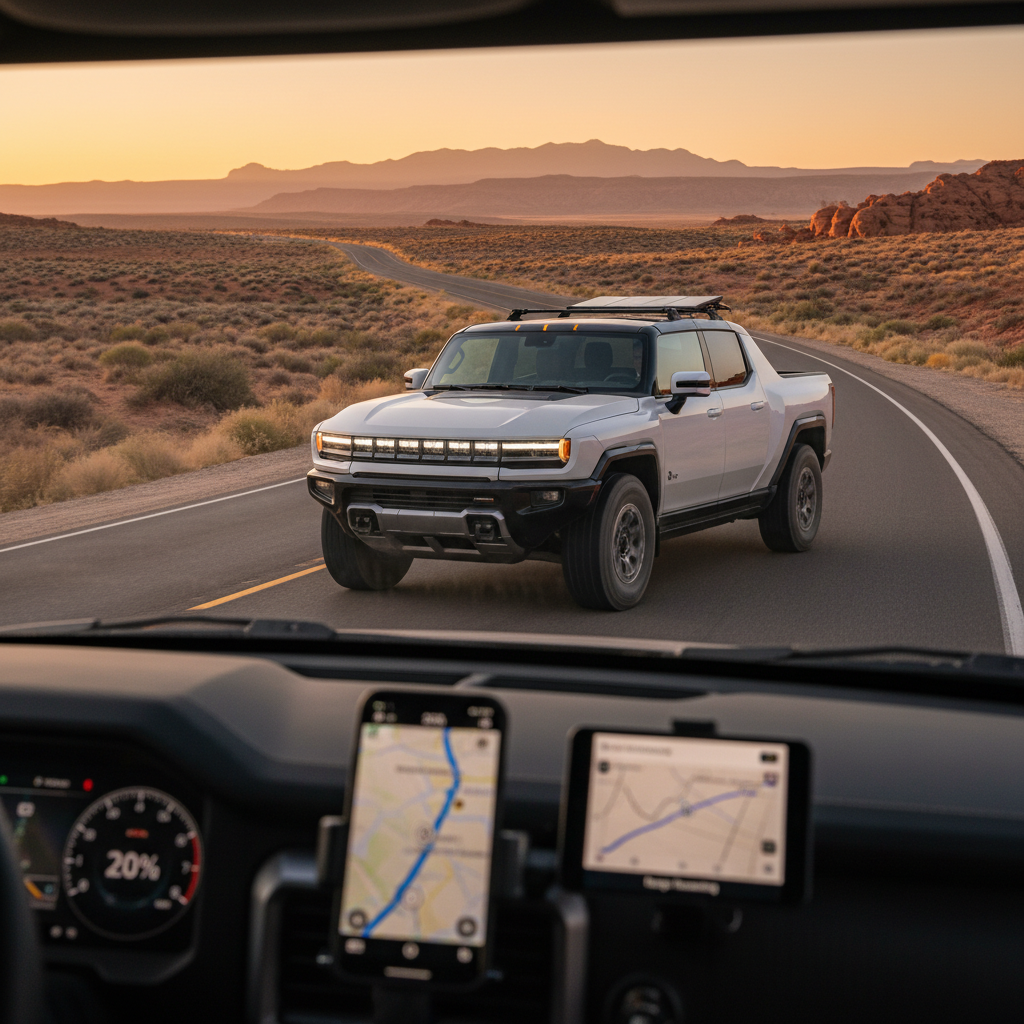
If you’ve heard that electric cars "fall off a cliff" in value, you’re not imagining it. EVs have depreciated faster than gas cars in the last few years, but that headline hides an important reality: in 2025, a handful of electric models are quietly becoming slowest depreciating heroes. If you choose carefully, you can own an EV that holds its value surprisingly well, or, if you buy used, let the first owner eat the depreciation while you scoop up a bargain.
What “slowest depreciating” really means
Why EV depreciation looks so extreme in 2025
Context first. Across the market, the average vehicle loses about 45%–50% of its value over five years. Electric vehicles, especially early ones, have often done worse, closer to 55%–60% over the same window. A few problem children, like the Jaguar I‑Pace, have famously lost more than 70% of their value in five years, becoming the poster child for EV depreciation stories.
Two big forces are shaping 2025 numbers. First, rapid tech progress: each new EV generation brings more range, faster charging and lower prices, which makes yesterday’s cutting‑edge car look out of date faster than a three‑year‑old smartphone. Second, policy changes, like the end of key federal tax incentives for many models in late 2025, have pushed new EV prices around, which then drags used prices with them. The result is an EV market where some models are nose‑diving and others are calmly holding their line.
EV depreciation at a glance
Depreciation cuts both ways
How depreciation is actually measured for electric cars
Before we rank the slowest depreciating electric cars for 2025, it helps to know what those rankings really measure. Most industry studies look at 5‑year depreciation: the difference between a car’s original MSRP and the average resale price for five‑year‑old examples. That’s usually expressed as a percentage, or as the flip side, what percentage of value the car retains.
- New MSRP – average 5‑year‑old price = dollars of depreciation
- Dollars of depreciation ÷ original MSRP = depreciation percentage
- 100% – depreciation percentage = value retained after 5 years
For 2025, large‑scale studies of resale value for electric cars show an average 5‑year retention of about 35.1%. In other words, the "typical" EV keeps roughly a third of its original price tag after five years. The slowest‑depreciating electric cars on this list are comfortably above that line, often by 10–15 percentage points.
Think in dollars, not just percentages
Slowest depreciating electric cars 2025: top picks
Based on large used‑vehicle datasets and 5‑year value‑retention studies through late 2024 and 2025, here are standout EVs that depreciate more slowly than the pack. Numbers here are rounded; exact figures vary by trim, mileage and region, but the ordering is remarkably consistent across studies.
Slowest depreciating electric cars in 2025 (overall leaders)
EVs that retain significantly more of their value after 5 years than the segment average.
| Rank | Model | Type | Approx. 5‑Year Value Kept | Why it holds value |
|---|---|---|---|---|
| 1 | Fiat 500e | City EV | ≈49.8% | Low price, urban appeal, limited supply |
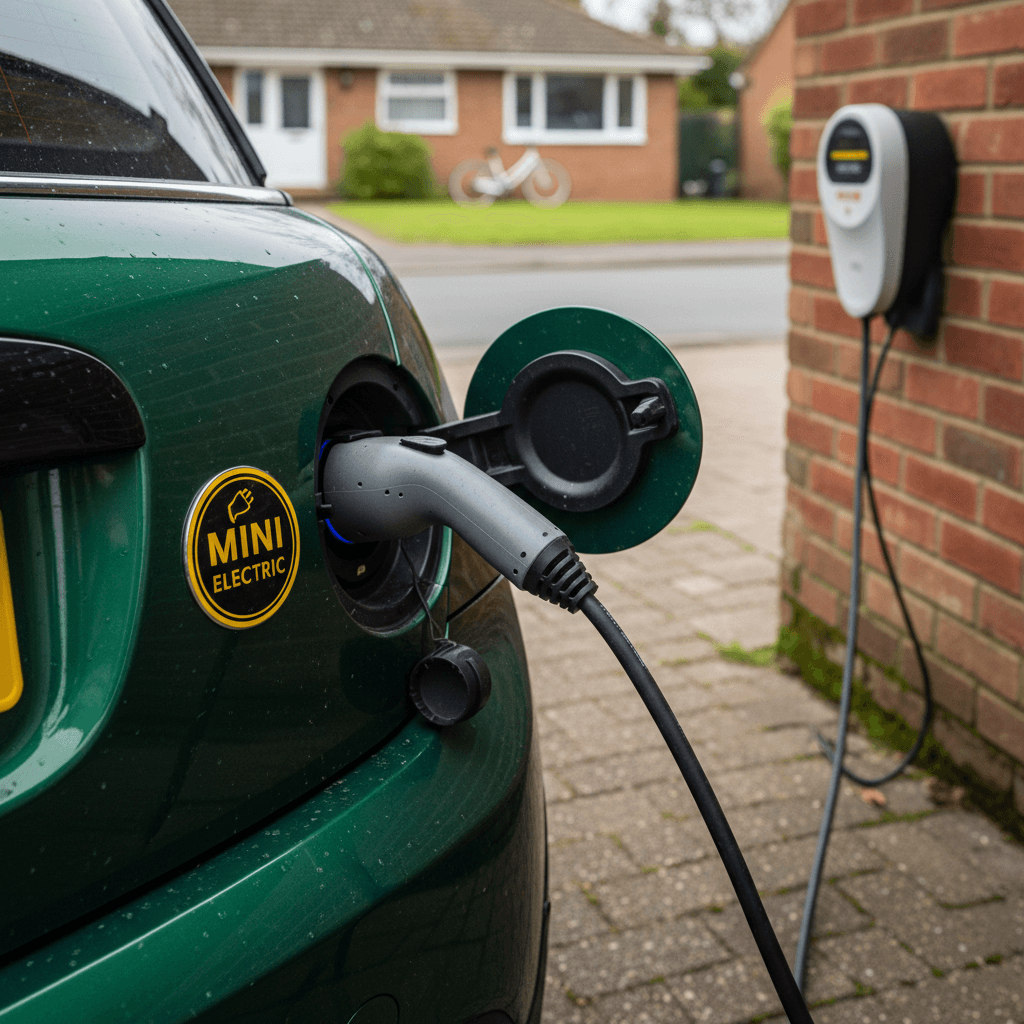
| 2 | Mini Cooper SE (Hardtop 2 Door) | Subcompact EV | ≈48.5% | Fun to drive, strong brand, high efficiency |
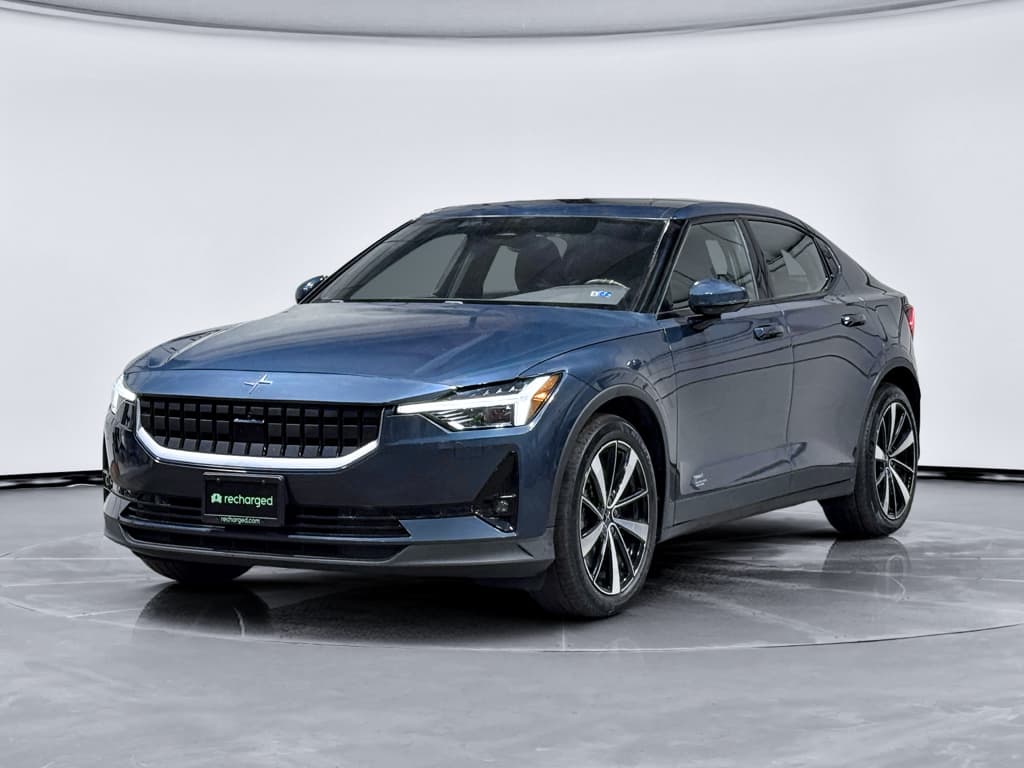
| 3 | Porsche Taycan (incl. wagon) | Performance EV | ≈48.4% | Porsche cachet, enthusiast demand, high MSRP cushions drops |
| 4 | Rivian R1T | Electric truck | Low–mid 40% range | Scarce, capable electric pickup with adventure image |
| 5 | Rivian R1S | Electric SUV | Low–40% range | Three‑row SUV with cult following; supply still tight |
| 6 | Lexus RZ | Luxury SUV | ≈39% | Lexus reliability reputation, limited EV competition in segment |
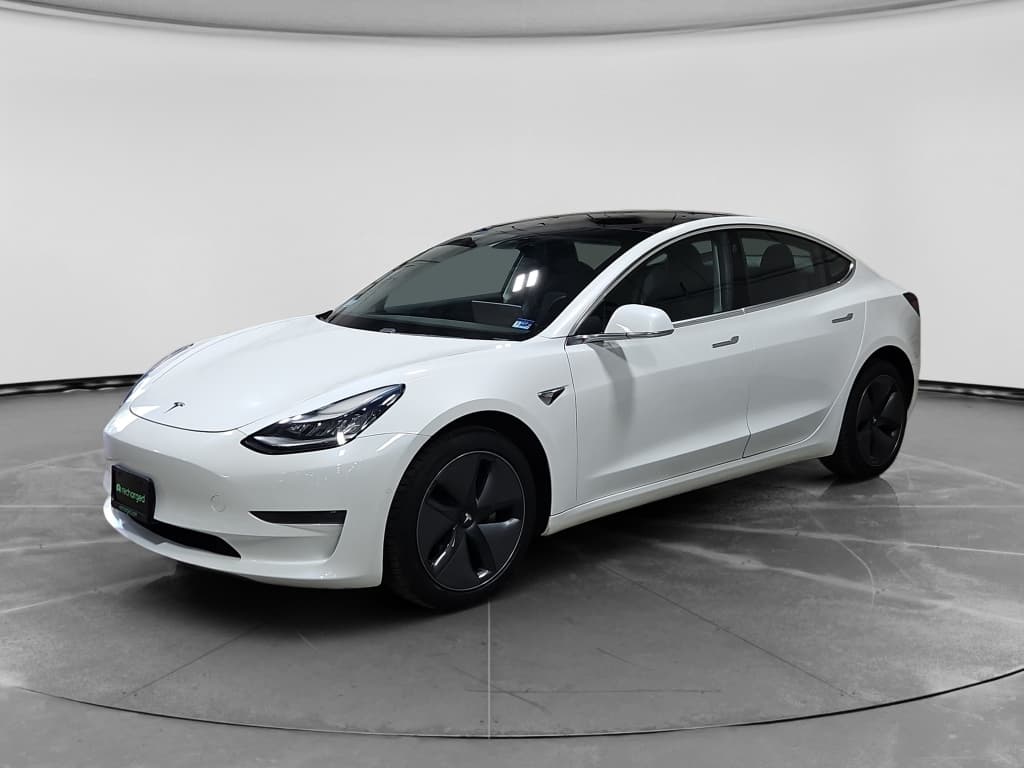
| 7 | Tesla Model 3 | Compact sedan | High–30% range | Huge install base, constant software updates, charging access |
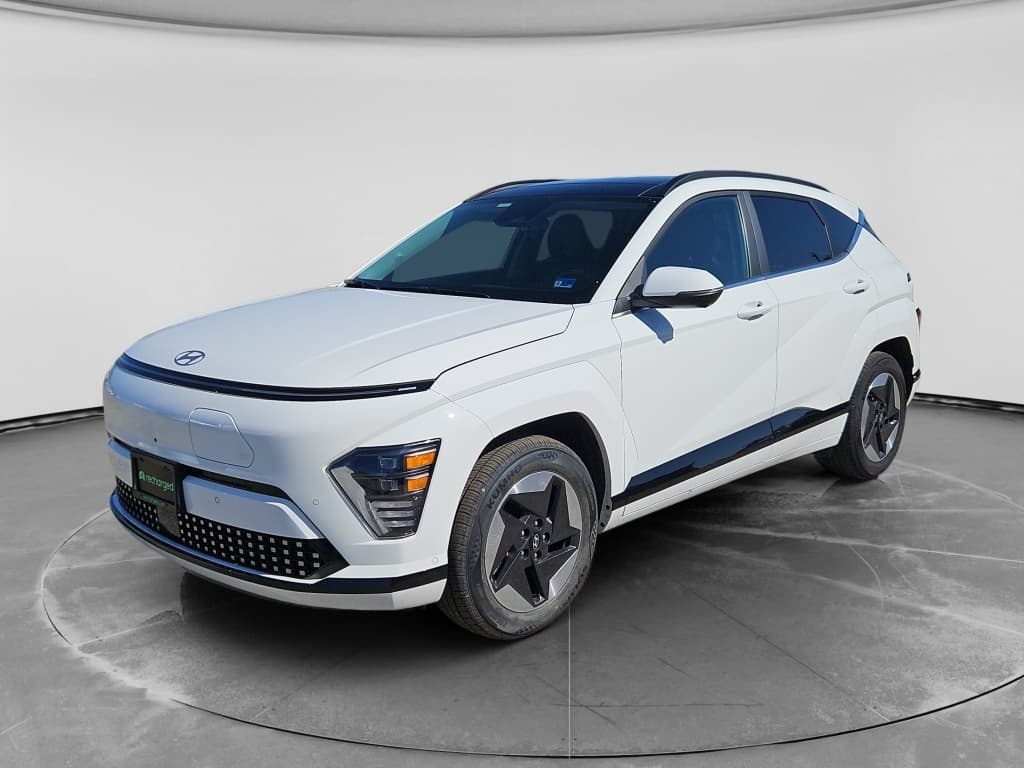
| 8 | Hyundai Ioniq 6 | Midsize sedan | High–30% range | High efficiency, strong reviews, relatively low upfront price |
Approximate 5‑year value retention for key electric models vs. the EV average.
About the numbers
EVs with solid resale value by segment
If you’re shopping by body style rather than by nameplate, here’s how some of these slowest depreciating electric cars shake out within their segments.
Where value retention is strongest
Slow‑depreciating EVs sorted by the kind of vehicle you might actually need.
City & commuter EVs
- Fiat 500e – Tiny footprint, playful styling and limited inventory help keep demand up.
- Mini Cooper SE – Not huge range, but huge character; buyers know what they’re getting.
Sedans & compact cars
- Tesla Model 3 – Still the default "first EV" for many buyers thanks to performance and charging access.
- Hyundai Ioniq 6 – Efficient, distinctive and now past its biggest early‑adopter price swings.
SUVs & crossovers
- Rivian R1S – One of the few adventure‑ready three‑row electric SUVs; demand still outstrips supply in many markets.
- Lexus RZ – Conservative range, but buyers trust the Lexus badge long‑term.
Electric trucks & utility
Rivian R1T stands out among electric pickups for holding value. Its mix of off‑road capability, clever packaging and lifestyle branding has kept used demand strong even as new‑EV sales cooled. Ford’s F‑150 Lightning, by contrast, has seen deeper discounts and steeper early depreciation as incentives shifted.
Performance & luxury EVs
Porsche’s Taycan, especially the wagon variants, behaves more like a 911 than a typical EV when it comes to resale. Buyers in this segment are shopping the badge and the driving experience as much as the tech spec sheet, which blunts the impact of newer models with slightly better range.
Why some EVs hold value, and others crater
Depreciation isn’t random; it’s a verdict from the used‑car market on whether a vehicle still solves a problem for someone at Year Five. The slowest‑depreciating electric cars in 2025 tend to share a handful of traits, while the worst performers make the same mistakes over and over.
Key drivers of EV depreciation
Why one electric car is a blue‑chip asset and another is a clearance item.
Charging access & range
EVs with usable real‑world range and easy charging access hold value better. That’s where Tesla still shines: even if other brands now match the Model 3’s range, the combination of efficiency and Supercharger access (native or via adapter) keeps demand high.
Tech cadence & obsolescence
Models that went big on flashy hardware but small on updates age quickly. Early‑generation EVs with slower charging or dated infotainment systems suffer as newer, better‑equipped models hit the same price bracket used.
Brand trust & warranty
Brands with strong reliability reputations and clear battery warranties (Hyundai, Lexus, Porsche) give used buyers confidence. That translates directly into higher resale value.
Niche appeal & early missteps
Some of the worst‑depreciating EVs, Jaguar I‑Pace, for example, launched with modest range, limited charging performance and thin dealer support. Once the reputation is set and incentives disappear, used prices have to fall to pull buyers in.
The 70% loss club
New vs. used EVs in 2025: where the real value is
By late 2024 and into 2025, used EV prices fell nearly a third from their peaks, while used gas cars actually ticked back up. Add in high interest rates and the expiration of federal tax credits for many new EVs, and the used market suddenly looks like the smart end of the pool, especially for slow‑depreciating models.
When buying new can still make sense
- You plan to keep the car 8–10 years and value predictable ownership more than short‑term resale.
- You’re eyeing a model with proven 5‑year retention, like the Rivian R1T/R1S or Taycan, and can stack remaining incentives.
- You want the very latest range, safety tech and driver‑assist features.
Why used EVs are 2025’s sweet spot
- Someone else has already taken the steepest first‑owner hit, especially on luxury EVs.
- You can shop selectively for slowest‑depreciating nameplates with strong battery health.
- Used prices on many EVs are now level with, or below, equivalent gas cars, while running costs are dramatically lower.
Where Recharged fits in
Ready to find your next EV?
Browse VehiclesHow battery health actually impacts resale value
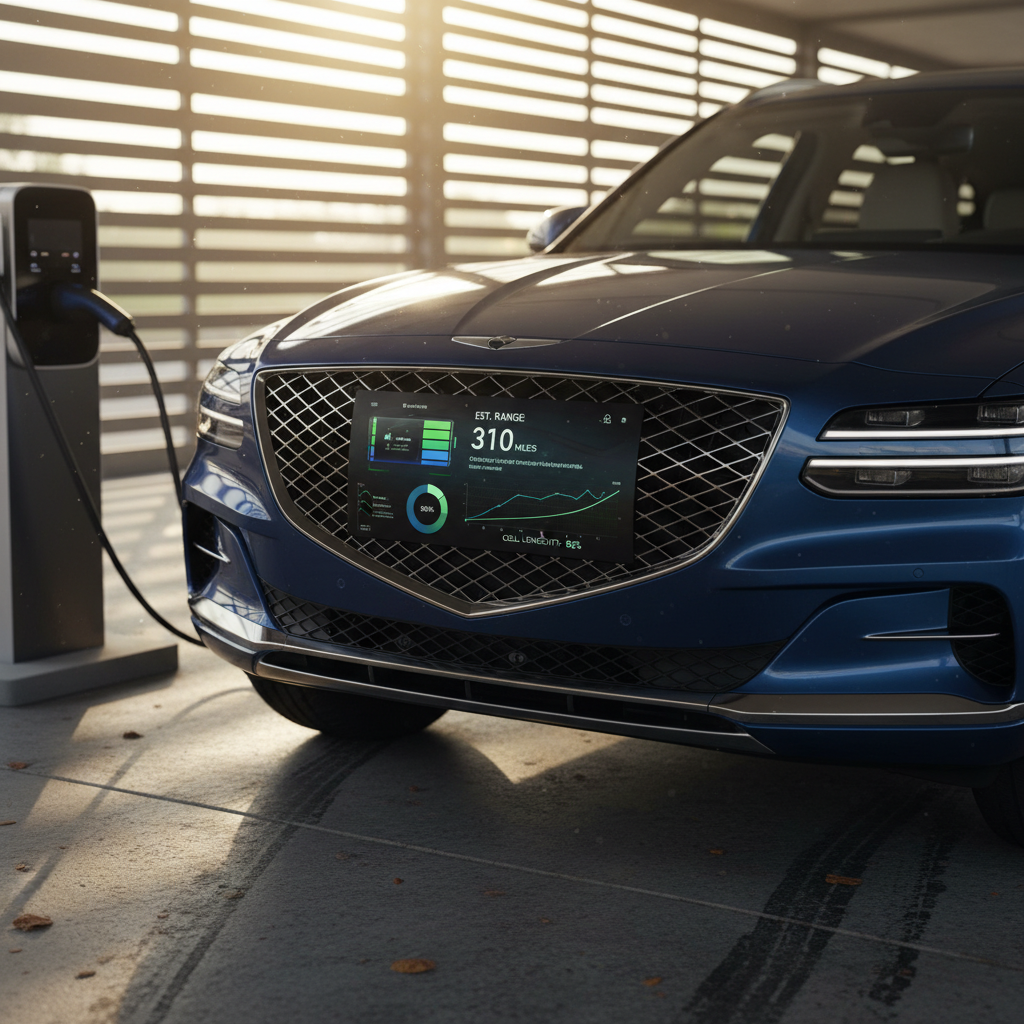
Battery fear is the ghost at the feast in every EV depreciation story. In reality, most modern EV batteries are holding up better than early horror stories suggested, but used buyers still pay very close attention. That makes verified battery health one of the biggest levers in resale value.
- Range loss: Losing 5%–10% range over five years is common and usually acceptable to buyers; losing 25%+ starts to crush resale.
- Thermal management: EVs with robust cooling and heating systems (liquid‑cooled packs, heat pumps) tend to show healthier batteries over time.
- Fast‑charging history: Heavy DC‑fast‑charging use can age a pack faster; documentation and diagnostics matter more than guesses.
- Software & BMS updates: Carmakers sometimes unlock more usable capacity or tweak management over time, which can stabilize or even slightly improve real‑world range.
Why a battery health report matters more than the badge
Checklist: buying a used EV that won’t tank in value
If you’re shopping in 2025 and want to avoid the steepest depreciation curves, use this list as your filter. You’re not just buying a car; you’re buying the car that someone else will want to buy from you later.
Smart used‑EV buying checklist
1. Start with the right short list
Focus on models with above‑average 5‑year value retention, Fiat 500e, Mini Cooper SE, Porsche Taycan, Rivian R1T/R1S, Lexus RZ, Tesla Model 3, Hyundai Ioniq 6. These are your slowest‑depreciating foundations.
2. Demand a real battery health report
Don’t guess based on the dashboard range estimate. Look for a <strong>formal battery diagnostic</strong> that measures usable capacity and cell health. Recharged’s Score Report is one example of this kind of test.
3. Check charging compatibility
Confirm the car’s connector (CCS, NACS), adapter situation, and DC‑fast‑charging speeds. Better charging access keeps the car livable longer, and more appealing to the next owner.
4. Study the trim and options
Depreciation can be brutal on over‑optioned cars. A reasonably equipped mid‑trim with common colors and wheels is often easier to resell than a maxed‑out, oddly specced flagship.
5. Look at total cost, not just price
Factor in insurance, home‑charging install costs, and likely maintenance. A used Taycan that holds value well still might not be your best move if consumables and repairs dwarf your fuel savings.
6. Think 5–7 years ahead
Ask: "Who will want this EV in 2030?" Practical range, interior durability, and charging access will matter more than the last 0.2 seconds of 0–60 bragging rights.
FAQ: slowest depreciating electric cars in 2025
Frequently asked questions about EV depreciation
Bottom line: make EV depreciation work for you
EV depreciation in 2025 looks brutal on paper, but only if you’re staring at a five‑year‑old window sticker and imagining the original owner’s pain. From your side of the table as a buyer today, the data tell a more encouraging story. A small group of slowest‑depreciating electric cars, Fiat 500e, Mini Cooper SE, Porsche Taycan, Rivian’s R1T and R1S, Lexus RZ, Tesla Model 3, Hyundai Ioniq 6, have already proven they can hold value better than the average EV. Many others have simply become fantastic used‑car bargains.
If you combine a value‑savvy model choice with verified battery health and realistic expectations about how long you’ll keep the car, depreciation stops being a horror story and turns into the reason you can afford a truly great EV. And if you’d rather not decode all those numbers alone, a used‑EV specialist like Recharged can walk you through battery diagnostics, fair pricing, financing, trade‑in options and even nationwide delivery, so your next EV decision is informed, not improvised.