You’ve probably heard both stories about electric vehicles: they’re **cheaper to maintain** than gas cars, yet headlines scream about **eye‑watering repair bills** and high insurance for certain EVs. If you’re trying to understand the *EV repair cost average by model*, especially before buying a used EV, that clash can be confusing.
First, a quick reality check
Why EV repair costs look weird at first
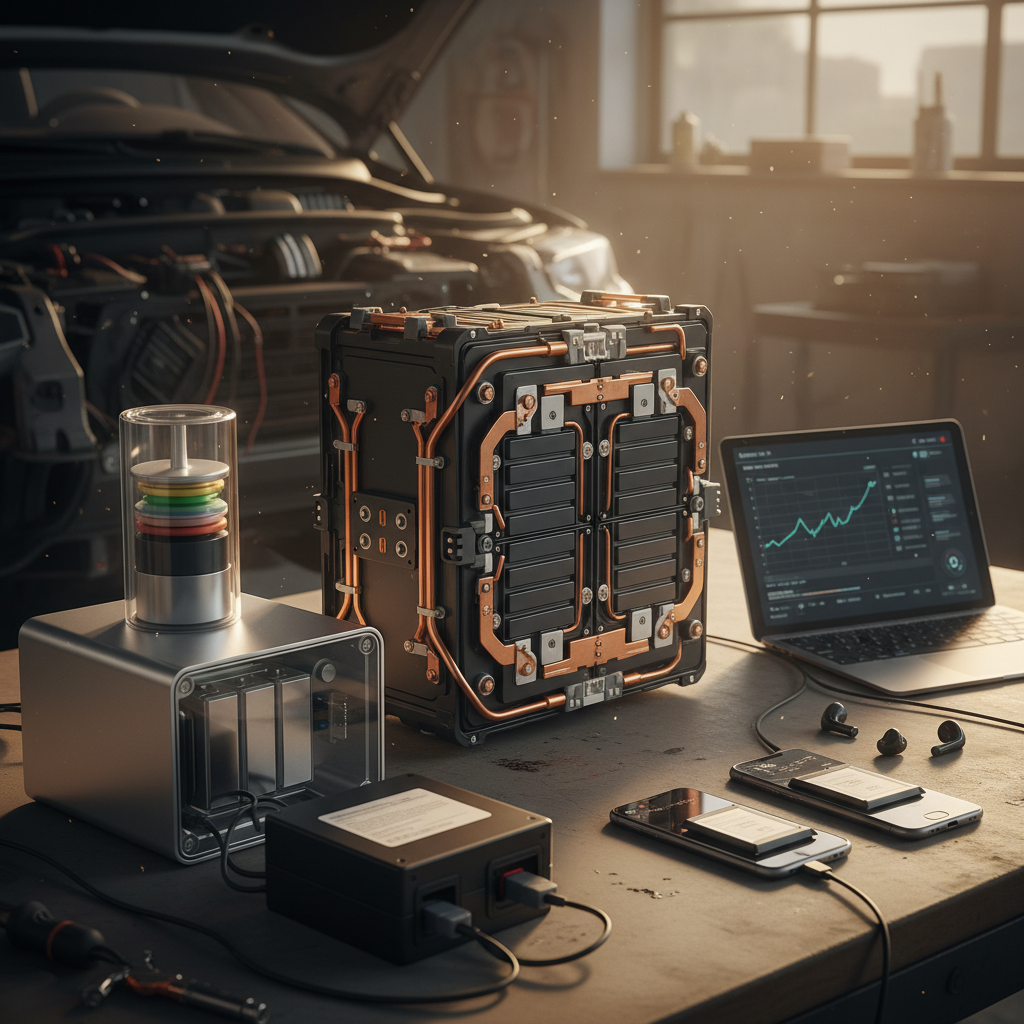
When you look at EV costs, you have to separate **maintenance**, **repairs**, and **collision work**. EVs skip oil changes, exhaust systems, and many moving parts, so day‑to‑day upkeep is lighter. But when an EV does need a major repair, especially body work after a crash, the bills can climb fast because of complex **battery packs, high‑voltage safety procedures, and pricey sensors**.
- Maintenance: predictable wear items like tires, cabin filters, brake fluid, wipers, coolant service.
- Repairs: fixing something that breaks unexpectedly, HVAC, suspension, charge port, onboard charger, battery modules.
- Collision work: body panels, paint, sensors, structural repairs, and any work around the battery after a crash.
Why online averages can mislead you
EV vs gas: average repair costs today
How EV repair bills compare to gas cars
Those averages hide huge differences between models. A mainstream EV hatchback that never sees a body shop can be very inexpensive to run. A big luxury SUV with a cracked battery enclosure after a curb strike can generate a repair estimate that makes even seasoned adjusters wince.
Model-by-model EV repair cost averages
Let’s get into what you’re really here for: **EV repair cost averages by model**. Think of these as directional numbers for the U.S. market, actual costs vary with mileage, region, labor rates, and how often you tangle with a parking bollard.
Estimated 5‑year maintenance & repair costs by popular EV model
Approximate combined maintenance and non‑collision repair spend over 5 years/60,000 miles for common EVs, assuming no major crashes and normal use. These figures blend multiple public estimates and owner‑reported data; use them as ballpark comparisons, not guarantees.
| Model | Segment | 5‑yr maint. estimate* | 5‑yr repair estimate* | Approx. annual total |
|---|---|---|---|---|
| Tesla Model 3 | Compact sedan | $1,200–$2,100 | $1,200–$1,800 | ~$480–$780/yr |
| Tesla Model Y | Compact SUV | $1,500–$2,300 | $1,500–$2,000 | ~$600–$860/yr |
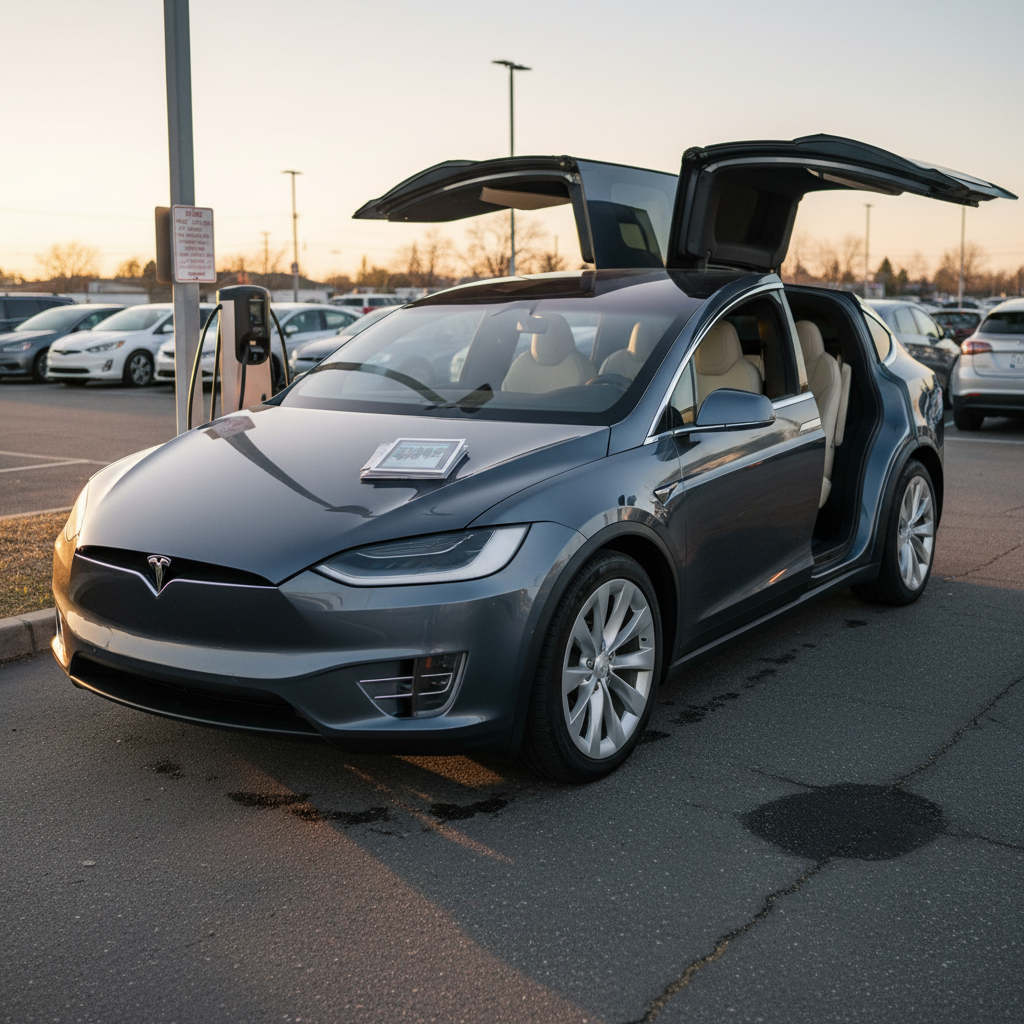
| Tesla Model S / X | Luxury sedan/SUV | $1,800–$3,000 | $2,000–$3,000 | ~$760–$1,200/yr |
| Nissan Leaf | Compact hatchback | $1,700 | $800–$1,200 | ~$500–$580/yr |
| Chevy Bolt EV/EUV | Compact hatchback | $1,800 | $900–$1,300 | ~$540–$620/yr |
| Kia EV6 | Sporty crossover | $650 | $800–$1,200 | ~$290–$370/yr |
| Hyundai Ioniq 5 | Compact crossover | $1,500–$2,000 | $1,000–$1,500 | ~$500–$700/yr |
| VW ID.4 | Compact SUV | $2,200 | $1,000–$1,400 | ~$640–$720/yr |
| Ford Mustang Mach‑E | Compact SUV | $2,000–$2,500 | $1,100–$1,600 | ~$620–$820/yr |
| BMW iX | Luxury SUV | $4,000+ | $4,000+ | ~$1,600+/yr |
| Jaguar I‑Pace | Luxury SUV | $3,500–$4,000 | $3,000–$3,500 | ~$1,300–$1,500/yr |
Mainstream EVs often cluster under $500–$700 per year for maintenance plus minor repairs, while luxury EVs can be 2–3x higher.