Searches for a single person EV for seniors usually start the same way: you’re picturing a tiny, simple electric runabout that’s easy to get in and out of, cheap to run, and perfect for errands or retirement-community life. The reality is a little more complicated, but if you understand the options, you can absolutely find something that feels small, safe, and senior-friendly.
Quick Take
What People Really Mean by “Single Person EV for Seniors”
When families or seniors talk about a single person EV, they’re usually not literally asking for only one seat. They’re looking for a vehicle that feels as simple and manageable as a mobility scooter, but with the weather protection and safety of a car.
- Small footprint that’s easy to park and thread through tight streets
- High seating position and wide doors for easy entry/exit
- Simple controls, not a wall of touchscreens and menus
- Enough range for local errands, doctor visits, and social trips
- Strong crash protection and modern driver-assistance features
There are a few true one-occupant EVs out there, designed originally for people with mobility challenges. But most senior drivers end up happier in a compact EV with two or four doors, because it gives them flexibility for caregivers, grandkids, and groceries without feeling overwhelming.
Who a Single-Person or Micro EV Actually Works For
Is a Micro or Single-Person EV a Good Fit?
Think about daily life first, not the spec sheet.
Independent Senior in a Community
Lives in a retirement community or small town, mostly drives on slow streets, rarely needs the freeway, and just wants simple transportation to shops and appointments.
Senior Using a Wheelchair
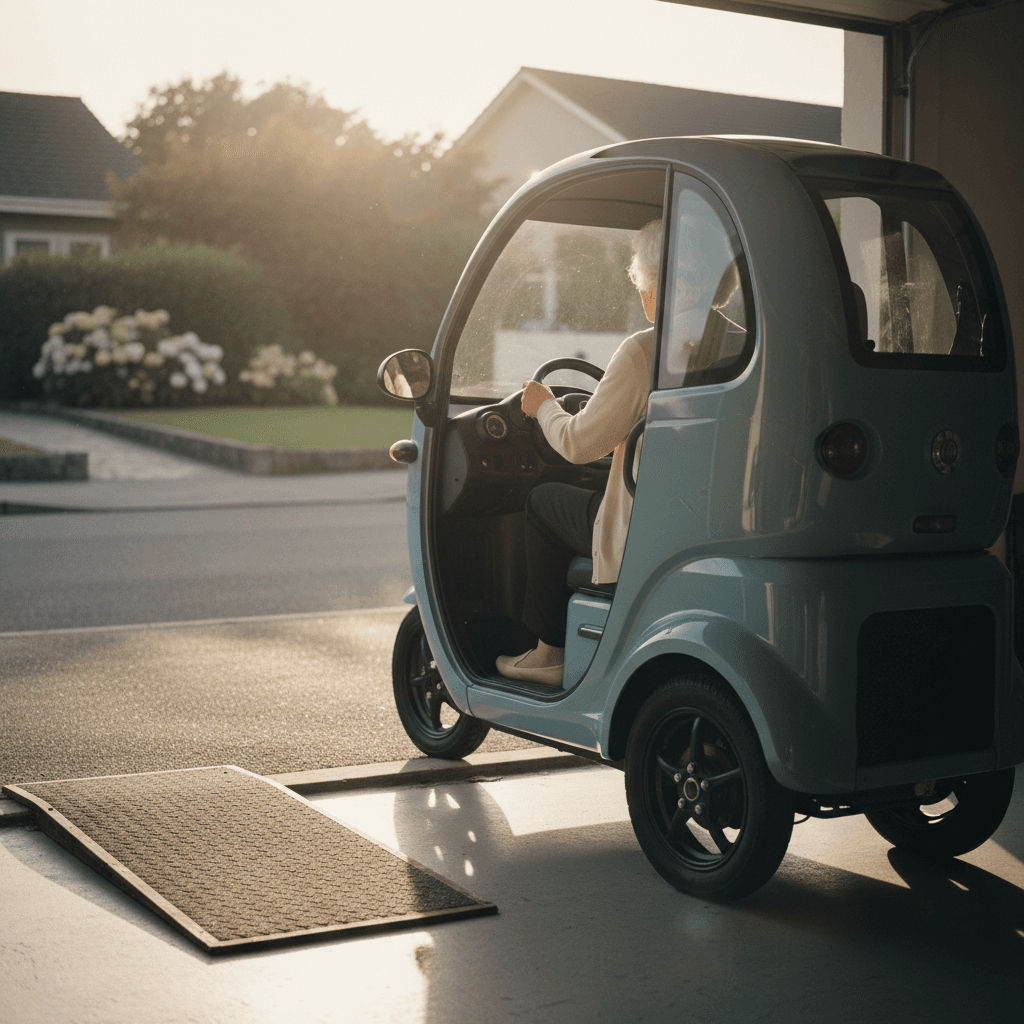
Needs roll‑in access and can’t easily transfer to a car seat. Specialty EV microcars can let them drive while staying in their wheelchair, but choices are limited and often used-only.
Senior With Balance or Vision Issues
May actually need more car around them, larger doors, grab handles, advanced safety tech, and a calmer driving experience, not less.
Reality Check
Types of Small Electric Vehicles Seniors Consider
Once you start looking, you’ll find three broad categories that show up when people search for a single person EV for seniors. They’re not all created equal in terms of safety and comfort.
Common “Single-Person” and Small EV Options for Seniors
How different small EV categories compare for senior drivers in the U.S.
| Type | Typical Seats | Top Speed | Where It’s Legal | Best Use Case |
|---|---|---|---|---|
| Mobility scooter / power chair | 1 | 4–8 mph | Sidewalks, private property | Indoor/outdoor mobility, not mixed with traffic |
| Golf cart / NEV (Neighborhood Electric Vehicle) | 2–4 | 20–25 mph | Low-speed streets (often 25–35 mph zones), some gated communities | Short local trips in communities built for carts |
| Microcar / specialty 1-seat EV | 1 | 25–35 mph | City streets where registered, usually no freeways | Urban errands for a solo driver who doesn’t need passengers |
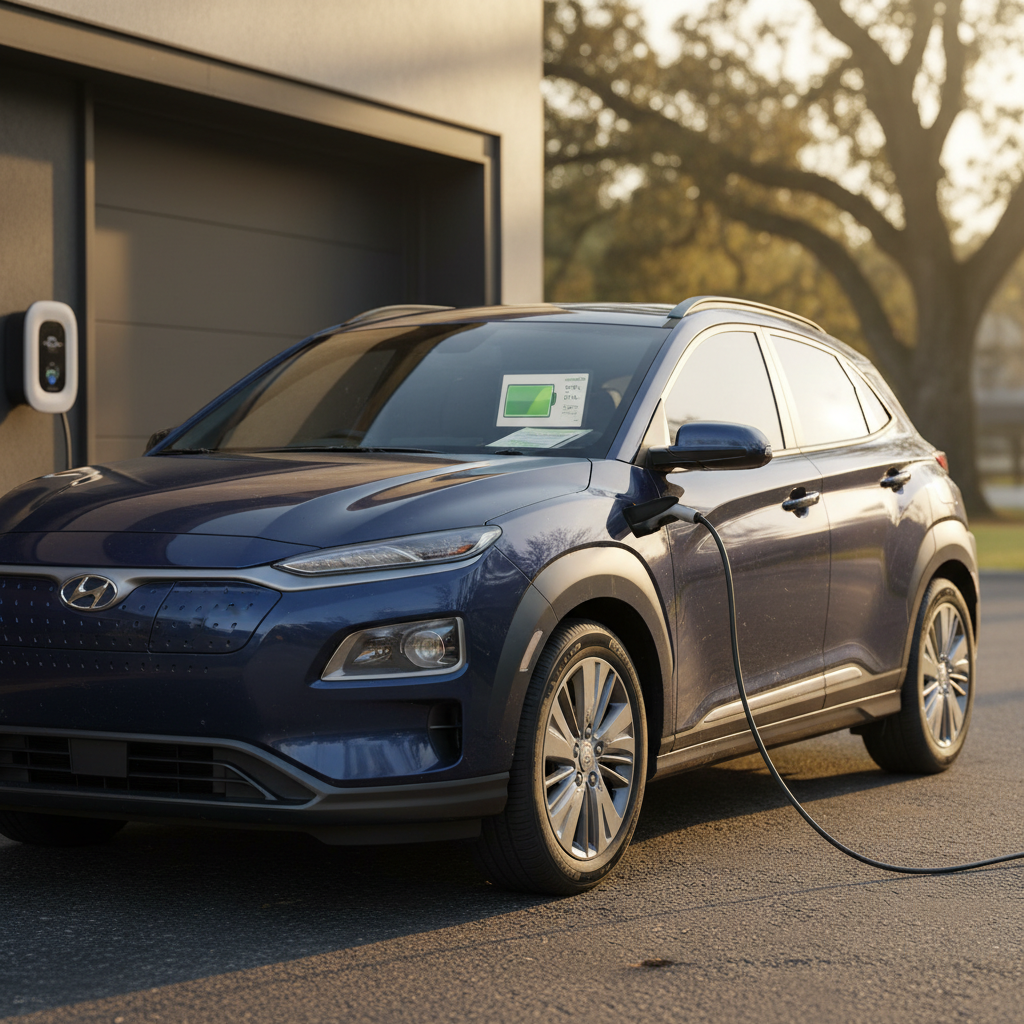
| Compact or subcompact EV (Leaf, Bolt, Kona Electric, etc.) | 4–5 | 70+ mph | All public roads including freeways | Everyday car for seniors who still travel beyond the neighborhood |
Always confirm local regulations before buying a neighborhood or low-speed vehicle.
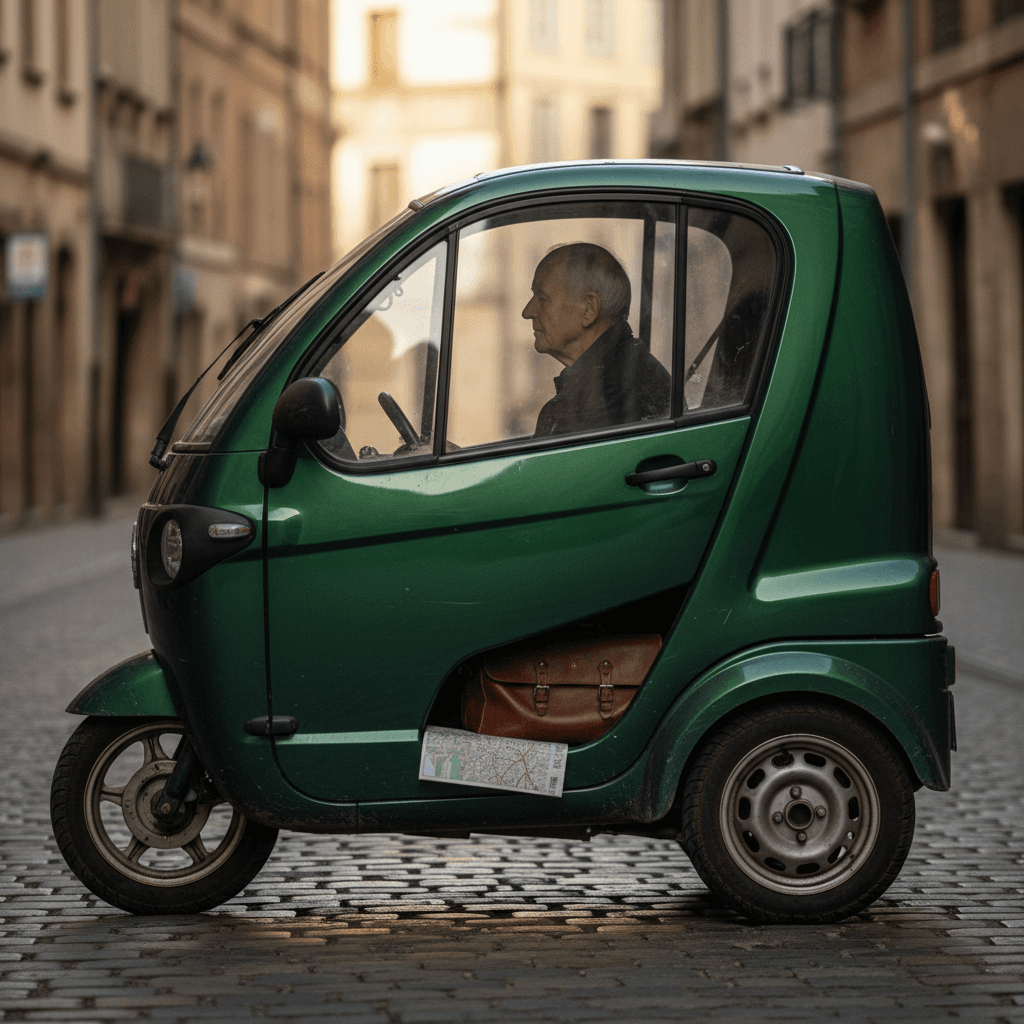
A Rare True One-Seat EV Example
Safety and Legal Issues Seniors Should Know
With older drivers, safety isn’t optional. Before you fall in love with a tiny, cute EV, you need to know how it fits into U.S. safety rules and what that means in day-to-day traffic.
Safety & Legal Checklist for Very Small EVs
Confirm the vehicle’s classification
Is it a full passenger car, a Neighborhood Electric Vehicle (NEV), or something closer to a golf cart? Classification dictates where you can drive it and what safety standards apply.
Know the top speed limits
Many NEVs are limited to about 25 mph. That feels fine in a gated community, but risky if cars around you are flowing at 40 mph or more.
Understand where it’s legal to operate
Some areas allow low-speed EVs on certain roads; others don’t. Your DMV and local ordinances will spell out what’s allowed. Don’t rely on the sales brochure.
Look for crash protection and airbags
Full passenger EVs have crumple zones, airbags, and crash-test ratings. Tiny microcars and NEVs often do not, and that matters more as reaction times slow with age.
Check visibility and lighting
Seniors benefit from good outward visibility, bright headlights, and large mirrors. In a small EV, you want other drivers to see you instantly, day and night.
Review driver-assistance tech
Features like automatic emergency braking, blind‑spot warning, and lane-keeping support can be game-changers for seniors, but they’re usually only found on full passenger EVs.
Don’t Put a Senior on a Highway in a Low-Speed EV
Features That Matter Most for Older Drivers
Whether you’re shopping a true single-person EV or just a very small electric car, the same senior-friendly features rise to the top. Range and 0–60 times are nice, but comfort, visibility, and ease of use are what keep an older driver confident behind the wheel.
Senior-Friendly Features to Prioritize
These matter more than sporty acceleration or giant wheels.
Easy Entry & Exit
Look for a higher hip point (more like a small SUV than a sports car), wide door openings, and door sills that don’t require a big step up or down.
Visibility & Simple Controls
Large windows, good mirrors, and an uncluttered dashboard help seniors compensate for slower neck rotation and glare sensitivity.
Modern Safety Tech
Automatic emergency braking, blind‑spot monitoring, lane-keeping assistance, and adaptive cruise control can seriously reduce stress on every drive.
Calm, Predictable Power
Instant EV torque is great, but you want smooth, gradual response. Many senior-friendly EVs tune their throttle for gentle starts, not drag-race launches.
Comfortable, Supportive Seats
Power-adjustable seats with lumbar support, heated cushions, and easy-to-reach seat controls keep longer drives from becoming painful.
Enough, Not Excessive, Range
For many seniors, 200–250 miles of real-world range is plenty. That keeps costs down while still avoiding constant charging anxiety.
Smart Alternatives: Small EVs That Still Feel Easy
If you decide an ultra-tiny, one-seat EV isn’t the safest bet, the good news is there are several compact electric cars that feel just as approachable, but bring real crash protection and comfort. Many are now showing up on the used market at senior-friendly prices.
Why Small Used EVs Make Sense for Seniors
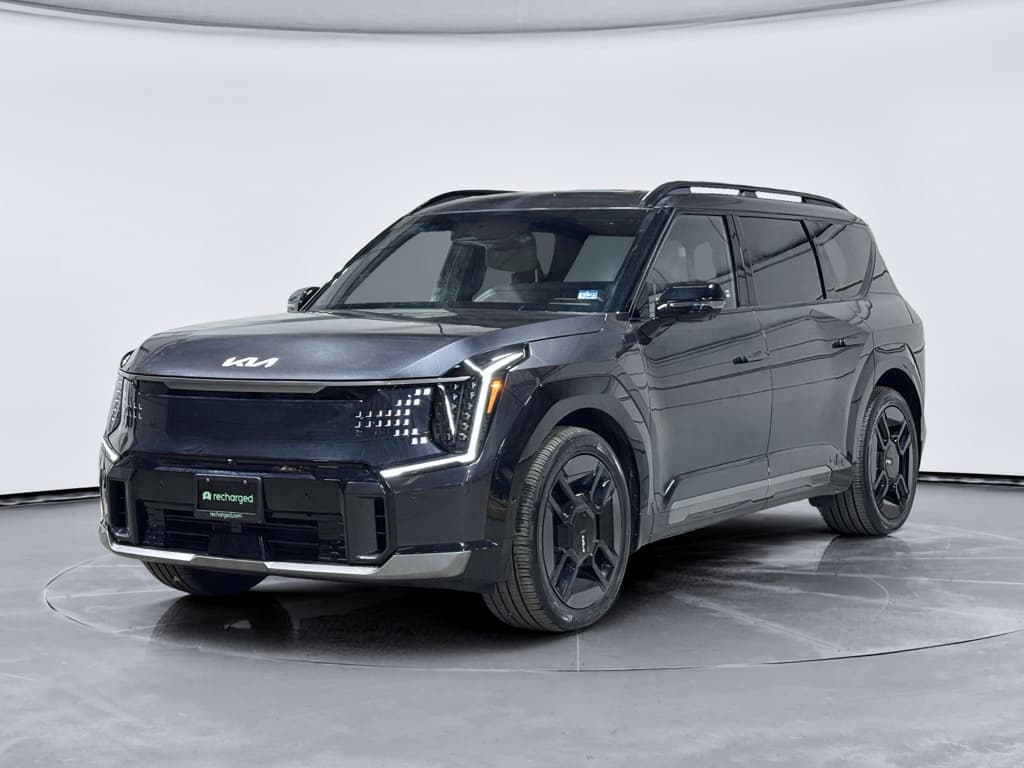
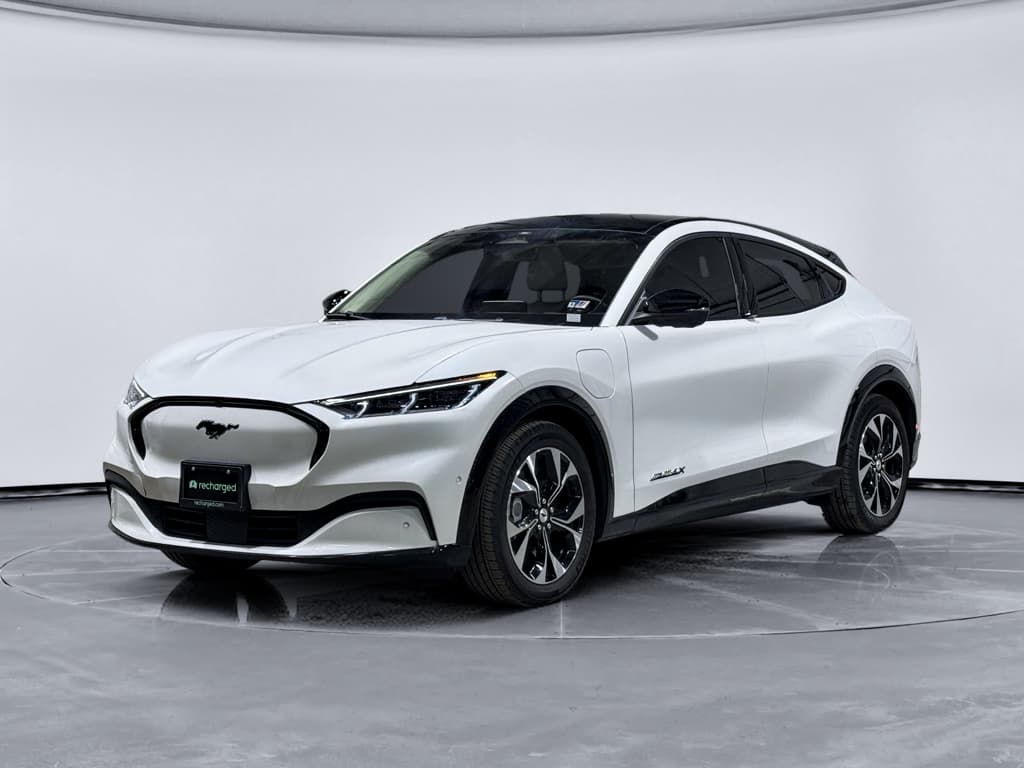
Examples of Senior-Friendly Compact EVs
- Nissan Leaf – Long-running, simple to drive, with straightforward controls. Earlier models have shorter range but are very affordable and easy to live with.
- Chevrolet Bolt and Bolt EUV – Upright seating, good visibility, and a tidy footprint. The Bolt EUV adds a slightly higher seating position many seniors appreciate.
- Hyundai Ioniq 5 & Ioniq 6 – Often praised for comfort, value, and excellent safety tech, with relaxed driving manners that suit older drivers.
- Kia Niro EV – Compact crossover stance makes entry and exit easy, with a cabin that feels familiar rather than futuristic.
Why They Beat a True Single-Seat Microcar
- They’re designed and crash-tested as full passenger cars, with multiple airbags and advanced driver-assistance systems.
- They can handle the freeway and mixed-traffic situations, so you don’t have to buy a second “real car.”
- Most have room for a partner, caregiver, or grandchild, along with mobility aids or groceries.
- On the used market, pricing is often closer to a specialty micro-EV than you’d expect, but with much more capability.
Where Recharged Fits In
Ready to find your next EV?
Browse VehiclesHow to Choose the Right EV for a Senior Driver
The best question isn’t “What’s the smallest thing we can buy?” It’s “What vehicle will keep this person independent and safe for the next several years?” Use that lens and the decision gets clearer.
Step-by-Step Decision Guide
1. Map the Real-World Driving Pattern
List typical weekly trips: grocery store, faith community, doctor, family visits. Note speed limits and whether freeways are involved. If most driving is under 35 mph and within a few miles, a low-speed solution may work, but be conservative.
2. Consider Health and Mobility Needs
Does the senior need a walker, cane, or wheelchair? Can they comfortably pivot into a car seat? That may point you toward a higher-roof compact EV rather than a very low or very tiny one.
3. Decide Who Else Needs to Ride
Caregivers, partners, and grandkids don’t fit in a true single-seat EV. If anyone else rides along even occasionally, prioritize at least two usable seats and some cargo space.
4. Set a Clear Budget (Purchase and Operating)
Factor in insurance, electricity, home charging upgrades, and potential maintenance. Used EVs can look like bargains, but you want confidence that the battery still has healthy range left.
5. Test-Drive More Than One Size
Have the senior try a very small EV and a compact EV back-to-back. Let them practice parking, merging, and braking. Pay attention to their comfort level, not just their first reaction to the styling.
6. Plan for the Future, Not Just Today
If eyesight, reflexes, or mobility are already changing, choose something that will still feel manageable in five years, and has room for a walker, folding wheelchair, or additional assistance if needed.
Buying Used EVs Safely, With Battery Health in Mind
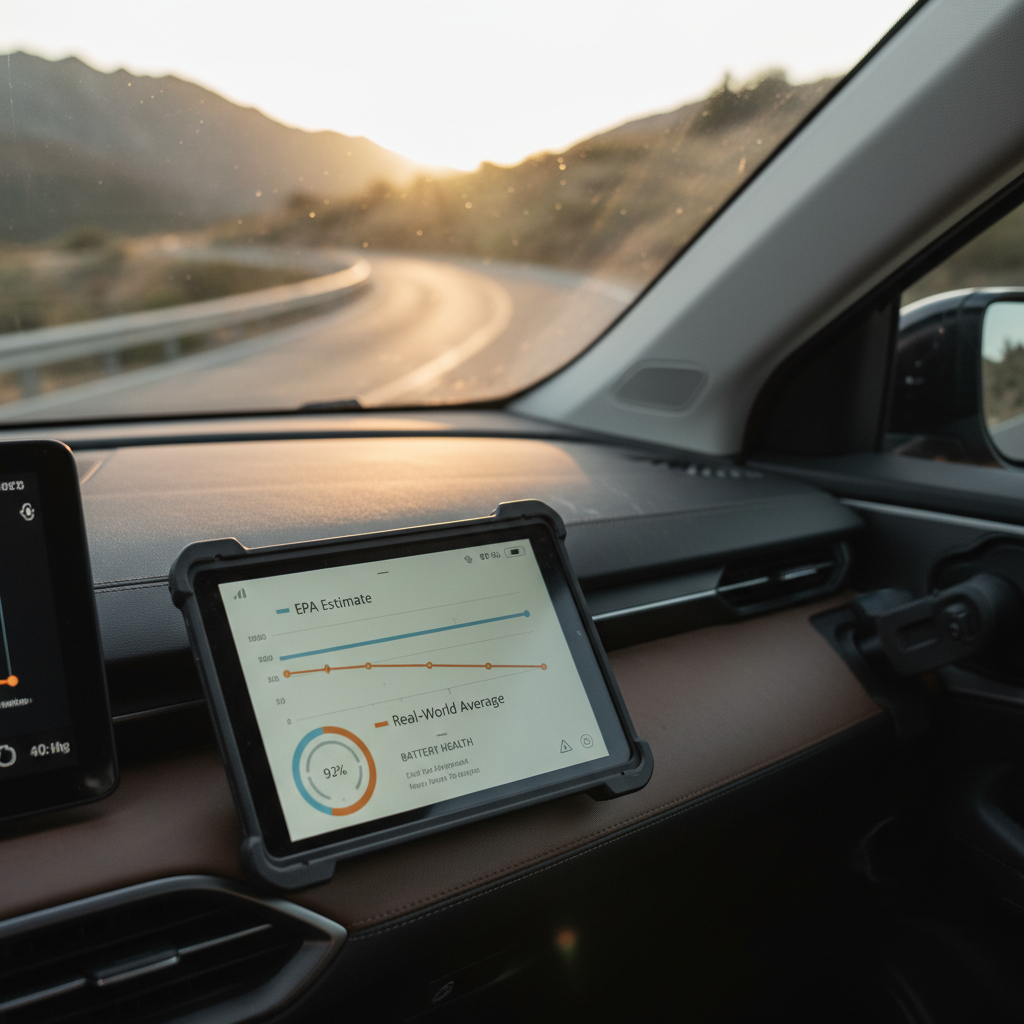
Seniors are often the most careful buyers in the family. They’ve been through enough cars to know the devil is in the details, especially with something as new as an EV. With used electric vehicles, the biggest unknown is usually battery health, because that’s what determines real-world range and long-term value.
Key Used-EV Questions for Seniors (and Their Families)
These apply whether you’re looking at a micro-EV or a compact hatchback.
How Healthy is the Battery, Really?
Ask for objective battery diagnostics, not just a guess from the dash gauge. Tools like the Recharged Score combine battery testing with range estimates so you know what you’re getting into.
What’s the Warranty Situation?
Many EVs come with 8-year/100,000-mile battery warranties. On a used car, check how much time and mileage is left, and whether any transfer conditions apply.
Who Will Service It?
Make sure there’s a shop comfortable with EVs within a reasonable distance, especially if the senior lives outside a major metro area.
Is Home Charging Simple?
Level 1 (wall outlet) can work for very low mileage, but many seniors appreciate the predictability of a basic Level 2 charger installed by a licensed electrician.
Tip for Families
FAQ: Single-Person EV for Seniors
Frequently Asked Questions
Bottom Line: Is a Single-Person EV Right for This Senior?
A single person EV for seniors sounds appealing because it promises simplicity. But the safest and most satisfying answer is usually a bit bigger than that, something small and easy to handle, yet built to full passenger-car safety standards with space for the people and equipment that support independence.
If you’re shopping for yourself or for a parent, start with how and where they drive, then weigh safety, comfort, and battery health before chasing the tiniest footprint. In many cases, a well-chosen used EV, backed by clear battery diagnostics and fair pricing, delivers the best of both worlds: a car that feels unintimidating from behind the wheel, but robust enough to protect the person you love.
When you’re ready to explore real vehicles, not just ideas, you can browse used EVs on Recharged, review each car’s Recharged Score Report, and talk with EV specialists who understand the realities of senior driving. That way, the final choice isn’t just small, it’s smart.