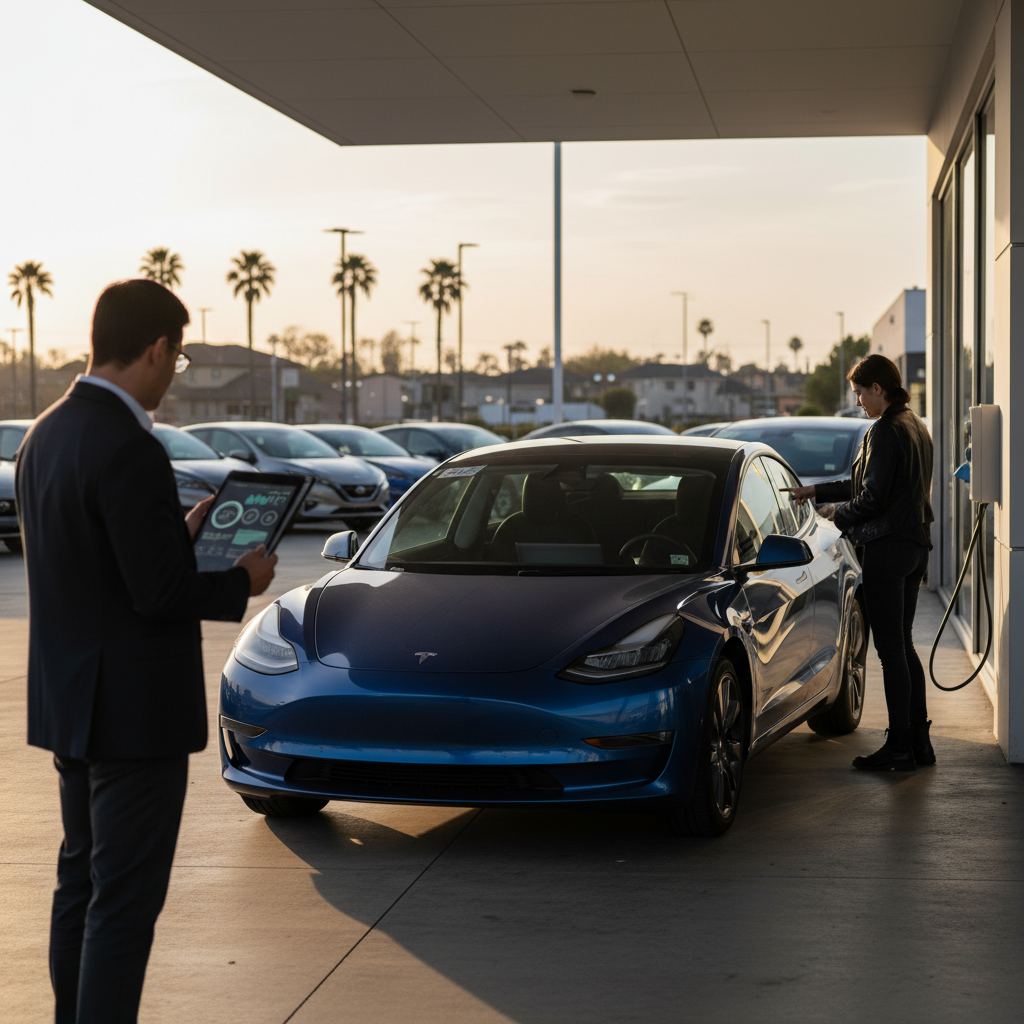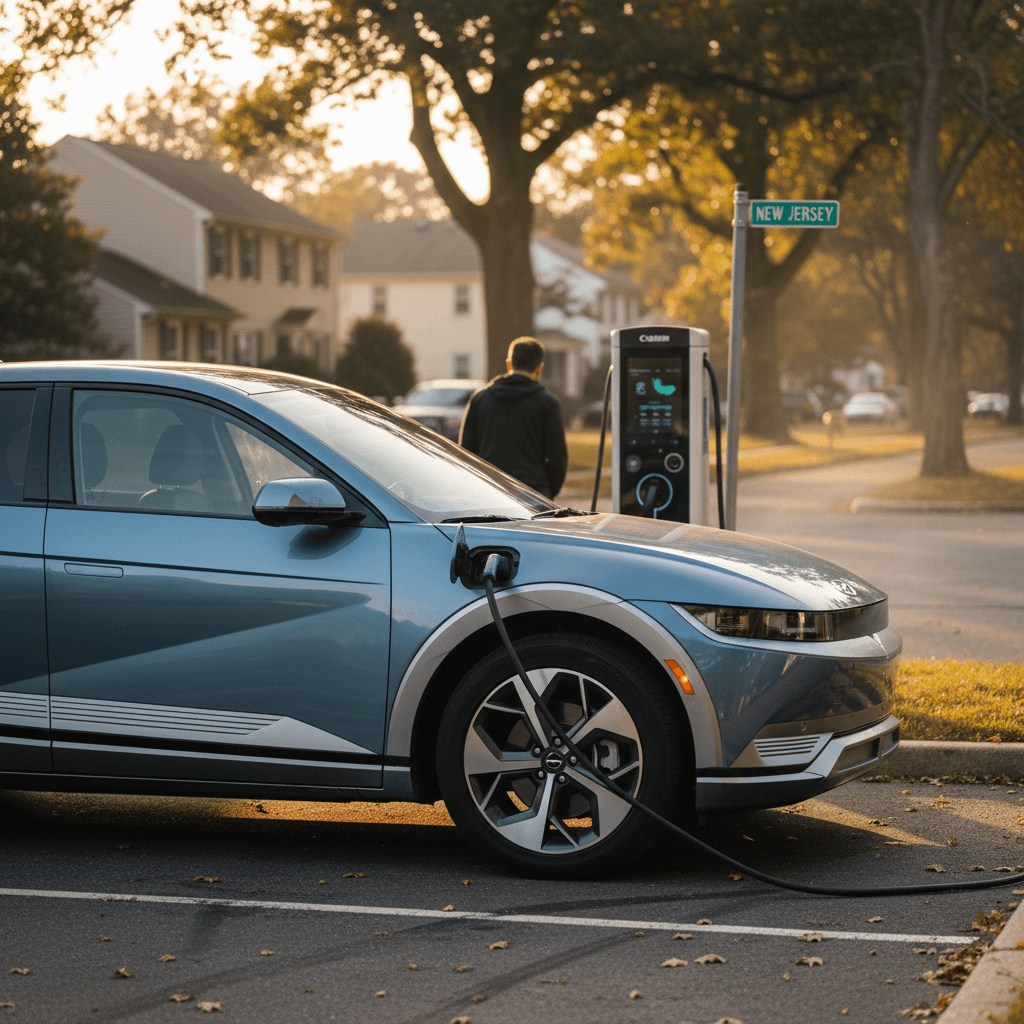
You’re not imagining it: electric cars are suddenly everywhere on the Turnpike and the Parkway. Between New Jersey’s incentives, looming 2035 rules on new gas cars, and gas prices that seem to have a personal grudge, it’s natural to ask: should you switch to an electric car in New Jersey right now, or wait?
The short answer
Is an EV Right for You in New Jersey?
New Jersey’s EV Moment, By the Numbers
New Jersey is already an EV‑heavy state by U.S. standards. That matters because early adopters have done a lot of painful beta‑testing for you. Today’s EV experience here is more “normal car with a plug” than science project, especially if you have a driveway or garage.
Who Benefits Most From Going Electric in New Jersey?
Match your lifestyle to the right powertrain
Suburban homeowner
Best fit for an EV. Think single‑family home in Edison, Cherry Hill, or Randolph.
- Easy to install a Level 2 home charger.
- Predictable commute and errands.
- Low hassle: plug in at night, leave full every morning.
Apartment or condo dweller
Case‑by‑case. Jersey City, Hoboken, Newark, New Brunswick.
- EV works great if your building has charging.
- If you rely on street parking, public charging access is the swing factor.
- Might make sense to wait or choose a plug‑in hybrid.
Road‑warrior commuter
Strong EV candidate. Daily runs down the Turnpike or commuting from South Jersey to NYC.
- High miles = big fuel and maintenance savings.
- Fast chargers along major corridors fill in long‑trip gaps.
- Used EVs can pay back quickly at high annual mileage.
Think in miles, not ideology
How New Jersey’s 2035 Rules Affect Your Decision
New Jersey is marching toward a 100% zero‑emission new‑car sales requirement in 2035. That means that, on current policy, new gas‑only cars sold after 2035 are effectively off the menu, though used gas cars will still exist for a long time. The state has already adopted clean‑car rules that tighten the screws on automakers over this decade, forcing more EVs into dealer inventory.
What this means if you buy now
- Gas cars aren’t banned overnight. You can still buy, register, and drive gas vehicles, new or used, well past 2035. The rules target new sales, not your existing Civic.
- EV options will keep improving. Every model year, more EVs show up on New Jersey dealer lots with better range and faster charging.
- Resale curves will shift. As the market leans electric, late‑model gas cars may depreciate faster than comparable EVs in the 2030s.
How it should shape your decision
- If you plan to keep your next car 10+ years, going electric now means you’re aligned with where the market and regulations are headed.
- If you prefer to swap cars every 3–4 years, make sure whatever you buy, gas or electric, will still be easy to resell into an increasingly EV‑friendly market.
- If you’re risk‑averse, a late‑model used EV can be a smart way to dip a toe in without new‑car prices.
Watch the policy whiplash
EV Ownership Costs vs Gas Cars in New Jersey
To answer “should I switch to an electric car in New Jersey,” you need to look past MSRP and into total cost of ownership: fuel, maintenance, insurance, and resale. Here’s how the math usually works out for Garden State drivers.
Typical Annual Ownership Costs in New Jersey
Illustrative example for a commuter driving ~12,000 miles per year. Electricity and gas prices vary by utility and market; use this as directional guidance, not a precise quote.
| Category | Gas compact car | Electric compact car |
|---|---|---|
| Fuel/energy | $1,600–$1,900 | $600–$900 (home charging heavy, mix of peak/off‑peak) |
| Routine maintenance | $700–$900 | $300–$500 (no oil changes, fewer moving parts) |
| Repairs (average) | $500 | $400 |
| Registration & fees | Standard fees | Standard fees + modest EV surcharge in coming years |
| Total annual running costs | $2,800–$3,300 | $1,300–$1,800 |
Comparing a mainstream compact gas car vs a comparable electric car in 2026.
Where the savings really come from
- Home‑charged EVs typically cost the equivalent of paying around $1–$1.75 per gallon of gas, depending on your rate plan.
- Public DC fast charging can be closer to or even above gas prices per mile, so it’s best used for trips, not daily life.
- EVs avoid oil changes, transmission service, and many exhaust‑system repairs that routinely hit gas‑car owners.
How to stack the deck in your favor
New Jersey EV Incentives and Fees in 2026
The incentive picture in New Jersey has been generous but…let’s call it mercurial. Programs open, close, get refilled, change terms. As of early 2026, here’s the landscape you need to understand in plain language.
Key New Jersey EV Money Matters
The good, the bad, and the fine print
State purchase rebates
Charge Up New Jersey has historically offered up to several thousand dollars on new EV purchases and leases, with yearly funding pots and updated terms.
The catch: funding is not guaranteed year‑round. The program can pause when money runs out and reopen later. Before you sign anything, check the current status and eligibility on the official program site.
Home charger rebates and bill credits
New Jersey has offered rebates for installing Level 2 home chargers and, in some utility territories, off‑peak charging bill credits. Some of those generous early‑adopter credits are being phased out or redesigned.
Still, a one‑time rebate on the hardware and wiring can shave hundreds off your install costs if you time it right.
Taxes, fees, and the fine print
New Jersey used to exempt many EVs from state sales tax entirely; that perk has been substantially dialed back. Policymakers are also experimenting with EV‑specific registration surcharges to make up for lost gas‑tax revenue.
Translation: don’t assume your EV will be tax‑free forever. Budget for some form of added annual fee over the life of the car.
Federal credits and shifting rules
Federal EV tax credits changed in late 2025, tightening which vehicles qualify based on where batteries and components are sourced.
Always verify whether the specific EV you’re eyeing is eligible, and whether the dealer can apply the federal incentive at the point of sale rather than making you wait for tax time.
Don’t build your budget on a rebate that doesn’t exist yet
Can You Charge Comfortably Where You Live?
Charging is where EV ownership in New Jersey becomes either gloriously simple, or an annoying part‑time job. The deciding factor is usually where your car sleeps at night.

Home Charging Reality Check
1. Do you have off‑street parking?
If you have a driveway or garage anywhere from Montclair to Mount Laurel, you’re already ahead. A basic Level 2 charger and a 240‑volt circuit turn your parking spot into your private gas station.
2. Can your electrical panel handle it?
Most modern homes can support a 30–40 amp circuit for EV charging, but older houses may need a panel upgrade. Expect anywhere from a few hundred to a couple thousand dollars depending on complexity.
3. Will your landlord or HOA play ball?
In condos or rentals, the law is slowly tilting in favor of EV charging access, but there’s still paperwork and politics. Get written approval before you buy hardware.
4. What’s your daily mileage?
If you drive under 50 miles a day, even a modest Level 2 charger will refill your battery easily overnight. Heavy commuters may want faster onboard charging and a slightly larger battery.
5. How much will you rely on public chargers?
If your honest answer is “a lot,” you’ll want to map out nearby DC fast chargers and Level 2 stations along your commute and weekend patterns before you commit.
Do a one‑week experiment
How EVs Handle New Jersey Winters and Traffic
Cold weather and stop‑and‑go traffic are the two big New Jersey realities. Fortunately, EVs happen to be very good at one of those and manageable with the other.
Winters: range drops, comfort rises
- In January on I‑80 or the Parkway, expect 20–35% less range than the EPA sticker in a pure battery EV. Batteries hate the cold.
- The upside: EVs offer instant cabin heat. No waiting for an engine to warm up while you scrape ice in Paramus.
- Pre‑conditioning, warming the battery and cabin while plugged in, blunts most of the winter range penalty.
Traffic: EVs are in their element
- In bumper‑to‑bumper traffic outside the Lincoln Tunnel, EVs often use less energy thanks to regenerative braking.
- One‑pedal driving reduces fatigue and brake wear in long commutes.
- Silent creep in traffic is less tiring than revs and gear hunting in a traditional automatic.
Be honest about your worst‑case winter trip
Used EVs in New Jersey: A Smart Middle Ground
If you’re EV‑curious but not ready to spend $40,000+ on a new battery‑on‑wheels, New Jersey’s growing stock of used electric vehicles offers a cheaper, lower‑risk on‑ramp.
Why Used EVs Make Sense in New Jersey
Let early adopters eat the depreciation
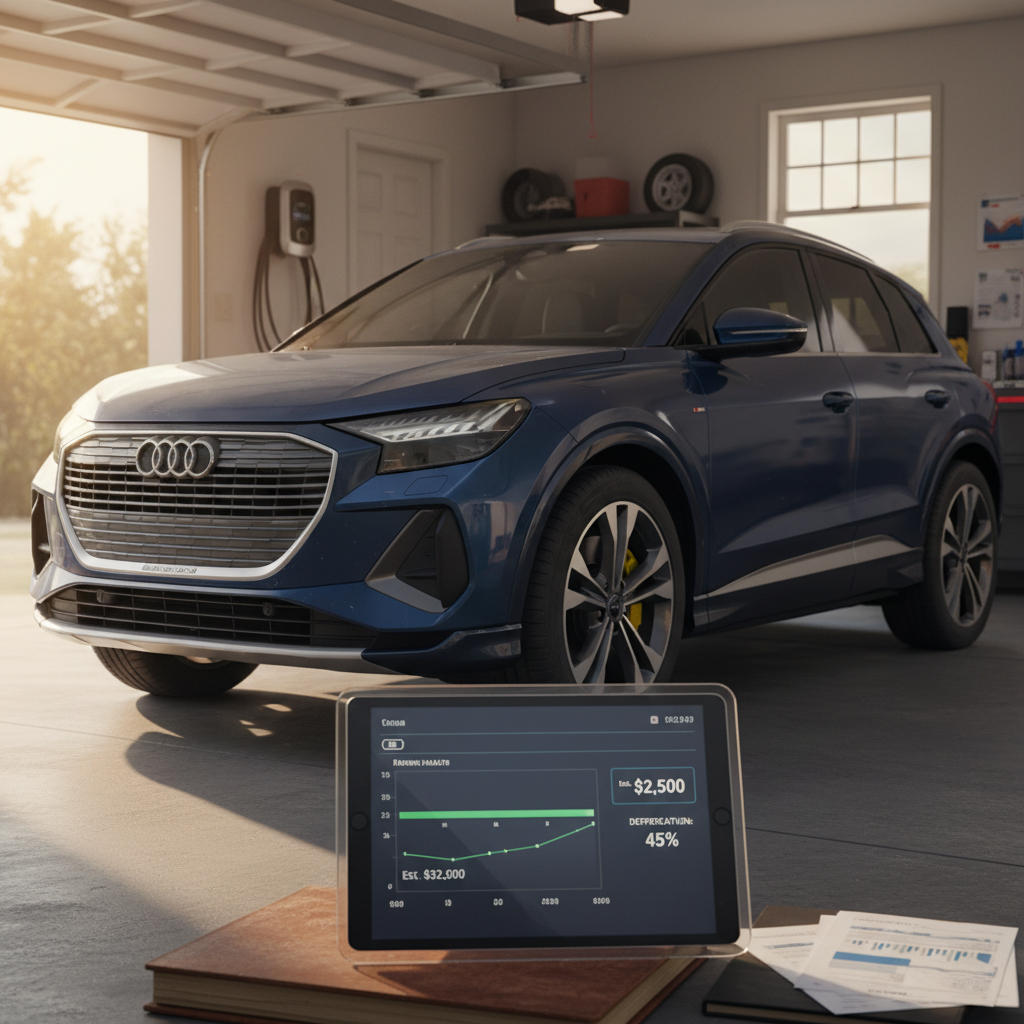
Depreciation works in your favor
EVs took some heavy early depreciation, especially first‑gen models with shorter range. That unpleasant hit for the original owner can mean a sub‑$25k price tag on a perfectly usable EV for you.
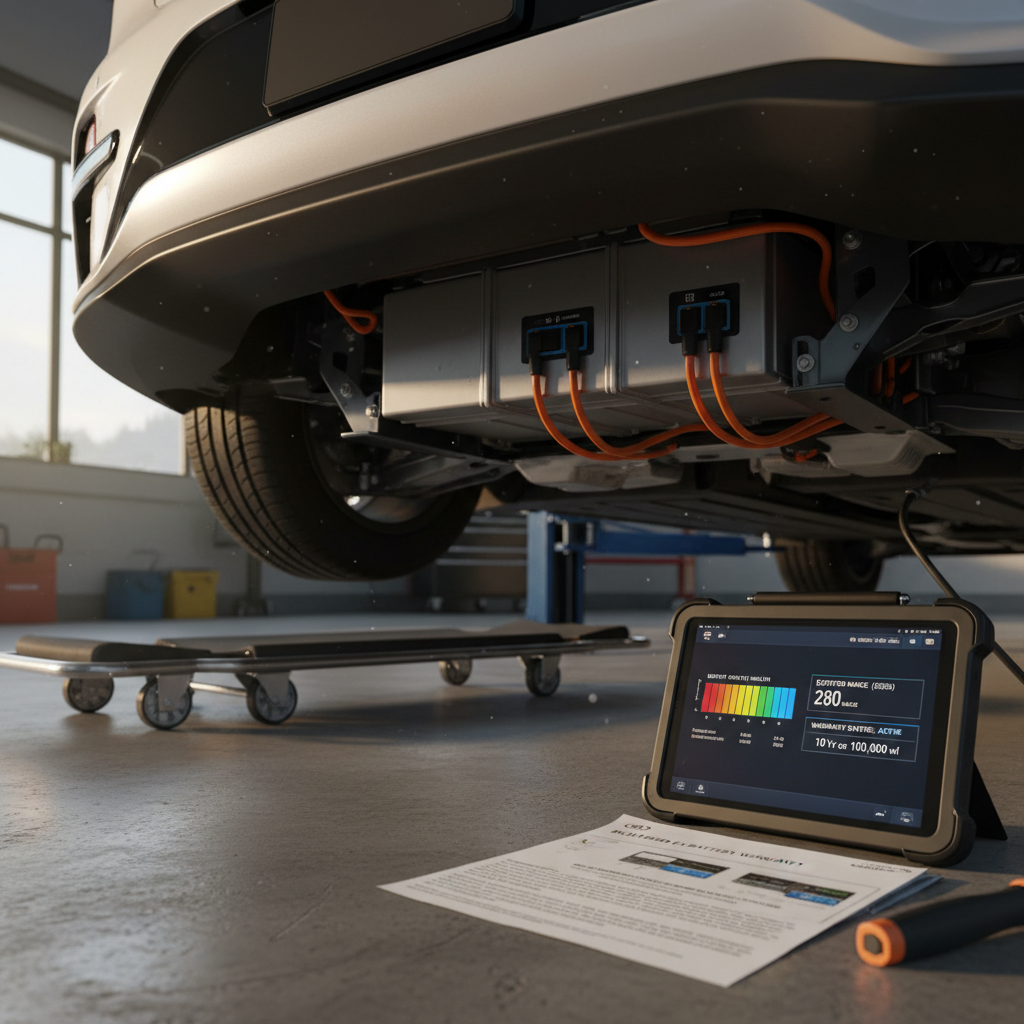
Battery health can be measured
Unlike guessing how a used engine was treated, EVs let you measure battery health. Recharged’s Recharged Score Report includes verified battery diagnostics, so you can see how much usable capacity remains before you buy.
Lower risk, easier experiments
Buying a well‑vetted used EV lets you live with the technology for 2–4 years without betting the farm. If it fits your life, you can always upgrade later into a longer‑range or newer model.
The great advantage of a used EV in New Jersey is that you already know the terrain: winters, traffic, incentives, infrastructure. You’re not guessing how it will behave here, you’re just deciding whether you want to join the early majority.
How Recharged can help
Ready to find your next EV?
Browse VehiclesChecklist: Are You Ready to Switch?
A 60‑Second New Jersey EV Readiness Checklist
You drive at least 8,000–10,000 miles a year
If you drive much less than this, the fuel and maintenance savings may take longer to overcome a higher EV purchase price, especially if incentives are in flux.
You have reliable off‑street parking
A driveway, carport, or garage where you can install a Level 2 charger is the single biggest quality‑of‑life upgrade for EV ownership in the state.
Your daily round‑trip fits easily within modern EV ranges
For most New Jersey commuters, a 200–250‑mile rated range car is more than enough. If you regularly exceed that in a single day, make sure there are convenient fast chargers along your route.
You can absorb some upfront costs
Even used EVs may cost more upfront than a comparable used gas car. If your monthly budget is razor‑thin, be conservative about banking on incentives that might change.
You’re okay letting go of gas‑station habits
EV ownership feels different: more like charging your phone than fueling your car. If you’re willing to plug in at night and plan road‑trip stops, you’ll adapt quickly.
You’re thinking at least 5 years ahead
If you churn cars every couple of years, lease economics and fast‑moving tech may favor short‑term arrangements. If you plan to keep a car a long time, the EV’s lower running costs compound in your favor.
Frequently Asked Questions About EVs in New Jersey
New Jersey EV Switching FAQ
Bottom Line: Should You Switch to an EV in New Jersey?
If you have reliable off‑street parking, drive a normal New Jersey mileage pattern, and can weather a bit of policy turbulence, switching to an electric car in New Jersey in 2026 is less a moonshot and more a solid financial move. The state is already geared toward EVs, infrastructure is growing, and the long‑term regulatory wind is squarely at your back.
If, on the other hand, you’re fighting for a parallel spot in Bayonne every night and living month‑to‑month, a cautious approach makes sense. You might wait for charging to catch up in your neighborhood, or step into a well‑vetted used EV rather than betting on a fully loaded new one.
Either way, the smart play is to run your own numbers, not just react to headlines. Compare your actual gas spend to realistic EV energy costs, look honestly at where you park, and think about where you’ll be living and working five years from now. When those pieces line up, an EV in New Jersey stops being a political statement and just becomes the sensible next car.
If you’re ready to explore concrete options, you can start with used EVs on Recharged, filter by range and price that fit your life, and let our team walk you through battery health, charging, and total ownership costs, New Jersey‑style.