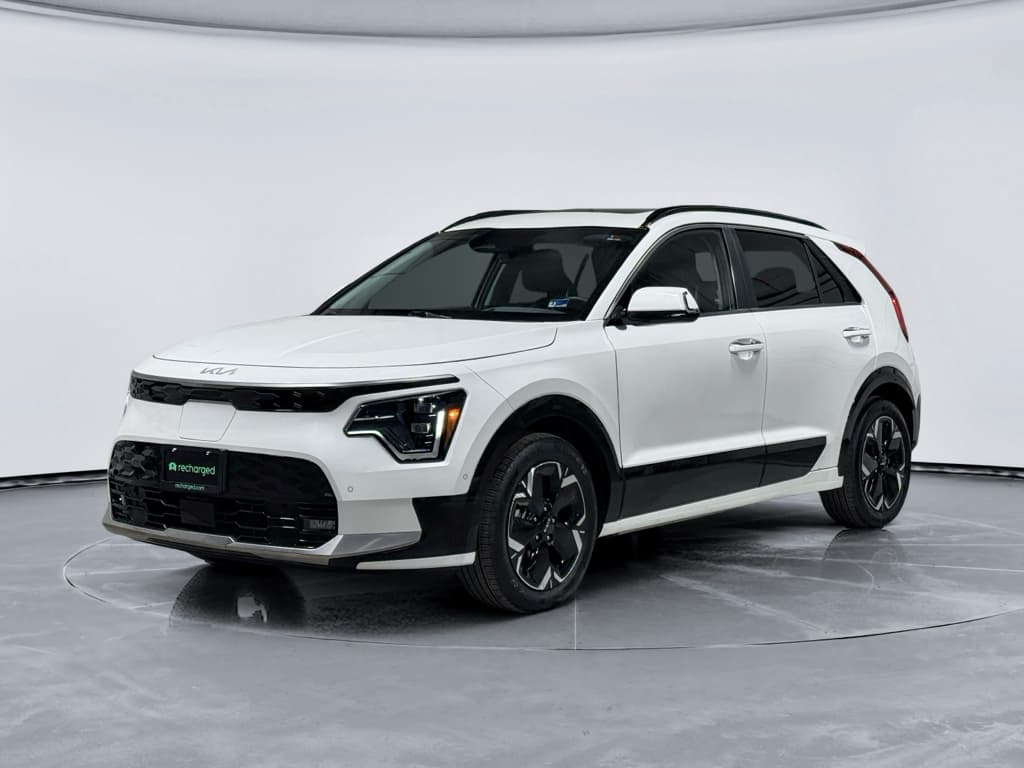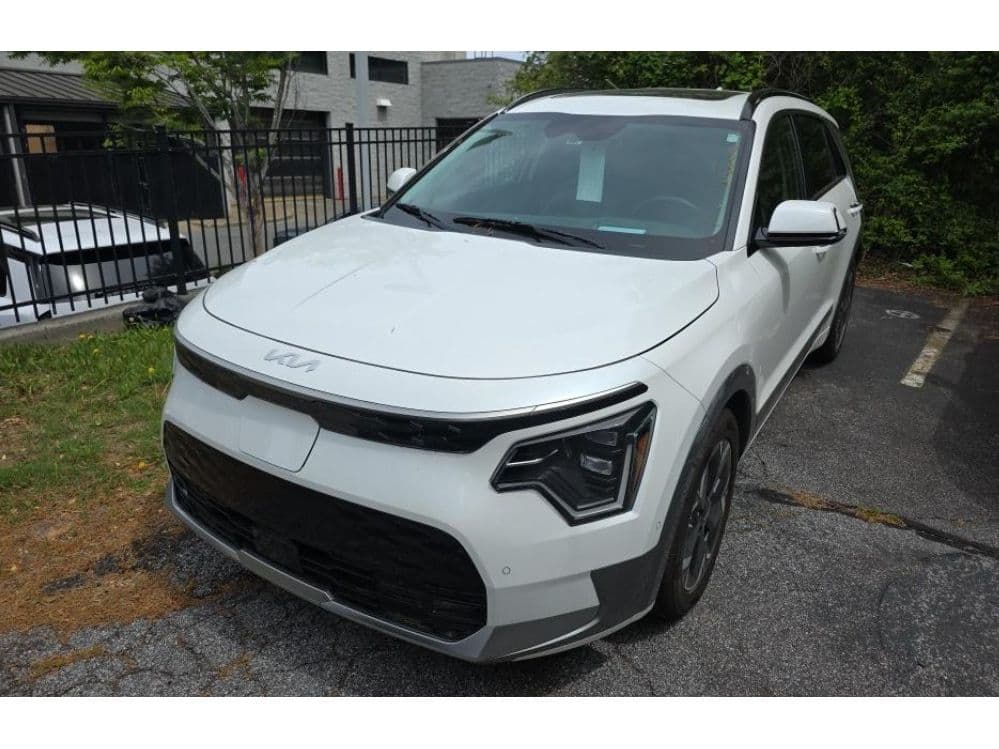
If you’re looking at a Kia Niro EV, especially a used one, the single most valuable line in the spec sheet is the battery warranty. It tells you how long Kia will stand behind the most expensive component in the car, and what happens if your range drops more than it should.
Short answer
Overview: Kia Niro EV battery warranty at a glance
Kia Niro EV battery warranty – at a glance
The core facts most Niro EV shoppers care about
Length & mileage
10 years / 100,000 miles on the high‑voltage battery for U.S. Niro EV models, starting from the original in‑service date.
What’s covered
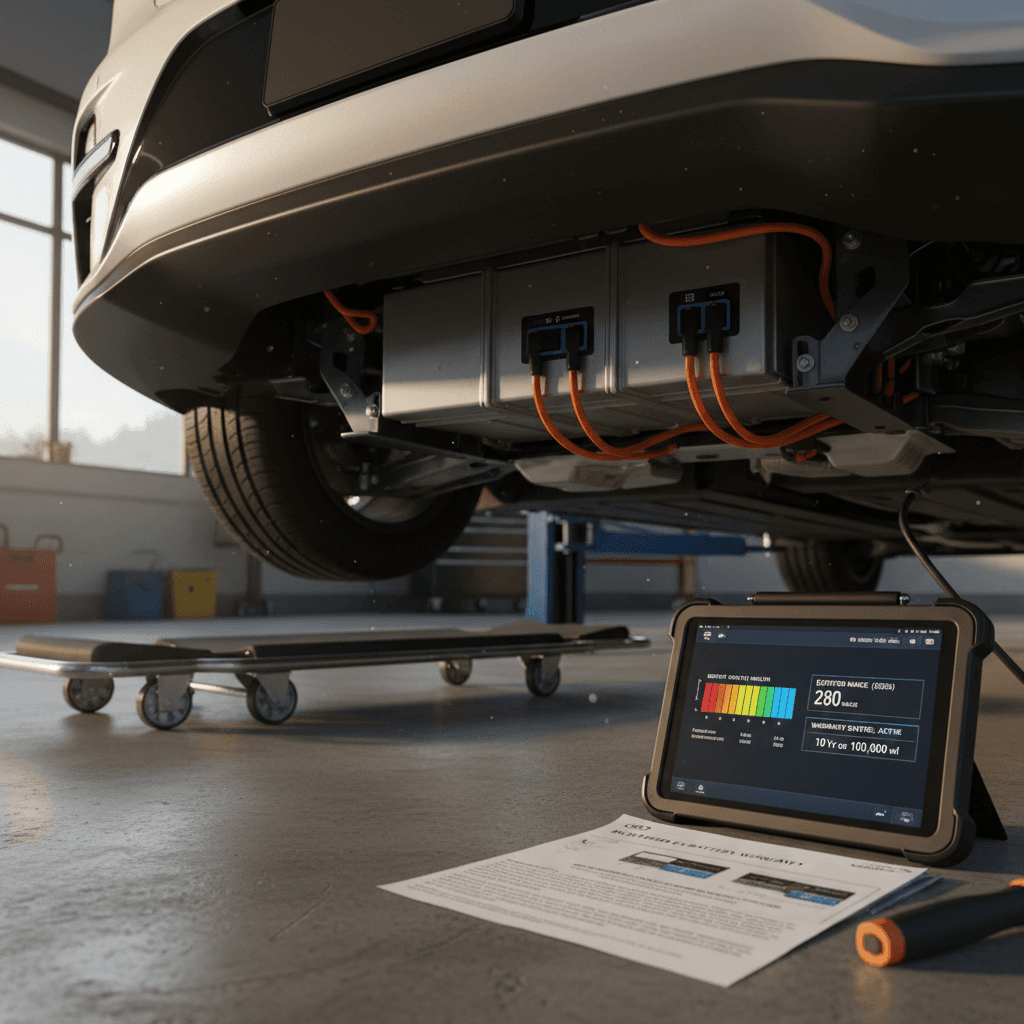
Defects in materials or workmanship in the high‑voltage battery pack and related EV components. In practice, that usually includes excessive capacity loss under a defined threshold.
Transferability
The EV system/battery warranty is designed to be fully transferable to later owners as long as mileage and years are still within limits.
That’s the big picture. But as with any warranty, the details matter: how Kia measures degradation, what changes for second owners, and what to look for when you’re buying a used Niro EV. Let’s unpack those pieces one by one.
How long does the Kia Niro EV battery warranty last?
In the U.S., Kia wraps the Niro EV in one of the strongest warranty packages in the business. For the battery, you’re really dealing with two overlapping clocks:
- High‑voltage battery / EV system warranty: typically 10 years or 100,000 miles, whichever comes first, on the traction battery, drive motor, reduction gear, power control unit, on‑board charger, and related components.
- Federal minimum EV battery warranty: at least 8 years / 100,000 miles for EV batteries, which Kia exceeds with the 10‑year term on the Niro EV.
- Basic "bumper‑to‑bumper" warranty: 5 years / 60,000 miles for non‑EV items, useful context, but separate from the battery coverage.
Watch the start date
What exactly does the Niro EV battery warranty cover?
Kia calls this coverage the EV System Warranty. It’s broader than just the pack, but the battery is the star of the show. In plain language, here’s what’s typically included for Niro EV models in the U.S.:
Core components usually covered under the Niro EV battery/EV system warranty
High‑voltage battery pack
The lithium‑ion traction battery assembly, including internal modules, cooling channels, and the case. This is the part most shoppers care about, because it’s the most expensive to replace.
Battery Management System (BMS)
Electronics and software that monitor cell voltages, temperatures, and state of charge. If a bad BMS causes range or charging issues, it typically falls under the EV system warranty.
Electric motor & reduction gear unit
The main traction motor and the single‑speed gear reduction assembly that sends torque to the drive wheels.
Power control & inverter units
Inverter, converters, and related power electronics that transform battery energy into usable power for the motor and accessories.
On‑board charger & charge port components
Hardware needed to charge the pack from AC (Level 1/2) and often DC fast‑charge interface components, excluding normal wear items like the charge‑port door.
What’s usually not covered
Battery degradation & capacity loss: when will Kia replace the pack?
EV batteries slowly lose range over time, that’s normal. The key question is when Kia considers that loss excessive for a Niro EV. While exact language can vary slightly by model year and region, Kia and other global markets commonly use a capacity threshold around 70% of the original usable capacity within the warranty period as the line in the sand.
Normal degradation
- Over a decade of typical use, it’s reasonable to expect some loss of range, especially in hot climates or with heavy DC fast‑charging.
- If your Niro EV started around 253 miles of EPA range, seeing something like 220–230 miles after several years and tens of thousands of miles can still be considered "normal."
- As long as the battery stays above the warranty’s capacity bar, Kia treats that as wear‑and‑tear, not a defect.
Excessive loss (warranty case)
- If diagnostic testing shows the pack has fallen below Kia’s stated capacity threshold, commonly around 70%, within the time and mileage limits, Kia may repair or replace modules or even the entire pack under warranty.
- Any repair should restore the pack to at least the warranty’s minimum capacity threshold, often using new or remanufactured parts.
- The dealer has to run official tests; third‑party apps or guesses based on the dash display aren’t enough to trigger coverage.
Practical tip on documenting degradation
First owner vs. second owner: what changes (and what doesn’t)
Kia’s warranty structure can be confusing because different parts of the car behave differently when ownership changes. The important thing for a Niro EV shopper to know is this:
How Niro EV warranties behave when the car changes hands
Battery vs. basic vs. powertrain coverage
Basic & powertrain warranty
On many Kia models, the 5 yr / 60,000‑mile basic and 10 yr / 100,000‑mile powertrain warranties are first‑owner heavy. When the car is sold, coverage for those non‑EV items may drop to 5 yrs / 60,000 miles total for subsequent owners unless it’s a Certified Pre‑Owned (CPO) Kia.
EV system & battery warranty
The EV system / high‑voltage battery warranty is intended to remain 10 yrs / 100,000 miles and be fully transferable in the U.S., in line with federal EV battery rules. That means a second or third owner still benefits for whatever time and mileage remain.
CPO Niro EVs
Because the fine print can vary by model year and state, it’s smart to confirm details for the specific VIN you’re considering, especially if a dealer is giving you conflicting answers. When you shop a Niro EV through Recharged, we bake this right into the Recharged Score Report, so you see how many years and miles of battery warranty remain at a glance.
Model‑year differences in Kia Niro EV battery warranty
Kia has kept the headline promise for the Niro EV battery very consistent in the U.S., but it’s still worth understanding the landscape if you’re comparing a 2019 to a 2024, or shopping across state lines.
Typical Kia Niro EV battery warranty by model year (U.S.)
Always verify for the exact VIN and region, but this is what most American Niro EV shoppers will see.
| Model year (U.S. Niro EV) | High‑voltage battery warranty | EV system components | Notes |
|---|---|---|---|
| 2019–2020 | 10 years / 100,000 miles | Motor, reduction gear, power electronics, on‑board charger, BMS | First generation Niro EV, 64‑kWh class pack. |
| 2021–2022 | 10 years / 100,000 miles | Same scope as earlier years | Incremental software and equipment changes, core warranty similar. |
| 2023–2025 (redesigned Niro EV) | 10 years / 100,000 miles | Updated EV drive components, larger infotainment & safety suite | Second‑generation styling and interior, battery warranty headline unchanged. |
| 2026+ (projected U.S. Niro EV) | Expected 10 years / 100,000 miles | To be confirmed with Kia as details release | Kia continues to market long‑term EV coverage as a key brand strength. |
Battery coverage has remained generous across Niro EV generations.
Don’t mix U.S. and overseas policies
How to protect your Kia Niro EV battery and its warranty
The goal isn’t just to keep the warranty valid, it’s to avoid needing it in the first place. The good news: modern Niro EV packs are robust. A few smart habits can help your battery age gracefully and keep you well inside Kia’s “normal” degradation zone.
Owner habits that help your Niro EV battery last
1. Avoid extreme states of charge for daily use
For routine commuting, try to keep the battery <strong>between roughly 20% and 80%</strong> when practical. Occasionally charging to 100% for a road trip is fine; just avoid letting it sit at 100% for days.
2. Moderate DC fast‑charging
The Niro EV supports DC fast‑charging for highway use, but frequent fast‑charging generates more heat. When you can, lean on <strong>Level 2 home or workplace charging</strong> and save the DC chargers for trips.
3. Watch temperature extremes
Heat is harder on lithium‑ion cells than cold. Try not to leave the car parked for long periods in direct summer sun at a very high state of charge. In winter, pre‑conditioning while plugged in can help efficiency and comfort.
4. Keep software and recalls up to date
Battery management often improves through firmware updates. Have a Kia dealer apply any <strong>TSBs or recalls</strong> related to the battery, charging, or EV control systems.
5. Document issues promptly
If you notice sudden range drops, charging problems, or warning lights, get the car checked and <strong>keep copies of all repair orders</strong>. Waiting until the last month of the warranty to complain for the first time can make claims harder.
How to accidentally void coverage
How to check battery warranty on a used Kia Niro EV
If you’re buying used, battery warranty coverage is effectively money on the table. A Niro EV with several years of battery warranty left is worth more, and a lot less stressful, than one that’s about to roll off coverage.
Why this matters for total cost of ownership
Real‑world Niro EV battery life: what to expect
Warranty is the safety net. The real question most owners ask is, “How long will the battery actually last?” Early data and owner reports for the Niro EV are encouraging.
What owners and data suggest about Niro EV battery life
Barring physical damage or rare defects, your Niro EV is more likely to age out of its basic warranty or change hands than to hit the point where the battery truly "wears out."
In other words, if you’re buying a Niro EV today, new or used, it’s reasonable to plan on driving it for years beyond the end of the 10‑year warranty, as long as the pack has been treated reasonably well. That’s one reason used EVs with documented battery health, like those sold through Recharged, can be such strong value plays.
Kia Niro EV battery warranty FAQ
Frequently asked questions about Kia Niro EV battery warranty
Key takeaways & when Recharged can help
The Kia Niro EV battery warranty is one of the strongest in the segment: typically 10 years or 100,000 miles of coverage on the pack and core EV hardware, designed to be transferable and to step in if your battery loses capacity beyond what Kia considers normal. For most owners, that means years of low‑drama driving, and for used‑EV shoppers, it can turn the Niro EV into a smart long‑term buy.
If you’re shopping used, the safest path is to combine that generous warranty with hard data on the specific car you’re considering. That’s exactly what Recharged was built for: every Niro EV we list comes with a Recharged Score Report showing verified battery health, remaining battery warranty, market‑correct pricing, and expert guidance from EV‑savvy specialists. That way, you’re not just buying a warranty promise, you’re buying a vehicle whose battery story you actually understand.