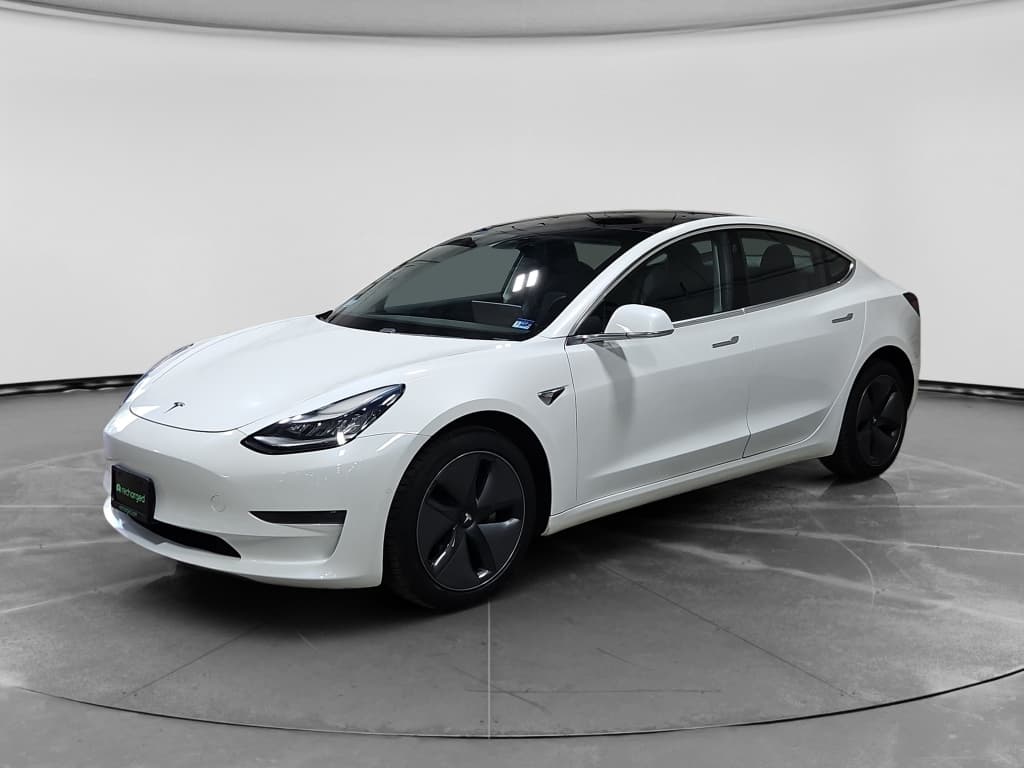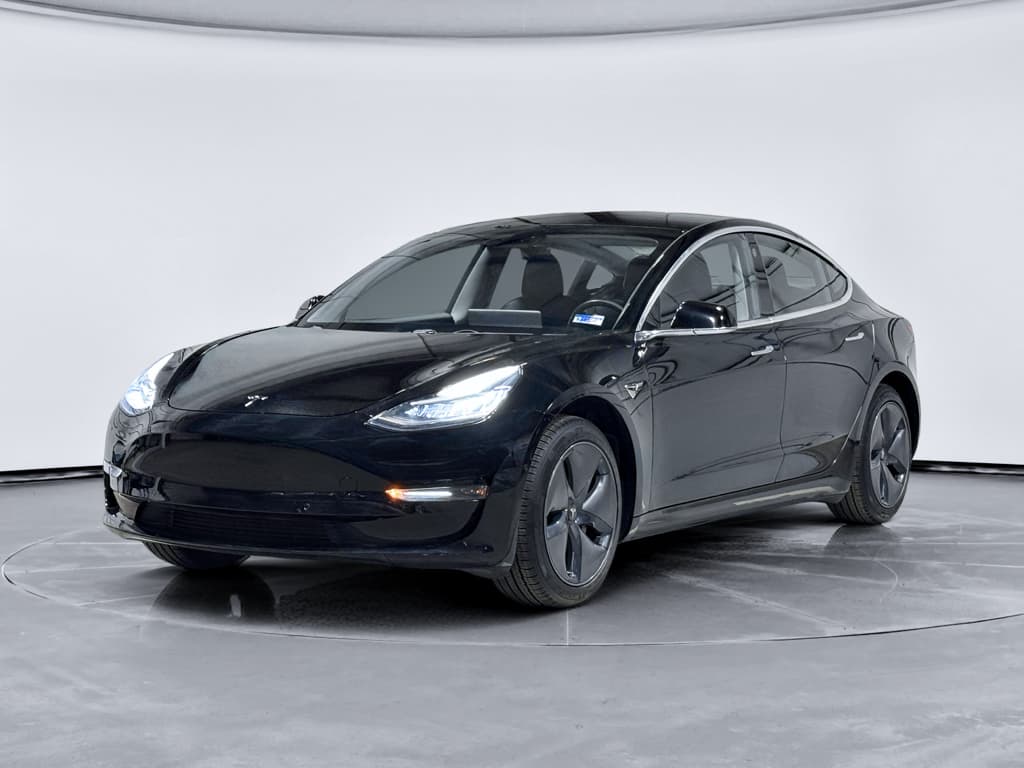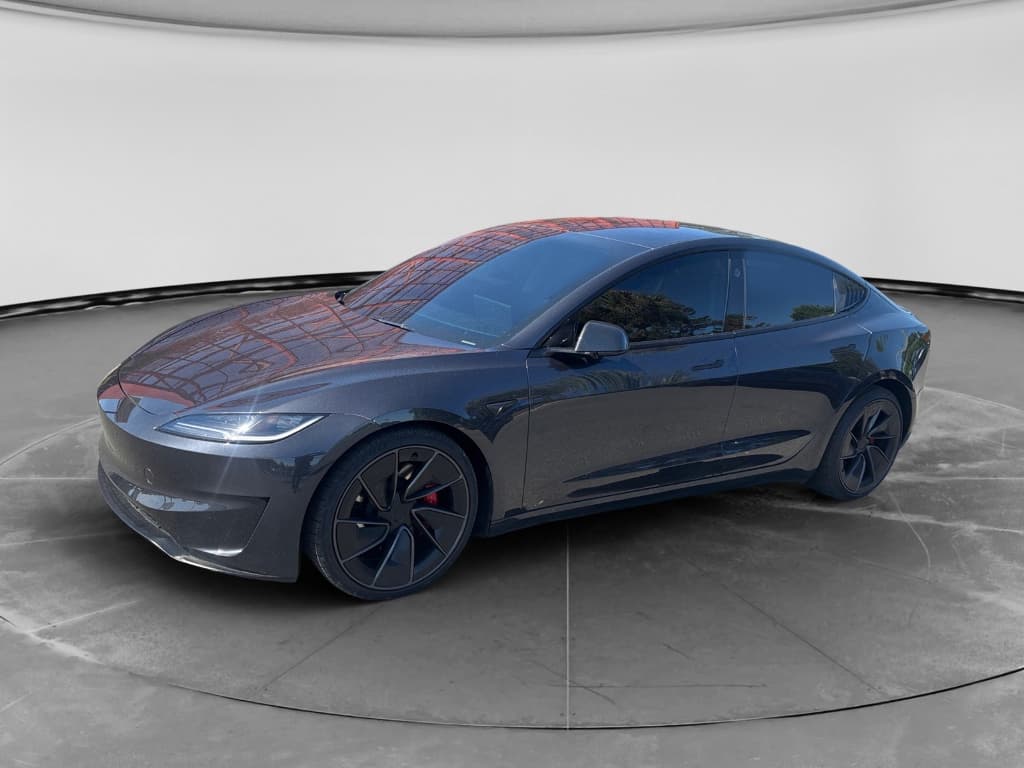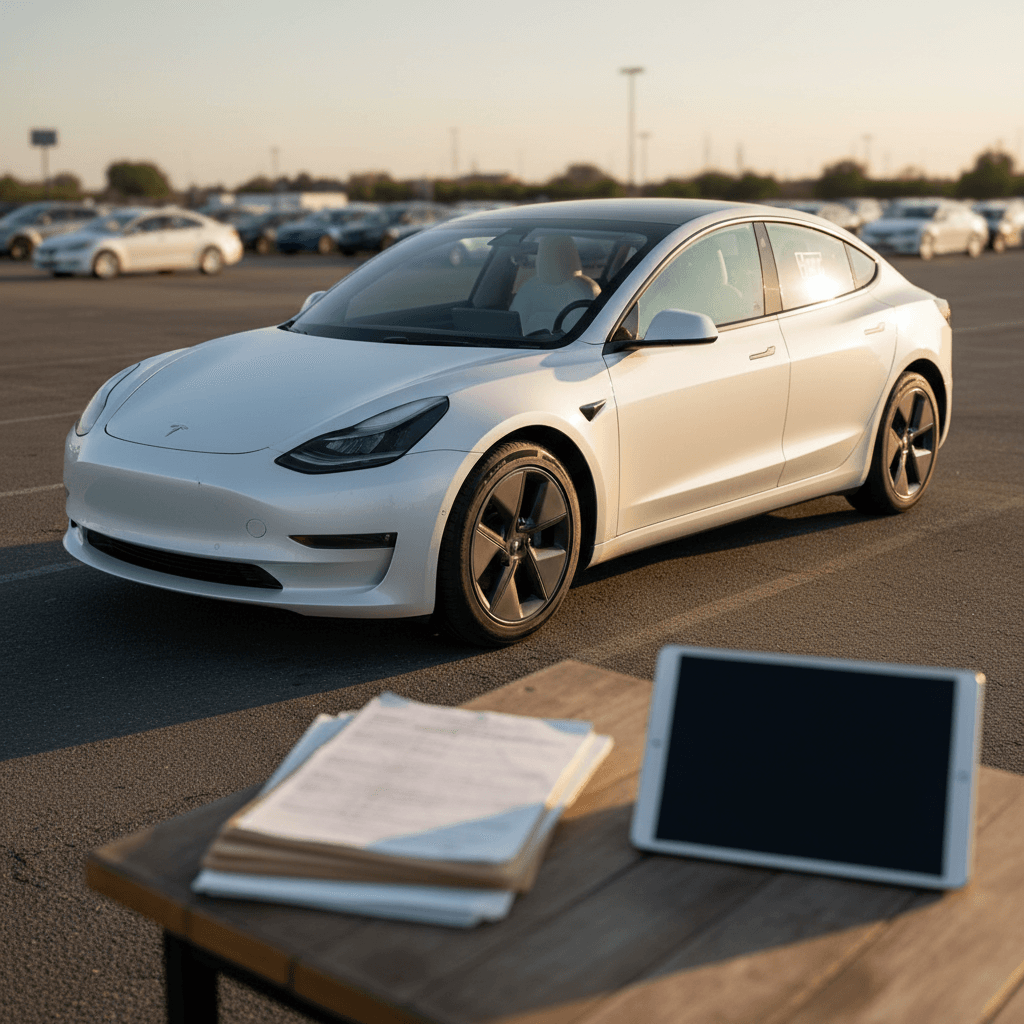
If you’re wondering, “Should I buy a used Tesla Model 3?” you’re not alone. The Model 3 is one of the most popular EVs ever sold, and a growing supply of used cars means prices in 2026 are often in the mid‑$20,000s, with some higher‑mileage cars dipping below $20,000. That makes it one of the most affordable ways to get into a modern long‑range EV, if you know what you’re buying.
Used Model 3 in one sentence
Is a Used Tesla Model 3 a Good Idea in 2026?
As of early 2026, used Tesla prices have gone through a roller coaster. After steep drops in 2023–2024, the average used Tesla price fell below the broader used‑car market, and the Model 3 saw year‑over‑year price cuts of more than 20% at one point. More recently, with federal tax credit rules shifting and new EV demand cooling, used Teslas have seen a modest rebound, with average used Model 3 pricing around the mid‑$20,000s in the U.S.
Used Tesla Model 3 market snapshot (2025–2026)
So is it a good idea? For many buyers, yes, especially if you’re cross‑shopping new compact gas sedans or crossovers in the same price range. But a used Model 3 is not a set‑it‑and‑forget‑it purchase. Battery health, build quality, and software features vary widely by year and usage, and they should drive your decision more than mileage alone.
Quick answer: Who should and shouldn’t buy one
Who a used Model 3 is great for
- Daily commuters driving 20–80 miles a day who can charge at home or work.
- Tech‑minded drivers who want a modern UI, app control, and over‑the‑air updates.
- Former luxury or sport‑sedan owners who care about quick acceleration and tight handling.
- Value hunters willing to buy 2–6‑year‑old to save thousands over new.
Who should think twice
- Drivers who can’t install or reliably access charging near home or work.
- Shoppers in very cold climates who need every mile of winter range and can’t plan around it.
- People expecting flawless build quality or traditional buttons and knobs.
- Buyers who are highly risk‑averse and want a local dealer network experience for service.
Don’t skip this step
How much do used Model 3s cost right now?
Pricing moves quickly, but recent marketplace data in the U.S. shows average used Tesla Model 3 prices around $25,000–$26,000 for 1‑ to 5‑year‑old cars. Older, higher‑mileage 2017–2019 cars can dip under $20,000, while late‑model Long Range and Performance trims with low miles still push into the low‑$30,000s.
Typical used Tesla Model 3 price bands (early 2026, U.S.)
These are ballpark retail asking‑price ranges; actual pricing varies by battery size, location, mileage, and condition.
| Model year | Typical mileage | Common trims | Approx. asking prices |
|---|---|---|---|
| 2017–2018 | 60k–90k | Long Range RWD / AWD | $17,000–$23,000 |
| 2019–2020 | 40k–70k | Standard Range+, Long Range AWD, Performance | $20,000–$27,000 |
| 2021–2022 | 20k–50k | Standard Range (LFP), Long Range, Performance | $24,000–$32,000 |
| 2023–2024 | 10k–30k | Updated "Highland" in some markets, LR/Performance | $28,000–$35,000 |
Use this as a starting point, not a guarantee, when evaluating asking prices.
How Recharged prices used EVs
Big pros of buying a used Tesla Model 3
Why a used Model 3 still makes a lot of sense
You’re not just buying an older car, you’re buying into an ecosystem.
Strong performance
Supercharger access
Modern tech experience
Lower running emissions
Reduced maintenance
Steep depreciation = value
Key risks and downsides to know
Where used Model 3s can disappoint
These aren’t dealbreakers for everyone, but they’re must‑knows before you buy.
Battery degradation risk
Build quality quirks
Software & safety controversies
Phantom braking & driver‑assist issues
Service experience
Volatile resale values
Reality check on Autopilot/FSD
Battery health: the make-or-break factor
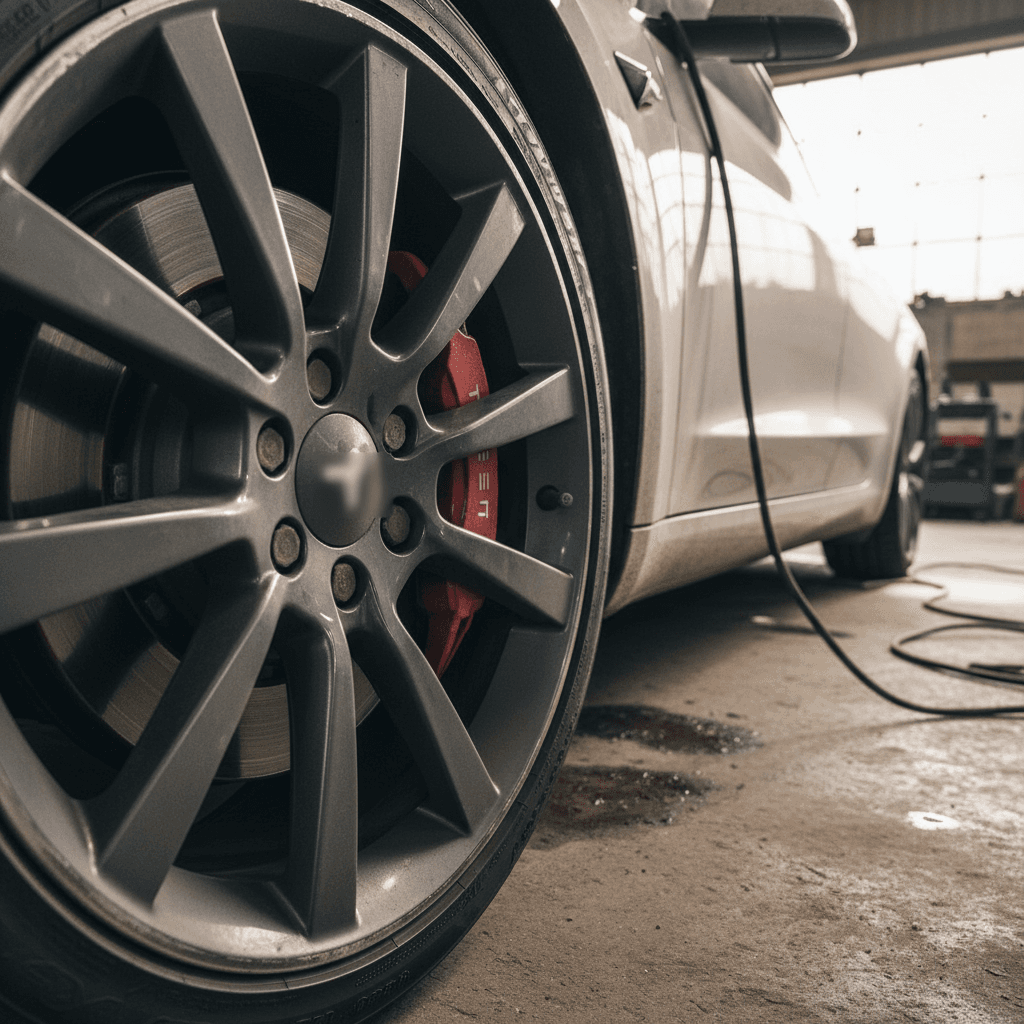
On a gas car, you might obsess over mileage. On a used Tesla Model 3, battery health is more important than the odometer. Two cars with the same miles can have very different remaining range depending on how they were charged, driven, and stored.
- Ask for a quantitative battery‑health report, not just a screenshot of the dash. You want a clear estimate of remaining capacity (for example, 90% of original).
- Look at rated range at 100% charge compared to original EPA range for that trim. A healthy, moderately used pack might be down 5–10% after several years.
- Favor cars that were mostly home‑charged on Level 2 over those heavily fast‑charged on DC, especially in very hot regions.
- Understand warranty: most Tesla Model 3 battery and drive unit warranties run 8 years and 100,000–120,000 miles, depending on trim. A car still under that umbrella can reduce your risk.
How Recharged tackles battery uncertainty
Best model years and trims to target
Tesla has iterated on the Model 3 continuously rather than in neat generations. That means some years and trims are better bets on the used market than others.
Smart Model 3 targets for used buyers
1. 2020–2022 Long Range AWD
Strong real‑world range, dual‑motor traction, and increasingly refined build quality. Great all‑rounders for families and commuters.
2. 2021–2022 Standard Range (LFP)
Some later Standard Range cars use LFP batteries, which tolerate frequent 100% charges better. Range is lower, but these can be ideal for shorter commutes and home charging.
3. 2019–2020 Long Range RWD/AWD at a discount
Earlier cars can be bargains if they have good battery reports and documented service. Expect more squeaks, rattles, and cosmetic flaws, but much lower prices.
4. Performance trims if you value speed
If you care about 0–60 times, a used Performance Model 3 can feel like an exotic car without the exotic maintenance, just make sure suspension and tires are in good shape.
5. Approach very early 2017–2018 builds with caution
The first production years saw more issues with suspension components, glass, and trim. Some have been fixed under warranty; some haven’t. These can still be fine cars if inspected thoroughly.
Common issues to watch for on a used Model 3
No used car is perfect, and the Model 3 has a few well‑documented trouble spots you should be aware of when shopping.
Typical Tesla Model 3 problem areas
None of these are guaranteed, but they’re common enough to check carefully.
Moisture in lights
Suspension noises
Glass & trim issues
Cold‑weather quirks
Phantom braking
Rattles & squeaks
Pro move: road‑test on mixed roads
Used Model 3 inspection and test-drive checklist
Even if you’re buying online, you should evaluate a used Tesla Model 3 with the same rigor you’d bring to any premium car, plus a few EV‑specific checks.
10 things to check before you buy
1. Battery health & range
Ask for a real battery‑health report and compare the car’s current full‑charge range to original EPA estimates for that trim.
2. Charging history
Ideally, the car was mostly Level 2 home‑charged with occasional fast‑charging. Heavy DC‑fast use, especially in hot regions, can speed up degradation.
3. Exterior and glass
Inspect panel gaps, paint quality, and all glass surfaces for stress cracks, chips, or uneven alignment. Pay extra attention to the glass roof edges.
4. Lights and condensation
Look closely at tail lights and headlights for moisture, fogging, or standing water that could signal sealing issues.
5. Suspension and steering feel
On the test drive, listen for clunks or squeaks from the front end and feel for any looseness in the steering at highway speeds.
6. Interior condition and rattles
Drive over rough pavement with the radio low and listen for buzzes. Check seat bolsters, steering‑wheel wear, and trim pieces for excessive aging.
7. Tires and wheels
Performance models and aggressive drivers can chew through tires quickly. Uneven wear may hint at alignment or suspension issues.
8. Software, connectivity, and features
Verify that the car is on a recent software version, that LTE connectivity works, and that any promised features (Premium Connectivity, FSD, heated seats) are actually active in the car’s account.
9. Service and recall history
Review service records where possible and confirm any open recalls are addressed. Because Tesla can push over‑the‑air fixes, some recalls may be software‑only, but not all.
10. Keys and access
Make sure you get functioning key cards and that phone‑as‑key can be set up. Confirm there are no account‑lock issues from previous owners.
Ownership costs: insurance, charging, and maintenance
The sticker price is only part of the story. For many buyers, a used Tesla Model 3 can be cheaper to own month‑to‑month than a similarly priced gas sedan, but the math depends heavily on your electricity rates, driving habits, and insurance.
Where you’ll likely save
- Fuel vs. gas: Many U.S. drivers effectively pay the equivalent of $1–$2 per gallon when charging at home on off‑peak electricity, especially with Level 2 home charging.
- Routine maintenance: No oil changes or transmission services, less brake wear, and fewer belts and fluids.
- Stop‑and‑go driving: Regenerative braking works best in city traffic, recapturing energy and reducing wear.
Where costs can surprise you
- Insurance: Some insurers rate Teslas higher than comparable gas cars, especially for younger drivers or Performance trims.
- Out‑of‑warranty repairs: Glass roofs, infotainment screens, and suspension components can be pricey if not covered.
- Public fast‑charging: If you rely heavily on Supercharging instead of home charging, your “fuel” savings vs. gas may shrink.
Run the full cost of ownership
How Recharged helps you buy a used Model 3 smarter
The hardest part of answering “Should I buy a used Tesla Model 3?” is knowing whether a specific car is a smart buy. That’s where buying through a dedicated used‑EV platform like Recharged can simplify the decision.
What you get when you shop a Model 3 on Recharged
Designed from the ground up for used EVs, not just gas‑car rules applied to electric.
Recharged Score battery diagnostics
Transparent, fair pricing
Financing built for EVs
Nationwide delivery
Trade‑in and selling options
EV‑specialist support
Ready to find your next EV?
Browse VehiclesFAQ: Buying a used Tesla Model 3
Frequently asked questions about used Model 3s
Bottom line: Should you buy a used Tesla Model 3?
If you have reliable charging access, value technology and performance, and are willing to do a bit of homework on battery health and build quality, a used Tesla Model 3 in 2026 can be one of the smartest ways to get into an EV. Depreciation has already done its work, so you’re letting the first owner absorb the steepest drops while you enjoy most of the benefits.
On the other hand, if you expect traditional dealership service, are extremely sensitive to ride quality or small rattles, or can’t reliably charge at home or work, you may be happier in a different EV, or even a fuel‑efficient gas car for now.
Either way, don’t buy blind. Use detailed inspections, verified battery‑health data, and transparent pricing to make the call. Shopping through a specialist like Recharged gives you those tools up front, so the answer to “Should I buy a used Tesla Model 3?” becomes a confident yes, or a well‑informed no.