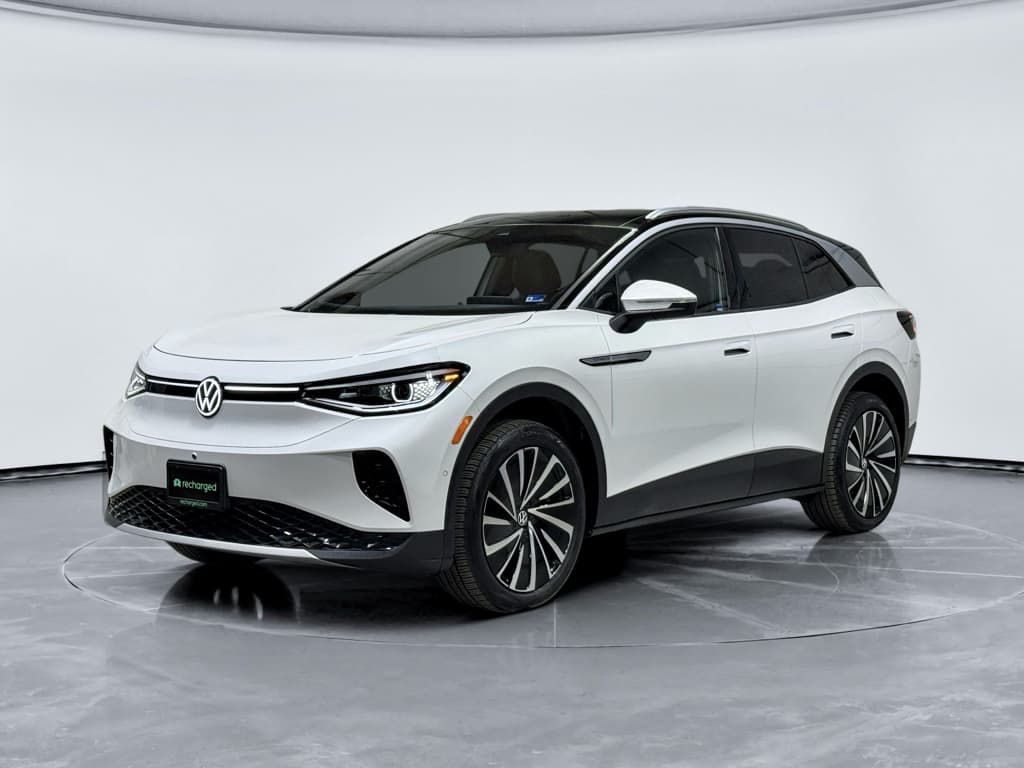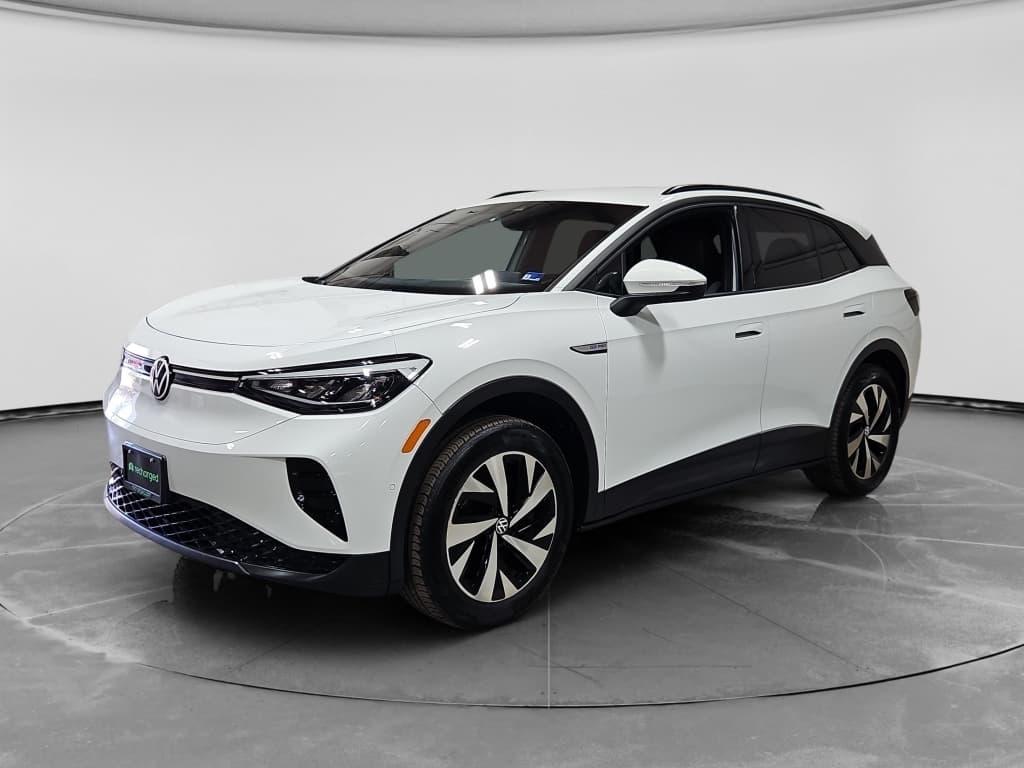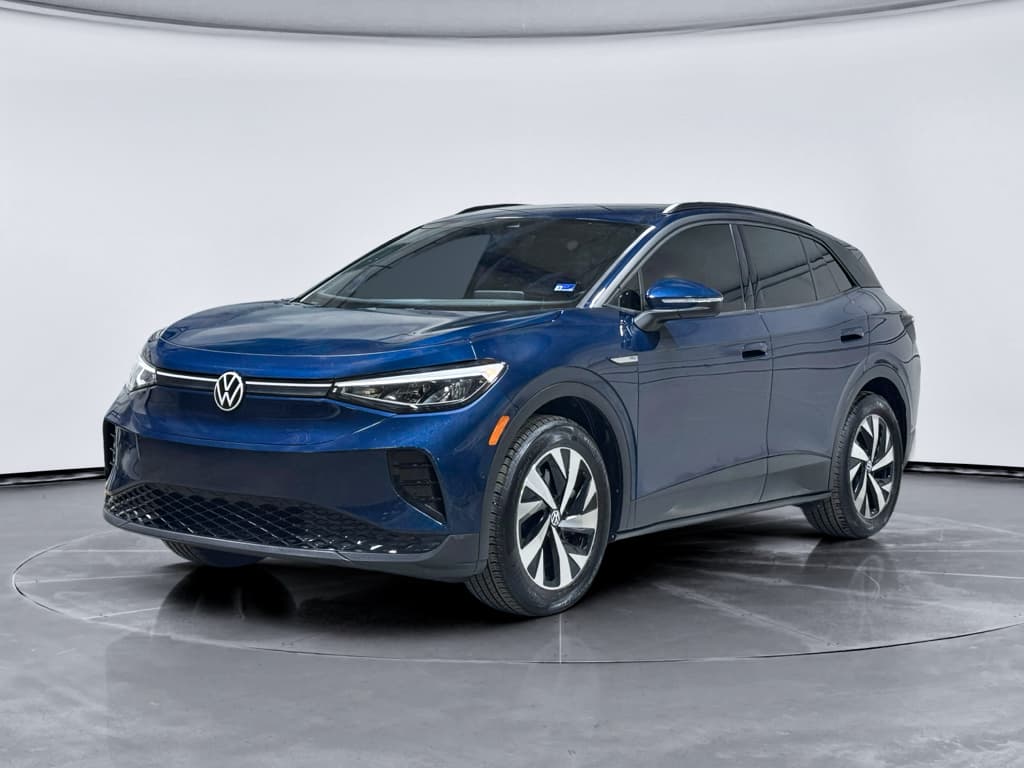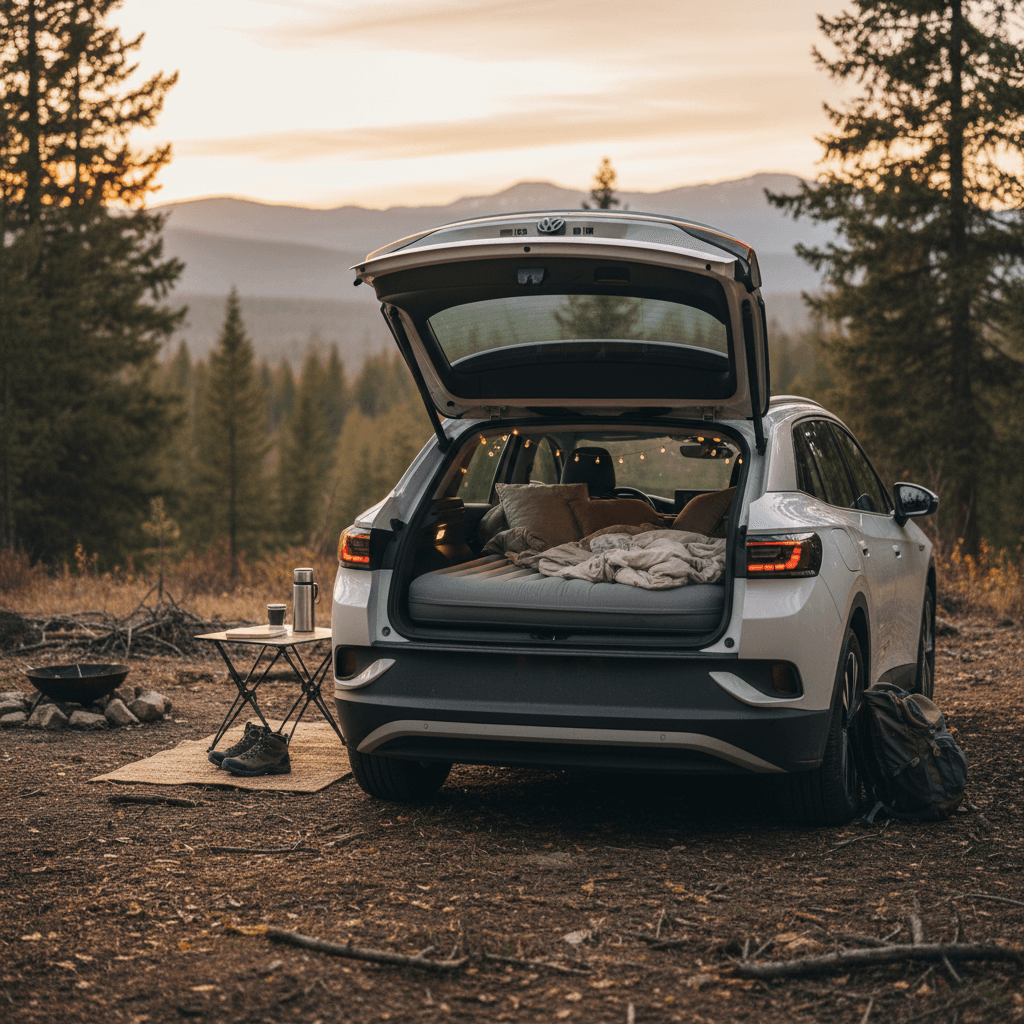
Yes, you can sleep in a Volkswagen ID.4, and many owners do. The rear seats fold to create a surprisingly usable sleeping area, and the quiet electric drivetrain makes it a pleasant place to spend the night. But whether it works well depends on your height, your expectations, and how much gear you bring.
Short answer
Can you actually sleep in a Volkswagen ID.4?
The ID.4 sits in the sweet spot between compact SUV and wagon. With the rear seats folded, you get a long, flat-ish cargo floor and up to 64.2 cubic feet of space. That’s more than enough volume for a camping pad, bedding, and weekend gear. For most people up to about 6 feet tall, the usable length is adequate to stretch out diagonally or with the front seats slid forward.
Where things get interesting isn’t just dimensions, but the EV-specific perks: near-silent operation, no exhaust fumes, and the ability, within limits, to run climate control without an idling engine. That makes a Volkswagen ID.4 a much nicer bedroom than most gas crossovers, as long as you understand its quirks.
EV camping upside
VW ID.4 cargo space and dimensions for sleeping
Volkswagen ID.4 interior space at a glance
Volkswagen’s own specs list about 543 liters (30.3 cu ft) of cargo space behind the rear seats and up to 1,575 liters (64.2 cu ft) with them folded. Boot length with the rear seats down is around 1,734 mm, or roughly 68 inches, measured to the back of the front seats.
Key Volkswagen ID.4 cargo measurements for sleeping
Approximate interior dimensions that matter when you’re trying to lie flat in the back of an ID.4.
| Measurement | Approx. value | Why it matters for sleeping |
|---|---|---|
| Cargo length (rear seats up) | ~38 in (965 mm) | Groceries and small bags behind second row |
| Cargo length (rear seats folded) | ~68 in (1734 mm) | Primary sleeping length from tailgate to front seats |
| Width between wheel arches | ~39.5 in (1001 mm) | Narrowest sleeping width at the floor |
| Max width above arches | ~57–59 in | Hip/shoulder room higher up along sidewalls |
| Interior height at rear | ~32–34 in | Headroom when sitting up or changing clothes |
Numbers are typical of recent ID.4 model years; exact figures can vary slightly by market and trim, but the overall layout remains similar.
Tall camper alert
How flat do the ID.4 seats fold?
This is where the ID.4 shows its everyday-car roots. The rear bench folds in a 60/40 split and sits lower than the cargo floor, so when you drop the seatbacks you don’t get a seamless, van-like bed platform. Instead you get a modest step and a bit of angle at the hinge line. It’s fine for luggage; your spine is pickier.
Pros of the ID.4 folding seats
- Wide opening: The hatch aperture is generous, making it easy to load a mattress or platform.
- Fold-flat enough: The seatbacks get nearly horizontal; with a pad on top, most people won’t feel the slight angle.
- Flexible cargo options: 60/40 split lets you run one sleeping berth plus a rear seat if needed.
Cons compared with a true camper
- Step in the floor: The cargo floor and folded seatbacks aren’t one continuous plane.
- Limited front seat recline overlap: You can’t easily integrate the front seats into the bed like a factory camper van.
- No factory "camp mode" bed kit: Unlike the California or Buzz, the ID.4 is improv theatre, not Broadway, when it comes to sleeping gear.
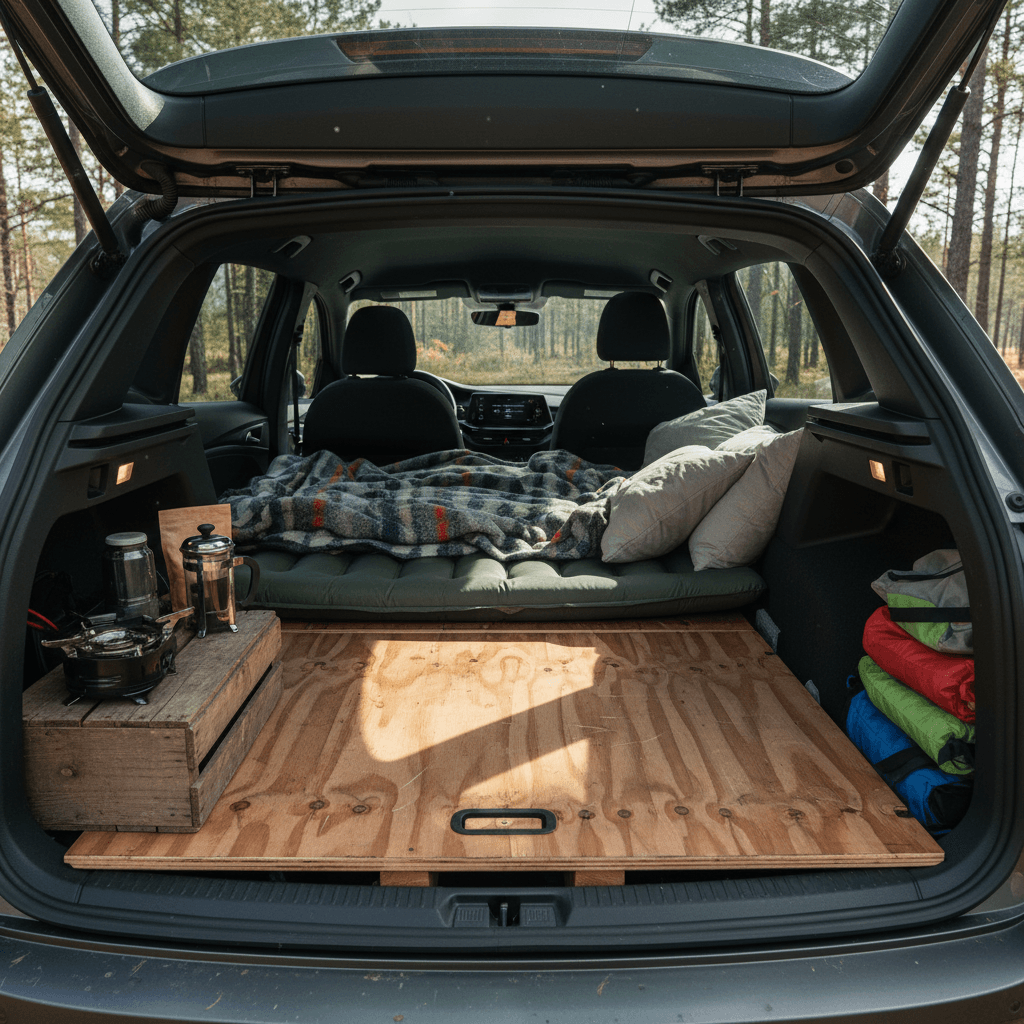
Easy fix for the floor step
Best sleep setups in a Volkswagen ID.4
There’s no single “right” way to sleep in an ID.4. The best layout depends on your height, whether you’re solo or with a partner, and how much carpentry you’re willing to do. Here are three setups that work well for most owners.
Three practical sleeping layouts for the VW ID.4
From zero-tools road-trip naps to semi-permanent camping rigs.
1. Simple pad on folded seats
Best for: One person, occasional overnights.
- Fold both rear seatbacks down.
- Lay a 3–4 in self-inflating camping pad or tri-fold memory foam mattress across the entire area.
- Slide front seats slightly forward if you need extra length.
Pros: Fast, cheap, reversible. Cons: You’ll still feel some contours if your pad is thin.
2. Low platform bed for two
Best for: Couples or anyone camping regularly.
- Build or buy a low platform sized to the cargo floor, with short legs to level the step.
- Use a full-size or custom foam mattress (3–4 in thick).
- Store bins or soft duffels under the platform.
Pros: Flatter, more bedlike. Cons: Takes up most of the cargo area; more setup.
3. Diagonal solo sleeper + gear
Best for: Taller solo sleepers with lots of equipment.
- Fold only one side of the rear seat (usually the wider 60% section).
- Sleep diagonally from tailgate corner to behind the opposite front seat.
- Use the remaining seat and footwell for bags, bikes, or a cooler.
Pros: Space-efficient, good for road trips. Cons: More fiddly to get comfortable if you toss and turn.
Checklist: making your ID.4 actually comfortable to sleep in
Choose the right mattress thickness
Aim for at least a <strong>2–3 inch pad</strong> if you’re on a budget, or 3–4 inches of memory foam for long trips. The extra thickness hides the seat hinges and minor angle mismatches.
Level out the floor
Use a folding board, yoga blocks, or a lightweight platform to even out the step between cargo floor and seats. Even an inexpensive solution improves sleep quality dramatically.
Mind your head and tailgate
If you sleep with your head toward the front seats, leave a bit of room to avoid bumping plastic trim. If you sleep head-to-tailgate, be conscious of the glass and any protruding latches.
Use soft bags instead of hard suitcases
Duffels and packing cubes are easier to cram into door pockets and under a platform, leaving more clean space for your sleeping area.
Plan for moisture and condensation
Any enclosed car with sleeping humans will fog up. Crack windows, use rain guards if you have them, and keep a microfiber towel handy for morning wipe-downs.
Climate control and battery use while you sleep
A key reason people ask whether you can sleep in a Volkswagen ID.4 isn’t the mattress, it’s the climate. In a gas car, running the HVAC all night means idling an engine, burning fuel, and making noise. In an EV, there’s no such drama, but there are still limits.
- Recent ID.4s offer ways to keep HVAC running while parked (through climate timers, the infotainment system, or so-called "auxiliary climate" on the goodbye screen).
- There is no dedicated one-button “Camp Mode” like Tesla, and software behavior can change by model year and update.
- Owners report that in some cases the car will still try to go into a deeper sleep state after a while, or climate timers may shut off after 30–60 minutes.
- Using the app to precondition is helpful for short naps, but app reliability and 12 V battery behavior can be flaky on some cars.
Don’t assume climate will run all night
How much battery does overnight HVAC actually use?
Rough real-world expectations for mild camping conditions.
In mild weather (50–70°F / 10–21°C)
- Light heating or cooling might use roughly 5–10% of the main battery over 6–8 hours.
- If you start the night already at a high state of charge and don’t need DC fast charging at dawn, that’s usually acceptable.
- Turning climate down and using good bedding is often smarter than blasting HVAC all night.
In extreme heat or cold
- Running full heat below freezing or hard AC in a heat wave can eat 15–25%+ of your pack overnight.
- Range the next day will suffer, especially on smaller-battery trims.
- Combine preconditioning, insulated window covers, and appropriate clothing to reduce HVAC load.
Smart climate strategy
Privacy, storage, and comfort hacks
Sleeping in a Volkswagen ID.4 is part piney adventure, part tiny-apartment logistics exercise. The cabin is airy and modern, but you’ll want to tame the glasshouse if you don’t want to wake up with the sunrise, or on someone’s social feed.
- DIY window covers: Cut reflectix or foam insulation panels to fit the side and rear windows. Wrap in dark fabric if you don’t like the space-shuttle look.
- Magnetic or suction-cup curtains: Light, removable, and easy to crack the windows behind them for ventilation.
- Use the frunk-that-isn’t: The ID.4 doesn’t really have a traditional frunk, so organize the main cargo area with stackable bins or soft duffels you can move to the front seats at night.
- Seatback organizers: Hang organizers on the front seatbacks to keep phones, glasses, and headlamps accessible while you’re lying down.
- Dedicated "sleep kit" bag: Keep your pad, pillow, eye mask, earplugs, and window covers in a single tote; toss it in when you’re packing for a trip.
Turn it into a micro hotel room
Safety and legality of sleeping in an EV
From a mechanical standpoint, sleeping in a Volkswagen ID.4 is safer than in a gasoline car. There’s no tailpipe, no exhaust, and no idling engine to worry about. But there are still a few things to keep in mind, both for your safety and to stay on the right side of the law.
Safety checklist for sleeping in your ID.4
Ventilate without inviting rain
Crack windows slightly on opposite corners of the car to create crossflow. If possible, add rain guards or route airflow through a cracked sunroof to reduce condensation without soaking the interior.
Watch where you park
Rest areas, some Walmarts, BLM land, and designated overnight parking lots are usually safest. In cities, check local rules, sleeping in a vehicle is illegal or restricted in some municipalities.
Stay visible but discreet
Avoid isolated pullouts with zero traffic. Park where other vehicles are around, keep valuables out of sight, and don’t broadcast that you’re living out of the car long-term.
Mind the 12 V system
Running interior lights, accessories, or a 12 V fridge all night can stress the auxiliary battery. The ID.4’s 12 V behavior is finicky; if you plan extended stays, test your setup and consider an external battery pack for heavy loads.
Have an exit plan
Keep keys and phone within arm’s reach. Know how to unlock the car from the inside quickly and how to manually open doors or the hatch if something electronic misbehaves.
Who the ID.4 is good (and bad) for as a camper
Great fit for
- Weekend warriors: You mostly want a comfortable EV SUV for daily life and the occasional overnight at a trailhead or festival.
- Solo travelers under ~6 feet: Plenty of length, easy to get a solid single bed with room for gear.
- Couples who pack light: With a low platform and thoughtful storage, two people can sleep back there in reasonable comfort.
- Noise- and fume-averse sleepers: The quiet EV experience is a huge upgrade over idling an ICE in a parking lot.
Not ideal for
- Very tall campers: If you’re 6'3" or above, you’ll likely find the length marginal even with diagonal tricks.
- Full-time vanlifers: The ID.4 lacks the standing room, cabinetry options, and electrical flexibility of a proper van platform.
- People hauling big toys: Bikes, kayaks, and sleeping humans all inside an ID.4 is tight; you’ll be into roof racks and hitch carriers quickly.
- Those who want true plug-and-play camping: There’s no factory bed kit or built-in camp mode. You have to be okay with DIY or aftermarket solutions.
Buying a used ID.4 specifically for camping
If car camping is high on your list of reasons to buy an EV, a used Volkswagen ID.4 can be a smart value play, especially as early model years filter into the used market at approachable prices. But not every used example is equally suited to life as a rolling cabin.
Key things to check on a used ID.4 if you plan to sleep in it
You’re not just buying a car, you’re buying your tiny electric cabin.
Battery health & usable range
If you’re running HVAC overnight, you want healthy battery capacity. A degraded pack means less range after a night of heating or cooling, and more frequent charging stops on road trips.
Look for transparent battery health reporting, Recharged vehicles include a Recharged Score Report with verified pack data so you know what you’re getting.
Climate control behavior
Different software versions behave differently when parked. During a test drive, experiment with the climate system while stationary. Does it maintain set temperature for a reasonable window, or does it shut off aggressively?
If possible, test both heat and AC in parked mode and note how the car behaves when you lock it and walk away.
Interior condition & flexibility
Inspect the rear seatbacks and cargo floor, this is your bed base. Stains, broken latches, or sagging foam will be much more noticeable when you’re lying on them all night.
Check that the 60/40 split operates smoothly and that there are no odd rattles or trim pieces ready to snag bedding.
Where Recharged fits in
Because Recharged is built around a fully digital buying experience with available financing, trade-in options, and nationwide delivery, you can shop for an ID.4 that fits both your commute and your camping ambitions, without wandering around dealer lots trying to fold seats down in the rain.
Volkswagen ID.4 sleeping & camping FAQ
Frequently asked questions about sleeping in a VW ID.4
Bottom line: can you realistically sleep in an ID.4?
If your dream is an all-electric Westfalia, the Volkswagen ID.4 isn’t that, at least not without some DIY. But if what you really want is a practical EV that can pull commuter duty all week and double as a quiet, comfortable crash pad a few weekends a year, the ID.4 absolutely clears the bar.
You get enough cargo length for most bodies, respectable width for a couple, and the innate advantages of an EV: no fumes, low noise, and efficient low-speed HVAC. Add a decent mattress, some window covers, and a bit of storage discipline, and the ID.4 becomes a perfectly credible micro-camper.
If you’re shopping used and want an ID.4 that can do all of this and still feel fresh years from now, pay close attention to battery health, software behavior, and interior wear. That’s exactly what the Recharged Score Report is designed to surface, so you can choose an EV that’s as good to sleep in as it is to live with every day.