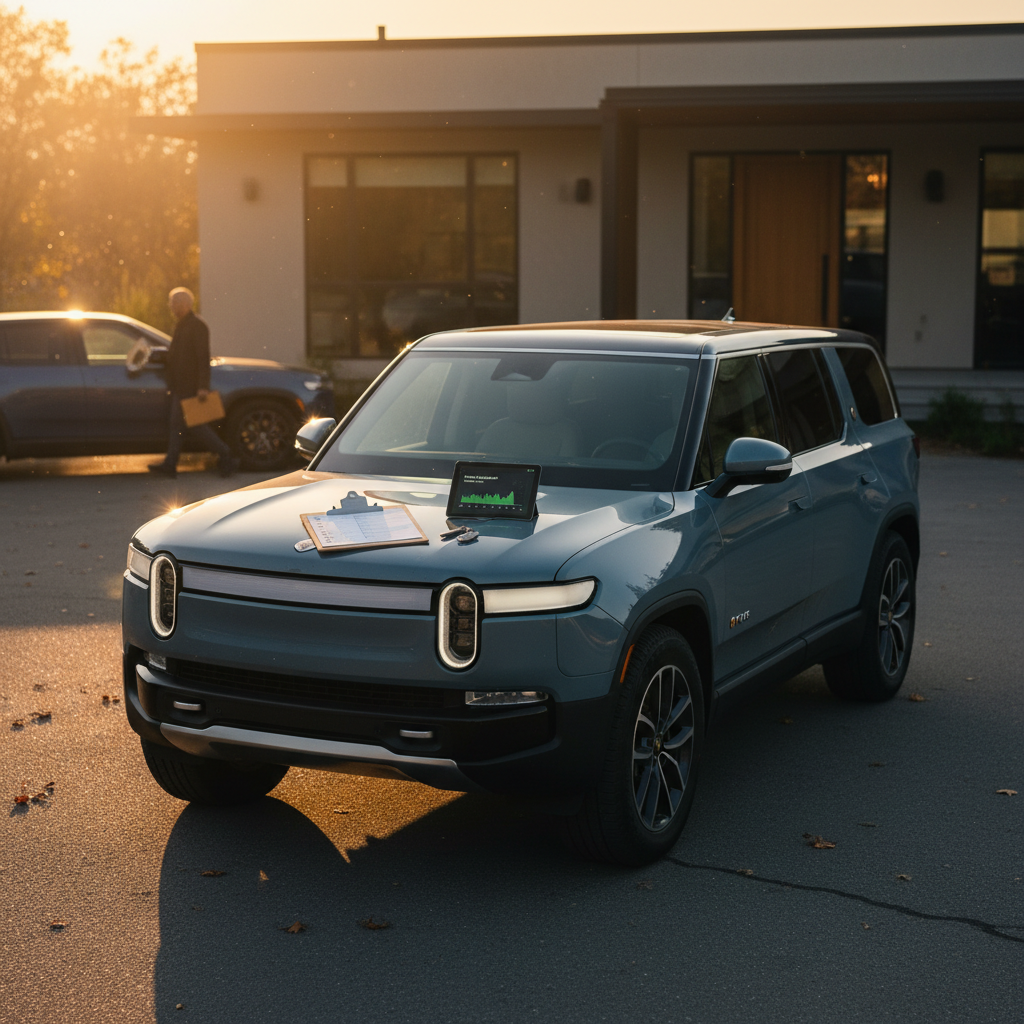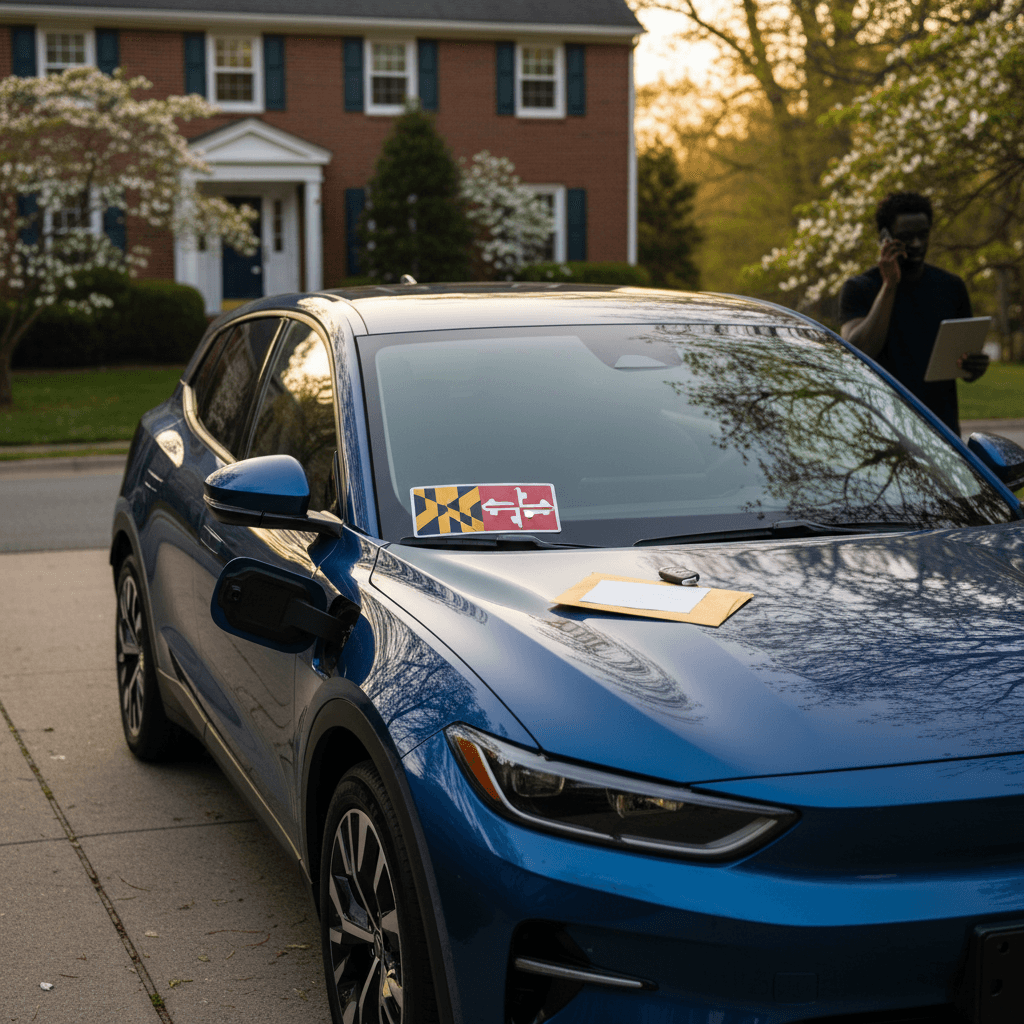
You type “sell my electric car in Maryland” into a search bar because you’re ready to move on, maybe to a bigger battery, maybe back to gas, maybe just to free up some cash. But selling an EV in Maryland isn’t quite like unloading an old Civic. Battery health, fast‑charging history, and a thicket of changing incentives all shape what your car is really worth, and where you should sell it.
Maryland is a heavy‑EV state
Why selling an electric car in Maryland feels different
1. EV demand is real, but selective
Maryland’s a commuter state with lots of dense suburbs and high electricity prices. Buyers want reliable range, cheap running costs, and something that won’t turn into a science project in winter. They read forums; they know what a degraded battery graph looks like.
2. Policy shifts keep values moving
Federal and state EV tax credits and rebates have changed repeatedly, and many currently focus on new or dealer‑sold used EVs. That means when a buyer in Maryland can no longer get a credit on a new or CPO car, your used EV can suddenly look like a bargain, or not, depending on timing and trims.
Used EV prices have been volatile
Step 1: Know what your electric car is really worth in Maryland
What actually drives your EV’s resale price
On a gas car, mileage and Carfax do most of the talking. On an electric car, serious buyers in Maryland will ask, “What’s the battery state of health? How far does it really go on I‑95 in February?” That’s why you want to start with more than a generic trade‑in number.
- Check mainstream pricing tools (KBB, Edmunds, etc.) for a ballpark trade‑in and private party range.
- Search local listings around Baltimore, DC suburbs, and Frederick for your exact model, year, and battery size.
- Note mileage, DC fast‑charging habits (if you know them), and any remaining factory battery warranty.
- Be honest about cosmetic damage and tire/brake condition; buyers factor in repair costs.
Use EV‑specific pricing, not just generic comps
Where can I sell my electric car in Maryland?
Main ways to sell an electric car in Maryland
Each path trades money for convenience in a different way.
1. Trade it in at a dealer
Fastest and easiest if you’re buying another car, but usually the lowest price.
- One‑stop transaction
- Saves you from private‑sale test drives
- Dealers may undervalue EV battery health
2. Get an online instant‑offer
National buyers and some franchise groups will buy your EV outright.
- Quick quotes, fast pickup
- Often a bit more than a traditional dealer
- Offers may drop after physical inspection
3. Sell privately in Maryland
Craigslist, Facebook Marketplace, local groups.
- Highest potential sale price
- Requires vetting strangers and doing paperwork
- You must explain EV basics and battery health yourself
4. Use an EV‑specialist marketplace like Recharged
A middle ground between DIY private sale and a lowball trade‑in.
What Recharged actually does
Recharged focuses only on electric vehicles. When you sell or consign through Recharged, your car gets a Recharged Score battery‑health report, transparent pricing based on the current used‑EV market, and support from advisors who live and breathe EVs.
Why that matters in Maryland
In a state full of EV‑savvy commuters, you don’t want to be the seller saying, “uh, it gets… decent range.” A verified health report, fair‑market pricing, and nationwide exposure plus MD buyers can justify a better price than a generic dealer trade‑in with less hassle than a full DIY private sale.
Ready to find your next EV?
Browse VehiclesTrade‑in vs instant cash offer vs Recharged consignment
Comparing your EV‑sale options in Maryland
How the main selling paths stack up for a typical used EV owner.
| Option | Typical price | Time & effort | Who it’s best for |
|---|---|---|---|
| Franchise dealer trade‑in | Lowest | Very low effort, same‑day | You’re already buying a car there and value speed over dollars. |
| Online instant‑offer buyer | Low–medium | Low effort, a few days | You want a clean, fast exit and don’t want to deal with showings. |
| Private sale (Maryland) | Highest (if priced right) | High effort, weeks | You’re comfortable with strangers, negotiations, and paperwork. |
| Recharged consignment or instant offer | Medium–high | Moderate effort | You want EV‑savvy pricing and buyers without managing every text and test drive. |
Use this table as a sanity check before you accept the first number someone throws at you.
Where Recharged fits in
How Maryland and federal EV incentives affect resale value
The story of EV incentives in Maryland over the last few years has been a boom‑and‑fade rhythm. Federal credits, Maryland’s excise‑tax credit, and county‑level rebates have made new and dealer‑sold used EVs much cheaper during certain windows, then funding runs out or rules change. As a seller in 2026, you’re dealing with the aftermath of those programs.
- If a similar new or CPO EV still qualifies for a hefty incentive, your used car has to be priced carefully to look like a deal.
- Many federal and Maryland credits have explicitly favored dealer‑sold vehicles, which can actually make a private‑party EV comparatively more expensive for buyers.
- Shoppers have learned to ask, “Can I still get a credit on this?”, you should be ready with a simple, honest answer: for most private used‑EV sales after late 2025, the buyer usually cannot.
Don’t oversell incentives that no longer exist
Battery health: the number one thing buyers care about
Every EV shopper in Maryland has seen the horror threads: “My range tanked after three years,” “DC fast‑charging killed my battery,” and so on. Whether those tales are representative or not, they’ve taught local buyers to obsess over state of health (SOH) and how the pack has been treated.
What EV buyers are really asking (even if they don’t say it)
Answer these questions up front and you’ll stand out from 90% of listings.
How healthy is the pack?
Buyers want a concrete statement, not vibes: “Battery at 91% of original capacity” beats “Seems fine.” Tools like the Recharged Score make this easy to show, not just claim.
What range do you get here, now?
Talk in Maryland realities: “On I‑95 at 70 mph in winter I see about 180 miles from full to 10%.” That’s the kind of detail that calms range anxiety.
Did you abuse fast charging?
If you mostly charged at home, say so. If you DC fast‑charged heavily on road trips, be transparent, and let a strong health report do the reassuring.
Get a battery‑health report before you list
Paperwork, taxes, and title transfer when you sell in Maryland
Maryland’s Motor Vehicle Administration (MVA) treats EVs mostly like any other passenger car when it comes to paperwork, but there are a few nuances worth knowing so you don’t botch the sale or leave your tags on a stranger’s car.
Key steps for a private‑party EV sale in Maryland
1. Verify you have a clear title
Make sure the title is in your name, lien released, and the VIN matches your car. If the bank still holds the title, contact them early about payoff and release timing before you promise the car to anyone.
2. Fill out the back of the title carefully
Maryland requires accurate odometer info and sale price. Errors or scratch‑outs can mean a frustrating extra trip to the MVA for your buyer, and possibly for you.
3. Draft a simple bill of sale
Include buyer and seller names and addresses, VIN, year/make/model, sale price, and date. Two copies, signed by both parties. It’s your paper trail if anything gets questioned later.
4. Remove your plates at hand‑off
In Maryland, plates generally stay with you, not the car. Take them off before the car leaves your driveway and return or transfer them per MVA guidance.
5. Cancel or transfer your insurance
Once the sale is complete and plates are off, call your insurer the same day. Don’t keep paying to insure a car someone else is driving around Baltimore in.
6. Let the buyer handle registration and taxes
The buyer is responsible for Maryland titling, registration, and any excise or sales taxes. Your job is to provide clean paperwork that makes their MVA visit boring, not dramatic.
Never leave plates or your account on the car
Selling a Tesla in Maryland: special considerations
If your question is really, “How do I sell my Tesla in Maryland,” you’re playing in the deepest end of the EV pool. Tesla dominates the used‑EV market, but buyers are picky: they know which years got heat‑pump upgrades, which trims qualify for certain Supercharging rates, and which color combos sit longest on the lot.
Make your software and connectivity status clear
Maryland Tesla shoppers want to know about Full Self‑Driving transfers (if any), Premium Connectivity, and whether the car still has free Supercharging. Be explicit in your listing, what’s included stays with the car, what doesn’t, and what subscriptions the buyer will have to add.
Highlight charging flexibility in the region
Between Superchargers, CCS networks, and growing NACS adoption, charging a Tesla in Maryland and along I‑95 is straightforward. Spell that out for buyers who are EV‑curious but still anxious: name nearby Supercharger locations and typical charging speeds you see.
Why list a Tesla with Recharged
Seller checklist: simple prep to get top dollar
Pre‑sale checklist for Maryland EV owners
Clean and photograph like a pro
Give the car a proper wash, vacuum, and interior wipe‑down. Shoot photos in daylight, with the car centered, wheels straight, and clutter removed. Include close‑ups of the charge port, infotainment screen, and odometer.
Gather every charger, cable, and adapter
In Maryland’s condo‑and‑townhouse world, portable Level 2 EVSEs and adapters are gold. Include your OEM mobile charger, J1772 or NACS adapters, and any wall‑mount hardware you’re not reusing.
Document service and software updates
Print or save a PDF of your service history and major software updates (especially if they improved range or charging behavior). A well‑documented EV calms the “mystery electronics” fear.
Get or highlight a battery‑health report
If you’ve already had a high‑quality battery check, feature it in your listing and be ready to share the PDF. If not, consider selling through Recharged so your listing is backed by a Recharged Score battery‑health diagnostic.
Write for EV‑curious buyers, not just enthusiasts
Explain charging in plain English: where you charge, how long it takes on Level 2, and what a typical week of driving looks like. Don’t assume prospects understand kilowatts and kilowatt‑hours.
Decide your walk‑away number
Before the first test drive, decide the lowest price you’ll accept, based on real‑world comps. It makes negotiations calmer, and keeps you from making a late‑night decision you regret.
FAQ: Selling an electric car in Maryland
Frequently asked questions about selling an EV in Maryland
Bottom line: picking the right way to sell your EV
Selling an electric car in Maryland in 2026 is a bit like selling a laptop and a car at the same time: buyers care about the bodywork and the battery in equal measure. If you walk into the process with a realistic price, a clear battery‑health story, and clean paperwork, you’re already ahead of most sellers shouting into the algorithm.
If speed matters more than money, a trade‑in or instant‑offer buyer will get your driveway back the fastest. If you want every last dollar and you’re willing to hustle, a well‑written private listing can work, especially for popular models around Baltimore and the DC metro. And if you want EV‑savvy pricing, a verified Recharged Score battery report, financing‑ready buyers, and guidance from specialists who live in this world every day, selling through Recharged gives you a calmer, more transparent way to answer that original search: “sell my electric car in Maryland.”