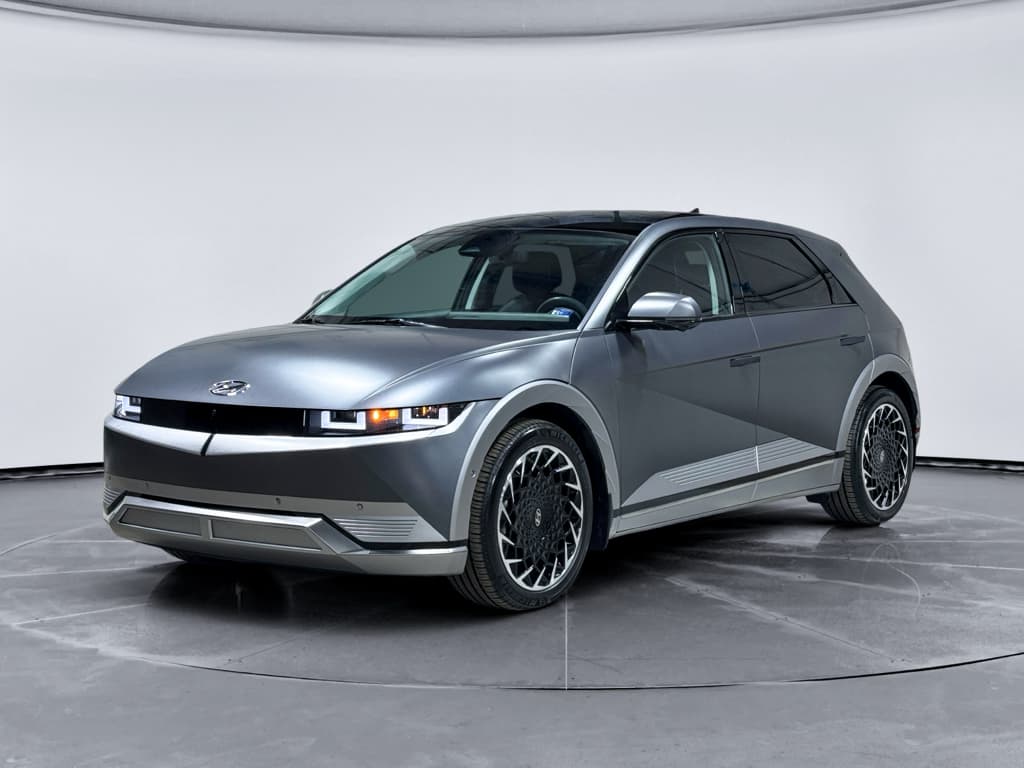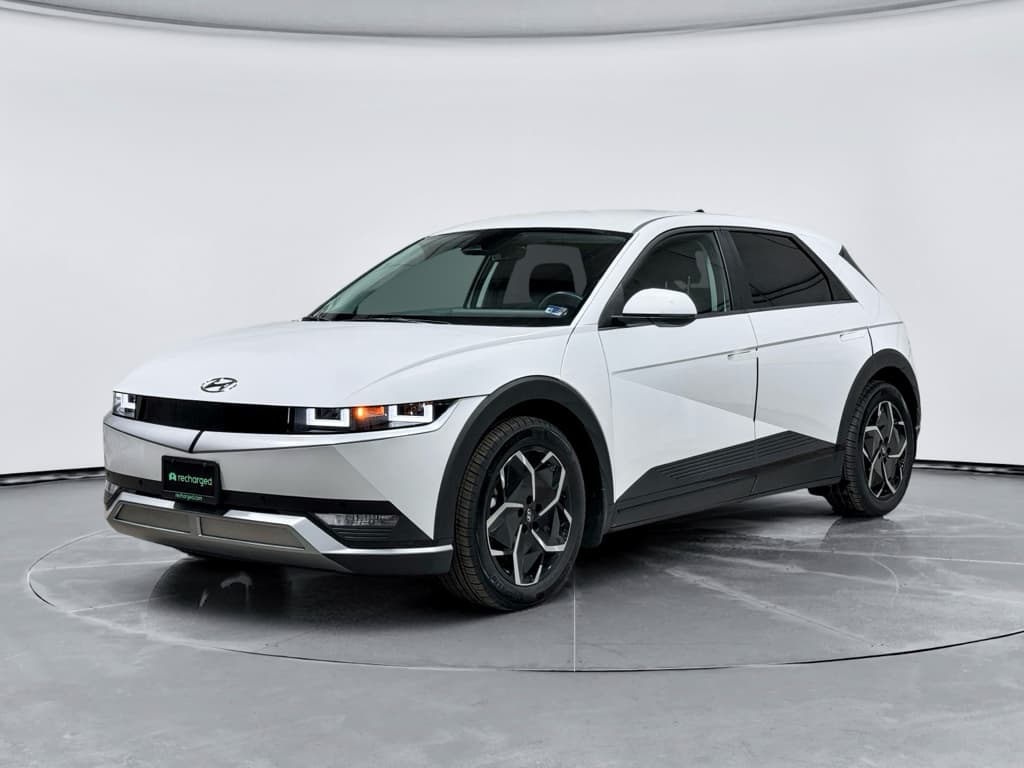
If you’re thinking, “Should I sell my 2025 Hyundai Kona Electric, and what’s it actually worth?” you’re not alone. The 2025 Kona Electric hit a sweet spot of price, efficiency, and size, and it’s now reaching the point where early owners are starting to sell or trade out. Getting the right number comes down to understanding how this specific model holds value and what today’s EV shoppers are really paying for.
Quick context
Why 2025 Kona Electric value matters right now
The timing of when you sell a 2025 Kona Electric matters more than you might think. The 2026 model year is shifting the lineup toward a single, lower-range configuration in many markets, and Hyundai has aggressively adjusted pricing and incentives on new EVs. That means the longer-range, better-equipped 2025 Kona Electric you’re driving today may actually become more desirable on the used market as buyers look for value and range that’s no longer available new.
- New EV prices have been volatile, which pushes many buyers toward clean, late‑model used EVs like the 2025 Kona Electric.
- The 2025 model offers both standard and larger battery options, with EPA-estimated ranges around the 200–260 mile mark depending on configuration, which is still competitive for a compact SUV.
- If future model years decontent or shorten range, your 2025 can look like the “smart buy” on dealer lots and EV marketplaces.
Seller’s edge
What is a 2025 Hyundai Kona Electric worth today?
Every market is different, but you can ballpark the sell 2025 Hyundai Kona Electric value by looking at real transaction data and appraisal tools. As of early 2026 in the U.S., many 2025 Kona Electrics with normal mileage are landing somewhere between high teens and low‑30s depending on trim, battery, and condition. For example, mainstream valuation tools show a range from roughly the high‑$18,000s up to the low‑$30,000s for typical private‑party and trade‑in scenarios when you plug in realistic mileages and options.
2025 Hyundai Kona Electric value at a glance
Don’t treat these as offers
How depreciation works for the 2025 Kona Electric
Depreciation is just the difference between what the car cost when new and what someone will pay for it now. For EVs, that curve is driven by incentives, battery tech progress, and how the model is positioned against newer rivals.
1. The first 3 years hurt most
Like most vehicles, a Kona Electric sees its steepest value drop in the first 36 months as it moves from “new” to “used.” Incentives and heavy new‑car discounts can exaggerate this, because they effectively lower the price of a comparable new vehicle.
2. EVs can stabilize after that
Once a model proves itself on reliability and battery durability, depreciation often slows. The Kona Electric has earned solid efficiency and ownership marks, and has been recognized for strong projected residuals in its segment, which can support better resale after the initial drop.
How your Kona compares
Biggest factors that change your 2025 Kona Electric sale price
What moves your 2025 Kona Electric’s value up or down
Focus on the levers you can still control before you sell.
Battery health
Buyers care less about theoretical range and more about how the battery has actually aged. A documented state-of-health (SoH) report can justify a higher asking price and reassure skeptical shoppers.
Mileage & use
A 2025 Kona Electric with 12,000 miles and mostly highway commuting will command more than one with 40,000+ miles of hard urban use. Staying under big mileage thresholds (15k, 30k, 45k) helps.
Title & accident history
Clean title, no accidents, and a consistent service record are worth real money. Structural damage or airbag deployment can immediately push your car into “bargain only” territory.
Trim & options
N Line and Limited trims, larger battery packs, and popular features like advanced driver assistance, heat pump, and premium audio can move your Kona into the upper part of the value range.
Condition & tires
Fresh tires, a clean interior, and no warning lights matter more than another thousand dollars off. Used EV buyers are often stretching, so they want something that feels new.
Region & demand
EV‑dense markets (West Coast, Northeast metros, college towns) often see stronger pricing and quicker sales than regions where public charging and EV adoption lag.
Step-by-step: how to sell your 2025 Kona Electric for top dollar
Your 7‑step plan to maximize value
1. Get a realistic value range
Run your VIN and mileage through 2–3 valuation tools and check live listings in your ZIP code. Look at both private‑party and trade‑in numbers so you understand your options upfront.
2. Pull your records
Gather service receipts, recall documentation, charging equipment info, and any warranty paperwork. Hyundai’s EV and battery warranties are a selling point, make them easy for buyers to understand.
3. Document battery health
If you can, get a recent <strong>battery health report</strong> or third‑party test. Recharged’s marketplace listings include a <strong>Recharged Score</strong> with verified battery diagnostics, which can meaningfully increase buyer confidence and shorten time to sale.
4. Handle software and recall items
Make sure your Kona is up to date on software and recalls. Dealers will often address these at no cost, and they remove objections that buyers (and their lenders or inspectors) might raise later.
5. Recondition the easy stuff
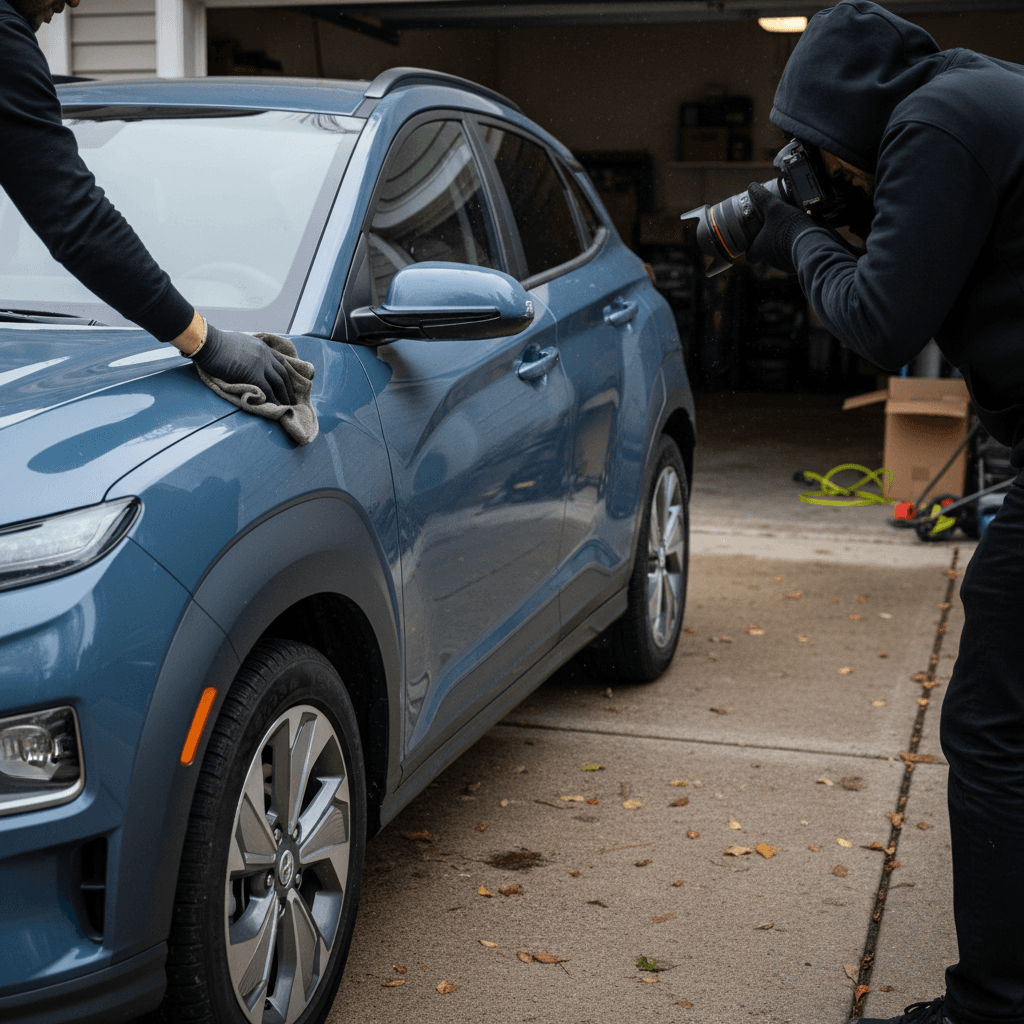
Fix obvious cosmetic issues, replace worn wiper blades, resolve dash warning lights, and consider a professional detail. Many buyers equate cleanliness with overall care, which translates to higher offers.
6. Decide where you’ll sell
Compare a traditional dealer trade‑in, private‑party listing, and specialist EV marketplaces like Recharged. Each option trades convenience for price; knowing which matters most to you will shape your strategy.
7. Create an EV‑savvy listing
Highlight your real‑world range, typical charging routine, and home charging setup, not just specs. Include close‑up photos of the charge port, tires, interior screens, and any included charging equipment.
Trade-in vs private sale vs selling through Recharged
There’s no single “right” way to sell a 2025 Hyundai Kona Electric. The real question is how much time, hassle, and risk you’re willing to take on in exchange for a higher sale price.
Which sales channel fits your 2025 Kona Electric?
Compare the typical trade‑offs of the three main options.
| Option | Typical Price | Time & Effort | Pros | Cons |
|---|---|---|---|---|
| Dealer trade-in | Lowest | Very low | Fast, simple, can stack with new‑car incentives | You’re wholesaling the car; dealers must leave room for auction or retail profit |
| Private sale | Highest (in theory) | High | Maximum pricing power if you’re patient and detail‑oriented | Managing ads, test drives, payment risk, and paperwork |
| Sell with Recharged | Upper middle | Moderate | EV‑specialist support, nationwide buyer pool, Recharged Score battery report, digital paperwork | You share a bit of upside for expert guidance and a smoother process |
Your personal best option depends on how you value time, certainty, and every last dollar of price.
Where Recharged fits in
Ready to find your next EV?
Browse VehiclesHow battery health impacts what buyers will pay
For an EV, battery health is the new version of “engine compression.” It’s the single most important mechanical factor in determining long‑term value. The 2025 Kona Electric’s pack is backed by a long factory warranty, but buyers still worry about real‑world degradation and replacement cost.
Battery health: the hidden value lever
Turn a buyer fear into your biggest selling point.
What buyers are afraid of
- Paying for a car that’s lost significant range versus when it was new.
- Facing a five‑figure battery replacement bill right after purchase.
- Ending up with an EV that isn’t practical for their commute or road trips.
How you de‑risk the story
- Provide a recent battery state‑of‑health report or diagnostic scan.
- Show your typical charging habits (e.g., mostly Level 2, rarely over 90% daily).
- Share realistic real‑world range you’re seeing in your climate and driving pattern.
Use a third-party battery report
Pricing strategies that actually work
The biggest mistake sellers make is pricing off vague forum anecdotes or old listings. Used EV pricing moves with incentives, new‑car discounts, and regional demand. You want a strategy that’s grounded in right‑now data but flexible enough to adjust as you test the market.
- Start with a tight, data‑driven range from multiple appraisal tools and recent listings within 100–200 miles of you.
- Price slightly above the midpoint for your trim/mileage if your Kona is clean, documented, and has desirable options.
- Avoid psychological cliffs, being at $24,900 instead of $25,400 keeps you in more search filters without giving up much money.
- Watch interest for the first 7–10 days. If you’re getting views but no messages, you’re probably 3–5% too high.
- Be transparent in your listing about why you priced it where you did: battery report, tires, no accidents, included home charger, etc.
- If you get multiple serious inquiries in the first 24–48 hours, don’t rush to discount, you may have underpriced and can hold firm.
Leverage EV-specific comps
Common mistakes that destroy 2025 Kona Electric resale value
Avoid these value killers
- Ignoring curb appeal: dirty interior, pet hair, and curb‑rashed wheels signal neglect, even if the car is mechanically sound.
- Listing without a charging narrative: simply pasting specs and range numbers doesn’t reassure first‑time EV buyers who care about how they’ll actually charge day to day.
- Hiding or downplaying accidents: serious buyers will pull history reports. Get in front of minor incidents with photos and documentation of quality repairs.
- Letting warning lights linger: an EV with a check‑engine or battery warning is an automatic low‑ball magnet. Diagnose and address issues before you list.
- Pricing as if incentives don’t exist: when new EVs are heavily discounted or subsidized, you can’t expect used prices to float above that reality. Stay anchored to current new‑car deals.
FAQs: selling a 2025 Hyundai Kona Electric
Frequently asked questions about 2025 Kona Electric value
Bottom line: is it a good time to sell?
If you want to sell a 2025 Hyundai Kona Electric and protect its value, the window around 2026 is promising. The car is still new enough to feel current, efficient enough to compete on operating costs, and, if you have a longer‑range or higher‑trim version, potentially more attractive than the latest de‑contented configurations. Your job is to turn that underlying strength into a compelling, low‑risk story for the next owner.
Dial in your price using fresh data, invest a bit in presentation and documentation, and seriously consider getting a battery health report or selling through an EV‑specialist platform like Recharged. Do those things well, and you’re not just off‑loading an EV, you’re passing along a proven, efficient compact SUV that still makes a lot of economic sense for the right buyer.