If you bought a 2024 Volkswagen ID. Buzz, you probably fell in love with the look first and did the math second. Now you’re wondering how to sell a 2024 Volkswagen ID. Buzz for the best value in a used EV market that’s been anything but predictable. The good news: even with steeper EV depreciation, you still have levers to pull, battery health, timing, and how you sell, to keep thousands of dollars in your pocket.
Quick take
Why 2024 ID. Buzz resale is different from other EVs
Before you pick a number and throw your van on a marketplace, it helps to understand why ID. Buzz values don’t behave exactly like a Tesla or a mainstream crossover EV. Three realities make the 2024 Buzz unusual in the U.S. market:
- High MSRP, limited range. U.S.-spec long‑wheelbase ID. Buzz models landed with prices around the mid‑$60,000s and EPA ranges in the low‑230‑mile band. That’s pricey for a family vehicle with merely okay range, which puts downward pressure on used pricing.
- Inconsistent incentives and discounts. Manufacturer cash, dealer discounts, and federal incentives haven’t been as straightforward as on some domestically assembled EVs. Some buyers got big discounts; others paid close to sticker. That creates a wide spread in used values.
- Stop‑start U.S. launch. Volkswagen has already indicated it will pause U.S. imports for the 2026 model year, then return with an updated Buzz later in the decade. That kind of uncertainty makes some buyers nervous, but also makes your van more interesting to enthusiasts who want one before they disappear again.
Watch the headline stories
What is a 2024 Volkswagen ID. Buzz worth right now?
Because U.S. deliveries only ramped up in late 2024 and early 2025, we’re still looking at very young vehicles. That means there isn’t a massive dataset yet, but there are a few clear patterns:
Early 2024–2025 ID. Buzz value picture (big‑picture ranges)
These are directional ranges, not hard offers, your actual value depends on trim, miles, and condition.
Trade‑in and wholesale
Dealers typically bid low on early, high‑MSRP EVs they don’t fully understand. Expect offers that feel more like a "safety net" than top dollar, especially if they’re already sitting on unsold Buzz inventory.
Private‑party resale
Well‑optioned, low‑mileage 2024 Buzz vans that were discounted heavily when new may resell near or even below current heavily‑discounted new‑car transaction prices. The real spread often comes down to battery health and documentation.
Online EV marketplaces
Specialized EV platforms and auctions can pull stronger money from niche buyers, people who specifically want an ID. Buzz and understand its pros and cons. That’s where great photos and verified battery reports really pay off.
Where Recharged fits in
Ready to find your next EV?
Browse VehiclesKey factors that drive your 2024 ID. Buzz value
You can’t control the whole EV market, but you can absolutely control how your specific van looks on paper and in person. Here are the levers that matter most when you go to sell a 2024 ID. Buzz:
Main value drivers for a 2024 ID. Buzz
Trim, drivetrain, and options
Pro S vs Pro S Plus, rear‑drive vs 4Motion, two‑tone paint, glass roof, towing package, and interior color combos all influence demand. Unique color/option combos can fetch a premium if you find the right buyer.
Odometer and use pattern
A 2024 Buzz with 8,000–15,000 miles looks much better than one pushing 30,000+ already. Balanced annual mileage suggests normal family use instead of rideshare or commercial duty.
Battery health and fast‑charging history
Because the pack is the most expensive component, buyers pay close attention to <strong>State of Health (SoH)</strong>. Light degradation and normal DC fast‑charging use are fine; repeated 0–100% fast charges can raise red flags if you can’t show a health report.
Cosmetic condition inside and out
Curb rash on the aero wheels, scratches in the big sliding‑door openings, and stained seats from kids and pets all chip away at value. A professional detail and minor wheel repair often more than pay for themselves.
Software status and service history
Up‑to‑date software, documented dealer visits, and proof that recalls and TSBs have been addressed increase confidence. If your van had a glitchy early software build, show paperwork that it’s been updated and stabilized.
Market timing and incentives
If new Buzz vans are sitting on lots with $10,000 in incentives, a private buyer won’t pay close to your original MSRP. Track local new‑car discounts and adjust your ask so a used buyer still feels like they’re getting a clear deal.
How EV depreciation works, and what it means for your Buzz
EVs as a group have depreciated faster than comparable gas vehicles over the last few years, thanks to rapid tech updates, aggressive new‑car discounting, and shifting incentives. For high‑MSRP electric vans like the ID. Buzz, that effect is amplified, but it’s not the whole story.
EV depreciation context in 2025–2026
The ID. Buzz adds a few twists. Its shape and interior make it a lifestyle vehicle more than a day‑to‑day commuter appliance, which helps it hold value among enthusiasts. At the same time, its range and pricing look less compelling next to newer three‑row EV SUVs, which keeps pressure on prices from the top. As more 2024 Buzz vans hit the used market, the clean, well‑documented examples will diverge in value from hard‑used or poorly equipped ones.
Think in dollars per year, not just percentage
Step-by-step: how to price your 2024 ID. Buzz
You don’t need a crystal ball to price your Buzz intelligently. You just need a structured way to look at the data and check it against your specific van. Here’s a practical process you can follow in an afternoon.
DIY pricing workflow
1. Start with current new‑car transaction prices
Search local dealer listings and manufacturer offers for 2025 ID. Buzz models. Note real transaction prices after dealer discounts and manufacturer cash. Your used van has to be meaningfully cheaper than a new one someone can buy today.
2. Scan auction and marketplace results
Look at recent ID. Buzz sales on enthusiast auctions and large marketplaces, not just asking prices. Focus on completed listings with similar trim, miles, and colors, and remove obvious outliers (distressed sales or show‑car builds).
3. Adjust for your trim and equipment
Compare your configuration to the closest recent sale. If you have 4Motion, two‑tone paint, glass roof, or premium wheels, you can lean toward the higher end of the range. If you’re missing popular options, stay conservative.
4. Factor in mileage and condition
Subtract for high miles, curb‑rashed wheels, interior damage, or unaddressed cosmetic issues. For a nearly new Buzz, a few thousand dollars in adjustment can be realistic between a pristine example and one that needs significant reconditioning.
5. Document battery health and software
Pull any battery health readouts you can access and gather service records, recall paperwork, and software‑update notes. If you sell through Recharged, our <strong>Recharged Score Report</strong> will package this into a buyer‑friendly summary.
6. Test your price against real interest
Once you have a target number, list slightly above it to leave room for negotiation. If you get a lot of views but no serious messages, you’re probably high. If you’re buried in inquiries within 24 hours, you might have underpriced, adjust quickly.
Selling options: trade‑in, private sale, or Recharged
How you sell matters almost as much as what you’re selling. Each route comes with trade‑offs in time, hassle, and money. With a niche EV like the ID. Buzz, the gap between the worst and best option can easily be thousands of dollars.
Traditional dealer trade‑in
- Pros: Fast, convenient, you can roll equity into your next purchase.
- Cons: Dealers often treat unusual EVs as risky inventory. Offers tend to be conservative, especially if they already have unsold Buzzes on the lot.
- Best for: Owners prioritizing convenience over top dollar, or who are deeply upside‑down and need a manufacturer incentive to make numbers work.
Private‑party sale
- Pros: Usually the highest sale price if you’re patient and market the van well.
- Cons: You handle photos, listings, test drives, and paperwork. Many buyers are still learning about EVs, so you’ll answer a lot of basic questions.
- Best for: Enthusiast‑spec vans (rare colors, options) and owners comfortable doing the legwork.
Recharged instant offer or consignment
- Pros: EV‑specialist pricing, nationwide audience, and every car includes a Recharged Score battery health report. You can choose an instant cash offer or have us list and sell on consignment.
- Cons: You share a small portion of the upside on consignment, the same way you would with a traditional broker.
- Best for: Owners who want better pricing than a generic trade‑in, but without the friction of pure private‑party selling.
How Recharged handles ID. Buzz sales
Boosting your 2024 ID. Buzz value before listing
If you’re within a few months of selling, it rarely makes sense to pour thousands into upgrades. But a few targeted moves can make your Buzz look like the standout in any search result page.
High‑ROI ways to prep your Buzz
Small investments that often return more than they cost.
Professional detail and minor cosmetic fixes
Have a detailer focus on the light‑colored interior surfaces, sliding‑door step areas, and the glass. Fixing curb rash on alloy wheels and touching up door‑edge chips can move your van from "used" to "nearly new" in buyers’ minds.
Serious listing photos
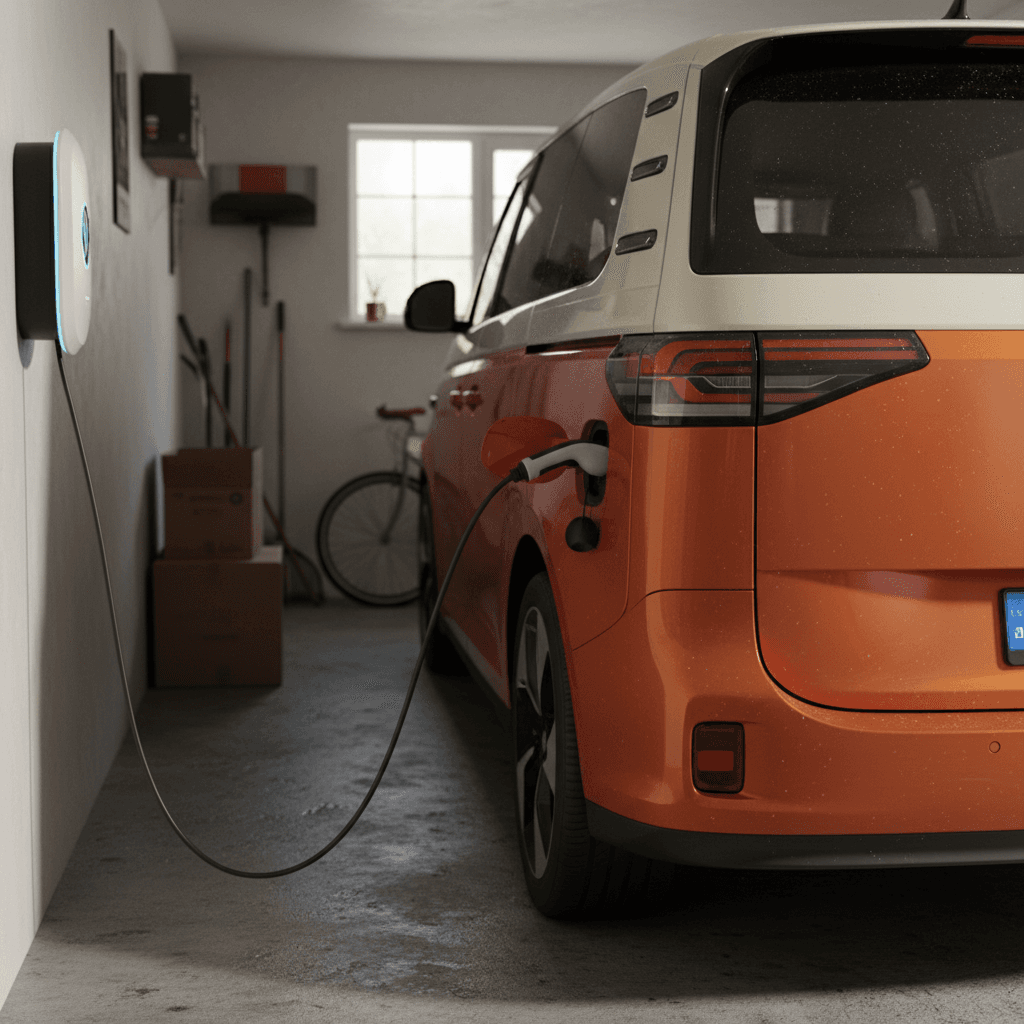
Shoot during golden hour, with a clean, uncluttered background. Include wide shots, close‑ups of the cabin, infotainment screen, third row, and charging port, plus a photo of any battery‑health readout or Recharged Score report.
Organized documentation
Assemble a PDF or folder with your window sticker, purchase paperwork, all service records, recall letters, software‑update receipts, and accessory invoices. Buyers pay more when they feel they know the van’s history.
Skip most mods
Battery health: how to prove your Buzz is worth more
For any modern EV, battery State of Health (SoH) is the single most important mechanical metric. Studies of used EVs show that the majority still retain 90% or more of their original capacity after years on the road, but individual vehicles can vary based on climate, charging habits, and mileage. A clean bill of health is one of the few things that can justify a premium asking price on a 2024 ID. Buzz.
- Check what your Buzz already reports in its infotainment system or connected‑services app. Even if you can’t see an explicit percentage, you may be able to infer capacity from range at 100% charge in known conditions.
- If you sell through Recharged, we’ll run a Recharged Score battery diagnostic so you can show a transparent SoH rating and pack performance snapshot to buyers.
- Avoid "range‑gaming", charging to 100% and then babying the van just to show a high number on the display. Serious buyers understand that real diagnostics matter more than a single range snapshot.
Don’t hide known battery issues
Common pricing mistakes to avoid
Selling into a choppy EV market is tricky, but most costly mistakes are predictable. If you avoid the following traps, you’re already ahead of a lot of sellers.
Typical 2024 ID. Buzz pricing mistakes
Use this as a pre‑listing checklist to sanity‑check your approach.
| Mistake | Why it hurts | How to fix it |
|---|---|---|
| Anchoring to your original MSRP | High launch prices plus later discounts mean your sticker has little to do with today’s market. | Price against current new‑car transaction prices and comparable used listings instead. |
| Ignoring new‑car incentives | If local dealers are stacking thousands in discounts and rebates, your used ask will look unrealistic. | Track current offers and bake in a clear savings gap for used buyers. |
| Underplaying battery health | Buyers assume the worst if you can’t show battery condition. | Get a verified health report (for example, via a Recharged Score) and feature the result in your listing. |
| Listing with poor photos | Dark, cluttered, or rainy‑day photos make your Buzz feel like a problem child. | Reshoot in good light, with a clean van and varied angles. |
| Overpricing then going stale | EV shoppers are data‑driven. If your van sits for weeks at the wrong price, they wonder what’s wrong with it. | If serious interest hasn’t materialized in 10–14 days, adjust price or presentation promptly. |
Correcting even one or two of these can mean thousands of dollars of difference in your final sale price.
FAQ: Selling a 2024 Volkswagen ID. Buzz
Frequently asked questions about 2024 ID. Buzz resale
Bottom line: when to sell your 2024 ID. Buzz
The 2024 Volkswagen ID. Buzz is not a typical EV, and its resale story won’t be either. High launch prices, middling range, and a stop‑start U.S. rollout mean depreciation has been steeper than owners hoped, but that same volatility creates opportunity if you understand how buyers think. Focus on what you can control: documented battery health, honest pricing based on real market data, strong presentation, and choosing the right selling channel.
If you decide the timing is right, don’t go it alone. A specialist like Recharged can help you price your 2024 ID. Buzz realistically, highlight its strengths with a Recharged Score battery report, and market it to the right audience, whether you want an instant offer, consignment, or a trade into your next EV. In a fast‑moving used‑EV market, that kind of transparency and expertise is often the difference between an anxious sale and a confident one.