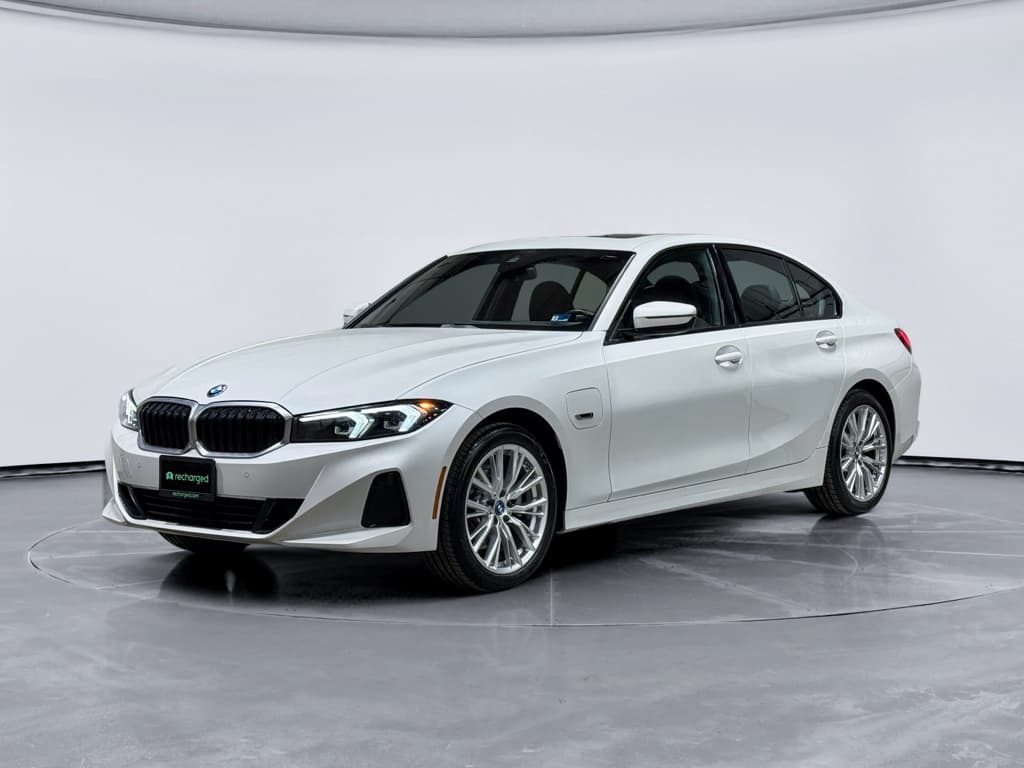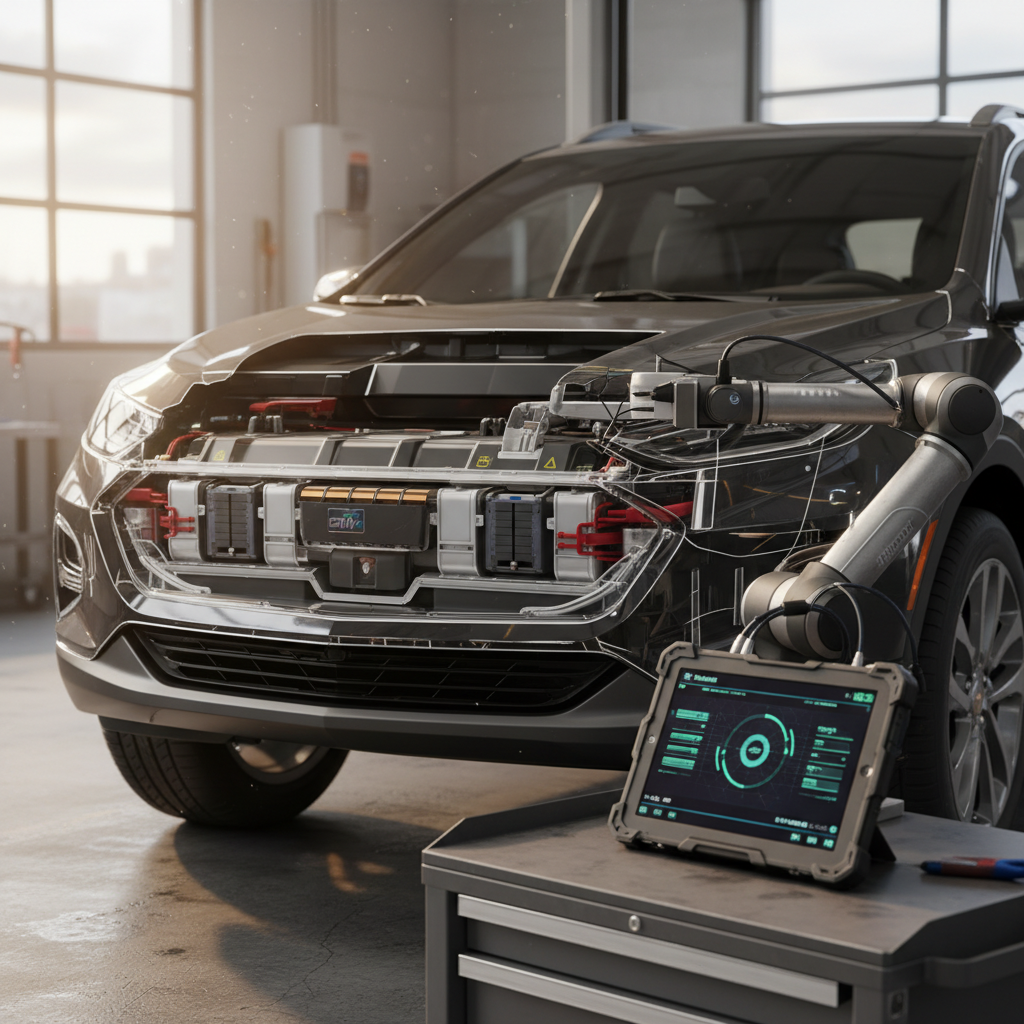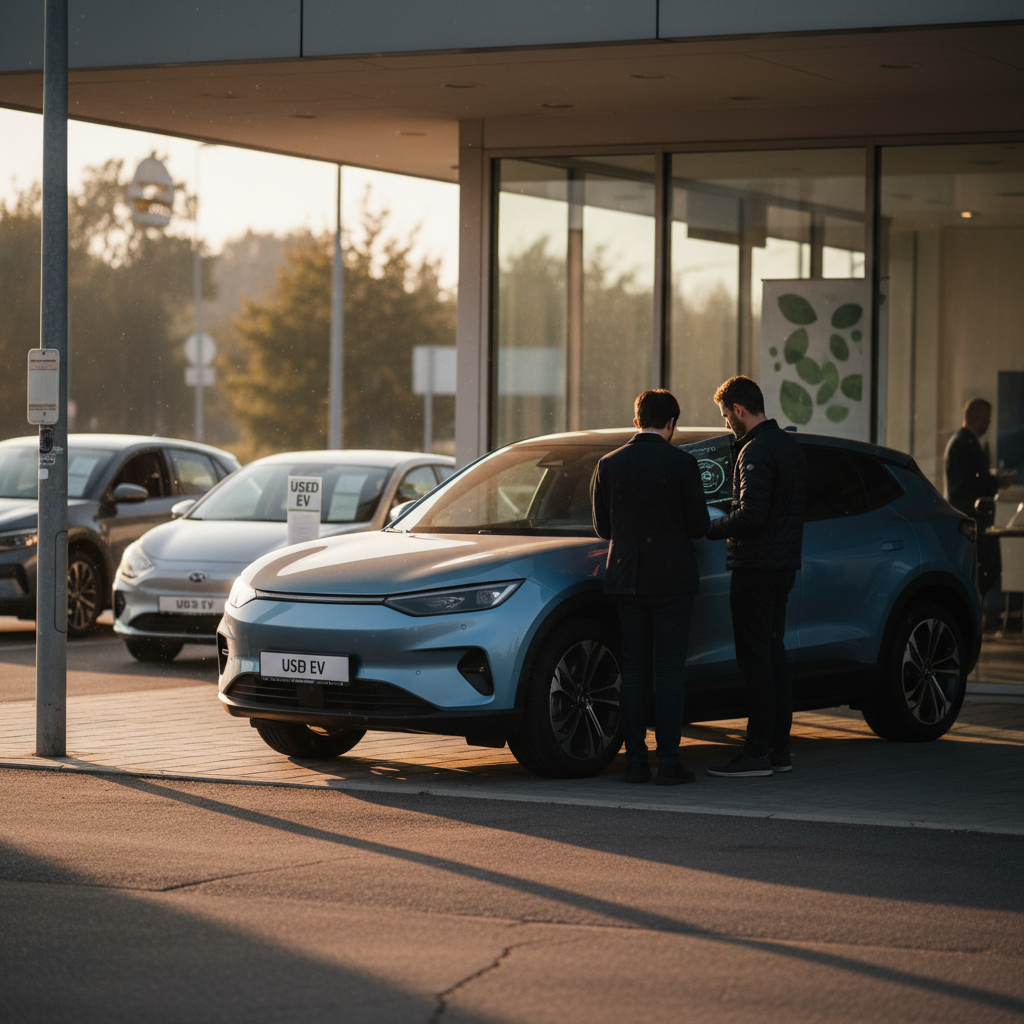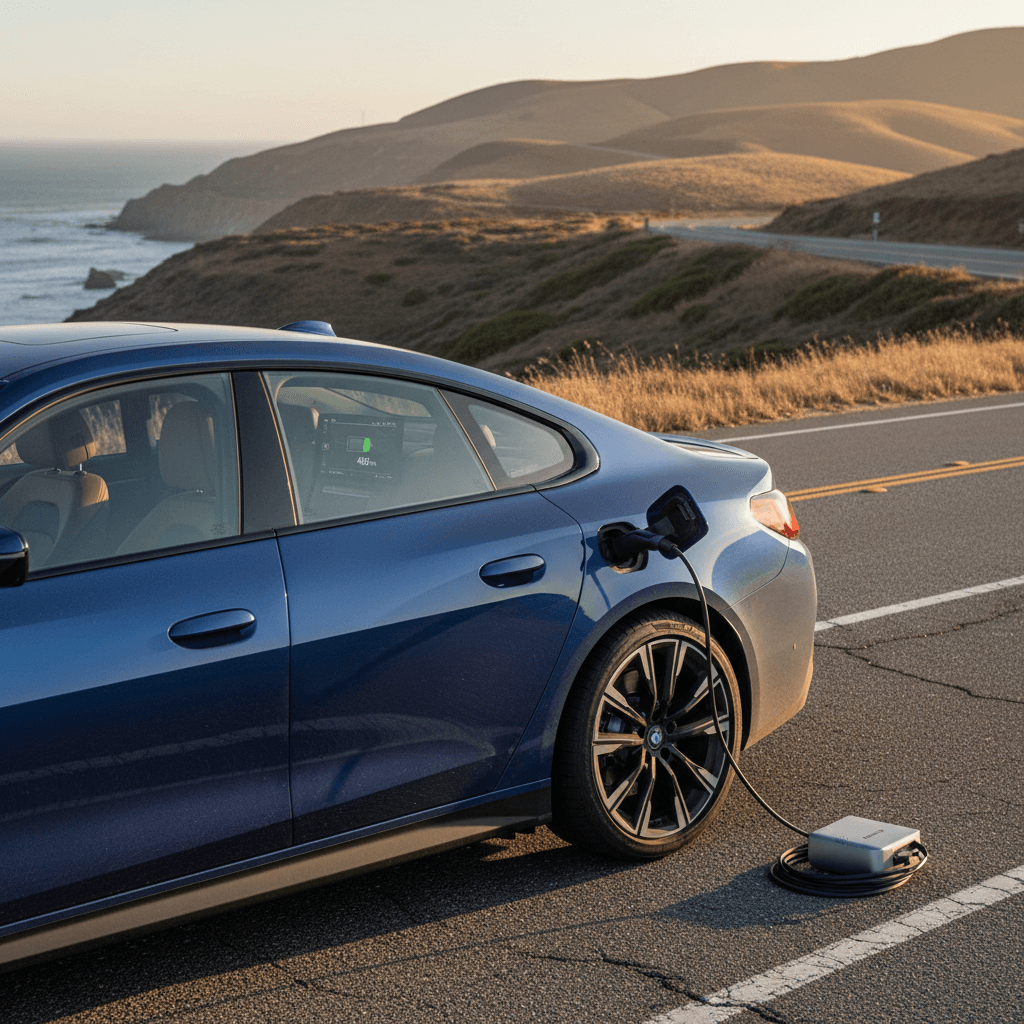
If you’re looking up a 2023 BMW i4 range test, you’re probably past the marketing phase. You’ve seen the glossy 270–301‑mile claims. Now you want to know what actually happens when you set the cruise at 70 mph, the kids crank the climate control, and the outside world is something less than a Bavarian spring brochure.
Why range tests matter
2023 BMW i4 range overview
For 2023, the BMW i4 lineup in the U.S. centers on three trims, each with its own battery and range personality:
- i4 eDrive35 – new entry model for 2023 with a smaller battery and the lowest price, rear‑wheel drive.
- i4 eDrive40 – long‑range rear‑drive sweet spot with the larger pack.
- i4 M50 – dual‑motor performance version; quickest, heaviest, and least efficient on paper.
On the EPA combined cycle, a 2023 BMW i4 ranges from about 256 miles (eDrive35) up to 301 miles (eDrive40), with the M50 around 270 miles when equipped with the smaller of its two wheel options. Those numbers are competitive with Tesla Model 3, Kia EV6, and Mustang Mach‑E on paper, but the interesting part is how the i4 behaves in independent range tests.
Battery sizes and EPA range ratings by trim
2023 BMW i4 battery & EPA range by trim
Key specs for each 2023 i4 variant sold in the U.S. with their official EPA combined range estimates.
| Trim | Drivetrain | Usable battery (approx.) | EPA range (standard wheels) | EPA range (larger wheels) |
|---|---|---|---|---|
| i4 eDrive35 | RWD | ~66–70 kWh | 256 miles (18") | ~252 miles (19") |
| i4 eDrive40 | RWD | ~81 kWh | 301 miles (18") | 282–283 miles (19") |
| i4 M50 | AWD | ~81 kWh | 270–271 miles (19") | 227 miles (20") |
All figures are approximate U.S. EPA combined estimates for the 2023 model year.
Wheel size warning
Real‑world 2023 BMW i4 range tests
Range tests fall into two broad camps: steady‑speed highway loops meant to stress aerodynamics, and mixed‑driving loops that mimic a real commute. Across multiple independent tests, the 2023 i4 has a consistent theme: it tends to match or beat its EPA rating in mild weather when driven sensibly.
Headline real‑world range results for the 2023 i4
Those are not cherry‑picked hero runs on deserted alpine passes. The i4 M50 result, for example, came from Consumer Reports’ controlled 70‑mph highway loop, with the car preconditioned and the climate set to a reasonable 72°F. The fact that a dual‑motor performance sedan can beat its own EPA number by nearly 20% is… not normal in today’s EV market.
Meanwhile, Edmunds’ i4 eDrive40 test car, shod with less‑efficient 19‑inch wheels, still traveled 307 miles before shutting down, about 25 miles beyond its official 282‑mile rating on that wheel size. In consumption terms, they measured roughly 29 kWh per 100 miles versus the EPA’s 34 kWh/100 miles estimate, meaning the car was markedly more efficient than expected in their loop.
The quiet overachiever
Highway vs city: where the i4 shines (and sags)
Highway range (65–75 mph)
Most public range tests of the 2023 i4 skew toward highway use, because that’s what stresses an EV most. At 70 mph, aerodynamic drag dominates, and you learn quickly whether the design team knew their way around a wind tunnel.
- On eDrive40 and M50, multiple 70‑mph tests show highway range broadly in line with or slightly above EPA numbers in warm weather.
- The i4’s low, sedan‑like body and Cd around 0.25 help it punch well above the average crossover’s aero penalty.
- Expect somewhere around 240–280 miles at real U.S. freeway speeds in good conditions, depending on trim, wheels, and how hard you lean on the right pedal.
City and mixed driving
BMW geared the i4 for efficiency as much as speed. In suburban traffic and low‑speed city driving, you get the benefit of regenerative braking and less aero drag.
- Drivers who live below 50 mph and use one‑pedal driving routinely see efficiency in the mid‑3s (mi/kWh) or better.
- That can push real‑world mixed range past the EPA rating on the eDrive40, sometimes comfortably so.
- The M50’s extra motor mass and stickier tires narrow the advantage, but it’s still surprisingly thrifty when you’re not flooring it.
How to guess your own range
Winter range: how cold weather hits the i4
Every EV suffers in the cold. Batteries are chemical creatures of habit; they like the mild middle, not polar‑vortex cosplay. Official third‑party winter‑only tests for the 2023 BMW i4 are rarer than summer loops, but we can still draw some solid conclusions from general EV behavior and BMW’s hardware choices.
- The i4 uses a modern liquid‑cooled battery and can precondition the pack before DC fast charging, which helps in cold weather.
- Like most EVs, you’ll typically see a 20–35% range hit in sustained freezing temperatures, especially on the highway with cabin heat running.
- Short city trips in the cold can be worse for efficiency than a long run, because you keep reheating a cold cabin and battery.
Reality check for winter commuters
The flip side: once temperatures swing back into the 60s and 70s, owners routinely report the i4 feeling almost "gas‑car normal" in terms of day‑to‑day range predictability, something not every EV can claim.
Efficiency and charging: how fast the i4 really refuels
Range is only half the story. The other half is how quickly you can pour electrons back into the pack. Here the 2023 BMW i4 is comfortably in the modern EV mainstream, and, in DC fast‑charge terms, a bit better than that.
2023 BMW i4 charging performance at a glance
Home Level 2 and public DC fast charging, translated into plain English.
Home charging (Level 2)
The onboard AC charger is rated up to 11 kW. On a typical 240‑volt, 40–48‑amp home setup:
- 0–100% takes roughly 8–10 hours on the larger pack.
- Think of it as: plug in at night, wake up full every morning.
DC fast charging
On a strong public fast charger, the 2023 i4 can accept up to 180–200 kW (trim‑dependent):
- 10–80% in about 30–32 minutes when conditions are right.
- In a pinch, you can add roughly 90–100 miles in around 10 minutes.
Efficiency sweet spot
The i4 does its best work when you avoid the extremes:
- Living between 10–80% state of charge keeps fast‑charge speeds higher.
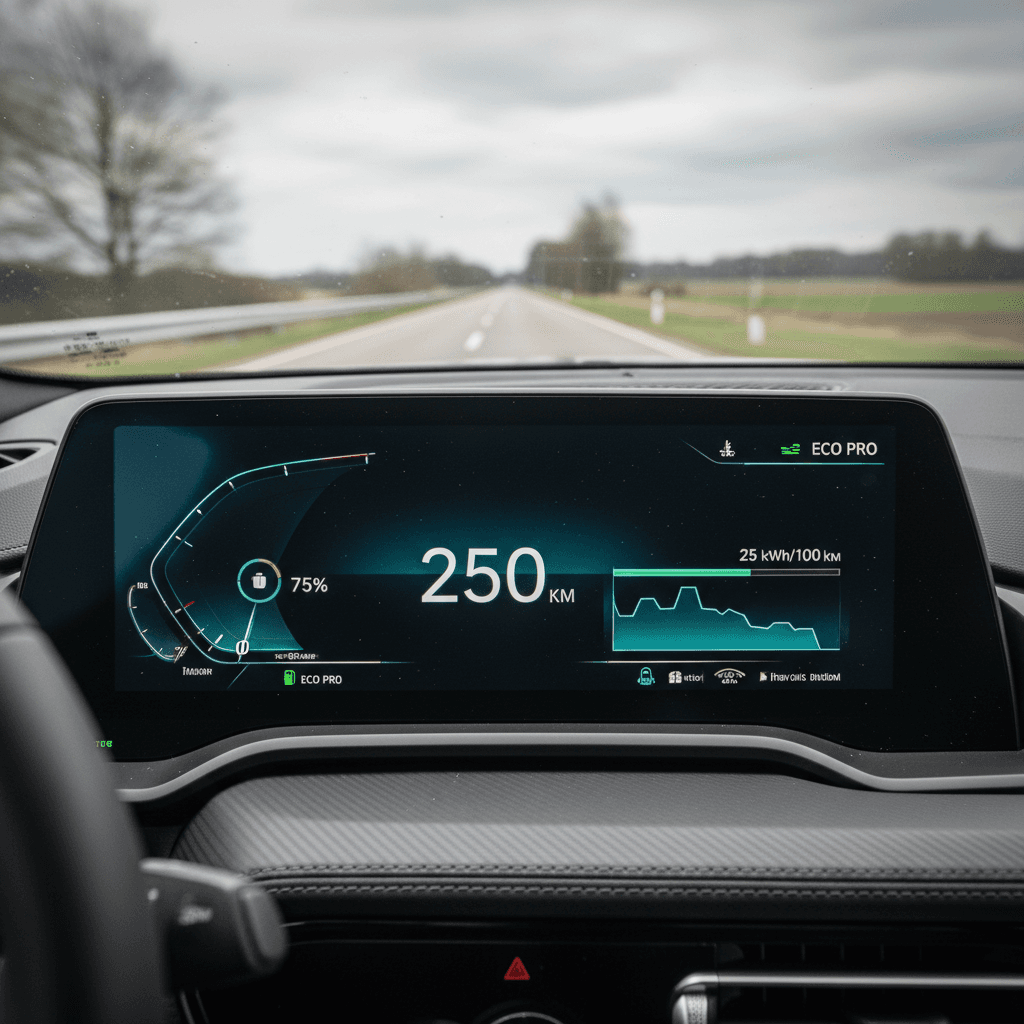
- Staying near the speed limit and using Eco Pro mode can bump efficiency into the mid‑3s (mi/kWh) even on the larger‑battery trims.
Plan around charge, not just range
Wheel size, driving style, and other range factors
Once you accept that the 2023 BMW i4 can genuinely hit or beat its EPA numbers in good conditions, the next question is: what knocks it off that pedestal? Three main culprits show up in almost every owner story and range test.
Top 5 factors that move your 2023 i4’s range up or down
1. Wheel and tire choice
Optional <strong>19‑ or 20‑inch wheels</strong> with wider, stickier tires look great but cost you aerodynamic and rolling‑resistance efficiency. Expect a 5–15% hit versus the base 18s, exactly as BMW’s EPA numbers suggest.
2. Cruising speed
Jumping from 65 to 80 mph can mean giving up dozens of miles of range. At U.S. freeway speeds, drag rises fast; the i4 is good, but it’s not exempt from physics.
3. Temperature and climate control
Battery chemistry and cabin heating are your biggest winter enemies. Short, cold trips with full‑blast heat can burn energy at twice the summer rate. Preheating while plugged in helps a lot.
4. Driving mode and regen
Sport mode and repeated hard acceleration push consumption up. In Eco Pro with strong regenerative braking, many drivers see their best efficiency numbers day to day.
5. Payload and rooftop gear
A fully loaded cabin, bikes on the roof, or a cargo box will chip away at range. The i4’s sleek profile is part of its secret sauce, don’t sabotage it if you care about miles.
Range‑test takeaways for used BMW i4 shoppers
If you’re shopping a used 2023 BMW i4, all this talk of range tests translates into a few very practical questions: which trim should you chase, how much range do you really need, and what about battery degradation?
Which 2023 i4 trim fits your real‑world range needs?
Match your driving pattern to the right battery and motor setup.
Daily commuter (40–80 miles/day)
If most of your life is commuting, school runs, and errands, the eDrive35 has enough real‑world range, especially in warmer climates.
- Realistic all‑season usable: ~160–220 miles.
- Cheapest to buy and insure, and still quick.
Frequent highway driver
For regular interstate runs, the eDrive40 is the sweet spot.
- Highway range that can match or beat its 301‑mile EPA rating in mild temps.
- Simpler RWD layout, excellent efficiency, and lower upkeep than the M50.
Performance enthusiast
Love back‑road sprints and on‑ramp drag races? The M50 gives you big‑motor fireworks with only a modest range penalty.
- Think of it as a ~220–260‑mile real‑world car in good weather.
- Expect a bit more range loss in winter versus eDrive40.
Battery degradation on a 2023 i4
How Recharged helps you shop range‑smart
The 2023 BMW i4 is a nuanced car: same basic shape, three trims, and wildly different ownership personalities once you factor in range, performance, and climate. That’s exactly the kind of complexity that can make used‑EV shopping stressful, or oddly fun, depending on how much data you have.
See real battery health, not guesses
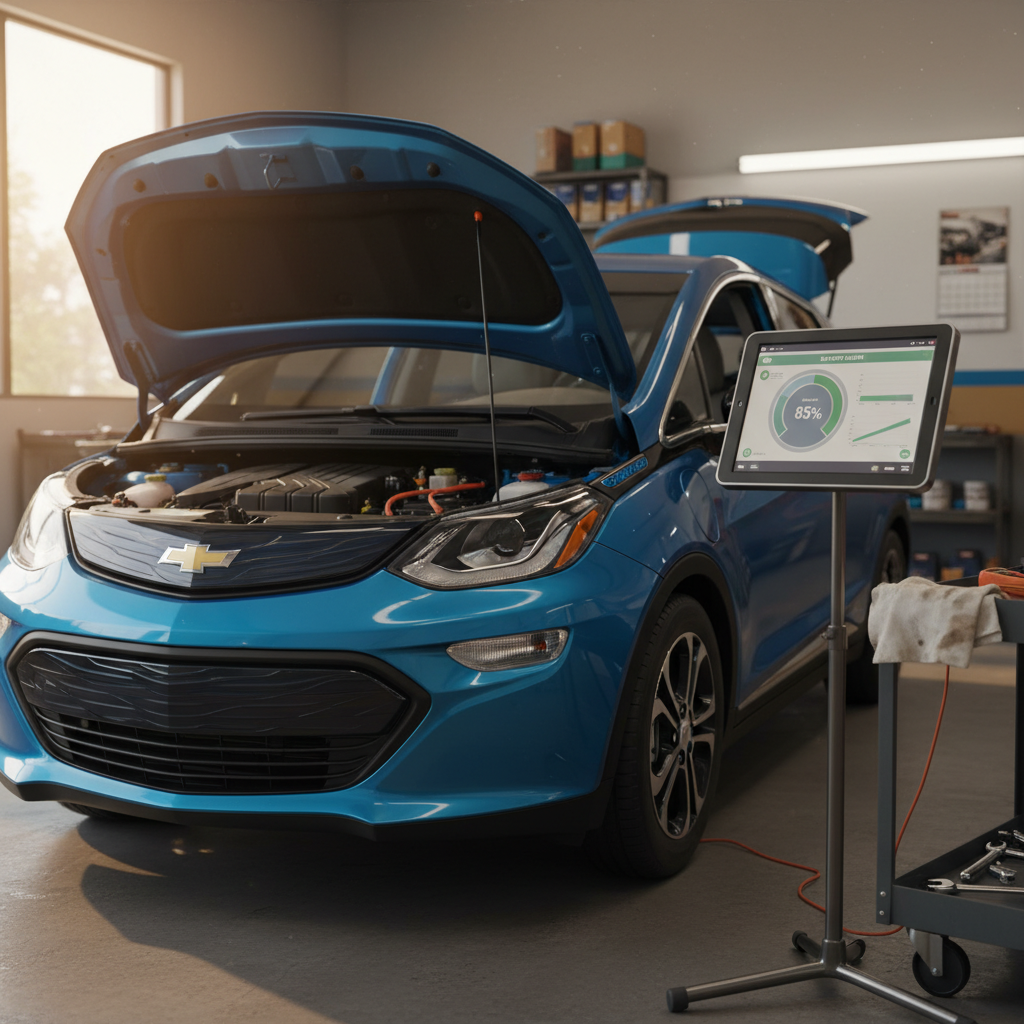
Every EV on Recharged comes with a Recharged Score battery health report. For a 2023 i4, that means you’ll see how the pack is actually performing today, not just the number BMW printed in 2022.
- Independent diagnostics of usable capacity.
- Fair‑market pricing that accounts for battery condition and mileage.
- Clarity on how much of that 256–301‑mile factory promise you can still count on.
End‑to‑end EV‑specific help
Because Recharged focuses on electric vehicles only, our team talks in miles of range and mi/kWh, not gallons and octane.
- Help choosing between eDrive35, eDrive40, and M50 based on your routes.
- Financing, trade‑in, and nationwide delivery handled in one digital experience.
- If you’re near Richmond, VA, you can see and drive EVs at our Experience Center.
Turn range anxiety into range literacy
2023 BMW i4 range test FAQ
Frequently asked questions about 2023 BMW i4 range tests
Bottom line: should you trust the EPA number?
With the 2023 BMW i4, the unusual answer is: you can mostly trust the sticker, and in some conditions, you can even expect it to be conservative. In independent range tests, the eDrive40 and M50 have shown a habit of quietly over‑delivering on their EPA promises, especially in mild weather at sane highway speeds.
The real trick is understanding how your life intersects with those numbers: your climate, your wheels, your cruising speed, your tolerance for quick DC fast‑charge stops. Get that picture clear, and the i4’s combination of range, charging speed, and sheer driving pleasure makes a strong case for itself, especially as a used buy once the first owner has absorbed the depreciation.
If you’re EV‑curious and BMW‑curious at the same time, a used 2023 i4 might be exactly the overlap you’re after. And if you want to know exactly how much range you’re really getting, down to the health of the battery in the specific car you’re eyeing, that’s where a Recharged Score report and EV‑specialist support can turn range anxiety into range confidence.