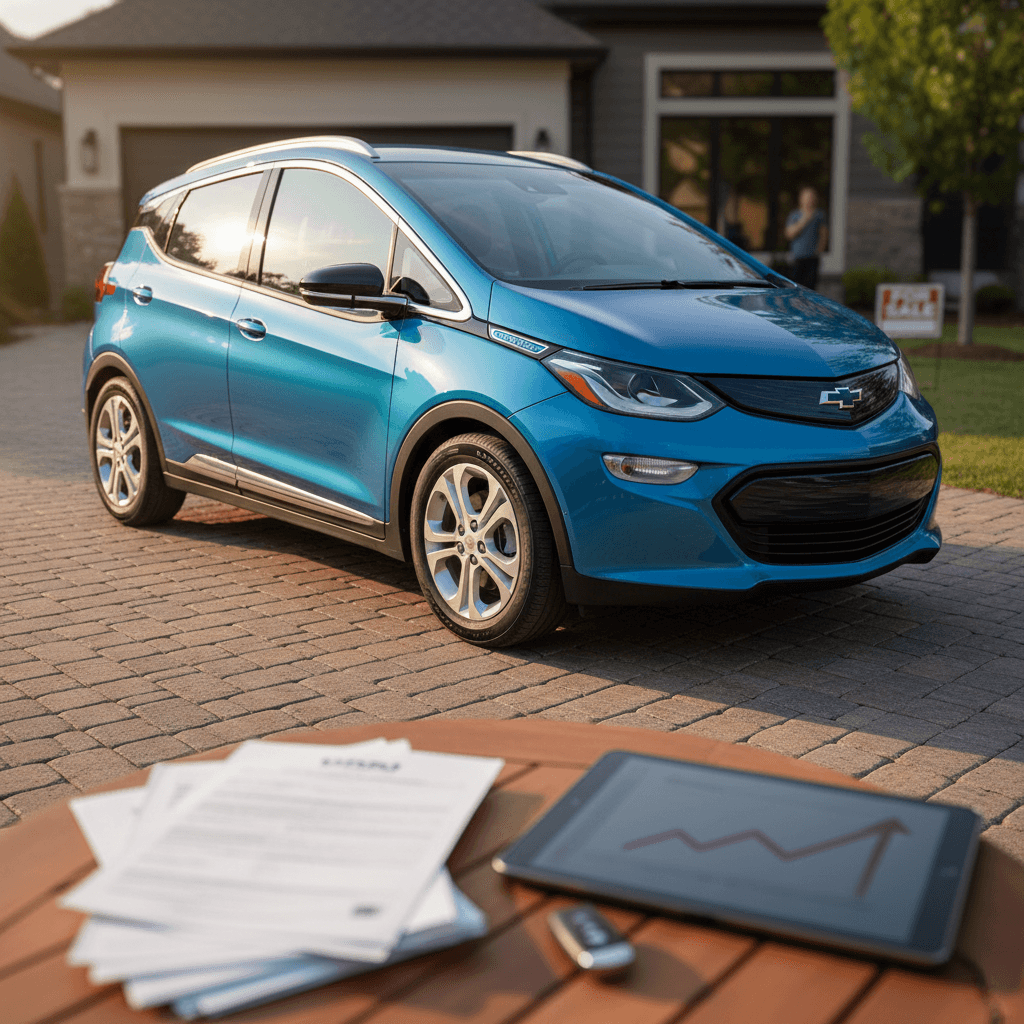
If you’re thinking, “What can I realistically get when I sell my 2020 Chevrolet Bolt EV?” you’re not alone. Between big tax credits on new EVs, the Bolt battery recall, and a flood of used inventory, figuring out your car’s true value can feel like reading tea leaves at a dealership coffee bar.
Quick take on 2020 Bolt EV value
Why 2020 Bolt EV value is tricky right now
With a normal car, resale is mainly about mileage, trim, and whether you’ve fed it a steady diet of oil changes. With a 2020 Bolt EV, you’re also pricing in lithium‑ion battery health, a headline‑making battery fire recall, and the fact that Chevy stopped building the Bolt after 2023. It’s part eco‑appliance, part orphaned cult favorite.
2020 Chevy Bolt EV value snapshot (late 2025–early 2026, U.S.)
Those aren’t hard promises, your zip code, mileage, and how desperate a dealer is this month all matter, but they’re a realistic frame for what a 2020 Bolt EV is usually worth when you go to sell.
2020 Bolt EV basics that shape resale value
Before anyone talks dollars, serious buyers will quietly be running the spec sheet in their heads. The 2020 Chevrolet Bolt EV got the bigger 66 kWh battery and an EPA‑rated 259 miles of range, plus the same punchy ~200 hp front motor and 7.2 kW onboard charger that made earlier Bolts such great commuters.
Why shoppers still like the 2020 Bolt EV
These fundamentals support your resale value, when you present them well.
Competitive range
EPA‑rated 259 miles from a ~66 kWh pack still looks solid in 2026 for a compact hatchback, especially at used‑car prices.
Easy charging
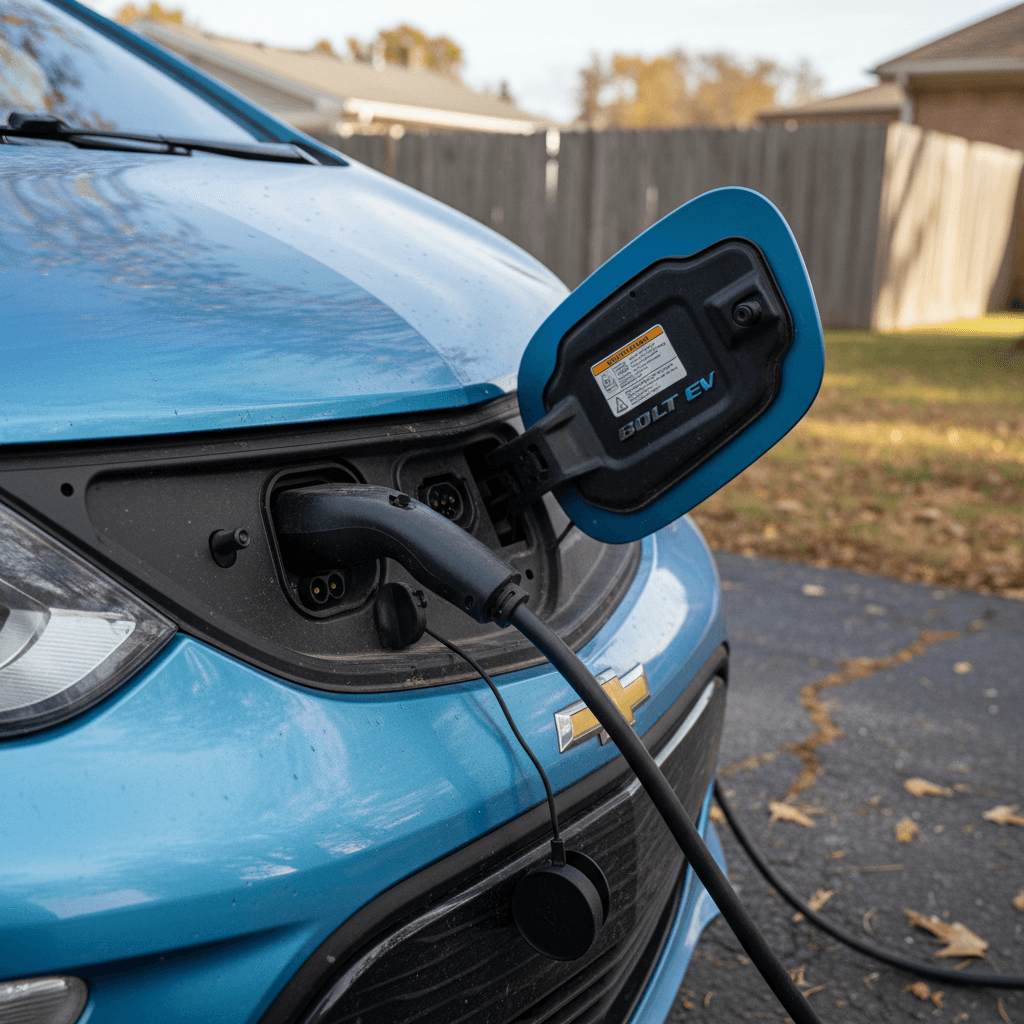
Standard 7.2 kW Level 2 charging and optional DC fast charging up to around 55 kW make it practical for daily commuting and regional trips.
City-friendly shape
Tall hatchback body, small footprint, and generous cargo space make the 2020 Bolt an easy sell for urban and suburban buyers.
Those specs help your 2020 Bolt hold value versus older short‑range EVs, but they don’t tell the whole story. Used‑EV buyers are savvier now; they care less about the brochure and more about what’s happened to your car’s battery over the last six years.
What a 2020 Chevrolet Bolt EV is worth today
Let’s talk numbers. Asking prices fluctuate week to week, but by early 2026 there’s a clear pattern for 2020 Bolt EVs in the U.S. market. Think of these as ballparks, not verdicts from Mount Sinai.
Typical 2020 Bolt EV value bands (early 2026)
Approximate U.S. values assuming clean title and no major accidents. Real offers vary by region and market conditions.
| Condition / Scenario | Mileage | Battery / recall status | Expected trade-in | Likely private-party ask |
|---|---|---|---|---|
| Strong, well-kept example | Under 40,000 mi | Recall done, no range limit; battery health documented | $9,500–$11,000 | $13,000–$16,000 |
| Average commuter | 40,000–80,000 mi | Recall done; average battery degradation | $8,000–$10,000 | $11,000–$14,000 |
| High miles, honest car | 80,000–120,000+ mi | Recall complete, still under or just past warranty | $6,500–$8,500 | $9,000–$12,000 |
| Question marks | Any | Recall incomplete, no battery docs, visible damage | $5,000–$7,000 (or wholesale only) | Harder to sell; buyers will lowball |
Battery history, mileage, and recall documentation can easily move a specific car up or down within these ranges.
Don’t anchor on one online quote
If you’re getting offers dramatically below these bands for a clean, average‑mile 2020 Bolt, something about your car, or the buyer’s risk tolerance, needs a closer look. Conversely, if you have a fresh recall battery and unusually low miles, you’re justified in holding out near the top of the range.
Battery health: the #1 factor in your Bolt’s value
On a used EV, the battery pack is the car. A 2020 Bolt EV with a strong pack is a thrifty, long‑range commuter. The same car with a sick pack is a 3,500‑pound anxiety generator waiting for a five‑figure repair bill. Buyers know this, which is why the conversation around selling your 2020 Bolt has to start with verified battery health.
Battery details every serious buyer will ask about
1. Was the recall completed, and when?
The Bolt battery recall created a lot of fear but also resulted in many cars getting brand‑new packs. Know exactly when recall work was done and keep the paperwork handy.
2. Original pack or replacement?
If your 2020 Bolt EV received a replacement pack, that can increase value, especially if the replacement started a fresh battery warranty clock. Make this crystal clear in your listing.
3. Recent range on a full charge
Buyers want real‑world data, not just the EPA label. A screenshot of your car’s estimated range after a full, recent charge (with normal driving) tells a much better story.
4. Documented battery health report
Third‑party tools and dealer‑level diagnostics can estimate usable capacity. A professional <strong>battery health report</strong>, like the Recharged Score, helps justify your asking price.
5. Charging habits over the years
If you mostly charged at home on Level 2 and rarely fast‑charged, say so. Gentle charging habits suggest slower degradation and reassure cautious buyers.
6. Any range‑limiting software still active
After the recall, some Bolts were temporarily limited to ~90% charge. Make sure you know your current settings and can show that the car now uses the full pack if applicable.
Turn battery data into dollars
Recalls, warranty, and how they move your price
The Bolt EV battery recall spooked a lot of shoppers, but it also quietly turned some older Bolts into fantastic buys: brand‑new packs in used‑car bodies. As a seller, how you handle this narrative can move your price by thousands.
Handled well: value booster
- Recall completed at a Chevy EV‑certified dealer, with receipts.
- Battery replacement or permanent fix documented in the service history.
- Any extended battery warranty on a replacement pack clearly explained.
- Addressed proactively in your listing: you acknowledge the recall and show how it was resolved.
To a savvy buyer, this reads like a common‑sense safety update, not a red flag.
Handled poorly: value killer
- Recall shows as open when a buyer runs the VIN.
- No documentation for work performed; just “dealer took care of it.”
- Seller gets defensive or vague when asked about battery fires or warranties.
- Listing ignores the recall entirely, forcing buyers to assume the worst.
In this scenario, expect aggressive haggling or no offers at all.
Don’t try to hide the recall
Warranty is the other lever. A 2020 Bolt EV originally came with an 8‑year/100,000‑mile high‑voltage battery warranty. If your car was sold new in, say, mid‑2021 and has under 100,000 miles, you may still have years of coverage left. That safety net is worth real money to buyers, especially when paired with a new or low‑mileage replacement pack.
How to sell your 2020 Bolt EV: private vs trade‑in vs online
Once you have a grip on your 2020 Chevrolet Bolt EV’s value, you have to decide how to turn it into cash, or into your next car. The channel you choose can easily swing your net result by two or three thousand dollars.
Selling options for a 2020 Chevy Bolt EV
Each path trades money for hassle in a different way.
Traditional dealer trade‑in
Pros: Fast and simple; just roll the Bolt into your next deal. Good if you’re done thinking about the car.
Cons: Dealers tend to undervalue EVs they don’t understand. Trade‑in quotes on 2020 Bolts can be shockingly low, especially if they ignore battery health.
Private-party sale
Pros: Usually yields the highest selling price, especially for low‑mile cars with clean recall history and great battery documentation.
Cons: You handle listings, test drives, tire‑kickers, paperwork, and scams. You also have to educate a lot of buyers about EVs and the Bolt recall.
Online instant offer / EV marketplace
Pros: Convenience of an online quote, plus (at EV‑focused marketplaces) better understanding of battery health and recall value.
Cons: Offers may sit between dealer trade‑in and private‑party prices; you trade a slice of value for speed and simplicity.
Where Recharged fits
Steps to maximize what you get for your 2020 Bolt
You can’t control the whole market, but you can control how your particular 2020 Bolt EV shows up in it. A little prep now often returns hundreds of dollars an hour in final selling price.
Pre‑sale checklist to squeeze the most value from your Bolt
1. Pull full service and recall records
Log into your Chevy account or ask a dealer for a printout of all recall and battery work. Buyers love seeing a neat stack of documentation instead of vague assurances.
2. Get a professional battery health report
A verified report, like the <strong>Recharged Score battery diagnostics</strong> that comes with every car sold on Recharged, translates technical data into an easy number buyers can trust. Even if you don’t sell through a marketplace, having that report in hand strengthens your negotiating position.
3. Clean, detail, and de‑clutter
It’s not glamorous, but it matters. A clean cabin, washed exterior, and fresh floor mats make buyers feel like the car’s been cared for mechanically too. Photograph the charge port, cables, and infotainment screen clearly.
4. Capture the right photos and screenshots
Include shots of: the odometer, range after a full charge, charging history screen (if available), and the charger that comes with the car. These details are especially important when you’re selling an EV online.
5. Price within a realistic band
Start near the top of the realistic range for your mileage and battery story, but leave a little room to negotiate. Listing a 2020 Bolt Premier at $19,000 when similar cars close at $14,000 just wastes time and makes serious buyers suspicious.
6. Write a listing that answers EV‑specific fears
Call out the boring but crucial stuff up front: recall done (with dates), no battery warnings, how you typically charge, whether DC fast charging was frequent, and how the car has been used (commuter, second car, etc.).
Talk like a fellow owner, not a salesperson
How Recharged can help you sell a 2020 Bolt EV
Selling a used EV is more complicated than unloading an old crossover. You’re not just moving sheet metal; you’re transferring a six‑figure‑mile battery and years of usage history. That’s exactly the gap Recharged was built to fill.
Why to consider Recharged for your 2020 Bolt EV
EV‑specific expertise can easily cover the difference between a lowball offer and a fair deal.
Transparent battery health with Recharged Score
Every vehicle sold through Recharged includes a Recharged Score Report with verified battery health, fair‑market pricing analysis, and plain‑English explanations. That gives buyers a reason to pay more for your 2020 Bolt versus a mystery car on a generic classifieds site.
Flexible ways to sell or trade
Recharged can help you trade‑in your Bolt, get an instant cash offer, or consign the car so you reach more buyers without playing salesperson. Nationwide delivery and EV‑specialist support make the process smoother for both sides.
Ready to find your next EV?
Browse VehiclesIf you’re cross‑shopping your next EV at the same time, Recharged can also help you compare used Bolts to other affordable EVs and understand broader Chevy Bolt resale trends before you commit.
2020 Bolt EV selling FAQ
Frequently asked questions about selling a 2020 Chevrolet Bolt EV
The 2020 Chevrolet Bolt EV is an oddball success story: a compact GM hatchback that quietly kicked off the modern long‑range EV era. Its resale value today isn’t perfect, thanks to recalls, tax credits, and new competition, but it’s far from hopeless. If you understand how battery health, recall history, and selling channel shape the numbers, you can walk away from your 2020 Bolt with more money and fewer headaches. And if you’d rather not figure it out alone, Recharged is built to translate all that EV complexity into a clean, confident sale.