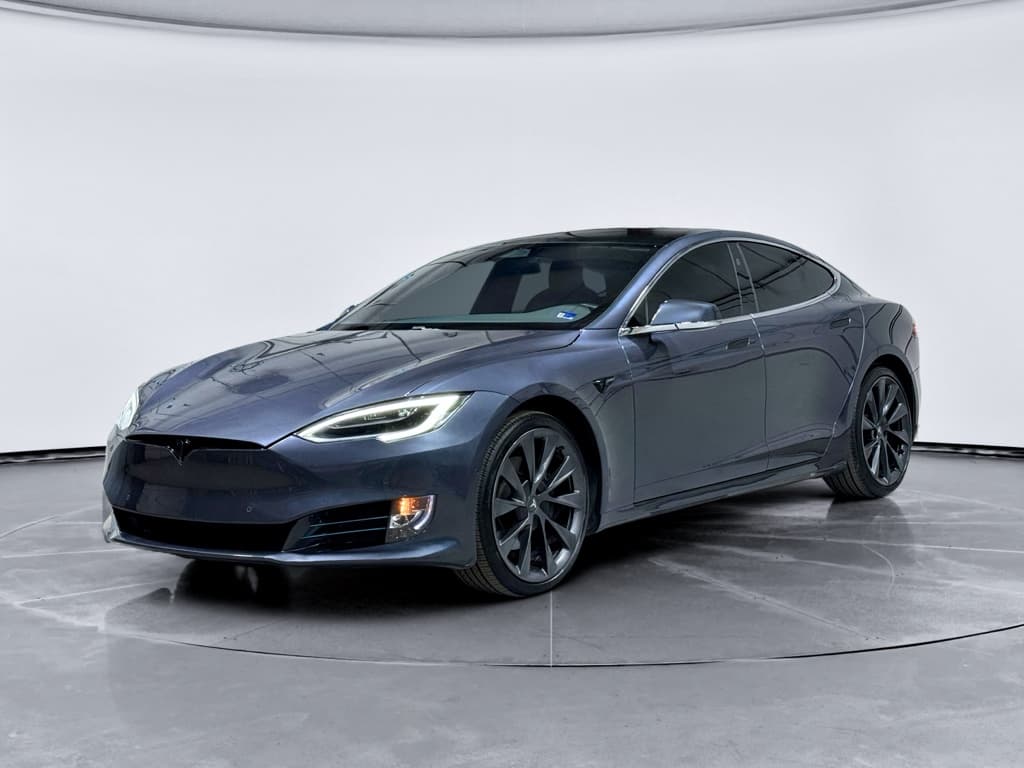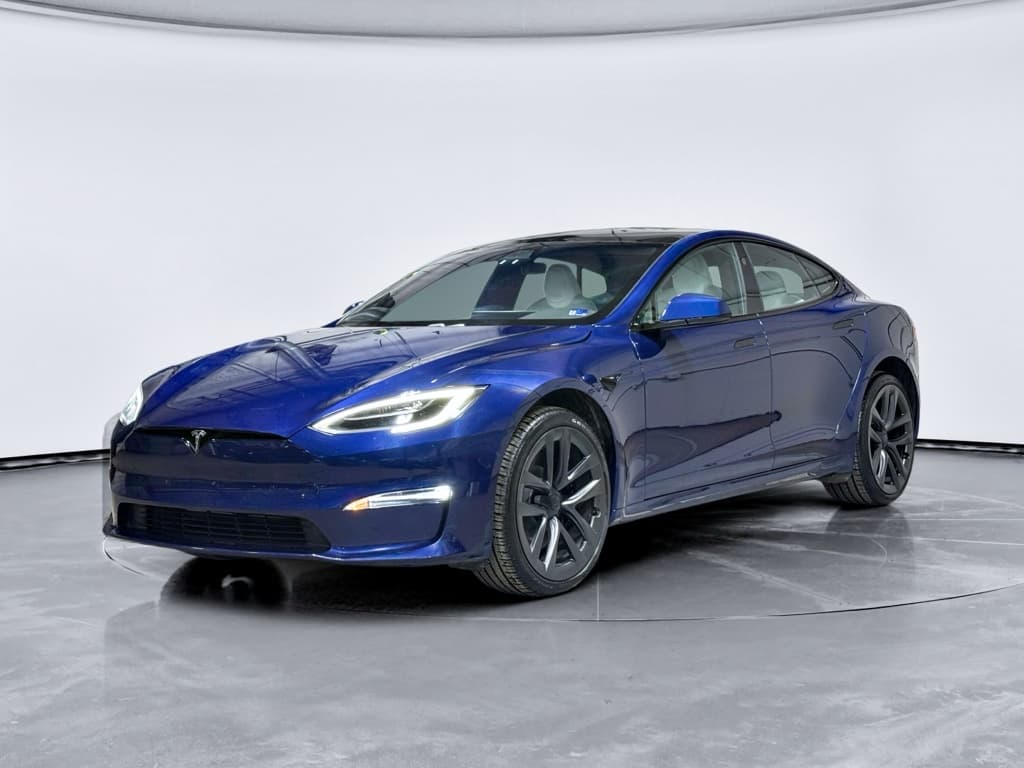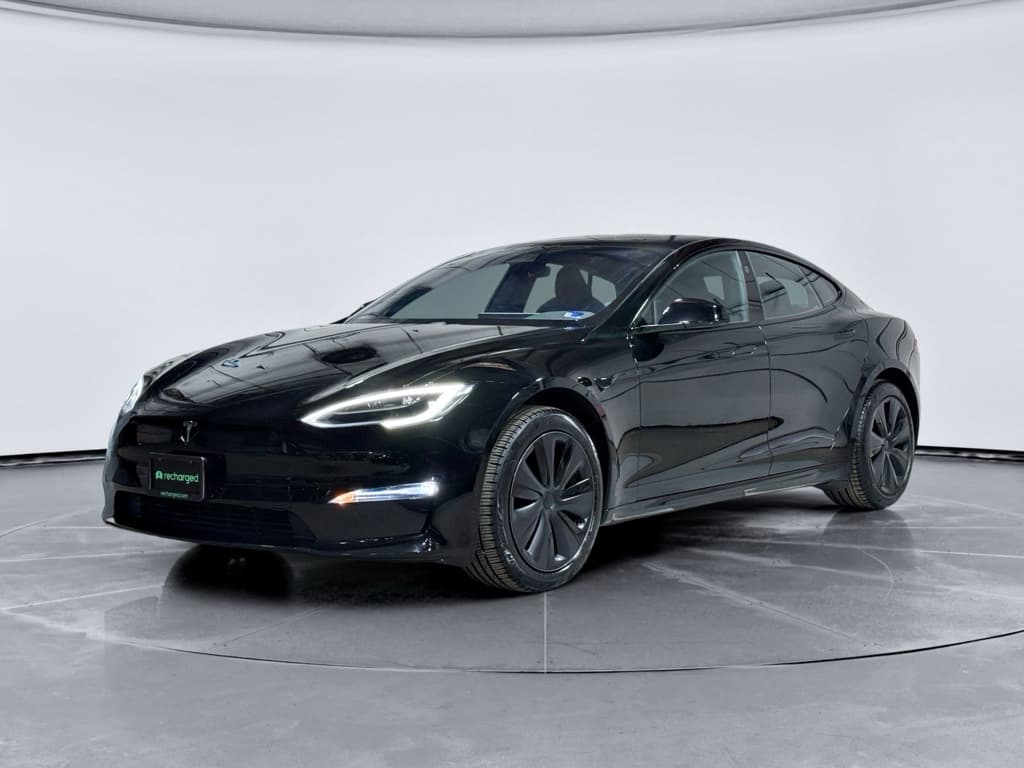
You don’t buy a 2024 Tesla Model S because you’re afraid of risk. You buy it because you want staggering performance, long range, and the full sci‑fi experience every time you drive. But none of that matters if the car keeps visiting the service center. So where does the 2024 Tesla Model S reliability rating actually land in the real world?
Quick take
Overview: How Reliable Is the 2024 Tesla Model S?
Headline Reliability Numbers for the 2024 Model S
Here’s the short version: owners love their 2024 Model S overall, and most report relatively few serious issues in the first few years. Consumer review sites show reliability scores around 4.6 out of 5 and about 90% of owners saying they’d buy again. At the same time, the car has collected a non‑trivial number of recalls and complaints, and long‑term data still doesn’t put Tesla in the same league as brands like Lexus or Toyota for durability once the odometer rolls past 100,000 miles.
Key caution for used shoppers
How Major Rating Organizations Score the 2024 Model S
Owner review sites
Large owner‑review platforms report:
- Overall consumer rating around 4.7 / 5
- Reliability specifically ~4.6 / 5
- Performance and styling rated even higher
In plain English: most 2024 Model S owners are very happy with how often (or how rarely) the car needs unscheduled attention during the first years.
Independent reliability studies
Traditional reliability indices and survey‑based organizations paint a more mixed picture:
- Legacy Model S reliability has improved over early years and now generally falls in the average range among luxury models.
- Tesla as a brand is climbing in new‑car reliability rankings, but still lags long‑established leaders.
- Some independent databases show the 2024 Model S with a "mixed" numerical score and an unusually high tally of recalls and complaints compared with rivals.
The upshot: data scientists see more risk than the owner star ratings suggest, especially as the car ages out of warranty.
Why ratings disagree
Owner Experience: Satisfaction vs. Complaints
What 2024 Model S Owners Tend to Say
The good, the frustrating, and the expensive
What they love
- Brutal acceleration and confident highway manners
- Real‑world range that makes road trips easy
- Clean interior design and powerful infotainment
- Constant software updates that add features or refine behavior
What annoys them
- Occasional software bugs after updates
- Random squeaks, trim issues, or wind noise
- Service center delays and limited loaner availability
- Autopilot/FSD behavior that doesn’t always match expectations
What really hurts
- Out‑of‑warranty repairs on air suspension or HVAC
- Screen or MCU failures that take the car out of service
- Repeated visits for the same issue
- Long parts wait times in some regions
If you scroll through pages of owner reviews, a pattern emerges: most 2024 Model S drivers are thrilled with the car as a daily companion, but the handful who get a “problem child” can be miserable. That kind of spread, lots of great cars, a small number of headaches, is exactly what “mixed” reliability scores are trying to capture.
Recalls and Safety Issues for the 2024 Model S
By early 2026, the 2024 Tesla Model S has accumulated multiple NHTSA recalls. Many are software‑related, things like warning‑label visibility, safety system calibration, or driver‑assist behavior, and get resolved with an over‑the‑air update while the car sits in your garage. Others may require a trip to a service center for inspection or hardware replacement.
- Most 2024 Model S recalls are proactive safety corrections, not evidence that the car is falling apart mechanically.
- Because Tesla leans on OTA updates, a “recall” may feel more like a big software patch than a traditional service appointment.
- As a used buyer, you should verify all open recalls have been completed before you sign anything.
Don’t ignore recall notices
Common Problem Areas to Watch
Typical 2024 Model S Trouble Spots
What tends to go wrong, how serious it is, and what it might cost outside warranty
| System / Component | Typical Symptoms | Severity | Potential Out-of-Warranty Cost |
|---|---|---|---|
| Air suspension & steering | Clunks, squeaks, sagging ride height, warning messages | Medium–High | High – multi‑thousand‑dollar repairs possible |
| HVAC & heat pump | Weak heat or AC, intermittent climate control | Medium | Moderate – from software fixes to expensive component replacement |
| Infotainment / MCU & screen | Black screen, random reboots, frozen UI | Medium | Moderate–High depending on parts and labor |
| Door handles & latches | Failure to present, erratic operation, water intrusion on older designs | Low–Medium | Low–Moderate, often a few hundred dollars each |
| Electronic driver aids | Autopilot/FSD disengagements, warnings, or odd behavior | Low–Medium | Range from software updates (no cost) to camera/sensor replacement |
| 12V / low‑voltage system | Random warnings, car won’t wake up, intermittent errors | Medium | Low–Moderate, often battery or wiring related |
Exact failure rates and prices vary by mileage, region, and whether you use Tesla service or an independent EV shop.
How to separate nuisance from real risk
Battery Health and Range Longevity
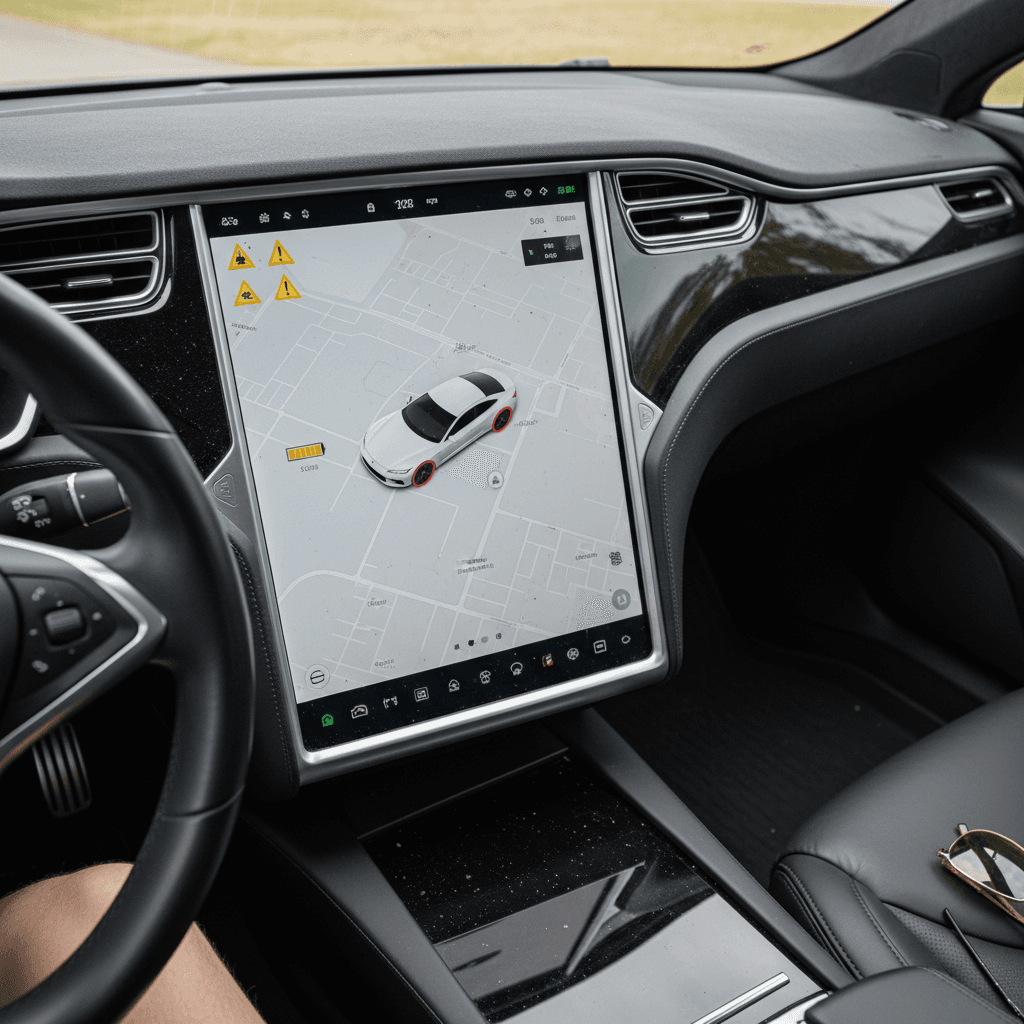
Battery anxiety is the first thing many shoppers bring up, but for the 2024 Model S the story is encouraging. High‑mileage Teslas from earlier years show that pack degradation is usually gradual, not catastrophic, think roughly a few percent range loss in the early years, then a slower taper after that, assuming the car is charged and driven sensibly.
- Most owners report the 2024 Model S still delivering excellent usable range after tens of thousands of miles.
- True battery failures are uncommon but expensive, which is why the high‑voltage pack has a separate, longer warranty.
- DC fast‑charging heavy users can see more range loss than those who mostly charge at home on Level 2.
What a battery health report should include
2024 Model S vs. Older Years: Reliability Trends
Early Model S (2012–2016)
- Known for teething problems: door handles, MCU screens, early drivetrain and suspension issues.
- Build quality and fit‑and‑finish were inconsistent.
- Battery tech was solid for its time, but early cars are now old enough that pack replacement is a real consideration.
Later models (2017–2024)
- Substantial hardware revisions to air suspension, drive units, and electronics.
- Consumer reliability scores have generally improved into the average range.
- The 2024 car benefits from years of incremental refinement, but still isn’t as drama‑free as a Lexus LS or Mercedes E‑Class if you plan to own it 10–15 years.
A bright spot for the 2024 car
Cost of Ownership: Repairs, Warranty & Downtime
Reliability isn’t just about what breaks, it’s about what it costs you in money and time. With the 2024 Model S, you’re balancing low routine maintenance (no oil changes, fewer moving parts) against potentially high repair bills for complex electronics, air suspension, and the high‑voltage system if you’re outside warranty.
Where the Money Goes on a 2024 Model S
The good news and the budget traps
Routine maintenance
- No engine service, spark plugs, or exhaust.
- Tire rotations, brake fluid, cabin filters.
- Biggest recurring cost is usually tires, especially on performance trims.
Big‑ticket repairs
- Air suspension or steering work can climb into thousands of dollars.
- HVAC/heat pump, MCU, and charging hardware aren’t cheap either.
- Independent EV shops can sometimes undercut Tesla’s pricing.
Downtime & service
- Service center availability varies widely by region.
- Mobile service can handle many small issues at your driveway.
- Complex jobs may mean longer wait times for parts or bay space.
Use total cost of ownership, not just price
Shopping Used: How to Evaluate a 2024 Model S
Pre‑Purchase Checklist for a 2024 Model S
1. Pull the recall and service history
Use the VIN to check for open recalls and ask for service records. Confirm that any prior suspension, steering, or HVAC work was done at a reputable shop, ideally with invoices to prove what was replaced.
2. Get a deep battery and charging assessment
Look beyond “it charges to 100% just fine.” You want an objective look at <strong>state of health</strong>, fast‑charging history, and any stored battery or charging fault codes. A Recharged Score report is designed to give you exactly that kind of pack‑level transparency.
3. Test every screen, camera, and feature
Spend time with the car parked. Check the center display, instrument cluster, cameras, parking sensors, audio, HVAC, heated seats, and driver‑assist functions. Intermittent bugs often reveal themselves when you click every button.
4. Listen for suspension and steering noises
On a test drive, drive over rough pavement, speed bumps, and at highway speed. Clunks, groans, or looseness in the steering wheel deserve a closer inspection before you buy.
5. Inspect tires and wheels carefully
The Model S is heavy and powerful. Uneven tire wear can hint at alignment or suspension problems. Curb rash on the wheels hints that the car has led a hard life in tight urban parking.
6. Review software status and connectivity
Confirm that the car is on current software, that it connects to the Tesla app under the existing owner, and whether any paid features (like Enhanced Autopilot or FSD) are actually tied to the car, not just the seller’s account.
Avoid sight‑unseen gambles
When a Used 2024 Model S Makes Sense
So who’s a good match for a 2024 Model S from the reliability point of view? You’ll be happiest if you see the car as a high‑performance, high‑tech luxury sedan, not a basic commuter that will quietly run for 20 years with nothing but oil changes.
Is a 2024 Model S the Right Bet for You?
Great fit
You want long‑range, high‑performance EV luxury and are okay with some complexity.
You can budget for occasional four‑figure repairs once the warranty expires.
You live within reasonable distance of a Tesla service center or a strong independent EV shop.
You’re willing to read release notes and keep an eye on software updates and recalls.
Think twice
You want absolute rock‑solid, low‑drama reliability above all else.
You live several hours from the nearest Tesla service center.
Your budget has no room for surprise repairs beyond basic maintenance.
You keep cars 10–15 years and 200,000+ miles and expect appliance‑grade durability.
How Recharged can tilt the odds
Ready to find your next EV?
Browse VehiclesFAQ: 2024 Tesla Model S Reliability Rating
Frequently Asked Questions About 2024 Model S Reliability
Bottom Line: Is the 2024 Tesla Model S Reliable?
If you want an electric sedan that feels like it dropped in from the future, the 2024 Tesla Model S still sets the tone for the segment. From a reliability standpoint, it’s moved a long way from the wild‑west early years: average in the data, above average in day‑to‑day owner happiness. What you give up versus the most reliable brands is a bit of drama‑free predictability over a long, 10‑ to 15‑year horizon.
Treat it like what it is, a high‑performance, high‑tech luxury EV, and approach a used example with your eyes open. With a clean recall history, strong battery health, and a thorough inspection, a 2024 Model S can be a brilliant, satisfying daily driver. With Recharged’s Recharged Score, EV‑savvy inspection standards, and nationwide digital buying experience, you can let the data do the worrying and focus on enjoying the car.