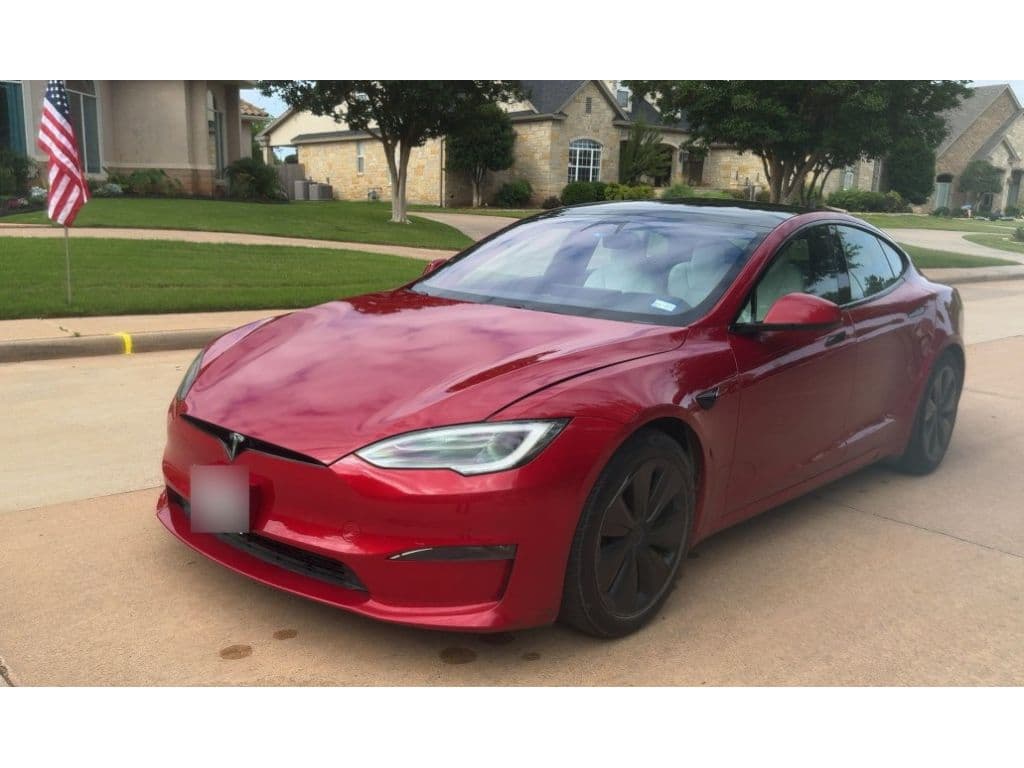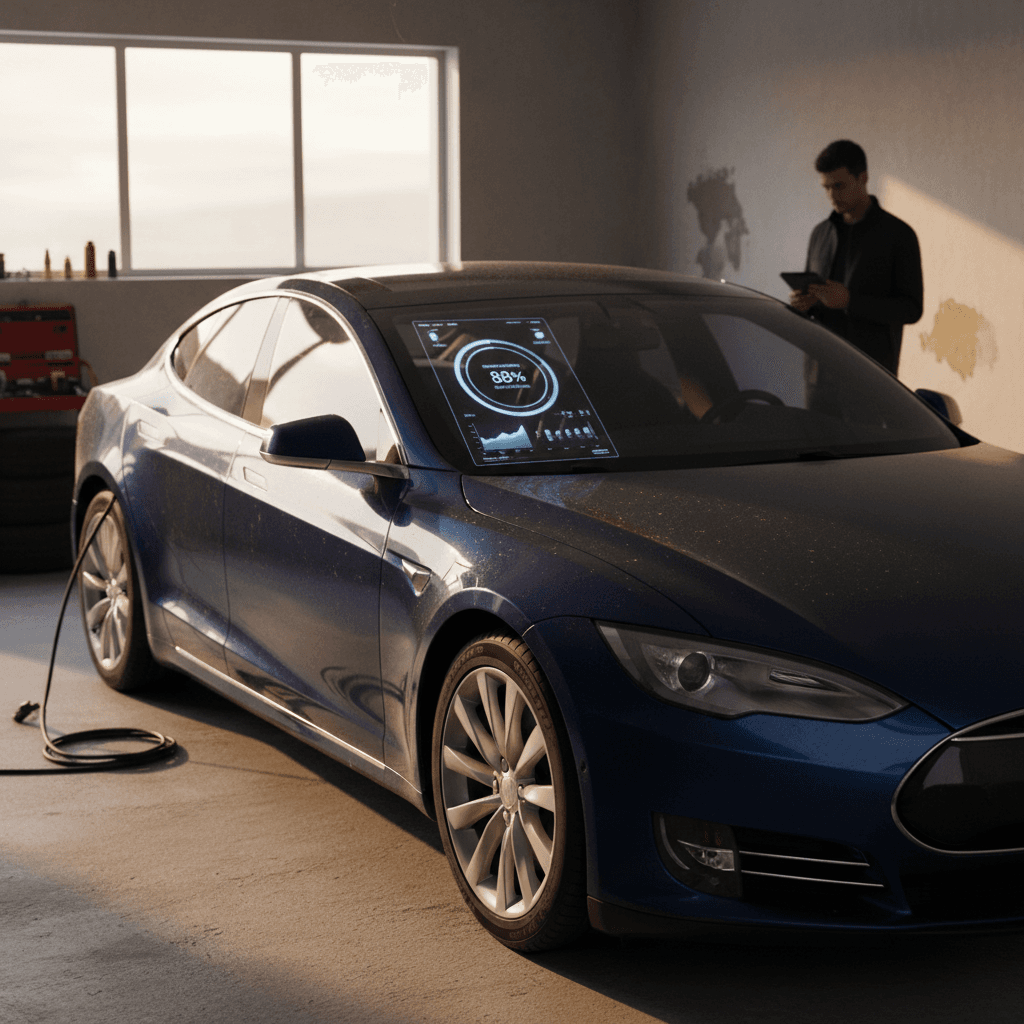
If you’re hunting for a second hand Tesla Model S for sale, you’re probably chasing that mix of big range, big performance, and a price that doesn’t make your eyes water. The good news: in 2025, used Model S prices have finally cooled off, and there are real deals out there. The bad news: it’s easy to overpay for tired batteries, confusing trims, and spotty history if you don’t know what you’re looking at.
Quick take
Why a second hand Tesla Model S is so tempting
What makes a used Model S special
It’s still the benchmark long-range electric luxury sedan
Luxury EV without the sticker shock
Serious range for real life
Instant torque, always on tap
Tesla has been building the Model S since 2012, which means the second‑hand market is deep. You’ll see everything from high‑mileage early cars under $20,000 to nearly‑new Plaid models brushing $60,000. The trick is knowing which years and trims fit your budget and expectations, and when to walk away.
What a second hand Tesla Model S really costs in 2025
Used Tesla Model S price snapshot (U.S., late 2025)
Pricing swings with trim, mileage, and condition, but recent U.S. data shows the average used Tesla Model S hovering around the low‑$30,000s. Older 2013–2015 cars can dip below $20,000, while 2018–2020 Long Range and Performance models commonly list in the high‑$20,000s to mid‑$30,000s. Step into refreshed 2021+ cars or Plaid, and you’re typically looking at $40,000 or more.
Watch the depreciation curve
Example price ranges by model year (typical U.S. listings)
These ranges are illustrative; local supply, condition, and options can move a specific car higher or lower.
| Model year | Typical mileage | Common asking range | What it usually gets you |
|---|---|---|---|
| 2013–2014 | 90k–130k miles | $18,000–$23,000 | Early rear‑drive cars, older tech, basic Autopilot or none |
| 2015–2016 | 70k–110k miles | $21,000–$27,000 | Facelift options start to appear, dual‑motor AWD more common |
| 2017–2018 | 60k–90k miles | $25,000–$32,000 | More advanced Autopilot, better build, high‑spec 90/100 kWh packs |
| 2019–2020 | 40k–70k miles | $28,000–$38,000 | Long Range and Performance trims with strong real‑world range |
| 2021–2023 | 20k–50k miles | $40,000–$55,000 | Refresh interior, yoke or round wheel, big power bumps, newer tech |
Use this as a starting point, then verify with live listings and valuation tools.
How Recharged helps on pricing
Model years, trims, and features to know
1. Early pioneers (2012–2014)
These are the original cars that put Tesla on the map. They’re tempting because they’re the cheapest, but you’re trading price for age.
- Rear‑wheel drive only.
- Older infotainment hardware and first‑generation Autopilot (if equipped at all).
- Battery options like 60, 70, and 85 kWh.
Best for: Budget shoppers who drive modest miles and accept older tech.
2. The maturing years (2015–2020)
From 2016 on, the Model S got a cleaner nose with no fake grille, better build quality, and wider adoption of dual‑motor all‑wheel drive.
- AWD variants ("D", Long Range, Performance) become common.
- More robust 75, 90, and 100 kWh packs with stronger range.
- Improved Autopilot hardware and more active safety features.
Best for: Most used‑buyers, modern features, good range, manageable prices.
3. The refresh era (2021+)
The big interior update brought the horizontal center screen, revised seats, and the headline‑grabbing Plaid model.
- Updated cabin design and materials.
- Even stronger performance and efficiency.
- Newer driver‑assist hardware and infotainment.
Best for: Buyers who want a nearly new Tesla sedan experience without paying brand‑new prices.
4. Trims you’ll see over and over
- 75/75D, 85, 90D: Earlier packs; range varies with degradation.
- 100D / Long Range: The road‑trip hero; look here if range matters.
- Performance / P100D / Plaid: Supercar acceleration, higher tire and brake costs.
When comparing, don’t just look at 0–60 times, compare range, wheel size, and whether the features match how you’ll actually drive.
Battery health: the make-or-break factor
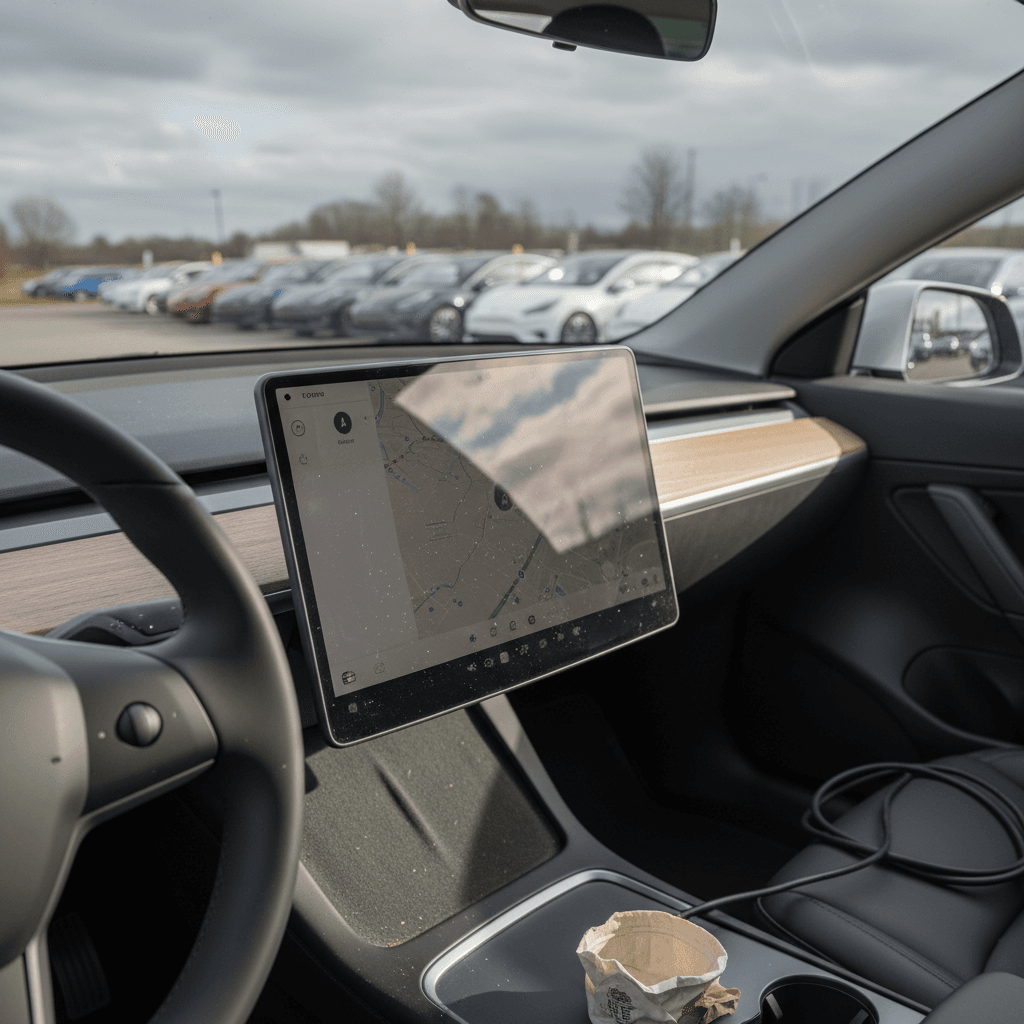
On any used EV, battery health is the story. A gorgeous 2017 Model S with a tired pack is like a luxury sedan with a five‑gallon fuel tank: it technically works, but not the way you hoped. Range loss over time is normal, but you want to know how much before you buy.
Battery basics for used Model S shoppers
Three truths you should keep in mind
Expect some degradation
Heat is the enemy
You need real data, not guesses
What the Recharged Score adds
- Compare the displayed full‑charge range to the original EPA number for that trim to estimate degradation.
- Check whether the car has lived mostly on home Level 2 charging or on DC fast charging (lots of Supercharging can age the pack faster).
- Look at service records for battery‑related repairs or software‑limited packs.
- Avoid cars that routinely sat at 100% charge or deep‑cycled to near 0%, both are harder on lithium‑ion batteries.
Range, charging, and Supercharger access
One of the Model S’s superpowers is combining long range with access to Tesla’s dense Supercharger network. But not every second hand Tesla Model S for sale has the same charging story, especially around free Supercharging and included adapters.
Key charging questions to ask
1. What was the original EPA range?
Look up the exact trim to see what its EPA rating was when new. A Long Range or 100D car started far higher than an older 60 or 70, so a bit of degradation still leaves lots of usable range.
2. How much range does it show at 100% now?
Ask the seller for a full‑charge photo. Compare that to the original spec so you’re not surprised on your first road trip.
3. What about Supercharging access?
Some older cars have free, transferable Supercharging; others don’t. Newer ones may have time‑limited or no free Supercharging at all. Make sure you know what applies to the VIN you’re buying.
4. Which adapters are included?
At minimum, you’ll want the standard home charging cable. Many owners also include a NEMA 14‑50 adapter for faster home charging or a J1772 adapter for public Level 2 stations.
5. Is the charging port and cable in good shape?
Visually inspect for damage, corrosion, or loose connectors. A neglected charge port can be a sign of broader neglect.
Home charging first, fast charging second
Common issues and what to inspect
The Model S has aged better than many first‑wave EVs, but no used luxury car is perfect. A thoughtful inspection can save you thousands in surprise repairs, especially once warranties start running out.
High‑value inspection points on a used Model S
Look here before you fall in love with the test drive
Screens & electronics
Suspension & tires
Safety & recalls
- Walk the body slowly in good light to spot repainting, misaligned panels, or signs of past accidents.
- Check every door handle, window, seat adjustment, and the powered liftgate, little electric motors add up if you have to replace them all at once.
- Test Autopilot and driver‑assist features on a safe road, if equipped, and make sure alerts, cameras, and sensors behave normally.
- Use a trusted EV‑aware mechanic or third‑party inspection service if you’re buying remotely. It’s money well spent on a car with this much tech.
Don’t skip the pre‑purchase inspection
Where to find a second hand Tesla Model S for sale
When you type “second hand Tesla Model S for sale” into a search bar, you’ll see everything from owner‑listed cars to big dealer chains to EV‑only marketplaces. Each path has pros and cons.
Shopping options compared
Same car, very different experience
Private sellers
Traditional dealers
EV‑specialist marketplaces like Recharged
Tesla’s own used inventory
How Recharged fits into the mix
Ready to find your next EV?
Browse VehiclesFinancing and the real total cost of ownership
A used Model S may cost less than a new one, but it’s still a premium car. Before you stretch for that Plaid, make sure you’ve run the full math: payment, insurance, energy, and long‑term maintenance.
Cost factors to pencil out
Don’t just compare monthly payment, look at what the next five years might really cost you.
| Cost bucket | What to consider | Why it matters |
|---|---|---|
| Purchase price & fees | Sale price, taxes, registration, documentation fees | Determines your loan amount and upfront cash needed. |
| Financing | Interest rate, term length (months), down payment | Long terms shrink payments but raise total interest paid. |
| Insurance | Comprehensive coverage for a luxury EV | Model S can be pricier to insure than smaller EVs. |
| Charging costs | Home electricity rate, off‑peak pricing, road‑trip fast charging | Still usually far cheaper per mile than gasoline. |
| Maintenance & repairs | Tires, brakes, suspension, out‑of‑warranty electronics | EVs skip oil changes, but performance tires and air suspension aren’t cheap. |
| Warranties | Remaining factory coverage, any third‑party or marketplace warranty | Extra coverage can be worth it on complex, older vehicles. |
Numbers will vary by driver and state, but these are the buckets to include in your budget.
Consider pre‑qualification before you shop
Step-by-step checklist for buying a used Model S
Your 10‑step used Model S game plan
1. Define your real needs
Decide how much range you truly need, how often you road‑trip, and whether you care more about performance, comfort, or price.
2. Set a firm budget
Include taxes, fees, a charging solution, and at least a small repair reserve. Having a number in mind curbs impulse buys.
3. Shortlist model years and trims
Maybe that’s a 2018–2020 Long Range with ~60k miles, or a newer Plaid with fewer miles. Focus your search on two or three realistic targets.
4. Check market pricing
Use valuation tools and marketplaces to see what similar cars actually sell for. That’s your guardrail when negotiating.
5. Screen listings for history
Prioritize clean titles, no major accidents, and clear maintenance history. Walk away from anything with vague answers or missing documents.
6. Verify battery health
Ask for full‑charge photos and battery reports. On Recharged, review the Recharged Score’s battery health section before you even call.
7. Inspect and test drive
Check bodywork, interior, electronics, and charging. Test Autopilot where safe and listen for suspension noises.
8. Review warranties & recalls
Confirm what factory coverage is left and make sure all recalls are addressed. Ask for documentation, not just verbal assurances.
9. Line up financing and insurance
Compare rates, terms, and insurance quotes. Re‑run the budget to make sure the monthly cost still makes sense.
10. Close the deal confidently
Finalize paperwork, keep copies of all disclosures and service records, and set up your Tesla account and charging plan before your first big drive.
Second hand Tesla Model S: FAQ
Frequently asked questions about buying a second hand Model S
The bottom line: should you buy one?
A second hand Tesla Model S for sale can look like a steal: flagship‑car comfort and performance for midsize‑sedan money. And if you choose wisely, favoring solid battery health, clean history, and the right trim for your needs, it absolutely can be. The key is not to rush. Let the battery report, the inspection, and the numbers guide you, not just the 0–60 time.
If you want help along the way, Recharged was built for exactly this problem: making used EV ownership simple and transparent. Browse Model S listings, study the Recharged Score Reports, talk with an EV specialist about trims and range, and have the car delivered when you’re ready. Whether you’re cross‑shopping a performance Plaid or a sensible Long Range, you’ll know what you’re getting long before you hit "Buy."