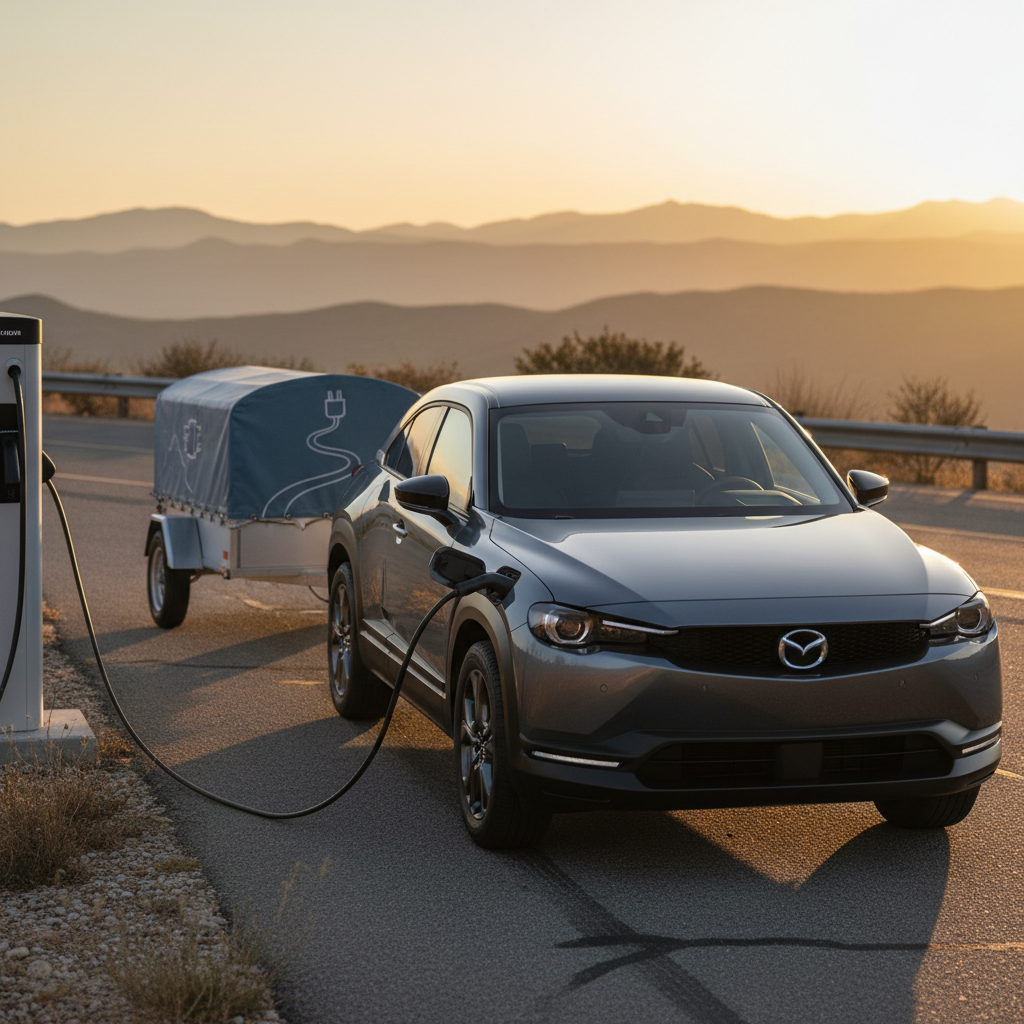
On top of that, there’s a special story happening with used Teslas. After years of commanding a premium, average used Tesla prices in the U.S. have now slipped below the overall used‑car average. That doesn’t mean they’re all steals, but it does mean Tesla is finally living on the same planet as other used EVs, and sometimes undercutting them.
Watch the under‑$25K sweet spot
Battery health: the heart of any second hand EV
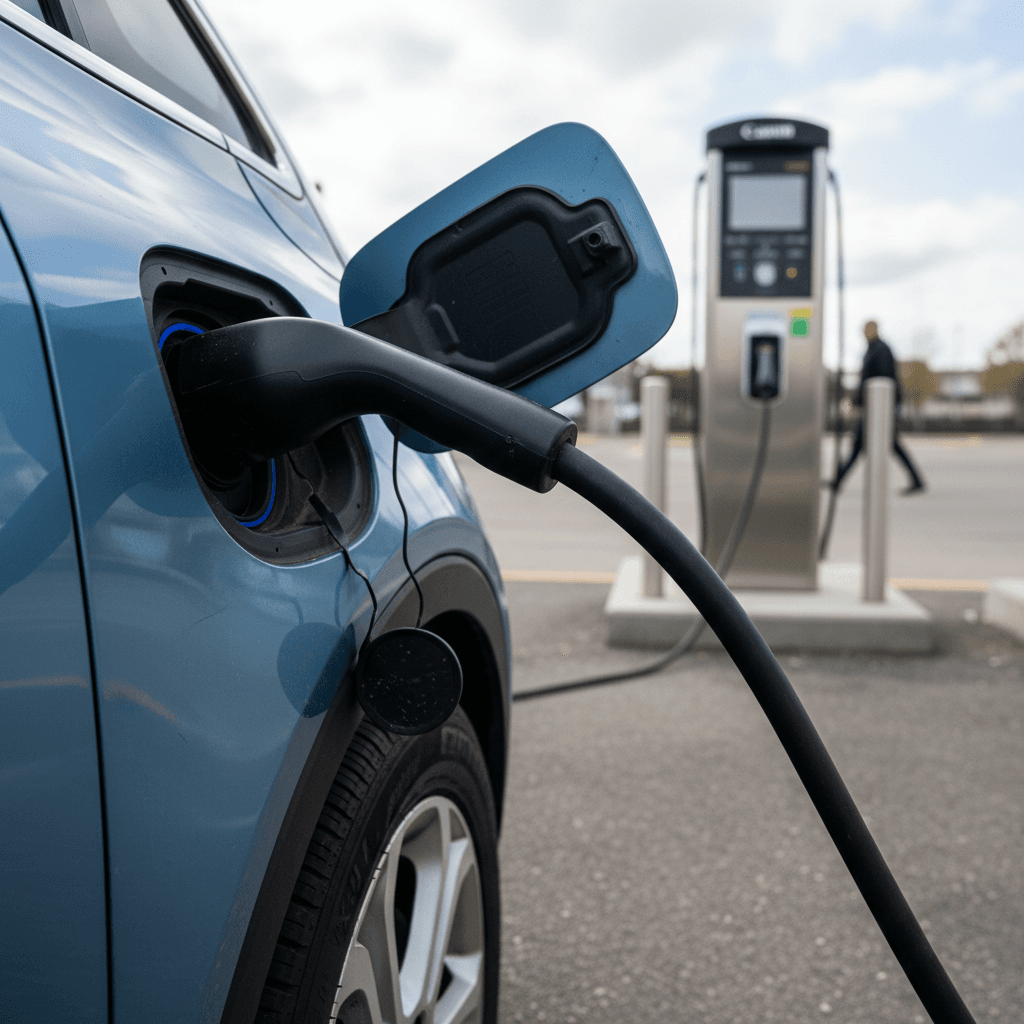
With a gasoline car, you worry about engines and transmissions. With a second hand EV, everything revolves around the battery pack. It’s not just whether it works today, it’s how much capacity it has lost and how it has been treated.
- State of Health (SoH): This is the percentage of the battery’s original capacity that remains. An SoH of 90% on a car that started at 250 miles of range means you might now see about 225 miles in ideal conditions.
- Fast‑charging history: Lots of high‑power DC fast charging (especially in hot climates) can age a battery more quickly than slower Level 2 home charging.
- Climate: EVs that have lived in very hot or very cold regions may show faster degradation, especially early-generation models without advanced thermal management.
- Software limits: Some manufacturers limit usable capacity to protect the pack. A car may show modest degradation but still deliver very usable range.
Never buy a second hand EV blind on battery health
Battery checks to insist on before you buy
Ask for a recent battery report
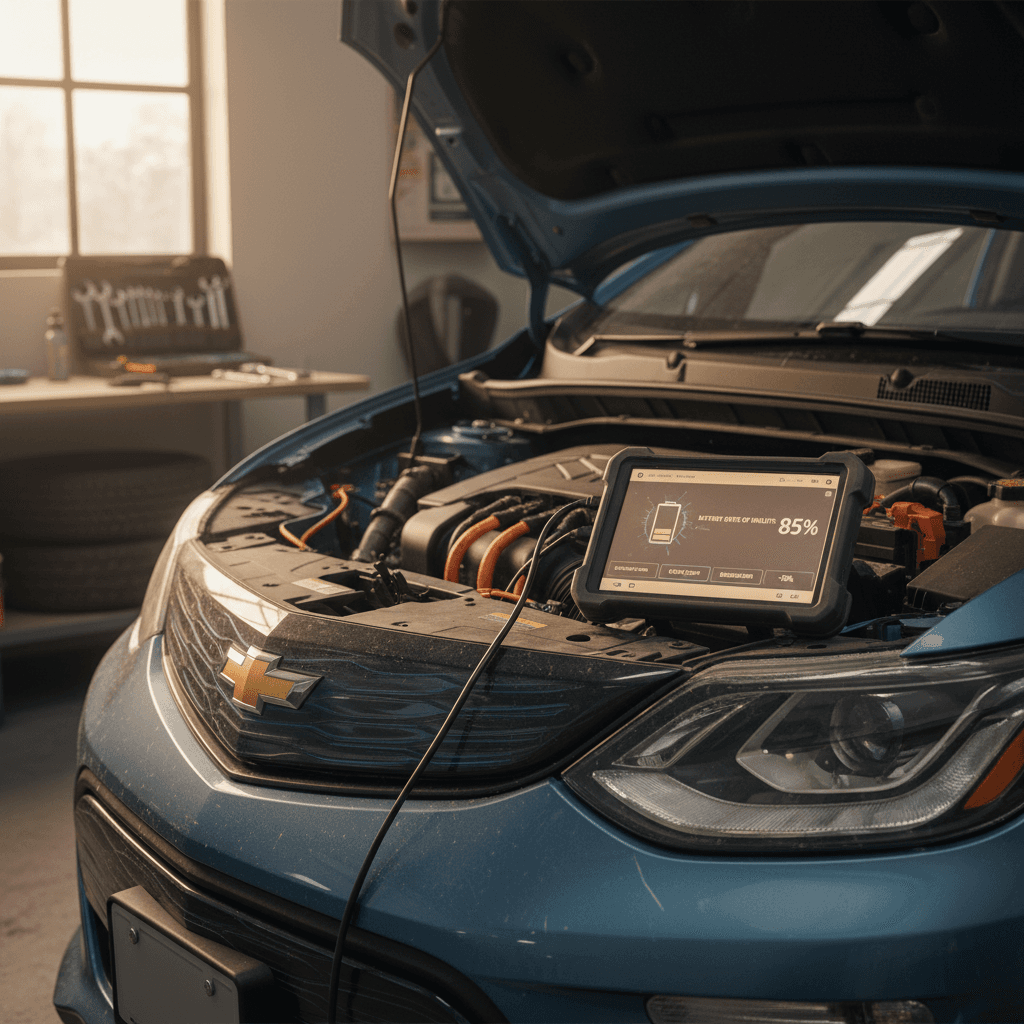
Many manufacturers and independent shops can pull detailed battery data. At Recharged, every vehicle gets a <strong>Recharged Score</strong> with verified battery State of Health, charging history indicators, and projected remaining life.
Verify remaining battery warranty
Check the in‑service date and mileage. Many EVs carry 8‑year/100,000‑mile (or more) battery warranties. A three‑ or four‑year‑old second hand EV may still have years of coverage left.
Compare indicated range to factory specs
Take a fully charged test drive and note the car’s estimated range. Compare it to the original rating, adjusted for climate and driving style. A reasonable drop is normal; huge gaps can be a red flag.
Check for warning lights and software faults
Any battery‑related warning lights, charging faults, or repeated failed fast‑charge attempts during the test drive need a professional diagnosis before you sign anything.
Range: real‑world vs. window sticker
Range is where the fantasy meets your commute. Every EV left the factory with an official EPA estimate, but in the real world you’re dealing with battery aging, climate, speed, and how the previous owner drove and charged the car.
How to right‑size range on a second hand EV
Match the car to your life, not the other way around.
Start with your daily reality
Track your driving for a week. If you rarely exceed 60–80 miles in a day, a used EV with a real‑world range of 150–180 miles is plenty, as long as you can charge at home or at work.
Remember winter shrinkage
Cold weather can trim 20–30% off usable range, especially on older EVs. If you live in a northern state, add a healthy buffer when you’re shopping.
Factor in your charging access
Regular home or workplace charging lets you comfortably live with less range. If you’ll rely on public DC fast charging, prioritize newer models with higher fast‑charge speeds.
A simple rule of thumb
Charging checklist for used EV buyers
A great second hand EV can still be the wrong car for you if it doesn’t fit how and where you charge. Older EVs in particular have quirks around connector types and charging speeds.
Charging questions to answer before you commit
Can you install Level 2 charging at home?
If you own your home or have a cooperative landlord, a 240‑volt Level 2 charger in your driveway or garage is a game‑changer. Recharged can help you understand charger options and what to ask an electrician.
What connector does the car use?
In the U.S., most non‑Tesla EVs use CCS and J1772 connectors, while newer models are moving to the NACS (Tesla) standard. Check whether you’ll need adapters for DC fast charging and whether they’re included.
How fast does it charge?
Older EVs may max out around 50 kW on DC fast chargers and 6.6–7.2 kW on Level 2. Newer models can charge much faster. If you road‑trip often, charging speed matters almost as much as battery size.
Are public chargers convenient where you live?
Map out nearby public chargers from networks like Electrify America, EVgo, and others. Even with home charging, you’ll want backups for road trips and unexpected detours.
Beware of missing charging gear
Model spotlight: interesting second hand EVs
There’s no single “best” second hand EV, but certain models are easier to live with, and easier to recommend, than others. Here’s how to think about the landscape rather than memorize a tier list.
Three useful ways to bucket second hand EVs
Start with your priorities: price, range, or features.
Budget commuters
Who they suit: City and suburban commuters who value price over brag‑worthy range.
Typical picks: Older Nissan Leaf, BMW i3, early Chevy Bolt EV.
Watch for: Battery health, especially on early Leafs without liquid cooling.
Range‑friendly all‑rounders
Who they suit: One‑car households and longer‑distance commuters.
Typical picks: Chevy Bolt EUV, Hyundai Kona Electric, Kia Niro EV, newer Leaf Plus.
Watch for: DC fast‑charge behavior and any recalls or software updates.
Tech‑heavy crossovers & sedans
Who they suit: Families and tech fans who want modern cabins and driver assistance.
Typical picks: Tesla Model 3/Y, Hyundai Ioniq 5, Ford Mustang Mach‑E.
Watch for: Driver‑assist feature packages, subscription features, and tire wear.
The sweet spot in the second hand EV market is three to five years old, with a healthy battery and modern charging capability. That’s where you get the biggest tech leap for the dollar.
Financing, depreciation, and resale value
With any second hand car, the way you pay for it matters almost as much as the price on the windshield. Because EVs depreciate faster on average, you want to be especially careful about financing terms and your time horizon.
Depreciation realities for second hand EVs
Financing a second hand EV without getting upside‑down
Aim for a shorter loan term
Because EV values can slide faster, a five‑year loan (or shorter) helps you stay ahead of depreciation. Stretching to six or seven years can leave you owing more than the car is worth.
Consider your hold period
If you know you’ll keep the car six to eight years, the early depreciation matters less. If you swap cars often, lean toward models with stronger resale or lower purchase prices.
Look at total cost, not just payment
Factor in fuel savings and lower maintenance. A second hand EV with a slightly higher payment may still cost less per mile than a cheaper gas car.
Shop lenders that understand EVs
Some lenders and marketplaces, including Recharged, work with partners who understand EV residual values and can offer more competitive terms specifically for electric vehicles.
Why depreciation can be your friend now
How Recharged makes buying a second hand EV simpler
If you’ve ever tried to decode a generic used‑car listing and wished for a translator, that’s exactly the problem Recharged set out to fix for EVs. Rather than leaving you to guess at battery health and fair pricing, every vehicle we list comes with a Recharged Score Report.
- Verified battery diagnostics: We use specialized tools to assess battery State of Health and charging behavior, then present it in plain language so you know exactly what you’re getting.
- Fair market pricing: Our pricing reflects real‑time market data for second hand EVs, battery condition, trim, and equipment, so you’re not overpaying for a worn pack.
- Expert EV guidance: EV‑specialist advisors help you understand whether a given car truly fits your range, charging, and budget needs.
- Flexible ways to sell or trade: You can trade in a gas car or EV, get an instant offer, or consign your current vehicle while you shop for the right second hand EV.
- Nationwide, digital‑first experience: Browse, finance, and complete your purchase online, with delivery options and in‑person support at our Experience Center in Richmond, VA.
Bring your old car to the party
Second hand EV FAQ
Frequently asked questions about second hand EVs
Key takeaways before you buy a second hand EV
- Start with your life, not the listing. Know your daily miles, parking situation, and charging options before you fall in love with any second hand EV.
- Treat the battery report like a home inspection. A professional high‑voltage battery health check will tell you more than any stack of photos or service records.
- Right‑size your range. Allow for aging, weather, and real‑world driving. If the adjusted range still covers your day comfortably, you’re on the right track.
- Run the full cost picture. Combine purchase price, electricity, insurance, and maintenance. A slightly pricier used EV can still win on total cost of ownership.
- Don’t go it alone. Lean on EV‑savvy experts, whether that’s a trusted shop or a platform like Recharged that lives and breathes used electric vehicles.
A second hand EV can be one of the smartest car purchases you make this decade: quieter, cleaner, cheaper to run, and loaded with tech that still feels ahead of many new gas cars. Do your homework on battery health, range, and charging, keep an eye on depreciation, and insist on transparency from any seller. If you want a head start, Recharged bundles all of that homework into every listing, so you can spend less time worrying about what you don’t know, and more time deciding which electric future you actually want to drive home.