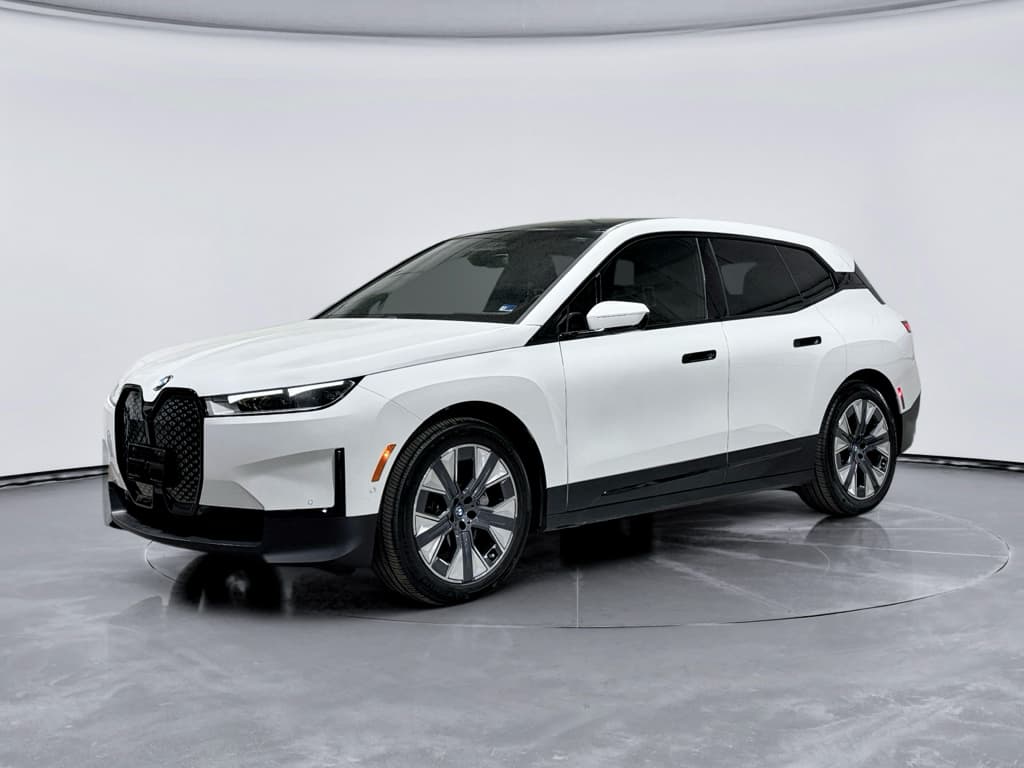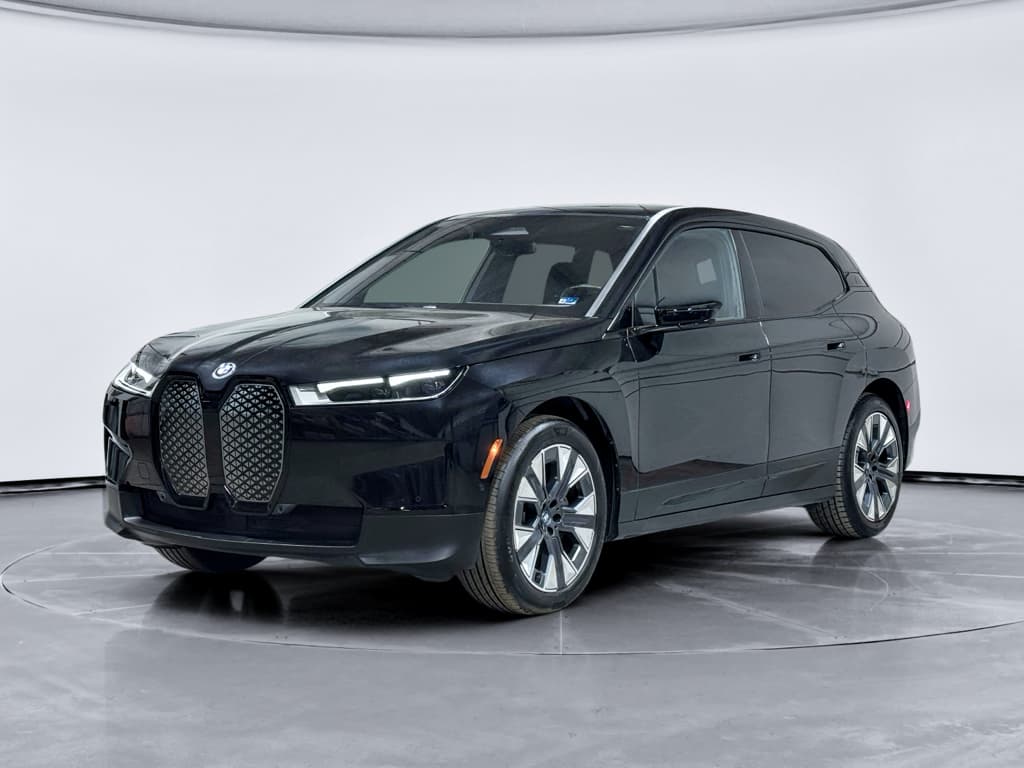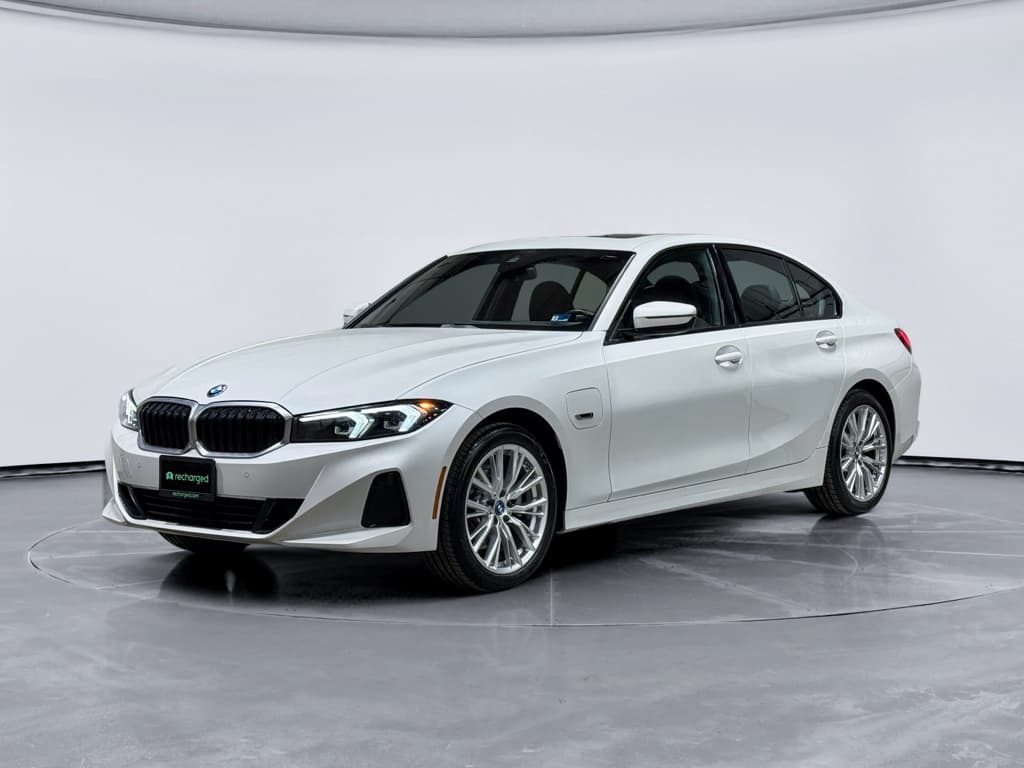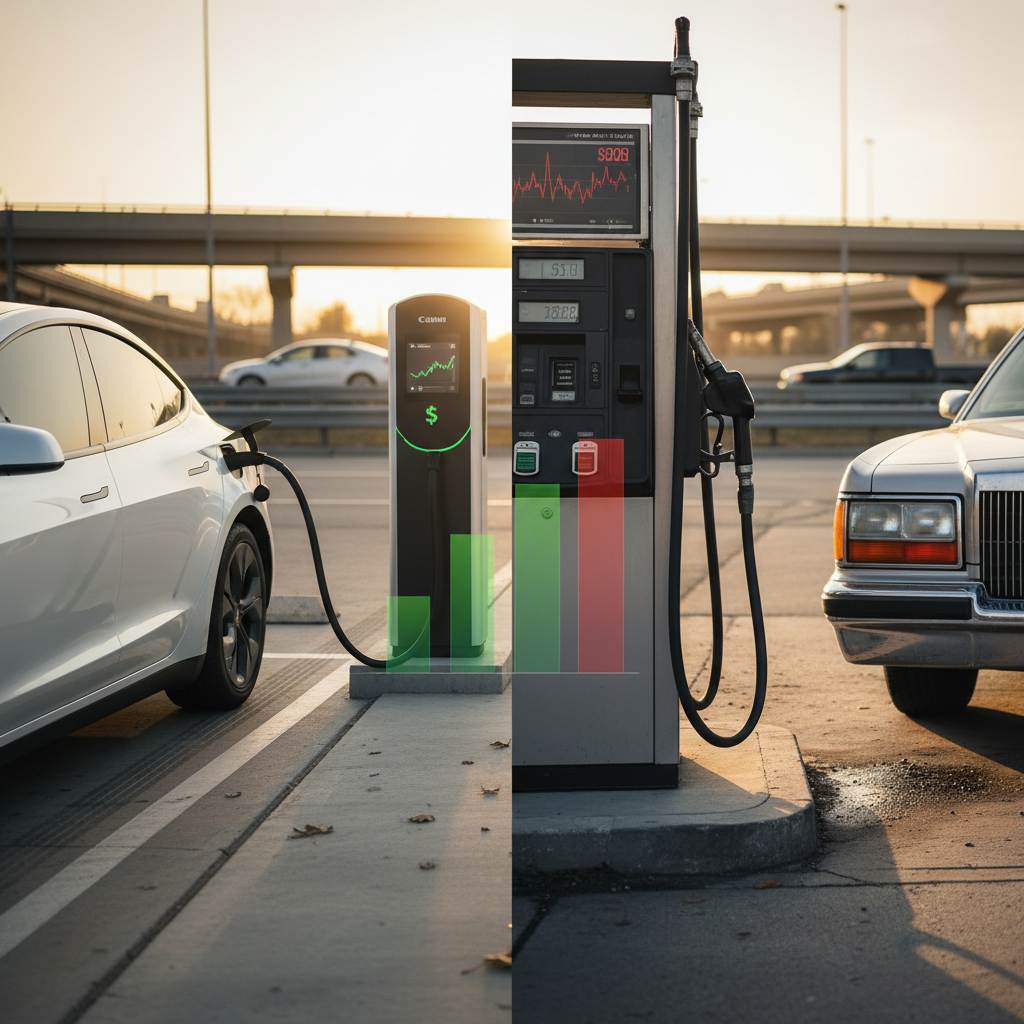
If you’re eyeing a BMW i5, you’re not just buying an electric 5 Series, you’re buying into the wild, still‑sorting‑itself‑out world of EV depreciation. The big question: what does the BMW i5 depreciation curve look like over 5 years, and will this sleek German executive EV be a financial friend or foe when it’s time to sell?
Quick context
BMW i5 5‑Year Depreciation at a Glance
Projected BMW i5 Value After 5 Years (Typical US Ownership)
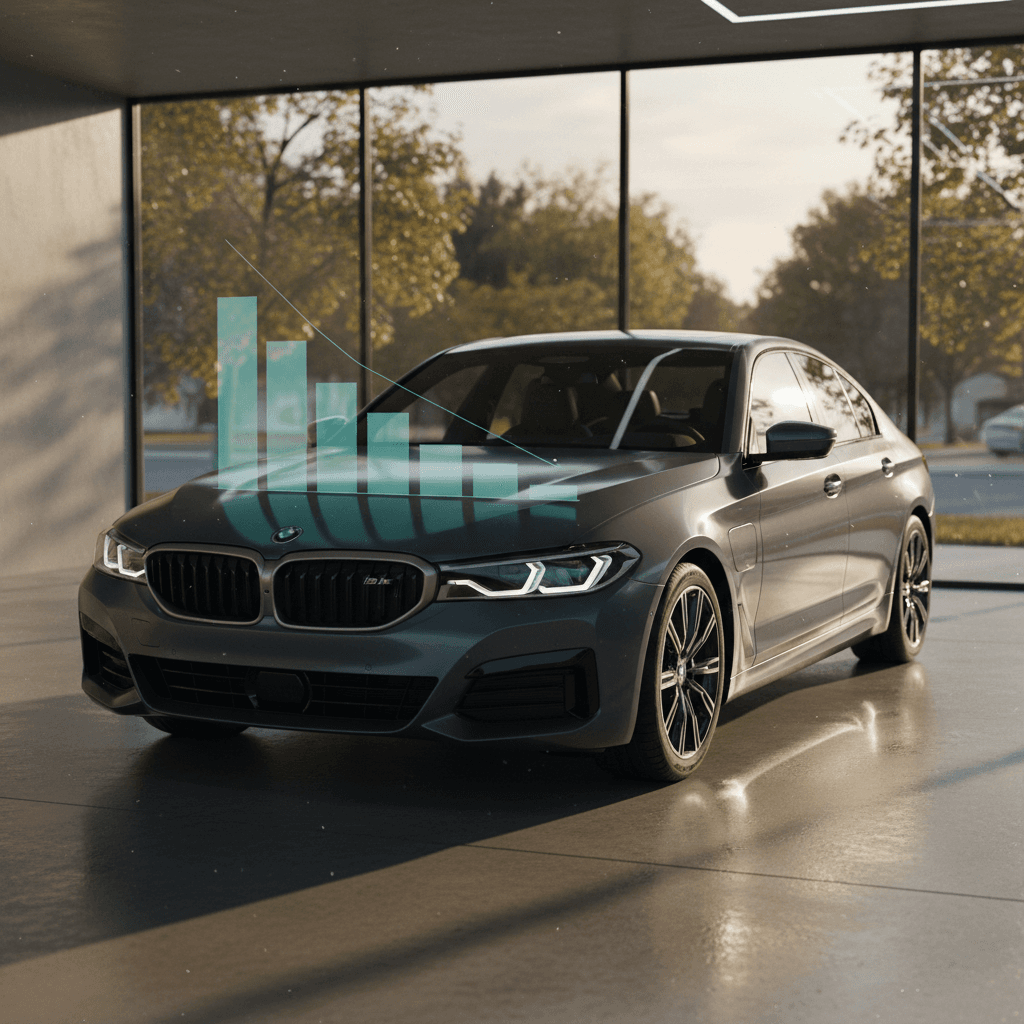
Modeled across multiple sources and current resale data, the BMW i5 is expected to lose roughly 55–60% of its original MSRP in the first five years. That means a $70,000 example might be worth around $28,000–$32,000 at year five, give or take for options, mileage, condition, and how the broader EV market is behaving at the time.
Remember the EV rollercoaster
How We Estimate the BMW i5 Depreciation Curve
Because the i5 only launched for the 2024 model year, nobody has a literal 5‑year resale history yet. To build a realistic BMW i5 depreciation curve, analysts triangulate several data streams:
- Current BMW i5 listing and trade‑in values for 2024–2025 cars, compared against original window stickers
- Historical depreciation patterns for BMW 5 Series gas models and earlier BMW EVs (i3, i4, iX)
- Broader U.S. EV depreciation data, which currently shows many EVs losing close to 60% of their value after five years
- Luxury‑segment behavior: German executive sedans traditionally see faster early‑life price drops than mainstream models
- Policy shifts, like the federal EV tax credit ending for new purchases after September 30, 2025, which indirectly pressures used prices
Why used buyers have the edge
BMW i5 5‑Year Depreciation Curve: Year‑by‑Year
Below is a simplified, illustrative curve for a BMW i5 with a $70,000 original MSRP, driven about 12,000–15,000 miles per year and kept in good condition. These are not guaranteed resale numbers, but realistic planning anchors.
Illustrative 5‑Year Depreciation Curve for BMW i5
Example based on a $70,000 starting MSRP for an i5 eDrive40 / xDrive40 in the U.S.
| Year in Service | Approx. Mileage | Estimated Value | % of Original MSRP | Total Depreciation |
|---|---|---|---|---|
| 1 | 12,000–15,000 miles | $49,000–$53,000 | 70–75% | 25–30% lost |
| 2 | 24,000–30,000 miles | $42,000–$47,000 | 60–67% | 33–40% lost |
| 3 | 36,000–45,000 miles | $36,000–$41,000 | 51–59% | 41–49% lost |
| 4 | 48,000–60,000 miles | $32,000–$36,000 | 46–52% | 48–54% lost |
| 5 | 60,000–75,000 miles | $28,000–$32,000 | 40–45% | 55–60% lost |
Real‑world results will vary with incentives, local demand, battery health, options, and mileage.
In plain English: the real damage happens in years one through three. By year five, the i5 is still declining, but the curve is flattening and each additional year shaves off a smaller slice of value. That’s exactly why a three‑ to four‑year‑old BMW i5 is likely to be the sweet spot for value‑conscious buyers.
BMW i5 vs Gas 5 Series and Other EVs
i5 vs Gas BMW 5 Series
- Gas 5 Series: Historically loses about 45–50% of value over five years in typical use.
- i5: Current forecasts suggest closer to 55–60% loss over five years.
- Why? Faster tech obsolescence, battery‑health anxiety, and more volatile EV pricing.
However, the i5 claws back some of that on running costs: lower fuel and maintenance can offset several thousand dollars of extra depreciation over a 5‑year span, especially if you rack up highway miles.
i5 vs Other Luxury EVs
- Many luxury EV sedans (including some Teslas) are now sitting around 40–45% value retention after five years.
- Short‑range or first‑generation EVs tend to fare worse; long‑range, mainstream models fare better.
- The i5’s blend of range, charging speed, and BMW brand cachet puts it in the upper middle of the EV pack, not the worst and not the bulletproof best.
If you’re cross‑shopping, depreciation is only one axis, availability, dealer discounts, charging perks, and software updates all move the needle.
Where the i5 quietly wins
What Pushes BMW i5 Values Down, or Holds Them Up
Key Drivers of BMW i5 Depreciation
Some you can’t control, some you absolutely can.
Battery Health & Range
EV shoppers fixate on usable range and degradation. A healthy pack that still delivers close to original EPA range is rocket fuel for resale. Visible range loss, or even just perceived loss, suppresses bids.
Charging Experience
Access to fast, reliable DC charging and a hassle‑free home setup makes the i5 easier to live with. Cars owned in charging‑desert ZIP codes or without Level 2 home charging can feel more worn and less desirable.
Incentives & New‑Car Discounts
A sharp new‑car discount or a big tax credit today becomes a phantom cost in the used market tomorrow. Buyers don’t care what you paid; they see the current market. That undercuts resale for heavily incentivized early adopters.
Mileage & Usage Pattern
High‑mileage highway use isn’t automatically bad for an EV, but it does anchor the car in fleet‑car mental territory. Around 10k–12k miles per year with consistent service records is the sweet spot.
Software & Hardware Updates
If BMW introduces a major mid‑cycle range or charging upgrade, earlier i5s can feel old overnight. Over‑the‑air software support can soften this effect, but doesn’t fully erase hardware disadvantages.
Macroeconomics & Policy
Interest rates, used‑car supply, and EV‑specific policies (credits, road‑use fees, city restrictions) all ripple directly into demand, and therefore into what your i5 is worth when you’re ready to move on.
The tax‑credit hangover problem
Leasing vs Buying: How Depreciation Changes the Math
In an EV segment still finding its price floor, leasing exists for one primary reason: to launder your depreciation risk into a predictable monthly bill. With the BMW i5, that’s not a bad strategy if you insist on driving the latest thing.
Questions to Ask Before You Lease or Buy an i5
1. How long do you truly keep cars?
If you flip cars every 3–4 years, you’re parking your money right where depreciation is steepest. Leasing a BMW i5 pushes that risk onto the captive finance arm, at a price spelled out in the money factor and fees.
2. Are lease residuals realistic?
Compare the contractual residual value against the depreciation curve ranges above. If the captive is betting on a higher residual than independent forecasts, leasing looks better for you. If residuals are conservative, buying gains ground.
3. Do you qualify for EV incentives?
Post‑2025, many federal EV tax perks have shifted or expired. Sometimes a lease can still capture remaining commercial credits and effectively pass them to you as a discount. That can blunt the sting of early‑life depreciation.
4. How certain are you about your mileage?
Leases punish uncertainty. If your life or commute may change dramatically, buying a new or, better yet, <strong>lightly used i5</strong> gives you flexibility without per‑mile penalties.
5. Are you willing to own out of warranty?
BMW’s EV warranty softens battery and drivetrain risk in the early years. If you intend to keep an i5 for 7–10 years, remember that depreciation slows way down after year five, your cost per year can look very sane past that point.
A simple rule of thumb
How to Buy a Used BMW i5 With Depreciation on Your Side
Where depreciation feels brutal for the first owner, it becomes a gift for the second. A three‑year‑old BMW i5 with the right spec can give you flagship‑level comfort and performance for mid‑market money, if you shop carefully.
Smart Used BMW i5 Shopping Playbook
Turn someone else’s loss into your quiet win.
Target 2–4 Years Old
This is where the depreciation curve has already shed 35–50% of MSRP, but the car is likely still within battery and drivetrain warranty. You’re catching the i5 after the nose‑dive but before it’s truly old.
Demand Real Battery Data
Don’t accept hand‑waving about range. Ask for a verified battery‑health report, state‑of‑charge logs, and any DC fast‑charging history. At Recharged, every car comes with a Recharged Score Report so you’re not guessing about pack health.
Spec and Options Discipline
Highly optioned i5s look glamorous on the lot, but the used market pays partial credit for most extras. Focus on options with lasting appeal: quality audio, key safety tech, adaptive headlights, and driver‑assist suites.
Check Real‑World Use, Not Just Miles
Two i5s with 40,000 miles can have very different past lives. Favor cars with consistent service history, balanced tire wear, no repeated fast‑charge abuse, and no history of collision repairs that might affect alignment or aerodynamics.
Shop Nationally, Not Just Locally
Luxury EV pricing can swing thousands of dollars between regions. Platforms like Recharged can source a used BMW i5 nationwide and deliver it to your door, helping you find outliers priced below the curve.
Use Depreciation as a Negotiation Tool
Walk into the deal knowing the 5‑year curve. If an asking price assumes fantasy‑land retention, you have hard data on your side to negotiate, or walk away.
How Recharged fits in
BMW i5 Depreciation FAQ
Frequently Asked Questions About BMW i5 Depreciation
Bottom Line: Is the BMW i5 a Smart 5‑Year Bet?
Viewed purely through the lens of resale value, the BMW i5 depreciation curve over 5 years is steeper than its gas 5 Series cousins and a touch harsher than some mainstream EVs. The first owner pays handsomely for novelty, for bleeding‑edge tech, and for the privilege of being an early adopter in a still‑maturing segment.
But the story flips if you step in later. As a used buy at 2–4 years old, the i5 looks far more rational: you get world‑class ride and refinement, a fully modern EV drivetrain, and a cabin that still feels box‑fresh, all for about half of what someone else paid. From there, depreciation slows, and the car’s value to you is defined more by how much you drive than by what the market thinks next Thursday.
If you want to own new, go in clear‑eyed: assume 55–60% depreciation in five years, and make sure the savings on fuel and maintenance, plus the daily joy of driving the thing, justify that cost. If you’re value‑hunting, let another owner absorb the early cliff and shop a verified used BMW i5 with documented battery health and fair market pricing, exactly the niche Recharged is built to serve.