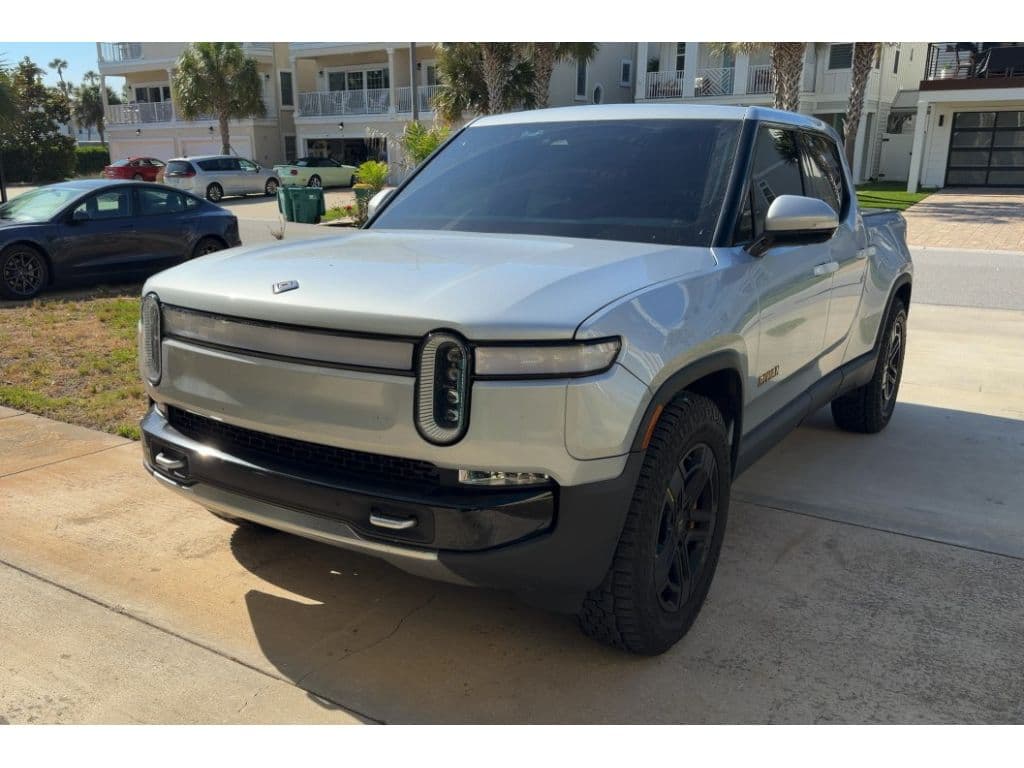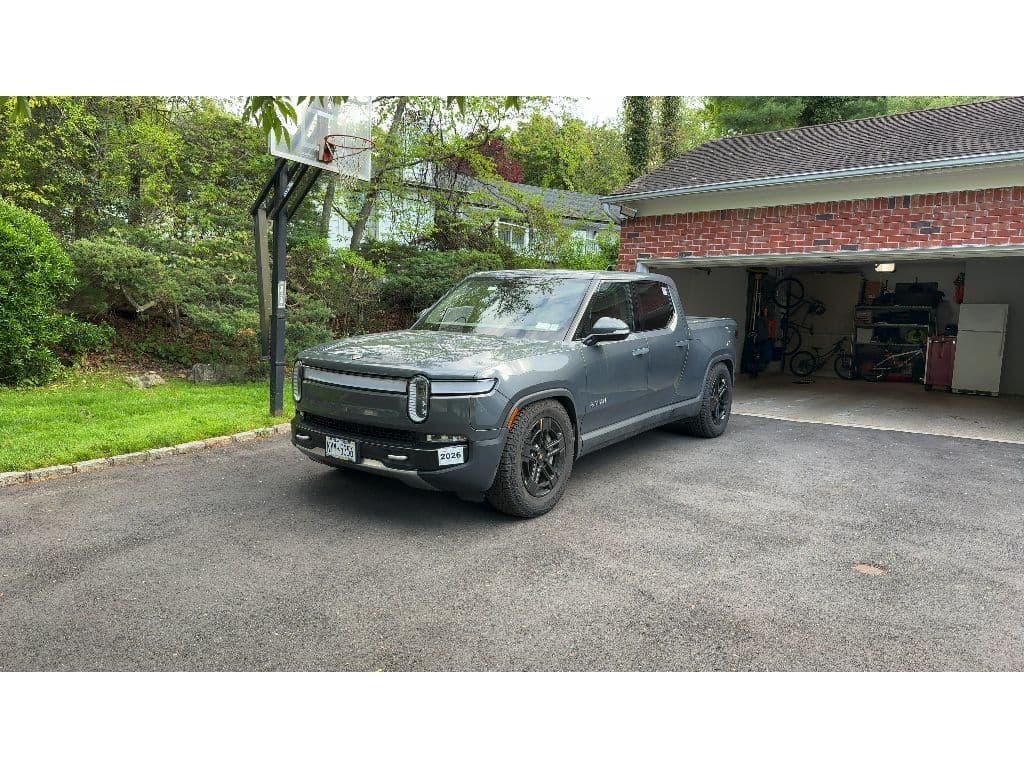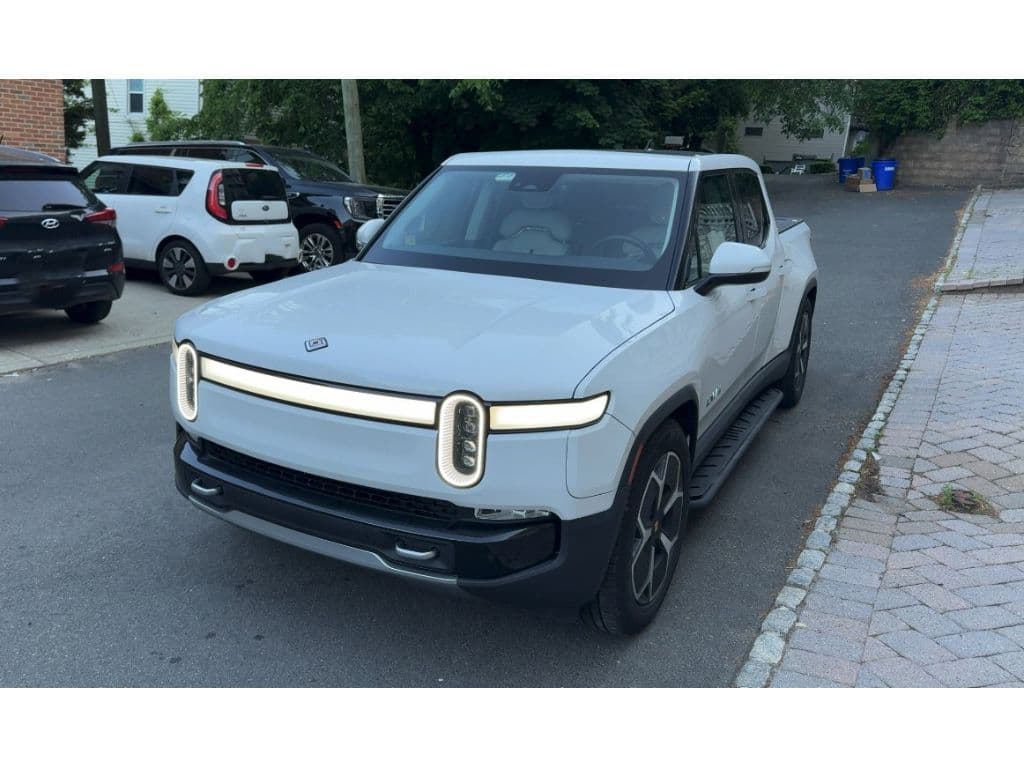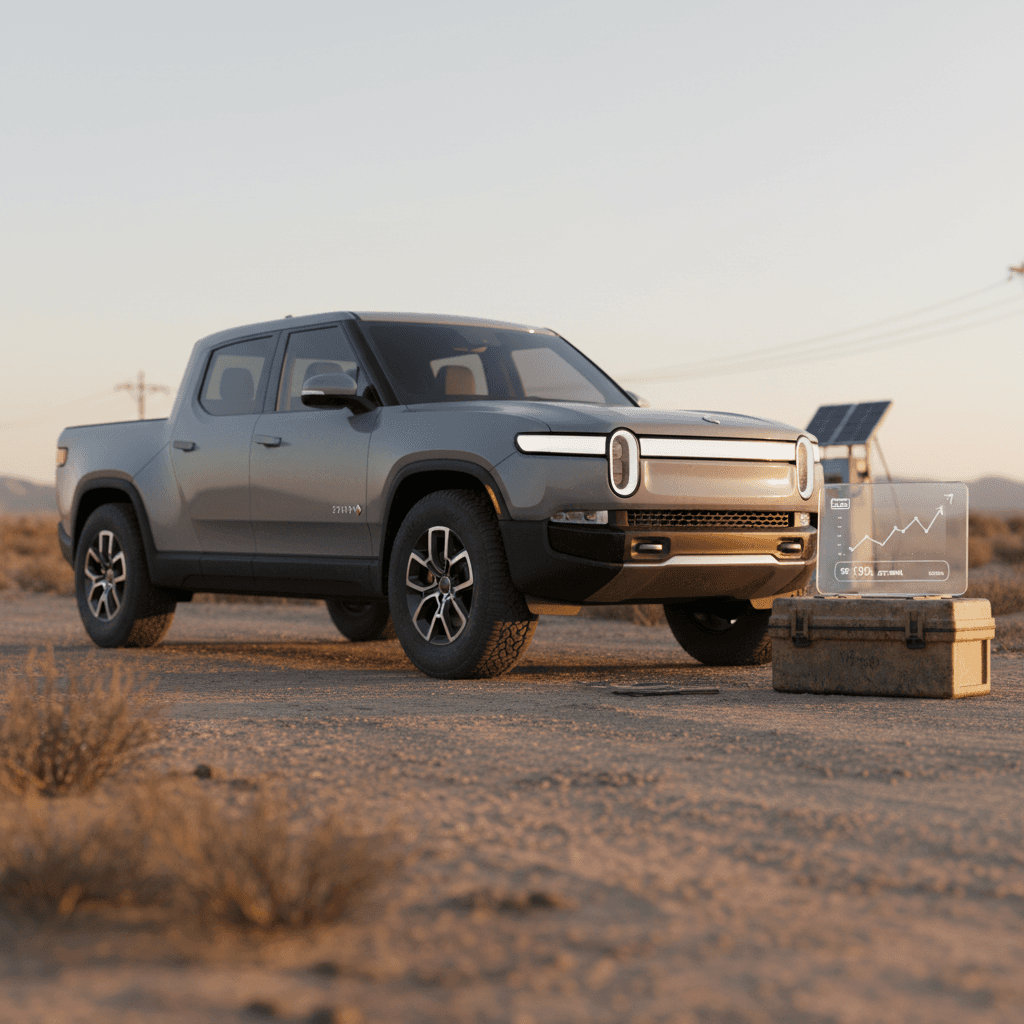
If you’re looking at a Rivian R1T in 2026, you’ve probably heard two very different stories: on one hand, it’s one of the most-loved EV trucks on the road; on the other, it shows up near the bottom of some reliability rankings. Sorting that out is critical if this will be your daily driver, or a used purchase you plan to keep for years. This guide breaks down **Rivian R1T reliability in 2026** in plain language, with a focus on what matters if you’re buying new or used.
A young truck with strong opinions
Rivian R1T reliability in 2026: the big picture
What major surveys say about R1T reliability
Here’s the short version: **on paper, the Rivian R1T looks unreliable**. It has a stack of recalls, low predicted reliability scores from outlets like Consumer Reports and J.D. Power, and very mixed owner anecdotes, some trucks run nearly trouble‑free, others spend too much time in the shop. At the same time, **owner satisfaction is among the highest of any vehicle on sale**, EV or otherwise. People love how it drives and are often willing to tolerate first‑generation hiccups to get that experience.
Think “early Tesla,” not “old Tacoma”
How reliable is the R1T compared to other trucks?
Against gas and diesel pickups
- Legacy half‑tons from brands like Ford, Chevy, and Toyota have decades of engineering and a huge dealer network behind them.
- Historically, they show fewer early-life issues and simpler mechanical systems, but more long‑term wear items, oil changes, transmissions, exhaust, fuel systems.
- If you want a truck to use hard for 10–15 years with minimal drama, a proven gas or diesel half‑ton is still the safest bet.
Against other EV trucks
- The R1T and Tesla Cybertruck both show below‑average reliability so far, with frequent software bugs and build quirks.
- Ford’s F‑150 Lightning and GM’s upcoming EV trucks are closer to legacy pickups in layout but still show typical new‑EV growing pains.
- Among early EV trucks, the R1T scores poorly in reliability surveys but near the top in driving enjoyment and satisfaction.
How to read the scores
Common Rivian R1T issues owners report
Instead of obsessing over a single score, it’s more helpful to understand *what actually goes wrong*. Here are the main categories of problems R1T owners talk about most often as of early 2026.
Most common R1T problem areas
Not every truck has these issues, but these are the patterns to watch for when you shop used.
Build quality & trim
- Misaligned panels or trim
- Wind noise from doors or mirrors
- Water leaks around the bed or seals
Most are cosmetic or annoyance-level, but fix quality depends on your service center.
Software & electronics
- Glitches with the center screen or cluster
- Occasional phantom warnings or alerts
- Phone key and app connectivity issues
These are often resolved with over‑the‑air updates, but some trucks require hardware swaps.
Drivetrain & suspension
- Front half‑shaft vibration or “shudder” under hard acceleration
- Occasional air‑suspension faults or compressor noise
- Isolated drive‑unit or inverter failures
These issues are less common but can sideline the truck until parts arrive.
Weather & sealing
- Frozen door handles or charge ports in deep cold
- Moisture in lights or minor leaks
- Reduced headlight performance in very cold weather on some builds
Bed, tonneau & tailgate
- Early powered tonneau covers binding or failing
- Tailgate latch or sensor faults
- Bed accessory rails or covers rattling
Service-related problems
- Long waits for appointments in regions with few service centers
- Repairs that require multiple visits or revised parts
- Loaner vehicle availability varies widely
Pay attention to service history
Recalls, software updates, and what they actually mean
By 2026 the R1T has accumulated a long list of recalls, from early steering and suspension concerns to lighting, software, and driver‑assist issues. That sounds alarming, but context matters: many of these are **proactive campaigns on small parts or niche conditions**, and a significant share are fixed by over‑the‑air (OTA) software updates that owners may barely notice.
High-level look at recent R1T recall types
Exact campaigns vary by model year and build date; always run the VIN to confirm open recalls.
| Recall type | Typical model years | How it’s fixed | What to ask a seller |
|---|---|---|---|
| Steering / suspension torque or fasteners | 2022–2024 | Service visit for inspection and retorque or part replacement | Ask for documentation showing the work was done and a test drive with hands‑off‑wheel tracking straight. |
| Software / driver-assistance behavior | 2023–2025 | Over‑the‑air updates or, rarely, a module replacement | Confirm the truck is on current software and that no warnings remain in the menu. |
| Lighting & visibility | 2022–2025 | Lens replacements, recalibration, or software change | Check headlight and marker‑light function in person, especially in cold climates. |
| Seat belts or airbag wiring | Selected 2023–2025 builds | Physical inspection and parts as needed | Ask to see recall paperwork and inspect belts for proper anchoring and wear. |
| Charging or high‑voltage components (less common) | Isolated VIN ranges | Hardware replacement and software update | Verify charge speeds on both DC fast charging and Level 2 if possible. |
Use this as a directional guide, then verify any specific truck through official recall tools.
“Lots of recalls” isn’t always bad
Battery and drivetrain: what we’re seeing so far
For a used R1T buyer in 2026, the battery pack and drive units are the million‑dollar questions. The good news is that **catastrophic battery failures remain rare**, and most high‑mileage R1Ts are reporting modest range loss so far. The less‑good news is that we don’t yet have a decade of data the way we do on some older Teslas and Nissan Leafs.
- Early‑build trucks with more than 40,000–60,000 miles generally show **single‑digit percentage range loss**, assuming normal use and charging habits.
- Isolated drive‑unit or inverter failures have occurred, but these remain the exception rather than the rule and are typically handled under warranty.
- Many owners fast‑charge heavily without obvious short‑term issues, but as with any EV, a mix of DC fast charging and home Level 2 is healthier for longevity.
- Rivian’s battery warranty mirrors mainstream EV standards (8 years with a mileage cap for pack and drive unit), offering a safety net for early failures.
Use data, not just a gut feeling
Service, downtime, and the day-to-day ownership experience
If there’s one theme that runs through R1T owner forums, it’s this: **the truck is fantastic when it’s working, but service access can be a pain**, especially if you live far from a Rivian service center. Some owners report thousands of miles with only minor issues; others have had multiple visits in a single year.
What R1T owners praise, and what they complain about
Both can matter more to your happiness than a single reliability score.
What owners like
- Excellent communication and friendliness from many service teams.
- Mobile service that can handle a surprising number of repairs at your home or office.
- Loaner vehicles or rental coverage on larger jobs in many markets.
- Over‑the‑air fixes that eliminate the need for a visit.
What owners dislike
- Long wait times for appointments in regions with only one service center.
- Occasional parts delays that extend downtime.
- Repeat visits when the first fix doesn’t “stick.”
- Inconsistent loaner availability, great in some markets, sparse in others.
Plan for backup transportation
Should you be worried about R1T reliability in 2026?
It depends far more on **your expectations and risk tolerance** than on a single number on a chart. If you want a hassle‑free tool that never needs a software reboot and can be serviced at any corner dealer, the R1T is probably the wrong choice. If you’re comfortable with the realities of a first‑generation, software‑heavy EV from a young brand, and you do your homework on the specific truck, an R1T can still be a very satisfying long‑term vehicle.
Who the R1T fits well
- You have access to another vehicle in the household.
- You live reasonably close to a Rivian service center or mobile‑service hub.
- You value driving experience, design, and tech enough to accept some bumps.
- You’re buying used with good documentation, clean history, and remaining warranty.
Who should be cautious, or look elsewhere
- You rely on one vehicle for work or family and can’t afford downtime.
- You live far from Rivian service with no mobile coverage.
- You prefer “set it and forget it” reliability over cutting‑edge features.
- You’re very sensitive to squeaks, rattles, or minor cosmetic issues.
How to shop a used Rivian R1T confidently
Shopping a used R1T in 2026 is absolutely doable, you just need to be more methodical than you might be with a 10‑year‑old Tacoma. Here’s how to stack the odds in your favor.
Smart strategy for buying a used R1T
1. Prioritize later builds with updates baked in
Later 2023–2025 trucks often incorporate running changes that address earlier issues. Look for vehicles with a build date after major recall cutoffs and verify that all campaigns are closed.
2. Demand detailed service and recall records
Ask for full digital or printed records. You want to see that recalls, TSBs, and repairs were performed promptly, and that there aren’t repeated visits for the same fault.
3. Get independent battery and high-voltage checks
A generic pre‑purchase inspection isn’t enough for an EV. Look for a seller or marketplace that provides <strong>third‑party battery health diagnostics</strong> and charger/drive‑unit checks. Every vehicle on Recharged includes a Recharged Score Report with verified battery health data.
4. Inspect panels, seals, and glass closely
Panel alignment, hatch and door sealing, and glass fit can tell you a lot about build quality and prior repairs. Take your time walking the truck in bright light.
5. Test all powered features thoroughly
Cycle the air suspension, powered tonneau, bed outlets, powered frunk, all windows and locks, and both on‑board screens. Failures here are common complaints and can be expensive out of warranty.
6. Verify charging behavior in the real world
If possible, plug into a Level 2 charger and a DC fast charger. Make sure charge speeds are in the expected ballpark and that there are no error messages or unexpected cutoffs.
7. Confirm software status and connectivity
Check that the truck is on current software, the app pairs correctly, and phone‑as‑key works reliably. A simple test drive with app controls can reveal lurking software gremlins.
How Recharged helps reduce the guesswork
Ready to find your next EV?
Browse VehiclesR1T reliability checklist for test drives and inspections
Use this quick checklist when you’re standing in front of an R1T, whether it’s at a seller’s driveway, a Rivian hub, or an independent retailer.
On-site Rivian R1T reliability checklist
You can screenshot this and bring it with you when you inspect a truck.
| Area | What to check | What’s a red flag? |
|---|---|---|
| Exterior & body | Panel gaps, door/hatch alignment, seals, evidence of repaint, moisture in lights | Obvious misalignment, uneven paint, water in lights, doors that require slamming |
| Interior & screens | Boot‑up time, responsiveness, HVAC controls, audio, driver display, warning lights | Frozen screens, persistent warnings, non‑functional controls |
| Drive feel | Smooth acceleration, no shudder under load, straight‑line tracking, quiet suspension | Vibration under acceleration, pulling to one side, clunks or bangs over bumps |
| Suspension & ride height | Cycle height settings, listen for compressor noise, check for error messages | Height that won’t change, frequent compressor cycling, suspension fault warnings |
| Bed, tailgate & tonneau | Open/close tailgate, cycle power tonneau, test gear tunnel doors | Binding tonneau, non‑latching tailgate, leaks or water stains in the bed or tunnel |
| Charging & software | Plug into Level 2 if available, confirm app connection, check software version | Failed charge attempts, repeated error messages, seller who can’t show app access |
| Service history & recalls | Printed or digital records, recall completion, number and type of prior visits | No documentation, open recalls, long pattern of similar repairs |
If too many boxes go unchecked, or you feel the seller is evasive, be ready to walk away.
Rivian R1T reliability FAQ (2026)
Frequently asked questions about R1T reliability in 2026
Bottom line on Rivian R1T reliability in 2026
Viewed strictly through the lens of surveys and recall counts, the Rivian R1T is **not a reliability champion in 2026**. It’s a complex, first‑generation EV truck from a young automaker that’s still tuning its hardware, software, and service network. But that’s only half the story. The other half is a fiercely loyal owner base, a driving experience that’s hard to match, and a company that has shown a willingness to address issues through recalls, service campaigns, and continual software updates.
If you go in with clear eyes, armed with service records, battery‑health data, a careful inspection, and realistic expectations about service access, the R1T can be a deeply satisfying choice, especially as a used purchase where much of the early depreciation is already baked in. Use the tools available to you, lean on EV‑specialist partners like Recharged, and you can enjoy the R1T for what it does best: delivering a uniquely capable, all‑electric pickup that still turns heads in 2026.