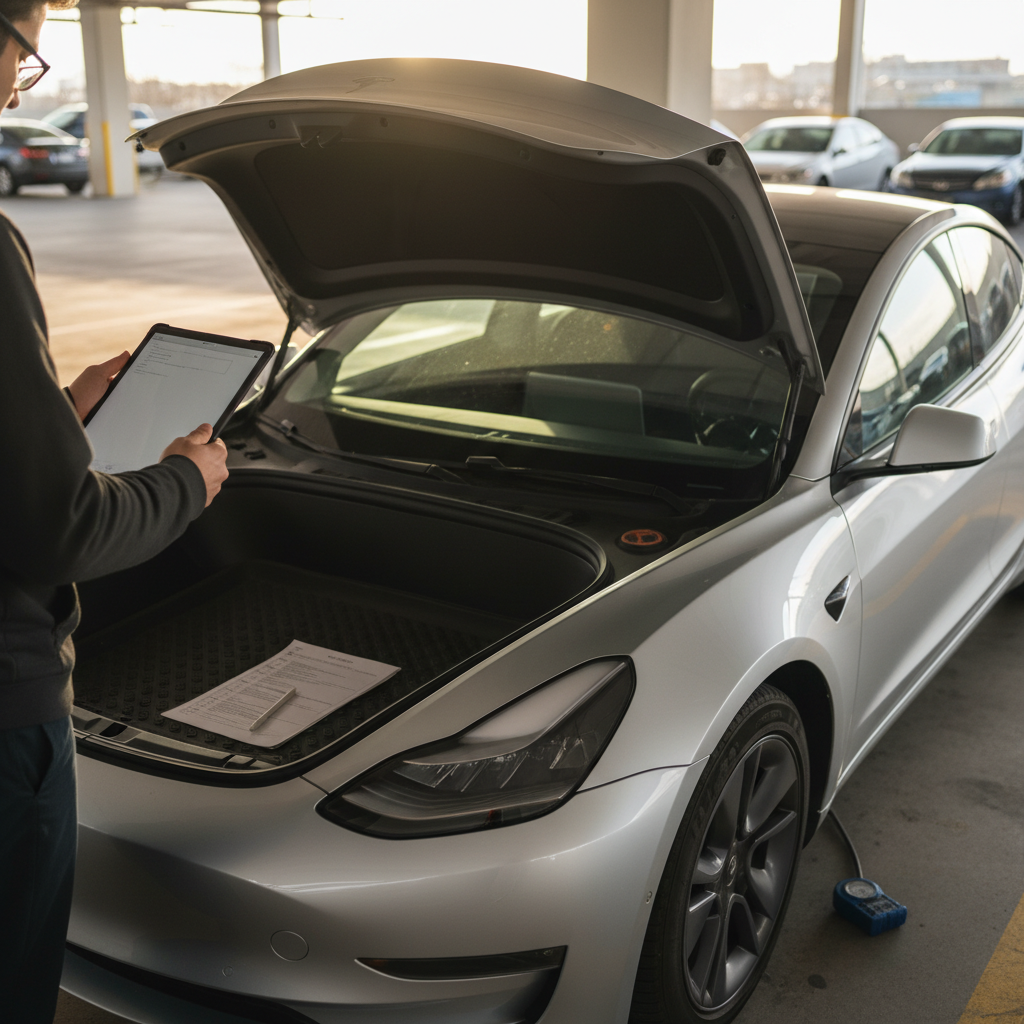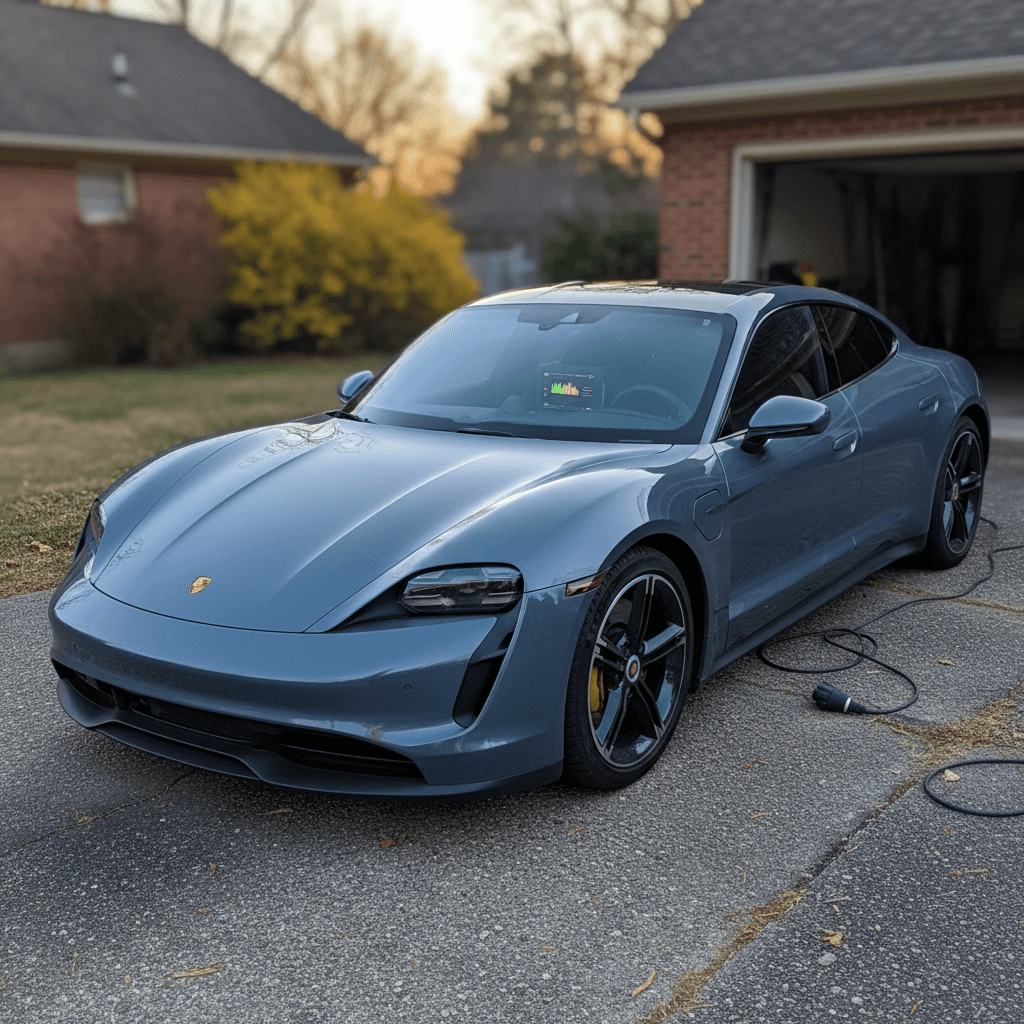
If you’re eyeing a 2023 Porsche Taycan, you’re probably drawn to its performance and design, but you’ve also heard about 2023 Porsche Taycan problems, from battery recalls to glitchy infotainment. This guide pulls together what recalls cover, the real-world complaints owners are making, and what you should check before you buy a used Taycan.
Quick take
Overview: How Reliable Is the 2023 Porsche Taycan?
The 2023 Taycan hasn’t been around long enough to build a decades-long track record, but reliability signals are mixed. On the upside, many owners report trouble‑free miles and “best car I’ve ever owned” experiences. On the downside, the Taycan line has accumulated double‑digit recalls across recent model years, and early data shows elevated trouble spots in the electrical, battery, and braking systems compared with simpler gas Porsches.
2023 Porsche Taycan: Problem Snapshot
That mix makes the 2023 Taycan a car you should buy with your eyes open: it can be fantastic to live with if you get a sorted example, but a headache if you inherit unresolved software, charging, or battery issues from a prior owner.
The Biggest 2023 Taycan Problems at a Glance
Common 2023 Taycan Problem Areas
The most frequently cited issues fall into five buckets.
High-voltage battery & charging
- Recalls for potential short circuits and water ingress in the battery pack.
- Owners reporting charging failures or “charging error” messages, especially after software updates.
Infotainment & electronics
- Frozen or slow center screens.
- Reversing camera intermittently not activating (now part of a recall).
- Connectivity issues with apps and Bluetooth.
Warning lights & software
- Random error messages that clear after a restart.
- Need for frequent software updates and dealer reprogramming.
12‑volt and no‑start issues
- 12V battery draining when the car sits, causing no‑start conditions.
- Locked‑out feeling when screens and systems stay dark.
Brakes & suspension
- Recalls for front brake hoses that can crack and leak.
- Anecdotal reports of air‑suspension sensor faults and rear‑axle steering warnings.
Range & cold weather
- Heavier‑than‑expected range loss in winter.
- Some owners surprised by the gap between EPA range and fast‑driven, real‑world results.
Remember
Battery & Charging Problems
High-Voltage Battery Recalls on the 2023 Taycan
The single biggest headline around 2023 Porsche Taycan problems is its high‑voltage battery. Porsche has issued several recalls across 2021–2024 Taycans for potential short circuits within battery modules and for insufficient sealing that can allow liquid to accumulate inside the pack. Affected 2023 vehicles may require battery testing, module replacement, or even full pack replacement, all carried out at no cost to the owner under recall.
- Battery sealant recall: Some 2023 packs may not be fully sealed, allowing moisture inside and raising short‑circuit and fire risk. Dealers pressure‑test the pack and, if necessary, replace it.
- Battery module short‑circuit recall: Certain Taycan variants built for 2021–2024 are flagged for potential internal shorts. Owners are often advised to limit charging to 80% until modules are inspected and replaced.
- Monitoring and software diagnostics: Porsche is rolling out more advanced diagnostic software that can monitor battery health remotely and flag cars that need physical inspection.
Battery recall vs. normal degradation
Everyday Charging Complaints from Owners
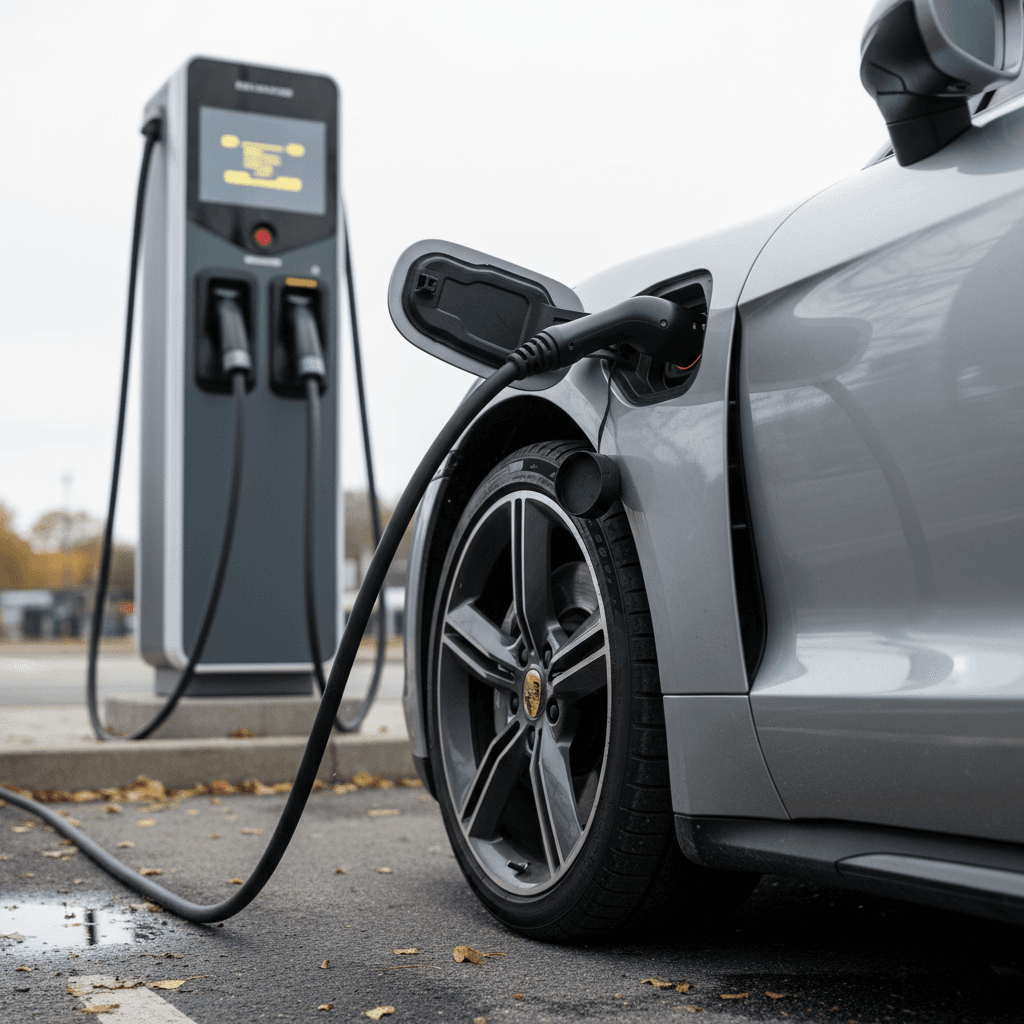
Separate from recalls, everyday charging quirks are a recurring theme in Taycan owner forums. Some drivers report the car refusing to charge on a home wallbox that works fine with a Tesla or another EV, or sessions that start and then error‑out a few minutes later. Others complain of DC fast‑charging stalls that deliver less power than expected despite compatible hardware.
Typical AC (Level 2) complaints
- Vehicle reports “Charging error” or keeps re‑initializing.
- Charging stops after a few minutes on a previously reliable wallbox.
- Problems sometimes appear after a major software or PCM update.
Because the Taycan talks more “intelligently” to the charger than many EVs, communication glitches or timing issues can cause finicky behavior.
Typical DC fast‑charging complaints
- Worse‑than‑advertised charging curves at some public stations.
- Sessions fail to start unless the connector is reseated multiple times.
- Charging speeds drop sharply in cold weather or after repeated high‑power sessions.
Some of this is network‑related, some is battery conditioning logic. A software update or station change can solve symptoms that look like “car problems.”
Used‑buyer tip
Infotainment, Electronics & Camera Glitches
The Taycan leans heavily on software and touchscreens. That’s part of the appeal, but it also introduces a rich source of electrical and infotainment problems owners talk about.
Common Electronic & Infotainment Issues
Most are fixable, but they can be frustrating if they’re frequent.
Frozen or rebooting screens
- Center display becomes unresponsive.
- System reboots during navigation or CarPlay use.
- Occasional black screen at startup.
Connectivity problems
- Unreliable Bluetooth pairing.
- Porsche Connect app not updating charge status.
- Slow or failed over‑the‑air updates.
Reversing camera failures
- Camera view doesn’t appear when shifting into reverse.
- Intermittent image loss blamed on signal noise.
- Now covered by a 2019–2025 recall with a dealer software fix.
To be fair, these aren’t unique to Porsche, many modern luxury EVs have similar issues, but the Taycan’s reliance on multiple screens means a frozen or glitchy interface feels more dramatic than in a simpler car.
Good news
Brakes, Suspension & Ride-Quality Issues
Under the skin, the Taycan uses sophisticated air suspension, massive brakes, and (on some trims) rear‑axle steering. That hardware delivers incredible handling, but it also adds potential failure points.
Key 2023 Taycan Chassis & Brake Problem Areas
These are the issues that matter most for safety and long‑term cost.
| Component | Potential Issue | Why It Matters | What to Ask For |
|---|---|---|---|
| Front brake hoses | Cracks and fluid leaks; subject to recall on 2020–2025 Taycans | Reduced braking performance and longer stopping distances | Proof that the brake‑hose recall has been completed |
| Air suspension | Height sensor faults, uneven ride height, warning messages | Can affect ride comfort, stability, and tire wear | Any history of air‑suspension repairs or warnings on the dash |
| Rear‑axle steering | Fault codes or deactivation | Less agility and possible alignment issues | Alignment records and any rear‑steer repairs |
| Rotors & pads | Heavy EV weight wears components faster | Higher brake replacement costs vs. mainstream EVs | Recent service invoices for pad/rotor replacement on higher‑mileage cars |
Always have a suspension and brake inspection done before you buy a used Taycan, even if it “drives fine” on a short test.
Chassis repairs aren’t cheap
Real-World Range, Performance & Cold-Weather Behavior
The Taycan’s performance is sensational, and later models charge exceptionally quickly. But when owners talk about 2023 Porsche Taycan problems, range expectations come up a lot, especially in cold climates.
- EPA range vs. reality: A 2023 Taycan’s rated range can look modest on paper compared with some rivals, and hard driving at highway speeds can cut that figure significantly.
- Cold‑weather losses: Like most EVs, the Taycan loses a noticeable chunk of range in winter. Owners who don’t precondition the car or charger often see more dramatic drops than they expected.
- Performance vs. efficiency: Taycan buyers tend to use the power their car offers. Frequent launches and high cruising speeds are fun, but they’re not friendly to watt‑hours per mile.
Range reality check
What Do Fixes Cost, and What Warranty Covers
Because most 2023 Taycans in the U.S. are still within their factory coverage, the first question isn’t “how much will this cost?” but “is this covered?” Porsche’s warranty and recall structure matters a lot if you’re shopping used.
Key 2023 Taycan Warranty & Coverage Basics
Exact terms vary by region, always verify on a specific VIN.
New-vehicle & battery warranty
- Typical new‑vehicle limited warranty: 4 years / 50,000 miles from original in‑service date.
- High‑voltage battery warranty: generally longer (often around 8 years / 100,000+ miles for EVs).
- Recalls: unlimited time and mileage, repairs are free.
Typical out-of-warranty repair ranges
- 12‑volt battery replacement: often a few hundred dollars installed.
- Infotainment unit replacement: four‑figure job if not covered.
- Air‑suspension repairs: mid to high four figures per corner in worst‑case scenarios.
For a used 2023 Taycan, you want as much remaining factory and battery warranty as possible. A car first sold in late 2023, for example, may be covered into late 2027 for major components.
Smart Coverage Questions to Ask the Seller
1. When was the car first put into service?
Warranty clocks start on the in‑service date, not the model year. A Taycan titled in January 2023 has less coverage left than one sold in December 2023.
2. Which recalls are open or completed?
Ask for a printout from a Porsche dealer showing all recall and campaign status. Battery, brake‑hose, and rear‑camera recalls should be closed.
3. Is there any extended warranty or CPO coverage?
Certified pre‑owned or third‑party coverage can soften the blow of a big electronics or suspension repair, especially once the base warranty expires.
4. Can I see recent service invoices?
Look for patterns: repeated charging errors, recurring infotainment repairs, or repeated 12V battery replacements could signal a chronic underlying problem.
Buying a Used 2023 Taycan: Checklist & Red Flags
If you love the Taycan but are nervous about its reputation, a structured inspection process is your best friend. Here’s how to separate a great 2023 Taycan from a problem child.
Used 2023 Taycan Pre‑Purchase Checklist
1. Scan for active warnings
Before you even drive, power the car up and check for <strong>any</strong> warning lights or error messages. Don’t accept “oh, that’s always there, it’s nothing” without documentation.
2. Test AC and DC charging
Plug into a Level 2 charger and a DC fast charger during your evaluation. Confirm that sessions start cleanly, maintain power, and end without errors.
3. Inspect for recall completion
Use the VIN with a Porsche dealer to verify that high‑voltage battery, brake hose, and rear‑camera recalls are closed. Walk away from a seller who won’t cooperate.
4. Evaluate infotainment behavior
Spend time with the screens: navigation, CarPlay/Android Auto, reversing camera, and the secondary display. Any freezing, black screens, or camera failures are negotiation points.
5. Check suspension and brakes on the road
On a test drive, listen for clunks or squeaks, feel for pulling under braking, and cycle suspension settings if equipped with air suspension. Uneven ride heights or warnings need a deeper look.
6. Get a battery health report
Beyond recalls, you want to know current usable capacity. A professional battery‑health report, like the <strong>Recharged Score</strong>, translates complex diagnostics into a simple, transparent rating.
Independent inspection is worth it
How Recharged Helps You Shop a Taycan with Confidence
If you decide a used 2023 Taycan fits your life, your next decision is where, and how, to buy it. Because this is a complex EV with meaningful recall history, shopping through a platform that actually verifies battery health and problem areas can save you from expensive surprises.
Why Consider Shopping for a Taycan Through Recharged
Designed specifically around the realities of used EVs like the Taycan.
Recharged Score battery health diagnostics
Transparent history & pricing
EV‑specialist support & digital buying
Ready to find your next EV?
Browse VehiclesThe bottom line: the 2023 Taycan isn’t trouble‑free, but it’s also not a guaranteed headache. If you understand its common problems, battery recalls, charging quirks, electronics glitches, and higher‑than‑average repair costs, and you use tools like detailed inspections and battery‑health reports, you can end up with one of the most rewarding EVs on the road. Take your time, verify the details, and let the car’s condition, not just its badge, drive your decision.