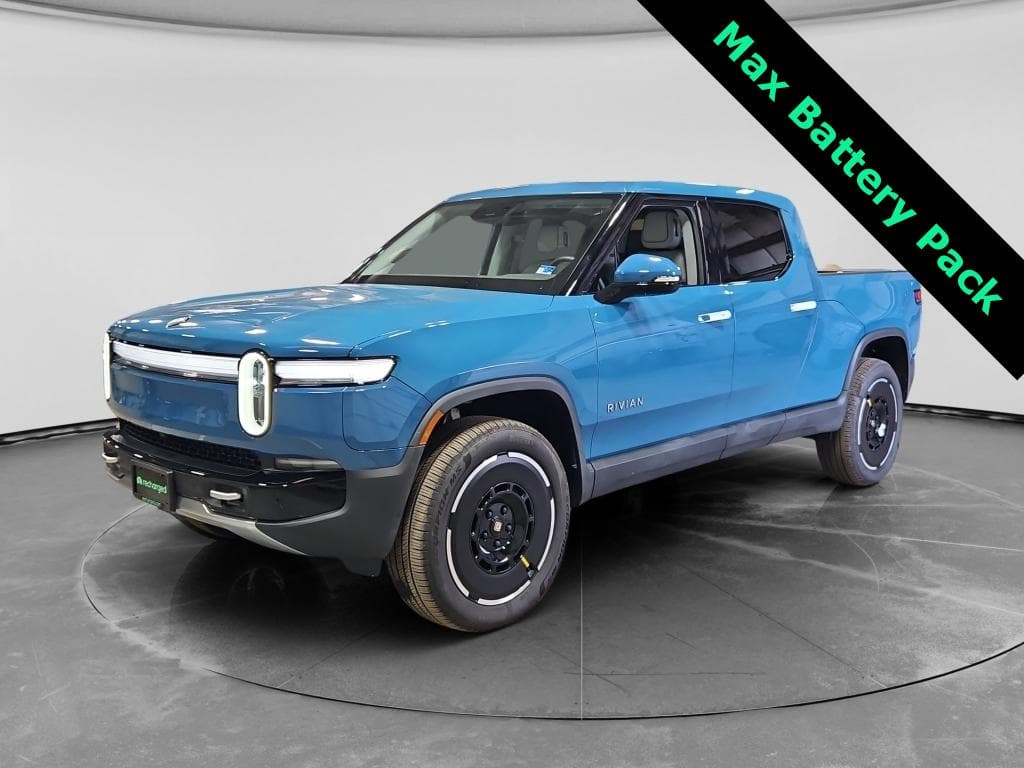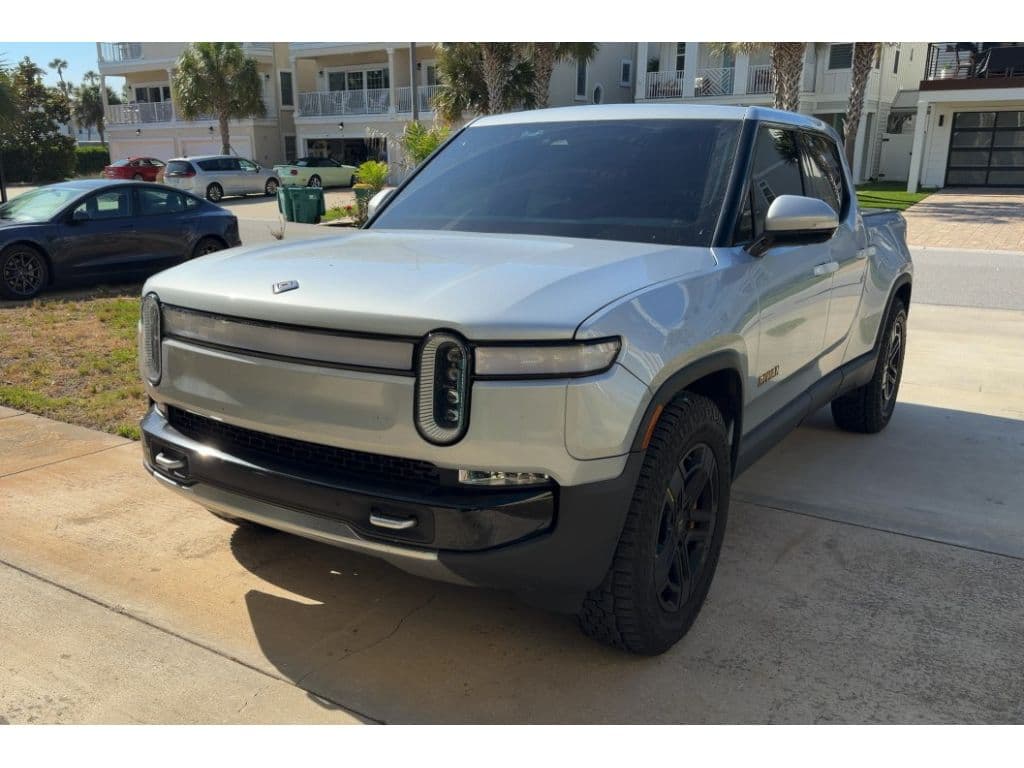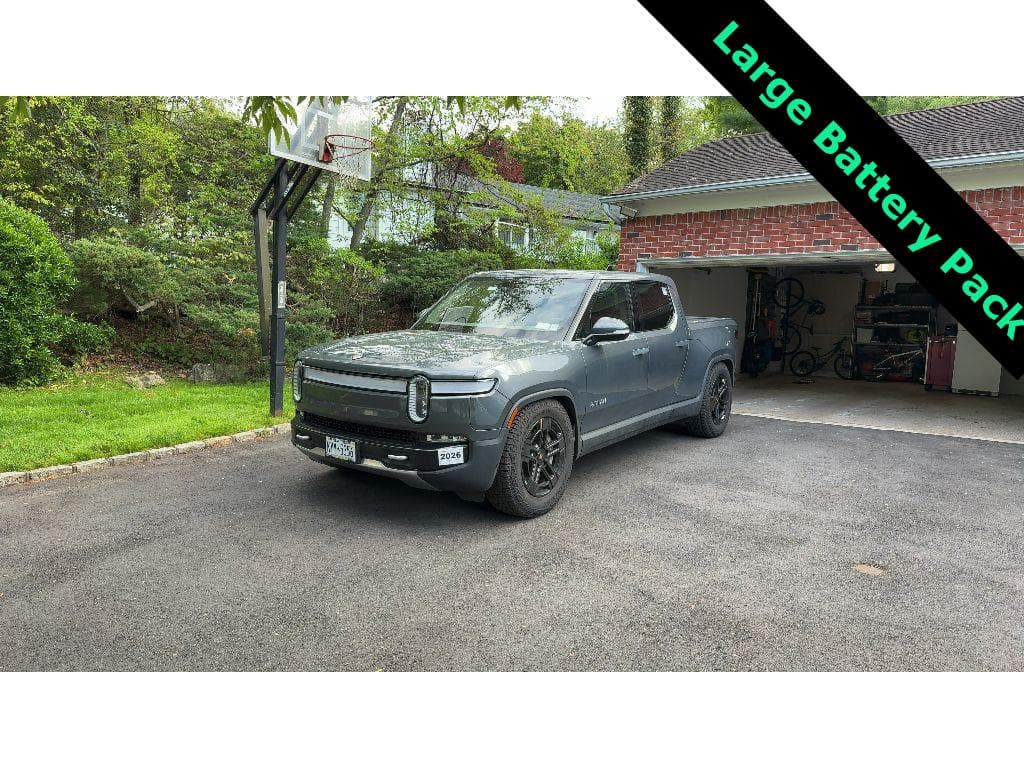
If you’re drawn to the Rivian R1T, you’re not shopping for a boring appliance. You want an electric pickup that can bomb down a fire road on Friday, commute quietly on Monday, and charge wherever electrons are plentiful. But before you sign for one, or grab a used R1T, you need the real Rivian R1T pros and cons, not brochure poetry.
Quick take
Rivian R1T pros and cons at a glance
Rivian R1T fast facts (as of 2025–2026)
- Big pros: wild performance, off‑road talent, superb interior, clever storage, legitimate truck bed and tow rating, OTA updates, growing fast‑charge access (CCS now, NACS coming).
- Big cons: expensive new, energy-hungry when lifted or loaded, young reliability record and multiple recalls, mixed service/parts experience, infotainment limitations (no CarPlay/Android Auto), depreciation that bites first owners but benefits used buyers.
What makes the Rivian R1T special?
The R1T is the first clean‑sheet electric pickup to feel like a lifestyle object, not a science experiment. It’s sized between a midsize and full‑size truck, with enough bed and tow capacity to be useful but not so huge that it’s miserable to park. It blends EV smoothness, serious off‑road hardware, and an interior more like a boutique hotel than a jobsite. If the Ford F‑150 Lightning feels like an F‑150 that happens to be electric, the R1T feels like an EV that happens to be a truck.
Rivian R1T pros: where this truck really shines
Core Rivian R1T pros
The reasons people fall hard for this truck
Brutal, effortless performance
Real off‑road capability
Serious range, right spec
Clever packaging & storage
The R1T’s gear tunnel running behind the cab is one of the best ideas in modern truck design. It swallows skis, duffels, recovery gear, dirty boots, anything you don’t want loose in the bed or inside the cabin. Add a front trunk (frunk) and under‑bed storage, and you suddenly have cargo options most gas trucks can’t dream of.
For camping and overlanding, that flexibility is gold. You can do things like store recovery boards in the tunnel, keep food and fragile items in the frunk, and still have a clean bed for bikes or a rooftop tent.
Cabin that feels genuinely premium
This is not a vinyl‑and‑plastic work truck. Materials are warm, the design is modern without being sterile, and the seats are genuinely comfortable on long days. Rivian’s interface, while not perfect, looks and feels bespoke. There’s a sense of occasion every time you climb in that’s missing from many legacy trucks.
Most trims are loaded: heated and ventilated seats, heated steering wheel, panoramic glass, a wall of driver‑assistance tech, and a sound system that does justice to your road‑trip playlist.
Pro for enthusiasts: OTA and hardware headroom
Rivian R1T cons: issues you should go in eyes-open
Core Rivian R1T cons
The catches behind the cool factor
Energy hunger under load
Young brand, recall baggage
Service & parts can be spotty
Infotainment limitations
Rivian’s in‑house system looks slick but makes some odd choices. There’s no Apple CarPlay or Android Auto, so you’re relying on Rivian’s navigation and streaming integrations. Basic tasks, like adjusting vents, mirrors, or drive settings, are often buried in menus.
If you’re coming out of a mainstream truck where you just plug in your phone and go, this feels like a step sideways. For some owners, it’s a minor annoyance; for others, a daily irritant.
Ride and noise quirks
The adjustable air suspension can be magic carpet–smooth in softer modes, but larger wheel/tire combos and heavy payloads reveal its limits. Some testers and owners report suspension clunks and jounce‑bumper noises over rough pavement or when the truck is fully loaded.
This is the sort of minor, hard‑to‑diagnose behavior a mature brand might have ironed out by now. On a six‑figure adventure truck, it stands out.
Important for used buyers
Living with a Rivian R1T day to day
- Charging: Today, the R1T uses CCS fast charging and can pull ~200–220 kW on the right DC charger. That’s good enough to go from about 10% to 80% in roughly 30–40 minutes. With NACS (Tesla‑style) ports rolling out, future trucks and adapters will open even more highway options.
- Commuting: As a daily driver, the R1T is serene. Instant torque masks its weight, one‑pedal driving is addictive, and the cabin is quiet. Just remember you’re still piloting a big, 7,000‑pound pickup, parking garages and tight city streets require attention.
- Road trips: With the Large or Max pack, you can stack 200–250‑mile stints at highway speeds between stops without white‑knuckle range anxiety. The limiting factor is less the battery and more the public charging network in your part of the country.
- Work and hauling: The R1T’s bed is shorter than traditional full‑size trucks, and if your life is pallets and gooseneck trailers, this isn’t your rig. If your “haul” is bikes, camping gear, mulch, the occasional Home Depot run, and a mid‑size camper, it fits the brief nicely.
Home charging changes everything
Used Rivian R1T: depreciation, value, and what to look for
Here’s the quietly good news: early adopters took the biggest financial hit. Market data for recent model years suggests a roughly 30–35% drop in value over the first two to three years for many R1T configurations, depending on mileage, condition, and options. That’s painful for the first owner, but a huge opportunity for you if you’re shopping used.
Illustrative value snapshot: new vs a few years later
Approximate examples based on typical MSRP and real‑world used pricing; exact numbers will vary by trim, mileage, and condition.
| Model year & trim | Original MSRP (approx.) | Current used asking range | Rough depreciation |
|---|---|---|---|
| 2022–2023 R1T, well‑optioned | $80,000–$90,000 | Mid-$50,000s to mid-$60,000s | ~25–35% |
| 2024 R1T, mid‑spec | $75,000–$85,000 | High-$50,000s to low-$70,000s | ~15–30% |
| 2025 R1T, near new | $70,000–$90,000+ | Typically close to MSRP if low‑miles | Too early to tell |
Use this as directional guidance, not a quote. Recharged will always evaluate each individual truck on its merits.
Why depreciation isn’t all bad
Key used‑R1T checks Recharged focuses on
Battery health & fast‑charge history
We look beyond odometer miles. How has the pack been treated? How many DC fast‑charge sessions? Any signs of imbalance or unusual degradation? Our <strong>Recharged Score</strong> pulls this into a simple, transparent report.
Recall completion & software level
Has every relevant recall, suspension, driver‑assist, seatbelt, been completed? Is the truck on current software, with the latest drive‑mode and safety updates?
Suspension wear and noises
We listen for clunks, inspect air‑suspension components and bushings, and check height calibration. A plush truck shouldn’t sound like a knuckle‑dragging rock crawler unless you’ve asked it to.
Body, underbody & off‑road scars
Adventure trucks see adventure abuse. We inspect for trail damage, bent skidplates, and corrosion, and we note anything that might matter for long‑term ownership.
When you buy through Recharged, every R1T comes with a detailed Recharged Score battery and health report, fair‑market pricing based on current depreciation trends, and support from EV‑specialist advisors who know the quirks of these trucks. If you’re thinking of trading one in, we can also provide an instant offer or help you sell via consignment to maximize value.
Who the Rivian R1T is (and isn’t) right for
Is the R1T your truck, or someone else’s?
Match your life to the R1T’s strengths and weaknesses
Great fit if…
- You love road trips, camping, skiing, mountain biking, or overlanding, and you want a truck that feels special every time you use it.
- You can install (or already have) Level 2 home charging and don’t depend solely on public stations around town.
- Your towing needs are moderate: small or mid‑size travel trailers, boats, or utility trailers, not 10,000‑lb loads every weekend.
- You’re comfortable being an early adopter: some quirks, software updates, and service visits are part of the adventure.
Think twice if…
- You routinely tow at or near the truck’s 11,000‑lb rating over long highway distances.
- You lack reliable home charging and live in an area with sparse DC fast‑charging infrastructure.
- You need a bare‑bones, abuse‑tolerant work truck that lives on job sites and in gravel lots.
- You’re allergic to software updates, phone‑based keys, and app‑driven everything.
Checklist: key questions before you buy an R1T
Ask yourself (and the seller) these questions
1. What’s my real range need?
Map your weekly driving honestly. Do you need 400 miles of range, or will 250–300 miles plus home charging feel effortless? Don’t pay for battery you’ll never use, but don’t cheap out if you tow or road‑trip a lot.
2. How often will I tow or haul heavy?
If your lifestyle is light trailers, bikes, and gear, the R1T is in its sweet spot. If you plan to haul a big Airstream at 75 mph across Wyoming, budget time and money for frequent fast‑charge stops.
3. Do I have a charging plan?
Before buying, figure out where your electrons will come from: home Level 2, workplace, local DC fast chargers, or a mix. If you need help, Recharged can talk you through home‑charging options while you shop.
4. Which powertrain and battery make sense?
Dual‑motor with the Large battery is the sweet spot for many: plenty fast, strong range, lower cost than the wild tri‑ or quad‑motor setups. The Max pack is fantastic if you road‑trip a lot, but you might not need it.
5. What’s the truck’s service and recall history?
Ask for documentation of recall fixes, suspension or alignment work, and any replaced high‑voltage components. A <strong>Recharged Score</strong> report or similar independent inspection is invaluable here.
6. Am I prepared for a young brand?
Owning a Rivian is not like owning a Camry. There will be updates, improvements, and occasional growing pains. If that excites you more than it worries you, you’re the right audience.
Rivian R1T pros and cons: FAQ
Frequently asked questions about Rivian R1T pros and cons
Bottom line: should you buy a Rivian R1T now, or used?
The Rivian R1T is not a perfect truck. It is, however, a deeply interesting one, a shot across the bow of every sleepy pickup that ever rolled out of Detroit. Its pros are emotional as much as rational: it’s fast, capable, beautifully built, and genuinely fun to live with if your life aligns with its strengths. Its cons are the realities of being early to a new technology: higher upfront cost, evolving reliability, imperfect charging infrastructure, and depreciation that’s still finding its level.
If you treat it like a traditional heavy‑duty workhorse, you may come away disappointed. If you treat it like an adventure rig and everyday companion, with home charging, thoughtful route planning, and eyes‑open expectations, it can be one of the most satisfying vehicles you’ll ever own.
If you’re R1T‑curious but wary of first‑owner depreciation and unknowns, a used Rivian R1T with a clean history and verified battery health is where Recharged shines. Our Recharged Score digs into pack condition, charging and usage patterns, and overall wear so you know exactly what you’re getting, plus EV‑savvy financing, trade‑in options, and nationwide delivery to get the right truck to your driveway.
In other words: the Rivian R1T is a bold truck. You should buy it boldly, but not blindly.