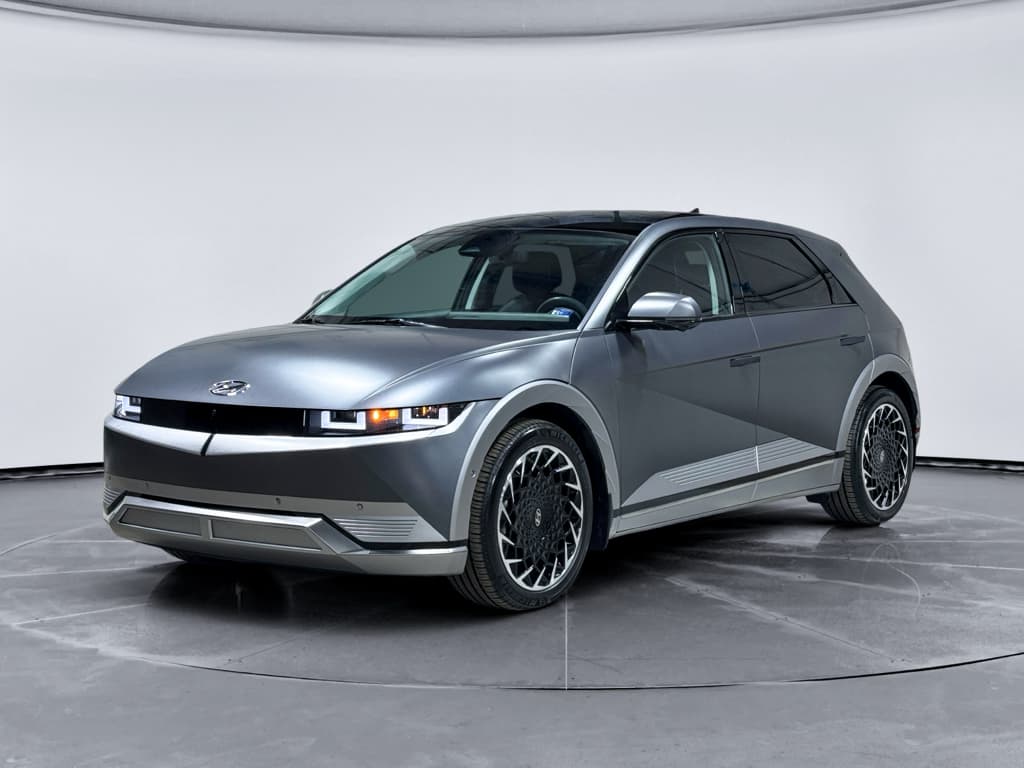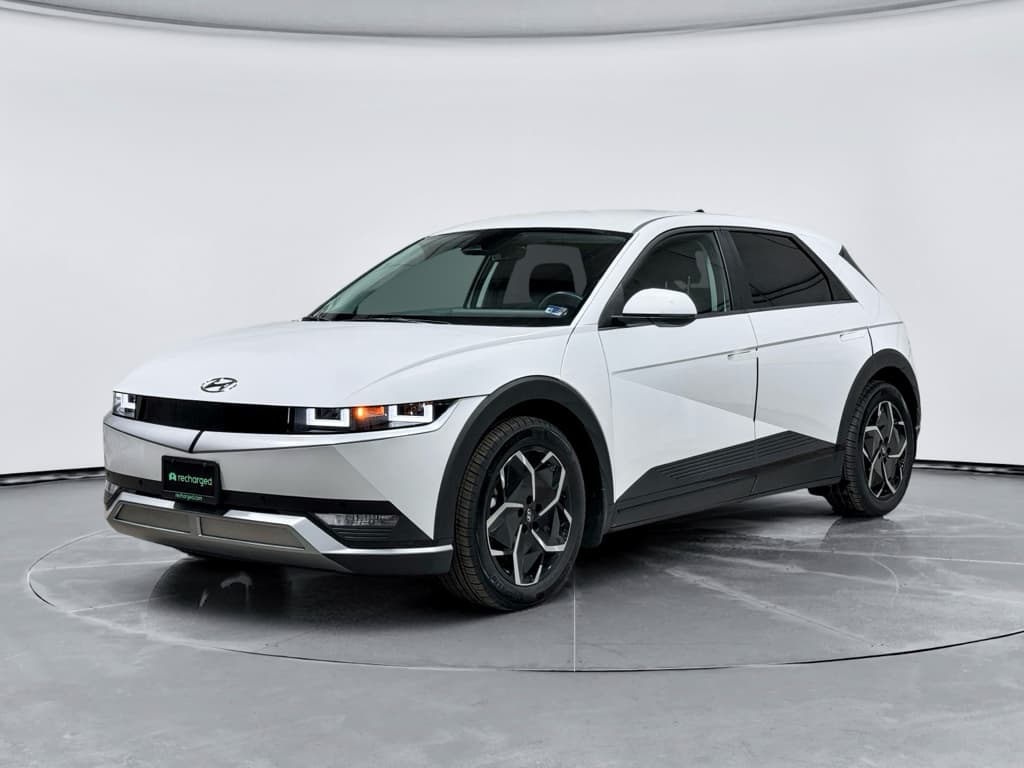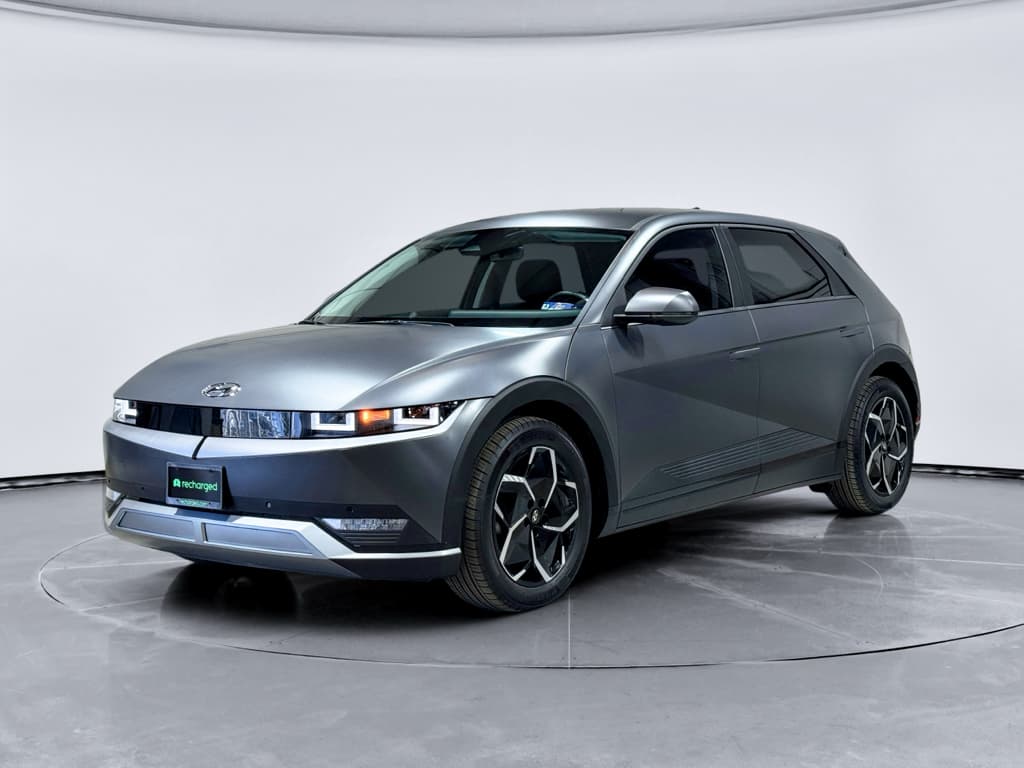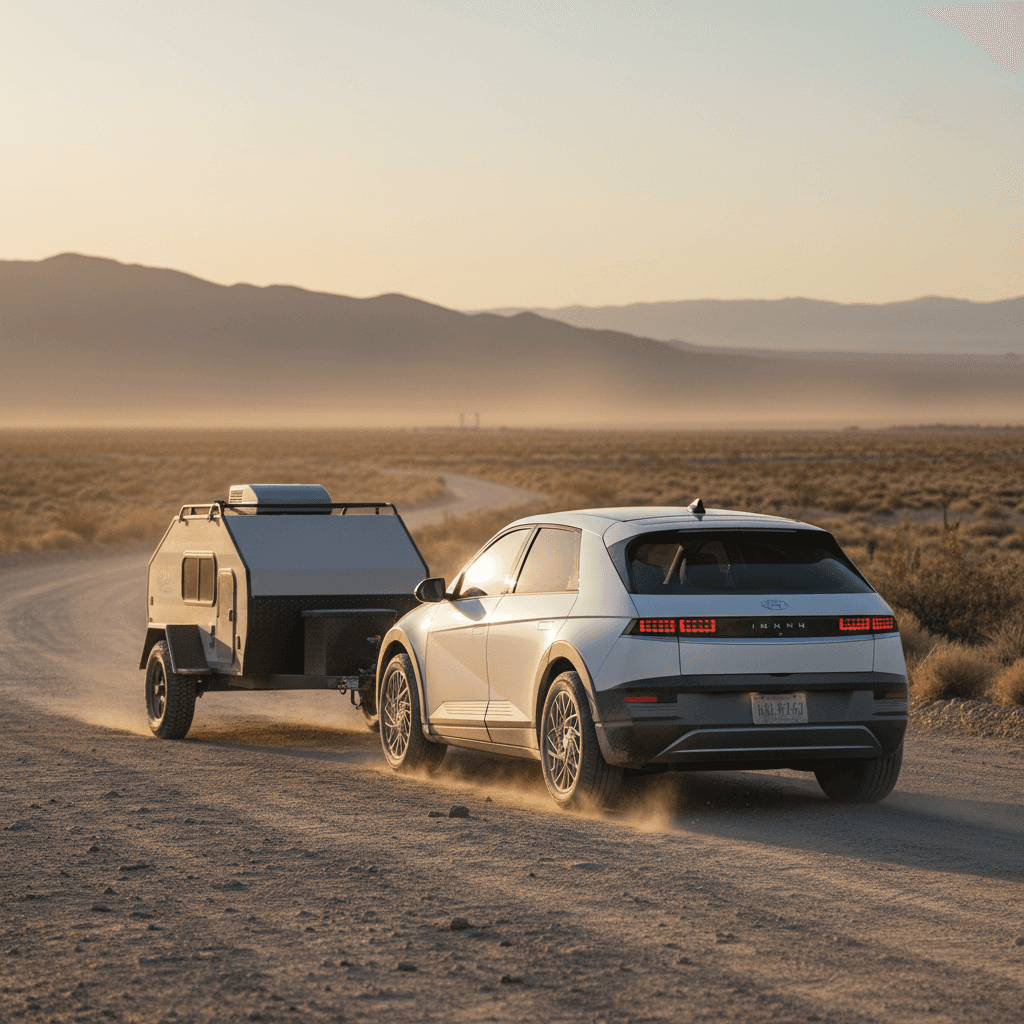
If you’re looking at a Hyundai IONIQ 5, you’re probably wondering two things: how far it can go on a charge, and whether it can comfortably tow a small trailer, toys, or a cargo box. The good news is that the Hyundai IONIQ 5 towing capacity and range make it one of the more capable light-duty tow vehicles in the EV world, if you understand its limits and plan around them.
Key takeaway
Hyundai IONIQ 5 towing capacity overview
Hyundai positioned the IONIQ 5 as more than just a city runabout. On models fitted with the larger battery and factory tow rating, it’s designed to handle light camping trailers, small boats, or utility trailers for hardware store runs.
Hyundai IONIQ 5 towing capacity by configuration (U.S. market)
Approximate capacities for 2022–2025 U.S.-spec IONIQ 5 models. Always confirm your exact vehicle’s rating on the door jamb sticker and in the owner’s manual.
| Model years | Battery & drivetrain | Factory tow rating | Notes |
|---|---|---|---|
| 2022–2024 | 58 kWh Standard Range RWD | 0–1,650 lbs (varies; many not rated) | Some base models are not tow-rated in the U.S.; check your manual carefully. |
| 2022–2025 | 77.4 kWh Long Range RWD | 2,300 lbs | Most long-range RWD trims rated for maximum towing when properly equipped. |
| 2022–2025 | 77.4 kWh Long Range AWD | 2,300 lbs | Dual-motor versions generally share the same 2,300-lb max trailer rating. |
| 2025 XRT (84 kWh AWD) | 84 kWh AWD | 2,300 lbs | Off-road-oriented XRT keeps a 2,300-lb tow rating despite added weight and lift. |
Maximum ratings assume a properly installed hitch, trailer brakes when required, and staying within tongue-weight limits.
Always verify your specific car
Battery and drivetrain options: how they affect range
The IONIQ 5 has been offered with two main battery sizes in North America so far, with a third, larger pack arriving for 2025. Your battery and drivetrain choice has a big impact on range, and on how relaxed the car feels when you add a trailer.
IONIQ 5 battery choices in the U.S.
How each pack and drivetrain combination affects everyday usability.
58 kWh Standard Range RWD
EPA range: about 220 miles.
Best for short commutes and city driving. With towing, you quickly run out of usable range, so this isn’t the ideal configuration for regular trailering.
77.4 kWh Long Range RWD
EPA range: up to 303 miles.
The efficiency champ. If you want to tow occasionally and still have comfortable highway range, this is the sweet spot.
77.4 kWh Long Range AWD / 84 kWh AWD
EPA range: typically 256–260 miles for the 77.4 kWh AWD, around 259 miles estimated for the 84 kWh XRT.
More traction and power, but less range than RWD. Expect the biggest range penalty when towing at interstate speeds.
Think in usable miles, not just EPA numbers
EPA-rated range by IONIQ 5 configuration
Here’s a simplified look at official EPA range ratings for recent IONIQ 5 models in the U.S. These don’t reflect towing, but they’re your baseline before you add a trailer, bikes, or a roof box.
Typical EPA range for recent Hyundai IONIQ 5 models
If you’re shopping new or used, you’ll often see those three range figures, 220, 303, and 260 miles, on window stickers or spec sheets. They’re all for the same basic vehicle; the difference is battery size and whether the car is rear- or all-wheel drive.
How towing actually impacts your IONIQ 5’s range
Any EV will lose range when towing. What matters is how much you’re pulling, how fast you’re driving, and how aerodynamic the load is. The IONIQ 5’s 2,300-pound rating is designed for light trailers, think a small pop-up camper, a pair of jet skis, a lightweight cargo trailer, or a small teardrop.
Typical towing range hit
- Light, low trailer (1,000–1,500 lbs): plan on ~30–40% less range.
- Taller camper (1,500–2,300 lbs): 40–50% or more range loss, especially at 70+ mph.
- City & suburban speeds: aero drag matters less, so the penalty can be milder than on the highway.
Owners who’ve towed in mixed driving often report using about 60–70% of the normal efficiency for planning.
Example: Long Range RWD on a towing trip
Start with a 303-mile EPA rating. Use 75% for everyday driving (no trailer) → about 225 miles of realistic highway range.
Add a 1,500-lb trailer and assume a 40% penalty → 225 × 0.6 ≈ 135 miles between fast charges.
If you prefer a bigger buffer, plan around 100–120 miles between stops when towing at freeway speeds.
Don’t overestimate your towing range
Safe towing weights, hitches, and hardware
The IONIQ 5 can be a very confidence-inspiring tow vehicle, as long as you respect its limits. Towing isn’t just about the headline number of 2,300 pounds. Tongue weight, trailer brakes, and hitch quality all play a role in stability and safety.
Essential towing safety checks for your IONIQ 5
1. Confirm that your specific IONIQ 5 is tow-rated
Not every trim is approved to tow in every market. Check the owner’s manual and the certification label on the driver’s door jamb for maximum trailer and tongue weights.
2. Use a quality, properly installed hitch
A factory or reputable aftermarket hitch, installed to spec, is critical. EVs are heavy; you don’t want substandard hardware flexing under load.
3. Respect tongue-weight limits
Hyundai typically specifies a tongue weight around 10% of the trailer rating. For a 2,300-lb trailer, that’s roughly 230 lbs on the hitch. Too much tongue weight can overload the rear axle; too little can cause sway.
4. Add trailer brakes when required
Many states require trailer brakes above 1,500–2,000 lbs. Even when not mandated, independent trailer brakes greatly improve stopping distances with a heavy EV.
5. Check tire pressures (car and trailer)
Run your IONIQ 5’s tires at the recommended pressures for heavy load or highway use, and keep trailer tires at their specified PSI to avoid blowouts and rolling resistance.
6. Use the right drive mode and regen
Eco or Normal modes usually give the smoothest towing response. Experiment with regenerative braking settings to keep stopping smooth when paired with trailer brakes.
Good news for stability
Planning a trip while towing with an IONIQ 5
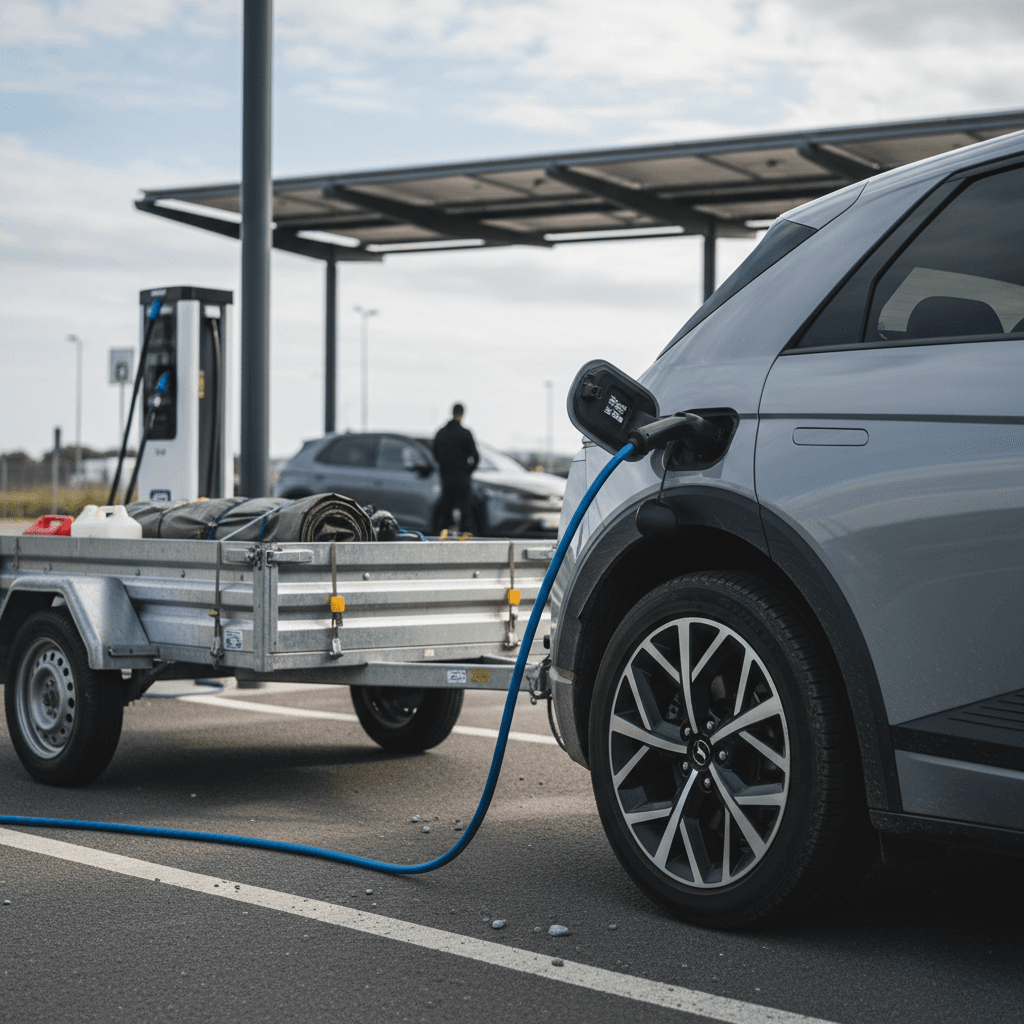
If you’re used to towing with a gas SUV, EV trip planning will feel different at first, but not difficult. The IONIQ 5’s fast-charging capability and growing DC charging networks (including NACS access on newer models) make it viable for weekend getaways and regional trips with a trailer in tow.
Smart trip-planning moves when towing
Three habits that make IONIQ 5 towing far less stressful.
Choose trailer-friendly routes
Plan your drive around fast chargers with easy trailer access. Look for highway-adjacent sites with pull-through parking or room to reverse.
Shorter legs, longer breaks
Instead of 200–250-mile legs, think 100–140 miles between fast charges. Use those stops for meals and stretch breaks.
Use multiple planning apps
Combine tools like PlugShare, A Better Routeplanner, and your car’s built-in nav. Cross-check charger availability and power levels, especially along rural routes.
Consider un-hitching at chargers
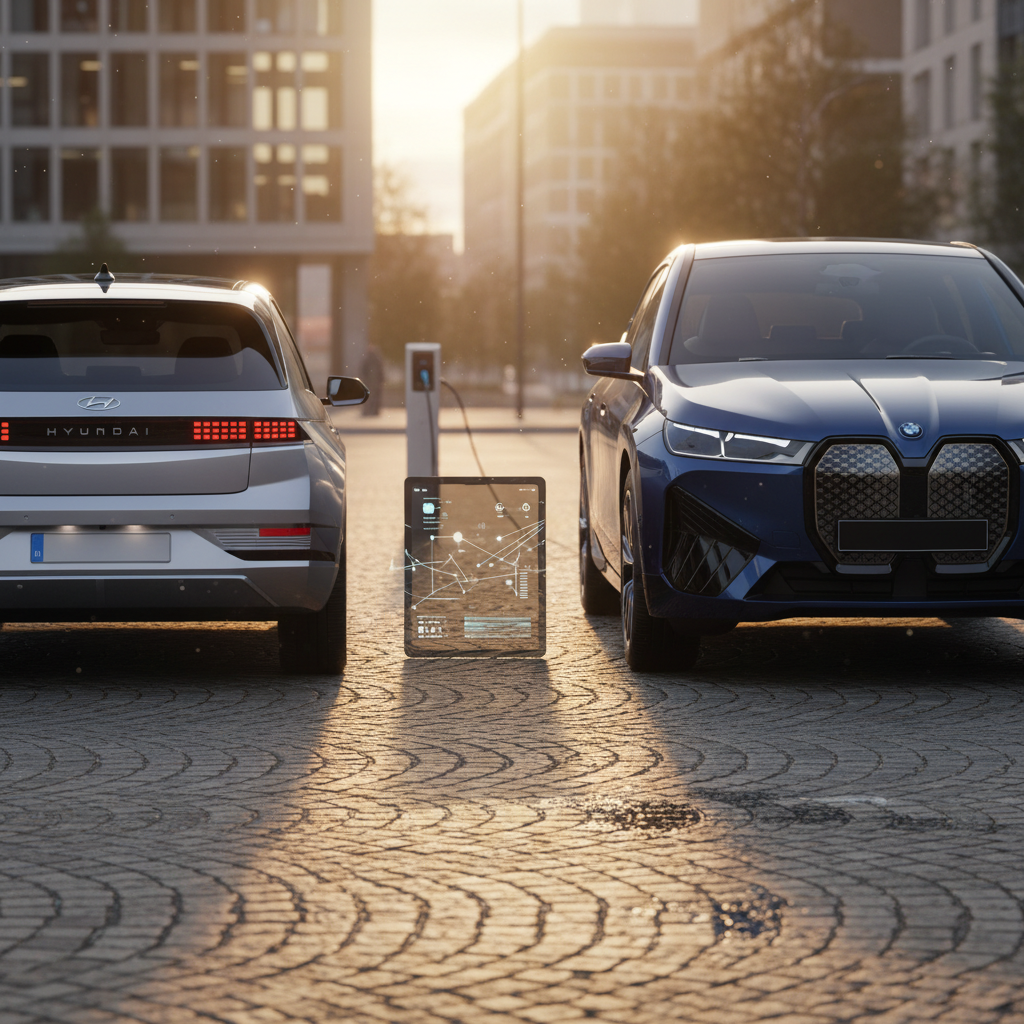
IONIQ 5 vs other EVs for light towing
The IONIQ 5 isn’t the only EV that can tow, but it hits a useful sweet spot for many families. It won’t replace a full-size pickup, yet for light-duty work it compares well to other compact and midsize electric crossovers.
Where the IONIQ 5 shines
- Competitive tow rating: 2,300 lbs is on par with many rivals like the Kia EV6 and Volvo XC40 Recharge.
- Very fast DC charging: Its 800-volt architecture lets you recover range quickly between towing legs.
- Comfort and space: A long wheelbase and roomy interior make it a pleasant road-trip machine even with a full load.
Where rivals may do better
- Heavier trailers: Larger EV SUVs such as the Kia EV9 or upcoming Hyundai IONIQ 9 carry higher tow ratings (3,500–5,000 lbs).
- Dedicated off-road towing: If you’re dragging a camper deep into rough terrain, a body-on-frame truck or rugged SUV is still a better fit.
Think honestly about what you’ll tow
Used IONIQ 5 towing & range checklist
Shopping used adds a few wrinkles. You want confidence not only in the battery, but also in how the previous owner treated the car, especially if it’s been used as a tow vehicle.
What to check on a used Hyundai IONIQ 5
1. Confirm the tow rating and equipment
Verify the trim, battery, and whether the car is officially tow-rated in your region. Check for a professionally installed hitch and wiring, not a DIY job spliced into taillights.
2. Inspect for hitch and underbody damage
Look for bent hitch receivers, scuffed bumper plastics, or damage to the underbody aero panels that might have been removed for a hitch install.
3. Review service and charging history
Frequent DC fast-charging and heavy towing aren’t deal breakers, but they’re useful context when you evaluate battery health and pricing.
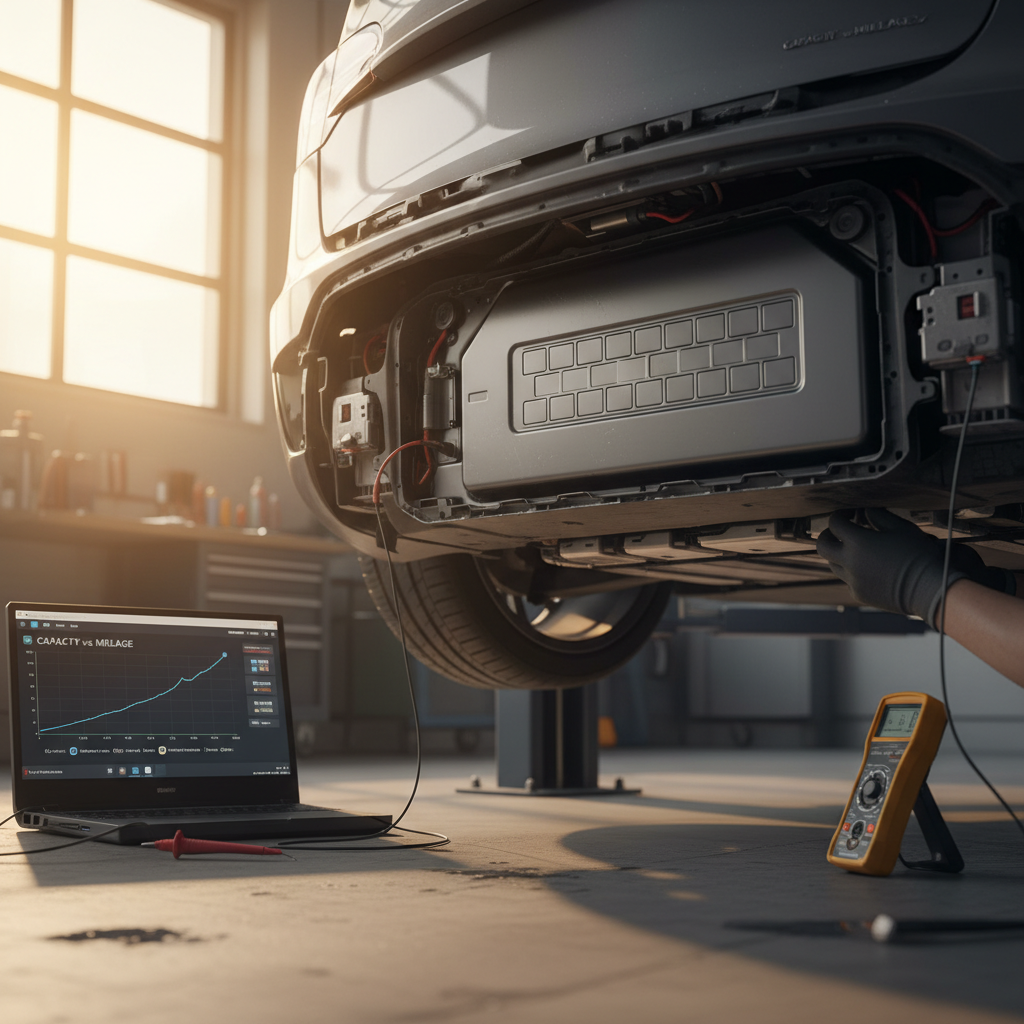
4. Check real battery health, not just range guess-o-meters
A <strong>Recharged Score battery health report</strong> uses diagnostics instead of dashboard estimates so you know how much usable capacity remains, critical when you plan to tow.
5. Take a highway test drive
Load the car with passengers or cargo and do a sustained highway run. Pay attention to energy use, stability, and how confident it feels in crosswinds and during emergency stops.
6. Compare pricing to non-towing examples
If a car has clearly been used for towing, make sure the price reflects the added wear, or choose a clean, never-towed example instead.
How Recharged can help
Ready to find your next EV?
Browse VehiclesFAQ: Hyundai IONIQ 5 towing capacity and range
Frequently asked questions
Bottom line: Should you tow with a Hyundai IONIQ 5?
If your idea of towing is a small camper for long weekends, a pair of jet skis to the lake, or a utility trailer on home-improvement runs, the Hyundai IONIQ 5 towing capacity and range line up nicely with real-world needs. Stay under about 2,000 pounds, plan conservative legs between fast chargers, and the IONIQ 5’s quick 800-volt charging largely offsets the range hit from towing.
Where the IONIQ 5 isn’t the right tool is in pulling big, boxy travel trailers or heavy dual-axle loads. For that, you’ll want an EV with a higher tow rating, or a traditional truck or SUV. But for light-duty, EV-friendly towing, the IONIQ 5 is an appealing blend of comfort, efficiency, and capability, especially when you pair it with transparent battery-health data from a Recharged Score Report. That combination lets you shop used with confidence and hit the road knowing exactly what your EV, and your trip plan, can handle.