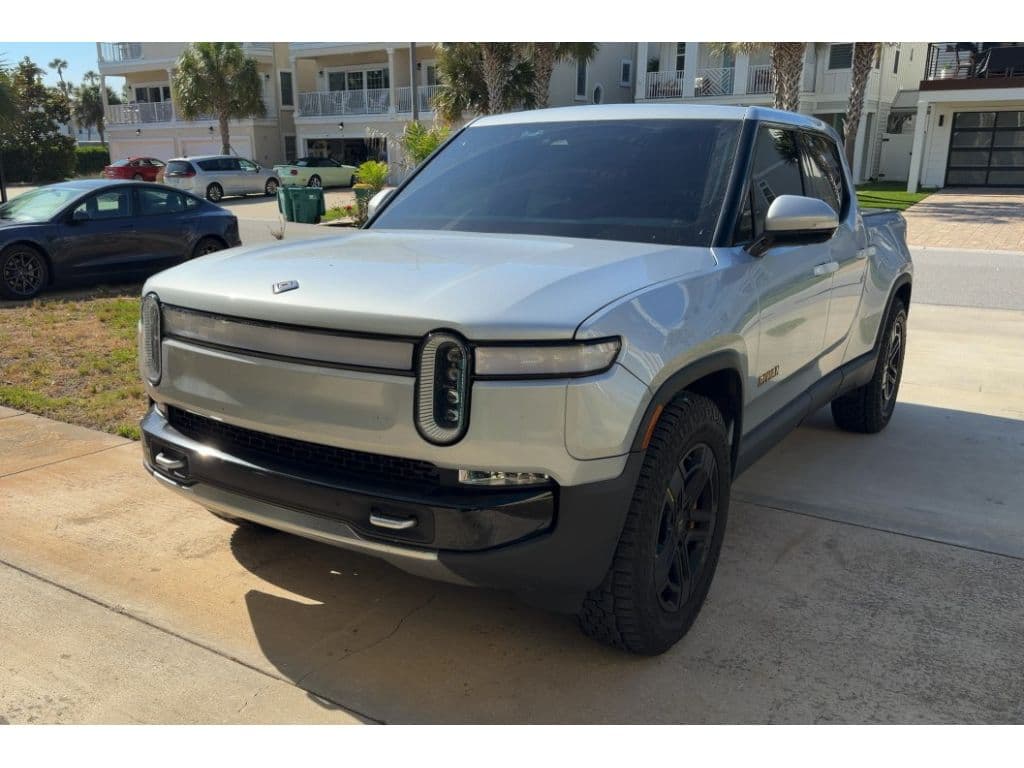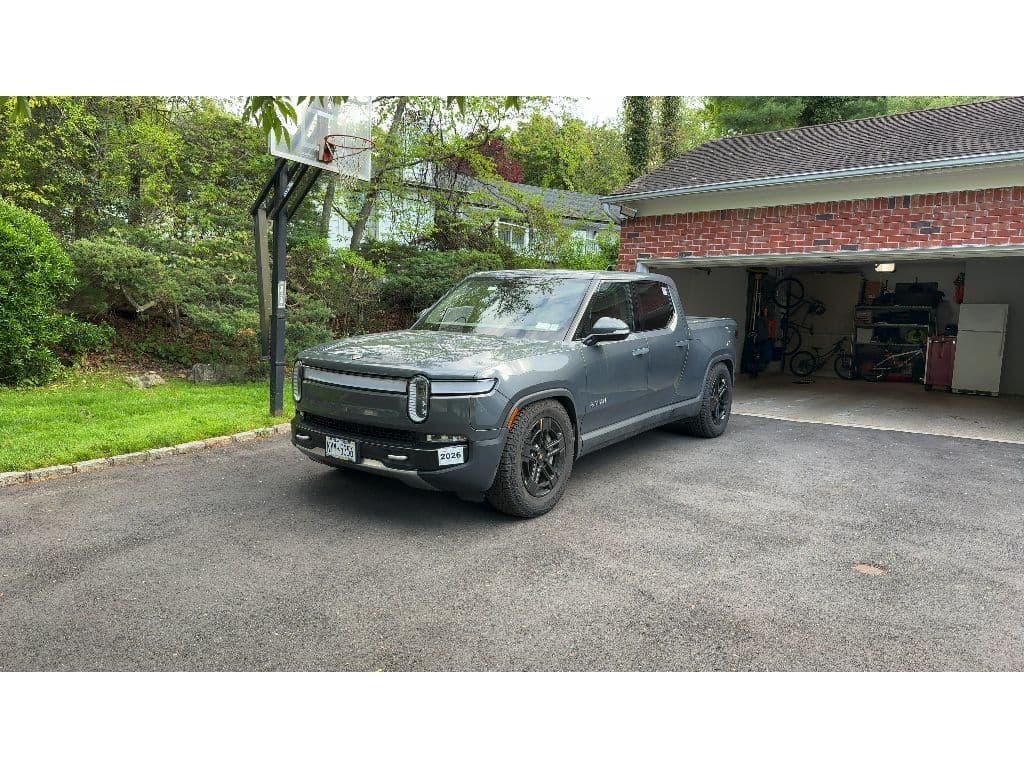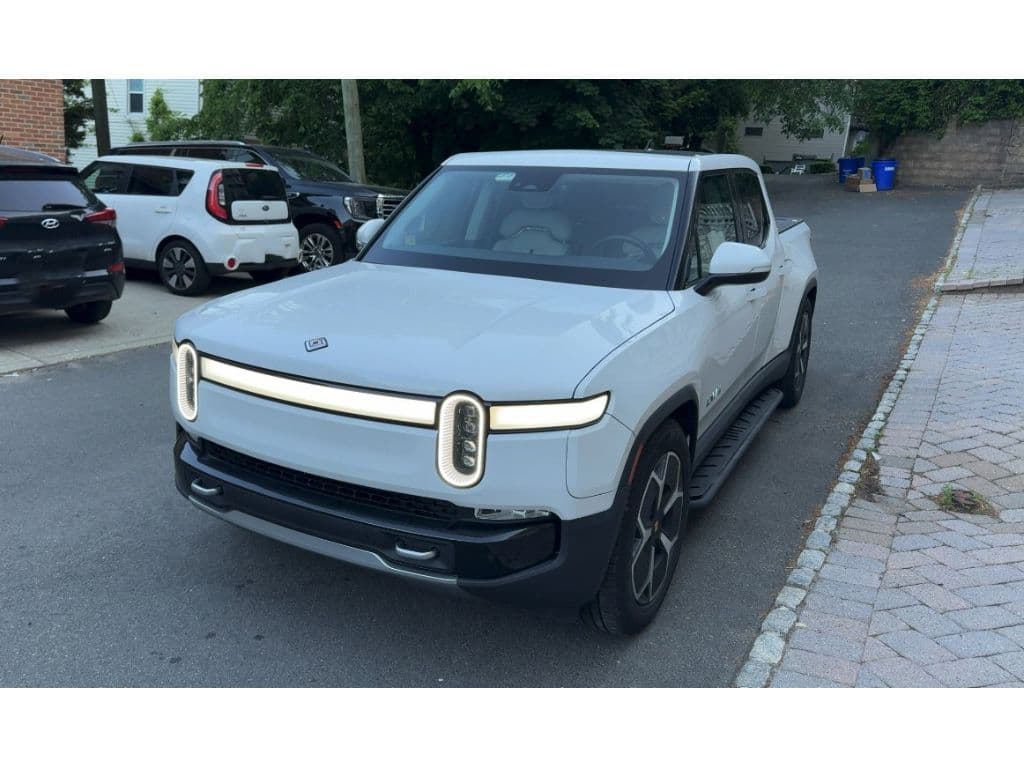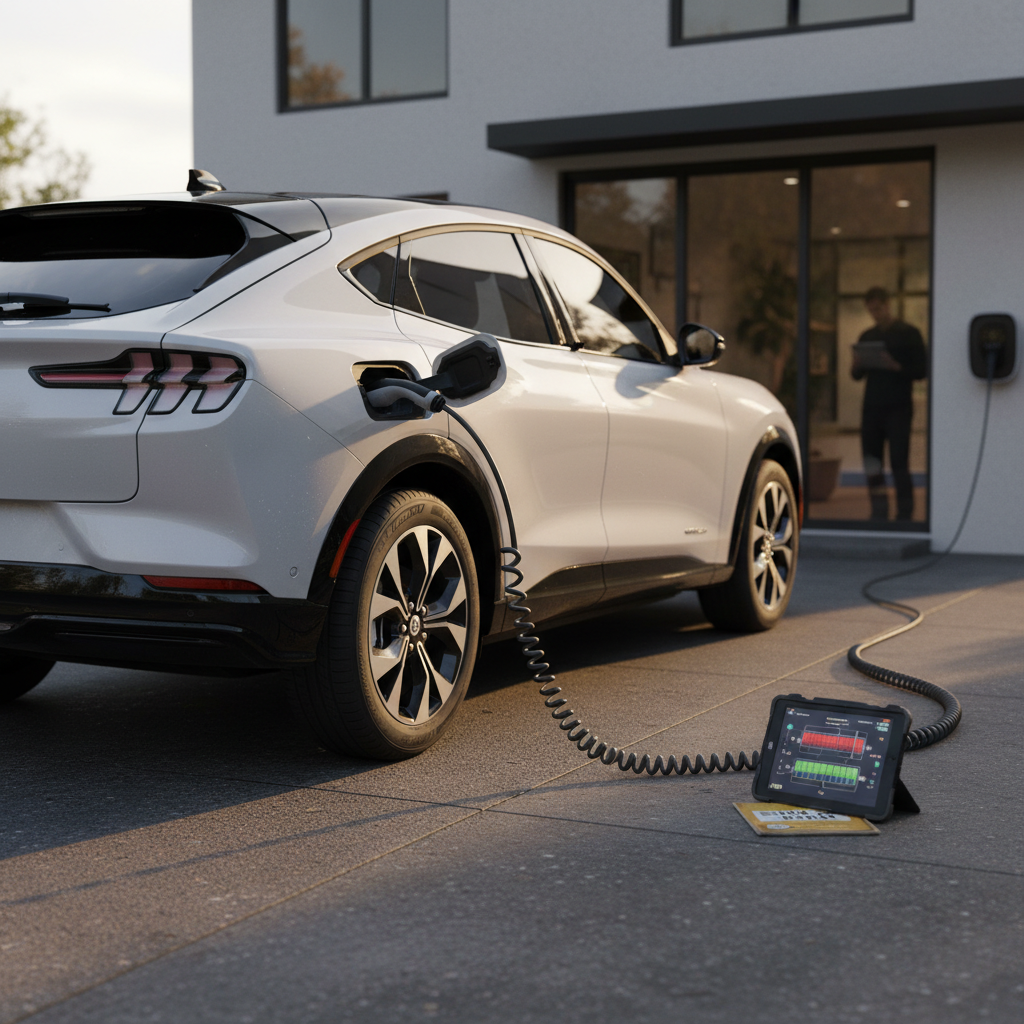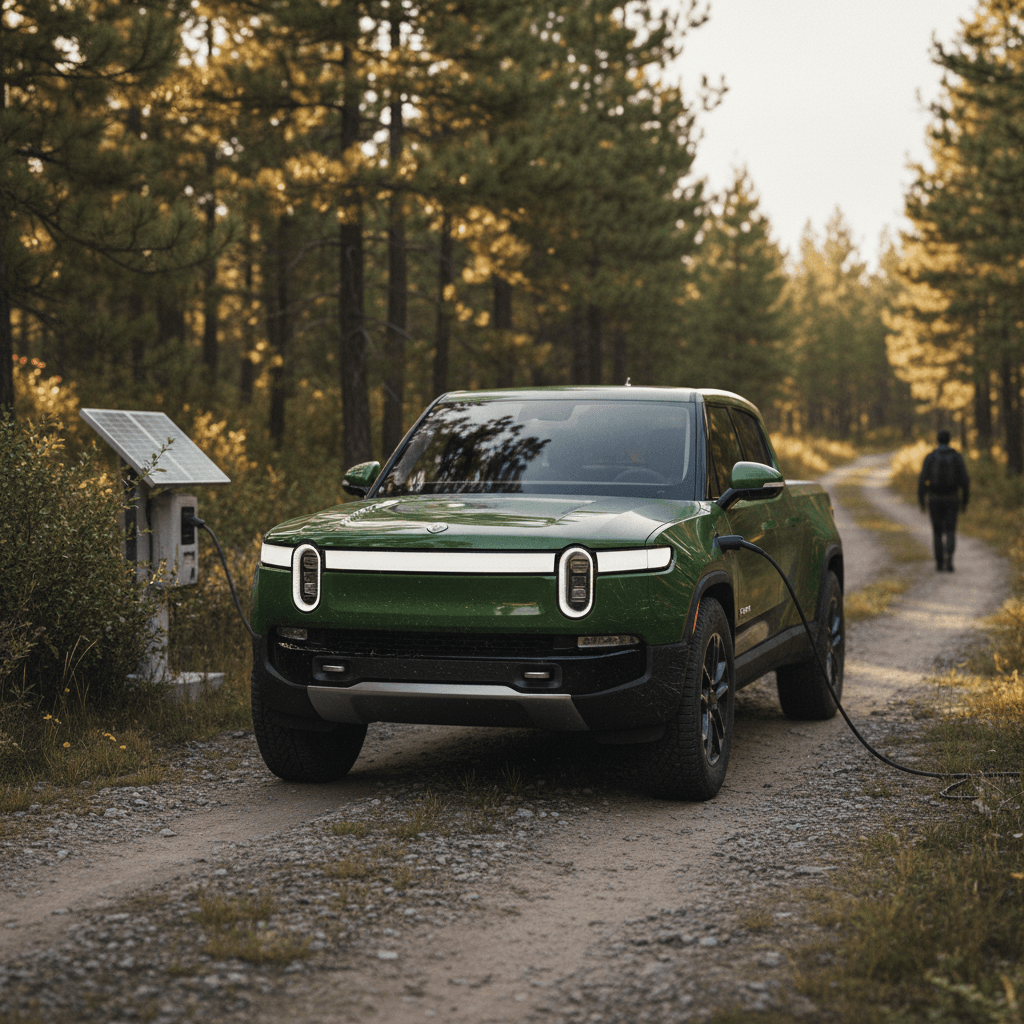
If you’re considering a used Rivian R1T, the smartest question to ask is: what’s it like to live with after a full year? In this data‑driven Rivian R1T owner review after 1 year, we’ll combine real‑world owner feedback, recall data, and used‑market pricing to help you decide if this electric truck fits your life, and your budget.
How we built this 1‑year review
Who this 1‑year Rivian R1T review is for
- You’re cross‑shopping a used Rivian R1T against gas pickups or other EV trucks like the F‑150 Lightning or Cybertruck.
- You want to understand real‑world range, charging, and reliability after the honeymoon period.
- You’re wondering how much the R1T actually depreciates and whether a 1–3‑year‑old truck is a smart buy.
- You already own an R1T and want to reality‑check your experience against the broader ownership picture.
We’ll focus mostly on 2022–2024 trucks, since those are what you’re most likely to see in the used market right now. Where second‑generation 2024–2025 updates matter (like more advanced driver assistance), we’ll call those out explicitly.
Quick take: Rivian R1T after 1 year
Rivian R1T after 12 months: snapshot
Bottom line after 1 year
What owners love after a year
- Effortless performance: Even dual‑motor trucks feel sports‑car quick; quad‑motor is borderline absurd.
- Ride and handling: Air suspension and active dampers make it more comfortable and composed than most gas pickups.
- Thoughtful details: Gear tunnel, built‑in air compressor, frunk, plentiful outlets, and clever storage.
- Strong winter manners: Instant torque and sophisticated traction control help in snow, especially with proper tires.
- Frequent OTA updates: New features, UI refinements, and performance tweaks keep the truck feeling fresh.
What frustrates owners
- Software gremlins: Frozen screens, laggy UI, Bluetooth and Phone‑as‑a‑Key glitches still pop up for some owners after a year.
- Recall fatigue: Multiple recalls have hit R1 trucks in a short span, mostly addressed free via service or software, but still inconvenient.
- Range vs. expectations: High speeds, big wheels, cold weather, and towing can chop rated range dramatically.
- Charging network reality: CCS fast charging isn’t as seamless as Tesla’s network in many regions, though it’s improved.
- Size and weight: In tight cities or small garages, the R1T can feel big and heavy compared with midsize pickups.
Daily driving, comfort, and practicality
If you’re used to traditional half‑ton pickups, the Rivian R1T will feel familiar in footprint but surprisingly refined after a year of daily driving. Owners consistently praise the quiet cabin, strong climate control, and the way the truck shrinks around you on back roads.
Cabin comfort vs. truck utility
Where the R1T nails everyday use, and where it still feels like a first‑gen EV truck
Cabin & seats
Supportive seats and a minimalist interior age well over the first year. Road and wind noise are impressively low for a boxy truck, though you’ll still hear some tire roar on coarse pavement.
Storage & practicality
The gear tunnel, spacious frunk, under‑bed storage, and in‑bed outlets make it easy to live truck life without smelling like fuel or oil. Most owners say these features become indispensable within months.
Size & maneuverability
The R1T is easier to maneuver than a full‑size pickup thanks to quick steering and great cameras, but urban street parking and older garages can still feel tight.
Try the seating position before you buy
Real-world range and charging experience
On paper, early R1Ts with the Large pack are rated around 314–350 miles depending on configuration. After a year in the wild, most owners report roughly 220–280 miles of usable highway range at 70–75 mph in normal weather, less with 21" or 22" wheels, roof racks, or aggressive all‑terrain tires.
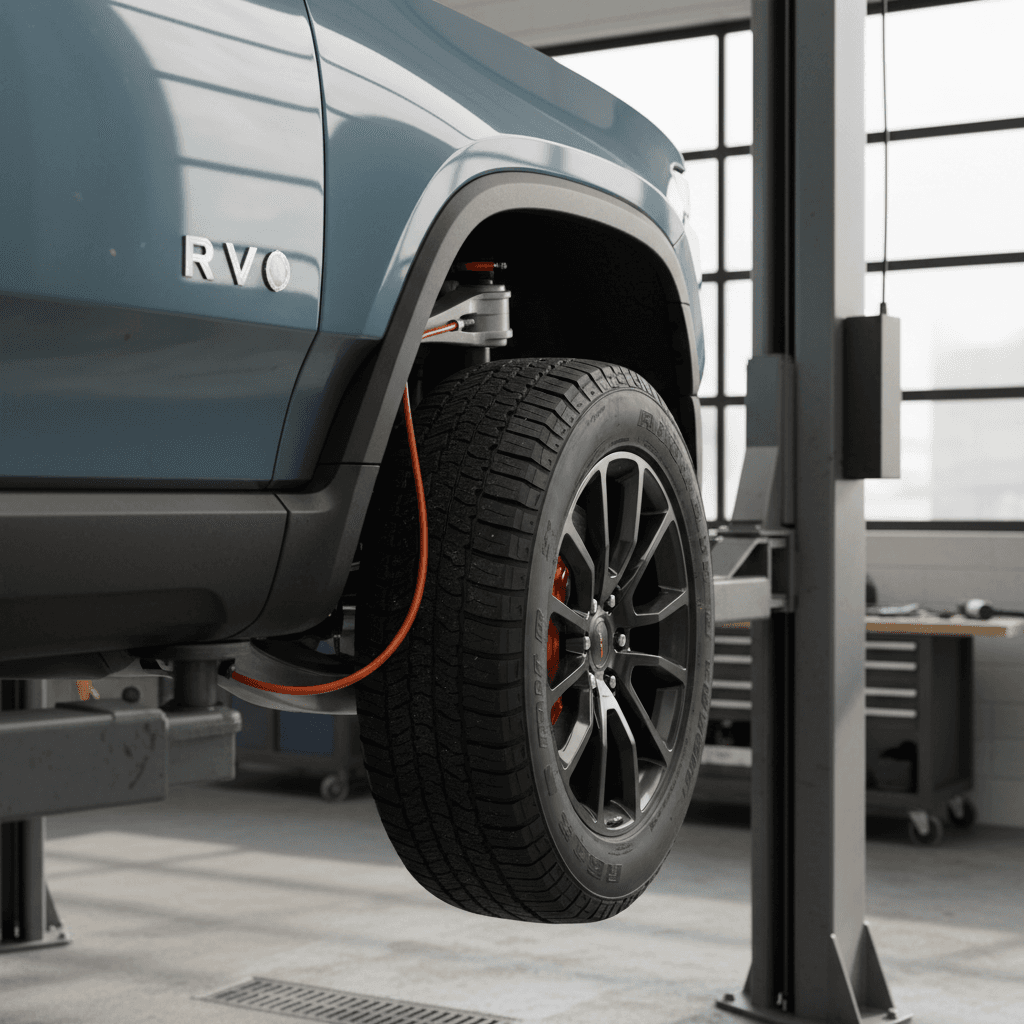
Typical Rivian R1T real‑world range after 1 year
Approximate owner‑reported ranges with a healthy battery, starting from ~90–100% to ~5–10% state of charge.
| Use case | Battery / wheels | Typical highway range | Owner takeaway |
|---|---|---|---|
| Mild weather commuting | Large pack, 20" wheels | 260–280 mi | Plenty for mixed city/highway driving without mid‑week charging anxiety. |
| 75 mph road trip, summer | Large pack, 21–22" wheels | 230–260 mi | Plan for DC fast stops roughly every 2.5–3 hours. |
| Cold winter highway (below freezing) | Large pack, 20" wheels | 190–230 mi | Preconditioning and cabin management help, but physics still bite. |
| Light towing (small camper / utility trailer) | Large pack, 20" wheels | 130–190 mi | Expect roughly 30–40% range hit depending on trailer shape and speed. |
Numbers are directional and vary with wind, temperature, elevation, and driving style.
Charging network reality check
1‑year owner charging tips
1. Size your home charging correctly
If you can install a 48‑amp Level 2 charger on a 60‑amp circuit, you’ll easily recover a full day’s driving overnight. Apartment dwellers often lean on workplace or DC fast charging, factor that into your decision.
2. Learn the truck’s preconditioning tools
Battery preconditioning before DC fast charging, plus preheating or precooling the cabin while plugged in, can meaningfully improve winter range and charging speeds.
3. Watch accessory and tire choices
Bigger wheels, roof racks, and aggressive A/T tires look great but eat into range. Many owners who start on 22" wheels eventually switch to 20" for better efficiency and comfort.
4. Use trip planning apps
Long‑term owners almost universally pair the Rivian nav with third‑party tools like A Better Routeplanner or PlugShare to sanity‑check charging stops.
Towing, hauling, and off-road use
After a year, R1T owners who actually use the truck as a truck report that it tows and hauls with confidence, as long as you respect the range penalty. Instant torque makes merging with a trailer stress‑free, and the built‑in trailer brake controller and cameras are well‑integrated.
Towing & hauling after 12 months
- Powertrain: The R1T shrugs off payload weight, especially in quad‑motor form. The limiting factor is range and charging access, not grunt.
- Range hit: Think in terms of half range as a conservative starting point for serious towing. Owners pulling small campers or boats often see 30–50% range loss at highway speeds.
- Thermal management: The cooling system generally keeps up, but back‑to‑back fast‑charging and steep climbs can slow charge speeds.
Off‑road and bad‑weather use
- Traction: The combination of air suspension, sophisticated traction control, and underbody protection makes snow and light off‑road work feel easy.
- Ground clearance: Adjustable ride height is a game‑changer on rutted roads or trailheads. Owners do caution about the long wheelbase in very tight rock gardens.
- Corrosion & wear: After one winter, underbody coatings generally hold up well, but frequent off‑roaders should still rinse salt and mud from the suspension and brakes.
Don’t ignore weight and payload ratings
Software experience and OTA updates
Rivian leans hard on software, and that’s a double‑edged sword. Over your first year, you can expect a steady cadence of over‑the‑air (OTA) updates that add features, refine the UI, and occasionally rework driver‑assistance behavior. You can also expect the occasional regression, an update that fixes one annoyance but introduces another.
How Rivian software feels after a year
High feature velocity, but more quirks than a mature automaker
Feature gains
Owners who bought in 2022–2023 have seen major improvements in navigation, driver assistance, ride/handling modes, and energy prediction. Second‑gen 2024–2025 trucks are getting expanded hands‑free driving and a voice assistant via software, not a trade‑in.
Bugs & glitches
Frozen center screens, laggy audio, Bluetooth drops, and phantom warnings still crop up in some software builds. Many owners ride out an update or two until Rivian smooths things over.
Service response
Learn the “sleep cycle” reset
Reliability issues and recalls in year one
Let’s address the tough part head‑on: Rivian’s reliability record is mixed, especially compared with established truck brands. Independent surveys have ranked Rivian near the bottom for reliability, reflecting both hardware teething issues and a flurry of recalls across the R1 lineup in 2024–2025.
Common Rivian R1T issues in the first 1–2 years
Not every truck will see these problems, but they’re the patterns that show up in owner reports and recall records.
| Issue type | How it shows up | Typical remedy |
|---|---|---|
| Seat belt or restraint recalls | Owner receives a recall notice; inspection required. | Rivian inspects and, if needed, tightens or replaces components free of charge. |
| Suspension/toe link concerns | Clunks, unusual handling, or recall notice after service. | Inspection and replacement of affected parts; critical for safety. |
| Driver‑assist software glitches | Hands‑free or lane‑keeping behaves inconsistently; warnings in cluster. | OTA software update to revise driver‑assistance logic. |
| Center screen / UI freezes | Screen becomes unresponsive or reboots; sometimes tied to navigation or heat. | Reboot procedure, software update, or in some cases replacement of the display module. |
| 12‑volt battery & warning lights | Random warnings, no‑start conditions in a few early trucks. | 12‑volt battery replacement and software updates to improve diagnostics. |
Most hardware fixes are performed free under warranty; many software‑related issues are handled via OTA updates.
Plan for at least one service visit in year one
Depreciation and used Rivian R1T values
Here’s the good news for used shoppers: early Rivian R1Ts have already taken their biggest hit, and the market has largely found a groove. Used listings in late 2025 show many 2022–2024 R1 trucks priced $15,000–$25,000 below original MSRP with under 50,000 miles. Independent analyses put overall R1 depreciation a little above 30% over roughly three years, similar to or better than many high‑end EVs, and notably better than some halo trucks.
R1T value and cost picture for used buyers
Why depreciation is your friend here
What to check on a used Rivian R1T
With any EV, but especially a premium truck from a young automaker, the key to a good used purchase is structured inspection. You’re not just checking paint and panel gaps; you’re validating battery health, software status, and that past recalls have been addressed.
Used Rivian R1T inspection checklist
1. Battery health and DC fast‑charge history
Ask for any available battery health reports and look for abnormal range loss. Excessive DC fast charging isn’t an automatic red flag, but a truck that’s fast‑charged heavily and to 100% constantly deserves a closer look.
2. Recall and service history
Verify whether major recalls, seat belts, suspension components, driver‑assist software, have been completed. Rivian can confirm this, and a thorough <strong>independent inspection</strong> can double‑check critical hardware like suspension and brakes.
3. Software version and feature set
Confirm the truck is on a current, stable software build and that driver‑assistance features work as advertised. Test adaptive cruise, lane‑keeping, cameras, and parking sensors on a real drive.
4. Charging behavior
Plug into both Level 2 and, if possible, a DC fast charger. Watch for unexpected error messages, unusually slow charge rates, or charging that repeatedly stops and restarts.
5. Suspension, steering, and tires
On a test drive, listen for clunks, pops, or creaks over bumps and during tight turns. Check for uneven tire wear, which can hint at alignment or suspension issues, especially on trucks that have seen off‑road use.
6. Interior electronics and controls
Spend time with the center screen, HVAC, audio, and connectivity. Make sure Bluetooth devices connect reliably, the Phone‑as‑a‑Key feature behaves, and there are no persistent warning lights buried in menus.
How Recharged can simplify the used R1T process
Is a used Rivian R1T right for you?
R1T 1‑year ownership fit by driver type
Great fit for…
Drivers who want <strong>EV performance and truck utility</strong> in one package and are willing to tolerate some software quirks.
Households with access to reliable home or workplace charging, so public infrastructure is an occasional backup, not a lifeline.
Outdoor‑oriented owners who will actually use the gear tunnel, compressor, power outlets, and off‑road capability.
Tech‑forward buyers who like frequent OTA updates and don’t mind learning evolving driver‑assistance behavior.
Think twice if…
You live far from Rivian service coverage and don’t want mobile appointments or service visits to be part of your life.
You need flawless reliability above all else and can’t tolerate the possibility of recalls or software hiccups.
You routinely tow long distances at highway speeds and can’t compromise on range or charging flexibility.
Street parking is your norm and you can’t install home charging, living off DC fast charging is possible but not pleasant.
After a year in the wild, the Rivian R1T has proven that an electric truck can be both genuinely useful and deeply enjoyable. It also proves that buying into a young EV brand means living through rapid iteration, software updates that change how your truck behaves, and recalls that refine hardware in the field. If you go in with clear eyes, prioritize a truck with a clean service history and strong battery health, and have a charging plan that fits your life, a used Rivian R1T can deliver a driving experience no gas pickup can touch.
If you’re ready to start shopping, you can browse used EV trucks, get a trade‑in offer, or talk to an EV specialist at Recharged who can walk you through battery reports, financing, and nationwide delivery, all without stepping into a traditional dealership.