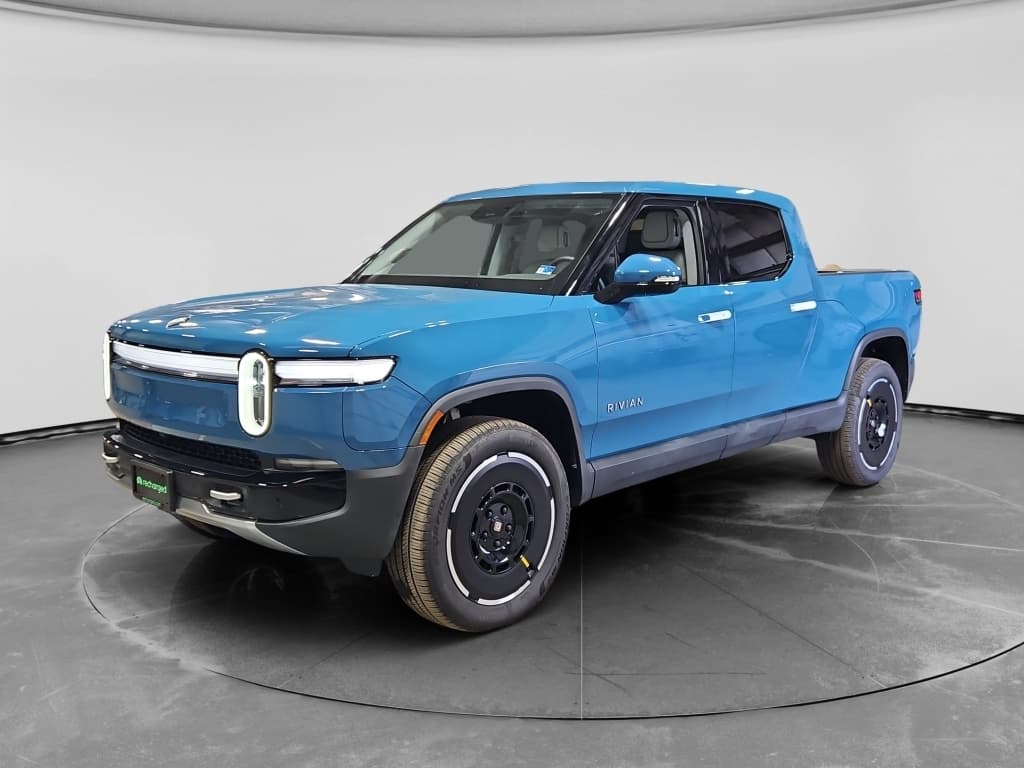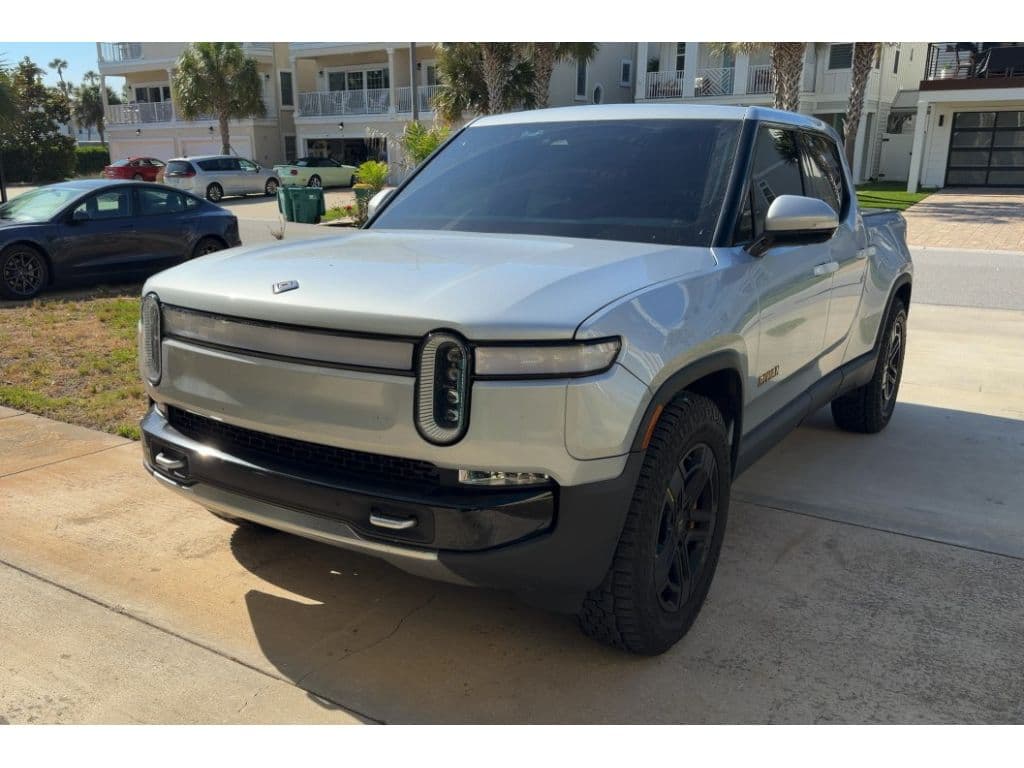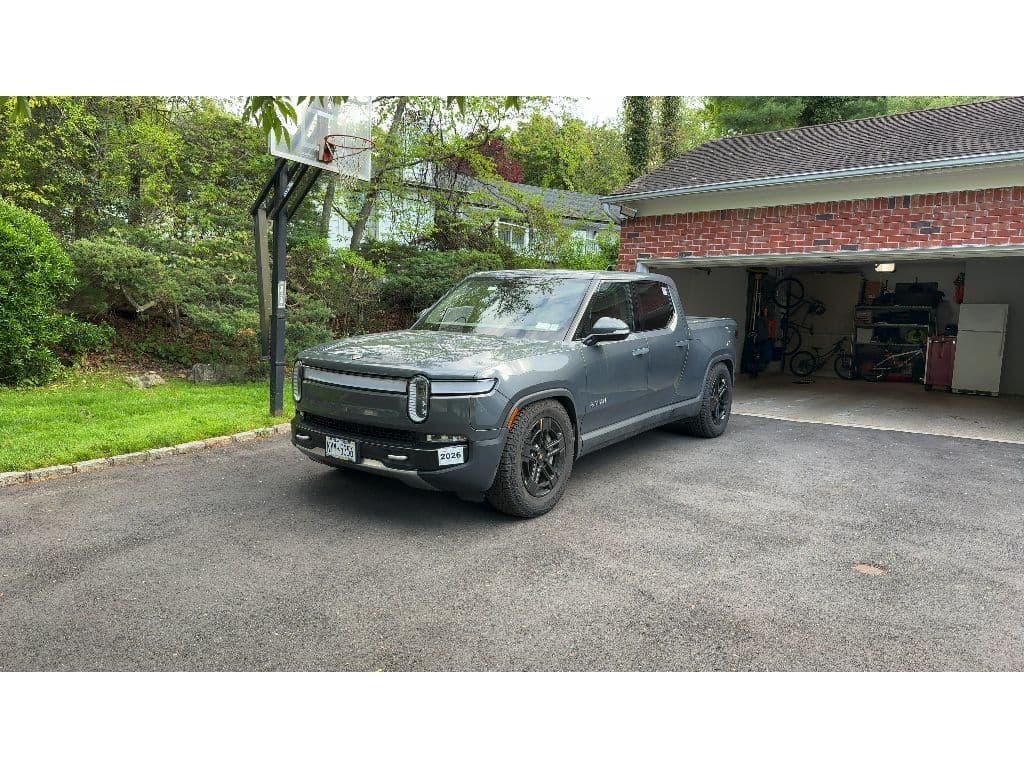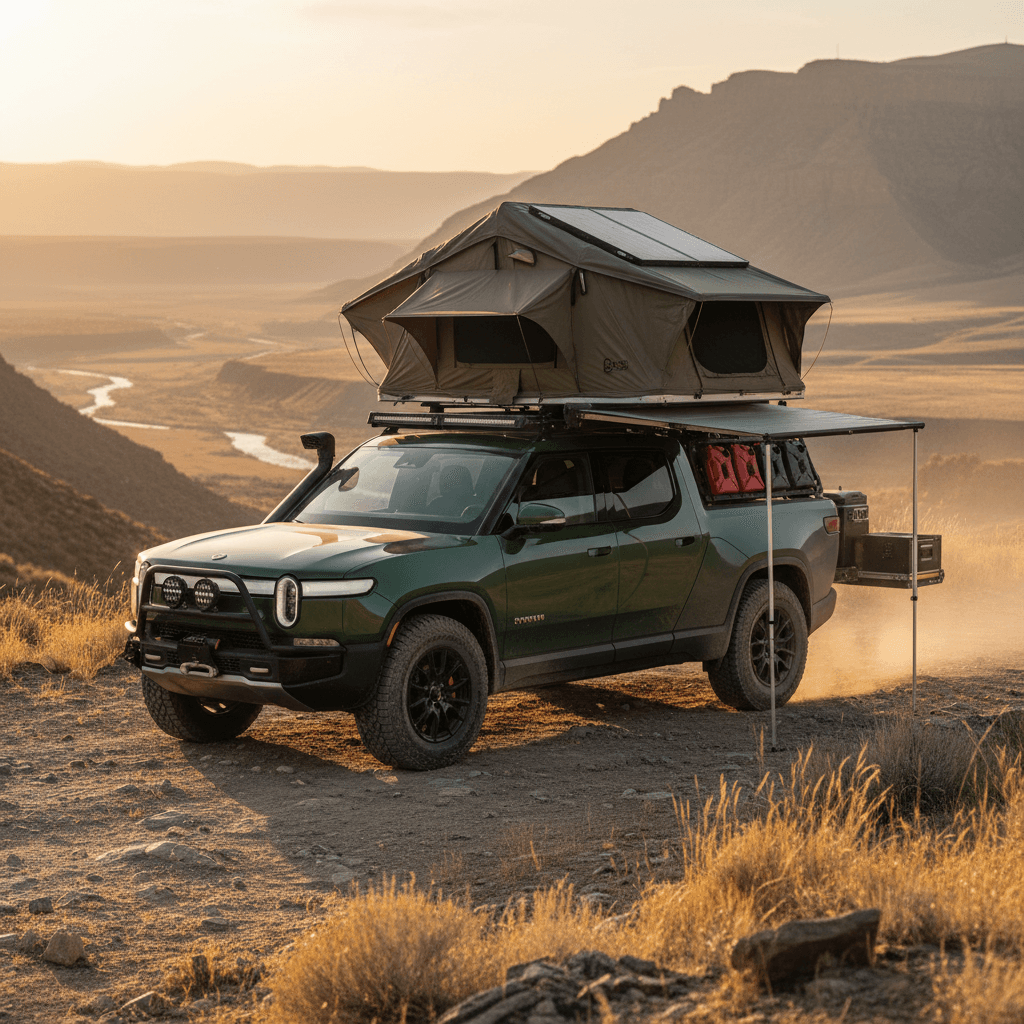
If you’re dreaming about a Rivian R1T overlanding setup, you’re exactly the kind of driver Rivian had in mind. The R1T blends serious off‑road hardware with quiet, efficient electric power and a host of clever camping accessories. The key is building a rig that adds capability without killing range, payload, or everyday usability.
Quick Take
Why the Rivian R1T Makes Sense for Overlanding
The Rivian R1T arrived as an electric truck built around adventure travel, not just commuting. With dual‑ or quad‑motor powertrains, generous ground clearance, available adjustable air suspension, and sophisticated traction control, it’s perfectly at home on forest roads, slickrock, and muddy access trails. Add a quiet all‑electric drivetrain and you’ve got an overland truck that can creep through campgrounds at night or idle silently all evening.
- Up to roughly 400 miles of rated range in higher‑capacity battery trims (in ideal conditions).
- Strong low‑speed control thanks to instant electric torque and drive modes tailored for dirt, sand, and snow.
- Front trunk (“frunk”), gear tunnel, under‑bed storage, and lockable bed give you multiple places to stash gear.
- Multiple 120V and 12V outlets that turn the truck into a rolling generator for lights, fridges, and tools.
Think Systems, Not Parts
Key Planning Considerations Before You Mod
Start With How You’ll Actually Use the Truck
Your answers here should drive every gear choice you make.
Trip Length & Season
Terrain & Difficulty
Passengers & Pets
Pre‑Build Checklist for Your R1T Overlanding Setup
Clarify your primary trip type
Write down where you realistically expect to go in the next 12–24 months. That keeps the build focused on real adventures, not Instagram fantasies.
Set a total budget (including install)
Racks, tents, protection, and electrical accessories add up quickly. Include installation, alignment, and any professional wiring in your plan.
Define a payload target
The R1T’s payload is comparable to a nicely equipped half‑ton truck, but heavy add‑ons and passengers can eat it up fast. Aim to stay comfortably under the published payload rating when fully loaded.
Prioritize bolt‑on, reversible parts
Choose gear that can be removed or upgraded easily. That helps resale value and makes it easier to adapt the truck as your needs change.
Plan for charging on your usual routes
Map DC fast chargers, Level 2 options at trailheads, and campgrounds with 50‑amp service. Your routing plan affects how much extra battery draw you can tolerate from weight and aero mods.
Don’t Ignore Weight Math
Racks and Rooftop Tents for a Rivian R1T Overlanding Setup
Your rack and tent choices define both the character and efficiency of your R1T overlanding setup. You’re balancing three things: where the tent sits (roof vs. bed), how high it is (aero drag and center of gravity), and how much it weighs (payload and range).
Bed Racks for Rooftop Tents
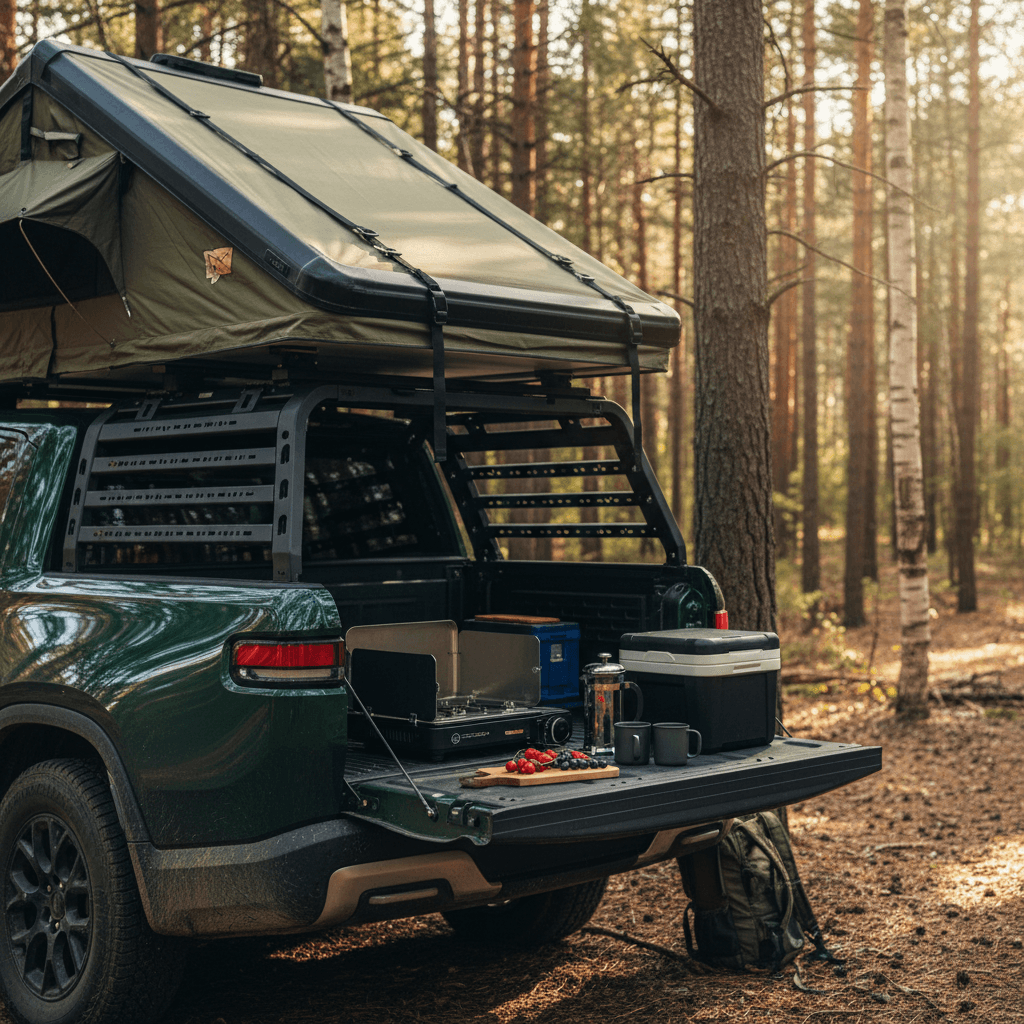
A bed rack keeps the tent over the bed instead of on the cab roof, which helps aerodynamics and preserves the R1T’s clean lines. Systems like the Xtrusion Overland XTR rack offer adjustable heights and serious load ratings, roughly 400 lbs dynamic off‑road, 800 lbs on‑road, and 1,500 lbs static, which is enough to support a rooftop tent and campers.
- Look for racks designed specifically for the R1T’s bed rails and camera/taillight layout.
- Pick the lowest height that still gives you room for gear and a comfortable tent ladder angle.
- Confirm compatibility with your preferred rooftop tent rails or mounting bars.
Rooftop & Bed‑Mounted Tents
For the R1T, a side‑deploying hardshell on a bed rack is often the sweet spot. Rivian has worked with brands like iKamper on R1T‑specific tents that mount over the bed and fold out to the side, so you sleep above the ground without eating into cargo space.
- Hardshell tents are faster to deploy and more weather‑resistant but weigh more.
- Soft‑shell tents are lighter and often roomier, but take longer to set up.
- Check the tent’s dynamic and static load ratings against your rack’s limits.
Lower Is (Almost Always) Better
Common R1T Overlanding Rack & Tent Approaches
Use this as a starting point when deciding how and where to mount your tent.
| Setup Type | Pros | Cons | Best For |
|---|---|---|---|
| Low bed rack + hardshell tent | Lower center of gravity, decent aero, easy ladder access | Bed height limits gear under the rack; cost is higher | Frequent trips, mixed highway and trail use |
| Mid‑height bed rack + soft‑shell tent | More space under rack, lighter tent, good headroom in bed | More wind drag, longer setup time | Families needing more interior tent space |
| Cab‑top crossbars + compact tent | Simpler, cheaper rack; bed stays fully open | Higher center of gravity, more aero drag | Occasional trips where simplicity matters more than efficiency |
| No tent (ground tent or hotel) | Lowest cost, best aero and range | Less comfort in bad weather, slower camp setup | Budget builds, fair‑weather camping, hotel‑based road trips |
Actual range impact and comfort will vary depending on terrain, speed, temperature, and how heavily you load the truck.
Dialing In Your Camp Kitchen and Storage
The R1T’s storage layout, frunk, gear tunnel, under‑bed bin, and lockable bed, gives you a head start on organization. A good overlanding setup turns those spaces into dedicated zones: recovery gear, kitchen, sleeping kit, and personal items each live in predictable locations so you can set up or break camp in minutes.
Smart Ways to Use R1T Storage for Overlanding
Let the truck’s built‑in compartments do as much work as possible.
Frunk: Clean, Dry Storage
Gear Tunnel: Long, Slim Items
Tailgate Kitchen Zone
About the Original Gear Tunnel Camp Kitchen
Camp Kitchen Must‑Haves for an R1T Overlanding Setup
Induction or propane cooking solution
Rivian’s Travel Kitchen uses a two‑burner induction cooktop powered from the truck. If you prefer redundancy, pack a small propane backup stove in case you want to conserve battery or cook away from the truck.
12V or 120V fridge/freezer
A compact compressor fridge eliminates ice runs and soggy food. Wire it to a dedicated 12V outlet or one of the R1T’s bed outlets and secure it with tie‑downs or a slide.
Modular food & utensil bins
Clear, labeled bins for dry goods, utensils, and cookware speed up packing and unpacking. Choose bins that stack under the rack or along the bed sides without blocking tie‑downs.
Water storage & filtration
Carry at least 2–3 gallons per person per day for remote trips. Use stackable containers and consider a gravity filter or in‑line pump for refilling from streams or campground spigots.
Lighting for camp and cooking
USB‑rechargeable or 12V LED string lights, small lanterns, and headlamps are efficient and rugged. The R1T’s outlets can power a small LED pole light over the tailgate kitchen.
Managing Weight, Range, and Charging Off‑Grid
With any EV overlanding build, the biggest tradeoff is between comfort and usable range. Every pound of steel, every square foot of tent in the wind, and every watt you pull for cooking or heating shows up in your consumption numbers.
How Overlanding Mods Affect EV Range (Rule‑of‑Thumb)
Never Plan Around Perfect Conditions
Driving Strategy for Better Range
- Hold highway speeds down when possible, dropping from 75 to 65 mph often saves more range than any other single change.
- Use off‑road and All‑Purpose modes intelligently; higher ride heights add drag, so lower the truck on long paved stretches.
- Pre‑condition the battery before DC fast charging so you get the best possible charge rate when you arrive at a station.
On remote routes, think like a pilot: always know where your next “divert” charger is if weather or terrain worsens.
Charging Options at or Near Camp
- RV parks and campgrounds with 50‑amp service can provide overnight Level 2 charging, perfect for loop trips.
- Public DC fast chargers in gateway towns make a good stop before you head up a forest road to dispersed camping.
- Avoid relying on 120V household outlets except as a last resort; they add only a few miles of range per hour.
Always call ahead to confirm power availability at private campgrounds and ask about parking access for a truck with a tent on top.
Build Your Own Charging Map
Essential Recovery and Protection Gear
The R1T is extremely capable off‑road, but it’s still a heavy, expensive, and relatively complex vehicle. Smart overlanders focus on simple, effective recovery gear and underbody protection rather than decorative bolt‑ons.
Foundational Recovery & Protection Gear
These items dramatically improve your margin for error off‑pavement.
Skid Plates & Rock Protection
Tires & Spares
Recovery Basics
Safety & Recovery Checklist Before Each Trip
Inspect tires and torque lug nuts
Check tread depth, sidewalls, and pressures, including your spare. Re‑torque lugs if you’ve recently had wheels off.
Verify recovery gear load ratings
Make sure shackles, straps, and boards are rated well above the combined weight of your fully loaded R1T and any vehicle you might help recover.
Test lights and comms
Confirm auxiliary lights, handheld radios, and any satellite communicator are functioning and charged before you leave pavement.
Confirm jack and lift points
Review the owner’s manual for proper lift points to avoid damaging the battery pack or underbody panels in the field.
Share your route and timing
Tell a friend or family member where you’re going and when you expect to return, especially for solo trips or remote areas.
Sample Rivian R1T Overlanding Builds
Sometimes it’s easier to think in terms of complete builds rather than isolated parts. Here are three Rivian R1T overlanding setups calibrated for different owners and budgets.
Three Example R1T Overlanding Setups
Weekend Warrior (Budget‑Conscious)
Bed crossbars with compact soft‑shell rooftop tent or quality ground tent.
Mild all‑terrain tires, basic recovery kit, and a small portable compressor.
Simple bin system in the bed, soft duffels in the frunk, and a compact propane stove.
Use public DC fast charging plus occasional campground 50‑amp hookups.
Family Adventure Rig
Adjustable bed rack with mid‑height soft‑shell or larger hardshell tent.
Fridge on a slide, modular drawers or bins for kids’ gear, and an awning for shade.
Upgraded underbody protection and full‑size spare on a swing‑out or bed mount.
More robust charging planning with shorter stages and overnight Level 2 when possible.
Backcountry Explorer
Low bed rack with streamlined hardshell tent and slim side boxes for tools.
Aggressive all‑terrain or hybrid‑terrain tires and comprehensive skid protection.
Dual‑zone fridge/freezer, induction camp kitchen, and expanded water storage.
Detailed offline maps with multiple charger contingencies and weather‑based rerouting.
Keep It Evolutionary
Buying a Used Rivian R1T Specifically for Overlanding
If you’re shopping for a used R1T with overlanding in mind, you face two big questions: whether to seek out a truck that’s already modified, and how to evaluate battery health and prior use. That’s where a structured buying process matters just as much as your mod list.
Pros & Cons of Pre‑Built R1T Overland Rigs
- Pros: You save money versus buying every accessory new, and you can see what actually fits and works on the truck.
- Cons: You inherit someone else’s choices and potential abuse, heavy off‑road use, hard hits to the underbody, or non‑factory wiring.
- Tip: Inspect frame rails, skid plates, suspension arms, and bed structure closely for off‑road scars and questionable mounting holes.
Why Battery Health Matters More Off‑Road
Overlanding often means climbing grades, crawling at low speeds, and towing or hauling heavy loads. All of that leans on the battery. A truck with strong battery health gives you more effective range and more headroom when conditions worsen.
Every vehicle Recharged lists includes a Recharged Score Report with verified battery health and pricing data, so you know what you’re getting before you start bolting on racks and tents.
How Recharged Can Help
Used R1T Overlanding Buyer’s Checklist
Confirm battery health and software history
Look for documented fast‑charging behavior, recent software updates, and independent battery assessments like the Recharged Score.
Inspect underbody protection and suspension
Check for scrapes, bent components, and fluid leaks. Make sure any aftermarket skid plates or rock sliders are installed cleanly and don’t interfere with service access.
Evaluate existing wiring and accessories
If the truck has lights, winches, or fridges already installed, verify that wiring is fused properly, neatly routed, and secured away from sharp edges and moving parts.
Check tires, alignment, and brakes
Uneven tire wear or pull under braking can hint at hard off‑road use or poorly aligned aftermarket parts. Budget for new tires if the existing ones are mismatched or near the wear bars.
Match battery pack to trip plans
If you often travel in cold climates, at high speeds, or on long off‑grid stretches, prioritize R1T examples with larger‑capacity packs for more usable range after you add overland gear.
Frequently Asked Questions About R1T Overlanding Setups
Rivian R1T Overlanding Setup FAQ
Bottom Line: Build the Right R1T Overlanding Setup for You
A great Rivian R1T overlanding setup isn’t the truck with the longest parts list, it’s the one that lets you reach the places you care about, reliably and comfortably, without stranding you at the far end of a forest road. Start with how you actually travel, keep weight and aero in check, and lean into the strengths that make the R1T special: silent torque, smart storage, and built‑in power.
Whether you’re building on an R1T you already own or shopping for a used example with adventure in mind, take your time. Use real trips to refine the build, and don’t be afraid to remove gear that isn’t earning its keep. If you’re in the market, platforms like Recharged can help you find a used Rivian with verified battery health and transparent pricing, so every mile you add exploring back roads is one you can enjoy with confidence.