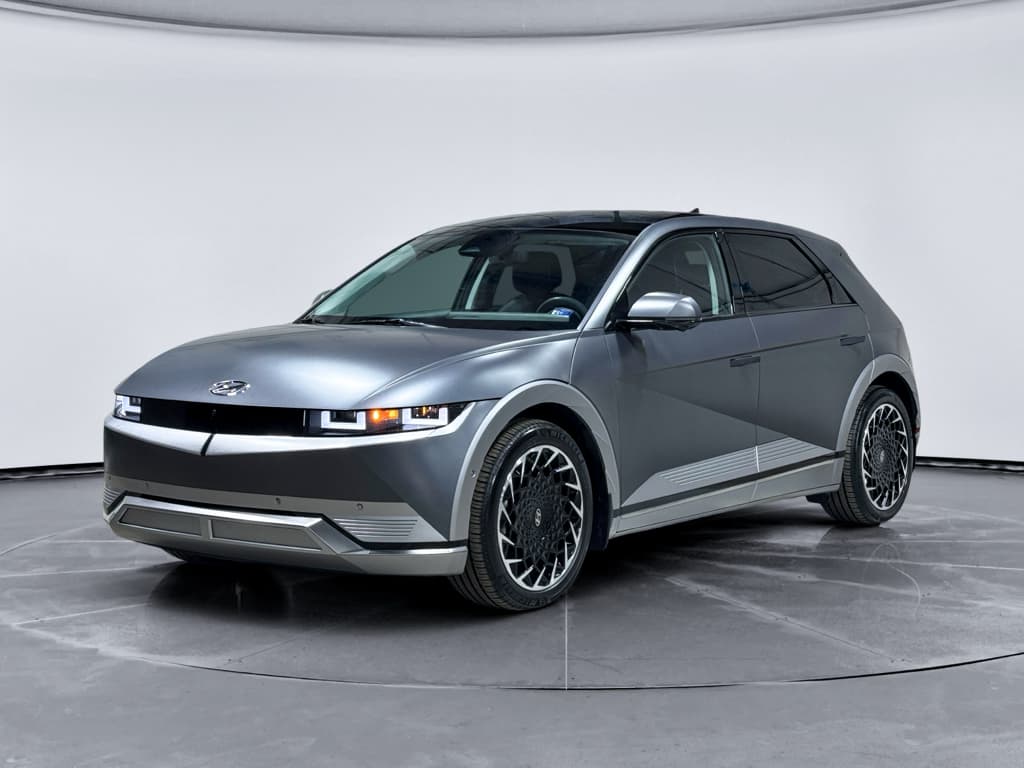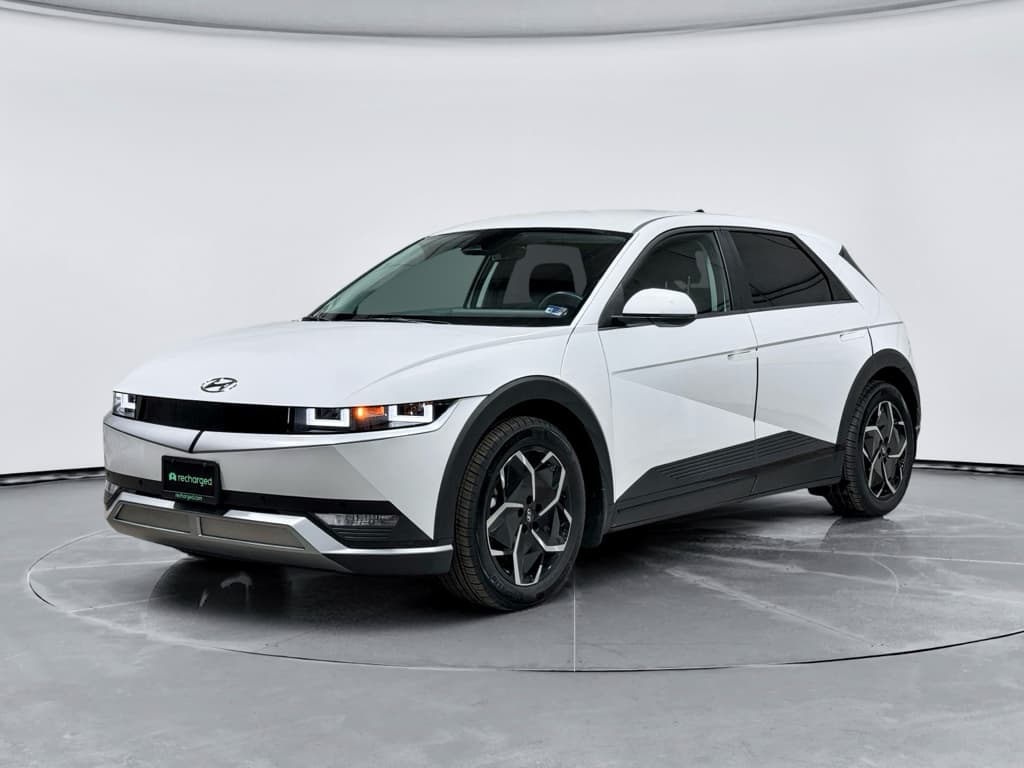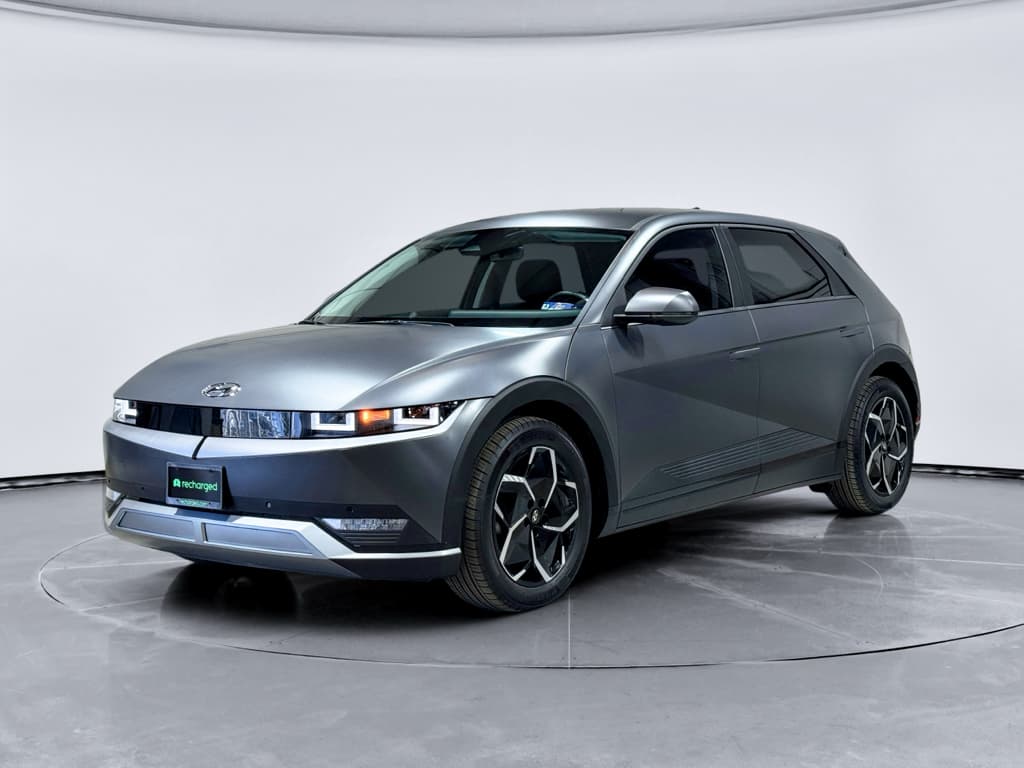
If you’re wondering how to sell your Hyundai Ioniq 5, you’re not alone. Used EV prices have cooled from the 2022 peak, buyers have more options, and many still have questions about battery health and range. The good news: with the right prep and pricing, the Ioniq 5’s combination of range, fast charging, and long battery warranty can make it one of the more attractive used EVs on the market.
Quick Snapshot
Why the Hyundai Ioniq 5 Can Be a Strong Resale Story
Used EV Market & Ioniq 5 Highlights
The Ioniq 5 ticks a lot of boxes for used‑EV shoppers: modern design, strong range, ultra‑fast DC charging, and a long high‑voltage battery warranty that often still has years of coverage left. You’ll want to lean into those strengths in your pricing and your listing copy while being transparent about mileage, charging habits, and any warranty work that’s been done.
Know Your Buyer
Decide How to Sell Your Hyundai Ioniq 5
Three Main Ways to Sell an Ioniq 5
Each path trades off price, speed, and hassle.
1. Trade‑in at a Dealer
Best for: Convenience and speed.
- Rolls directly into your next purchase or lease.
- Lower price than private sale, but zero marketing effort.
- Good if your Ioniq 5 has cosmetic flaws you don’t want to fix.
2. Private‑Party Sale
Best for: Maximizing sale price.
- You create the ad, screen buyers, and handle test drives.
- Often nets you hundreds or thousands more than trade‑in.
- Requires time, good photos, and basic sales skills.
3. EV‑Specialist Marketplace
Best for: EV‑specific expertise with less hassle.
- Companies like Recharged focus on used EVs only.
- May offer instant offers, consignment, or trade‑in options.
- Battery health reports and nationwide marketing can boost value.
If you prioritize ease and speed, a dealer trade‑in or instant‑offer platform may be the right fit. If maximizing price is more important and you’re comfortable managing the process, a private sale or a consignment arrangement with an EV‑focused marketplace can deliver better economics.
Avoid the One‑Quote Trap
Check Battery Health and Warranty Coverage
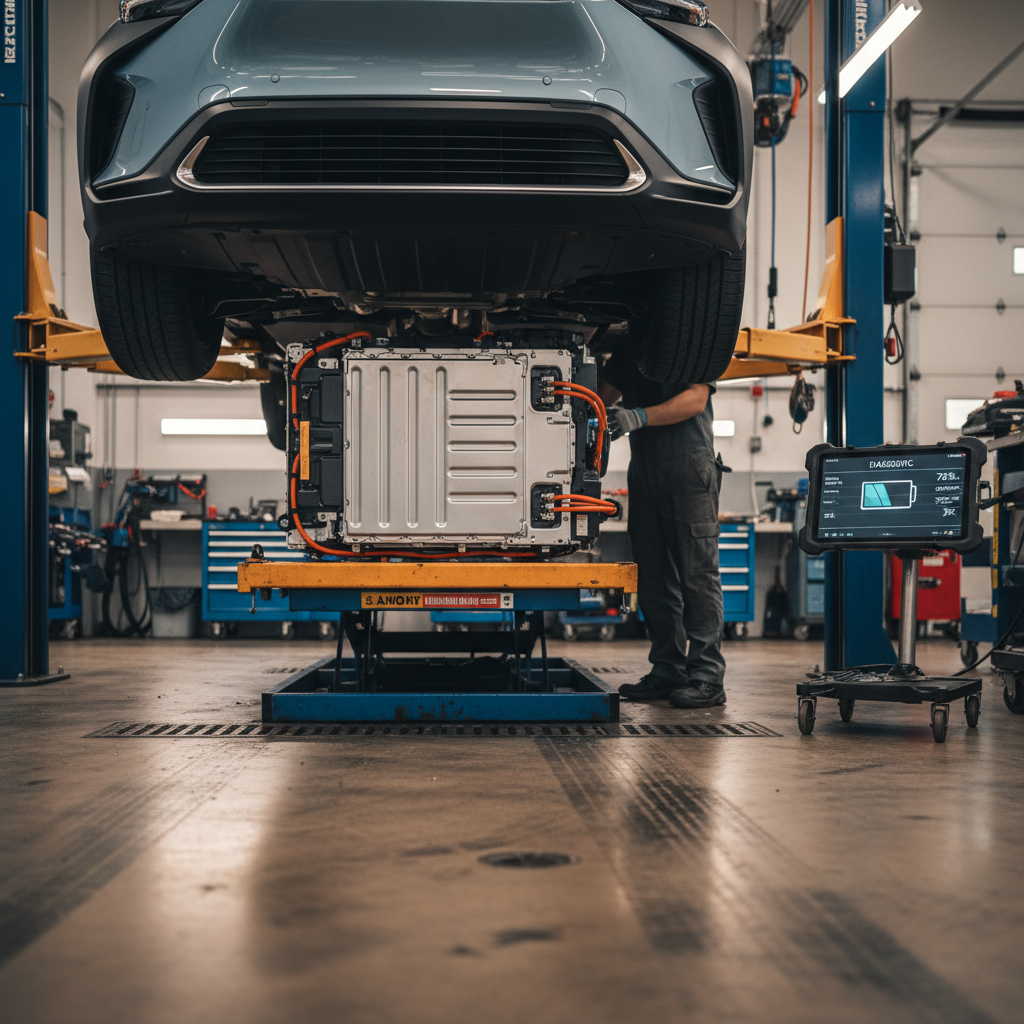
Battery health is where selling an EV diverges sharply from selling a gas car. The Hyundai Ioniq 5’s traction battery is covered by a high‑voltage battery warranty that, in the U.S., typically runs 8–10 years or around 100,000 miles from the date the vehicle was first sold. Many 2022–2023 Ioniq 5s being sold in 2025 still carry significant warranty coverage, something buyers absolutely want to see in writing.
- Locate your original purchase contract or a recent service invoice so you can confirm the in‑service date (when the warranty clock started).
- Pull your Ioniq 5’s current odometer reading and compare it to the mileage limit on Hyundai’s EV battery warranty for your model year and market.
- If you’ve had warranty work on the battery, inverter, or charging components, gather those repair orders, this can reassure buyers that known issues were handled properly.
- If you have access to a third‑party battery health scan (for example, via a Recharged Score battery diagnostic), keep that report handy and reference it in your listing.
What Buyers Want to See
Pre‑Sale Battery & Charging Checklist
Confirm in‑service date
Look at your original bill of sale or a dealer service invoice to confirm when Hyundai’s high‑voltage battery warranty started.
Document typical charging habits
Note whether you mostly charge at home, what percentage you typically charge to, and how often you fast charge on road trips.
Capture a full‑charge range estimate
If safe and convenient, charge to 100% once before listing and take a photo of the displayed range for buyers to reference.
List any EV‑specific repairs
Make a short bullet list of any warranty work done on the battery, charging system, or power electronics and keep receipts ready.
Consider a third‑party health report
A professional battery health report, like a Recharged Score, can make your listing stand out and reduce buyer anxiety.
Price Your Hyundai Ioniq 5 Realistically
Pricing is where most private sellers lose time. Ask too much and your listing sits; ask too little and you leave money on the table. The Ioniq 5 has held value better than some early EVs thanks to its range and fast‑charging capability, but used‑EV prices overall have softened compared with 2021–2022. You need to anchor your ask in today’s market, not yesterday’s headlines.
Key Factors That Move Ioniq 5 Pricing
Use this as a checklist when comparing your vehicle against online listings and trade‑in offers.
| Factor | Strong for Price | Neutral | Hurts Price |
|---|---|---|---|
| Model year & trim | 2023–2024 SEL/Limited, high spec | 2022 SE/SEL with solid options | Early build with few features |
| Mileage | Under 20,000 miles | 20,000–45,000 miles | Over 60,000 miles |
| Battery warranty left | 5+ years / 50,000+ miles remaining | 3–5 years remaining | Near or past high‑voltage battery limit |
| Condition | No accidents, minimal wear | One minor accident, light wear | Structural damage, heavy cosmetic issues |
| Charging history | Mostly home Level 2 charging | Mixed Level 2 and fast charging | Frequent DC fast charging to 100% |
The closer you are to the ‘strong’ column, the closer you can price to the top of the local market.
Use Multiple Data Points
Once you’ve triangulated the market, pick an asking price that leaves room to negotiate, typically 3–5% above the number you’d actually accept. Clearly state in your listing whether the price is firm or “or best offer.”
Prepare Your Ioniq 5 to Show Well
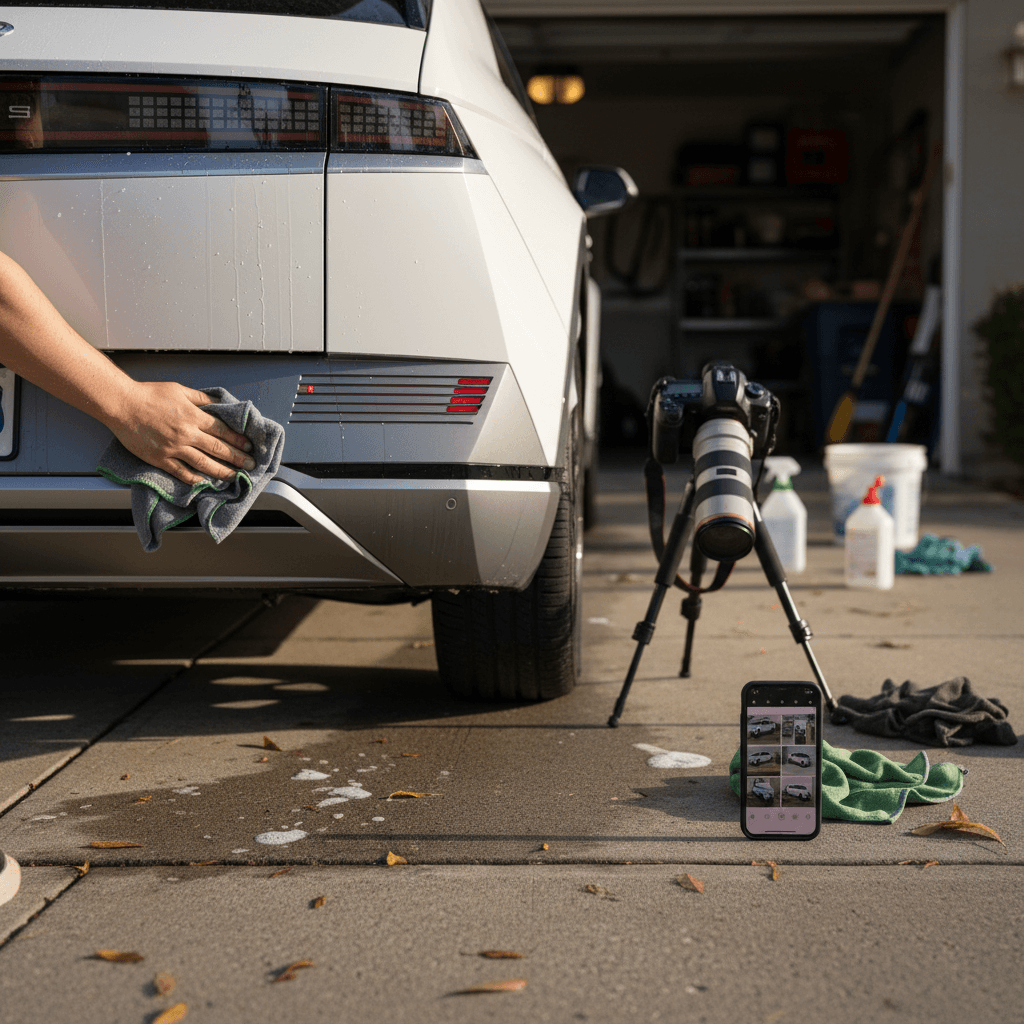
EV buyers tend to be research‑driven and detail‑oriented. They notice curb rash on wheels, scuffs on the cargo floor, and how organized the charging cable looks in the trunk. A few hours of prep can easily pay back hundreds of dollars in sale price, or at least make your car the obvious choice against scruffier competitors.
- Get a thorough wash, including wheels and door jambs. Consider a basic detail if the interior is stained or heavily worn.
- Remove personal items, kids’ gear, and anything that rattles or looks cluttered.
- Vacuum seats and carpets; wipe down hard surfaces; clean the touchscreen and digital displays with appropriate products.
- Fix inexpensive items: burned‑out bulbs, wiper blades, missing tow‑hook covers, or loose trim.
- Make sure both keys, the portable EVSE (if included), manuals, and cargo accessories are present and neatly organized.
Bundle the EV Essentials
Create a Compelling Ioniq 5 Listing
Your listing has one job: move a serious buyer from scrolling to scheduling a visit. That means clear photos, honest description, and EV‑specific details that generic used‑car templates ignore.
Must‑Have Elements in Your Ioniq 5 Ad
High‑quality photos
Shoot in daylight, with the car clean. Include front, rear, both sides, wheels, interior, cargo area, infotainment, odometer, and charging screen.
Transparent condition report
Note any scratches, curb rash, glass chips, or interior wear honestly. Buyers will discover them anyway; owning the story builds trust.
Battery & charging details
State remaining battery warranty (approximate years/miles), typical range you see at your normal charge level, and typical charging habits.
Ownership & service history
Include how long you’ve owned it, where it’s been serviced, and whether you have complete maintenance and recall records.
Accident and title status
Disclose any accidents, insurance claims, or branded titles up front. Hiding this will kill deals late and invite renegotiation.
Extras and EV perks
Mention winter tires, roof racks, floor mats, software upgrades, or included home‑charging hardware that add real value.
Borrow Language from Successful Ads
Handle Test Drives, Questions, and Negotiations
Screen Buyers Before Meeting
- Confirm they understand it’s an EV and have thought about home charging.
- Ask if they’re pre‑approved or have funds ready.
- Clarify where you’ll meet, ideally a public, well‑lit place.
Polite screening keeps tire‑kickers from wasting your time and reduces safety concerns.
Run a Structured Test Drive
- Start with a quick walk‑around and show them how to plug and unplug the car.
- Demonstrate key EV features: one‑pedal feel, regen levels, driver‑assist systems.
- Bring the car back with enough charge left; avoid last‑minute DC fast‑charge stops.
Have your insurance and registration in the car and verify the buyer’s license before handing over the wheel.
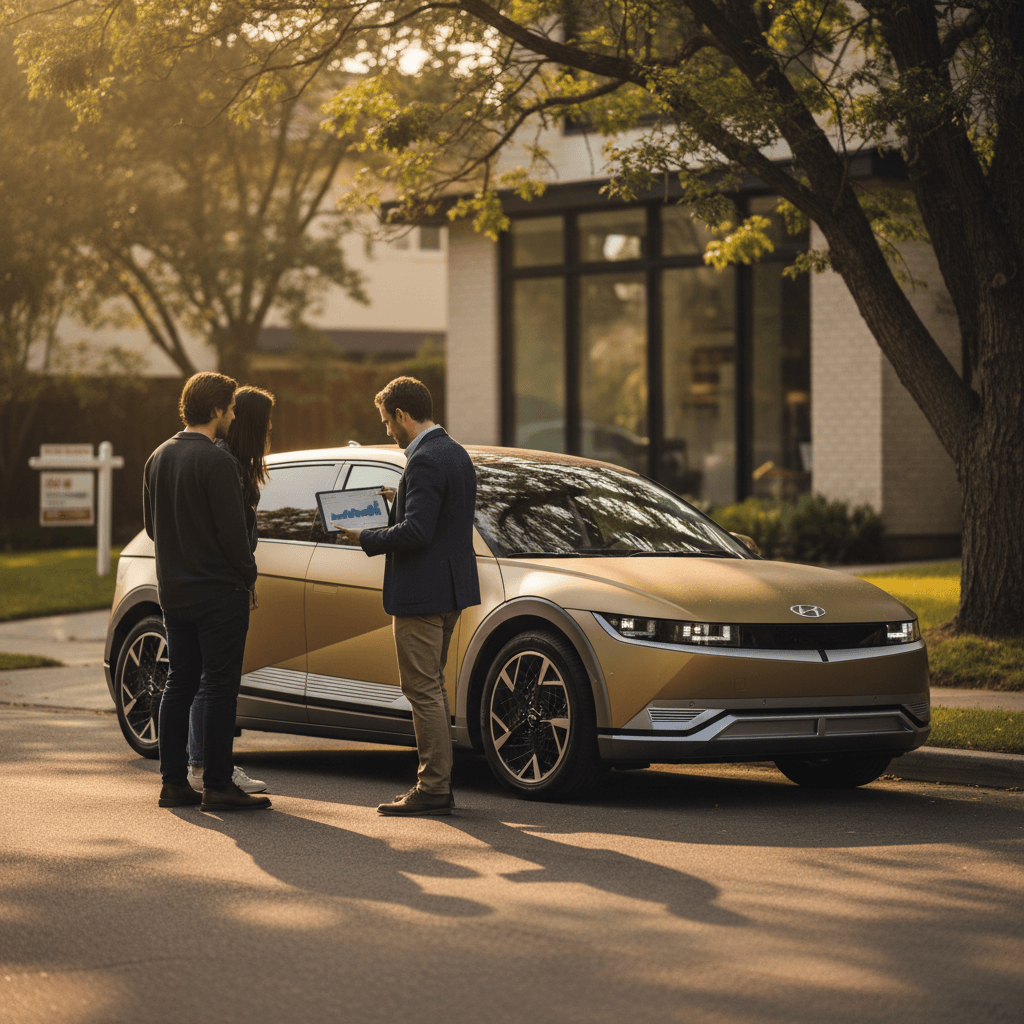
When serious buyers start asking detailed questions, it’s actually a positive sign. Have notes ready on your real‑world energy use, best/worst range scenarios, and any warranty work you’ve had done. If you’ve invested in a professional battery health report such as a Recharged Score, this is the moment to show it off.
Set Boundaries Around Negotiation
Paperwork, Payment, and Tax Credit Questions
Closing the deal on an Ioniq 5 isn’t radically different from selling any modern car, but there are a few EV‑specific wrinkles and a lot of confusion around federal used‑EV tax credits and state incentives.
- Use a secure form of payment, bank cashier’s check verified during business hours, or an electronic transfer you can confirm before handing over keys and title.
- Complete a bill of sale with VIN, sale price, odometer, and "as‑is" language unless you’re offering any limited guarantee.
- Remove the car from your insurance after the sale is complete and the buyer has driven away.
- If you or the buyer are asking about the federal used‑EV tax credit, remind them that it’s a benefit between buyer and IRS, not something you can guarantee as the seller.
- In some states, buyers may stack state or utility incentives on top of federal credits. That can make your Ioniq 5 more attractive, but the paperwork usually belongs on the buyer’s side or with the retailer if you sell through a dealer or marketplace.
Never Skip Payment Verification
When to Use a Specialist EV Marketplace Like Recharged
Not everyone wants to photograph, list, and show a car themselves. And traditional dealers still vary widely in how they understand and value used EVs. That’s where an EV‑only marketplace like Recharged can change the equation for a Hyundai Ioniq 5 seller.
How Recharged Can Simplify Selling Your Ioniq 5
EV‑specific tools that traditional used‑car channels often lack.
Verified Battery Health
Every vehicle sold through Recharged gets a Recharged Score Report with verified battery health. That gives buyers confidence and helps justify a stronger price for a well‑cared‑for Ioniq 5.
Nationwide Reach & Delivery
Recharged markets your car to EV shoppers across the country and can handle nationwide delivery, opening up more demand than a single local listing.
Flexible Ways to Sell
Depending on your situation, you can explore financing, trade‑in, an instant offer, or consignment. Recharged’s EV specialists guide you through which path fits your priorities.
Ready to find your next EV?
Browse VehiclesEV Specialists in Your Corner
FAQ: Selling a Hyundai Ioniq 5
Frequently Asked Questions About Selling an Ioniq 5
Bottom Line: Turning Your Ioniq 5 into Cash (Without Regrets)
Selling a Hyundai Ioniq 5 is part used‑car transaction, part EV education session. The more clearly you can explain battery health, warranty coverage, and real‑world range, the more confident buyers will feel, and the more likely you are to land a strong offer quickly.
Decide how hands‑on you want to be, set a realistic price based on today’s market, invest a little time in cleaning and photography, and organize your paperwork so you can answer questions on the spot. If you’d rather skip the guesswork, an EV‑focused marketplace like Recharged can bring in expert pricing, a verified battery health report, and nationwide demand, all through a fully digital process. However you choose to sell, a well‑presented Ioniq 5 with clear EV information is exactly what many used‑EV shoppers are looking for right now.