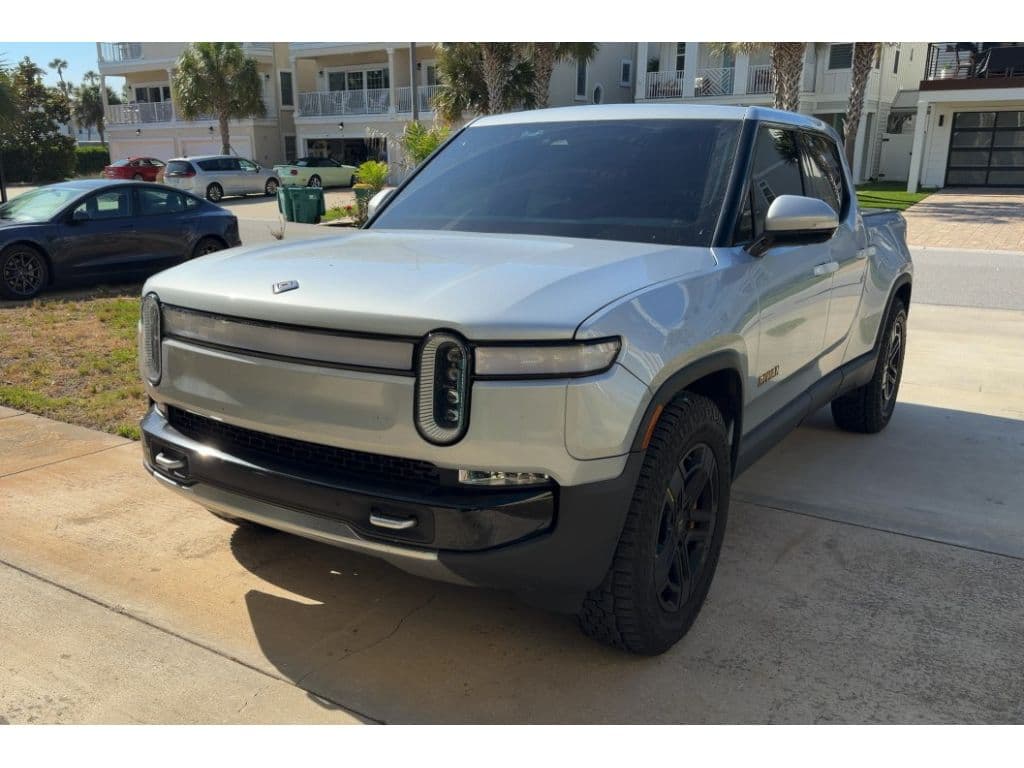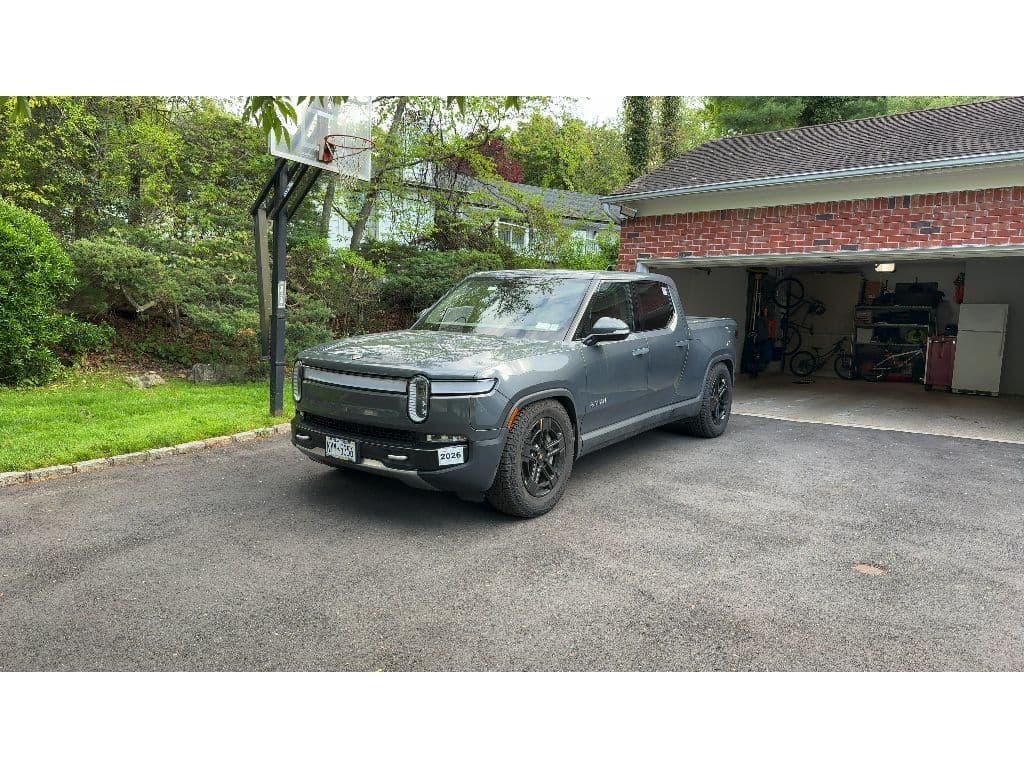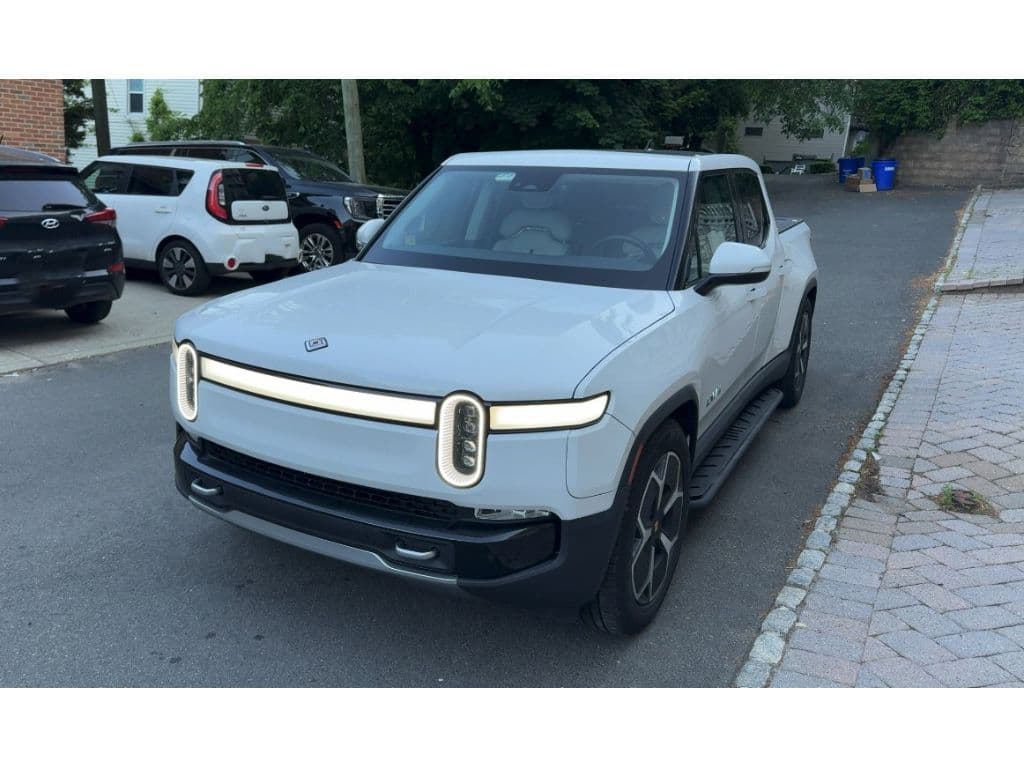
If you’re pricing out a Rivian R1T in 2026, you’ve probably noticed that **insurance quotes can swing wildly**, from a bit above average to downright eye‑watering. This guide breaks down typical Rivian R1T insurance cost in 2026, why insurers price the truck the way they do, and what you can realistically do to bring that premium back down to earth.
Why this matters
Rivian R1T insurance cost in 2026: quick overview
Key Rivian R1T insurance numbers for 2026 (U.S.)
Those aren’t quotes from a single insurer, they’re synthesized from 2024–2025 R1T rate guides, major insurance comparison tools, and real‑world owner reports. Think of them as **starting points**, not promises. Your actual price can land hundreds of dollars lower or higher once your driving record, ZIP code, and exact truck build are in the mix.
How much does Rivian R1T insurance cost in 2026?
Across recent national rate studies and Rivian‑specific analyses, most 2024–2025 Rivian R1T owners with clean records report **full‑coverage premiums between about $2,400 and $4,000 per year** for 2026 policy terms. Some outliers, high‑risk drivers in expensive coastal cities, can see quotes north of $5,000, while lower‑risk owners in rural or low‑cost states sometimes land closer to $2,000.
2026 Rivian R1T insurance benchmarks
These are realistic ballpark ranges for annual full‑coverage premiums in 2026 for drivers with good credit, no recent major violations, and typical usage (~12,000 miles/year).
| Scenario | Estimated 2026 annual premium | Monthly equivalent | How it compares |
|---|---|---|---|
| National “typical” R1T owner | $3,000–$3,300 | $250–$275 | Common range for 30s–40s drivers in average‑cost states. |
| Low‑cost state / suburban | $2,200–$2,800 | $185–$235 | Often seen in states with mild weather and low claim severity. |
| High‑cost metro / coastal risk | $3,800–$4,800 | $315–$400 | Dense traffic, theft, and litigation risk push premiums higher. |
| Younger driver (under 25) | $4,000–$6,000+ | $335–$500+ | Age and inexperience combine with expensive EV repairs. |
| Adding an R1T to existing multi‑car policy | +$1,600–$2,600 | +$135–$215 | Net increase when the rest of your policy stays the same. |
Use this as a directional reference, not a guarantee, local conditions and underwriting rules still dominate.
Don’t anchor to the lowest number you see
Why is Rivian R1T insurance higher than average?
On paper, the Rivian R1T looks like an insurer’s dream: it’s a heavy, high‑tech truck with outstanding crash‑test performance and advanced driver‑assistance systems. In practice, **repair economics and risk concentration** keep premiums above mainstream pickups and crossovers.
The big levers pushing R1T insurance up
Four factors that matter more than you think
1. Expensive, specialized repairs
2. High parts & electronics density
3. Vehicle value and performance
4. Where early adopters live & drive
Safety still helps
Sample 2026 Rivian R1T insurance costs by driver profile
To make this less abstract, here’s how 2026 Rivian R1T insurance might shake out for different types of drivers, assuming a 2024–2026 R1T with full coverage, 12,000 miles a year, and no recent at‑fault accidents. These are **directional ranges** built from national averages and actual R1T owner reports, not formal quotes.
“Ideal” suburban owner
- Age: 40
- Location: mid‑cost suburb (e.g., Ohio, Virginia)
- Record: clean, good credit
Typical 2026 premium: $2,400–$2,900/year ($200–$240/mo).
This is the kind of driver who often ends up close to the headline “typical” numbers you see in national guides.
Urban professional
- Age: 35
- Location: dense metro (e.g., NYC region, SoCal coast)
- Record: 1 minor speeding ticket
Typical 2026 premium: $3,500–$4,500/year ($290–$375/mo).
High traffic density, parking incidents, and higher medical/legal costs show up directly in R1T pricing.
Young enthusiast
- Age: 24
- Location: mixed suburban/urban
- Record: clean but short history
Typical 2026 premium: $4,000–$6,000+/year ($335–$500+/mo).
Younger drivers in powerful EVs still face steep risk multipliers, even with modern safety tech.
Watch out for “EV penalty plus youth penalty”
8 concrete ways to lower your R1T insurance cost
Practical levers you actually control
1. Right‑size your coverage & deductibles
You almost certainly want full coverage on an R1T, but you can often raise your comprehensive and collision deductibles from $500 to $1,000 without taking on catastrophic risk. That trade‑off alone can shave 5–15% off premiums for many drivers.
2. Bundle home or renters and other vehicles
Multi‑policy and multi‑car discounts still do heavy lifting. Many R1T owners report big savings when they move everything, home, renters, additional vehicles, to one insurer instead of treating the R1T as a special, standalone policy.
3. Use telematics or “usage‑based” programs
If you’re a smooth, low‑mileage driver, telematics programs that monitor braking, acceleration, and time of day can deliver meaningful discounts on a high‑value EV. Just be honest about your habits before opting in.
4. Shop beyond OEM‑branded insurance
Rivian‑branded policies can be competitive for some drivers, but others have found better deals with mainstream carriers and membership‑based insurers (like credit‑union or warehouse‑club partners). Don’t assume the factory name equals the best price.
5. Pay attention to where you park
Insurers look favorably on vehicles garaged overnight in low‑crime areas. If your R1T sleeps in a locked garage rather than on a busy street, make sure your agent knows, it can help with both comprehensive and theft‑related risk.
6. Ask about EV‑specific discounts
Some carriers have added explicit EV discounts as they get more comfortable with repair costs and loss data. It’s not universal yet, but it’s worth asking during your quote process, especially if the insurer is highlighting its “green” products.
7. Keep liability limits smart, not reckless
Cutting liability coverage is tempting when quotes feel high, but dropping from robust limits (e.g., 100/300/100) to state minimums can be financially disastrous if you’re in a serious crash. Look for savings in deductibles and discounts before slashing liability.
8. Re‑shop after the first policy year
EV insurance pricing has been volatile. Once you’ve had your R1T for 6–12 months with no claims, it’s worth re‑quoting with competitors, especially if your original carrier priced you conservatively as an early adopter.
Does a used Rivian R1T cost less to insure?
As the used Rivian market matures, more shoppers are looking at 2022–2024 R1Ts and hoping insurance will be cheaper than on a brand‑new build. The answer is: **sometimes, but not always, and usually not by as much as you’d think.**
- Most insurers care more about **current replacement cost** than model year. A lightly used R1T that’s still worth $65,000 doesn’t rate much cheaper than an $80,000 new one.
- Depreciation can help at the margins, especially for older, lower‑spec trucks, but high parts and labor costs still dominate the equation.
- Financing a used R1T usually means your lender will still require full coverage, just like on a new truck. Liability‑only is rarely realistic until the truck is much older and worth far less.
Where used can help
If you’re comparing a new R1T to a used one, it’s worth asking your agent or broker to quote **specific VINs** rather than generic trims. At Recharged, every used EV comes with a verified battery‑health report and build details, which can make it easier for an agent to price your actual truck rather than guessing from a drop‑down menu.
Which coverages do R1T owners actually need?
On an R1T, it’s less about whether you should carry full coverage, that’s almost a given, and more about **how you structure that coverage**. Here’s how most owners approach it.
Coverage checklist for Rivian R1T owners
Where to hold the line and where to fine‑tune
Liability coverage
Collision
Comprehensive
Medical & PIP
Gap or loan/lease coverage
Optional EV add‑ons
Where cutting corners backfires
How to shop for Rivian R1T insurance the smart way
The mistake many R1T shoppers make is **calling one big‑name carrier, getting spooked by the quote, and assuming that’s just what Rivian ownership costs.** In reality, different insurers price EV risk very differently in 2026, and your shopping strategy can easily swing your premium by four figures a year.
Step‑by‑step: Lock in a competitive R1T rate
1. Gather detailed vehicle info first
Have your exact trim, battery pack, options, and VIN if possible. The more accurately you describe the truck, the less your quote will be padded with conservative assumptions.
2. Get at least 3–5 quotes, not 1–2
Combine a major comparison site, a few direct‑writer carriers, and at least one local or regional insurer. R1T pricing spread between carriers is wide enough that this effort often pays back immediately.
3. Decide on your coverage “floor” in advance
Before you start, decide the lowest liability limits and highest deductibles you’re actually comfortable with. That prevents you from getting upsold or, worse, under‑insured just to win the “cheapest quote” race.
4. Compare apples to apples
Make sure each quote uses the same deductibles, liability limits, and mileage assumptions. Small differences there can explain big price gaps and keep you from choosing a policy that only looks cheaper on the surface.
5. Re‑run the numbers if you move or change usage
If you relocate, start commuting more, or shift the R1T to second‑car duty, update your insurer. Sometimes declaring lower annual mileage or a safer parking situation unlocks meaningful mid‑term savings.
Buying and insuring together
How insurance fits into R1T total cost of ownership
It’s easy to look at an R1T quote and conclude that EV insurance is simply too high. But zoom out and insurance becomes one part of a broader cost‑of‑ownership picture where the Rivian can still compare well to a gas truck, especially over several years.
Costs that tend to be higher
- Insurance premiums: As we’ve covered, they’re often 35–70% higher than a mainstream gas pickup for similar drivers.
- Collision/comprehensive claims: Repairs are complex and require EV‑trained shops.
- Property taxes/registration: In some states, higher vehicle value increases these line items.
Costs that tend to be lower
- Fuel/energy: Charging at home is usually dramatically cheaper per mile than gasoline.
- Maintenance: No oil changes, fewer moving parts, and less brake wear thanks to regen.
- Depreciation (if you buy smart): As the used EV market matures and demand stabilizes, some well‑bought used R1Ts can hold value better than early pundits predicted.
That’s why serious shoppers increasingly look at **total monthly cost**, not just payment or just insurance. A slightly higher premium on a used R1T can still make sense if you’ve locked in a fair purchase price, a healthy battery, and financing that fits your budget. That’s exactly the decision lens Recharged is built around.
Rivian R1T insurance cost 2026: FAQ
Frequently asked questions about 2026 Rivian R1T insurance
The bottom line: **Rivian R1T insurance cost in 2026 is higher than average, but it’s not random.** It reflects predictable factors, vehicle value, repair economics, where and how you drive, that you can partly control with smart shopping and coverage decisions. If you’re considering a used R1T, build insurance into the same transparent, data‑driven decision you’d use for price and battery health. That’s how you end up with a truck you love at a monthly cost you can live with.