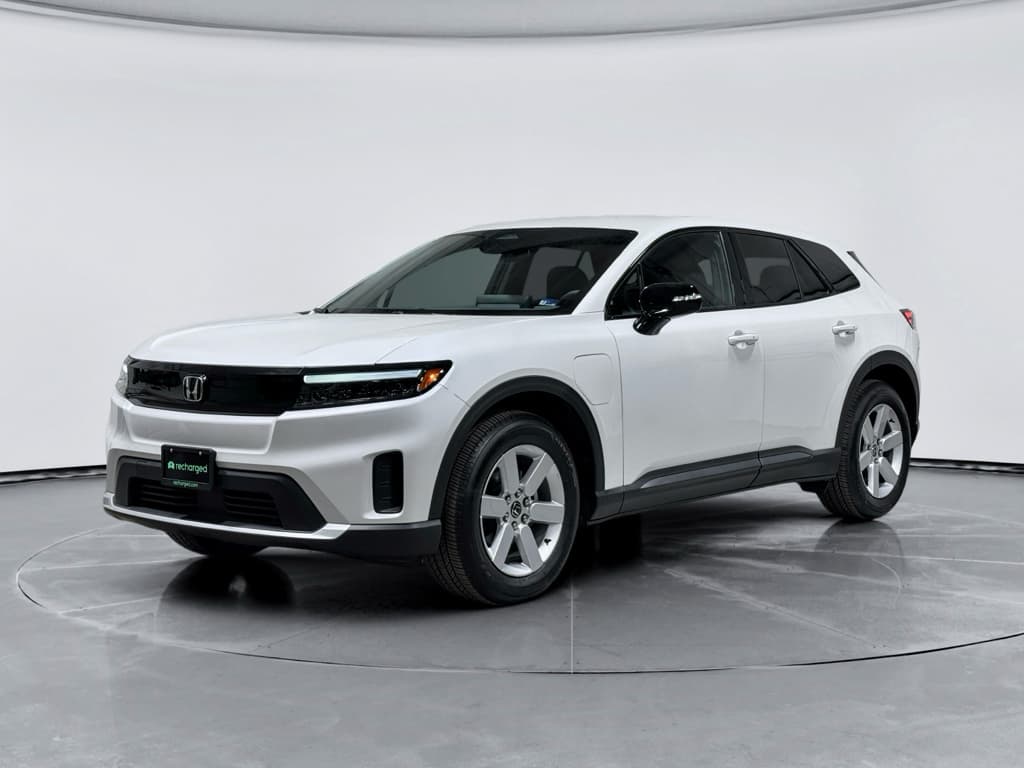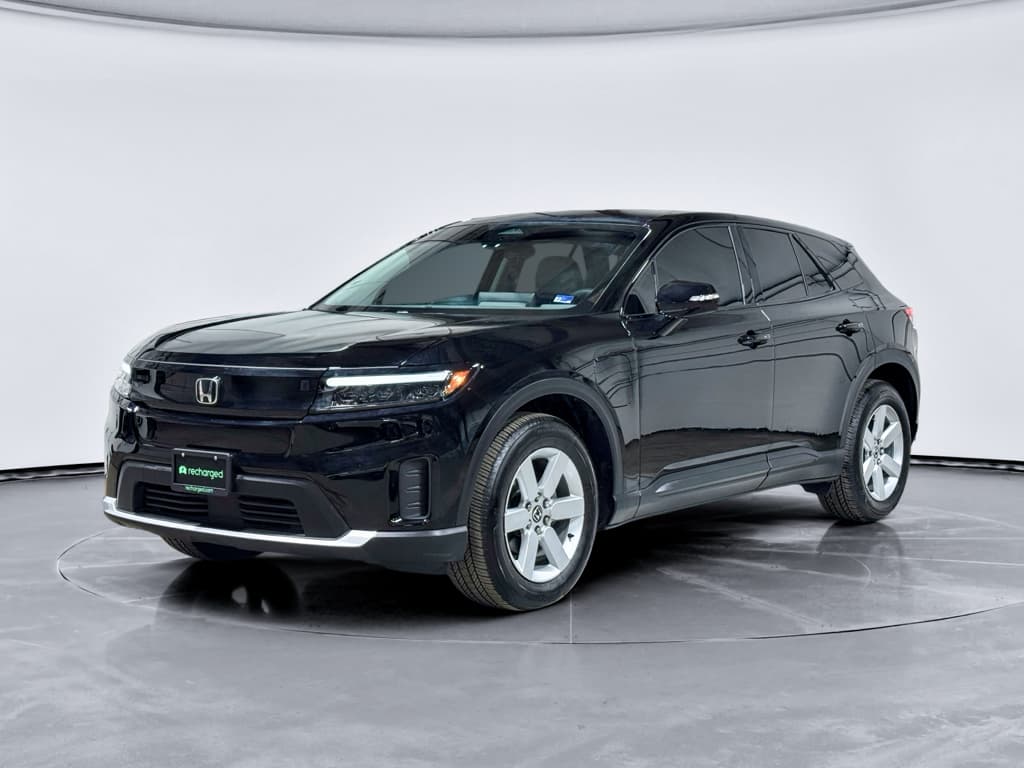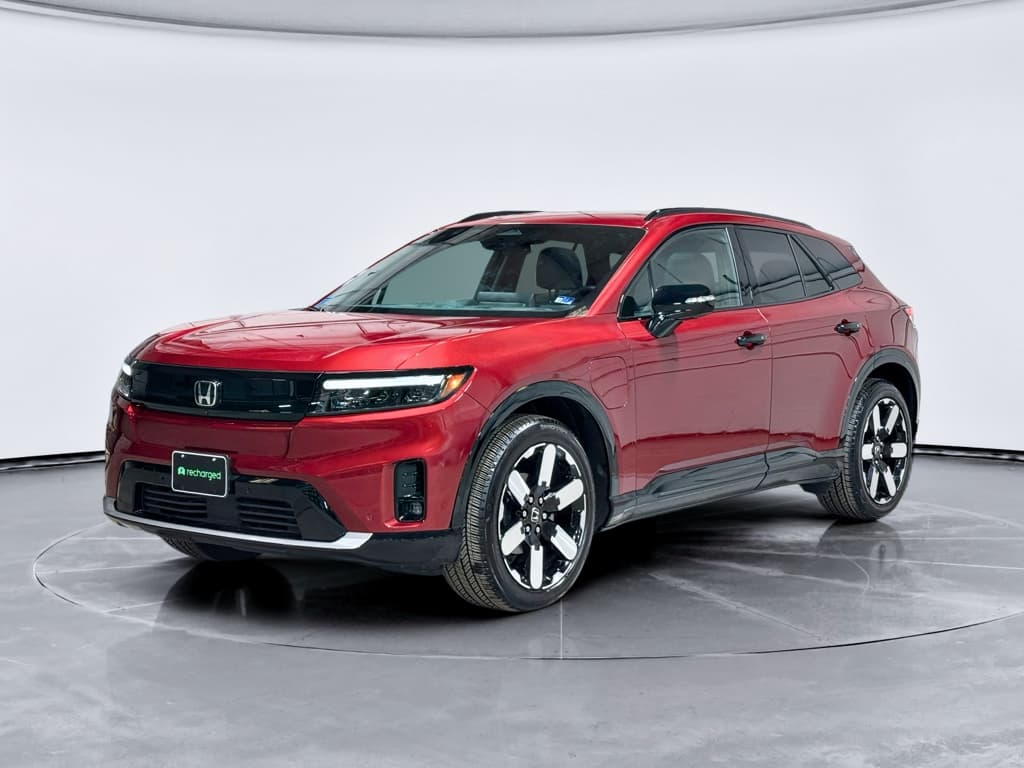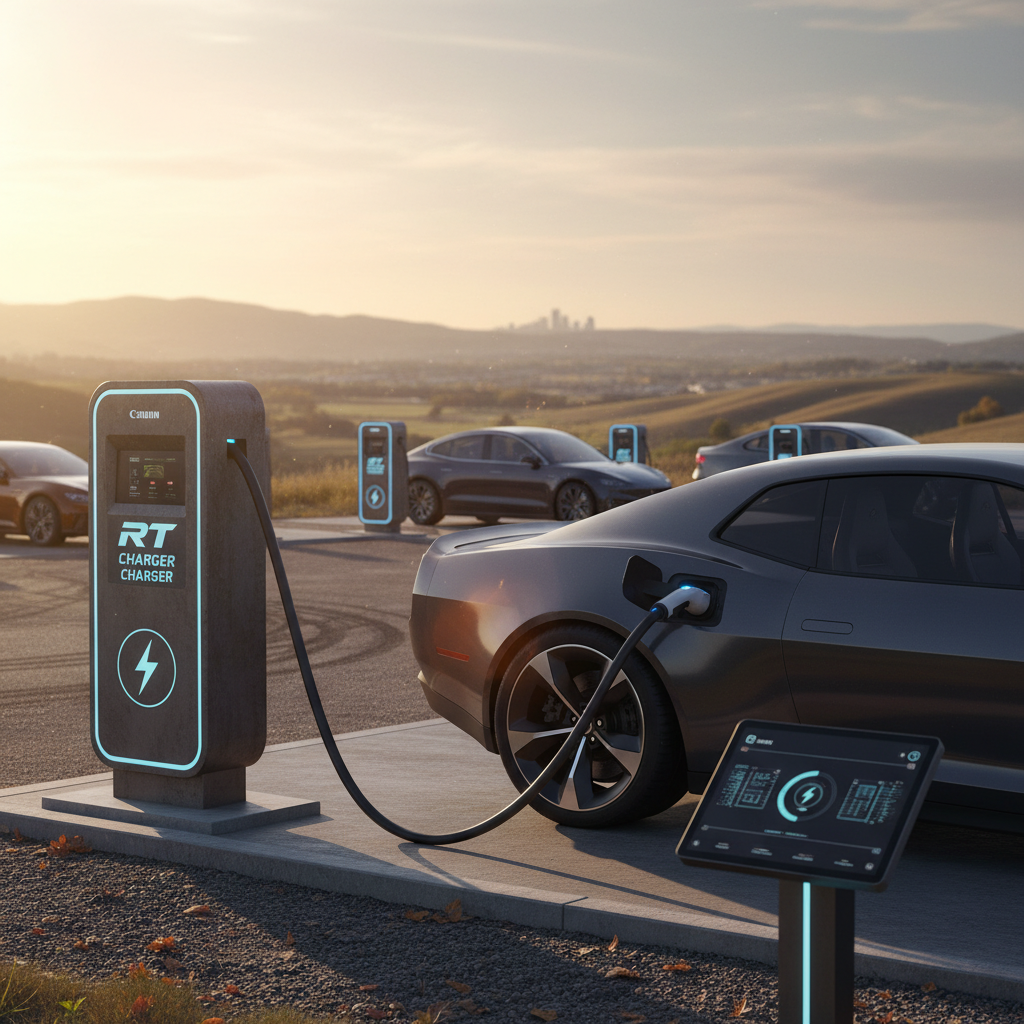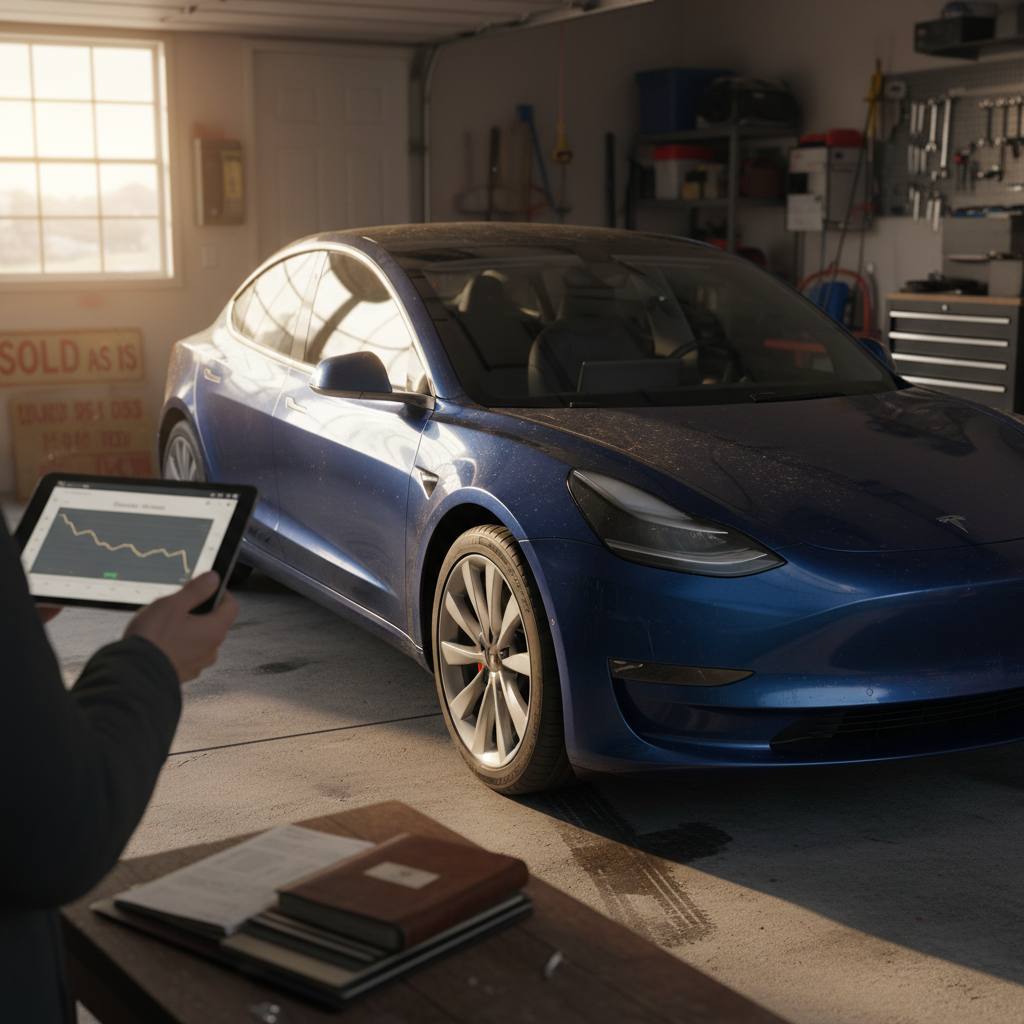
If you own, or are shopping for, a Honda Prologue, it’s natural to wonder about Honda Prologue battery replacement cost in 2026. The Prologue’s 85 kWh pack is the single most expensive component in the vehicle, and replacing it years down the road can run into five figures. The good news: between Honda’s 8‑year/100,000‑mile battery warranty and falling battery prices across the industry, most owners will never pay full sticker for a new pack. But understanding the numbers today will help you plan for long‑term ownership or choose the right used Prologue.
Quick takeaway
Honda Prologue battery basics: size, chemistry and warranty
- Battery size: The Prologue uses an approximately 85 kWh lithium‑ion pack, shared with GM’s Ultium architecture, which is typical for a mid‑size electric SUV.
- Chemistry: Ultium packs use a high‑energy nickel‑rich chemistry designed for long life and strong fast‑charging performance.
- Official warranty: Honda backs the high‑voltage battery with an 8‑year/100,000‑mile limited warranty in the U.S., on top of the standard new‑vehicle coverage.
- Use case: With roughly 300 miles of EPA range when new, most Prologues will go years before the pack’s health is even a discussion point.
What the warranty really means for you
How much does a Honda Prologue battery cost in 2026?
Honda doesn’t publish a retail price for a complete Prologue battery pack, and because the model is still new, out‑of‑warranty replacements are extremely rare. To get a realistic number for Honda Prologue battery replacement cost in 2026, you have to triangulate from similar 70–90 kWh EVs and current battery‑pack pricing trends.
Honda Prologue–sized pack: cost benchmarks in 2026
Approximate 2026 pack‑level pricing for mainstream EVs with 70–90 kWh batteries, including parts and labor for a full replacement, assuming no special goodwill or warranty coverage.
| Vehicle / pack size | Approx. pack & parts | Labor & misc. | Estimated total (2026) |
|---|---|---|---|
| Chevrolet Bolt EUV (65 kWh) | $10,000–$12,000 | $1,000–$2,000 | $11,000–$14,000 |
| Hyundai Ioniq 5 (77 kWh) | $12,000–$14,000 | $1,000–$2,000 | $13,000–$16,000 |
| Nissan Ariya (87 kWh) | $12,000–$15,000 | $1,000–$2,500 | $13,000–$17,500 |
| Typical 80–90 kWh crossover | $11,000–$15,000 | $1,500–$3,000 | $12,500–$18,000 |
These are directional estimates, not Honda quotes. Real dealer pricing will vary by region and over time.
The Prologue’s 85 kWh pack sits right in the middle of this group, so a reasonable **2026 out‑of‑warranty replacement estimate** is: $12,000–$18,000, all‑in, at a Honda dealer. That assumes a full pack swap, not just module‑level repair, and typical U.S. labor rates.
Estimates, not official quotes
Why replacement costs keep trending down
Those falling per‑kWh costs are why a pack that might have cost $20,000+ to replace in 2015 can realistically land in the mid‑teens in 2026, even as pack sizes and range have grown.
Why real‑world Prologue battery quotes are still rare
The Prologue only hit the market in 2024, so by April 2026 most examples are barely one or two years old. That’s far too early for normal wear‑and‑tear failures on a modern pack. The small number of high‑voltage battery replacements we’ve seen reported so far tend to fall into three buckets: early‑production defects, coolant‑system issues that affect the pack, or collision damage on brand‑new vehicles.
- Warranty is doing its job: When an early Prologue pack fails, it’s almost always replaced under the 8‑year/100,000‑mile warranty. Owners mainly see downtime and inconvenience, not a five‑figure bill.
- Insurers cover crash damage: If the pack is damaged in a collision, it’s usually treated as part of the total repair or a total loss by insurance.
- Shops are still learning: Independent EV specialists and collision centers are just beginning to publish Prologue‑specific pricing, so most numbers in 2026 are extrapolated from Ultium‑based GM vehicles.
Module repair vs. full pack replacement
5 factors that drive Honda Prologue battery replacement cost
What makes one Prologue battery job cost more than another?
Same SUV, very different invoices depending on why and how the pack is replaced.
1. Warranty vs. out‑of‑warranty
2. Accident vs. wear
3. Full pack vs. repair
4. Labor rates & shop type
5. Logistics & downtime
6. New vs. remanufactured
Will you actually pay for a Prologue battery in 2026?
For most owners, the honest answer is no. By 2026, virtually every Honda Prologue on the road is still within its high‑voltage battery warranty window. The only people facing out‑of‑pocket costs that early tend to be fleet buyers putting on massive mileage, or owners dealing with damage that falls outside warranty coverage.
Most 2026 owners: covered
- 2024–2026 Prologues are **1–3 years old**.
- Typical private owners add **10,000–15,000 miles per year**, well inside the 100k‑mile limit.
- Any clear manufacturing defect or early‑life failure is squarely Honda’s responsibility.
Who might pay out of pocket?
- High‑mileage drivers (e.g., ride‑hail) who rack up 30,000+ miles per year.
- Owners with **salvage or branded titles**, where factory warranty may be void.
- Cases where a prior accident or improper repair caused the battery issue.
Used Prologue buyers have leverage
Honda Prologue battery life expectancy & degradation
The best way to think about EV batteries is not as a “wear item” like tires, but as a long‑life component that slowly loses capacity. On most modern packs, including Ultium‑based designs like the Prologue’s, real‑world data suggests you’ll see gradual range loss, not sudden death.
- Typical EV pattern: Many packs lose **a few percent in the first couple of years**, then degradation slows and flattens out.
- Expected lifespan: With normal use, a Prologue pack should be able to deliver useful range for **well over 150,000 miles**, and often north of 200,000 miles, before owners seriously consider replacement.
- Capacity vs. usability: Even with 20% degradation, a 300‑mile Prologue still has roughly **240 miles of real‑world range**, plenty for daily use.
- Warranty thresholds: Honda’s fine print will spell out how much capacity loss counts as a defect; many OEMs use a **70% of original capacity** trigger for warranty action.
Range drop vs. battery failure
Protecting your pack: how to avoid needing a battery
Simple habits that reduce the odds of a five‑figure battery bill
1. Avoid sitting at 0% or 100% for long
Frequent deep discharges and long periods parked at full charge stress lithium‑ion cells. For daily driving, try to stay between about 10% and 80% when you can.
2. Use DC fast charging strategically
The Prologue can add serious range in a short time on DC fast chargers, but relying on them every day can accelerate wear. Make **Level 2 home or workplace charging** your default when possible.
3. Keep the battery cool
Extreme heat is harder on batteries than cold. Parking in shade or a garage, and avoiding repeated fast‑charging sessions on very hot days, helps the pack age gracefully.
4. Stay current on software & recalls
Automakers sometimes tweak battery‑management software to improve longevity. Install updates promptly and pay attention to any Prologue‑specific service campaigns.
5. Don’t ignore warning lights
If you see high‑voltage or battery‑system warnings, address them early. Fixing a coolant leak or contactor issue promptly can prevent far more expensive damage later.
6. Document maintenance
If you ever need goodwill help from Honda outside formal warranty, having clean documentation that shows reasonable use and proper maintenance strengthens your case.

Buying a used Honda Prologue: battery health matters more than list price
If you’re cross‑shopping a used Prologue against other EVs in 2026, obsessing over a hypothetical $15,000 battery bill misses the bigger point. What really matters is **the specific pack in the specific vehicle you’re looking at**, how it’s been charged, driven, and maintained.
Questions to ask the seller
- How was the Prologue primarily charged, home Level 2, workplace, or DC fast?
- What’s the typical daily commute or usage pattern?
- Has the car ever shown high‑voltage or battery‑system warnings?
- Has the pack or any modules ever been replaced under warranty?
Data you should insist on
- A recent **battery‑health scan** or report, not just a dashboard range guess.
- Full service history, including software updates and any coolant‑system work.
- Clarification on remaining battery warranty time and mileage.
How Recharged can help
FAQ: Honda Prologue battery replacement cost in 2026
Common questions about Honda Prologue batteries and costs
Bottom line: what Honda Prologue owners should plan for
In 2026, the right way to think about Honda Prologue battery replacement cost is as a **low‑probability, high‑dollar event**, roughly $12,000–$18,000 if it ever happens outside warranty, and far less if the issue can be solved with module‑level repair. For the next several years, most of the financial risk sits with Honda thanks to the 8‑year/100,000‑mile battery warranty, not with you.
Instead of fixating on a hypothetical future invoice, focus on what you can control: charging habits, heat exposure, and solid documentation. If you’re shopping used, prioritize **independent battery‑health data** over guesswork. And if you’d rather not navigate all of that alone, platforms like Recharged are built to make used EV ownership more transparent, with verified battery diagnostics, fair pricing, and EV‑specialist guidance from your first search to final paperwork.