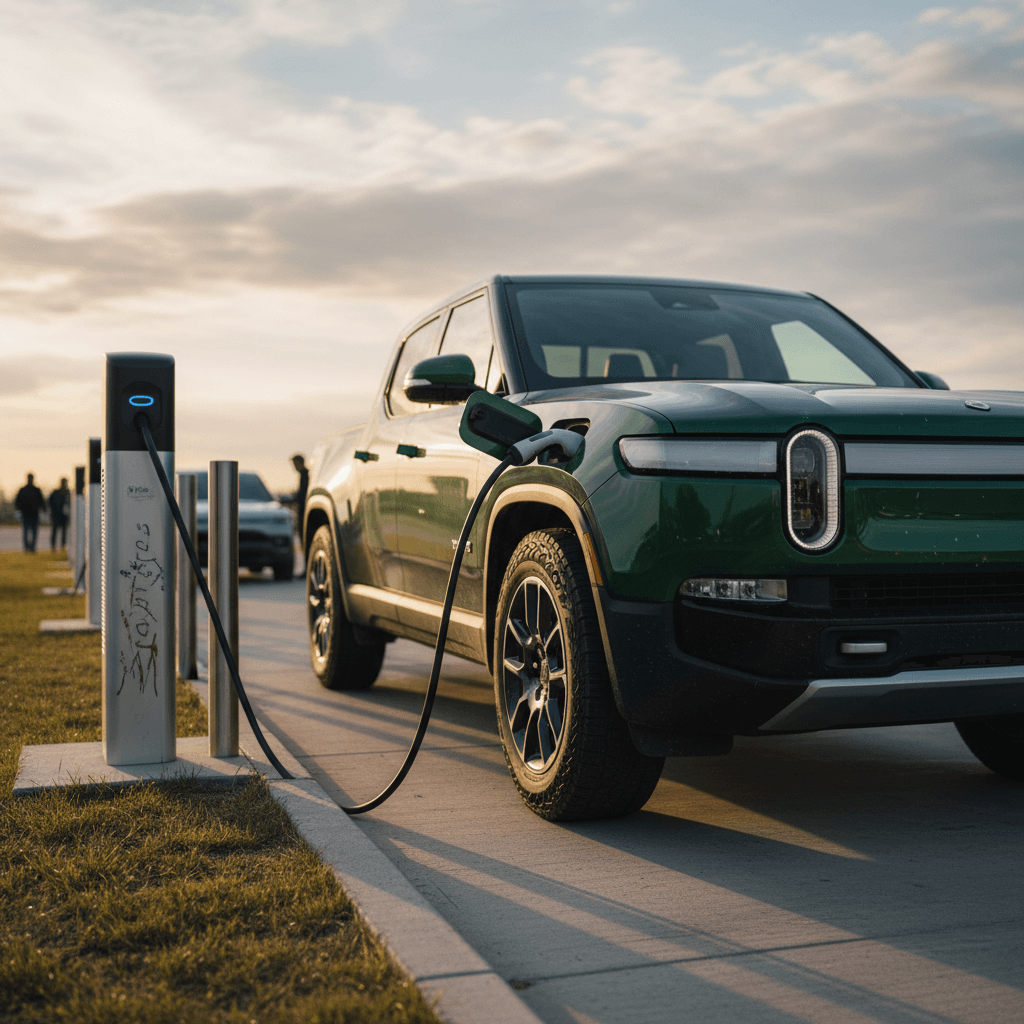
You bought a Rivian R1S because it can do everything, haul people, climb a trail, crush a road trip. Then winter hits, the temperature drops into the 20s, and suddenly that big EPA number on the window sticker looks more like wishful thinking. Rivian R1S winter range loss is real, it can be dramatic, and it catches a lot of new EV drivers off guard, but it doesn’t have to ruin your plans.
Cold reality for warm‑weather EPA numbers
Why Rivian R1S winter range loss surprises people
On paper, the R1S looks like a range monster. Depending on pack and wheels, Rivian’s three‑row SUV carries EPA estimated range up to about 400 miles with the Max pack and dual‑motor setup, and around the mid‑300s for Large pack versions. Those numbers put it near the top of the EV SUV class for rated range.
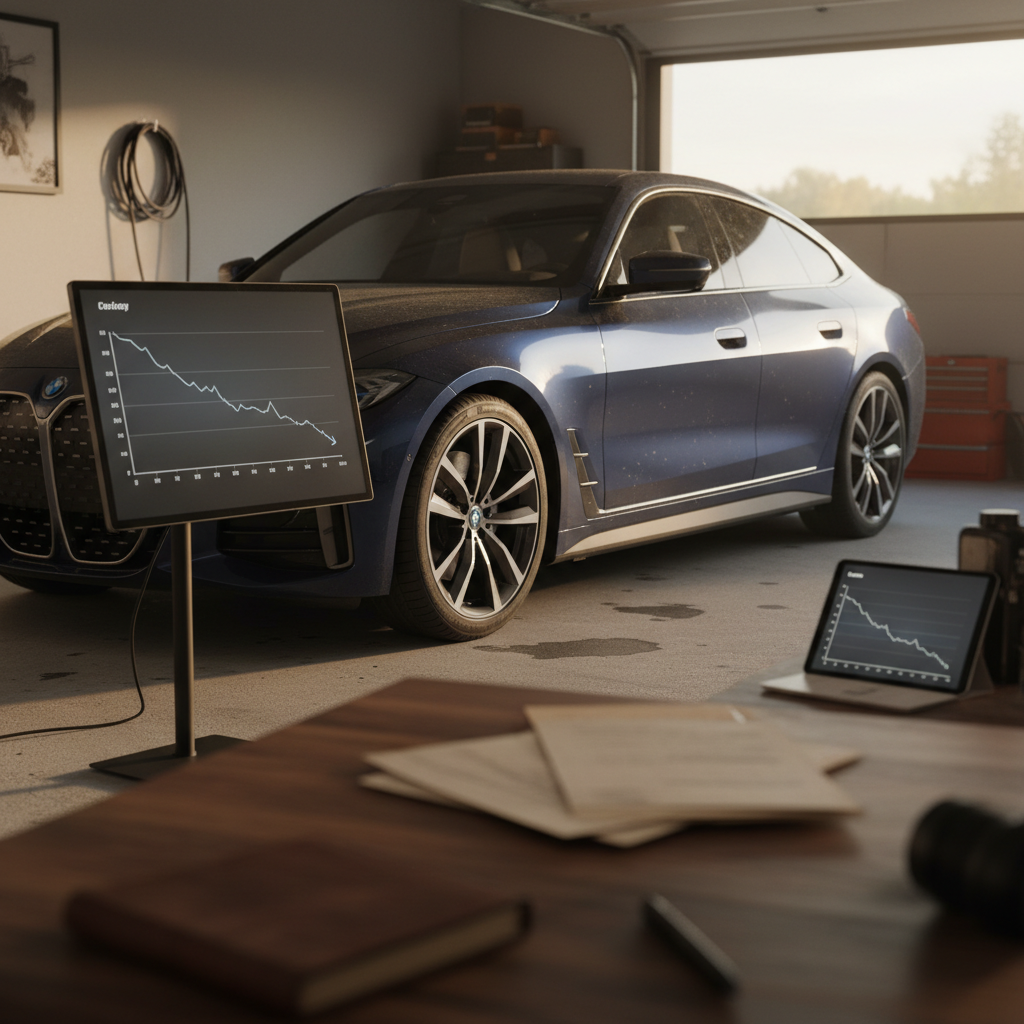
But owners quickly learn that EPA range is a best‑case scenario, not a promise. In real‑world cold weather, think below freezing, highway speeds, winter tires, and a warm cabin, losing 25–40% of your rated range is common, and in harsher conditions or at 75–80 mph, you can see even larger drops.
Set expectations before the first snow
Rivian R1S EPA range vs. real winter range
Rivian R1S range on paper vs. in the cold
Those winter numbers can look scary at first, especially if you live in the upper Midwest, New England, the Rockies or Canada. The key is understanding what’s stealing your miles so you can claw as many of them back as possible.
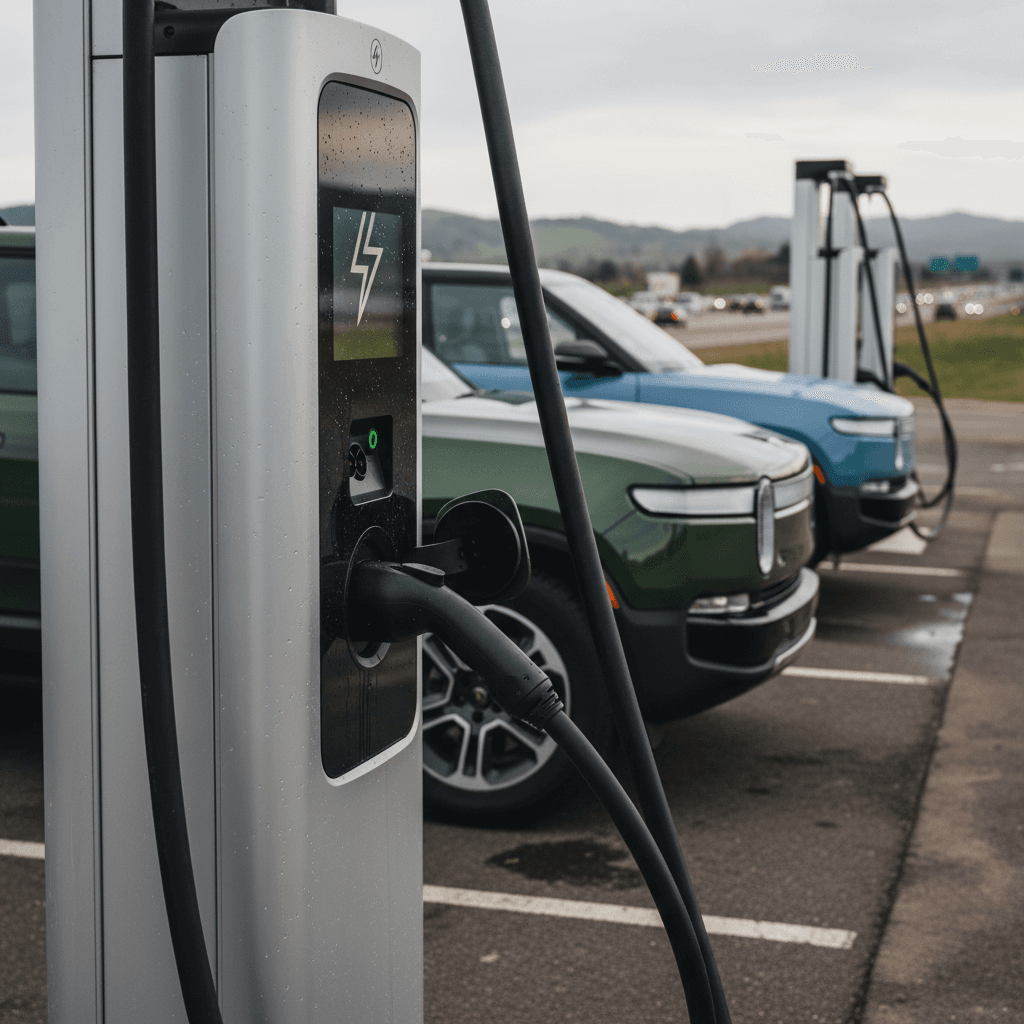
What actually causes winter range loss in the R1S
Four main culprits behind R1S winter range loss
It’s not just the thermometer, it’s everything you ask the truck to do when it’s cold.
1. Cold battery chemistry
2. Cabin & seat heating loads
3. Aerodynamics & winter tires
4. Short trips & cold starts
Warm the battery, not just the cabin
How much range will my R1S lose in winter?
Every driver, route, and weather pattern is different, so there’s no single number that fits all. But we can talk in honest, experience‑based ballparks that line up with what many owners see in cold climates.
Rivian R1S winter range planning scenarios
Approximate planning numbers for a healthy Rivian R1S battery in cold weather. These are not guarantees, just realistic starting points.
| Configuration | Outside Temp | Driving Type | Heater Use | Practical Planning Range |
|---|---|---|---|---|
| Max pack, dual‑motor, 21" wheels | 30–40°F | Mixed city/highway, 60–70 mph | Moderate | 260–300 miles |
| Max pack, dual‑motor, 21" wheels | 10–25°F | Mostly highway, 70–75 mph | High | 220–260 miles |
| Large pack, dual‑motor, 21" wheels | 30–40°F | Mixed city/highway, 60–70 mph | Moderate | 230–270 miles |
| Large pack, dual‑motor, 21" wheels | 10–25°F | Mostly highway, 70–75 mph | High | 190–230 miles |
| Standard/Standard+ packs | Below 20°F | Highway, 70–75 mph | High | 160–210 miles |
| Any pack, towing or roof box | Below 20°F | Highway, 65–70 mph | High | Cut these numbers by another 20–30% |
Assumes steady‑state highway driving, a healthy battery, and no significant elevation change.
Beware of the “last 10%” trap
- In mild cold (30–40°F), many R1S drivers report roughly 20–25% less range than EPA at highway speeds.
- In real winter (teens and 20s), 25–40% loss is normal depending on speed, wind and heater use.
- On short trips in town, you may see even higher percentage losses because the truck never warms up fully.
Planning winter road trips in a Rivian R1S
The R1S is a fantastic winter road‑tripper once you stop expecting it to behave like a gasoline Suburban. You’re managing energy instead of fuel volume, and that means building in margin and using your tools.
Step‑by‑step winter trip planning for your R1S
1. Start with a realistic winter range
Look at your pack (Standard, Standard+, Large, Max) and assume 60–70% of your EPA rating for sustained sub‑freezing highway driving. That’s your planning range, not the number on the window sticker.
2. Keep legs short in deep cold
On truly cold days, try to keep highway legs to <strong>120–160 miles</strong> instead of stretching them. That gives you a buffer for wind, traffic, or a busy charger that forces you to continue to the next stop.
3. Use multiple charging apps
Rely on Rivian’s built‑in navigation, but also cross‑check with apps like PlugShare or ChargePoint. In some regions, Tesla’s NACS network (for newer Rivians with NACS or an adapter) may become part of your toolkit as access expands.
4. Precondition before you leave
Preheat the cabin and battery while plugged in at home or at your hotel. Use seat and steering wheel heaters more than blasting air heat once you’re underway, they use less energy for the same comfort.
5. Watch elevation and wind
Climbing into mountain passes or driving into a stiff headwind can easily add 10–20% to your energy use. If your route profile looks ugly, shorten the leg or add a mid‑route backup charger.
6. Always have a plan B charger
On winter trips, identify a second charger near your planned stop. If your first choice is full or offline, you’re not improvising in the cold with a dwindling state of charge.
Rivian + winter = road‑trip capable
Charging your Rivian R1S in the cold
Fast charging in winter can be humbling. The same R1S that pulls strong charge rates in June may charge much more slowly in January, especially if you arrive with a cold‑soaked battery or very low state of charge.
DC fast charging tips
- Nail the preconditioning. Use Rivian’s navigation to select the charger so the truck warms the battery on the way. Arriving without a warm pack is the number‑one reason for slow winter fast charges.
- Arrive around 10–30%. High‑power DC chargers are most efficient when you arrive low and charge up into the 60–80% range instead of to 100%.
- Expect lower peak speeds. In brutal cold, even a preconditioned R1S may not hit its summertime peak rates. Build that extra time into your plan.
Level 2 home & destination charging
- Use overnight to your advantage. A 32–48‑amp Level 2 charger at home or a hotel will refill the pack while you sleep, even if winter efficiency is ugly.
- Schedule charging. Many owners set a start time so the pack finishes around their departure time, meaning the battery is warmer and more efficient when they hit the road.
- Don’t fear 100% before a big trip. In normal daily use, it’s smart to cap charge at 70–80%, but it’s fine to charge to 100% occasionally before a winter road trip if you immediately drive off.
Think like a pilot, not a passenger
Protecting Rivian battery health through winter
The good news: winter range loss is mostly temporary. Your R1S isn’t “wearing out” faster just because it’s cold. If anything, lower pack temperatures slow chemical aging. The real threats to long‑term battery health are extreme states of charge and chronic fast charging, not January in Minnesota.
Winter habits that help your R1S battery age gracefully
These practices protect usable range, winter and summer.
Avoid living at 100%
Don’t camp at 0%
Mix in slower charging
Cold doesn’t equal damage
Used Rivian R1S: what winter range can tell you
If you’re shopping for a used Rivian R1S, winter is actually a great time to understand how the truck, and its previous owner, have treated the battery. A truck that behaves predictably in the cold is usually a sign of a healthy pack and a careful driver.
Smart questions to ask a seller
- What’s your typical winter highway range? Listen for real numbers at real speeds, not just “it’s fine in winter.”
- How often do you DC fast charge? Heavy fast‑charge usage isn’t a deal‑breaker, but you want an honest answer.
- Do you usually charge to 80% or 100%? A seller who caps daily charge level and only uses 100% for trips is a good sign.
How Recharged helps de‑mystify winter range
At Recharged, every used EV, including Rivian R1S models, comes with a Recharged Score battery health report. Our diagnostics go deeper than the dash display to verify usable capacity, charging history patterns, and whether the pack is performing as expected for its age and mileage.
Pair that with our expert EV specialists, financing options, trade‑in support, and nationwide delivery, and you can step into winter with an R1S that fits both your life and your local climate.
Rivian R1S winter range loss: FAQ
Common questions about Rivian R1S winter range
Key takeaways for living with an R1S in winter
Your Rivian R1S winter range loss isn’t a defect; it’s physics. Big battery, big SUV, big heater, it all adds up when the temperature falls. But once you reset your expectations and start planning trips around realistic cold‑weather numbers instead of lab ratings, the R1S settles into a confident, capable winter companion.
- Plan on using roughly 60–70% of your EPA range in true winter highway driving, and give yourself a healthy buffer on every leg.
- Preconditioning, smart heater use, moderate speeds and efficient tires can easily swing your winter range by 10–20%.
- Fast charging will be slower in the cold, but good trip planning keeps that from becoming a crisis.
- Cold weather doesn’t automatically mean your battery is dying, judge pack health in moderate temperatures, and use tools like a Recharged Score report when buying used.
- Most important: treat energy like a resource to be managed, not a mystery. Do that, and your R1S will take you skiing, sledding and school‑running all winter long without drama.
Ready to find an R1S that fits your winter?
Ready to find your next EV?
Browse Vehicles