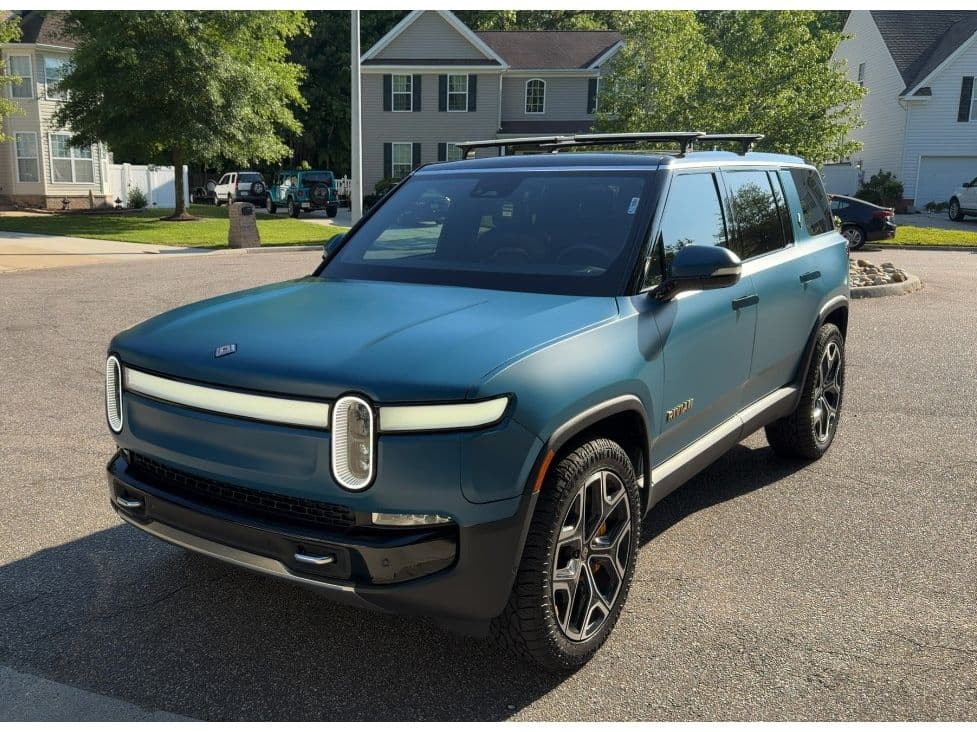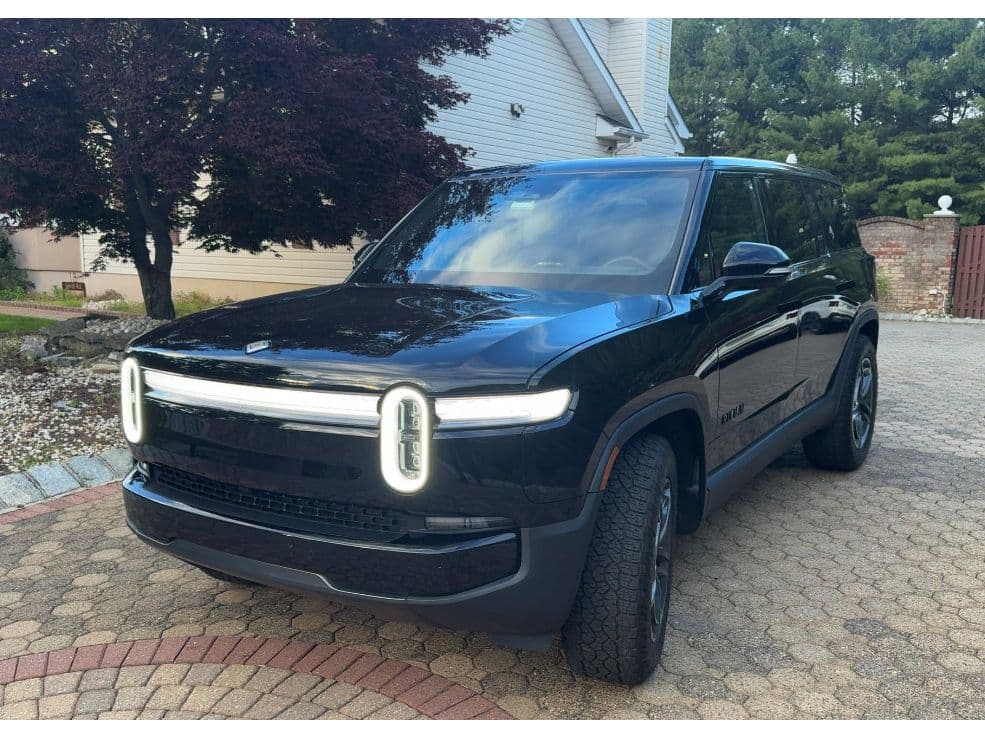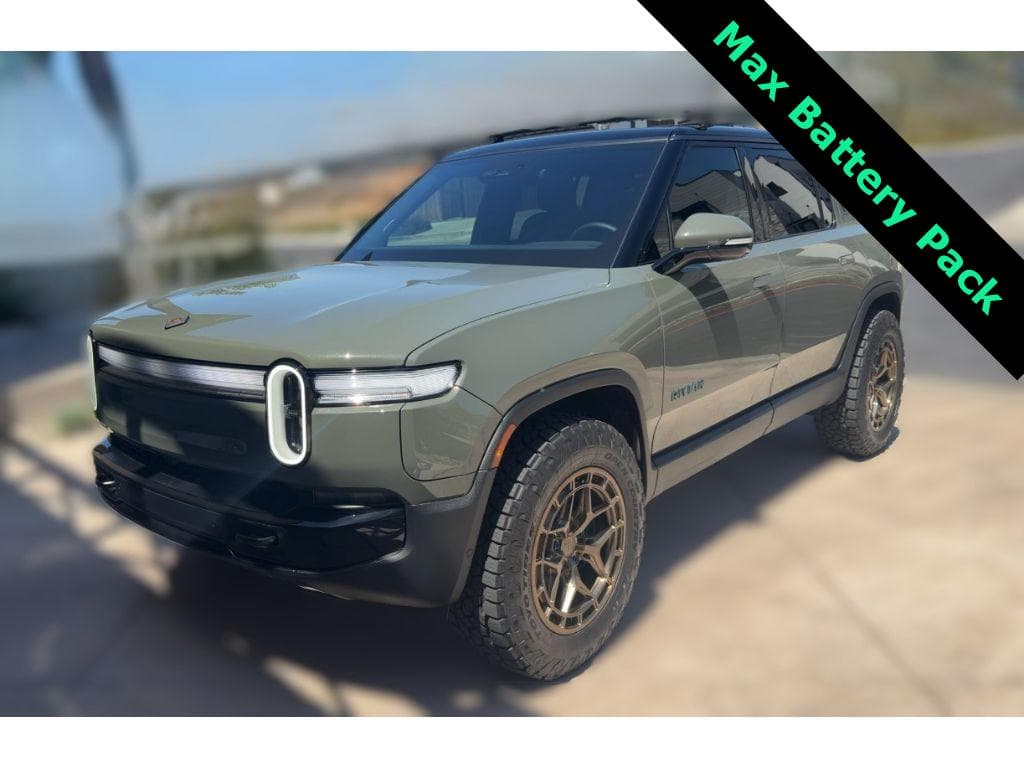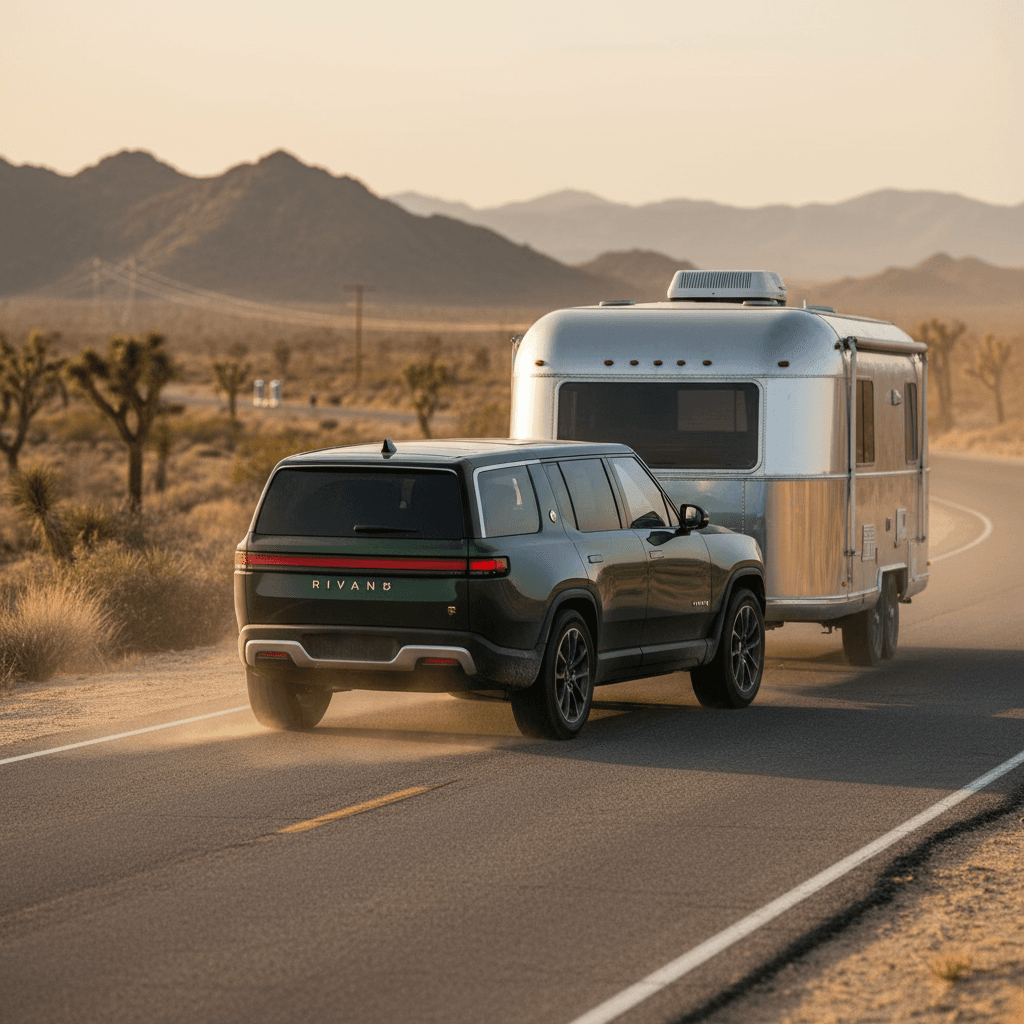
If you’re eyeing a Rivian R1S for family road trips, boats, or campers, you probably have two big questions: **How much can it tow, and what happens to range when I hook up a trailer?** The Rivian R1S towing capacity and range story is more nuanced than a simple number on a spec sheet, especially with multiple battery packs and motor options in the mix.
Quick answer
Overview: Rivian R1S towing capacity and range
Rivian positioned the R1S as a true adventure SUV, not just a three-row people mover. That means serious off-road hardware, big battery options, and a stout tow rating. Since the first R1S reached customers, Rivian has updated batteries and motors, but the core towing story stays consistent: **7,700 pounds of max towing capacity across trims**, with range that swings widely based on how you use it.
Rivian R1S towing and range at a glance
Spec sheet vs. reality
Rivian R1S towing capacity by battery and motor
Rivian has shuffled batteries and motors over the years, but the story is refreshingly simple for shoppers: **most R1S configurations are rated to tow 7,700 pounds**. That covers both earlier Quad‑Motor trucks and newer Dual and Tri‑Motor versions with Standard, Large, or Max packs.
Rivian R1S towing capacity by configuration (recent model years)
Approximate factory tow ratings for common Rivian R1S trims. Always confirm the rating on the specific vehicle’s doorjamb label and owner’s manual.
| Model years / configuration | Battery pack | Drivetrain | Max towing capacity |
|---|---|---|---|
| Gen 1 R1S Dual Motor | Standard / Large / Max | AWD Dual Motor | 7,700 lb |
| Gen 1 R1S Quad Motor | Large | AWD Quad Motor | 7,700 lb |
| Gen 2 R1S Dual Motor | Standard / Large / Max | AWD Dual Motor | Up to 7,700 lb |
| Gen 2 R1S Tri Motor | Max | AWD Tri Motor | Up to 7,700 lb |
Tow ratings are for a properly equipped R1S with factory hitch and wiring.
Mind the payload, not just towing
If you’re shopping used, ask the seller (or your advisor at Recharged) for a photo of the **tire and loading label** and the **hitch label**. Those stickers tell you the exact payload and tow rating for that vehicle as built, which can differ slightly based on wheels and options.
Rivian R1S range by battery pack (no trailer)
To understand Rivian R1S towing capacity and range together, start with the **unloaded EPA range**. That’s the number you’ll be cutting down once you add a trailer. Exact figures shift slightly by wheel size and year, but recent R1S numbers look roughly like this:
Typical Rivian R1S EPA range by battery pack
Recent Dual and Tri‑Motor models (approximate figures; check the specific year and wheel/tire combo).
Standard pack (~92.5 kWh)
- Dual Motor: about 270 miles EPA
- Best for daily duty, lighter towing, shorter trips
- Lower upfront cost but tight for long towing days
Large pack (~109.4 kWh)
- Dual Motor: ~325–330 miles EPA
- Sweet spot for most owners
- Solid balance of cost, range, and weight
Max pack (~141.5 kWh)
- Dual Motor: ~400–410 miles EPA
- Tri Motor: low‑to‑mid‑300s EPA
- Best choice if you tow often or road‑trip frequently
Motor choice and range
How towing affects Rivian R1S range in the real world
Here’s where life with an electric tow rig feels different from a gas SUV. With a Rivian R1S, **aerodynamics matter more than raw weight**, and your right foot matters most of all. Pull a low, narrow utility trailer at 55 mph, and the hit can be modest. Haul a tall, boxy camper at 70 mph into a headwind, and you can chop your range in half.
- Many owners report 30–40% range loss with a relatively small, aerodynamic camper at moderate highway speeds.
- With a big, brick‑shaped travel trailer at 65–70 mph, a 40–50% drop from EPA range is common.
- Mountain grades, cold weather, and headwinds can push total range loss beyond 50% on a bad day.
Shape beats weight
Example 1: Dual Motor + Max pack
Let’s say you have a Dual‑Motor R1S with the Max battery and an EPA rating around 410 miles. Hook up a mid‑size, fairly aerodynamic camper and run 65 mph on mostly flat interstate. A realistic planning number is often:
- 200–250 miles between charges in good conditions
- Comfortable legs of 150–180 miles if you like a big buffer
Example 2: Standard pack + boxy trailer
Now imagine a Standard‑pack R1S (EPA ~270 miles) and a tall toy hauler or travel trailer at 65–70 mph. It’s not unusual to see effective towing range drop to:
- 120–150 miles per full charge in ideal conditions
- Under 120 miles in strong winds, heavy rain, or cold weather
Cold weather compounds the problem
Tow Mode, hitches, and Rivian towing tech
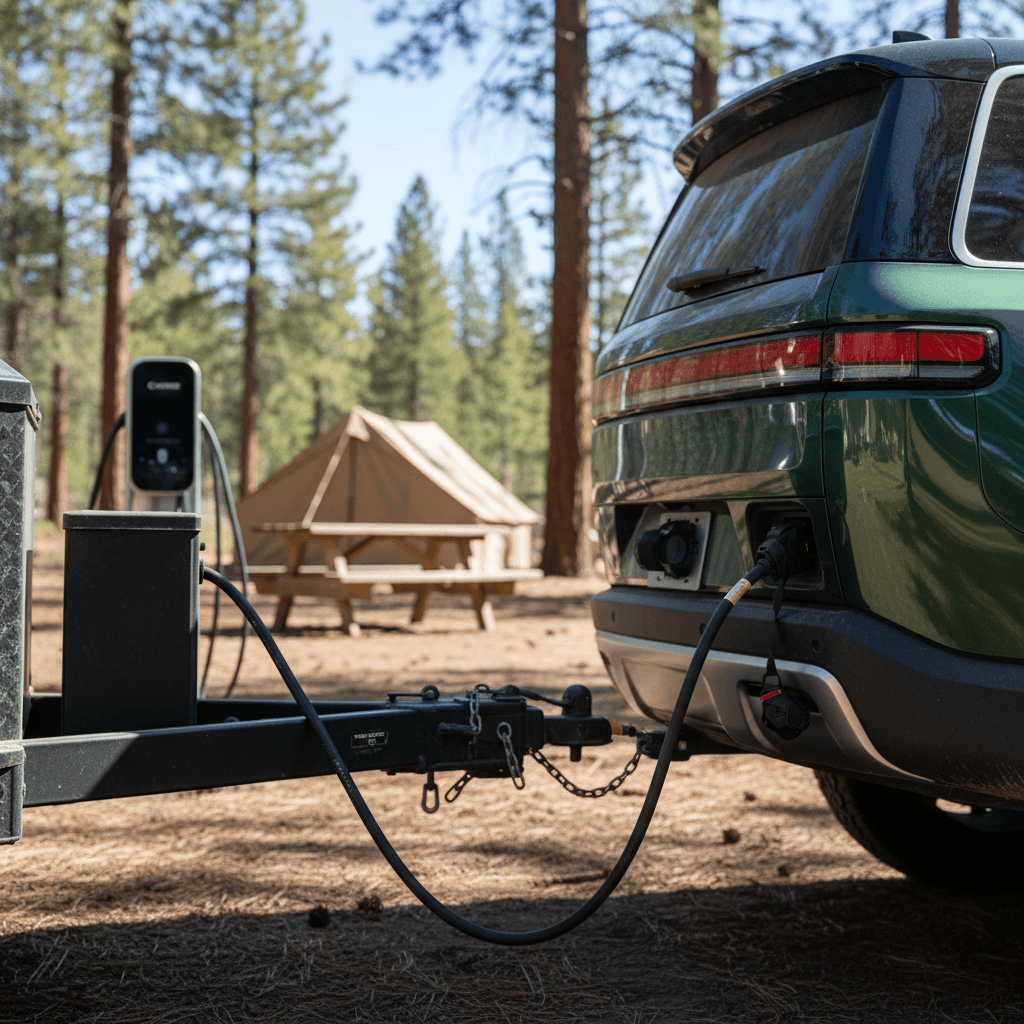
Rivian baked a surprising amount of towing intelligence into the R1S. That’s good news, because trailering in an EV asks you to think like a long‑haul trucker: deliberate, efficient, and a little bit nerdy.
Key Rivian R1S towing features
What makes towing in an R1S feel sorted instead of stressful.
Integrated Tow Mode
- Adjusts suspension height and damping
- Tunes stability and traction control for trailers
- Lets you store trailer profiles to improve range estimates
Air suspension & leveling
- Self‑levels under tongue weight
- Helps keep headlights and handling in check
- Improves comfort vs. a sagging rear‑end gas SUV
Range‑aware navigation
- Trip planner considers elevation and conditions
- With Tow Mode & trailer set, estimates get smarter
- Makes choosing charger stops much easier
Factory hitch vs. aftermarket
Rivian R1S towing setup checklist
1. Confirm ratings
Check the doorjamb and hitch labels for the exact <strong>tow rating</strong> and <strong>payload</strong> on the specific R1S you’re using.
2. Install proper hitch & wiring
Use a receiver and wiring harness that meet or exceed Rivian’s tow rating. Avoid sketchy adapters and bargain‑basement hardware.
3. Use Tow Mode
Before pulling out, enable Tow Mode, select the right trailer profile, and verify that lights and brakes (if equipped) are functioning.
4. Balance your load
Aim for a tongue weight of roughly <strong>10–15%</strong> of trailer weight, and load heavy items low and ahead of the axle to avoid sway.
5. Set realistic range targets
Plan legs that use no more than <strong>60–70%</strong> of your displayed range, especially until you’ve learned how your particular combo behaves.
6. Pre‑condition before DC fast charging
If possible, let the truck pre‑warm or pre‑cool the battery before you reach a DC fast charger to shorten charging stops on tow days.
Best Rivian R1S setups for towing and road trips
So which R1S is “best” if you plan to tow often? It depends on what you’re pulling, how far you’re going, and how much you care about blistering acceleration versus range and price.
Frequent towers & long‑distance travelers
- Recommended: Dual‑Motor R1S with Max pack
- Why: Longest EPA range, solid efficiency, and still seriously quick.
- Ideal for: 3‑season camping, cross‑country trips, and mid‑size campers or boats up to the 7,700‑lb limit.
If you regularly tow 4,000–6,000 lb, the extra battery capacity buys you shorter days, more route flexibility, and fewer white‑knuckle range calculations.
Weekend warriors & lighter trailers
- Recommended: Dual‑Motor R1S with Large pack
- Why: Great mix of price and range, especially for smaller campers, boats, and utility trailers.
- Ideal for: Trips under 200 miles each way, or towing under ~4,000 lb on mostly flat routes.
If your life is more about occasional hauling and daily family duty, this spec feels like a sweet spot.
What about Tri‑ and Quad‑Motor R1S models?
Planning trips with a Rivian R1S and trailer
Towing with an EV asks you to think in legs instead of tanks. The Rivian R1S has the brains and the battery to make this work, but your planning habits matter more than any spec sheet.
Trip‑planning tips for towing with a Rivian R1S
Start with conservative range assumptions
For your first big trip, assume <strong>50% of your EPA range</strong> with a tall camper and ~40% with a lower, more aerodynamic trailer. Adjust as you learn.
Favor chargers with trailer‑friendly access
Look for stations that are pull‑through or allow backing in with a trailer attached. In tight lots, you may need to briefly unhook.
Use Rivian’s trip planner, but verify
Let the built‑in planner do its thing, then cross‑check with apps like PlugShare or A Better Routeplanner to confirm charger reliability and access.
Plan for weather and terrain
Long climbs, headwinds, rain, and cold temperatures all raise energy use. Shorten legs ahead of big mountain passes or storms.
Have Plan B (and sometimes Plan C)
When you’re towing, a broken‑or‑busy fast charger is more than an annoyance. Build backup chargers into your route in case Plan A doesn’t pan out.
Adjust your speed
Dropping from 70 mph to 60–65 mph can meaningfully extend range while towing. In an R1S, that extra 10 minutes often buys you a lot of peace of mind.
Think in hours, not just miles
Buying a used Rivian R1S for towing: what to check
Shopping used can make a Rivian R1S far more affordable, especially if you want the bigger batteries that shine when towing. But not every used example is equally suited to life as an electric tow rig.
Used Rivian R1S towing checklist
Key items to evaluate before you sign for a used R1S that will tow regularly.
1. Battery and range health
- Ask for recent range figures at 100% charge.
- Look for any warning lights or charging issues.
- With Recharged, you get a Recharged Score Report with verified battery health, so you’re not guessing.
2. Hitch, wiring, and hardware
- Inspect the receiver, safety‑chain points, and 7‑pin connector.
- Look for rust, bent metal, or DIY wiring splices.
- Confirm any aftermarket parts are rated to the truck’s full tow capacity.
3. Tires, wheels, and brakes
- Heavy towing is hard on tires and brakes.
- Check tread depth, age, and any signs of uneven wear.
- On a test drive, pay attention to brake feel and any vibrations.
4. Usage and history
- Ask the owner or dealer how often it towed and what kind of loads.
- Service records showing routine checks are a plus.
- Look for any history of collision or structural repairs around the rear.
How Recharged can help
Ready to find your next EV?
Browse VehiclesRivian R1S towing capacity and range FAQ
Frequently asked questions about Rivian R1S towing
Bottom line: Is the Rivian R1S good for towing?
If you think of the Rivian R1S as a silent, all‑electric Suburban with rally‑car reflexes, you’re not far off, and its towing capability fits that picture. With a 7,700‑lb rating, advanced Tow Mode, and genuinely useful trip‑planning tools, the R1S is absolutely up for boat ramps, campers, and cross‑country family hauls, as long as you respect the range math.
Where it shines is in **predictable, well‑planned trips** with an aerodynamic trailer and a route that plays nicely with public fast charging. Where it’s less happy is last‑minute, max‑weight towing at high speeds and in bad weather, especially with the smallest battery pack.
If you’re looking at a used Rivian R1S and want it to be your adventure rig, it pays to get clear on which battery and motor setup you’re buying and how healthy that pack is today. That’s exactly what Recharged was built for: transparent EV condition reports, expert guidance on range and towing, financing and trade‑ins, and nationwide delivery so you can start planning your first all‑electric trailer trip with confidence.