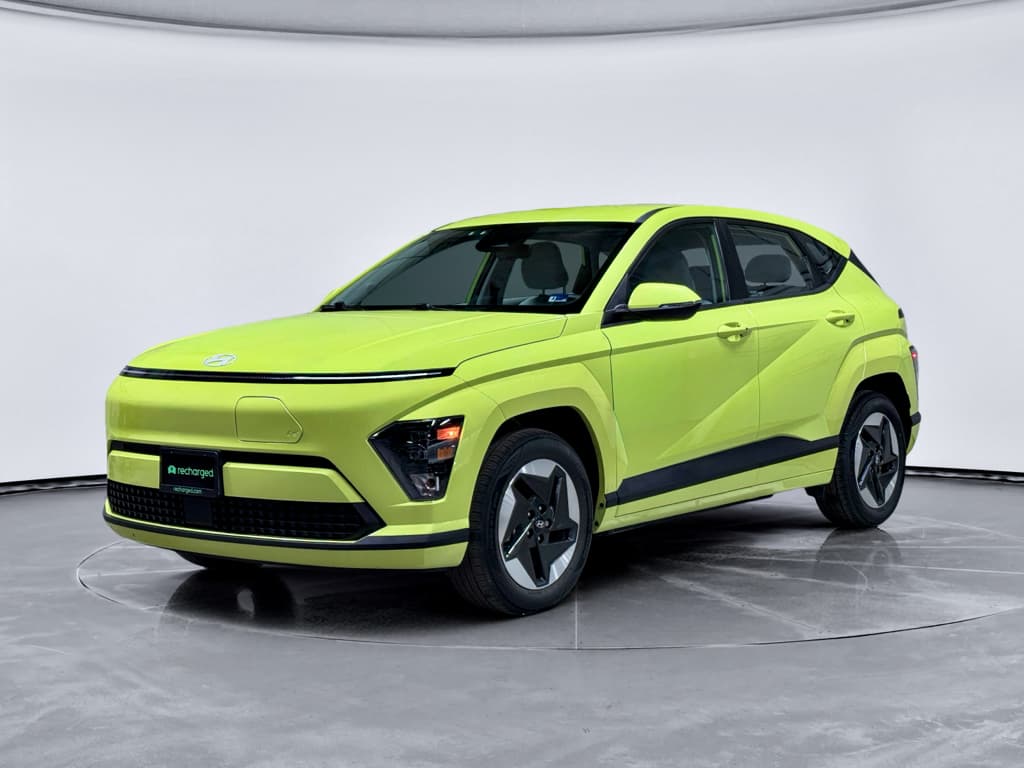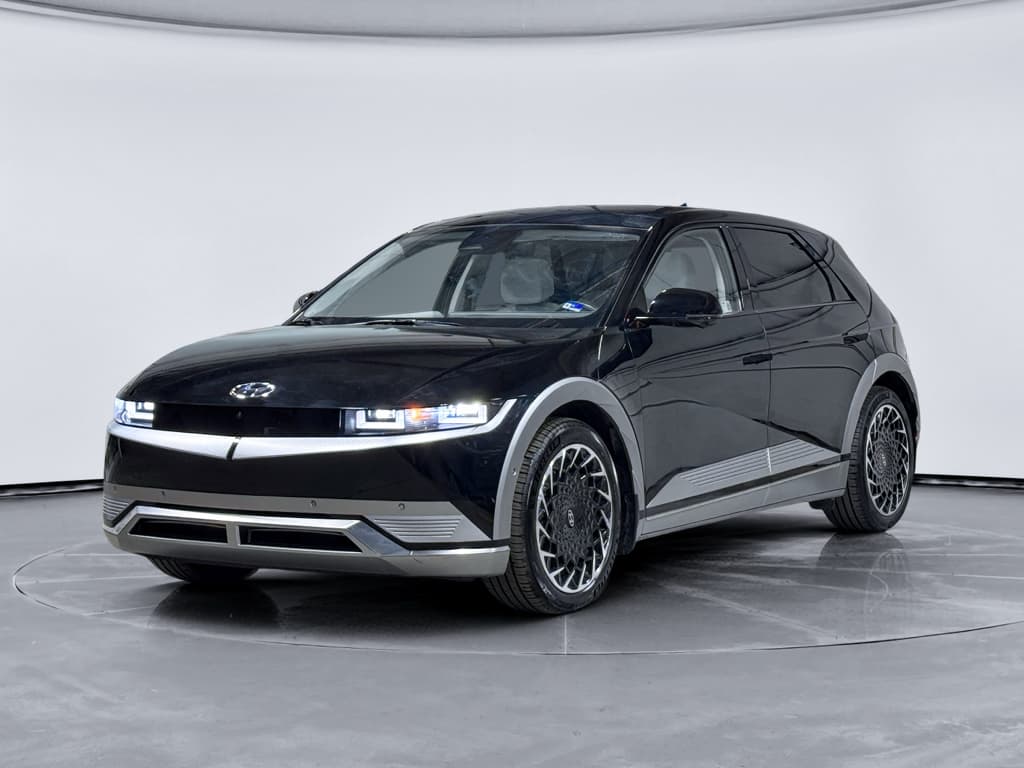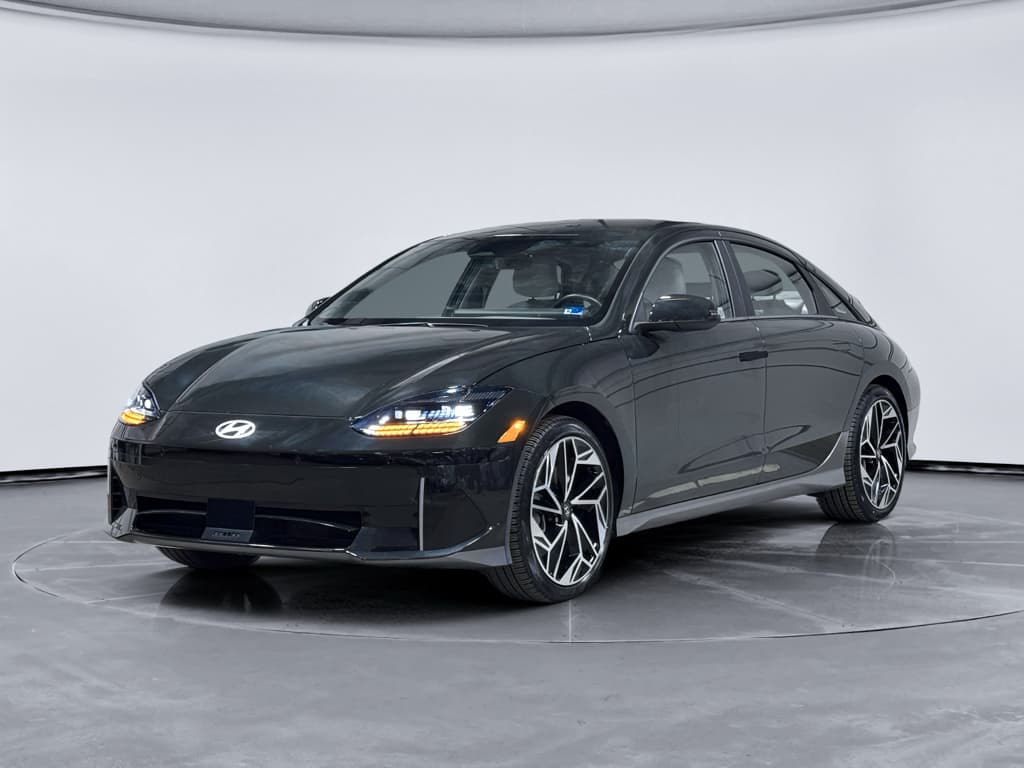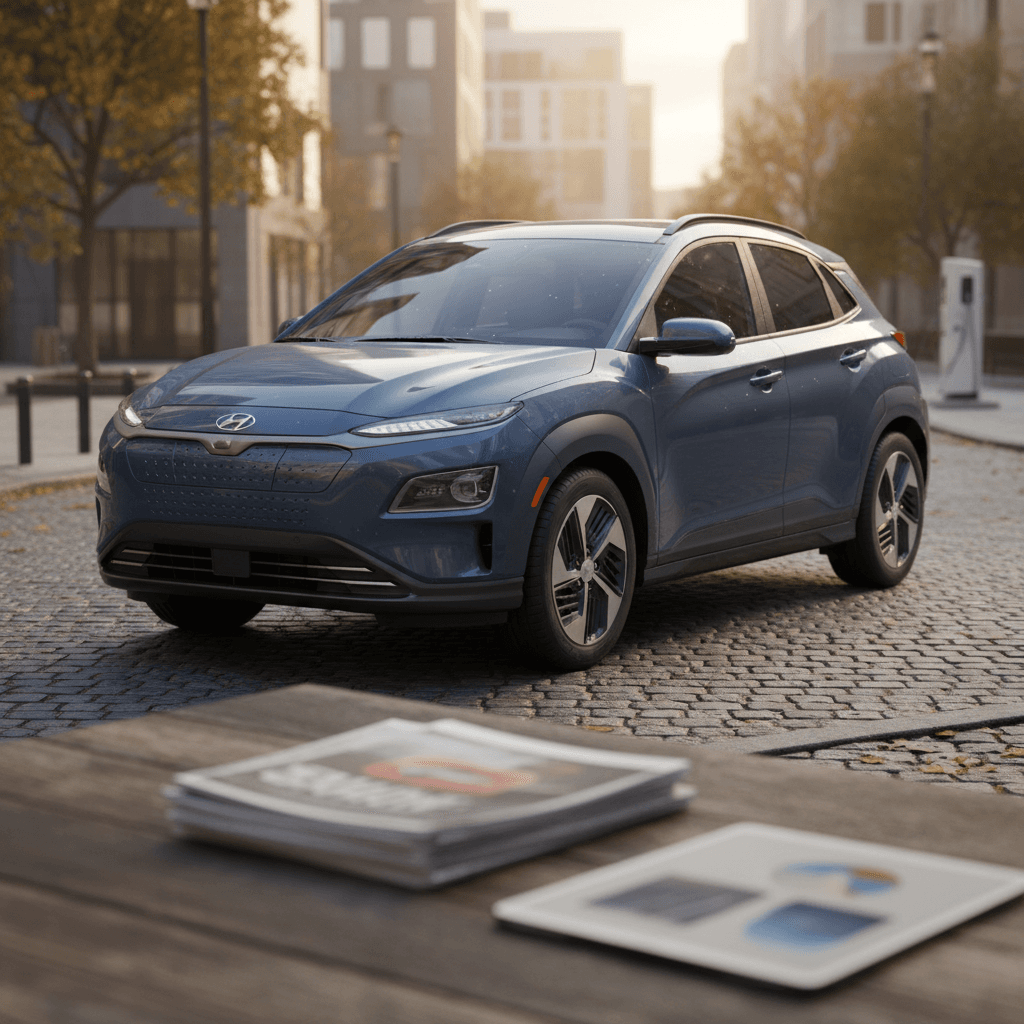
If you’re shopping for a compact electric SUV, the 2025 Hyundai Kona Electric should be on your short list. It’s smaller and cheaper than an Ioniq 5, but offers real‑world range that works for daily driving, plenty of tech, and the kind of easy manners that make commuting less of a chore. This buying guide walks you through trims, range, charging, pricing, and smart ways to shop new or used, so you can decide if the 2025 Kona Electric fits your life.
Quick take
2025 Kona Electric at a glance: range, trims, pricing
2025 Hyundai Kona Electric key numbers (U.S.)
Hyundai simplified the Kona Electric for this generation. In the U.S., the 2025 model centers on a 64.8‑kWh battery pack and front‑wheel‑drive motor, with an EPA‑estimated range around 260 miles when new. Trim and feature content vary, but the basic electric hardware is consistent, which makes shopping easier: you’re mostly deciding how fancy you’d like the cabin and driver‑assist tech to be.
2025 Hyundai Kona Electric trims overview (U.S.)
Exact names and features can vary slightly by region and options, but this gives you a realistic snapshot of how the 2025 lineup is structured in the U.S. market.
| Trim | Who it fits | Notable equipment highlights | What you give up |
|---|---|---|---|
| SE / base | Budget‑minded shoppers who still want solid range. | Cloth seats, key active safety tech, touchscreen with Apple CarPlay/Android Auto, single‑zone climate. | Fewer luxury touches, smaller wheels, limited ambient lighting and convenience options. |
| Mid‑grade (SEL or similar) | Most buyers; balances price and features. | Heated front seats, more driver‑assist features, larger wheels, more USB‑C ports, upgraded interior materials. | Some premium tech like HUD or full‑surround cameras may still be reserved for the top trim. |
| Limited / top trim | Buyers who want every bell and whistle. | Leather or leatherette, larger wheels, Bose or upgraded audio, full active‑safety suite, sunroof, advanced parking aids where available. | Higher price and slightly lower real‑world range due to weight and wheel/tire choices. |
Always check a current Monroney sticker or window label, Hyundai and dealers can bundle features differently over the model year.
Trim‑shopping shortcut
Why the 2025 Kona Electric deserves a look
Where the 2025 Kona Electric shines
- Right‑sized for cities: Easy to park, nimble in traffic, yet more usable interior space than the first‑generation Kona EV.
- Genuinely usable range: ~260 miles when new is enough for most commuters to charge a few times a week, not every night.
- Generous warranty: 10‑year/100,000‑mile battery coverage in the U.S. provides a safety net for early‑life defects.
- Value story: Often discounted versus MSRP and typically less expensive than bigger Hyundai EVs like the Ioniq 5.
Where you need to go in eyes‑open
- Charging speed: DC fast‑charging is respectable but not class‑leading; you’ll likely spend longer at high‑speed chargers than in a Hyundai built on the E‑GMP platform.
- Back‑seat space: Better than the old Kona, but still cozy if you routinely seat tall adults behind tall adults.
- No AWD: The Kona Electric remains front‑wheel drive only. If you must have all‑wheel drive, you’ll need to look elsewhere.
- Tax credits vary: Federal and state incentives shift often; you’ll need to confirm what applies in your zip code and situation.
Driving range and battery: what to expect in the real world
On paper, the 2025 Hyundai Kona Electric’s 64.8‑kWh battery is rated for roughly 260 miles of EPA range with the long‑range configuration. That’s enough to cover a 40‑ to 60‑mile daily commute with a healthy cushion, even as the pack ages. But real‑world range always depends on how and where you drive.
- City driving at moderate speeds tends to get you close to or slightly above the EPA number, especially in mild weather.
- Highway driving at 70–80 mph will trim range more noticeably; plan on something more like 210–230 miles between charges at those speeds.
- Cold winters can temporarily cut range by 20–30% as the battery and cabin heating systems work harder.
- Over many years, gradual battery degradation will slowly reduce usable range, typically by a few percent over the first several years and then more slowly thereafter.
Range reality check
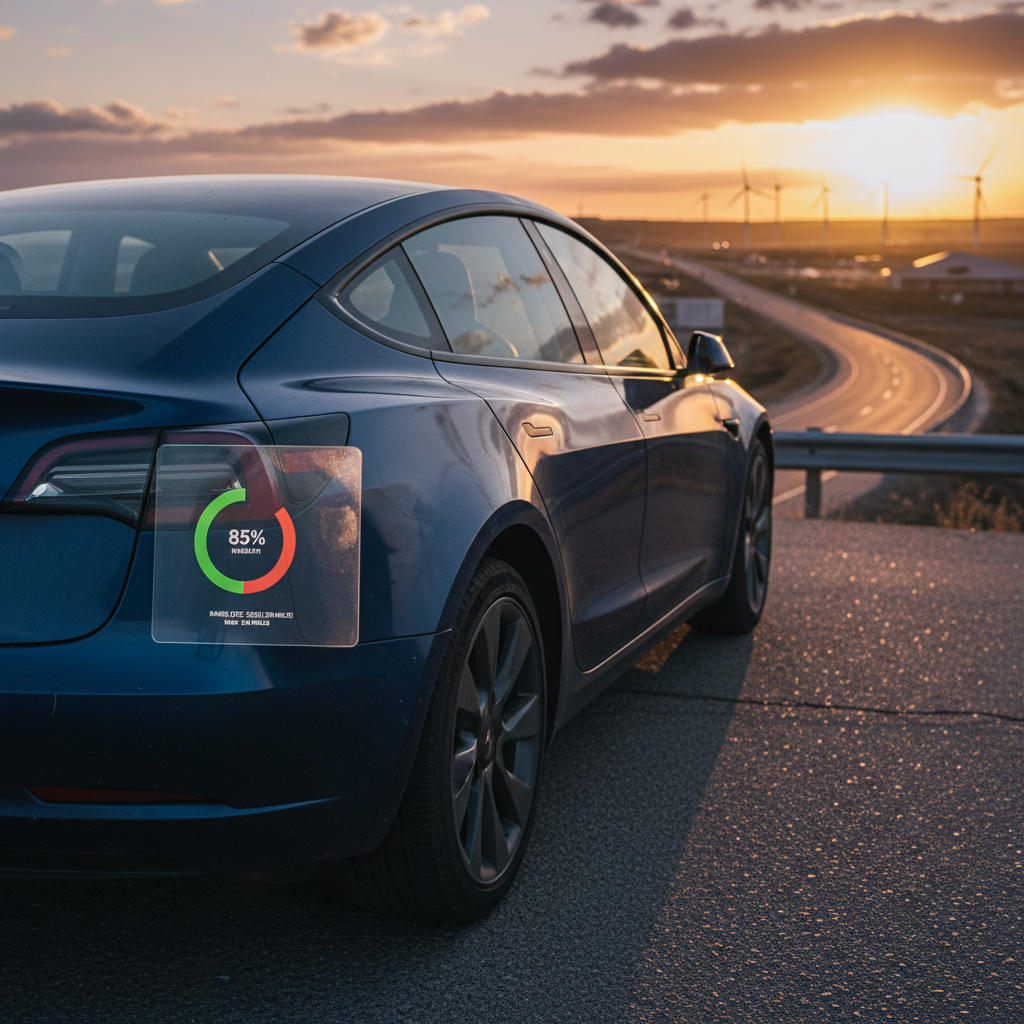
Hyundai designs the Kona Electric’s battery to last at least the length of the 10‑year/100,000‑mile warranty window. In practice, most owners who keep up with basic maintenance and avoid abuse, like constantly fast‑charging from 0 to 100%, see capacity loss that’s noticeable, but rarely catastrophic in the first decade. The bigger question when buying, especially used, is not the age in years, but the actual health of the pack today.
Charging speeds, home setup, and road‑trip ability
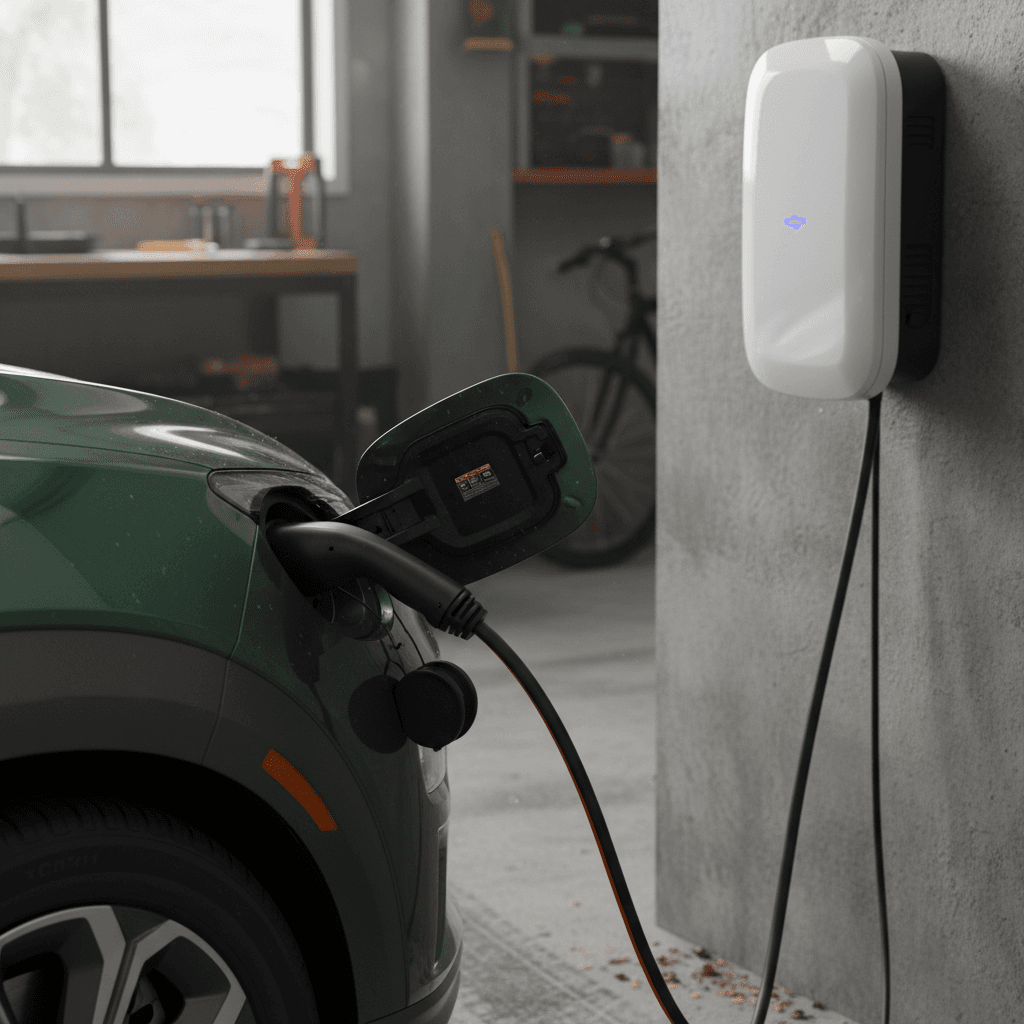
How the 2025 Kona Electric charges in everyday life
Think in three layers: overnight at home, top‑ups in town, and fast charging on the highway.
Level 1 (120V)
The included 120‑volt cord set lets you plug into a standard household outlet.
- Only adds a few miles of range per hour.
- Works for very short commutes or occasional top‑ups.
- Not ideal as your only solution long‑term.
Level 2 (240V) at home
The sweet spot for most Kona Electric owners.
- Requires a 240‑volt circuit (like an electric dryer outlet).
- Expect roughly 25–35 miles of range per hour of charging.
- Full charge from low can be done overnight.
This is where a home wallbox, or a quality portable Level 2 charger, pays off.
DC fast charging
Best for road trips or emergency top‑ups.
- Fills from low to about 80% in roughly 40–45 minutes in ideal conditions.
- Speed tapers as you approach 80% to protect the battery.
- Frequent DC use is fine, but living there can accelerate wear.
Think in hubs, not just plugs
On the road, the Kona Electric isn’t in the league of ultra‑fast‑charging EVs that can briefly pull over 200 kW. Its peak DC rate is lower, and it holds those higher speeds for a smaller slice of the charge curve. That doesn’t kill its road‑trip potential, but it does mean you’ll want to plan slightly longer coffee and restroom breaks around fast‑charging stops.
Trim guide: which 2025 Kona Electric should you buy?
Hyundai adjusts trim names and equipment packages periodically, but for 2025 you’ll typically see a base model, a mid‑grade, and a Limited or similarly named top trim. They all share the same basic battery and motor. Your decision is about comfort, tech, and value.
Base / SE
Best if you’re stretching to get into an EV and don’t care about luxury.
- Pros: Lowest price, same core performance and range as other trims.
- Cons: Basic seating, fewer convenience features, may lack some advanced parking aids.
Look for dealer or manufacturer incentives that can make the base Kona Electric one of the cheapest new EVs on the lot.
Mid‑grade (SEL / Preferred)
The sweet spot for most shoppers.
- Pros: Heated seats, more connectivity, better interior trim, often the best lease specials.
- Cons: Price creeps up; some top‑tier tech still optional or unavailable.
If you’re not sure which trim you want, start with this one and work up or down from there.
Limited / Ultimate
For buyers who want the full experience.
- Pros: Upgraded audio, premium seating, full safety suite, more adjustability and ambient touches.
- Cons: Highest price, large wheels can trim a few miles off range and add cost when tire‑replacement time comes.
This trim holds appeal on the used market, but only if you’re not paying a steep premium up front.
A practical rule of thumb
2025 Kona Electric vs. gas Kona and other small EVs
Versus the gas Kona
- Purchase price: A comparably equipped Kona Electric usually carries a higher sticker than a gas Kona, but EV incentives can narrow or erase that gap.
- Running costs: Electricity, especially at home, almost always beats gasoline on cost per mile. Oil changes disappear, and brake wear drops thanks to regenerative braking.
- Driving feel: The Electric feels punchier off the line thanks to instant torque. The gas Kona offers longer range per “fill” and faster refueling.
Versus other small EVs
- Range: The Kona Electric’s ~260‑mile estimate is competitive or better than many small EVs, especially older designs sitting closer to 200 miles.
- Charging: Some newer rivals offer faster DC charging; the Kona counters with a strong value story and Hyundai’s warranty.
- Space and refinement: It’s more upscale than early budget EVs, but not as airy inside as larger dedicated‑EV platforms.
In today’s market, the Kona Electric makes the most sense for drivers who rack up regular city and suburban miles, have some way to charge at home or work, and value a compact footprint over maximum cargo room.
New vs. used Kona Electric: smart buying strategies
Because the first‑generation Kona Electric arrived earlier in the 2020s and the redesigned second generation landed for 2024, you’ll see a wide spread of model years and battery ages on the used market by 2026. That can be a blessing, more choice and better pricing, but only if you know what you’re looking at.
Should you buy a new 2025 or a used Kona Electric?
Both paths can be smart; it depends on your priorities.
Why buy a new 2025 Kona Electric
- Full warranty clock: You start with the full 10‑year/100,000‑mile battery coverage and 5‑year limited bumper‑to‑bumper coverage (in the U.S.).
- Latest tech and safety: The second‑generation cabin, driver‑assist systems, and screens are nicer than early Konas.
- Incentive stacking: Manufacturer rebates, dealer discounts, and local incentives can bring pricing down significantly.
Why consider a used Kona Electric
- Lower upfront cost: Earlier‑year Konas can undercut a new 2025 by thousands, especially off‑lease models.
- Depreciation already baked in: EVs take their biggest hit early; you can let the first owner absorb it.
- Plenty of range for many lifestyles: Even a 230–250‑mile used example can be more than enough if you charge at home.
The key with a used EV is verifying real battery health and pricing accordingly.
How Recharged fits in
Battery health, warranty, and the Recharged advantage
For any modern EV, the battery is the beating heart and the biggest single cost item. Hyundai’s U.S. warranty on the Kona Electric’s high‑voltage battery is typically 10 years or 100,000 miles for defects, and coverage usually transfers to subsequent owners. That doesn’t mean the pack will be perfect forever, but it does mean early, unusual degradation or failure is Hyundai’s problem, not yours, during that period.
- If you’re looking at a 2025 model in 2026, you’re very early in that warranty window. The more pressing question is: did the first year of use involve lots of fast‑charging abuse, or gentle commuting?
- On an older used Kona Electric, it’s critical to combine basic service‑history checks with direct battery‑health data, not just a dashboard guess at range.
- Warranty coverage can differ slightly by region and model year, so it’s worth confirming specifics with a dealer or by reading the warranty booklet tied to that VIN.
How Recharged’s battery diagnostics help
Cost of ownership: how much can you really save?
The sticker price of a 2025 Hyundai Kona Electric tells only part of the story. Over several years, the math tilts in favor of the EV if you charge primarily at home and keep the car long enough to spread out your purchase or lease cost.
Fuel vs. electricity
- Electricity: Many U.S. owners pay the equivalent of $0.03–$0.06 per mile when charging at home, depending on local rates and driving style.
- Gasoline: A similarly sized gas Kona, at current pump prices and typical mpg, often costs roughly double per mile in fuel.
- Public fast charging: DC fast charging can be closer to gas‑car costs per mile. Use it occasionally, not daily, to keep savings strong.
Maintenance and repairs
- No oil changes, timing belts, or spark plugs.
- Brakes typically last longer thanks to regenerative braking.
- Tires are still a recurring cost, heavier EVs and instant torque can be harder on them.
- Out‑of‑warranty battery or EV drivetrain repairs are expensive, but statistically rare within the warranty window.
A five‑year snapshot
Checklist: questions to answer before you buy
Kona Electric 2025: pre‑purchase checklist
1. Where will you charge most of the time?
Confirm whether you can install (or already have) a 240‑volt outlet or wallbox where you park. If you’ll rely on public chargers, map out nearby Level 2 and DC fast‑charging options and check how busy they are at your typical charging times.
2. How many miles do you actually drive in a day?
Track a normal week in your current car. If you’re usually under 80 miles a day, the 2025 Kona Electric’s range will feel like overkill. If you routinely do 180‑plus highway miles without a break, plan your charging strategy carefully.
3. Do you need back‑seat and cargo space for family duty?
Sit in the back, fold the seats, and try loading your actual gear. Strollers, dogs, musical instruments, see how they fit. If the Kona feels tight, you may want to cross‑shop slightly larger EVs.
4. Which trim features matter to you?
Make a short list of must‑haves (heated seats, adaptive cruise, sunroof, premium audio, etc.) and use it to narrow trims. Don’t pay for a top trim just because it’s on the lot if the mid‑grade covers everything you need.
5. How long do you plan to keep the car?
If you like to keep vehicles 8–10 years, prioritize battery health, warranty coverage, and build quality. If you swap cars every three years, focus more on incentives, lease terms, and likely resale value.
6. Are you open to a used Kona Electric?
A healthy used Kona Electric can deliver nearly the same daily experience as a new 2025 at a lower monthly cost. If you’re open to used, consider shopping through a platform like Recharged that verifies battery health up front.
FAQ: 2025 Hyundai Kona Electric buying questions
Frequently asked questions about the 2025 Kona Electric
Is the 2025 Kona Electric right for you?
The 2025 Hyundai Kona Electric isn’t trying to be a luxury lounge on wheels or a drag‑strip hero. It’s a practical, well‑sorted electric runabout with enough range to cover most American commutes, a warranty that calms nerves, and pricing that often undercuts bigger, flashier EVs once incentives and discounts enter the picture. If you’ve got a sensible daily drive, a place to plug in, and a preference for compact vehicles, it deserves a serious look.
If you’re leaning toward a used Kona Electric, or just want to understand how a specific car’s battery is aging, shopping through Recharged can take a lot of the guesswork out. Every vehicle on the marketplace comes with a Recharged Score Report that details verified battery health, fair market pricing, and expert guidance from EV specialists. Whether you land on a brand‑new 2025 model or a well‑cared‑for used Kona, going in with clear numbers and realistic expectations is the difference between “just another car” and a long‑term win.