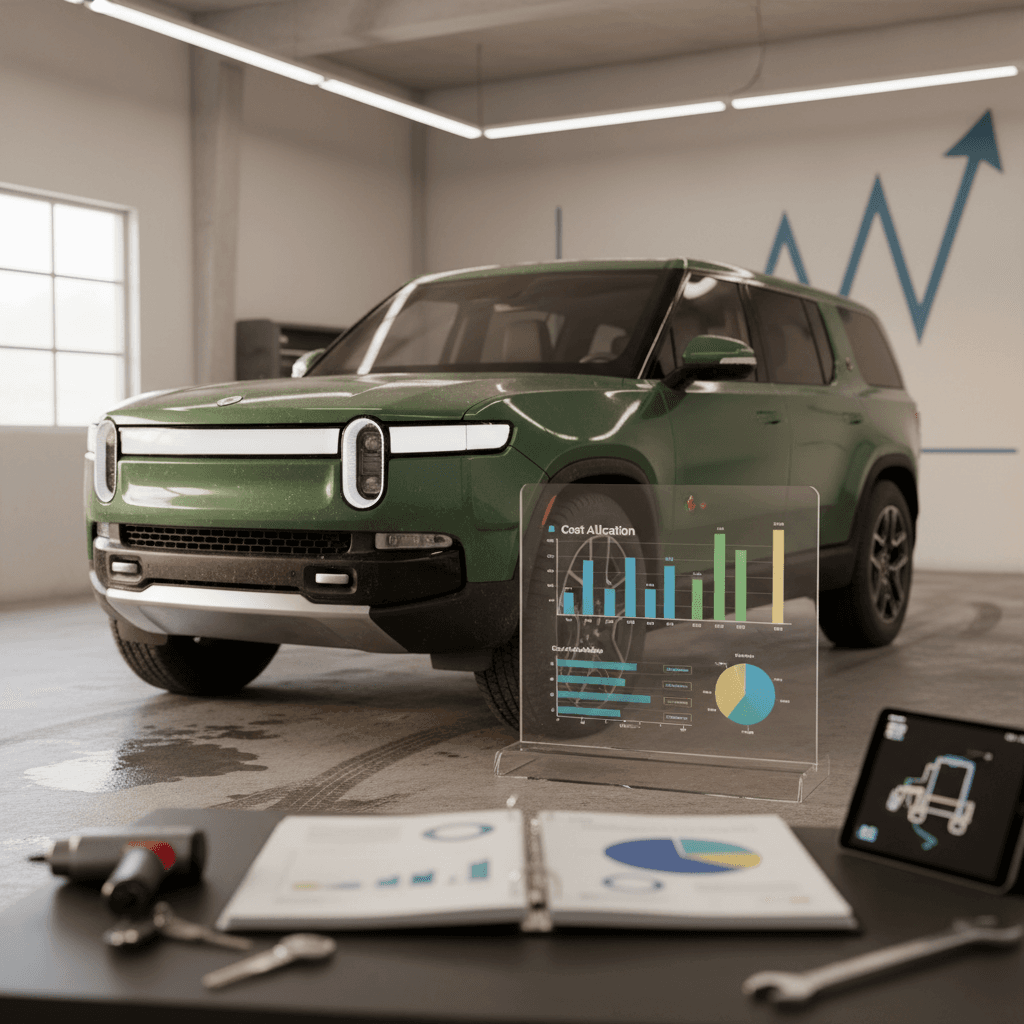
If you’re considering a Rivian R1S, you’ve probably already wrapped your head around the price tag. The next logical question is what most shoppers type into Google: Rivian R1S maintenance cost. The good news is that routine maintenance on an R1S is generally lower than on a comparable gas SUV, but there are some EV‑specific wrinkles you should understand before you buy, especially if you’re shopping used.
Quick takeaway
Rivian R1S maintenance cost at a glance
Typical 5‑year Rivian R1S ownership costs (maintenance slice)
Those numbers are based on third‑party cost‑to‑own models for 2024–2025 R1S trims, assuming 15,000 miles per year. They won’t perfectly match every real‑world owner, but they give you a realistic baseline to budget against.
Where the savings really are
How much does Rivian R1S maintenance cost?
Let’s put some hard numbers around Rivian R1S maintenance costs. Edmunds’ True Cost to Own® models for current R1S trims estimate about $1,700–$1,800 in routine maintenance over 5 years for a new R1S driven 15,000 miles per year. That works out to roughly $350 per year, averaged over those 5 years.
- Year 1–3: Typically light, mostly inspections, tire rotations, and cabin filters (a few hundred dollars total).
- Year 4–5: Higher, as items like brake fluid and more extensive inspections start to appear (several hundred dollars per year).
- Beyond 5 years: Maintenance stays modest, but the odds of individual repairs (suspension, HVAC, electronics) rise with age and mileage.
To keep this in perspective, mainstream luxury SUVs with internal‑combustion engines often run $3,000–$4,000 in maintenance alone over 5 years, not counting repairs. The R1S still isn’t a cheap vehicle to own, but the maintenance line item is one of its relative strengths.
Maintenance vs. repairs
What maintenance does a Rivian R1S actually need?
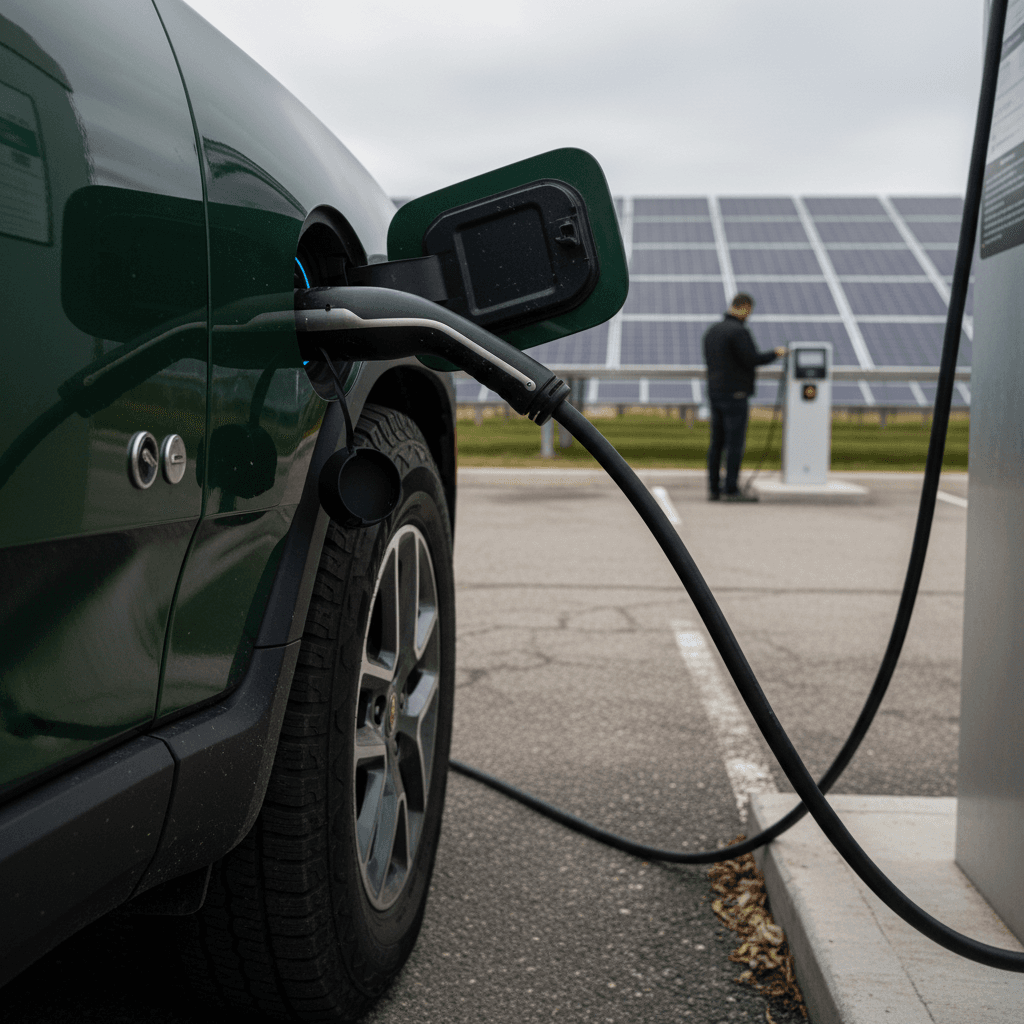
Rivian’s philosophy is closer to Tesla’s than to a traditional dealership. There’s no rigid annual service you’re forced into. Instead, the R1S uses software reminders and remote diagnostics to tell you when it actually needs attention. That said, there’s still a core list of items every R1S owner should expect to service.
Core Rivian R1S maintenance items
Even EVs need upkeep, just different things than gas SUVs
Tire rotations & alignments
Frequency: Roughly every 6,000–10,000 miles, depending on driving style.
Why: Heavy battery pack + strong acceleration = accelerated tire wear. Regular rotations and an occasional alignment help keep a $1,500+ set of tires from melting away too quickly.
Cabin air & HVAC service
Frequency: Cabin filter roughly every 2 years; HVAC desiccant and checks less often.
Why: Keeps interior air clean and the heat pump system efficient, important for range and comfort.
Brake fluid & brake system
Frequency: Brake fluid every few years; inspections more often.
Why: Regenerative braking means very little pad and rotor wear, but the hydraulic system still needs periodic attention for safety.
Suspension & steering checks
Frequency: Inspected during scheduled visits or when you notice issues.
Why: The R1S is heavy and quick. Bushings, control arms, and air suspension components (where equipped) need to be watched as the miles add up.
High‑voltage system inspections
Frequency: As indicated by Rivian or if faults appear.
Why: The battery pack and power electronics are designed for long life, but connectors, seals, and cooling loops still need to stay healthy.
Software & safety updates
Frequency: Ongoing, often over‑the‑air.
Why: Many drivability and safety issues are fixed with software. Some recalls and campaigns may still require a physical visit.
No official “every year” service
Rivian R1S maintenance vs. gas SUVs
From a maintenance perspective, the R1S is fighting on two fronts: traditional luxury SUVs from brands like BMW and Mercedes‑Benz, and other three‑row EVs like the Tesla Model X or Kia EV9. The simplest way to think about it is this: EVs shift your spending away from routine service and toward tires, insurance, and potential collision repairs.
Where the R1S saves vs. gas SUVs
- No engine oil, spark plugs, or timing belts to replace, ever.
- No multi‑speed automatic transmission with fluid and filter service.
- Less brake wear thanks to strong regenerative braking.
- Fewer moving parts overall in the powertrain, which usually means fewer mechanical failures over time.
Where costs can be higher
- Tires: Weight + torque + big wheels mean more frequent replacements and premium prices.
- Insurance: Luxury EVs often cost more to insure than mainstream gas SUVs.
- Collision and body repairs: Industry data shows EV collision repairs can run higher because of specialized parts and procedures.
- Depreciation: Not a maintenance cost, but a big part of total ownership cost, especially on new premium EVs.
Bottom line vs. gas
Common R1S service items and estimated prices
Exact pricing will vary by region and whether Rivian handles the job directly or sends a mobile technician, but you can ballpark several common items. Think of these as directional estimates, not quotes.
Typical Rivian R1S service items and rough cost ranges
Approximate U.S. retail pricing, excluding tax. Actual Rivian quotes may differ.
| Service item | Typical interval | Approximate cost (parts + labor) | Notes |
|---|---|---|---|
| Tire rotation | 6,000–10,000 miles | $60–$120 | Can sometimes be bundled with other service; many tire shops can handle this. |
| Four‑wheel alignment | As needed / after impacts | $150–$250 | More likely if you hit potholes or curb an alloy wheel. |
| Set of 4 tires | 20,000–30,000 miles | $1,200–$2,000+ | Varies with wheel size and brand; EV‑specific tires cost more but protect range. |
| Cabin air filter | ~2 years | $100–$200 | Price depends on single vs. multi‑stage filtration and labor access. |
| Brake fluid flush | 3–4 years | $150–$250 | Not needed often, but important for consistent pedal feel and safety. |
| 12‑volt / low‑voltage battery | 5–7 years | $250–$450 | Keeps the computers and locking systems alive; separate from the big drive battery. |
| Minor software‑related visit | As needed | $0–$200 | Most updates are over‑the‑air; on‑site diagnostics can add labor if hardware is involved. |
Use these numbers to build a rough maintenance budget; real invoices will vary.
Battery pack replacement is not routine maintenance
Unplanned costs: recalls, wear, and damage
Any realistic ownership picture has to acknowledge that vehicles, especially early‑run EVs from younger automakers, don’t always have a perfectly smooth service history. Rivian has issued several recalls and service campaigns on R1 vehicles, most of which have been handled at no cost to owners.
- Software‑only fixes: Many issues are resolved via over‑the‑air updates, with no visit or bill.
- Hardware recalls and campaigns: Items like suspension components or seatbelt hardware have been replaced proactively, again at no cost to the owner.
- Wear items from harsh use: Heavy towing, off‑roading, or repeated hard launches can accelerate tire and suspension wear, which you’ll pay for out of pocket.
Recent recall context
How maintenance costs change on a used R1S
If you’re looking at a used Rivian R1S, especially a 2022–2023 build, your maintenance story looks a bit different from that of a brand‑new buyer. You’re skipping the steepest depreciation, but you’re stepping into a vehicle that’s closer to the point where repairs become more likely.
What typically goes up on a used R1S
- Tires: The first or second set may already be worn; budget for fresh rubber sooner rather than later.
- Suspension and alignment work: Early‑run vehicles that have seen rough roads or off‑road use might need bushings or other components sooner.
- Out‑of‑warranty repairs: As the factory warranty ages out, you’re more exposed to one‑off issues with electronics, HVAC, or air suspension (where equipped).
What usually stays low
- Core powertrain maintenance: Electric drive units and the traction battery don’t require scheduled tear‑downs or fluid changes like traditional engines and gearboxes.
- Brake service: Many EVs reach 60,000+ miles on their original pads and rotors thanks to regenerative braking.
- Routine inspections: A lot can be handled by mobile service or during a single consolidated shop visit each year.
How Recharged helps with used R1S costs
Ways to keep your R1S maintenance costs down
You can’t control everything, random repairs and potholes don’t care about your spreadsheet, but you have more influence over Rivian R1S maintenance costs than you might think. A few habits and choices make a disproportionate difference over 5–10 years.
Practical ways to manage R1S maintenance costs
1. Rotate and align tires on schedule
Follow Rivian’s rotation reminders and don’t ignore subtle pulling or uneven wear. Spending a couple hundred dollars on rotations and alignments can add thousands of miles to a $1,500 tire set.
2. Choose the right tires for your driving
If you’re mostly on pavement, consider EV‑rated all‑season tires instead of aggressive off‑road rubber. You’ll usually get better range, less noise, and longer tread life.
3. Respect weight and speed
The R1S is quick and heavy. Full‑throttle launches and high‑speed runs are fun, but they’re hard on tires, suspension, and even the battery’s thermal management system.
4. Bundle non‑urgent service items
If a minor issue pops up that isn’t safety‑critical, ask Rivian or your EV‑capable shop if it can be handled together with your next scheduled visit to save on time and mobile service fees.
5. Keep software up to date
Install over‑the‑air updates promptly. Many drivability quirks and warning lights are fixed or mitigated in software before they ever become hardware failures.
6. Document everything
Keep digital copies of service records, tire invoices, and recall paperwork. It helps future technicians diagnose more efficiently and can boost resale value if you eventually sell or trade the R1S.
Should maintenance costs scare you away from an R1S?
If you’re cross‑shopping a Rivian R1S against a similarly priced gas‑powered luxury SUV, maintenance costs alone are not a good reason to walk away. Over 5 years, most owners will spend less on scheduled maintenance than they would with a comparable internal‑combustion model. The bigger financial questions are depreciation, insurance, and how comfortable you are with a younger brand’s growing‑pains issues.
Where you do need to be clear‑eyed is on unplanned repairs. A single out‑of‑warranty suspension or electronics fix can easily run into four figures. That isn’t unique to Rivian, it’s true of any modern luxury vehicle, but it’s something you should budget for, especially if you’re buying an older or higher‑mileage R1S.
In short, a Rivian R1S isn’t magically “maintenance‑free,” but its routine maintenance profile is fundamentally favorable compared with traditional gas SUVs. If you pair realistic expectations with a solid pre‑purchase evaluation, especially on a used example, you can enjoy the R1S’s performance and capability without being surprised by the service bills. And if you’d like help finding a used R1S with strong battery health and a transparent service history, Recharged is built to make that process a lot less stressful.