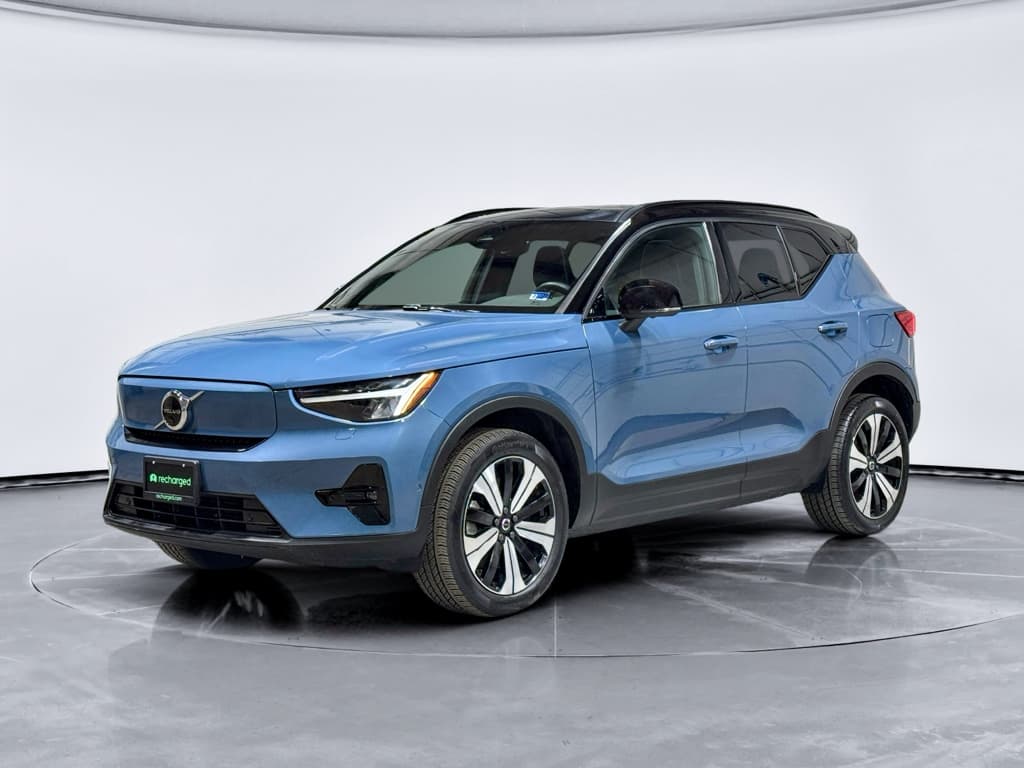
If you’re eyeing a Volvo C40 Recharge as a do‑it‑all daily driver and occasional adventure rig, you’ve probably asked yourself: can you actually sleep in a Volvo C40 Recharge? The short answer is yes, you can, especially for one or two flexible adults, but it’s not as straightforward as tossing a sleeping bag in the back. Let’s walk through what fits, what doesn’t, and how to make this coupe‑roofed EV work for a night (or three) on the road.
Bottom line up front
Can you sleep in a Volvo C40 Recharge?
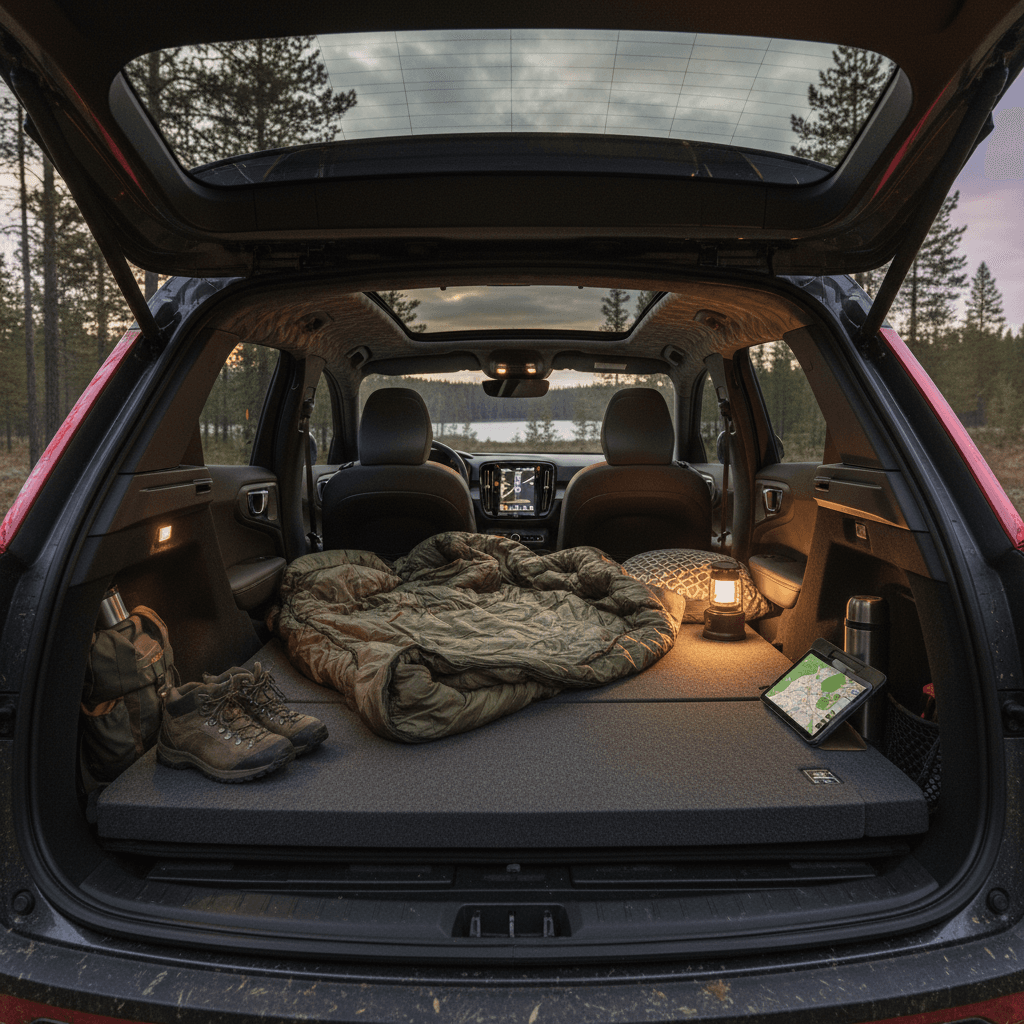
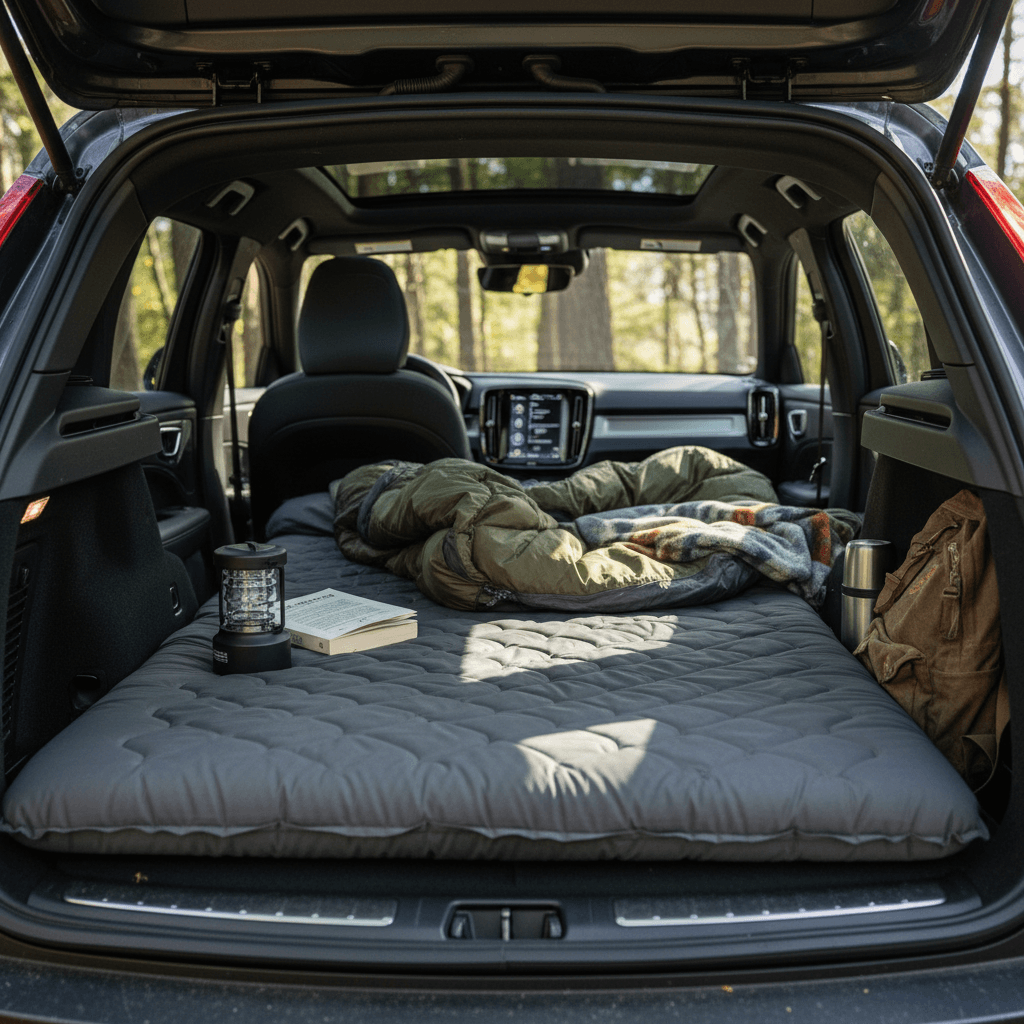
Let’s tackle the core question: yes, you can sleep in a Volvo C40 Recharge, but it’s an improv‑friendly experience, not a factory‑designed camper. Owners who car‑camp in similar compact EV SUVs report that it works well for solo travelers and couples who don’t mind close quarters. The C40’s rear seats fold in a 60/40 split, and the load floor is long enough that most people around 5'9"–6'0" can stretch out if they’re willing to sleep slightly diagonally and keep gear tucked around the edges.
Where the C40 shines is comfort and climate control. Volvo seats are famously supportive, and as an EV, the C40 can run quiet, efficient heat or AC overnight without idling an engine. Where it struggles is the sloping coupe roof and tighter rear headroom compared with the boxier XC40 Recharge. If you’re taller, or you want to sit upright in back, you’ll feel that roofline.
Manage expectations
Interior space: how much room do you really have?
On paper, the C40 Recharge shares its basic footprint with the XC40: it’s about 174–175 inches long overall and rides on the same compact SUV platform. Behind the rear seats, you get a modest cargo area; drop the seats and you unlock the full floor length from tailgate to the back of the front seats.
Volvo C40 Recharge size at a glance
Volvo doesn’t trumpet exact "bed length" dimensions the way camper‑van builders do, but based on platform measurements and owner reports, you’re working with roughly six feet of usable floor length when you slide the front seats up a notch or two. Width between the wheel arches is enough for a single wide camping pad or a compact double mattress (think 25–48 inches wide).
Bring a tape measure to your test drive
Seat folding & layouts: best ways to set up a bed
The C40’s rear bench folds in a 60/40 split. There’s no full "cargo mode" transformation like you see in some minivans, but you still have a couple of workable sleeping layouts depending on how many people are coming along and how tall they are.
Three common sleeping layouts in a Volvo C40 Recharge
Pick the setup that best matches your height and how much gear you’re hauling
Solo diagonal layout
Best for: One adult up to roughly 6'0" who doesn’t mind stretching corner-to-corner.
- Fold both rear seat sections flat.
- Slide the front passenger seat slightly forward.
- Lay a single pad or narrow inflatable mattress at a diagonal.
- Use the remaining side space for soft bags and shoes.
Two‑person "cozy" layout
Best for: Couples under about 5'9" who travel light.
- Fold the full rear bench.
- Use a compact double backpacking pad or two narrow pads side by side.
- Store most luggage in the front footwells and frunk.
- Accept that you’ll be shoulder‑to‑shoulder with limited headroom.
One sleeper + long gear
Best for: Solo traveler with skis, bikes, or bulky gear.
- Fold the larger (60%) rear section behind the passenger seat.
- Sleep on that side; keep the other side up for a passenger or extra storage.
- Run long items (skis, boards) alongside the mattress.
What about folding the front seat?
Comfort levels: mattresses, pillows, and storage
The C40’s cargo floor is relatively flat with the rear seats down, but there are still seams and slight height changes where the cushions and load floor meet. If you want a decent night’s sleep, don’t rely on a bare sleeping bag. You’ll feel every ridge and hinge by 2 a.m.
Comfort upgrades that make a big difference
1. Use a quality camping mattress
A 2–3 inch self‑inflating pad or a low‑profile inflatable mattress will smooth out the floor and help bridge any small gaps. Backpacking pads work, but a car‑camping pad is quieter and more comfortable.
2. Level the floor with foam or blankets
If you notice a slope up toward the seatbacks, tuck a folded blanket or foam under the lower section to create a more level platform. Your back will thank you in the morning.
3. Bring real pillows
The C40’s headrests aren’t where your head will actually land when you’re lying down. Pack proper bed pillows; they make the tight quarters feel more like a tiny bedroom and less like the back of a hatchback.
4. Use packing cubes and soft bags
Instead of hard suitcases, use duffels or packing cubes. They’re easier to squish into gaps along the sides of the mattress or under the front seats, freeing up precious sleeping width.
5. Protect the interior
Lay down a sheet, old blanket, or fitted mattress protector over the cargo area before you set up your bed. It keeps sand, pine needles, and dog hair out of the carpets.
Climate control: using EV heat and AC while you sleep
One of the best reasons to sleep in an electric car instead of a tent is near‑silent, efficient climate control. The Volvo C40 Recharge can keep you warm on a cold shoulder‑season night or cool in desert heat without burning a drop of gasoline.
Keeping warm
- Use the C40’s automatic climate control and set a modest temperature (around 68–70°F) instead of cranking it to max.
- Pre‑condition the cabin while you’re still plugged into a Level 2 charger so the battery isn’t doing all the work once you’re parked for the night.
- Bring real bedding, sleeping bags or a duvet, so the HVAC only has to trim the chill, not heat you from scratch.
Staying cool
- Park in the shade if you can and use reflective sunshades up front to keep solar gain down.
- Use the car’s eco or reduced fan settings when possible so the blower doesn’t cycle loudly while you’re trying to sleep.
- Crack windows slightly or use small vent shades at the front doors to help with moisture if the climate is mild enough not to need full AC all night.
Practice before your first big trip
Battery impact and range planning for overnights
Modern C40 Recharge models use a roughly 79–82 kWh usable battery pack, with real‑world range in the 240–300 mile ballpark depending on year, motor configuration, and conditions. That’s plenty for a road trip, but running heat or AC for hours will nibble at your state of charge.
Very rough battery use when sleeping in a C40 Recharge
Exact consumption depends on temperature, wind, how well you insulate the cabin, and your specific model year, but these ballpark figures help with planning.
| Scenario | HVAC setting | Approx. hours parked | Estimated battery use | Morning range hit |
|---|---|---|---|---|
| Mild night, windows cracked | HVAC off most of night | 8 | 5–8% | Small, good for another day of exploring |
| Cool night, low heat | 68°F, low fan | 8 | 10–15% | Moderate, plan a top‑up the next day |
| Cold night below freezing | 70°F, normal fan | 8 | 15–25% | Noticeable, schedule a DC fast‑charge stop |
| Hot night with strong AC | 69°F, medium fan | 8 | 15–25% | Similar impact to cold‑weather heat use |
Assumes a modern C40 Recharge with an 80 kWh‑class pack and a healthy battery.
Don’t go to bed on fumes
If you’re shopping the used EV market, battery health matters here. A C40 Recharge with a strong battery and efficient charging curve will make overnight stays less stressful. At Recharged, every C40 we list includes a Recharged Score battery health report so you know how much real‑world capacity you’re working with before you start planning car‑camping adventures.
Privacy, ventilation, and light control
The C40’s large, fixed glass roof and raked rear window give it a dramatic look, and a bit of a greenhouse effect. That’s great on a cloudy coastal highway, less great when you’re trying to sleep in a bright campground or truck stop.
Small accessories that make the C40 feel like a tiny cabin
None of these are expensive, but together they transform the experience.
Window shades or DIY curtains
Magnetic or suction‑cup window shades for the side and rear glass are game‑changers. They block light, add privacy, and help with temperature control. A simple tension rod and blackout curtain can work across the front seats.
Bug‑proof airflow
Slim rain guards on the front windows let you crack them slightly without inviting in a cloud of insects or rain. For more airflow, look at mesh window socks that slide over the rear doors when you’re parked.
Soft interior lighting
Use small USB‑powered or battery lanterns instead of the car’s dome lights once you’re settled. They’re less harsh, use no traction battery, and don’t risk draining the 12V system if left on.
Safety considerations when sleeping in a C40
Sleeping in a car, any car, comes with a few common‑sense safety questions. The good news is that in an electric Volvo, you don’t have to worry about exhaust fumes or an idling engine. Still, it’s smart to think through where you park and how you secure the vehicle before you drift off.
Safety best practices for C40 car camping
1. Choose legal, well‑lit overnight spots
Use designated campgrounds, paid overnight parking, or rest areas where sleeping in your vehicle is allowed. Avoid isolated pull‑offs with no cell service when you’re just getting started.
2. Lock the doors and keep the key close
Once you’re settled in back, lock the C40 and keep the key fob within arm’s reach. If your car uses phone‑as‑key, make sure your phone is charged and within the car overnight.
3. Don’t block vents or airbags
When you pile bedding and gear around the cabin, steer clear of blocking side‑curtain airbags or major HVAC vents. Keep anything heavy below window level and away from your head and neck.
4. Be weather‑smart
In severe storms or extreme cold, your C40 is still just a car, find a safer building or shelter if conditions worsen. Don’t count on climate control alone to save you from truly dangerous weather.
5. Keep valuables out of sight
Glovebox, under‑floor storage, and the front trunk (frunk) are your friends. The less gear visible from outside, the less likely you’ll attract interest while you sleep.
Watch local laws
Quick setup checklist for C40 car camping
Once you’ve done it a couple of times, turning your C40 Recharge into a micro‑camper is a 10–15 minute routine. Here’s a simple sequence you can follow on every trip.
From highway cruiser to sleep mode in 10 steps
1. Arrive with a healthy state of charge
Ideally 50–80% if you’ll be running climate control all night and driving a fair distance the next day.
2. Park on the flattest ground you can find
A slight tilt is fine; parking with your head on the higher side usually feels more natural if you can’t get perfectly level.
3. Move gear to front seats or frunk
Clear the cargo area and rear footwells, then stash bags and bins up front or in the frunk so your bed area is clean and open.
4. Fold rear seats and protect the floor
Drop the 60/40 rear bench, lay down a sheet or protector, then place your mattress or pads on top.
5. Dial in seat and bed position
Adjust the front seats just far enough forward for your mattress and body length, but not so far that you’re cramped when driving away in the morning.
6. Set up privacy shades and ventilation
Cover windows, crack front windows if conditions allow, and deploy any mesh screens or rain guards you use.
7. Choose climate settings
Pick a realistic temperature, set the fan to a low comfortable speed, and confirm the car will stay in standby without shutting off unexpectedly.
8. Handle lighting and devices
Plug phones or laptops into USB ports, set a low‑brightness lantern or reading light, and dim the main screen if it stays on.
9. Lock up for the night
Close all doors firmly, confirm everything’s latched, and lock the car from inside. Double‑check your key or phone is handy.
10. Do a morning moisture check
Crack the tailgate or doors briefly in the morning to vent moisture, then flip bedding to dry before you hit the road again.
When the C40 Recharge isn’t the right sleeping solution
As much as I like the idea of hiding from a storm in a snug electric Volvo, the C40 Recharge won’t be the right answer for everyone. If you’re tall, have kids, or plan longer stints of vehicle‑based travel, you should be honest about its limitations.
- You or your regular travel partner are well over 6 feet tall and want to stretch out fully without contortions.
- You need to seat more than two people overnight, kids in car seats plus adults, for example.
- You want to sit upright in the back to work, cook, or hang out comfortably on rainy days.
- You travel with big dogs that also need to share the sleeping space.
- You’re planning months of road‑tripping where a dedicated camper, bigger SUV, or small trailer would simply be more livable.
Consider alternatives if sleeping space is a top priority
FAQ: Sleeping in a Volvo C40 Recharge
Frequently asked questions about sleeping in a C40 Recharge
Thinking about a used C40 Recharge?
If you’re wondering can you sleep in a Volvo C40 Recharge, you’re probably also looking for an EV that can tackle commuting, errands, and the occasional long‑weekend adventure. The C40 can absolutely play that role, with the understanding that its stylish roofline and compact footprint make it a "sleepable" EV, not a dedicated camper.
If a used C40 Recharge is on your radar, it’s worth knowing exactly how much real‑world range and battery health you’re getting before you start planning overnight trips. Every EV sold through Recharged includes a Recharged Score battery health report, fair‑market pricing, and expert EV guidance, so you can shop with the same confidence you’d want when driving into the mountains with half a pack of charge and a big day ahead. When you’re ready to find a C40, or another compact EV, that fits both your driveway and your sleeping bag, we’re here to help.