If you’re wondering about the best time to buy a used electric car, you’re asking the right question. With EV prices swinging sharply over the last few years and tax credits changing, timing can easily mean thousands of dollars saved, or spent unnecessarily. The good news: used EVs in 2026 offer some of the best value we’ve seen, if you understand when to move and when to wait.
Quick answer
Why timing your used EV purchase matters
Used EVs don’t follow the exact same playbook as gas cars. They depreciate faster in the first few years, battery health matters more than odometer alone, and policy shifts, like the end of federal EV tax credits in 2025, can move prices in both directions. That means the “wait for the last weekend of the month” advice you’ve heard for gas cars is only part of the story.
- EVs typically lose more value in the first 3 years than comparable gas cars, then level off.
- Battery condition and charging speed have an outsized impact on value once cars hit the 5–8‑year mark.
- Incentives have shifted from national tax credits to a patchwork of state, utility, and dealer programs.
- Market sentiment, what people feel about EVs this quarter, can change prices faster than traditional supply‑and‑demand alone.
Don’t chase timing and ignore the car
Market reality in 2026: what used EV prices are doing
Key used EV pricing facts to know
The 2023–2025 period was a reset. New‑EV price cuts, improving supply, and skepticism about range pushed used EV values down hard. Going into 2026, that slide has largely flattened into a new normal: prices are lower than they were a few years ago, but they’re not in free‑fall. In fact, some models, especially Teslas, have recently ticked up on the used side even as other brands continue to soften.
What this means for you
Best time of year to buy a used electric car
Seasonal patterns for used EVs are starting to look more like the broader used‑vehicle market, but with a few EV‑specific twists. Here’s how the calendar generally plays out in the U.S.
How timing across the year affects used EV deals
If you’re flexible, lean into months when dealers are motivated and shoppers are distracted.
Winter (Jan–Feb)
Often a strong window for value:
- Holiday bills cool demand; fewer shoppers.
- Dealers clearing leftovers from the prior year.
- Cold‑weather range fears can temporarily depress EV interest.
Good time if you can negotiate and don’t mind test‑driving in the cold.
Spring & early summer
Demand heats up with tax refunds and road‑trip planning.
- More shoppers, especially for crossovers and long‑range models.
- Selection can be better, but deals are thinner.
Neutral time, fine to buy if you find the right car, but don’t expect rock‑bottom pricing.
Late summer & year‑end
Two key windows:
- Late Aug–Sept: Back‑to‑school, model‑year changeovers, some dealers reposition EV inventory.
- Nov–Dec: Year‑end targets, slower foot traffic, and tax planning for some sellers.
Best time for shoppers who can wait.
Simple rule of thumb
Best vehicle age and mileage for value
For used EVs, “when” to buy isn’t only about the calendar. It’s also about where the car sits on its depreciation curve. EVs give up value fast early on, then settle into a slower, more predictable decline.
How age and mileage affect used EV value
Use this as a directional guide, always pair it with a battery health report, not just the odometer.
| Age of EV | Typical Depreciation vs. New | Typical Mileage Range | What it Means for Buyers |
|---|---|---|---|
| 0–1 year | 25–35% drop | <15,000 miles | Nearly new; great if you want the latest tech, but you’re paying a premium. |
| 2–3 years | 50–60% drop | 20,000–40,000 miles | Often the best value window: big discount, battery still relatively young. |
| 4–5 years | 60–70% drop | 40,000–70,000 miles | Pricing gets very attractive; battery health and fast‑charging capability matter more. |
| 6–8 years | 75–85% drop | 70,000–110,000 miles | Lowest entry price; choose carefully and insist on a battery diagnostic. |
| 9+ years | 80–90%+ drop | Varies widely | Niche purchases; factor in potential battery repair or replacement into your math. |
Approximate patterns for mainstream EVs; individual models and brands will vary.
If your goal is **maximum value per dollar**, a 3–5‑year‑old EV is usually the sweet spot. You’re letting the first owner absorb the steepest depreciation while still getting modern range, safety tech, and software support.
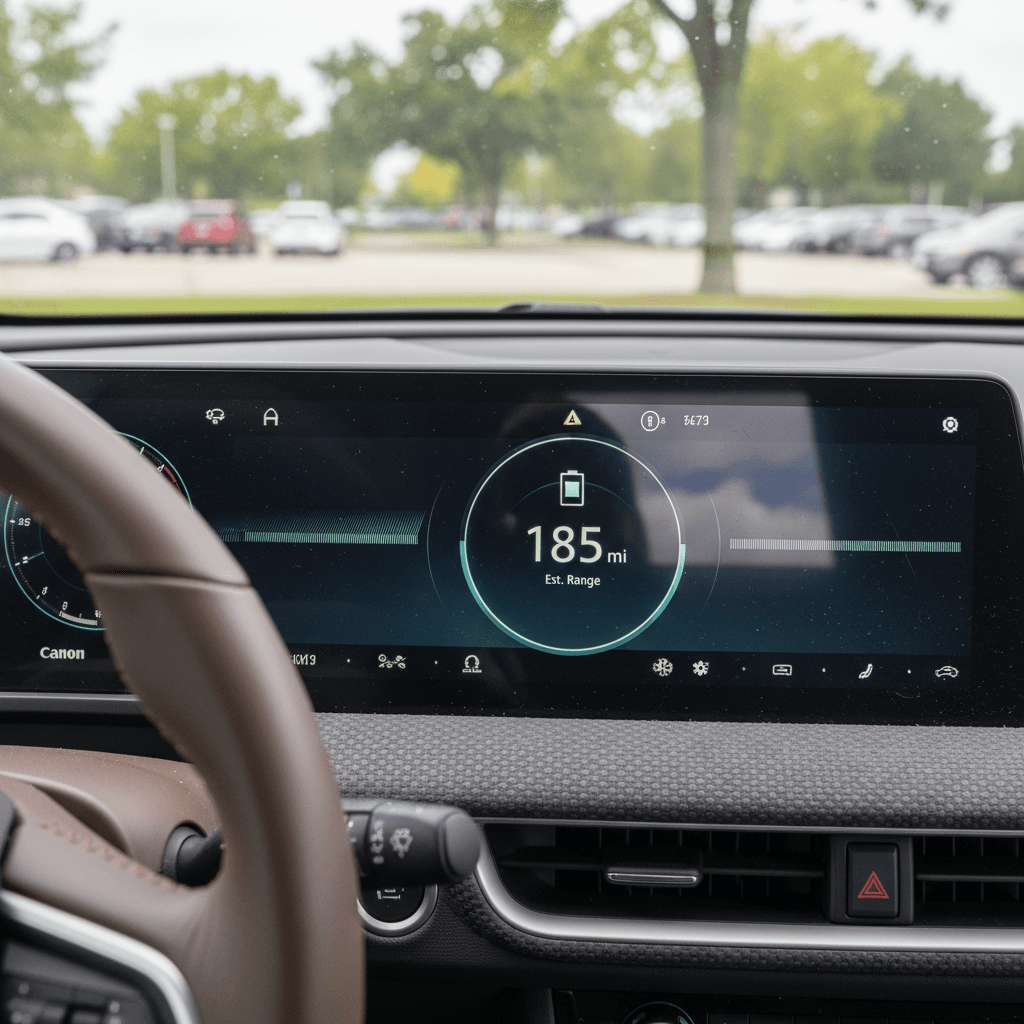
Why battery health beats mileage
Watch the policy clock: incentives ending and local deals
Federal EV tax credits for both new and used vehicles expired on September 30, 2025. That removed a major timing lever, there’s no longer a nationwide “buy before this date” countdown for used EV shoppers. But that doesn’t mean incentives are gone.
- Many states still offer rebates or tax breaks for EV purchases, sometimes including used cars.
- Utilities often run ongoing or limited‑time rebates for home chargers, lowering your total ownership cost.
- Dealers and OEMs occasionally layer on bonus cash or low‑APR programs to keep EV inventory moving, especially at quarter‑ or year‑end.
- Some cities and regions provide HOV lane access, free parking, or toll discounts that effectively sweeten the deal.
How to use incentives in your timing
How inventory and interest rates shift your timing
Inventory: When choice matters most
Used EV supply has steadily improved since the tight pandemic years. More lease returns and early adopters trading up mean you’ll usually see better selection mid‑year, when those cars hit the market in volume.
- More inventory gives you leverage, if one deal doesn’t feel right, you can walk.
- Popular trims and colors may still move fast, especially Teslas and long‑range crossovers.
- If your garage or charging setup is tricky, you may prioritize finding the right spec over shaving the last dollar.
Interest rates: When payment matters most
In a higher‑rate environment, the cost of financing can outweigh small price differences. A 1–2‑point drop in APR can easily offset paying a bit more for the car itself.
- Watch rate trends from banks, credit unions, and EV‑focused lenders.
- Pre‑qualification lets you lock a rate window; if rates look poised to rise, buying sooner can make sense.
- Recharged can help you compare financing options and pre‑qualify online with no impact on your credit, so you can focus on timing around the right rate, not guesswork.
Payment‑first timing strategy
Timing by buyer type: which playbook fits you?
Different shoppers, different “best times”
First‑time EV buyer on a budget
Target <strong>3–5‑year‑old</strong> mainstream models with solid range.
Shop in <strong>late fall through February</strong> when demand is softer.
Prioritize cars with a <strong>third‑party battery health report</strong> (like a Recharged Score).
Watch for <strong>state or utility rebates</strong> that stack with a good price.
Be flexible on color and options to grab value when it appears.
Daily commuter replacing a paid‑off gas car
Start tracking models and prices at least <strong>3–6 months</strong> before you need to switch.
Time your purchase around <strong>lower interest rates</strong> and your current car’s maintenance horizon (before a big repair).
Look at <strong>2–3‑year‑old</strong> cars to maximize tech and driver‑assist features.
Take one full month to <strong>test charging</strong> near work and at home before you commit.
Range‑sensitive road‑tripper
Focus on newer, long‑range models (often <strong>under 3 years old</strong>).
Shop when <strong>inventory is deepest</strong> (spring through early fall) so you can be picky.
Time your purchase ahead of a big trip, but leave a buffer to learn the car and plan routes.
Pay more attention to <strong>fast‑charging speeds</strong> than to squeezing another $500 off the price.
Enthusiast or tech upgrader
Follow <strong>model launches and refresh cycles</strong>; prices on outgoing versions usually soften.
The best time may be <strong>just after</strong> a major software or hardware update hits new cars.
Don’t over‑wait, rare specs and performance trims can move fast in any season.
Use tools like Recharged’s marketplace alerts to monitor specific trims and battery configurations.
Use alerts to “time the market”
How to know a specific used EV is priced right today
Even if you’re shopping in the right season and age band, the real question is simple: Is this particular car fairly priced? Here’s how to answer that in a cooling but still‑dynamic EV market.
5‑step checklist for timing and pricing a used EV
1. Compare to similar EVs, not gas cars
Look at <strong>same‑segment EVs</strong> with similar range, charging speed, and age. Gas‑car pricing patterns don’t fully apply, especially around 2–4 years old when EV depreciation can be steeper.
2. Look at 60–90 days of price history
If you can, review <strong>recent listing and sale prices</strong> for the model you want. A car that’s been slowly discounted for 60 days may have more room left; one just listed below market may be fairly priced already.
3. Factor in battery health and charging speed
Two EVs with identical mileage can have very different futures. Use tools like a <strong>Recharged Score report</strong> to see real‑world battery health, fast‑charging performance, and any concerning degradation trends.
4. Add incentives and out‑the‑door costs
An EV that’s $1,000 more on the sticker but qualifies for a <strong>state rebate and cheaper financing</strong> can easily be the better overall deal once taxes and fees are included.
5. Watch time‑on‑market and days‑supply
If similar cars are <strong>sitting 40+ days</strong> and local dealers have a healthy supply, you’ve got timing on your side. Be patient and negotiate. If they sell in a week, move quickly when you see a strong candidate.
Red flags that it’s the wrong time for that car
Frequently asked questions about timing a used EV purchase
Used EV timing: common questions answered
Bottom line: when is the best time to buy?
Viewed purely through a pricing lens, the best time to buy a used electric car in the U.S. is usually a 3–5‑year‑old model purchased in late fall through winter, in a market where inventory is healthy and your state or utility is still offering incentives. Layer in soft factors, your commute, your current car’s reliability, your ability to install home charging, and the right timing becomes a window, not a single date on the calendar.
If you’d rather not play amateur market forecaster, focus on what you can control: buy the right car, at a fair price, with clear battery health and financing you understand. That’s exactly what Recharged is built for. Every used EV we sell includes a Recharged Score battery report, expert EV‑specialist support, nationwide delivery, and flexible options to trade in or sell your current car. When you’re ready, you can browse used EVs, get an instant offer on your trade, and pre‑qualify for financing online with no impact to your credit, so whenever the timing is right for you, the process is straightforward.