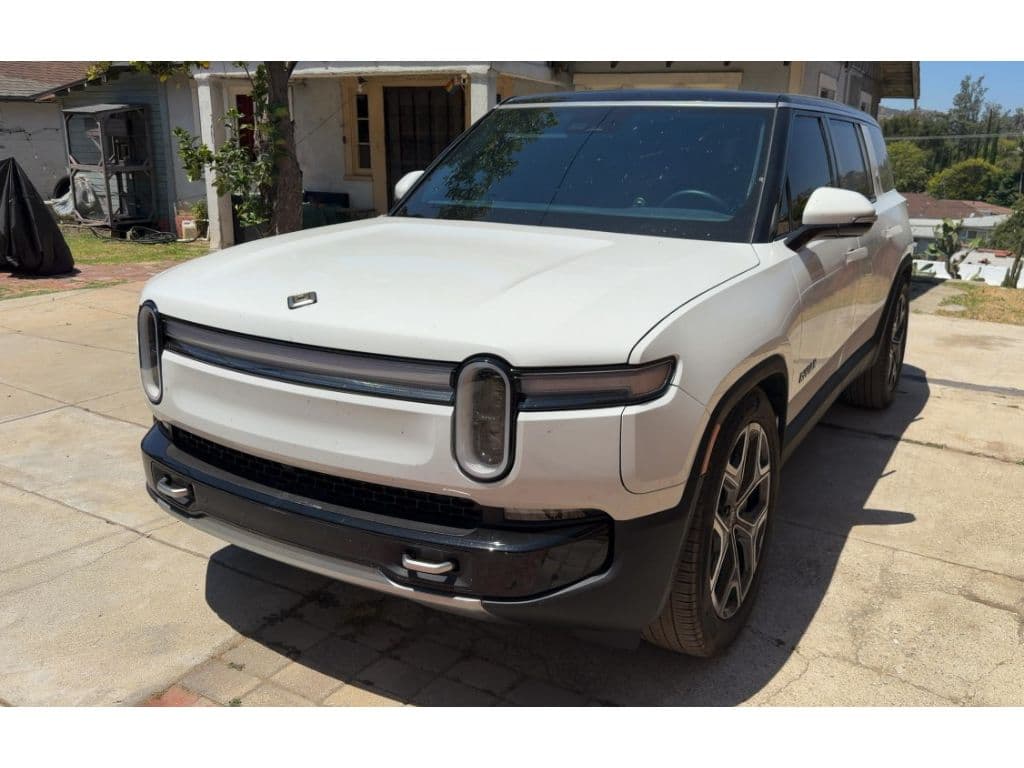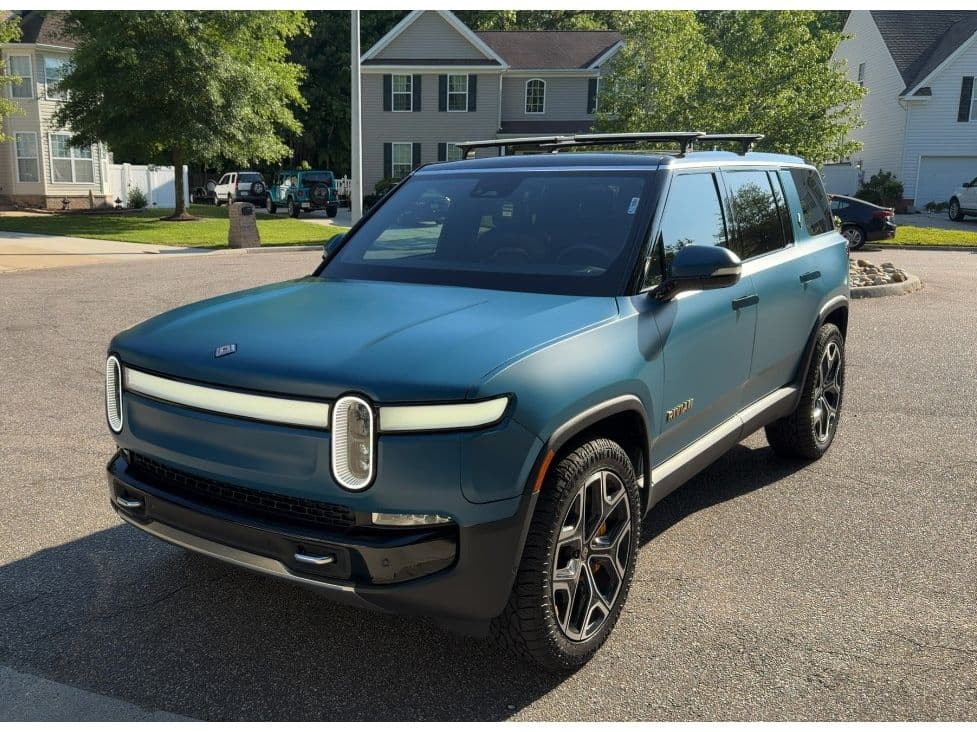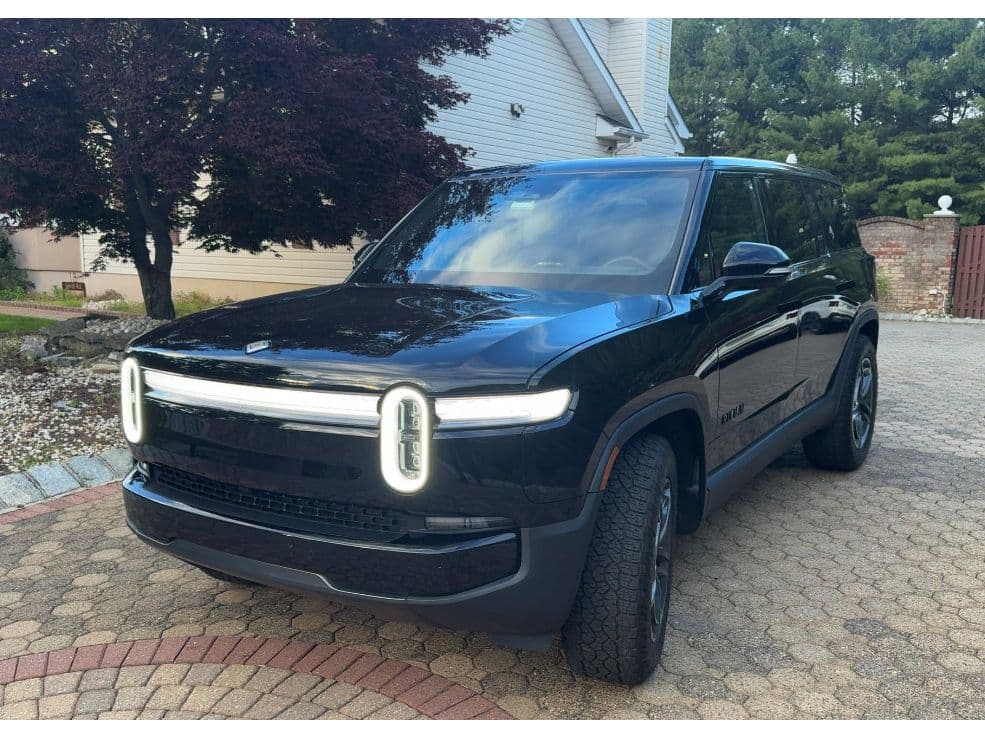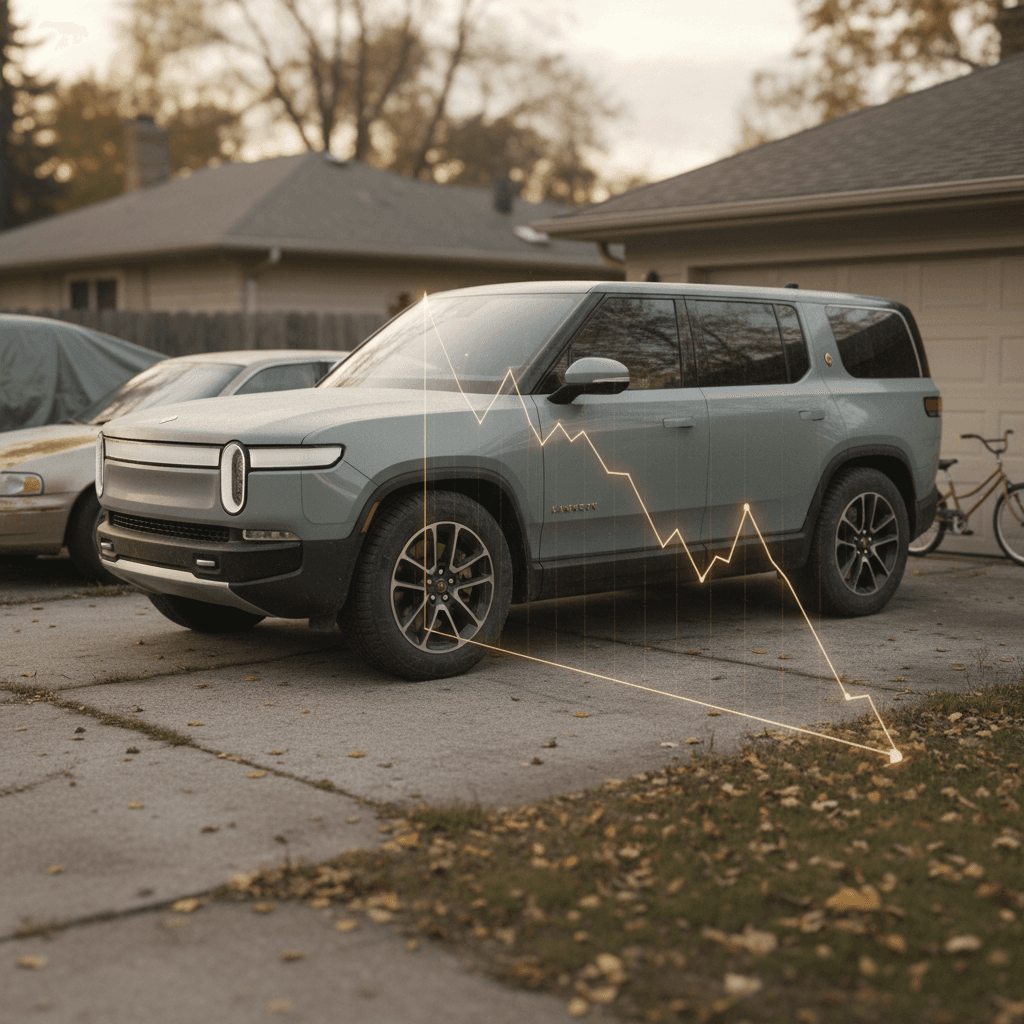
If you’re considering a Rivian R1S, you’re probably asking what its depreciation curve over 5 years looks like. Early adopters paid six‑figure prices; today, used R1S listings are already trading well below original MSRP. Understanding how and why that value changes is the difference between overpaying for hype and making a smart, data‑driven decision.
Context: Rivian is still early in its lifecycle
Why Rivian R1S depreciation matters more than you think
With a new Rivian R1S commonly optioned in the $90,000–$100,000 range, depreciation is not a rounding error; it’s tens of thousands of dollars. For many households, that makes depreciation the single largest cost of ownership, bigger than electricity, insurance, or maintenance combined.
- It determines whether leasing or buying makes more sense for you.
- It shapes how long you should plan to keep the vehicle.
- It tells you whether today’s used prices are a bargain or a bubble.
- It helps you compare a used R1S against alternatives like a Model X, Kia EV9, or gas‑powered luxury SUV.
Think in total cost of ownership, not just price
How EV depreciation differs from gas SUVs
On the surface, an R1S is just a three‑row luxury SUV. Underneath, it behaves very differently from a gas truck when it comes to value. Three dynamics stand out:
Key ways EV depreciation behaves differently
These patterns shape how a 5‑year Rivian R1S holds value
Battery‑centric value
Software & tech pace
Charging ecosystem risk
Don’t over‑apply Tesla’s playbook
The Rivian R1S 5‑year depreciation curve: a realistic model
Because there are not yet 5‑year‑old R1S vehicles in the real world, the most honest approach is to build a scenario‑based model grounded in current used prices for 1–3‑year‑old examples and what we’ve seen from similar premium EVs.
Illustrative Rivian R1S 5‑year depreciation curve
Assumes a $95,000 well‑optioned Launch Edition / Adventure trim as the starting point. Numbers are directional, not guaranteed.
| Age | Odometer (approx.) | Estimated value | % of original price | Total depreciation |
|---|---|---|---|---|
| New (Year 0) | 0–5,000 miles | $95,000 | 100% | , |
| Year 1 | 12,000–15,000 miles | $75,000–$80,000 | 79–84% | $15,000–$20,000 |
| Year 2 | 24,000–30,000 miles | $65,000–$70,000 | 68–74% | $25,000–$30,000 |
| Year 3 | 36,000–45,000 miles | $57,000–$63,000 | 60–66% | $32,000–$38,000 |
| Year 4 | 48,000–60,000 miles | $52,000–$58,000 | 55–61% | $37,000–$43,000 |
| Year 5 | 60,000–75,000 miles | $48,000–$55,000 | 51–58% | $40,000–$47,000 |
Depreciation accelerates in years 1–3, then typically slows as the market finds a stable used value floor.
How this compares to gas luxury SUVs
What this model implies over 5 years
Depreciation can be much worse in edge cases
7 factors that shape the R1S depreciation curve
Key drivers of Rivian R1S depreciation
1. Original MSRP and options load
Heavily optioned R1S builds (quad‑motor, max pack, premium paint, interior packages) cost more new but don’t always recover those dollars used. Depreciation in dollars is steeper, even if percentage loss looks similar.
2. Trim, motor, and battery configuration
Quad‑motor and larger packs tend to hold value better in percentage terms because they’re rarer and appeal to enthusiasts, especially in regions with challenging weather or terrain.
3. Mileage and use pattern
A 5‑year R1S with 40,000 highway miles will be valued differently from one with 90,000 stop‑and‑go city miles, even if condition appears similar. Buyers notice usage patterns as much as raw odometer numbers.
4. Documented battery health
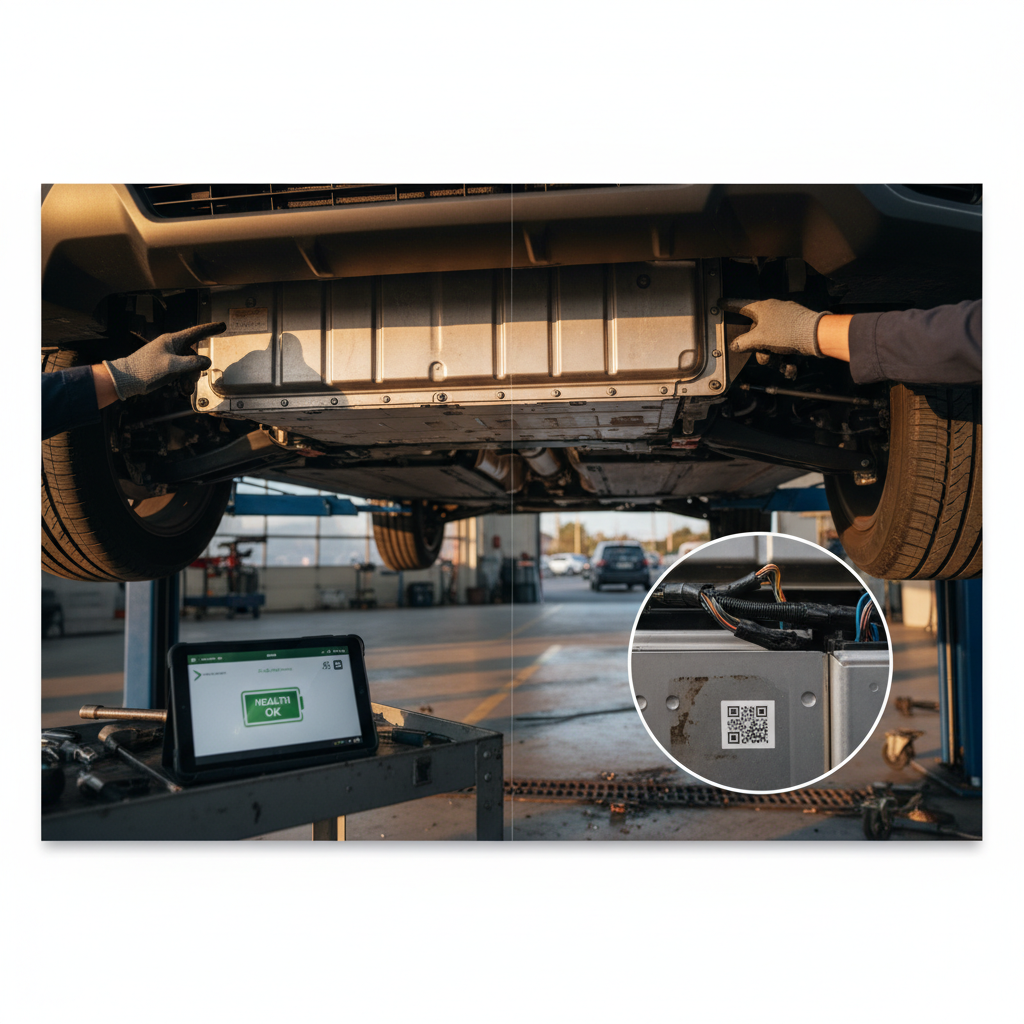
Because the pack is so valuable, any hard data about <strong>remaining capacity</strong> can stabilize resale. Verified battery diagnostics, like the Recharged Score report, help narrow the price spread between ‘looks fine’ and ‘actually healthy.’
5. Warranty remaining
Rivian’s battery and drivetrain warranties span well beyond 5 years in most cases. An R1S still under warranty will command more than one that’s about to age or mile out of coverage.
6. Software and feature updates
Over‑the‑air (OTA) updates that add range, towing refinements, or driver‑assistance improvements can prop up older vehicles. But major hardware changes, like a next‑gen battery architecture, can also make earlier builds look dated overnight.
7. Macro EV sentiment and incentives
Tax credit changes, swings in gas prices, or headlines about EV reliability or charging can push entire segments up or down together. A soft EV market can temporarily deepen depreciation even if the R1S itself hasn’t changed.
Battery health vs depreciation: what actually matters
When people ask whether the Rivian R1S will be “worth anything” at 5 years, what they’re really asking is: will the battery still be good? That’s rational, because the pack is both expensive and invisible, you can’t judge its health just by kicking the tires.
Why battery fear hurts resale
In the absence of hard data, buyers assume worst‑case scenarios. They price in the risk of expensive pack replacements or major range loss, even if real‑world Rivian degradation remains modest.
- Softer demand for high‑mileage units.
- Wider price spread between ‘low‑miles’ and ‘average‑miles.’
- More aggressive negotiation on older builds without documentation.
How verified data protects value
A third‑party battery health report narrows that uncertainty. If diagnostics show only mild degradation, a 5‑year‑old R1S can command a stronger price and sell faster than a similar unit without data.
That’s exactly what tools like the Recharged Score battery health diagnostic are designed to do: turn a giant question mark into a knowable number.
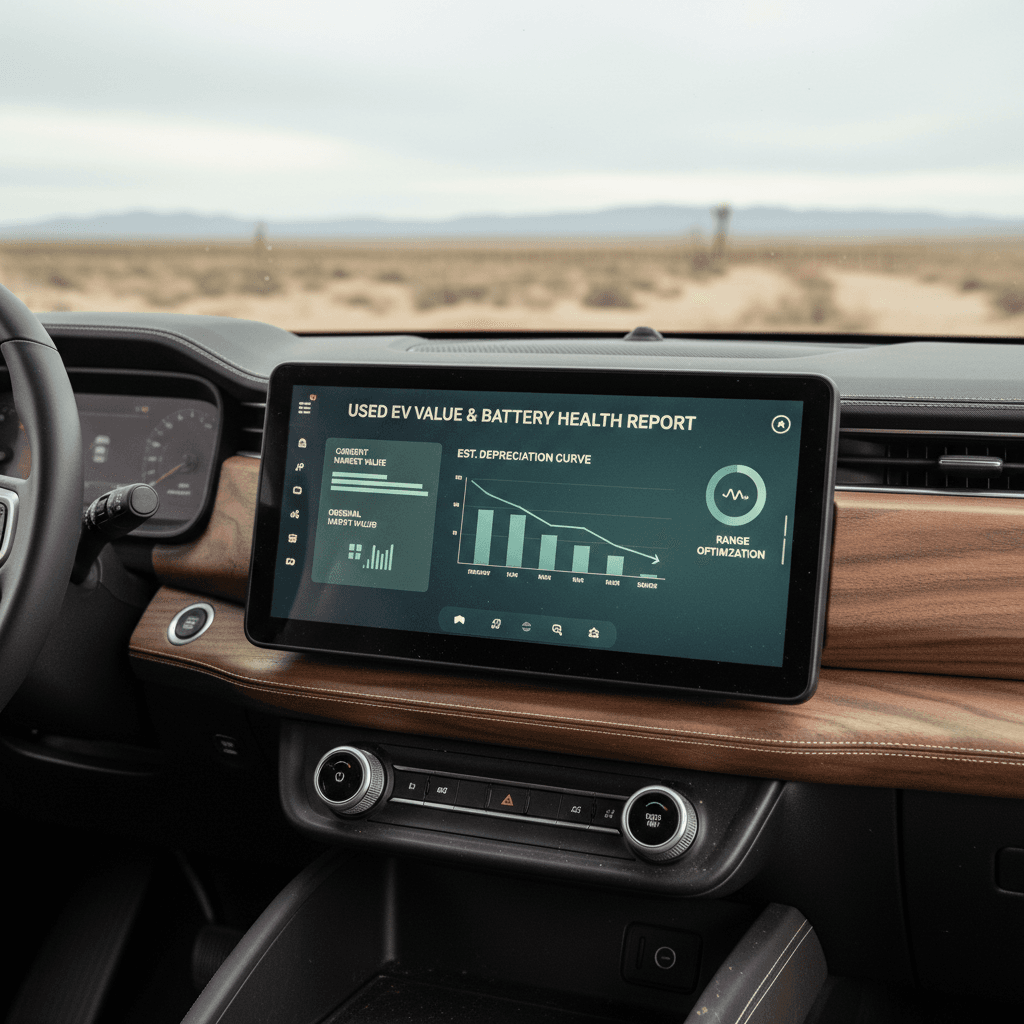
How Recharged uses battery data to price R1S SUVs
Ready to find your next EV?
Browse VehiclesHow to evaluate a used Rivian R1S in minutes
Whether you’re shopping locally or browsing a digital marketplace, you can quickly place any used Rivian R1S on the 5‑year depreciation curve by running through a simple checklist.
5‑minute Rivian R1S depreciation check
1. Anchor to original MSRP
Look up the original MSRP or build configuration. A $95,000 heavily optioned quad‑motor will have a different dollar depreciation path than a $75,000 dual‑motor example.
2. Note age and mileage together
Year and miles are a package deal. A 3‑year‑old R1S with 30,000 miles should sit somewhere near the modeled Year‑3 value band; big deviations deserve extra scrutiny.
3. Ask for battery health evidence
Request a battery health report or diagnostics screenshot if it’s not already provided. On Recharged, this is baked into the Recharged Score, so you’re not left guessing.
4. Check warranty and service history
Confirm what’s left on Rivian’s battery and drivetrain warranties, and scan for major repairs, especially any pack or drive‑unit replacements. Clean, well‑documented histories support stronger values.
5. Compare to similar listings, not outliers
Ignore the cheapest and most expensive outliers. Focus on what similar‑age, similar‑mileage, similar‑spec R1S SUVs are actually transacting for, not just their asking prices.
Use marketplaces that surface real data
Ownership strategies around the 5‑year mark
If you already own a Rivian R1S, the 5‑year point is a natural decision fork. Do you hold and drive it deeper into its depreciation curve, or exit while resale is still relatively strong?
Choosing your Rivian R1S ownership path
Plan to keep 8–10 years
Expect depreciation to slow after year 5 as the vehicle settles into a stable used value band.
Prioritize software updates, careful charging habits, and documented maintenance to protect long‑term value.
Think of the R1S as a long‑lived asset; your annualized depreciation may actually look better than frequent churners.
Plan to sell or trade around year 5
Aim to sell while significant battery and drivetrain warranty coverage remains.
Keep mileage in check, staying under ~75,000 miles by year 5 improves your position.
Get a fresh battery health report before listing; it can support a higher ask and faster sale.
Leaning toward upgrading sooner (year 3–4)
You’ll bear steeper annual depreciation but benefit from newer hardware, range improvements, or trim options.
Factor in tax credits and trade‑in offers; they can offset part of your remaining depreciation.
A marketplace like Recharged can give you an <strong>instant offer or consignment option</strong> if you want a smoother exit.
Using Recharged when you’re ready to move on
FAQ: Rivian R1S depreciation and resale value
Frequently asked questions about Rivian R1S depreciation
Key takeaways if you’re buying or selling an R1S
- Expect a Rivian R1S to land somewhere around 51–58% of its original price after 5 years in typical, well‑cared‑for scenarios.
- The steepest drops usually happen in the first 2–3 years; depreciation then slows as the vehicle finds a stable used value band.
- Battery health, not just mileage and model year, is the single most important swing factor in how far an individual R1S deviates from the generic curve.
- If you’re buying, focus on verified battery diagnostics, warranty remaining, and transparent history rather than just chasing the lowest advertised price.
- If you’re selling, timing your exit while warranty remains, and supporting your asking price with clean documentation and a battery report, can mean thousands of dollars either way.
The Rivian R1S is not just a status SUV; it’s an expensive, highly capable piece of electrified hardware whose value lives or dies on confidence. A thoughtful view of the 5‑year depreciation curve, grounded in battery health, tech evolution, and real‑world used prices, lets you participate in that story on your own terms. Whether you’re buying or selling, working with a specialist like Recharged that understands EV economics, verifies pack health, and prices vehicles transparently is the simplest way to turn a complex, fast‑moving market into a straightforward decision.