If you’re considering a Subaru Solterra, or already own one, the Subaru Solterra battery warranty details matter just as much as range or charging speed. The traction battery is the most expensive component in the vehicle, and understanding how Subaru backs it (and where the fine print lives) is key to making a smart ownership or used‑EV purchase decision.
Quick answer
Subaru Solterra battery warranty overview
Subaru structures the Solterra’s coverage similarly to other mainstream EVs. You’re really looking at three overlapping warranty buckets:
- Basic (bumper‑to‑bumper) warranty: 3 years / 36,000 miles – covers most non‑wear items and electronics.
- Powertrain warranty: 5 years / 60,000 miles – covers the drivetrain outside of EV‑specific parts.
- EV system & traction battery warranty: 8 years / 100,000 miles – covers the high‑voltage battery pack and related electric‑drive components.
For Solterra buyers, that 8‑year/100,000‑mile EV warranty is the star of the show. It’s designed to protect you from early‑life battery defects and major failures in the high‑voltage system, rather than normal wear over 15–20 years.
How long the Subaru Solterra battery warranty lasts
The Subaru Solterra battery warranty in the U.S. runs for 8 years or 100,000 miles, whichever comes first, starting from the vehicle’s original in‑service date. That in‑service date is the day the car was first sold or leased as new, not the day you buy it used.
Solterra battery warranty timelines at a glance
How the 8‑year/100,000‑mile battery warranty plays out over a typical ownership cycle.
| Scenario | Vehicle age | Odometer | Battery warranty status |
|---|---|---|---|
| New Solterra lease | 3 years | 30,000 miles | ~5 years / 70,000 miles of battery warranty left if you buy it off‑lease |
| Used, 3‑year‑old Solterra | 3 years | 45,000 miles | 5 years or 55,000 miles remaining (whichever comes first) |
| Used, 6‑year‑old Solterra | 6 years | 75,000 miles | 2 years or 25,000 miles remaining |
| Used, 9‑year‑old Solterra | 9 years | 90,000 miles | Battery warranty expired by time (8 years) even though miles < 100k |
Subaru starts the EV warranty clock when the vehicle is first put into service, not at model year.
Don’t confuse model year with warranty start date
What the Solterra battery warranty actually covers
It helps to break the EV warranty into two buckets: the traction battery pack itself and the supporting high‑voltage components. Subaru groups these under an “EV system” warranty that runs for the same 8‑year/100,000‑mile term.
Core coverage in the Solterra EV system warranty
Battery plus key high‑voltage components are covered for 8 years/100,000 miles.
Traction battery pack
- High‑voltage lithium‑ion battery modules
- Battery pack enclosure and wiring harnesses
- Battery management system (BMS) electronics
- Internal contactors, relays, and safety devices
Major EV components
- Drive motors and inverters
- Onboard AC charger
- DC fast‑charging hardware
- High‑voltage cabling and junction boxes
- Most high‑voltage control units
In practice, that means if a battery module fails unexpectedly, the BMS stops communicating, or a high‑voltage contactor welds shut well inside 8 years/100,000 miles, Subaru is on the hook to repair or replace the affected components under warranty, assuming the failure isn’t tied to misuse or modification.
What’s not covered
Battery degradation and capacity retention expectations
All lithium‑ion batteries lose capacity over time, and the Solterra is no exception. The question is: does Subaru guarantee a minimum battery capacity over those 8 years? Subaru does not publish a Tesla‑style “70% capacity” guarantee in its U.S. consumer marketing, but dealer training materials and service content for the Solterra reference approximately 70% usable capacity as the threshold for abnormal degradation during the warranty period.
How capacity claims usually work
Typical real‑world Solterra battery aging
Those numbers are not unique to Subaru; they broadly match what we’ve seen across a wide range of modern EVs when they’re charged reasonably and kept within moderate temperatures. Aggressive DC fast‑charging, repeated 100% charges, or extended parking at very high or very low state of charge can shorten battery life, and may complicate borderline warranty claims.
Simple habits to slow degradation
High-voltage EV components vs. 12‑volt battery coverage
A recurring pain point for some Solterra owners hasn’t been the big battery at all, it’s the 12‑volt auxiliary battery. That smaller battery runs accessories, locks, and the control systems that wake up the high‑voltage pack. If it goes flat, the car can appear “dead” even when the traction battery is fine.
High-voltage system coverage
- Covers the main traction battery and high‑voltage components.
- Runs for 8 years/100,000 miles from in‑service date.
- Intended for manufacturing defects, not wear‑and‑tear or abuse.
12‑volt battery coverage
- Usually treated as a wear item with much shorter coverage (often 2 years or less, depending on region and policy).
- Frequent 12‑volt failures have sparked owner complaints and, in some cases, goodwill replacements.
- Not part of the 8‑year/100,000‑mile EV system warranty.
Don’t mix up 12‑volt issues with traction battery failures
How to keep your Solterra battery warranty intact
The easiest way to lose EV warranty protection isn’t a software quirk or a fast‑charger; it’s how you maintain, and modify, the vehicle. Subaru’s warranty language gives them leeway to deny claims if a failure is linked to obvious misuse or unapproved changes.
Checklist: Protecting your Solterra battery and EV warranty
Follow Subaru’s maintenance schedule
Even though EVs need less maintenance than gas cars, Subaru still expects basic services, like coolant checks for the battery thermal system and software updates, to be performed on time and documented.
Use approved charging equipment
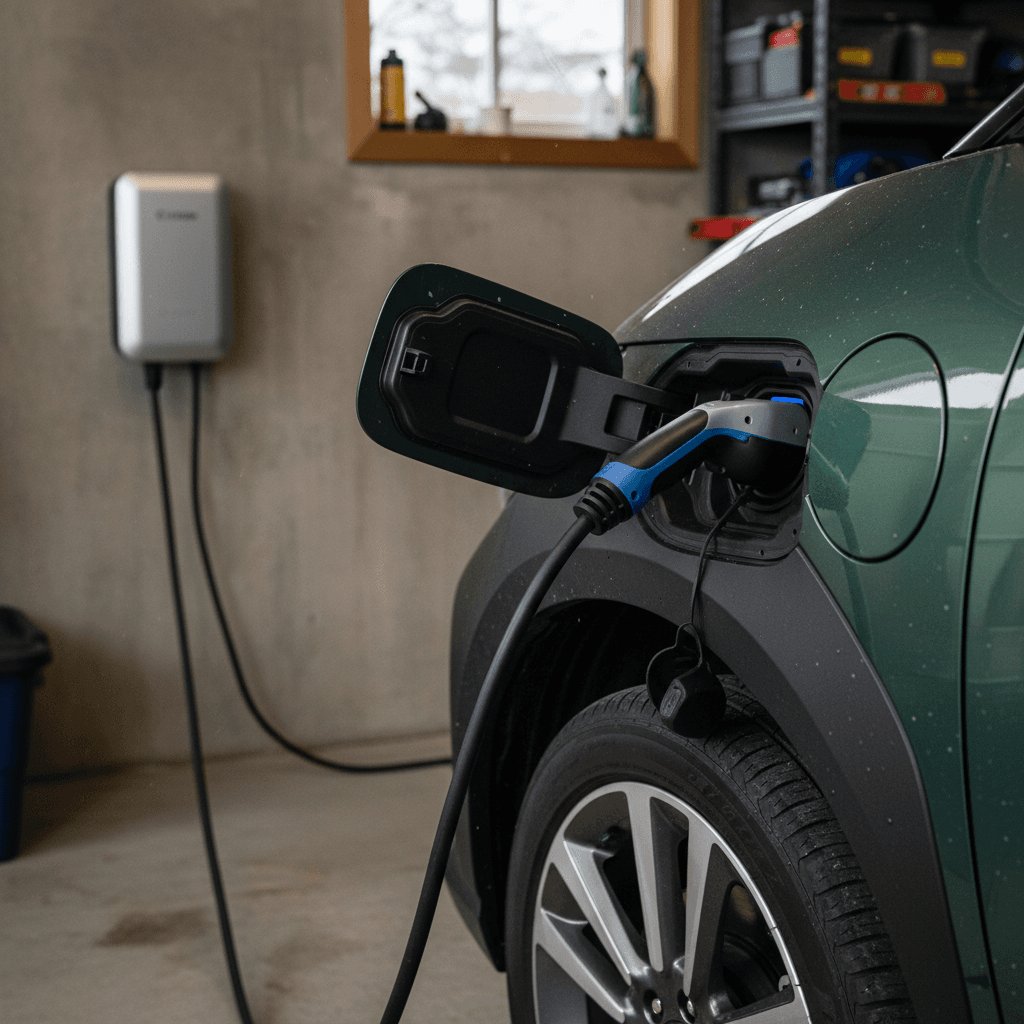
Stick with the factory‑supplied cable or reputable Level 2 chargers installed to code. Avoid hacked connectors or improvised adapters that can overheat the charge port or wiring.
Avoid unsupported electrical mods
Tapping into high‑voltage lines, adding aftermarket DC chargers, or modifying the battery enclosure is a quick route to denied claims. If in doubt, ask a Subaru dealer before modifying.
Document strange behavior early
If you see sudden, unexplained range drops, charging errors, or battery warnings, get them documented at a dealer while you’re still in‑warranty. A clean paper trail helps with borderline cases.
Keep software up to date
Subaru periodically releases software updates that can adjust range estimates, charging behavior, or thermal management. Declining updates may complicate future battery‑related complaints.
Why documentation matters for used buyers
Battery warranty details when buying a used Solterra
Because Subaru’s EV warranty is tied to the car, not the owner, it’s fully transferable in the U.S. That’s good news if you’re shopping used, especially in the 3‑ to 6‑year‑old sweet spot where depreciation has done its work but plenty of warranty remains.
Common used Solterra scenarios and what the battery warranty means
How much coverage is left, and what else you should check.
Off-lease, ~3 years old
Typical mileage: 25–45k.
- ~5 years of battery warranty left.
- Basic warranty likely expired; powertrain still active.
- Great time to get a third‑party battery health check.
5–6 years old
Typical mileage: 50–80k.
- 2–3 years of EV warranty remaining in a best‑case scenario.
- Battery health varies more with use and climate.
- Prior fast‑charging habits start to matter more.
7–9 years old
Typical mileage: 80–120k.
- EV warranty may be near expiration or already over.
- Only buy with good documentation and a clear health report.
- Price should reflect that you’re largely on your own for big EV repairs.
How Recharged helps on used Solterra purchases
When you combine remaining Subaru coverage with an objective health report, you’re in a much stronger position to evaluate whether a particular Solterra is priced fairly, and whether it’s likely to deliver the range you expect for years to come.
How Solterra’s battery warranty compares to other EVs
On paper, the Subaru Solterra’s battery warranty is right in the mainstream of today’s EV market, better than some, slightly behind a few leaders that stretch beyond 8 years or 100,000 miles.
Solterra battery warranty vs. common competitors (U.S.)
High‑level comparison of factory battery warranties for popular EVs in the U.S. market. Always check current OEM documentation for the latest details.
| Model | Battery warranty term | Mileage limit | Capacity guarantee (typical) |
|---|---|---|---|
| Subaru Solterra | 8 years | 100,000 miles | Approx. 70% capacity (service‑test based) |
| Toyota bZ4X | 10 years | 150,000 miles | 70% capacity (varies by region) |
| Hyundai IONIQ 5 | 10 years | 100,000 miles | Capacity language varies by market |
| Tesla Model Y | 8 years | 120,000–160,000 miles (variant‑dependent) | 70% capacity |
| Ford Mustang Mach‑E | 8 years | 100,000 miles | 70% capacity |
Subaru lands squarely in the middle of the pack on battery warranty term and mileage.
Warranty is only one part of the risk picture
Subaru Solterra battery warranty FAQ
Frequently asked questions about the Solterra battery warranty
Key takeaways for Solterra owners and shoppers
The Subaru Solterra battery warranty gives you solid, mainstream protection: 8 years or 100,000 miles on the traction battery and key EV hardware, with dealer testing available if capacity loss looks abnormal. It won’t freeze your range in time, but it’s designed to shield you from early‑life defects and outlier failures, the expensive stuff that keeps people up at night.
If you already own a Solterra, your best move is to charge thoughtfully, stay current on maintenance and software, and document issues early. If you’re shopping used, combine the remaining Subaru warranty with an independent battery health report, like the Recharged Score you get on every vehicle from Recharged, and pricing that realistically reflects how much coverage is left.
Do that, and a Solterra can be a compelling long‑term EV, with warranty protection that aligns well with real‑world battery behavior rather than just the fine print.