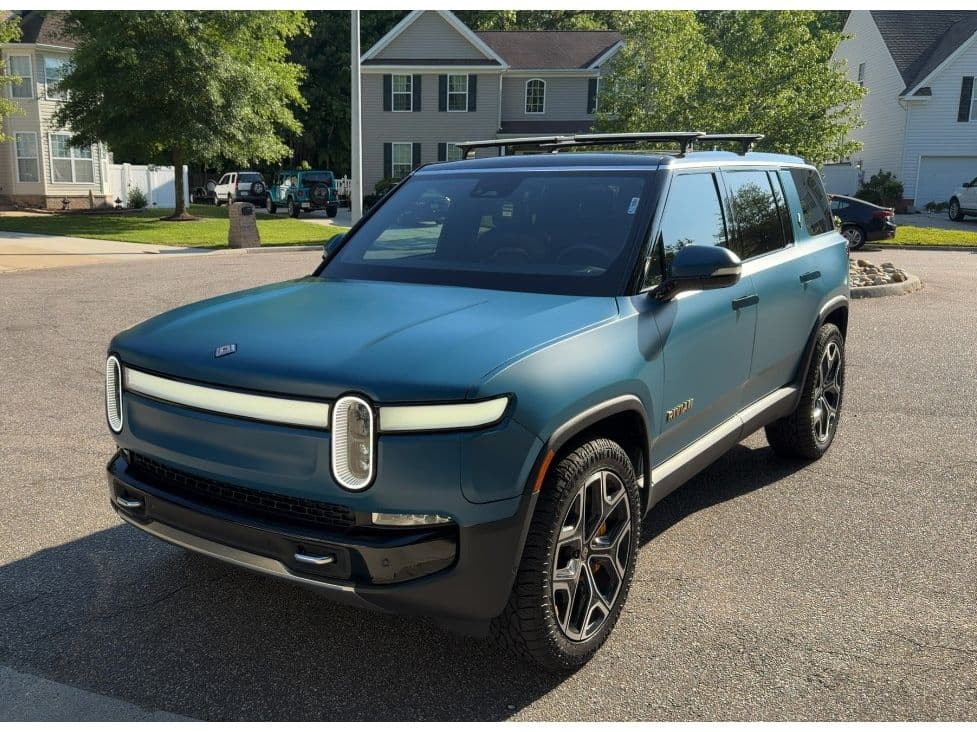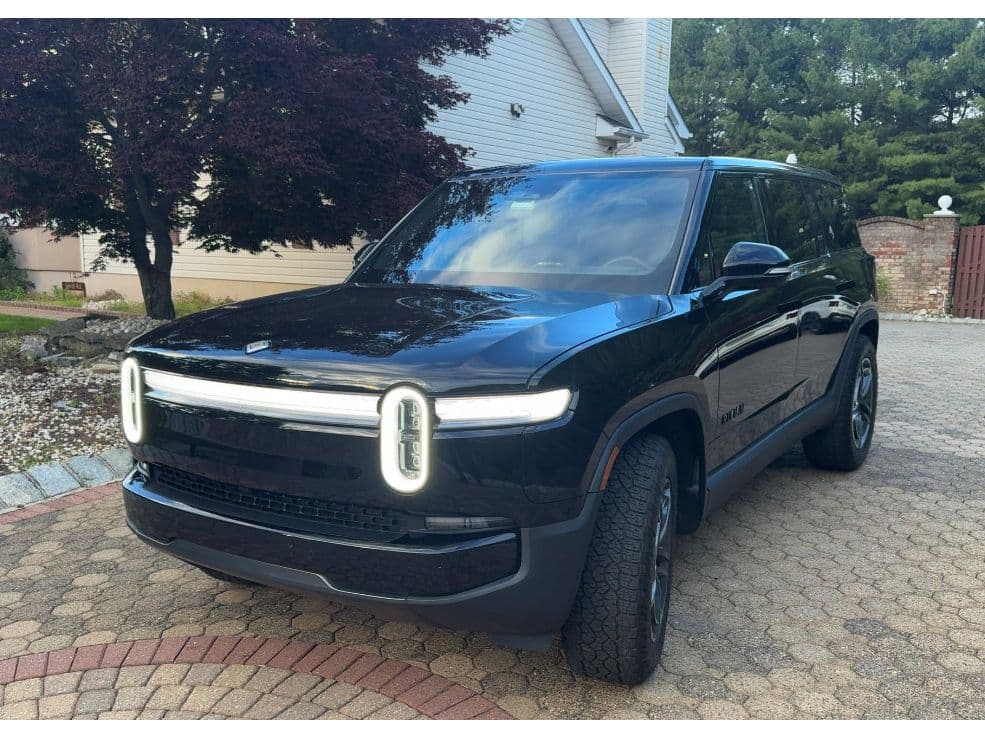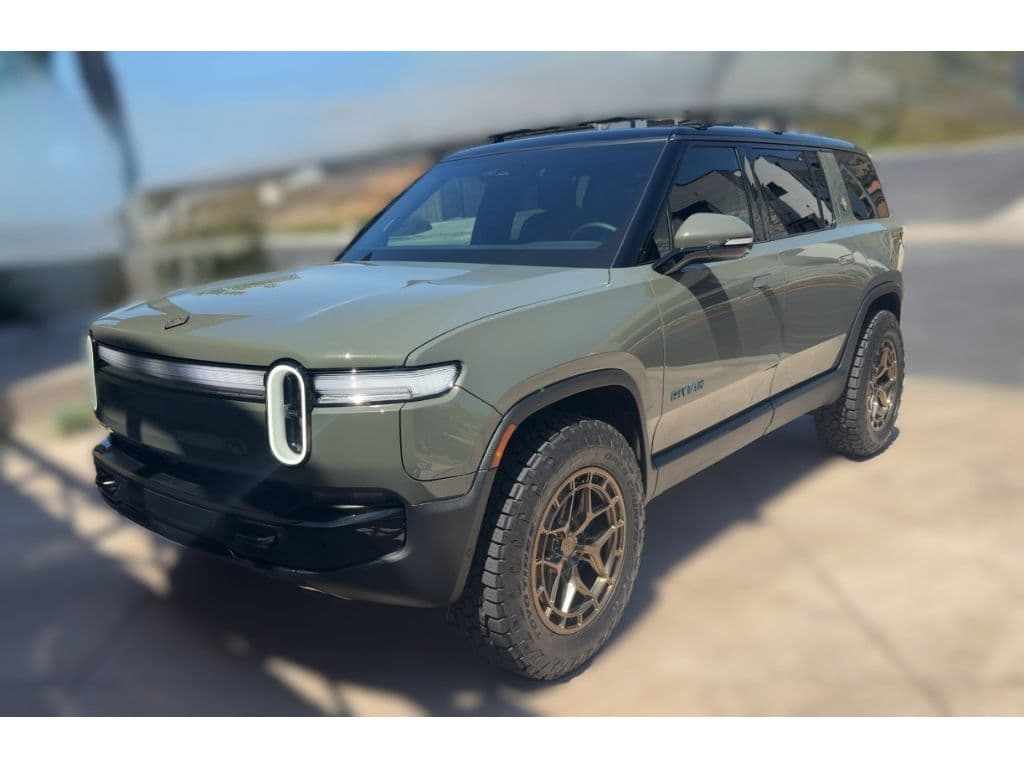
If you’re eyeing a Rivian R1S, or already have one parked in the driveway, you’ve probably heard the whispers: brilliant EV SUV, rough-around-the-edges reliability. In this guide to Rivian R1S common problems and fixes, we’ll separate signal from noise so you know what’s normal for an early-innovation EV, what’s a red flag, and what’s already fixable with software or a quick service visit.
Context: a fantastic SUV with real quirks
Why Rivian R1S reliability matters in 2026
For a six-figure family SUV, "we’ll fix it later" isn’t the ownership experience most people sign up for. Early-build R1S models (2022–2024) and even newer Gen 2 trucks have seen multiple recalls and a higher-than-average rate of trips to the service center, especially as miles climb. On the flip side, Rivian’s long warranty, over-the-air updates, and generally strong service culture mean many issues are fixable without drama, if you know what to look for and how to document it.
Rivian R1S reliability at a glance
Quick overview: the most common Rivian R1S problems
The main Rivian R1S problem areas
What owners most often report, and how serious they really are
Suspension & half-shafts
Electronics & software
Build quality & noise
Safety recalls
Battery, range & charging
Ownership hassles
Tip if you’re shopping used
1. Suspension and half-shaft issues
One of the most widely discussed Rivian R1S common problems is front-end and driveline hardware: half-shafts, control arms, and dampers. Owners with 30,000–60,000 miles report front half-shafts replaced multiple times, new control arms, and even dampers, often to chase down shudder under acceleration, noises, or alignment that won’t stay put.
- Clicking or clunking from the front end under acceleration or turning
- Vibration in the steering wheel at highway speeds
- Uneven tire wear even after alignments
- Repeated "Service suspension" or related warnings
Why it matters
What usually fixes it
- Half-shaft replacement: Often the first-line repair when you report clicking or shudder under load.
- Control arm / bushing replacement: Addresses alignment drift, clunks over small bumps, and imprecise steering feel.
- Damper or air-spring replacement: In cases with persistent suspension warnings or harshness.
- Proper alignment and wheel balance: Critical after any major suspension work.
What you can do as an owner
- Document noises with short video clips, especially when turning or accelerating up a hill.
- Note exact speeds and conditions when vibration occurs.
- Check tire wear patterns every few thousand miles; feathering or cupping is a red flag.
- Ask the service advisor to note whether parts are revised (updated design) or identical replacements.
2. Air suspension warning messages and ride-height faults
Another recurring theme in owner reports is the air suspension system. Some drivers see "Service suspension" warnings within weeks of delivery; others have the vehicle drop into a low "kneel" stance and refuse to rise, then mysteriously fix itself after sitting for a while.
- "Service suspension soon" or "Service suspension now" messages
- Vehicle stuck in low ride height with harsh ride
- Ride-height changing slowly or unevenly corner to corner
- Warnings that go away after a reboot, then return days later
How Rivian usually resolves it
If you see suspension warnings, do this first
1. Take photos of the warnings
Snap clear photos of any suspension messages and note outside temperature, road surface, and speed when they appeared.
2. Compare ride heights
On level ground, visually check gaps above each tire. If one corner is obviously lower, mention that in your service request.
3. Avoid heavy off-roading
If the system is already complaining, don’t add stress with aggressive off-road modes or big jumps in ride height.
4. Schedule service promptly
Even if the warning disappears, create a service ticket so the issue is logged while under warranty.
3. Electrical and software glitches
Like most modern EVs, the R1S is more rolling data center than truck. That’s great when everything works; less great when it doesn’t. The most common electrical and software issues tend to be frustrating rather than dangerous, but they can add up.
Typical R1S electrical and software issues
Annoyances, potential safety concerns, and how to respond
Camera & lighting glitches
Bluetooth & key delays
ADAS & warning weirdness
Infotainment bugs
Hands-Free Highway Assist
Account & privacy friction
When a glitch becomes a safety issue
- Log every bug with date, time, mileage, and conditions.
- Capture photos or short videos when possible.
- Try a soft reboot or full system restart if it’s safe to do so.
- Check for pending software updates in the Rivian app.
- If the issue returns, open a service ticket instead of just rebooting again.
4. Build quality, wind noise, and interior rattles
Tesla isn’t the only young EV automaker learning how to build to luxury-car standards at volume. Many R1S owners report panel gaps, paint defects, wind noise, and interior rattles that feel more 1990s pickup than six-figure flagship.
Common complaints
- Wind noise from A-pillars, mirrors, or door seals at highway speeds.
- Rattles in door panels, dash, or rear hatch area over rough pavement.
- Misaligned doors that require extra force to close.
- Paint overspray, thin clear-coat, or chips down to bare metal on early builds.
Typical fixes
- Re-seating or replacing door seals and mirror trim.
- Door-panel removal with additional insulation or tape over known rattle points.
- Door and hatch alignment adjustments.
- Paint correction or refinishing under warranty for obvious factory defects.
Where you can be picky
5. Brakes, steering, and safety recalls
Rivian has issued multiple R1S recalls in a short span, some minor and some that sound dramatic on paper: potential loss of power, turn signals that don’t operate correctly, headlamp performance in very cold weather, improperly installed seat-belt anchors, and driver-assistance software that can behave badly.
Examples of notable R1S recall themes
Exact recall IDs vary by model year and configuration; always run a VIN check for specifics.
| Area | What can go wrong | How it’s usually fixed |
|---|---|---|
| Exterior lighting | Turn signals or headlamps may not perform to spec, particularly in cold weather. | Software update or hardware replacement of affected lighting modules. |
| Seat belts | Defective wiring or anchors could keep belts from working properly in a crash. | Inspection and, if necessary, replacement of belt assemblies. |
| Loss of drive power | In rare cases, power electronics or high-voltage components could shut down. | Software patches, hardware inspection, and replacement of defective modules. |
| Driver assistance (ADAS) | Hands-Free Highway Assist misclassifying vehicles or failing to brake appropriately. | OTA update to the ADAS software; sometimes radar/camera recalibration. |
| Steering/suspension hardware | Loose fasteners or out-of-spec components over time. | Torque checks, replacement parts, and updated torque procedures at service. |
Good news: most software-related recalls are resolved via over-the-air updates. Hardware and safety-belt issues still require a service visit.
How to check your R1S for open recalls
6. Battery, charging, and range concerns
The R1S offers strong range for such a big, brick-shaped SUV, but owners still worry about the most expensive part of any EV: the battery. Compared with electronics and suspension complaints, outright battery-pack failures are rare, but they do happen, and when they do, they’re newsworthy. More common are range disappointments and the occasional charging or thermal-management fault.
- Noticeable winter range loss, especially on short trips
- Slower-than-expected DC fast charging at some stations
- Isolated reports of thermal faults and low coolant warnings
- General worry about long-term battery degradation on early-build trucks
How the R1S battery is protected
Habits that keep your R1S battery happy
1. Live between ~10% and 80%
Daily, try not to run the pack to 0% or leave it parked at 100% for days. Use full charges for trips, not for commuting.
2. Use DC fast charging strategically
Fast charging is fine, but constant 0–100% DC sessions will stress any battery. Mix in slower Level 2 charging at home or work.
3. Watch for coolant or thermal warnings
If you see recurring coolant or thermal-fault messages, don’t ignore them. Open a service ticket immediately, thermal issues can snowball.
4. Get objective battery health data
If you’re shopping used, look for independent battery diagnostics, like the <strong>Recharged Score</strong>, that quantify pack health instead of guessing from range alone.
DIY vs service: what you can actually fix yourself
An R1S is not a 1995 pickup you can wrench on with a socket set and optimism. There’s 400+ volts under the floor and a nervous system of ECUs and software between you and the road. That doesn’t mean you’re helpless, but it does mean you should be picky about what you tackle at home.
Reasonable DIY or owner tasks
- Basic inspections: Checking tire wear, listening for new noises, verifying all exterior lights and cameras work.
- Cabin filters & wipers: Straightforward replacements that don’t touch high-voltage systems.
- Software hygiene: Keeping the truck updated, performing soft reboots when minor infotainment glitches crop up.
- Weather seals: Cleaning and conditioning door and hatch seals to reduce wind noise and sticking.
Leave these to Rivian or an EV specialist
- Suspension and steering hardware: Half-shafts, control arms, dampers, and alignments demand proper tools and calibration.
- High-voltage or charging issues: Anything involving the battery pack, orange HV cables, or DC fast-charging faults.
- Air suspension system: Valve blocks, air lines, and ride-height calibration require factory procedures.
- Safety systems: Brakes-by-wire, air bags, seat belts, and driver-assistance calibration.
Don’t DIY your way out of warranty
Used Rivian R1S buying checklist
If you’re shopping a used R1S, the mission isn’t to find the unicorn that’s never sneezed; it’s to find the truck whose early bugs were dealt with correctly. Here’s how to use everything you’ve just learned to separate the heroes from the heartbreakers.
Pre-purchase checks for a used Rivian R1S
1. Run a full recall and service-history check
Verify that all open recalls are completed and look for repeat repairs in the same area, especially suspension or electronics. Repeated, unresolved problems are more worrisome than one big repair that fixed the issue.
2. Inspect suspension behavior on a test drive
On a smooth highway, feel for shudder under acceleration or a steering-wheel shimmy above 60 mph. Over bumps, listen for clunks or rattles from the front end or rear hatch.
3. Check for warning messages and glitches
Before and after the drive, look for any persistent warning icons. Test cameras, headlights, turn signals, lane-keep, cruise, and phone-as-key. A short drive with lots of button presses tells you more than an hour of passive cruising.
4. Examine build quality closely
Look at door alignment, paint around edges, and rubber seals. At 60–70 mph, listen for pronounced wind noise around mirrors or the windshield, that’s often fixable but worth negotiating over.
5. Ask for battery health documentation
Displayed range is not a scientific instrument. Ask for independent <strong>battery health diagnostics</strong> or a report like the Recharged Score that quantifies degradation and flags thermal events.
6. Confirm remaining warranty & coverage
Know exactly how much Rivian warranty remains on the vehicle’s basic systems and high-voltage components, and whether any extended coverage is transferable to you.
How Recharged helps you shop a used R1S confidently
Rivian’s combination of wild capability and youthful reliability makes the R1S exactly the kind of vehicle where transparency matters more than hype. That’s where a platform like Recharged earns its keep.
Why buy a used Rivian R1S through Recharged?
We’re built around EV transparency, not just glossy photos
Verified battery health
Full history & pricing clarity
EV-specialist guidance
Nationwide delivery
Financing & trade-in support
No-surprise condition reports
Ready to find your next EV?
Browse VehiclesRivian R1S problems: FAQ
Frequently asked questions about Rivian R1S common problems
Bottom line: is the Rivian R1S worth it?
The Rivian R1S is a moonshot SUV: wildly capable, genuinely delightful, and still learning to tie its own shoes. The common problems and fixes we’ve walked through, suspension wear, software gremlins, recalls, build-quality sins, are the growing pains of a young brand trying to do too much, too fast. Some buyers will quite reasonably decide they’d rather have something dull and bulletproof. Others will look at the R1S, shrug at the extra service visits, and say, "worth it."
If you’re in that second camp, your job isn’t to find a flawless unicorn; it’s to find an R1S whose story you can read clearly: issues identified, recalls done, big components updated, battery health verified. That’s exactly what a transparent used-EV marketplace like Recharged is designed to deliver, so you can enjoy the adventure without feeling like you’re beta-testing your family’s only car.