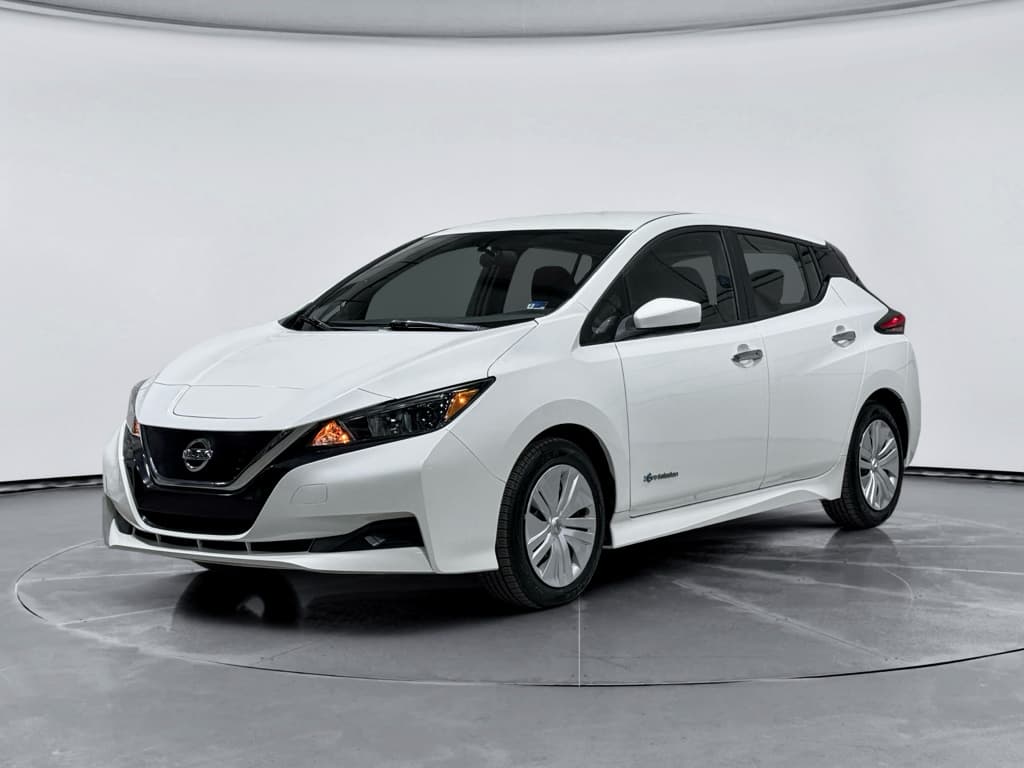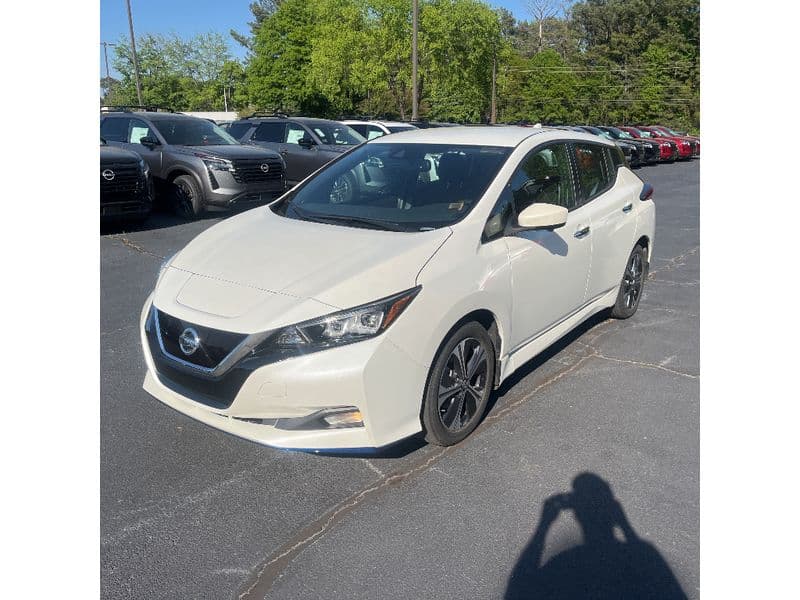
If you’re considering a Nissan Leaf, you’re probably wondering what the **annual maintenance cost** really looks like, especially compared with a gas car. The short version: the Leaf is one of the least expensive vehicles to maintain on the road, but there are a few EV-specific wrinkles you’ll want to understand before you commit, particularly if you’re shopping used.
Why the Leaf’s maintenance story is different
Nissan Leaf maintenance at a glance
Typical Nissan Leaf ownership costs (maintenance only)
These are broad real‑world ranges, not hard rules. Your actual **Nissan Leaf annual maintenance cost** will depend on how you drive, climate, and whether you’re in a high-cost service area.
How much does a Nissan Leaf cost to maintain per year?
Typical yearly maintenance range
For most Leaf owners in the U.S., a reasonable budget for routine maintenance after the initial warranty period is:
- Low end (DIY-friendly, mild climate): around $250–$350/year
- Average owner: roughly $400–$600/year
- High end (heavy miles, pricey tires): up to $700–$800/year
This includes tire rotations, cabin air filters, brake service, alignment checks, and the occasional coolant or brake-fluid service.
What’s usually not in that number
There are a few bigger-ticket items that don’t hit every year, but you should be aware of:
- Tires: A full set can easily be $600–$900 every 30,000–45,000 miles, depending on size and brand.
- Brake pads/rotors: Thanks to regenerative braking, many Leafs go 60,000+ miles on original pads, but a full brake job can run $400–$800.
- High‑voltage battery work: Most owners will never replace the pack outright, but out‑of‑warranty repairs or replacement modules are a separate, much rarer expense.
Think of these as multi‑year costs you spread out mentally over your ownership period rather than annual line items.
A quick rule of thumb
What influences your Leaf’s annual maintenance cost?
Key factors that change your yearly Leaf costs
Two Leafs, two very different maintenance bills.
Mileage & driving style
More miles means more tire wear and more suspension and brake attention. Hard acceleration and aggressive cornering also chew through front tires faster, especially on heavier, torque‑rich EVs like the Leaf.
Climate and roads
Hot climates can age rubber components and coolant faster; cold climates are tough on 12V batteries and tires. Rough roads and potholes mean you’ll be seeing your alignment rack more often.
Service strategy
Dealership rates are often higher than independent EV‑savvy shops. Simple jobs like cabin filters and wiper blades are easy DIY wins if you’re comfortable turning a screwdriver.
Your **Nissan Leaf maintenance costs per year** also depend on the model year and battery size. Later models with larger packs and updated thermal management can age more gracefully, which means fewer surprises as the car hits higher mileage.
Nissan Leaf maintenance schedule by mileage
Nissan’s official schedule is written in dealer‑speak and can be intimidating. Broken down into plain English, the Leaf’s routine care is refreshingly simple compared with a gas car. Here’s a practical look at what you’ll typically see and what it may cost at a non‑luxury U.S. shop.
Simplified Nissan Leaf maintenance schedule
Common maintenance items, how often they come up, and rough cost ranges.
| Interval | Service | What it includes | Typical cost (parts + labor) |
|---|---|---|---|
| Every 6–12 months | Multi‑point inspection | Basic check of tires, suspension, lights, fluids, and software updates if needed. | $75–$150 |
| Every 6,000–8,000 miles | Tire rotation | Rotating tires to even out wear; sometimes included with tire purchase. | $25–$60 (often free at tire shops) |
| Every 15,000–20,000 miles | Cabin air filter | Filter that keeps dust and pollen out of the cabin; easy DIY. | $40–$80 (dealer); $15–$30 DIY |
| Every 20,000–30,000 miles | Brake inspection & cleaning | Check pads/rotors, clean and lubricate hardware; important in salty climates. | $100–$200 |
| Every 5 years | Brake fluid replacement | Refreshes hydraulic brake fluid to prevent corrosion and maintain pedal feel. | $120–$200 |
| Every 5 years or per manual | EV coolant service* | Coolant for battery/inverter/motor; interval varies by year and market. | $200–$400 |
| As needed | Wheel alignment | Straightens steering and prevents uneven tire wear. | $100–$150 |
| As needed | 12V accessory battery | Smaller battery that powers accessories and computers. | $200–$350 installed |
Actual prices vary by region and shop; this is meant as a planning tool, not a quote.
Coolant service caveat
Common Nissan Leaf repairs and what they cost
Routine maintenance is where the Leaf shines. But like any car, certain components can fail with age and mileage. The difference is that you’re far less likely to face big engine or transmission repairs, because the Leaf doesn’t have those.
Typical non‑routine repairs on older Leafs
Not guaranteed, but worth budgeting for as the car ages.
Suspension wear
Symptoms: clunks over bumps, loose steering feel, uneven tire wear.
Typical fixes: front struts, control arm bushings, sway‑bar links.
Ballpark costs: $400–$1,000 depending on how much needs replacement and whether you use OEM or aftermarket parts.
12V battery replacement
Symptoms: random warning lights, car won’t ‘ready,’ flaky electronics, especially in cold weather.
Typical fix: new AGM or standard 12V battery.
Ballpark costs: $200–$350 installed; less if you buy the battery yourself.
HVAC and heat pump issues
Symptoms: weak heat or A/C, strange noises from the blower or compressor.
Typical fixes: cabin blower motor, A/C service, or heat‑pump components on newer models.
Ballpark costs: $250–$1,000 depending on what fails.
Charging hardware problems
Symptoms: charge door errors, intermittent charging, charge port not locking.
Typical fixes: charge port latch actuator, onboard charger diagnostics, or replacement in rare cases.
Ballpark costs: Small items can be under $300; an onboard charger replacement is much more and worth checking for warranty coverage.
High‑voltage battery replacement is a different animal
Battery health: how much does it really matter?
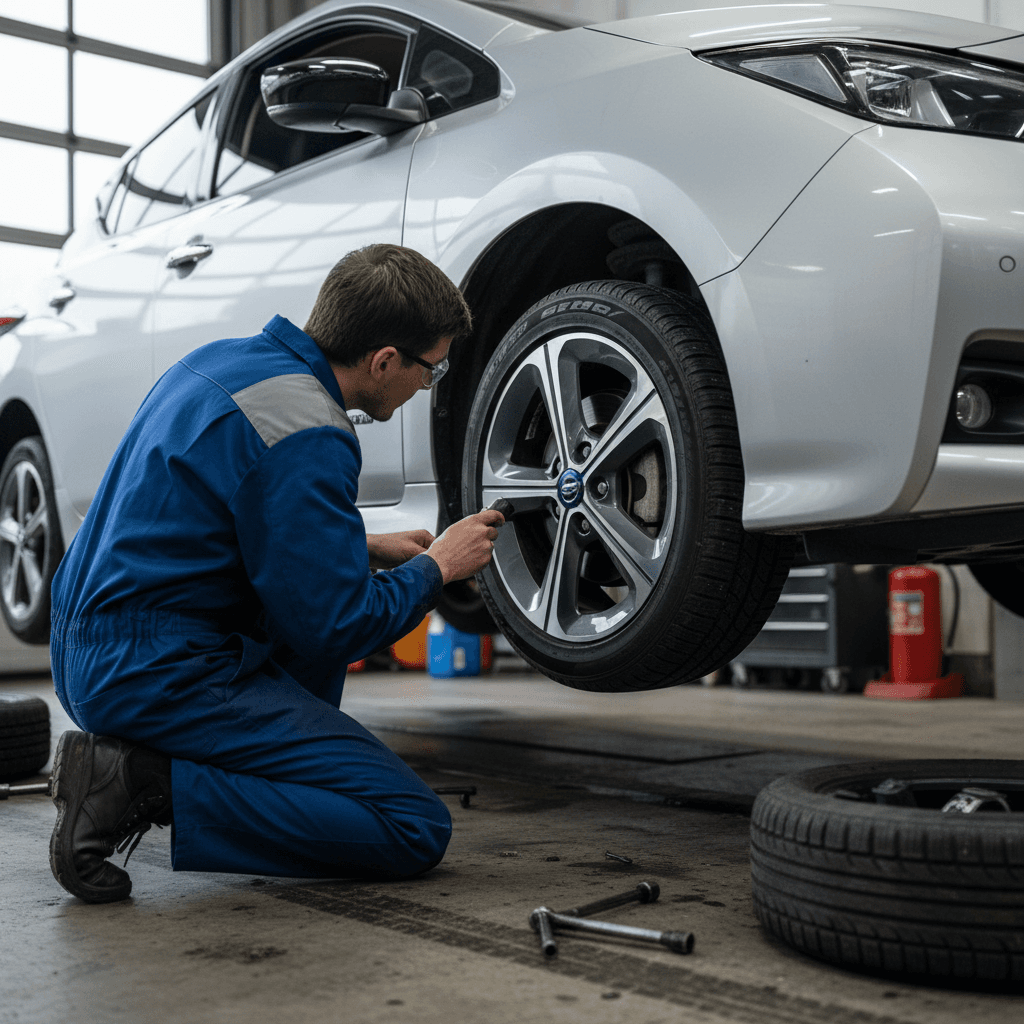
With the Leaf, **battery health is the single biggest factor** in long‑term costs and day‑to‑day usability. A pack that’s lost 20–30% of its original capacity still works, but it may turn your 80‑mile winter commute into something a lot less comfortable.
- A healthy battery means more usable range and fewer fast‑charging stops, which lowers stress as well as cost.
- A degraded battery can push you into replacing the car sooner than planned, effectively becoming your biggest ‘maintenance’ expense.
- Early Leafs (especially in hot climates) are more prone to faster degradation than later models with improved battery chemistry and, in some markets, better thermal management.
How Recharged helps you avoid battery surprises
Ready to find your next EV?
Browse VehiclesNissan Leaf vs gas car annual maintenance cost
To put the Leaf’s costs in perspective, it helps to compare it with a similar compact gas car, something like a Nissan Sentra, Toyota Corolla, or Honda Civic.
Annual maintenance: Nissan Leaf vs comparable gas compact
Approximate average yearly maintenance costs once both vehicles are a few years old and out of basic warranty.
| Category | Nissan Leaf (EV) | Compact gas car |
|---|---|---|
| Routine service (oil, filters, inspections) | $200–$350 | $400–$700 (more frequent, more fluids) |
| Brakes | $40–$150/year average (regen extends life) | $150–$250/year average (pads/rotors more often) |
| Fluids (coolant, brake, etc.) | $60–$120/year averaged | $100–$200/year averaged |
| Engine & transmission repairs | Not applicable | $150–$400/year averaged over long term |
| Total typical annual maintenance | ~$300–$600 | ~$600–$1,200 |
Fuel costs are separate; this table focuses on maintenance only.
Over a five‑year span, that gap can easily add up to a **four‑figure difference** in your favor with the Leaf, especially if you do any basic maintenance yourself.
Tips to lower your Nissan Leaf maintenance costs
Simple ways to keep Leaf ownership costs low
1. Stay on top of tire pressure
Underinflated tires wear faster and hurt range. Check pressures monthly and before long trips, especially as temperatures swing between seasons.
2. Rotate tires on schedule
EVs are heavy and hard on front tires. Rotating every 6,000–8,000 miles helps you get full life out of a set instead of paying for two at a time.
3. Use regen braking smartly
Maximize regenerative braking in traffic and on descents. You’ll save your friction brakes for emergencies and stretch pad and rotor life significantly.
4. Shop around for EV‑savvy service
You don’t always need the dealership. Many independent shops are now comfortable with basic EV service like brakes, suspension, and tires, often at lower hourly rates.
5. Handle easy DIY jobs
Cabin air filters, wiper blades, even the 12V battery are within reach for many owners. YouTube plus your owner’s manual can save you a surprising amount each year.
6. Keep software and recalls up to date
Occasional visits for software updates or recall work can address issues early, before they become bigger, pricier problems.
Buying a used Leaf? Ownership-cost checklist
If you’re looking at a used Nissan Leaf, your future **annual maintenance cost** hinges on the car you pick today. A cheaper Leaf with a tired battery or spotty maintenance history can cost you more in the long run than a slightly pricier, well‑documented car.
Before you sign anything
- Battery health report: Don’t rely on dashboard bars alone. A detailed battery assessment, like the Recharged Score, tells you how much usable capacity is actually left.
- Service history: Look for records of brake fluid changes, coolant service (where applicable), and regular inspections.
- Tire and brake condition: Worn tires and thin pads are near‑term expenses. Use them as bargaining chips or factor them into your budget.
- Charging behavior: Ask the seller how often they fast‑charge. High DC fast‑charging usage can accelerate battery wear.
How Recharged fits into the picture
Recharged was built to take the guesswork, and the stress, out of used EVs:
- Every car includes a Recharged Score Report with verified battery health and a transparent condition overview.
- You’ll see fair market pricing that reflects battery state, mileage, and equipment, not just a one‑size‑fits‑all price guide.
- EV‑specialist support is available to walk you through total cost of ownership, from maintenance to incentives and financing.
If you decide to sell or trade a Leaf later, Recharged can also help with an instant offer or consignment listing so you recoup as much of that low maintenance spend as possible.
Nissan Leaf maintenance FAQ
Frequently asked questions about Nissan Leaf maintenance
Bottom line: what to budget for your Leaf
When you strip away dealer menus and EV mystique, the Nissan Leaf turns out to be a remarkably low‑drama car to own. For most drivers, a realistic **Nissan Leaf annual maintenance cost** lives in the $300–$600 range, significantly less than a similar gas car, so long as you keep up with basic service and choose a car with a healthy battery.
If you’re shopping used, that’s where Recharged shines. Every Leaf on our marketplace comes with a Recharged Score Report that spells out battery health, condition, and fair market pricing, plus EV‑specialist support to talk through real‑world ownership costs. That way, your Leaf’s biggest surprise is how little you’re spending on maintenance, not the other way around.