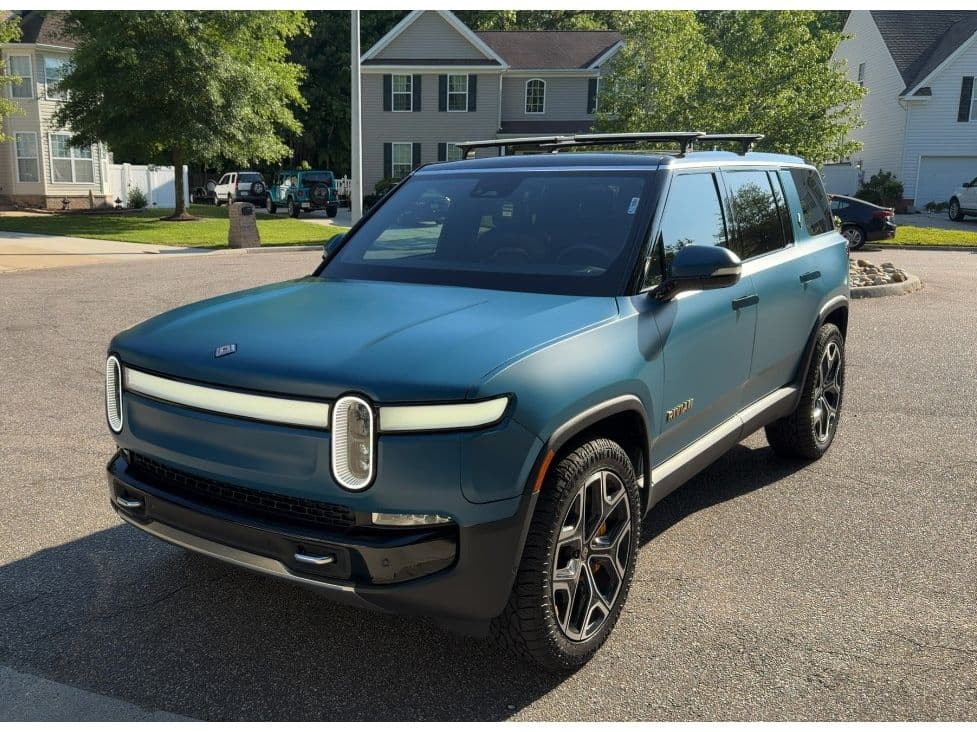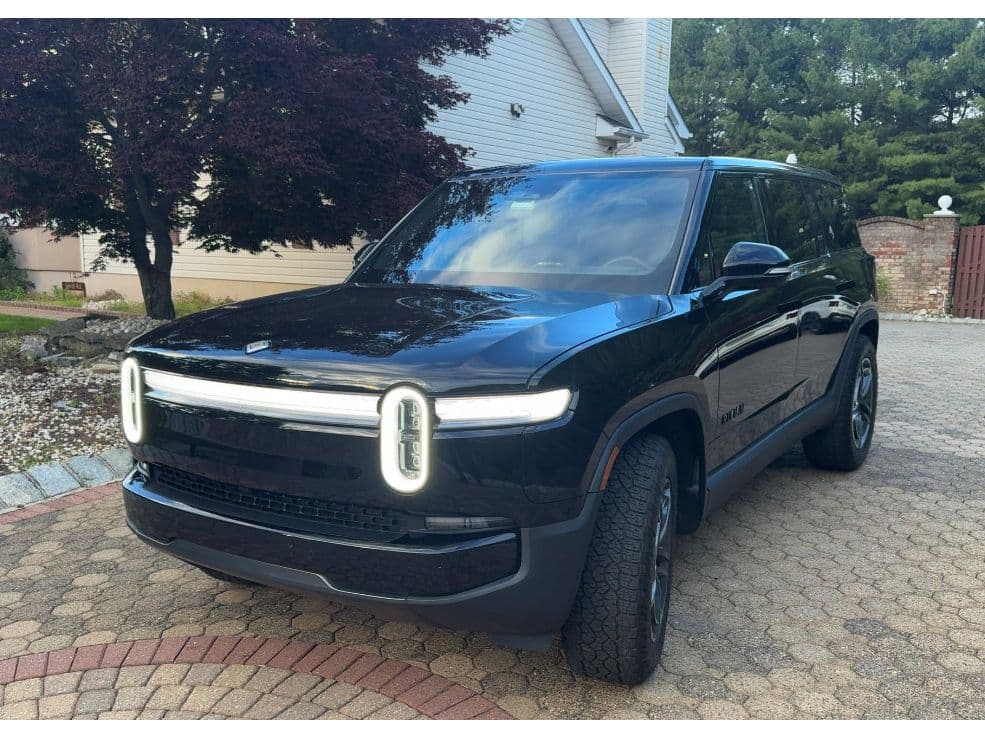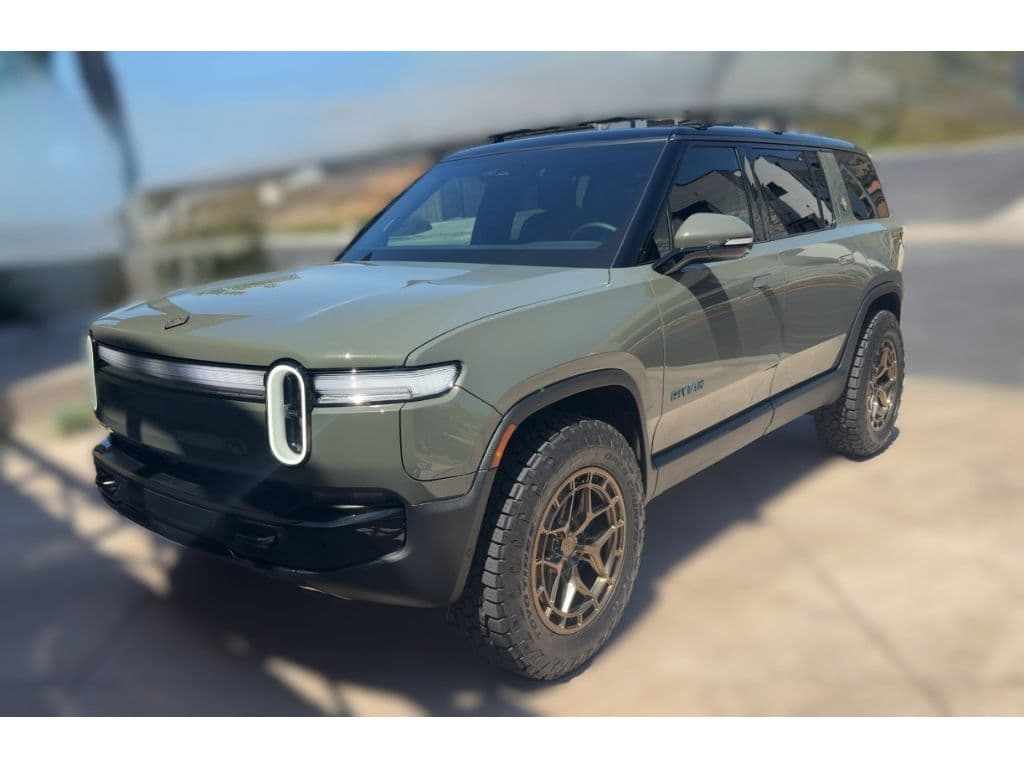
If you’re looking at a Rivian R1S, especially a used one, the battery warranty details aren’t a footnote. They’re the entire plot. This is a 7‑seat, 6,000‑plus‑pound electric SUV that lives and dies by its pack: performance, range, resale value, and peace of mind all trace back to that slab of lithium under the floor. The good news is that Rivian’s warranty is among the strongest in the business, if you understand how the fine print actually works.
Quick context
Rivian R1S battery warranty at a glance
Rivian R1S core warranty numbers
Those are the headline numbers. Where it gets interesting, and where shoppers get confused, is how the mileage cap changes between Standard, Large, and Max packs and between dual‑motor and quad/tri‑motor setups. Let’s unpack that.
How the Rivian R1S battery warranty actually works
Rivian splits the R1S warranty into a few buckets. For battery‑related peace of mind, these three matter most:
- New Vehicle Limited Warranty: covers most components front to back. For recent R1S models this is typically 4 years/50,000 miles, with some earlier quad‑motor builds advertised at 5 years/60,000 miles.
- Battery & Drivetrain Warranty: 8 years with a mileage cap that depends on your pack and motors. This covers the high‑voltage battery pack and main drive components.
- Corrosion/perforation warranty: long‑tail, body‑related coverage that’s nice to have but less relevant than the battery when you’re thinking about long‑term EV ownership.
Model‑year nuance
The key takeaway: every R1S battery is covered for 8 years, but not every R1S gets the same mileage ceiling. High‑spec, high‑price configurations tend to get the most generous caps, which makes sense for buyers who actually rack up those miles.
Battery warranty details by pack and motor setup
Because Rivian hasn’t always communicated this in one tidy chart, you’ll see slightly different numbers quoted by reviewers and owners. Broadly, the R1S lineup breaks into three battery packs (Standard, Large, Max) and multiple motor layouts (Dual‑Motor and Tri‑/Quad‑Motor). Mileage caps generally stair‑step up with capability and price.
Approximate Rivian R1S battery warranty by configuration
These figures reflect how Rivian and major reviewers have described battery coverage by pack and motor. Always verify specifics for the VIN you’re considering.
| Battery pack | Motor configuration | Approx. battery warranty | Who this best fits |
|---|---|---|---|
| Standard pack | Dual‑Motor | 8 years / 100,000 miles | Drivers with shorter commutes and typical annual mileage. |
| Large pack | Dual‑Motor | 8 years / 120,000 miles | Most buyers who want strong range and go on occasional long trips. |
| Max pack | Dual‑Motor | 8 years / 120,000 miles | Road‑trip families and adventure use without extreme annual mileage. |
| Large pack | Quad‑/Tri‑Motor (earlier builds) | 8 years / up to 175,000 miles | High‑mileage drivers and early adopters willing to pay for maximum coverage. |
All configurations include 8 years of time‑based battery coverage; only the mileage cap changes.
Why mileage caps matter
So when you’re comparing two used R1S SUVs, say, a Standard‑pack commuter car and a Max‑pack road‑tripper, don’t just look at odometer and price. Look at how those miles intersect with the battery warranty band above. A higher‑mileage Max‑pack R1S can still have meaningful coverage left if it started out with a higher mileage ceiling.
What the R1S battery warranty does, and doesn’t, cover
What’s usually covered
- Manufacturing defects in the high‑voltage battery pack.
- Premature capacity loss below about 70% of original usable capacity during the warranty window.
- Drive units and major high‑voltage components tied into the battery system.
- Battery‑related software fixes when they’re needed to correct a defect, not just add features.
What’s usually not covered
- Normal, gradual battery degradation that keeps you above the capacity threshold.
- Damage from accidents, flooding, or improper repairs.
- Modifications to high‑voltage systems, off‑book tuning, or non‑approved accessories.
- Abuse and neglect, think repeatedly overheating the pack or ignoring critical warnings.
Don’t assume abuse is covered
Like most EV makers, Rivian doesn’t print a neat little percentage in bold type on the consumer‑facing pages, but industry reporting and early documentation point to the familiar “70% rule”: if usable capacity drops below roughly 70% of original during the warranty window, Rivian may repair or replace the pack. That’s in line with Tesla, Ford, Hyundai, and others.
Battery warranty vs. real-world range expectations
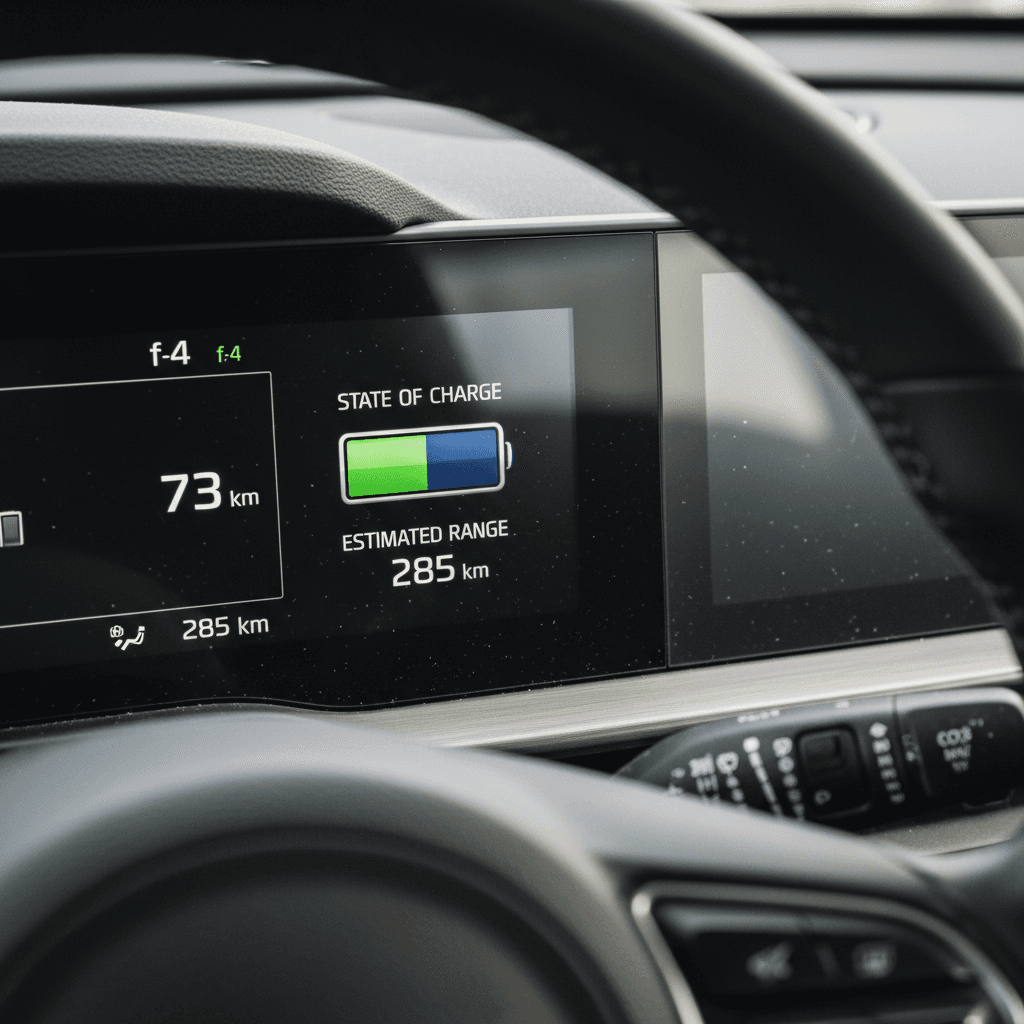
On paper, a new R1S with the Large or Max pack can deliver 330–410 miles of EPA‑rated range, depending on configuration and wheels. In the real world, highway speeds, big roof box, kids, dog, camping gear, you chip away at that quickly. The warranty is not promising you’ll keep 400 miles forever; it’s promising you won’t plunge into truly unhealthy territory too soon.
- Expect some normal degradation: a few percent in the first year or two, then a slower taper.
- High‑speed road trips, heavy towing, and extreme temperatures will trim day‑to‑day usable range without necessarily violating warranty thresholds.
- The warranty is mostly there to protect you from outliers, like a pack that loses 30% of its capacity in a few years without abuse.
Why this is good news for used buyers
Used Rivian R1S: how much battery warranty is left?
If you’re shopping used, the interesting part isn’t the original warranty brochure, it’s how much of that coverage you still get. That depends on three variables:
- In‑service date – the day the first owner took delivery. The 8‑year clock starts here, not on the model year.
- Odometer reading – how close the car is to its mileage cap for that specific pack/motor combo.
- Transfer rules – whether the battery warranty follows the vehicle to you (in practice, Rivian’s battery and drivetrain coverage is typically transferable).
How Recharged helps here
As a working example, imagine a 2022 R1S Large‑pack, Dual‑Motor that first went into service in October 2022 and now has 40,000 miles on it. In October 2026, it’s only four years into an 8‑year battery warranty and ~80,000 miles from the usual 120,000‑mile cap for that configuration. For a high‑mileage family, that’s a fundamentally different proposition than a 2022 Standard‑pack R1S already sitting at 85,000 miles.
How Rivian’s battery warranty compares with other EVs
Rivian R1S vs other EV battery warranties
All major EVs use some version of an 8‑year battery warranty, but the mileage caps and details tell the real story.
Rivian R1S
Typically 8 years with 100k–175k miles depending on battery pack and motors. Strong coverage for high‑mileage drivers, especially on higher‑spec models.
Tesla Model X / Y
Generally 8 years / 120k–150k miles with a 70% capacity clause. Mileage caps are solid, but Rivian’s top trims nudge a bit higher.
Hyundai / Kia EVs
Many offer 10‑year / 100k‑mile battery warranties, which look great on paper but often come with more fine print and lower mileage caps than Rivian’s highest‑end R1S builds.
If you’re cross‑shopping, the Rivian R1S sits near the front of the class for mileage headroom. That makes sense: this is an adventure SUV marketed explicitly to people who will drive it hard and far. An 8‑year/100,000‑mile warranty on a commuter EV is one thing; on a 3‑row overlander, it’s another.
Checklist: buying a used R1S with battery warranty in mind
Essential battery‑warranty checks for a used Rivian R1S
1. Confirm the in‑service date
Ask for documentation, or use the VIN through Rivian, to see when the R1S was first delivered. That’s the true start of the 8‑year battery‑warranty clock.
2. Match pack & motors to mileage cap
Identify whether the vehicle has a Standard, Large, or Max pack and whether it’s Dual‑ or Tri‑/Quad‑Motor. Use that to estimate the appropriate mileage ceiling (100k, 120k, or up to 175k).
3. Compare odometer to the cap
Subtract the current odometer reading from the likely mileage cap. That tells you how much <strong>usable battery warranty mileage</strong> you really have left.
4. Get objective battery‑health data
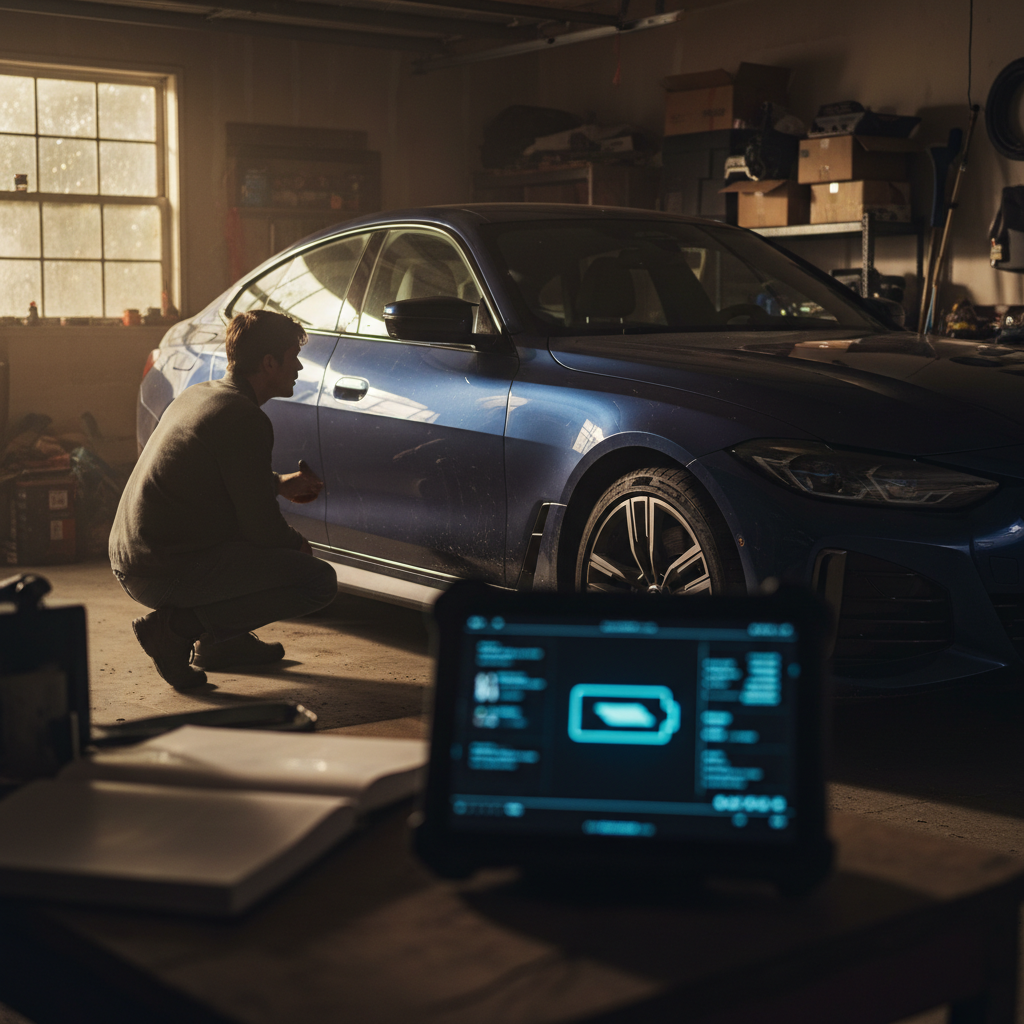
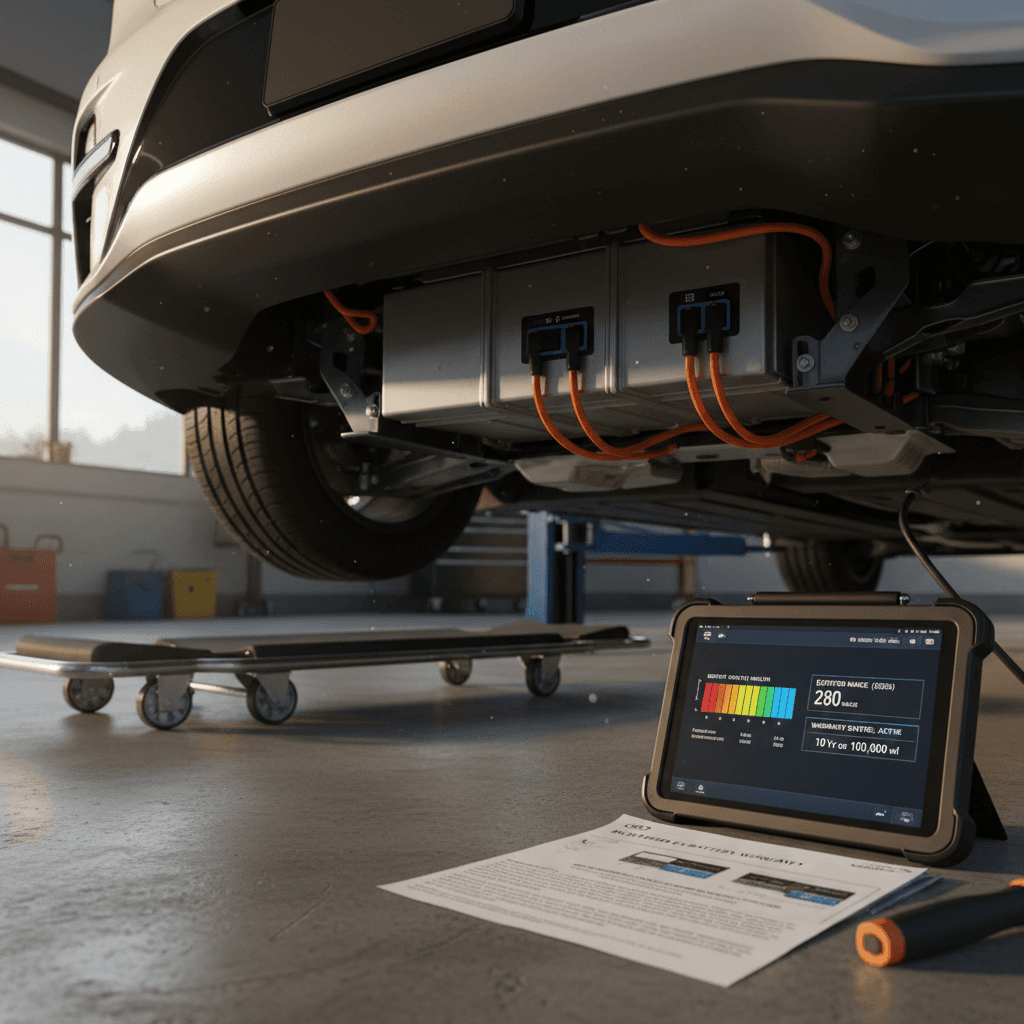
Don’t rely on the range estimate alone. A diagnostics report, like the Recharged Score battery‑health check, can reveal usable capacity, imbalance, and pack behavior over time.
5. Review fast‑charging and towing history
Frequent DC fast charging and heavy towing aren’t deal‑breakers, but they can accelerate wear. Look for patterns and pair them with battery‑health results.
6. Verify transferability with Rivian
Before you sign anything, confirm that the battery and drivetrain warranty carries over cleanly to you as the next owner, and that there are no flags on the VIN.
Where Recharged fits in
Rivian R1S battery warranty FAQ
Frequently asked questions about Rivian R1S battery warranty details
Bottom line: is the Rivian R1S battery warranty good enough?
For a big, fast, adventure‑minded SUV, the Rivian R1S battery warranty details land in a very reassuring place. Eight years of coverage with generous mileage caps on higher‑spec trims, plus a capacity‑loss safeguard, gives both first and second owners a real safety net against bad luck and bad cells.
Where shoppers get into trouble isn’t the warranty itself; it’s misunderstanding how pack size, motors, miles, and in‑service dates all braid together. If you’re buying used, treat the battery warranty like a second window sticker: read it line by line, match it to the VIN, and weigh it right alongside price and options.
If you’d rather not decode all of that on your own, that’s exactly where Recharged steps in. Our Recharged Score battery‑health diagnostics, fair‑market pricing, and EV‑specialist support turn the R1S from an expensive question mark into a knowable, shoppable vehicle, whether you’re browsing online or visiting our Experience Center in Richmond, VA.