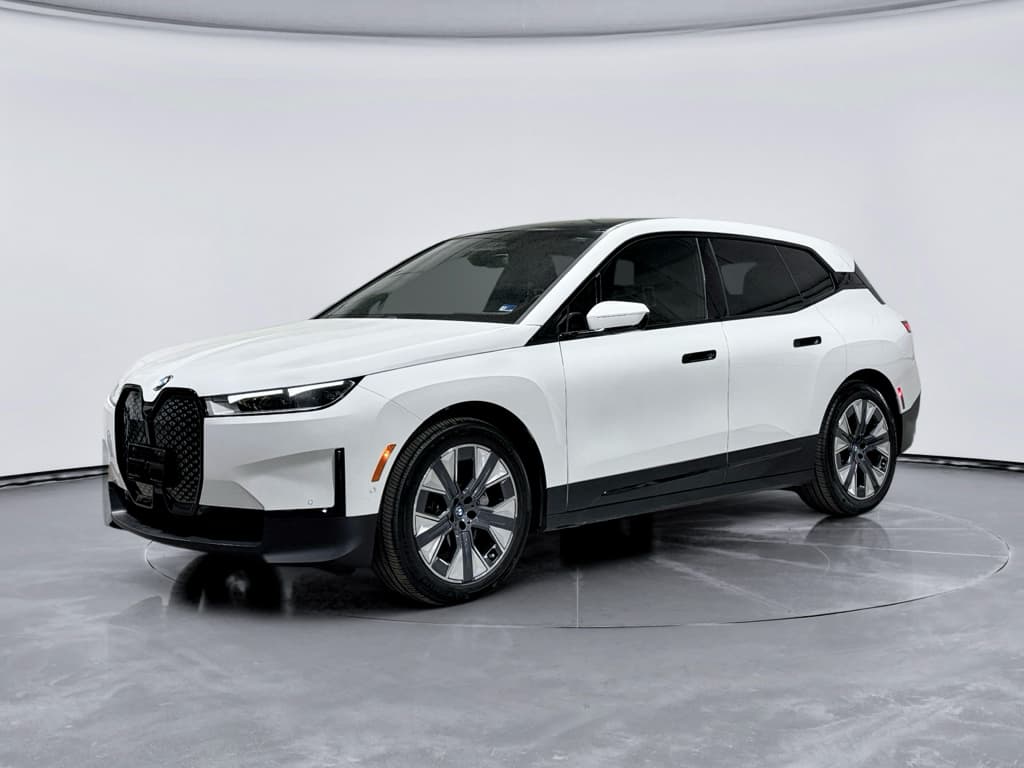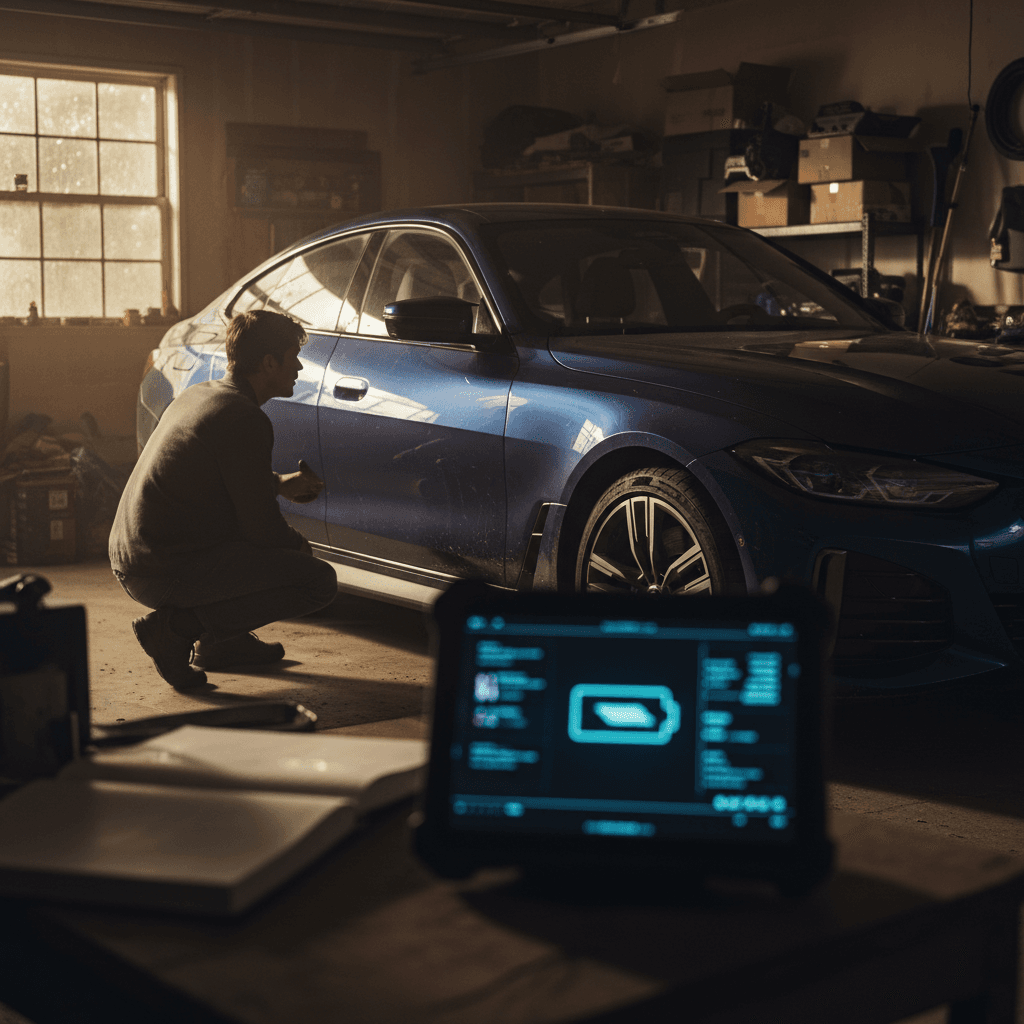
If you’re eyeing a used BMW i4 in 2026, you’re probably wondering two things: will it be reliable, and will the battery hold up. The good news is that the i4 has matured into one of the better‑than‑average reliability EVs, but like any first‑generation electric, there are some recalls, software quirks, and charging‑system caveats you should understand before you sign anything.
Why reliability feels “fuzzy” for newer EVs
BMW i4 reliability in 2026: the short version
- By 2026, the BMW i4 is generally regarded as one of the more reliable EVs you can buy, especially among premium brands.
- Independent testing and large owner surveys give the i4 above‑average to excellent predicted reliability scores for 2024–2025 model years.
- Most serious issues have been addressed through limited‑population recalls and software updates; the majority of cars are unaffected or already repaired.
- The high‑voltage battery and motor hardware look solid so far, with minimal real‑world degradation reported on 2–4‑year‑old cars.
- Where the i4 stumbles is in software glitches, infotainment bugs, and occasional charging/control‑unit problems, nuisances more than deal‑breakers.
- As a used buy in 2026, an i4 can be an excellent choice if you verify recall history, scan battery health, and inspect the 12‑volt and charging electronics.
Snapshot: BMW i4 reliability picture by 2026
How reliable is the BMW i4 in 2026? The data
When you strip away forum horror stories and fan‑boy praise, you’re left with three useful data sources on BMW i4 reliability in 2026: independent testing organizations, large owner‑satisfaction surveys, and real‑world recall history.
Key reliability data sources for the BMW i4
What the big surveys and studies are actually telling you
Consumer testing & surveys
Consumer‑focused outlets that combine road tests with large owner surveys have moved the i4 into the “most reliable EVs” conversation by the 2025 model year. Earlier coverage showed "above‑average" scores; more recent reporting puts the 2025 i4 in the low‑80s out of 100 and on lists of the 10 most reliable cars overall, gas or electric.
J.D. Power EV studies
J.D. Power’s U.S. EV ownership and quality studies have repeatedly cited the i4 as a top‑ranked model, especially for vehicle quality and reliability. Owners rate it highly on build quality and day‑to‑day dependability, even as they criticize public charging networks in general.
Recall & defect records
NHTSA filings show a handful of narrowly targeted recalls for early i4s: a fire‑risk battery module batch, a sound‑generator compliance issue, and a power‑electronics/12‑volt control issue on certain 2022–2023 cars. Volumes are small, and BMW has generally handled them with module replacement or software updates at no cost to owners.
How to use this information as a shopper
Common BMW i4 issues and recalls by model year
No EV is trouble‑free, and the i4 is no exception. The trick is understanding which problems are widespread design issues and which are isolated campaigns or one‑off failures. Here’s how the landscape looks by model year as of 2026.
BMW i4 issues & recalls: 2022–2025 overview
Major reliability themes you should know by model year before buying used in 2026.
| Model years | Key concerns | How serious is it? | What fixes it? |
|---|---|---|---|
| 2022 (launch year) | Small batch of high‑voltage battery modules with manufacturing defects; early software bugs; occasional 12‑volt/control‑unit failures | Serious if ignored (loss of power / rare fire risk), but very low numbers and mostly caught by recalls | Battery module replacement and software updates done at dealers; verify recalls are closed before you buy. |
| 2023 | Carry‑over of some 2022 campaigns; a few cases of coolant leaks affecting the battery or drive unit; minor wind noise and trim issues | Annoying but manageable; coolant leaks can be expensive out of warranty but are rare and typically repaired under warranty in 2023–2025 | Dealer cooling‑system repair, pressure testing; body/trim fixes under basic warranty. |
| 2024 | Fewer hardware issues; continued reports of software glitches (infotainment, Apple CarPlay, driver‑assist alerts); isolated charging‑station communication hiccups | Mostly nuisance‑level; car remains drivable and safe | Over‑the‑air or dealer software updates; sometimes replacing a charging‑control module or reprogramming ECUs. |
| 2025 | Refined software; still subject to any outstanding software‑based drivetrain campaigns; tiny number of vehicles included in later battery‑module recall sweep | Low risk; most 2025s have been trouble‑free so far outside of normal new‑car bugs | Confirm the VIN has no open recalls; keep software updated; address warning messages promptly. |
Check each car’s VIN on NHTSA’s site and with a BMW dealer to confirm recall status.
Don’t ignore high‑voltage or drivetrain warnings
BMW i4 battery life, degradation and thermal issues
Battery health is the centerpiece of BMW i4 reliability in 2026, especially for used‑car shoppers. The early evidence is encouraging. Owners of 2022–2023 cars with 20,000–40,000 miles commonly report little to no noticeable range loss, and range estimates often vary more with driving style and climate than with actual degradation.
What we know about BMW i4 battery reliability
Early‑life data is positive, but you still need to verify car‑by‑car
Degradation so far is modest
Real‑world owners with 1–3 years and tens of thousands of miles on their i4s often report range similar to new, or only a slight drop that’s hard to distinguish from seasonal variation. There’s no widespread pattern of rapid capacity loss showing up yet in 2022–2024 cars.
Thermal & coolant issues are rare but real
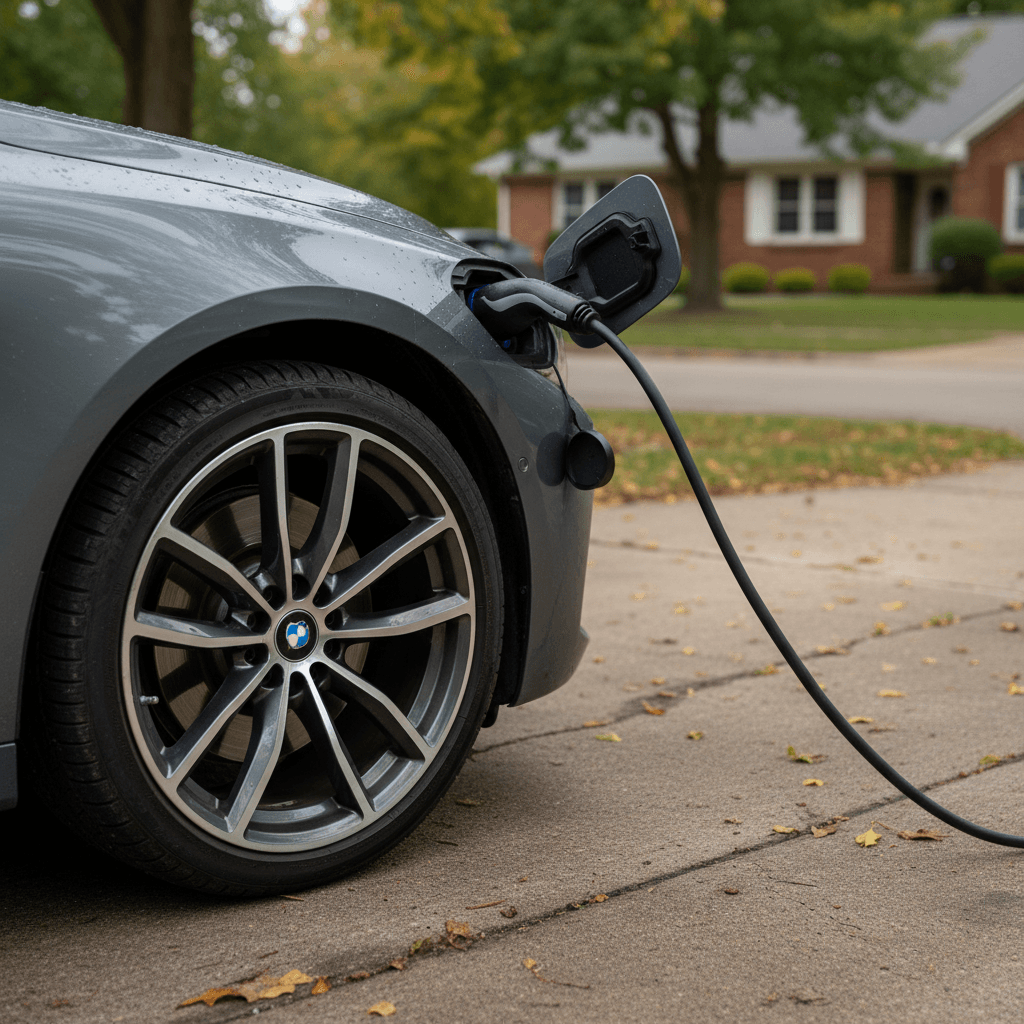
A small number of i4s have experienced coolant leaks or battery cooling faults that triggered drivetrain‑malfunction warnings or, in a few early recalls, a risk of thermal events. Virtually all of these have been addressed under warranty via module replacement or cooling‑system repair.
Battery‑friendly habits for an i4
Battery warranty safety net
In the U.S., BMW backs the i4’s high‑voltage battery for 8 years or 100,000 miles against defects and excessive capacity loss. That means a 2022 car still has coverage into the 2030 model year. For a 2026 buyer, you’re typically getting 4–6 years of remaining battery coverage on a lightly used car.
Why you should still measure battery health
Warranty is great, but you want to know what you’re buying today. At Recharged, every vehicle gets a Recharged Score battery health diagnostic that looks beyond the dash range estimate to measure usable capacity and pack balance. Even if you’re shopping elsewhere, insist on some form of independent battery report before you commit.
Software, infotainment and charging quirks
Where the i4 feels most like a first‑generation EV is in its software and connectivity stack, not in its hardware. These issues rarely leave you stranded, but they do matter for day‑to‑day satisfaction.
- Apple CarPlay / Android Auto gremlins: Some owners report sporadic CarPlay disconnects or the system forgetting profiles after software updates. Usually resolved with later software versions or a dealer reflash.
- Charging‑station communication hiccups: Like many non‑Tesla EVs, the i4 can be finicky with certain third‑party DC fast chargers, especially older public hardware. Power‑cycling the charger, moving to another stall, or using a different network typically solves it.
- Driver assistance oddities: Lane‑keeping and adaptive cruise work well overall, but sporadic false alerts or lane‑departure warning beeps are a common complaint in owner forums.
- Over‑the‑air update growing pains: A minority of owners have experienced glitches right after OTA updates, missing settings, temporarily disabled apps, that usually settle down after a restart or dealer visit.
The upside of i4 software
Day‑to‑day ownership: what BMW i4 drivers report
When you scan owner forums and long‑term test reports, a pattern emerges: most i4 drivers are quietly happy. There are scattered stories of bad luck, failed modules, tow‑truck tales, a glitchy infotainment system, but the prevailing narrative is that the car simply starts, drives, and charges like a modern BMW should.
Real‑world ownership themes
What you’re likely to experience after the first 30,000 miles
Solid daily commuter
Owners routinely use the i4 as a reliable daily driver, commuting, errands, road trips, without drama. Scheduled maintenance intervals are long, and visits are usually for software updates, tire rotations, or cabin filters rather than major repairs.
Low wear‑item costs
With regenerative braking doing much of the work, brake wear is minimal. There’s no oil to change, no spark plugs, and far fewer moving parts than in BMW’s gas models. Over a 5‑year span, that translates into lower routine‑maintenance costs than a comparable 3 Series.
Nuisance issues, not systemic failures
The most common complaints are small annoyances: a rattling window, a stubborn infotainment reboot, an alignment or trim squeak. Enough to remind you it’s a complex machine, but not the kind of pattern that screams “don’t buy this used.”
Most BMW EVs are way too new to have decade‑long track records, but early i4s are aging better than many rival EVs launched around the same time.
BMW i4 reliability vs other electric cars
Context helps. A car that looks perfect in isolation can seem mediocre next to its peers, and vice versa. Against the broader EV market, the i4 is positioned firmly in the upper tier for reliability by 2026.
BMW i4 vs popular EVs on reliability reputation
How the i4 stacks up against common alternatives for a 2026 used‑EV shopper.
| Model | Reliability reputation by 2026 | Typical pain points | Takeaway for shoppers |
|---|---|---|---|
| BMW i4 | Above‑average to excellent; often cited among the most reliable EVs launched in the early 2020s | Software quirks, limited‑population battery/control‑unit recalls | A strong choice if you want a premium EV that hasn’t been plagued by chronic flaws. |
| Tesla Model 3/Y | Mixed record; some years very solid, others dragged down by build‑quality and electronics issues | Panel alignment, water leaks, infotainment glitches, suspension noise | Great charging network, but quality is more variable car‑to‑car; inspect carefully. |
| Volkswagen ID.4 | Below‑average in several owner surveys | Charging‑system bugs, infotainment freezes, some drivetrain issues | Tempting deals, but reliability concerns are more common than with i4. |
| Hyundai Ioniq 5 / Kia EV6 | Generally above‑average, but with some notable recall activity | Voltage‑converter and charging control‑unit recalls, occasional 12‑volt failures | Excellent EVs overall; reliability roughly on par with or just below the i4 depending on year. |
Generalized view based on owner surveys and public reporting through early 2026.
How to interpret “reliability rankings”
2026 used BMW i4 reliability checklist
If you’re shopping a used BMW i4 in 2026, whether on Recharged or anywhere else, you want to turn a good‑on‑paper model into a good‑in‑your‑driveway car. Here’s a reliability‑focused checklist tailored specifically to the i4.
Used BMW i4 reliability checklist for 2026 shoppers
1. Run the VIN for recalls and campaigns
Use NHTSA’s VIN lookup and ask a BMW dealer to print the car’s service and campaign history. Confirm that any high‑voltage battery, charging‑control unit, or drivetrain‑software recalls are marked as completed.
2. Get a real battery‑health report
Don’t rely on the dash range estimate alone. At Recharged, we use our <strong>Recharged Score battery diagnostic</strong> to measure usable capacity and pack balance. If you’re buying elsewhere, look for a third‑party scan or app that can read battery health data from the car.
3. Inspect for coolant and moisture issues
Have a technician check for coolant leaks in the battery and drive‑unit circuits and look for signs of moisture intrusion around lights and charge ports. A small leak caught early is a simple fix; left alone it can lead to expensive component failures.
4. Test AC, DC, and home‑charging behavior
On the test drive, plug into a Level 2 charger and, if possible, a DC fast charger. Verify that the car starts charging promptly, maintains expected power, and doesn’t throw errors. Slow ramp‑up or repeated failures may point to control‑unit quirks.
5. Exercise every infotainment and driver‑assist feature
Pair a phone, run CarPlay or Android Auto, test the backup camera and parking sensors, and try adaptive cruise and lane‑keeping where it’s safe. Software bugs aren’t deal‑breakers, but you should know what you’re getting and factor potential dealer visits into your decision.
6. Look closely at wear items and tires
Performance‑oriented i4 trims can be hard on tires. Check for uneven wear that might point to alignment or suspension issues. Confirm brake feel is consistent, heavy regen means pads should have plenty of life unless the car has been abused.
Be careful with heavily fast‑charged or fleet cars
When a used BMW i4 is (and isn’t) a smart buy
Situations where the i4 shines
- You want a premium EV with solid reliability data. By 2026, the i4 has earned a reputation as one of the more dependable battery‑electrics in its class.
- You value driving feel as much as efficiency. The i4 feels like a BMW first and an EV second, without saddling you with the chronic reliability headaches some performance EVs have shown.
- You’re shopping 2023–2025 cars with clean histories. Late‑run cars with documented dealer service and closed recalls make particularly strong used buys.
When you might want to pause
- The car has unresolved high‑voltage or drivetrain faults. Dashboard warning messages or open campaigns are bright red flags unless you’re comfortable letting a BMW dealer fully sort the car before ownership.
- You can’t verify battery health or warranty status. If the seller won’t or can’t provide documentation, you’re taking an unnecessary risk.
- You prioritize absolute simplicity over tech. If the idea of occasional software updates, app log‑ins, and CarPlay quirks makes your blood boil, a simpler EV, or even a hybrid, may suit you better.
How Recharged helps de‑risk a used i4
Ready to find your next EV?
Browse VehiclesBMW i4 reliability 2026: FAQ
Frequently asked questions about BMW i4 reliability in 2026
Taken as a whole, the BMW i4’s reliability story in 2026 is quietly impressive. It hasn’t been immune to the teething pains that come with any first‑generation EV platform, but the serious problems have been limited in scope, aggressively recalled, and well‑covered by warranty. If you combine that with careful due diligence, battery‑health verification, recall checks, and a thorough test of the charging and software systems, a used i4 can deliver classic BMW dynamics with far fewer long‑term headaches than many of its peers. And if you’d like an expert set of eyes on a specific car, Recharged is built to give EV shoppers exactly that kind of clarity.