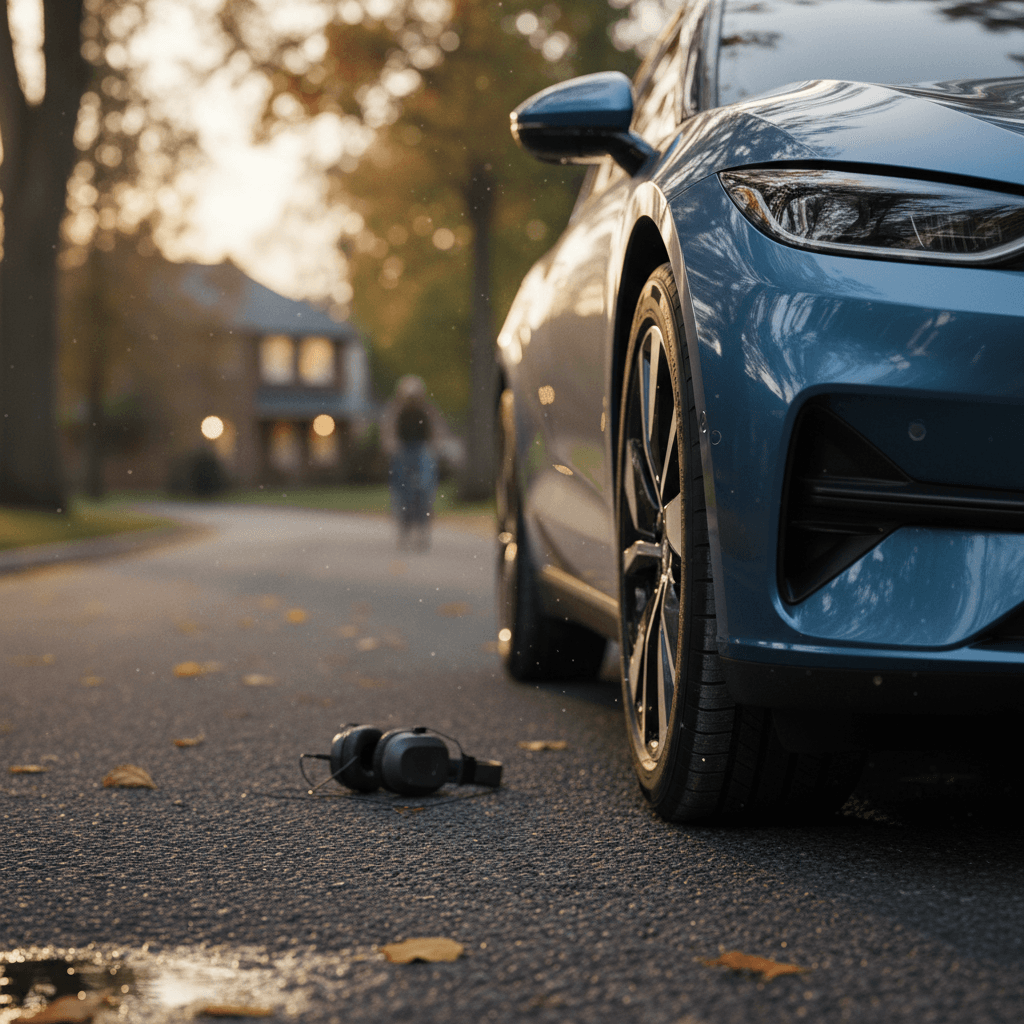
You buy an electric car expecting serene silence, and then at 40 mph it sounds like you’re riding inside a drum. Welcome to the world of quiet EV tires, where the real battle isn’t against the motor, it’s against the road itself. The good news: with the right tires and a few smart habits, you can dramatically cut cabin noise without sacrificing range or safety.
EVs Aren’t Louder, You’re Just Hearing More
Why Your EV Suddenly Sounds So Loud
If you’re coming from a gas car, your first highway trip in an EV can be a surprise. It’s not that EV tires are always noisier; it’s that all the other noise went away. Without an engine humming along, you’re left with three main culprits: tires, wind, and suspension vibrations.
Main Sources of Noise in an Electric Vehicle
Why a “quiet” car can still feel loud on the road
Tire & Road Noise
Grooves and blocks in the tread slap and scrape the pavement, creating a constant whoosh or hum. Coarse asphalt and concrete can make even good tires sound angry.
Wind Around the Body
At highway speeds, airflow around mirrors, pillars, and wheel wells adds a rushing sound that’s suddenly more obvious without engine noise masking it.
Weight & Suspension
EVs are heavy. Stiffer suspensions and higher load-rated tires help manage the mass but can transmit more bumps and vibrations straight into the cabin.
Low Rolling Resistance Isn’t Automatically Quiet
How Quiet EV Tires Actually Work
A tire can’t be silent, it’s your only contact patch with the world. But a well-designed quiet EV tire reshapes and softens that noise. Instead of a sharp, tiring roar, you hear a smoother, lower sound that fades into the background. Tire makers get there with a careful mix of rubber compound, tread design, internal construction, and sometimes literal sound-deadening material inside the tire.
Standard All-Season Tire on an EV
- Balanced for a wide range of cars, not specifically EV weight or torque.
- Can feel harsh over sharp joints or coarse concrete.
- Noise often changes dramatically between surfaces.
EV-Optimized Quiet Tire
- Reinforced structure for battery weight but tuned sidewalls for comfort.
- Tread blocks sequenced to break up "drone" noises.
- Often includes acoustic foam or specialized tread shapes to dull resonance.
Think of It Like Tuning a Stereo
Key Technologies That Make EV Tires Quieter
Tire engineers attack noise from multiple angles. You’ll see different brand names on the sidewall, but most fall into a few big categories of technology that matter for EV drivers.
Four Noise-Reduction Technologies to Know
Look for these phrases on sidewalls and spec sheets
Acoustic Foam Inserts
Some EV-focused tires hide a ring of polyurethane foam inside. This absorbs the hollow "drum" sound that happens when the tire cavity resonates at highway speeds, cutting in-cabin noise by up to around 20% according to several manufacturers.
Optimized Tread Block Sequencing
Instead of evenly spaced blocks that all hit the ground in rhythm (and drone), quiet tires vary pitch and block size. It’s like playing chords instead of a single note, your ear finds it less annoying.
EV-Tuned Compounds & Sidewalls
Heavier EVs and instant torque demand stronger sidewalls and unique rubber blends. Done right, these hold up under load without transmitting every pebble into the cabin.
Low Rolling Resistance With Comfort
Modern EV tires try to deliver both range and refinement. Newer designs trim hysteresis (energy lost to flexing) while using tread patterns that soften impact noise on rough roads.
Real-World Examples of Quiet EV Tires
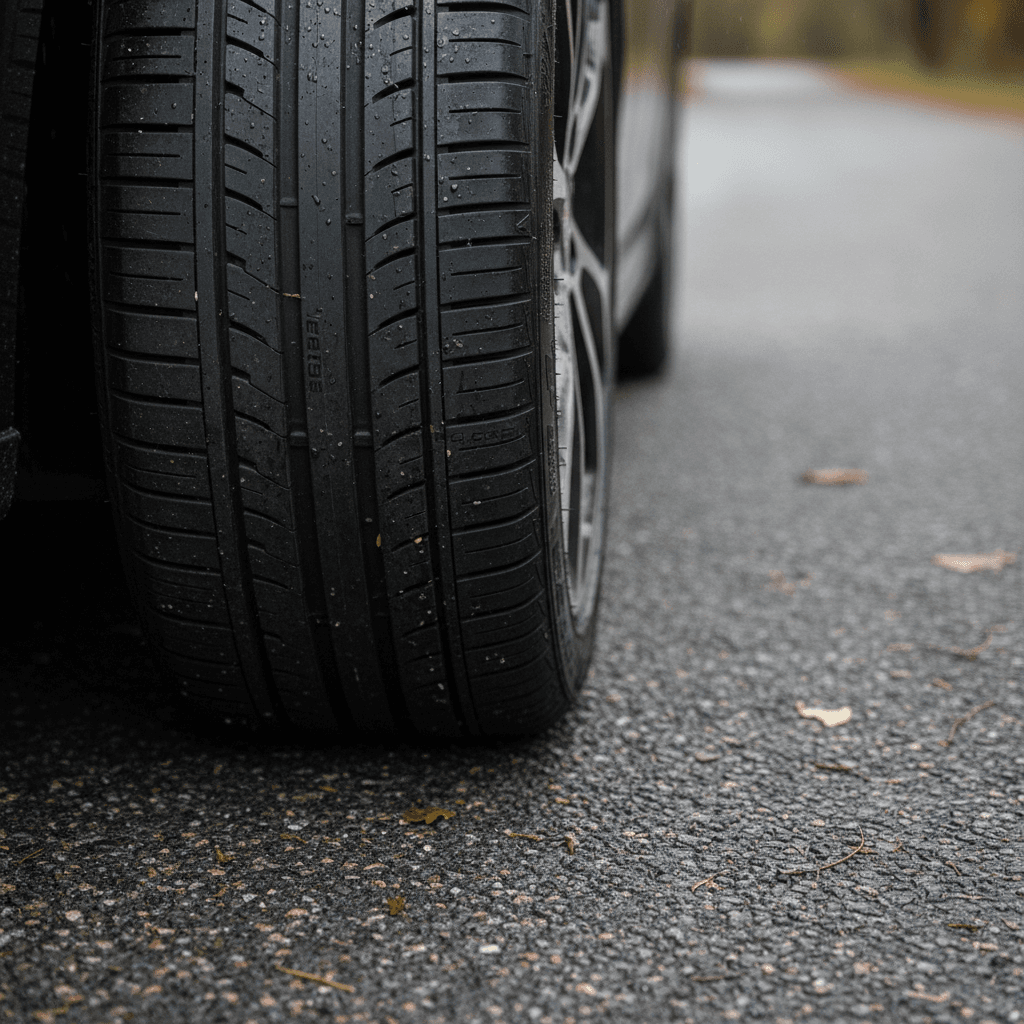
You don’t need a tire with "EV" in big letters on the sidewall to get a quiet ride, but many of the best choices today are either EV-specific or EV-friendly touring tires. Availability and sizing change constantly, so always confirm fitment for your vehicle. Here are some commonly cited quiet performers in the U.S. market as of late 2025:
Popular Quiet EV-Friendly Tires (U.S. Market Snapshot)
Representative examples only, always check size, load index, and speed rating for your specific EV.
| Tire Model | Type / Season | Why EV Owners Like It* | Typical Use Case |
|---|---|---|---|
| Bridgestone Turanza QuietTrack | All-season touring | Exceptionally low cabin noise and smooth ride | Drivers prioritizing comfort over sporty feel |
| Bridgestone Turanza EV | All-season EV-specific | Engineered for North American EVs with quiet ENLITEN tech | Daily commuters wanting quiet plus efficiency |
| Continental PureContact LS / EV | All-season touring / EV | Balanced grip, long life, and calm highway manners | Mainstream EV sedans and crossovers |
| Goodyear ElectricDrive GT / 2 | All-season EV-specific | Acoustic foam and EV load ratings, tuned for quiet | Urban and suburban EV drivers |
| Hankook iON evo AS | All-season EV-specific | Strong EV load capacity with noticeably low noise | Value-focused EV owners |
| Pirelli P Zero Elect | Summer performance EV | Sporty handling with noise-cancelling acoustic foam | Performance EVs where quiet and grip both matter |
| Michelin Primacy MXM4 / Pilot Sport EV | Touring & performance EV | Acoustic tech and refined tread for quiet, premium feel | Premium EVs including many Teslas |
Touring and EV-specific tires often deliver the best blend of low noise, comfort, and range.
About the Asterisk
The Tradeoffs: Noise vs. Range vs. Grip
With EV tires, you’re always juggling three balls: noise, range, and grip. You can have a quiet, sticky, long-range tire, you just might not get all three turned up to eleven at once. Understanding the tradeoffs helps you pick what matters most for your driving.
1. Noise vs. Efficiency
Super-soft, comfort-oriented compounds can soak up vibrations but may increase rolling resistance and cut a bit of range. Conversely, some ultra-efficient tires use harder compounds that transmit more road noise, especially on rough pavement.
2. Grip vs. Longevity
High-grip tires with aggressive tread can feel amazing in corners and hard braking but often wear faster on heavy, high-torque EVs. As the tread wears and patterns change, they may also get louder over time.
3. Load Rating vs. Comfort
EVs need tires with higher load indexes. Overbuilt sidewalls handle the weight but can ride more firmly. The best quiet EV tires balance reinforcement with just enough flex to keep harshness out of the cabin.
Don’t Trade Safety for Silence
How to Choose Quiet Tires for Your EV
Shopping for tires can feel like browsing a wall of black donuts with hieroglyphics on the side. Here’s how to narrow in on quiet options that play nicely with your particular EV and driving style.
Checklist: Choosing a Quiet Tire Without Guesswork
1. Start With Your Owner’s Manual
Match the size, speed rating, and especially the <strong>load index</strong> listed in your manual or door jamb. EVs are heavy, under‑spec tires can be noisy, wear fast, and compromise safety.
2. Look for EV-Focused or Touring Lines
Search for phrases like "EV", "Elect", "ElectricDrive", "iON", or "Turanza"/"PureContact" touring families. These lines are often tuned for lower noise and higher comfort on heavier vehicles.
3. Read Noise and Comfort Scores, Not Just Stars
Many tire sites publish separate ratings for noise, comfort, and tread life. Dig into those instead of relying on a single overall score or price alone.
4. Consider Your Climate First
A whisper‑quiet summer tire is a bad fit for Minnesota in January. Choose all‑season, all‑weather, or winter tires that match your climate, then filter for quieter models within that category.
5. Prioritize the Roads You Actually Drive
If most of your miles are on coarse concrete freeways, favor tires reviewers say stay calm on rough surfaces. A tire that’s silent on fresh asphalt may roar on old interstate pavement.
6. Don’t Mismatch Axles
Running different models front and rear can create weird handling and strange noise patterns. Replace in a full set when you can, or at least in axle pairs with similar characteristics.
Maintenance Habits That Keep Your EV Quiet
You can buy the quietest EV tire on the market and still end up with a noisy ride if your maintenance is off. The upside: most of the fixes are simple and cheap compared with a new set of rubber.
Four Simple Ways to Reduce Tire Noise Without Buying New Tires
These habits also protect your range and tread life
Check Tire Pressure Monthly
Under‑inflated tires squirm, over‑inflated tires slap. Both get louder. Aim for the EV manufacturer’s recommended pressures, and adjust for big temperature swings.
Rotate Tires Regularly
Front tires on many EVs take more steering and braking abuse. Rotating every 6,000–8,000 miles keeps wear patterns even, and even wear is quieter wear.
Watch Alignment and Suspension
If your car pulls, your steering wheel is off‑center, or you’re seeing inner‑edge wear, get an alignment. Misalignment chews tires into noisy saw‑tooth patterns.
Keep Tires and Wheel Wells Clean
Embedded stones, packed mud, or cupped tread blocks can all add noise. A good rinse and inspection when you wash the car can make a surprising difference.
The 10‑Minute Driveway Test
When Tire Noise Means It’s Time to Replace
Some increase in noise over time is normal, especially as sharp tread edges wear down and patterns change. But certain sounds are your tires begging for retirement, or at least a professional inspection.
- A rhythmic "whup‑whup" that speeds up with the car can signal cupping or uneven wear.
- A sudden increase in road roar after hitting a pothole may point to internal damage or a shifted belt.
- Growling or humming that changes when you turn could be a wheel bearing, but badly feathered tires can mimic that sound.
- Noticeably louder noise once tread depth drops near 3/32" is common; below that, you’re past the safe limit in wet conditions anyway.
Heavy EV, Heavy Consequences
Quiet Tires, Used EVs, and the Recharged Advantage
If you’re shopping the used market, tires tell you a lot about the car, and about what your future drive will sound like. A test drive on rough pavement will reveal more about noise than a quick loop around the block on fresh asphalt.
Reading Tire Noise on a Test Drive
- Listen at 35–55 mph on different surfaces if you can, city streets, patched sections, concrete freeway.
- Note whether noise is a smooth hiss or a harsh hum. Harsh, rhythmic sounds often point to alignment or suspension issues.
- Glance at tread wear: is it even across the tire, or chewed up on one edge?
How Recharged Helps
Every vehicle on Recharged includes a Recharged Score Report with verified battery health and expert inspection. While that report focuses on the high‑voltage heart of the car, our EV‑specialist team also looks at tires, alignment clues, and ride quality, so you know whether you’re inheriting quiet comfort or someone else’s noise problem.
If the perfect car needs tires soon, that’s a great moment to choose a quiet, EV‑appropriate set and start your ownership on the right (silent) foot.
One Stop for a Quieter Next EV
Ready to find your next EV?
Browse VehiclesQuiet EV Tires: Frequently Asked Questions
Quiet EV Tires: Your Top Questions, Answered
The Bottom Line on Quiet EV Tires
Electric vehicles make tire noise impossible to ignore, but that also makes it easier to fix. Choosing quiet EV tires isn’t about chasing silence at any cost; it’s about finding the right balance of comfort, range, and grip for the roads you actually drive. Start with proper specs, look for noise-focused touring or EV-specific models, and keep up with pressure, rotations, and alignment. Get those pieces right, and your next highway trip won’t sound like a drum solo, just the quiet, confident hum of an EV doing exactly what you bought it to do.