If you’re looking at a pre owned electric vehicle in 2025, you’re far from alone. Used EV sales in the U.S. have been growing faster than new EV sales, and more off-lease Teslas, Hyundais, Fords and others are finally hitting the market. That means real opportunity, if you know how to separate a great pre owned EV from one that will eat your budget.
What this guide will help you do
Why pre owned EVs are booming right now
The pre owned EV market at a glance
As more new EVs sell each year, the number of lease returns and trade‑ins naturally grows. At the same time, federal point‑of‑sale tax credits for qualifying used EVs, up to $4,000 in many cases, have pushed more shoppers to consider pre owned instead of new. Add in improved battery durability compared with early expectations, and a well‑chosen pre owned EV can deliver a lot of car for the money.
“Pre owned” vs “used” vs certified: what’s the difference?
What “pre owned” usually means
In everyday car shopping, pre owned is simply a more polished way of saying “used.” It means the vehicle has had at least one previous titled owner. Dealers prefer “pre owned” because it sounds more curated and intentional than just “used,” but the core idea is the same: you’re not buying new.
Some franchise dealers use phrases like “manufacturer pre owned” in marketing, but unless it’s tied to a formal certification program with published standards, it doesn’t guarantee extra inspection or protection.
Certified pre owned (CPO) is different
A certified pre owned (CPO) vehicle is a specific category: it’s used, but it has passed a manufacturer or retailer inspection checklist and typically includes an extended warranty and other perks. For EVs, that might mean added coverage on the battery pack and electric drive components.
Recharged takes a similar, EV‑specific approach. Every car on the platform includes a Recharged Score Report with verified battery health, pricing transparency, and expert support, effectively giving you the information most CPO programs gloss over.
How to read the wording in ads
Pros and cons of a pre owned electric vehicle
Why a pre owned EV can be brilliant, or a bad fit
Balance the upside against a few real trade‑offs.
Advantages of going pre owned
- Lower upfront price: Let the first owner absorb the steepest depreciation. Many 3–5‑year‑old EVs cost tens of thousands less than new.
- Modern tech at a discount: You still get instant torque, quiet driving, advanced safety tech, and smartphone apps without paying new‑car premiums.
- Known reliability patterns: By the time a model’s been out a few years, its common issues are well documented, making it easier to avoid problem children.
- Greener footprint: Extending a vehicle’s life is often more sustainable than building a new one, even with EV battery production factored in.
Potential downsides to consider
- Battery unknowns: Two EVs of the same year and mileage can have very different remaining range depending on how they were charged and driven.
- Feature lag: Newer EVs may charge faster, drive farther, or offer better driver‑assist tech than older models.
- Limited fast‑charge speed: Some earlier EVs cap DC fast‑charging at relatively low power, which can matter if you road‑trip often.
- Tax credit eligibility: Not every pre owned EV qualifies for federal or state incentives, so you can’t assume that $4,000 credit will apply.
Don’t assume all EVs age the same
Battery health: the make-or-break factor
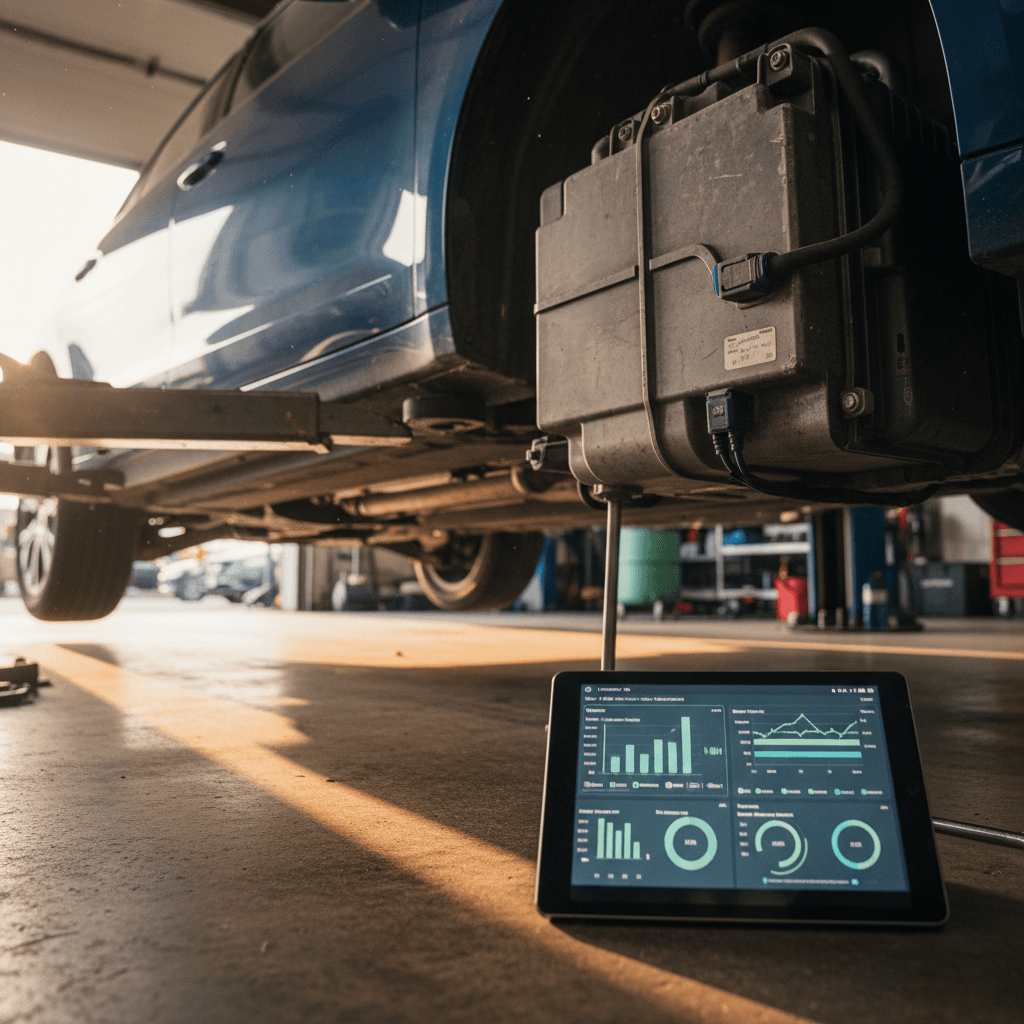
In a gasoline car, you worry about engine compression, transmission wear, and oil change history. In a pre owned electric vehicle, the single most important component is the high‑voltage battery pack. It’s the most expensive part of the car and the key determinant of real‑world range and resale value.
- Most modern EV batteries retain the bulk of their usable capacity for many years, but degradation is normal and varies widely by use case.
- Frequent DC fast charging, sustained high‑state‑of‑charge parking (like leaving the car at 100% for days), and extreme heat can accelerate wear.
- Some brands offer better thermal management and conservative battery buffers, so not every 5‑year‑old EV will feel the same on the road.
How Recharged derisks battery questions
How to evaluate a pre owned EV step by step
Pre owned EV buying checklist
1. Start with your real range needs
List your typical daily miles, any recurring long trips, and what charging you have at home or work. Many buyers discover they need less range than they assumed, which opens up more affordable pre owned options.
2. Shortlist models that fit your lifestyle
Commuter hatchback, three‑row family SUV, performance sedan, match the body style and interior space to how you actually live. Research each model’s charging speed and common ownership issues.
3. Demand a battery health report
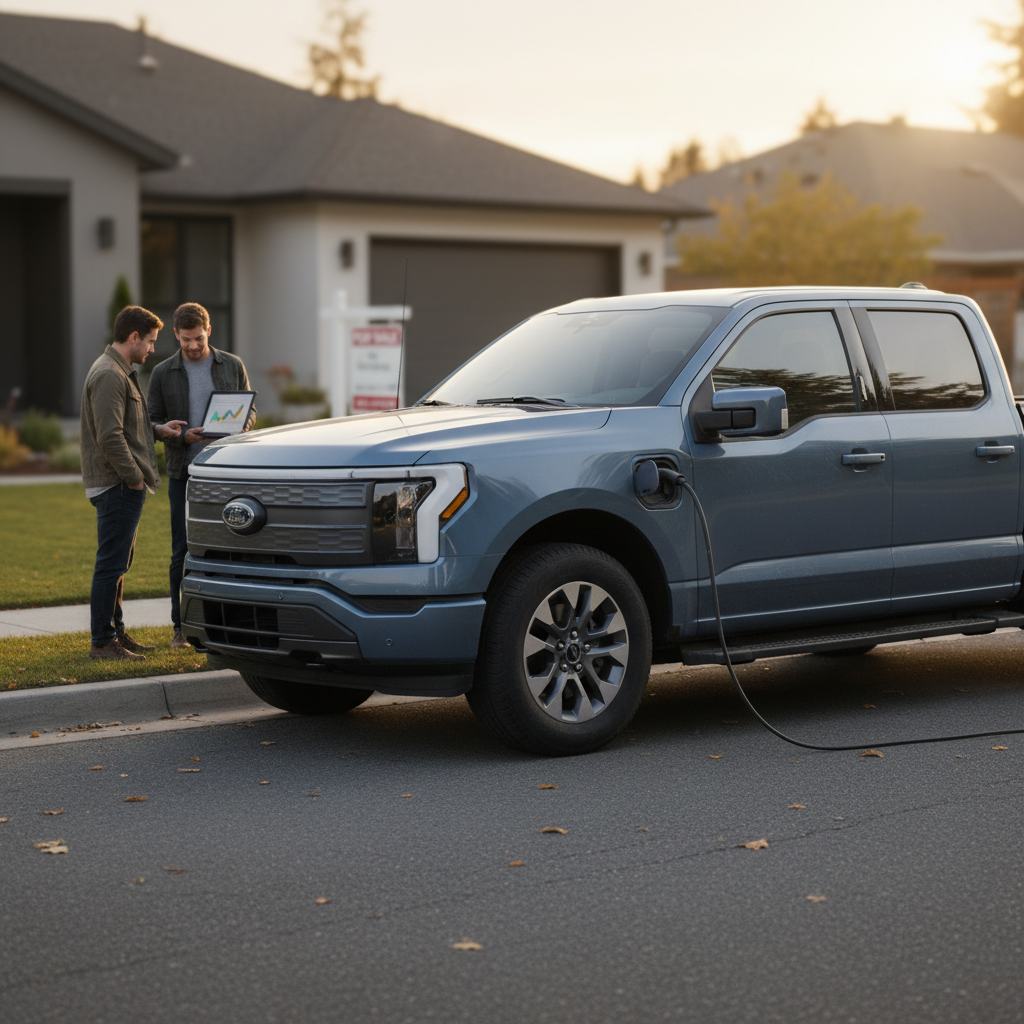
Whether you shop through a traditional dealer or online marketplace, insist on verifiable battery data. With <strong>Recharged</strong>, the Recharged Score gives you clear, third‑party battery diagnostics up front.
4. Review service and charging history
Ask for records: software updates, warranty work, and any high‑voltage repairs. Look for patterns of constant fast‑charging or repeated battery‑related visits that might indicate harder use.
5. Check remaining warranties
Most EVs carry separate warranties for the vehicle and the battery pack. Confirm in writing how many years and miles of coverage you have left on each, and whether it transfers to you.
6. Take a purposeful test drive
Drive at highway speeds, use climate control, and watch how projected range responds. Listen for unusual drivetrain noises and test one‑pedal driving if equipped. If possible, plug in at a Level 2 or DC fast charger to confirm proper charging behavior.
On‑road behavior
- Acceleration and smoothness: Power delivery should be linear and quiet. Hesitation or harsh jolts can hint at inverter or motor issues.
- Regen feel: Regenerative braking should be consistent and predictable in all modes; abrupt changes can indicate software or hardware faults.
- Range prediction: The predicted range shouldn’t plummet dramatically over a short, gentle drive in mild weather.
Charging behavior
- Home‑style charging: If possible, plug into a Level 2 charger for a few minutes. The car should begin charging quickly without fault messages.
- Fast charging curve: For DC fast‑charge capable EVs, ask the seller for a past session screenshot that shows the power level at different states of charge.
- Cables and ports: Inspect for corrosion, bent pins, or DIY modifications at the charge port and included cables.
Red flags that should make you walk away
Warranties, incentives and total cost of ownership
One reason pre owned EVs are gaining traction is that the long‑term math often looks better than for gas cars, especially when you factor in incentives and lower running costs. But you have to understand how warranties and credits work, or you can leave real money on the table.
The three big financial levers
Battery warranty, used‑EV incentives, and running costs.
Battery & EV component warranties
Many EVs carry 8‑year or 100,000‑mile (or more) warranties on the battery and electric drive system. If you’re buying a 3‑year‑old EV with 30,000 miles, you could still have five years of battery coverage. Always verify transferability and any capacity‑loss criteria in the fine print.
Used‑EV tax credits
In the U.S., qualifying pre owned EVs can be eligible for a federal used EV tax credit (often up to $4,000 or 30% of the price, whichever is lower), subject to income and price caps. Many states add their own rebates or HOV lane perks. Ask the retailer to model your eligibility before you decide on a specific car.
Total cost of ownership
Electricity is typically cheaper per mile than gasoline, and EVs have fewer moving parts needing maintenance. Over several years, lower fuel and service spend can offset a slightly higher purchase price, especially if you buy pre owned at a discount versus new.
Illustrative 5‑year cost comparison: pre owned EV vs similar gas car
Example assumes U.S. averages for fuel and electricity costs and typical maintenance patterns. Exact numbers will vary by vehicle and location.
| Category | Pre owned EV | Comparable gas car |
|---|---|---|
| Purchase price | $23,000 | $21,000 |
| Fuel/Energy (5 years) | ≈$5,000 | ≈$9,000 |
| Maintenance/repairs | Lower (fewer fluids, brakes) | Higher (oil changes, more wear parts) |
| Tax incentives | Potentially up to $4,000 used EV credit | Typically none |
| Resale outlook | Improving as EV adoption grows | More sensitive to fuel prices and model demand |
Why a smartly chosen pre owned EV can win on total cost, not just sticker price.
Don’t forget home charging costs
Financing and trade-in options for pre owned EVs
Banks and credit unions now understand EVs far better than they did even a few years ago, and more lenders are comfortable offering competitive pre owned EV financing. The challenge is making sure the terms and valuation reflect the EV’s true condition, especially its battery health.
How Recharged simplifies the money side
From pre‑qualification to trading out of your current car.
Pre‑qualify with no showroom pressure
Through Recharged, you can pre‑qualify for financing online with no impact to your credit score, see estimated payments, and compare vehicles from your couch. Because every car includes a Recharged Score and fair‑market pricing, lenders have a clearer picture of value.
Trade in or sell your current vehicle
If you’re moving from gas to electric, or from one EV to another, Recharged offers trade‑in, instant offer, or consignment options. That means you can line up your sale and purchase together, often with nationwide delivery to your door and no time‑consuming dealership visits.
Ready to find your next EV?
Browse VehiclesOlder EV to newer EV? Mind the technology leap
Who should (and shouldn’t) buy pre owned
Is a pre owned EV right for you?
Great fit for pre owned
You primarily drive predictable daily routes under 60–80 miles.
You have (or can add) home or workplace charging, so fueling is cheap and convenient.
You’re value‑focused and like the idea of letting someone else take the biggest depreciation hit.
You don’t need the very latest model‑year tech as long as the car is well cared for.
Think twice before buying pre owned
You routinely road‑trip in remote areas with sparse fast‑charging coverage.
You’re extremely sensitive to range and want maximum battery capacity for years to come.
You can access aggressive lease deals or manufacturer incentives on new EVs that narrow the price gap.
You’re uncomfortable with any uncertainty around previous charging or ownership habits.
- Urban and suburban commuters often get the most benefit from pre owned EVs, because they can charge at home and rarely stretch the battery.
- Families may prefer slightly newer pre owned crossovers and SUVs to get the latest safety ratings and space efficiency.
- Enthusiasts might target performance‑oriented trims where depreciation makes once‑pricey models surprisingly attainable.
Pre owned EV FAQ
Frequently asked questions about pre owned EVs
Key takeaways before you shop
Pre owned doesn’t have to mean “mystery history.” In today’s EV market, a well‑chosen pre owned electric vehicle can give you modern tech, low running costs, and a smaller environmental footprint at a price that fits a real‑world budget. The key is treating battery health, charging behavior, and warranty coverage as non‑negotiables, not afterthoughts.
If you’d like to skip the guesswork, Recharged was built precisely for this moment. Every vehicle comes with a Recharged Score Report for verified battery health, fair‑market pricing, and guidance from EV specialists who live and breathe this space. You can browse online, pre‑qualify for credit with no impact to your score, trade in your current vehicle, and arrange nationwide delivery, or visit the Recharged Experience Center in Richmond, VA if you prefer to see a car in person.
However you choose to shop, go in with clear range needs, a plan for charging, and insistence on transparent battery data. Do that, and a pre owned EV can be one of the smartest automotive buys you make this decade.