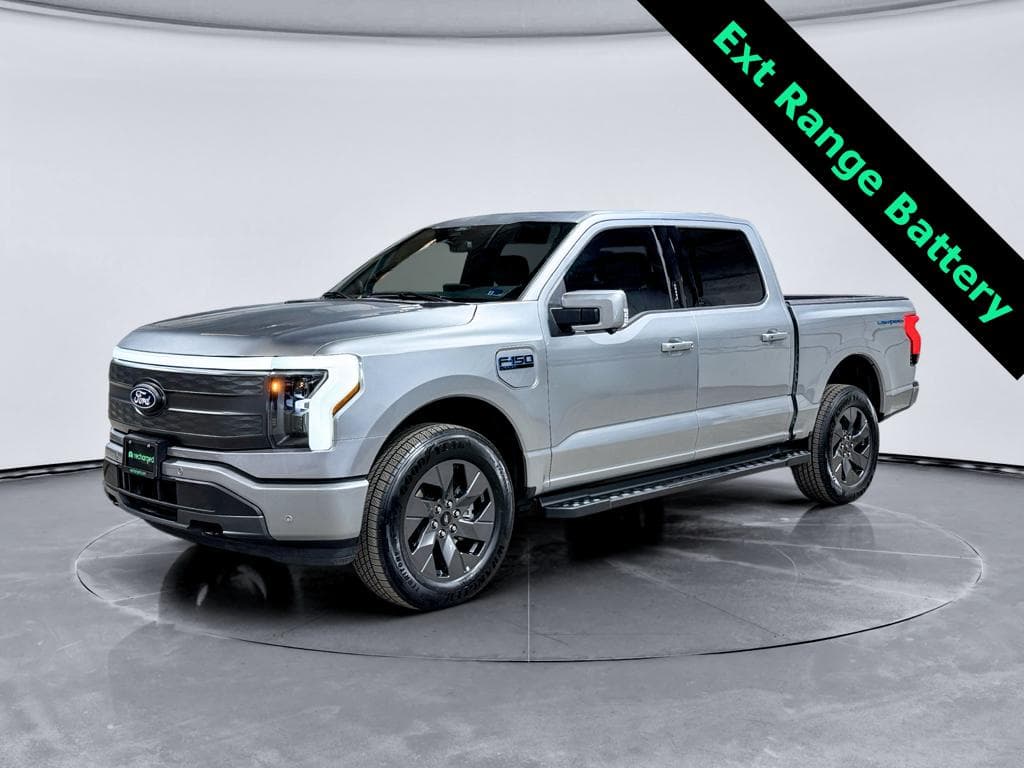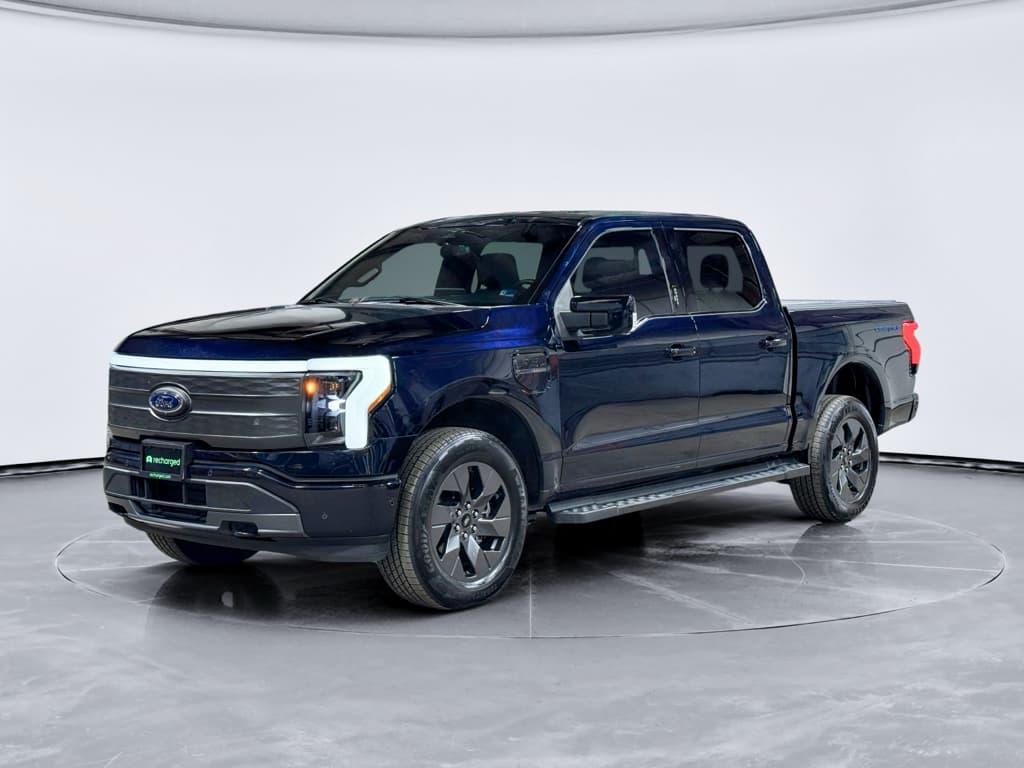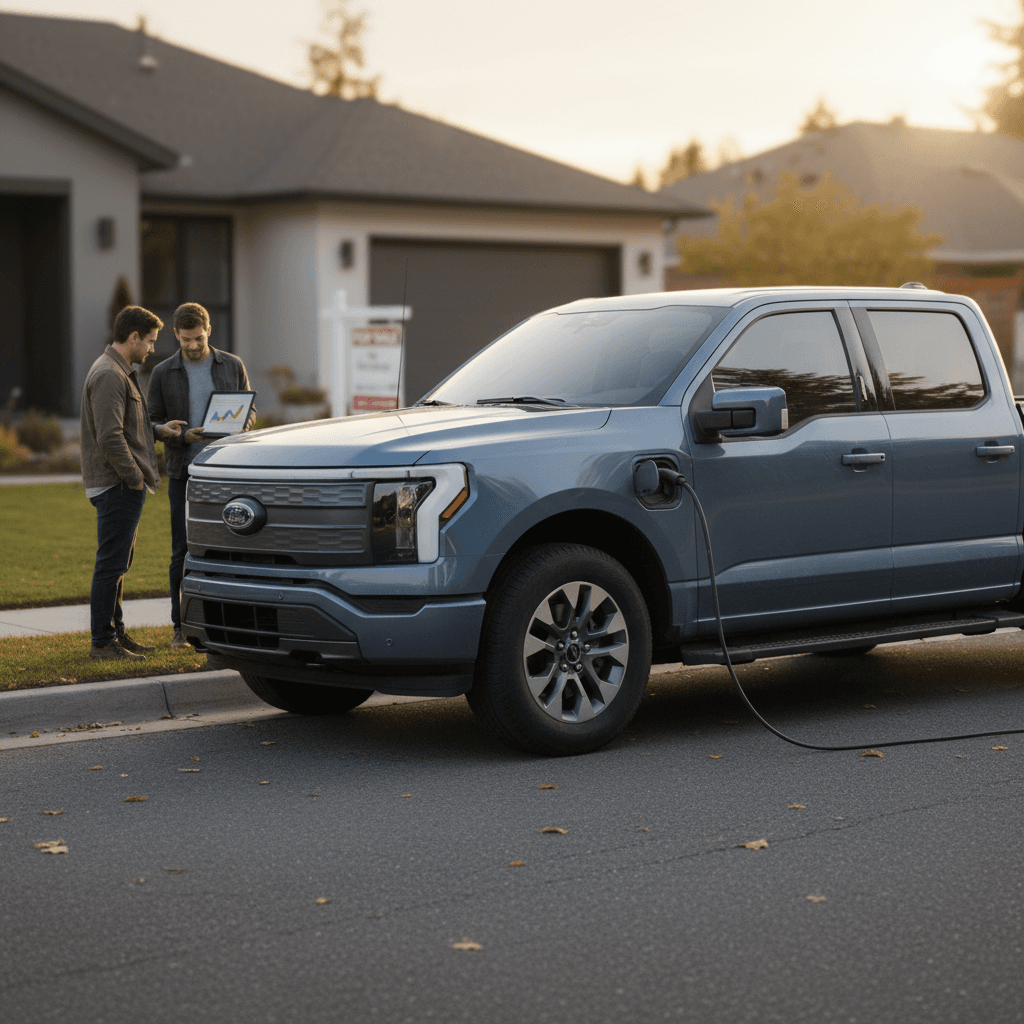
If you’re wondering how to sell a Ford F-150 Lightning in 2026, you’re not alone. Early buyers jumped in when prices were high, Ford has since cut MSRPs, and the company has now announced it’s ending production of the current all‑electric Lightning in favor of a future hybridized version. That combination makes selling your truck feel a little more complicated than selling a regular gas F‑150, but you can still come out ahead if you follow a clear, modern playbook.
The market has shifted under your feet
Why selling a Ford F-150 Lightning feels different in 2026
It’s an EV and a work truck
Your Lightning wears two hats. Buyers are comparing it to gas F‑150s and to other electric trucks and SUVs. They care about towing, payload, and Pro Power Onboard, but they’re also asking about battery health, charging, and winter range.
Ford’s strategy change is in the news
In late 2025 Ford confirmed that production of the current all‑electric F‑150 Lightning will end, with future trucks moving toward hybridized, extended‑range setups. Some buyers will see your truck as a future collectible; others will worry about replacement costs. Your job is to give them facts and confidence.
Ford F-150 Lightning resale snapshot for sellers
Don’t compare to your original sticker
Step 1: Know what your F-150 Lightning is worth
Before you decide how to sell, you need a realistic sense of what your Lightning is actually worth today. That means going beyond one trade‑in quote and looking at live data.
- Check instant valuation tools like Edmunds, KBB, and Carfax using your exact trim, mileage, ZIP code, and options.
- Look up real asking prices for similar Lightnings on major listing sites, filter by model year, trim (Pro, XLT, Flash, Lariat, Platinum), and miles.
- Browse recent sales or price‑reduced listings to see where trucks are actually moving, not just sitting.
- Read recent resale and depreciation guides (including Recharged’s own Lightning resale and trade‑in reports) to understand where your truck sits relative to the broader EV market.
Build a realistic price range, not a single magic number
Step 2: Decide how to sell your Ford F-150 Lightning
There’s no single “right” way to sell a Ford F-150 Lightning. Your best path depends on how quickly you need to move, how comfortable you are with strangers test‑driving a 6,000‑pound electric truck, and how much work you’re willing to do yourself.
Your main F-150 Lightning selling options
Speed, effort, and price all trade off against each other.
1. Dealer trade‑in
Best for: Fast, low‑effort exit when you’re buying another vehicle.
- Simple: roll equity into your next purchase
- Lower price than private sale, but little hassle
- Good if your Lightning has cosmetic flaws or higher miles
2. Private‑party sale
Best for: Maximizing price if you have time and patience.
- Highest potential sale price
- You handle ads, messages, test drives, and paperwork
- Need to explain EV basics and battery health to buyers
3. EV‑focused marketplace (like Recharged)
Best for: Balancing value and convenience with EV‑savvy support.
- Guided pricing using real EV market data
- Battery health diagnostics and transparent reports
- Options for instant offer or consignment‑style listing
Where Recharged fits in
Step 3: Get your F-150 Lightning ready to sell
A Ford F-150 Lightning is a rolling living room, jobsite, and power station. Buyers notice the details. A couple of hours of prep can add hundreds of dollars to what people are willing to pay, and how quickly your truck sells.
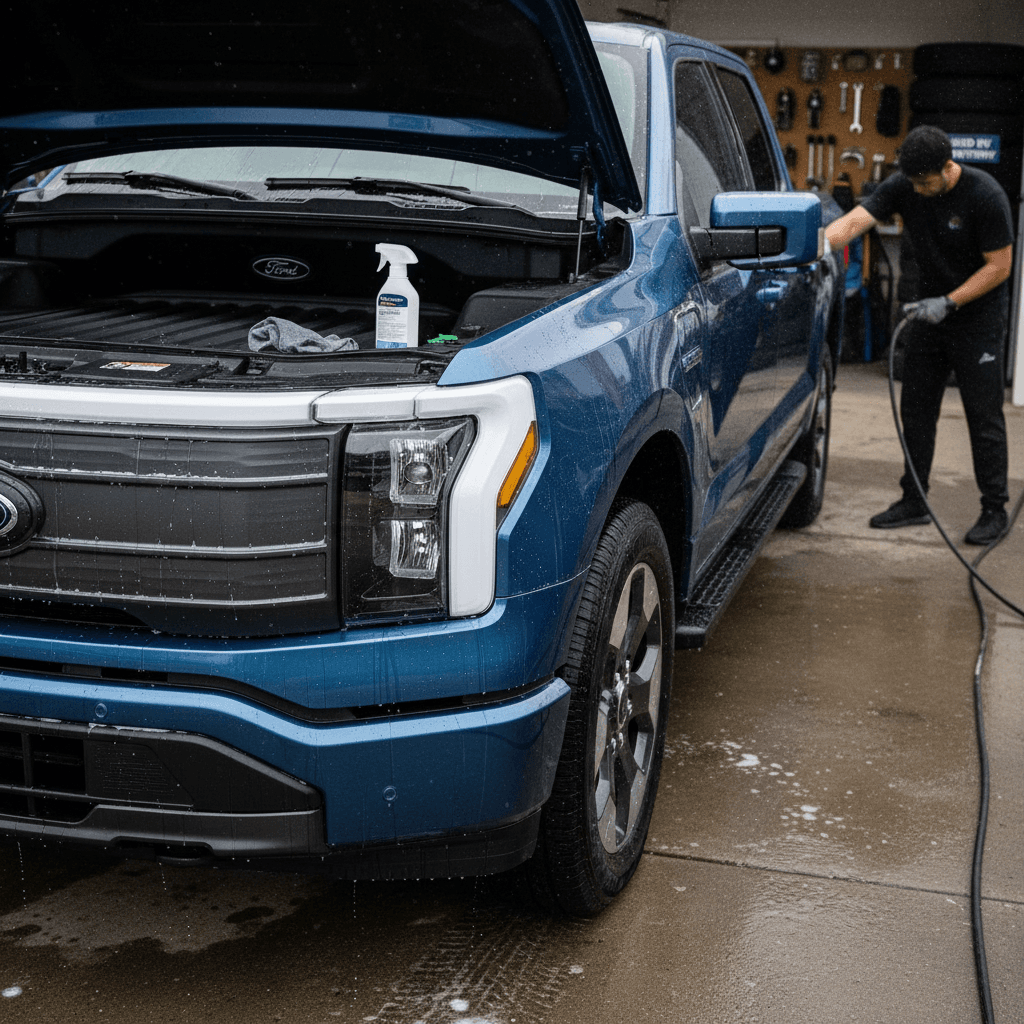
Pre‑sale prep checklist for your Lightning
1. Deep clean inside and out
Vacuum the cabin, wipe down hard surfaces, clean cupholders and storage bins, wash and dry the exterior, and clean the wheels. Don’t forget the frunk and under‑seat storage, EV truck buyers love usable space.
2. Fix inexpensive cosmetic issues
Touch up minor paint chips, replace missing tow hook covers, swap out a damaged floor mat, and remove personal decals if possible. Skip major bodywork unless it’s dramatically hurting value.
3. Gather every key and accessory
Buyers of electric trucks care about details. Round up both key fobs, charging cables, bed accessories, cargo nets, tow hooks, and any Pro Power Onboard adapters that came with the truck.
4. Update software and clear warnings
If your Lightning has outstanding over‑the‑air updates, complete them before listing. Clear any resolved warning messages and be ready to explain any alerts that remain.
5. Top off the battery moderately
Bring the state of charge to around 60–80% for test drives. Buyers like to see realistic range but also that you don’t abuse the pack by sitting at 100% constantly.
6. Collect service and recall records
Print or save PDFs of any recall work, tire rotations, brake service, or warranty repairs. Showing that issues were fixed under warranty builds trust in this first‑generation EV truck.
Be honest about damage or buybacks
Step 4: Prove your Lightning’s battery health
Battery health is where selling a Ford F-150 Lightning stops being like selling any other pickup. A buyer can eyeball a scratched bed or worn tires. They can’t see battery State of Health (SOH), but that number drives value.
What buyers want to know
- Current usable range at 100% charge in your climate
- Battery State of Health (SOH) in % if available
- Charging habits: mostly home Level 2 vs. frequent DC fast charging
- Any high‑voltage repairs, warranty claims, or recalls performed
How to document it
- Capture screenshots of range at common charge levels (80%, 100%)
- Ask your Ford dealer for a high‑voltage battery report or printout
- Consider a third‑party EV battery health diagnostic if available
- Include documentation in your listing photos or as a PDF for serious buyers
Leverage a professional battery health report
Step 5: Set a smart asking price
Once you understand the market and your Lightning’s condition, it’s time to translate that into a price that gets attention without giving money away.
Ford F-150 Lightning pricing strategy examples
How to turn your research into a compelling asking price.
| Scenario | Market Data Snapshot | Suggested Ask | Notes |
|---|---|---|---|
| Low‑mile 2024 Lariat in excellent condition | Dealer trade‑ins around $52K, similar private listings $56–$58K | $57,500 | Price near the top of private‑party range; justify with photos and battery report. |
| 2023 XLT with moderate miles and minor cosmetic wear | Trade‑ins about $45K, private listings $49–$51K | $50,500 | Leave room to negotiate to high $48Ks or low $49Ks. |
| 2022 Pro used for work with higher miles | Auction/trade values in upper $30Ks–low $40Ks | $42,000 | Expect interest from fleet and value buyers; be flexible if battery SOH is strong. |
Adjust for your own trim, miles, options, region, and battery health.
Remember tax credits and rebates in your story
Step 6: Create a listing that speaks to EV and truck buyers
A generic “Loaded! Must see!” description won’t cut it for a Ford F-150 Lightning. You’re selling a tool, a family hauler, and a high‑tech EV all in one. Your listing needs to answer questions from both truck traditionalists and first‑time EV buyers.
What to highlight in your Lightning listing
Think like a contractor, a commuter, and a tech geek at the same time.
Core truck details
- Trim level, bed length, and cab style
- Tow package, payload options, and hitch setup
- Tire condition and any suspension upgrades
EV performance & range
- Battery size and EPA‑rated range
- Typical real‑world range you see
- Home charging setup (Level 2, 120V backup)
Tech & power features
- Pro Power Onboard specs (2.4kW/9.6kW, outlets used)
- BlueCruise or driver‑assist features if equipped
- Bed outlets, onboard scales, zone lighting
Show, don’t just tell
Step 7: Test drives, paperwork, and getting paid
You’ve set the price and built a great listing. Now the real work starts: managing interest, safely offering test drives, and getting the deal over the finish line without surprises.
Safe, smooth private‑party sale steps
1. Screen buyers with a few key questions
Ask how they plan to use the truck, whether they’ve driven an EV before, and if they’re pre‑approved for financing. This weeds out joyriders and tire kickers.
2. Meet in a public, safe location
Choose a well‑lit public area or your bank’s parking lot. For EVs, consider a meet‑up at a DC fast charger so you can demonstrate charging and Pro Power Onboard.
3. Control the test‑drive route
Start behind the wheel to show one‑pedal driving, regenerative braking, and BlueCruise (if equipped). Switch drivers on a pre‑planned loop that includes highway speeds.
4. Bring all necessary documents
Have your title or lien payoff info, registration, driver’s license, maintenance records, and battery or recall reports in a folder. In some states you’ll also need a bill of sale; your DMV website will list exact requirements.
5. Use secure payment methods only
Avoid personal checks or payment apps for large sums. Prefer a cashier’s check verified at the issuing bank, or use a bank‑to‑bank transfer completed while you’re together.
6. Remove your data after the sale
Log out of FordPass, factory‑reset the infotainment system, delete home/work addresses, unpair phones, and remove the truck from any charging network accounts.
Mind your plates and insurance
When it makes sense to use Recharged instead of going solo
Sometimes the perfect buyer is just down the street. Other times you’re staring at a driveway full of truck, a pile of paperwork, and no time to deal with it. That’s where a specialist can change the equation.
How Recharged helps Lightning owners sell smarter
Built around battery health, transparent pricing, and EV‑savvy support.
Recharged Score battery health diagnostics
Every vehicle sold through Recharged includes a Recharged Score Report with verified battery health. For a Ford F-150 Lightning, that means:
- Clear battery SOH metrics instead of vague guesses
- Context on how your pack compares to similar trucks
- Documentation you can share with any serious buyer
Flexible selling options built for EVs
Recharged offers:
- Instant offers if you want to move quickly
- Consignment‑style listings where Recharged handles marketing, buyer questions, and paperwork
- Trade‑in support if you’re moving into another EV, with EV‑specialist advisors to guide the numbers
Ready to find your next EV?
Browse VehiclesNationwide reach, local touch
Ford F-150 Lightning selling FAQ
Frequently asked questions about selling a Ford F-150 Lightning
Key takeaways when selling your F-150 Lightning
Selling a Ford F-150 Lightning in 2026 isn’t as simple as slapping a price on the window and hoping a truck fan wanders by. You’re speaking to a buyer who cares about torque and towing numbers, but who also needs reassurance about battery health, charging, and what Ford’s shifting EV plans mean for long‑term ownership.
- Start with today’s market data, not your original sticker price.
- Decide whether trade‑in, private sale, or an EV marketplace like Recharged best fits your time, risk tolerance, and price goals.
- Prep your Lightning carefully, clean it, fix the cheap stuff, and gather records.
- Document battery health with dealer reports or a Recharged Score so buyers can see what they’re paying for.
- Write a listing that explains both the truck side and the EV side of your Lightning.
- Protect yourself on test drives and payment, and reset the truck’s data once it’s sold.
Do those things, and you turn a potentially confusing sale into a confident hand‑off. And if you’d rather have experts in your corner, from pricing to battery diagnostics to nationwide buyers, Recharged is built to help you sell your F-150 Lightning with the same clarity and transparency you wish you’d had when you bought it.