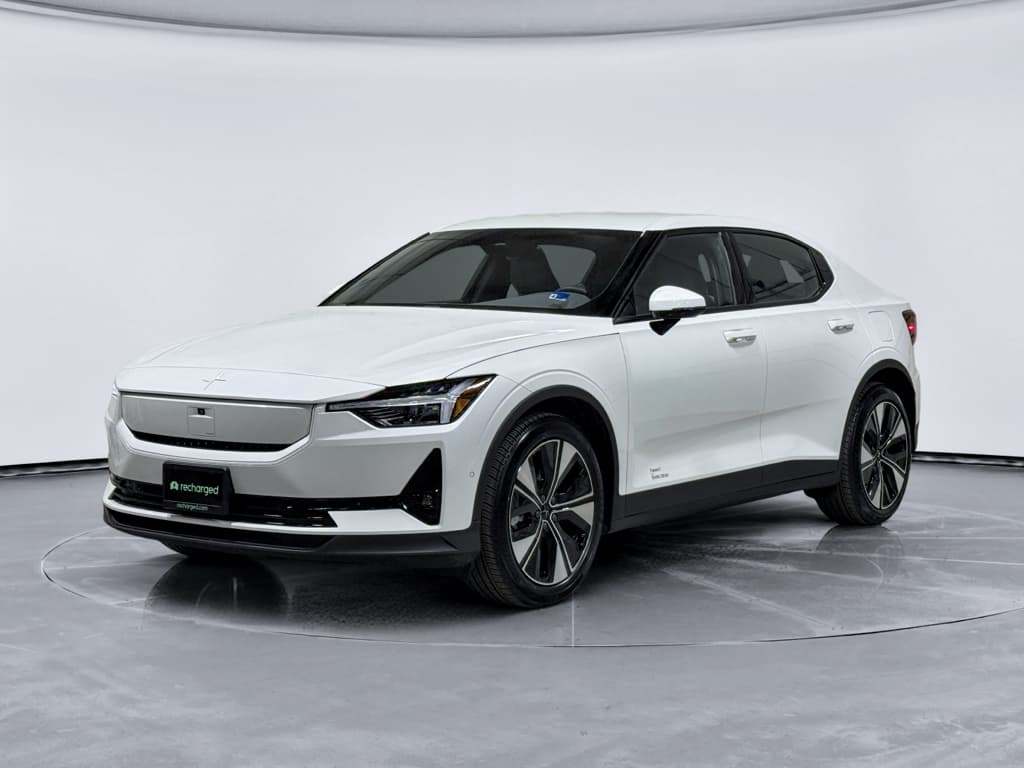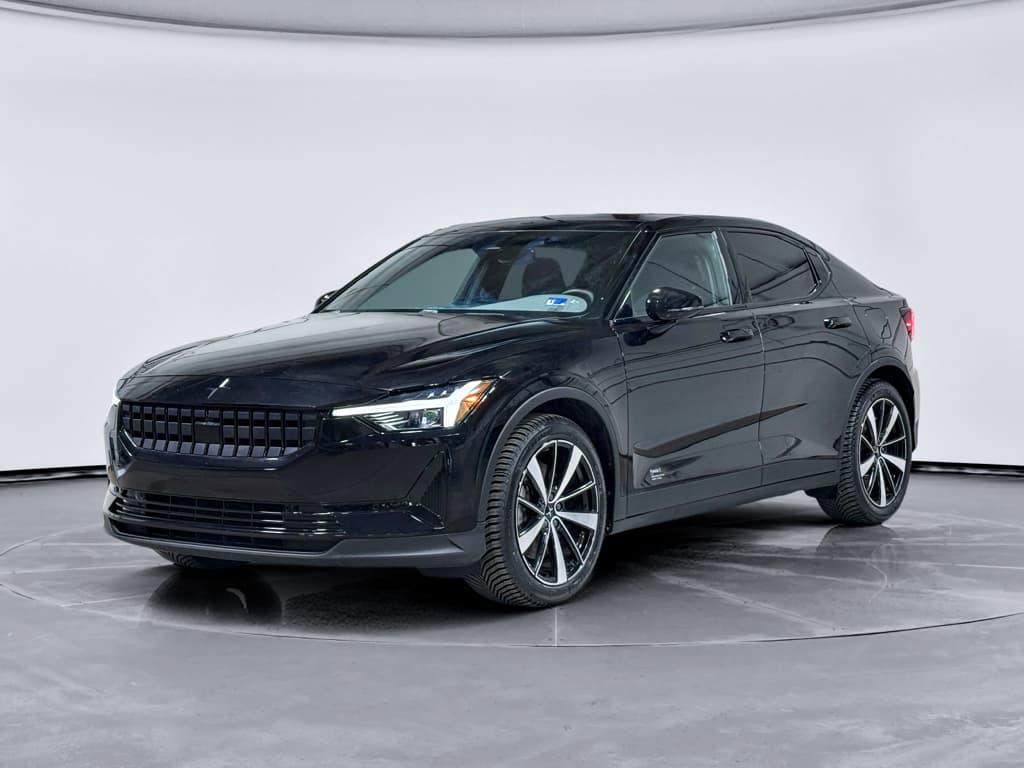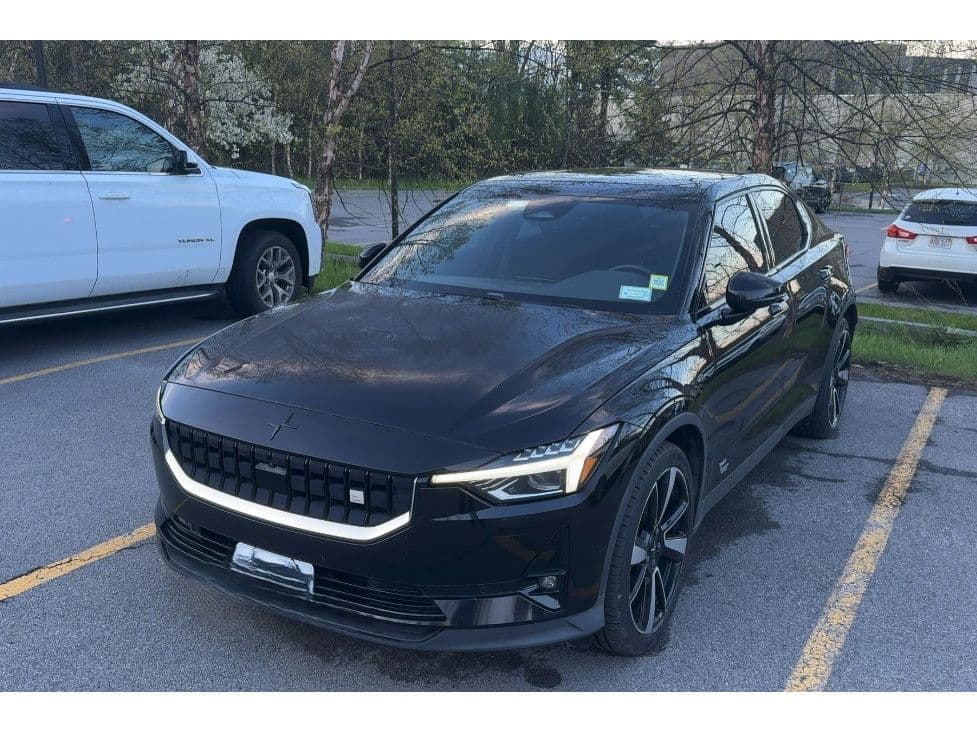
If you live where the weather report includes words like "lake effect," "Nor’easter," or "polar vortex," you’re absolutely right to worry about Polestar 2 winter range loss. The good news: the Polestar 2 is one of the better-behaved EVs in the cold, but you still need to plan around a meaningful drop in range once temperatures hover near freezing and below.
Key takeaway for impatient readers
Polestar 2 winter range loss: the short story
Polestar 2 & winter: quick range stats
The Polestar 2’s official EPA range depends on year, battery, and drivetrain. Across model years, you’ll see EPA ratings from roughly the mid-200s to low-300s miles. In normal winter use, trimming 20–30% off those numbers is a practical planning rule. That means treating a 300‑mile car as a 210–240‑mile car once snow and freezing temps show up, and padding even more for deep cold or highway blasts.
Don’t plan to the last mile
How much range do EVs really lose in winter?
Before we zero in on the Polestar 2, it helps to know where it sits among other EVs. Multiple large real‑world studies in 2024–2025 found that modern EVs typically retain around 80% of their rated range in freezing weather, with models that have efficient heat pumps and good thermal management doing even better. At the other end, some EVs drop closer to 60–65% of their rated range when the mercury dives.
- Across thousands of vehicles, average winter loss around freezing is roughly 20%.
- In more severe cold, short trips with big heater use can push loss into the 30–40% range.
- EVs with well-tuned heat pumps tend to sit at the "only" 15–25% loss end of the spectrum, instead of the worst‑case numbers.
Where Polestar 2 fits
What owners actually see: Polestar 2 in the cold
On paper, charts and percentages are reassuring. Behind the wheel of a Polestar 2 with a cold-soaked battery and a frosty windshield, the story gets personal. That’s why real-world impressions from long‑term testing and owner reports matter just as much as lab data.
Observed range in cold snaps
Independent reviewers who’ve driven the Polestar 2 through Northeast and Nordic winters routinely report that a car with an EPA rating around 270–300 miles will show something like 200–230 miles on a full charge when it’s hovering around freezing, often with the estimator leaning conservative rather than optimistic.
Out on the road, that proves realistic if you’re doing a mix of highway and city driving with sensible heater use.
Trip‑planning reality check
On longer winter trips, drivers often report:
- Planning DC fast‑charge stops every 140–180 miles.
- Seeing the car’s projected range dip faster right after a cold start, then stabilize.
- Feeling most comfortable if arrival charge is kept above 15%, not single digits.
That’s not a flaw in the Polestar 2, it’s simply how EVs behave when they’re spending precious energy to warm the cabin, the battery, and all four corners of the car.
The upside: consistency
Why your Polestar 2 loses range in winter
The Polestar 2 isn’t fragile or flawed because it loses range in January. Gas cars get thirstier in winter too, you just don’t have a big battery percentage readout reminding you of it. Several forces are ganging up on your electrons when it’s cold:
The main culprits behind Polestar 2 winter range loss
Some are physics, some are comfort, all are predictable.
1. Cold slows battery chemistry
Inside your Polestar 2’s lithium‑ion pack, chemical reactions move slower in cold temperatures. That raises internal resistance and temporarily reduces how much usable energy the pack can deliver without stressing itself.
You’ll often see worse range after the car has sat outside all day than on the drive home, once everything’s warmed up.
2. Cabin heat is energy‑hungry
Unlike a gas engine, your Polestar 2 doesn’t have piles of waste heat to repurpose. Making heat takes battery power. Crank the climate control to 75°F with a frosty windshield, and you’re literally trading range for comfort.
The heat pump helps, but it can’t rewrite the laws of thermodynamics.
3. Denser air & thicker fluids
Cold air is denser, so your sleek Swedish hatchback has to push harder through it. Tires stiffen, rolling resistance rises, and lubricants thicken. Each one adds a little drag, and the sum shows up on your range.
4. Short trips are worst‑case
Those back‑to‑back five‑minute errands are a range killer. The car spends energy warming the cabin and battery, then you park and let it all cool off again. You never get to enjoy the efficiency payoff of a warmed‑through drivetrain.
Drive longer, lose less
Heat pump, battery size & specs: what matters most
Not every Polestar 2 is built exactly the same. Over the years, Polestar has tweaked batteries, motors, drivetrains, and, importantly, climate hardware. If you’re trying to predict winter range, or shopping used, a few hardware details matter more than the paint color or wheel design.
Polestar 2 variants & winter range considerations (high level)
Exact specs and EPA ratings vary by model year; this table highlights winter-relevant differences you should pay attention to.
| Variant (example) | Drivetrain | Battery size (usable, approx.) | EPA range (ballpark) | Winter behavior trend |
|---|---|---|---|---|
| Single Motor | FWD or RWD | ~75–79 kWh | ~270–320 mi | Best efficiency; winter loss feels modest if you’re gentle with heat |
| Dual Motor | AWD | ~75–79 kWh | ~250–290 mi | More grip and power; slightly lower efficiency, similar % loss in cold |
| Performance / Larger wheels | AWD | Same pack, bigger wheels/tires | Slightly lower than dual motor | Wider tires & aero loss mean more sensitivity to snow, slush, and speed |
| Cars with heat pump | Any | Same pack | Same EPA rating | Typically 5–10 percentage points better winter retention vs. similar EVs without heat pump |
When comparing used Polestar 2s, focus on battery size, drivetrain, and whether the car has a heat pump and heated features.
Why the heat pump matters
Planning trips with Polestar 2 winter range loss
A Polestar 2 is perfectly capable of winter road trips, but it rewards the same kind of quiet planning you’d do before driving an older gas car across the desert: you check your fuel stops, you watch the weather, and you give yourself options.
Winter trip-planning checklist for Polestar 2 drivers
1. Start with a realistic winter range
Take your car’s EPA range and mentally knock off <strong>20–30%</strong>. That number, often in the 180–230‑mile zone for many Polestar 2 trims, is your planning baseline for freezing conditions.
2. Space fast‑charge stops sensibly
On long highway days in winter, aim to stop every <strong>130–170 miles</strong> rather than trying to run the battery from 100% to 5%. Your charging curve is happiest between roughly 10–80% anyway.
3. Use built‑in route planning
Lean on the car’s built‑in navigation or your preferred app to route through reliable DC fast chargers. In winter, favor stations near food, restrooms, and shelter, you may be there a little longer if the battery is cold.
4. Precondition before fast charging
If your Polestar 2 supports battery preheating when you navigate to a fast charger, use it. A properly warmed pack charges faster and more efficiently, and you’ll spend less time watching snow pile up on the charge cable.
5. Leave a winter buffer
Plan to arrive at chargers and home with at least <strong>10–20% battery</strong>, especially in unfamiliar territory. Snow‑covered roads, detours, and surprise headwinds are facts of winter life.
Watch your speed
10 ways to maximize your Polestar 2’s winter range
You can’t negotiate with physics, but you can work with it. Here are practical, owner‑tested ways to stretch your Polestar 2’s winter legs without driving in a parka and mittens, unless you really want to.
Practical winter range tricks that actually work
Combine several of these and you can claw back a surprising chunk of range.
Precondition while plugged in
Use the app or in‑car scheduler to warm the cabin and battery while the car is still on shore power. That way you step into a toasty cabin and a warm pack without burning through driving range.
Rely on seat & wheel heaters
Heated seats and steering wheel sip energy compared with full‑blast cabin heat. Set the cabin a few degrees cooler and let the local heaters keep you comfortable.
Choose Eco or reduced‑power modes
If your Polestar 2 offers eco‑oriented drive or climate modes, use them. They tone down peak power and aggressive climate use, keeping more energy for actual miles.
Limit short hop errands
Bundle errands so you drive one 20‑mile loop instead of four 5‑mile cold starts. The more time the car spends warmed up, the less range you lose per mile.
Watch your right foot
Smooth, anticipatory driving beats jackrabbit starts. Hard acceleration in cold temps can spike consumption, and the extra speed erases the thrill quickly on a slushy freeway.
Use the warmest parking you have
A closed garage, even if unheated, can keep the battery a few crucial degrees warmer overnight. That alone can shave a noticeable chunk off winter losses.
Keep tires & pressures in check
Cold drops tire pressure. Underinflated winter tires add rolling resistance. Check pressures regularly and run appropriate winter or all‑weather tires for your climate.
Use defrost strategically
Clear the glass thoroughly for safety, then dial the blower and temperature back. Leaving everything on MAX forever is like driving with a hair dryer on full blast.
Update software & learn your data
Polestar tunes thermal and range behavior via software. Install updates promptly, and watch your own energy‑use graphs. Your car will teach you what works in your climate and commute.
Know your "winter commuting range"
Protecting Polestar 2 battery health in cold weather
Range loss and battery wear are related but different problems. Winter temporarily reduces how much of the pack you can comfortably use, while long‑term degradation is about how much total capacity the pack has left after years of charging and discharging. The Polestar 2’s thermal management is there to protect the pack first, even if it sacrifices a bit of winter range to do it.
- Avoid routinely fast charging a stone‑cold battery unless necessary, let the car precondition if it can, or drive a bit before plugging into a high‑power DC charger.
- Day‑to‑day, try to live between 30–80% state of charge if your lifestyle allows; use 90–100% only when you truly need the extra range on winter road trips.
- If you’re leaving the car parked for several days in winter, set it to end up around 50–70% charge and, if possible, keep it connected so the car can manage its own pack temperature.
- Don’t stress about occasional deep discharges or cold‑weather fast charges, the car’s software is designed to protect itself, but do treat those as exceptions, not the daily groove.
How Recharged helps on the used side
Shopping used? Winter range questions to ask about a Polestar 2
If you’re eyeing a used Polestar 2 in, say, Minnesota, Colorado, or coastal New England, you’re not just buying a car, you’re buying a winter tool. Treat it that way and you’ll be much happier in January than the shopper who only compared 0–60 times.
Used Polestar 2 winter-readiness checklist
Ask about battery health, not just mileage
Two cars with the same odometer reading can have different battery histories. Look for a <strong>third‑party battery health report</strong>, or a Recharged Score if you’re buying through Recharged, so you know how much capacity you actually have to work with.
Confirm heat pump & cold‑weather package
Not every configuration includes a heat pump or full cold‑weather kit. Verify you’ve got the features you care about: <strong>heat pump, heated seats (front and rear), heated wheel, heated washer nozzles</strong> if available.
Check wheel and tire setup
Low‑profile performance tires on big wheels look great in photos and feel far less charming on black ice. Find out if the car has a dedicated <strong>winter wheel‑and‑tire set</strong> or budget for one.
Review past charging habits
Ask the seller (or dealer) how the car was charged. A car that mostly lived on Level 2 at home with occasional fast charging is the ideal; nonstop DC fast charging every day is not a deal‑breaker, but worth factoring into price and expectations.
Test‑drive in realistic conditions when possible
If it’s winter where you are, pay attention to how quickly the cabin warms, how predictable the range estimator feels on your test drive, and whether snow and slush change how confident you feel behind the wheel.
Where Recharged fits in
Ready to find your next EV?
Browse VehiclesFAQ: Polestar 2 winter range loss
Common questions about Polestar 2 winter range
Bottom line: Is the Polestar 2 a good winter EV?
If you line up the current crop of electric crossovers and fastbacks for a January test, the Polestar 2 lands on the "quietly competent" end of the spectrum. It still pays a winter tax of 20–30% range loss in normal freezing weather, more in serious cold, but it does so predictably, with a conservative range estimator and efficient climate hardware that rewards drivers who use its tools well.
If you’re shopping used, especially in snow‑belt states, focus on the specific trim, battery health, heat‑pump and cold‑weather options, and the kind of driving you actually do all winter. With that homework done, and a verified battery report like the Recharged Score in your back pocket, a Polestar 2 can be an outstanding all‑weather EV that shrugs off winter in a way early electric pioneers could only dream about.