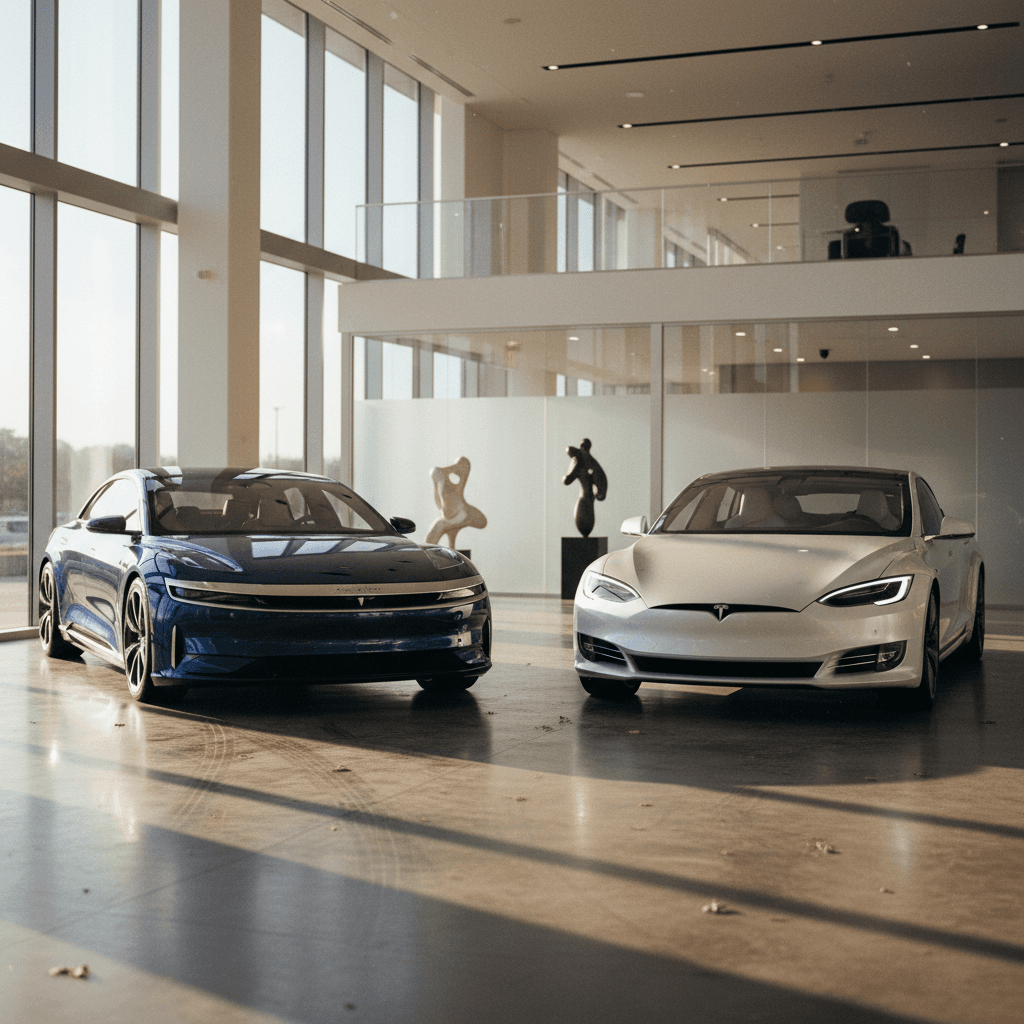
You shop for a used Porsche Taycan vs Tesla Model S the way you browse Netflix: head says “efficiency,” heart says “thriller.” Both are quick, both are electric luxury flagships, both have rabid fan bases. But on the used market, they feel like very different bets, and the differences matter more than they did new.
Two philosophies, same mission
Why this comparison matters for used buyers
New, a Taycan and a Model S occupy similar price territory. Used, the picture gets far more interesting. Depreciation, battery health, software support, and charging access can swing total cost of ownership by tens of thousands of dollars over a few years. If you’re cross-shopping a used Taycan and Model S today, you’re really asking: do I want the better car, or the better appliance, and how much am I willing to trade between the two?
Taycan vs Model S at a glance (recent model years)
Quick take: used Taycan vs Model S
Which used luxury EV fits you?
A brutally honest snapshot for shoppers
Used Tesla Model S – the rational pick
- Best for: Long commutes, road‑trip warriors, people in charger‑sparse regions.
- Why you’ll love it: Big range, huge Supercharger network, cavernous hatchback, over‑the‑air updates keep it feeling modern.
- Why you might not: Cabin and build feel more mass‑market, reliability history is mixed, and earlier cars can feel dated and creaky.
Used Porsche Taycan – the enthusiast’s choice
- Best for: Drivers who care how a car feels in their hands more than they care about hyper‑miling.
- Why you’ll love it: Superb steering, braking, and body control; rich interior; ultra‑fast DC charging on 800‑V hardware.
- Why you might not: Less range, especially on earlier model years; higher insurance and maintenance; charging network isn’t Tesla‑easy.
Used‑buyer pro tip
Driving experience and comfort
Porsche Taycan: “proper car” energy
The Taycan drives like Porsche built an EV first and a luxury sedan second. Steering is precise and communicative, the brake pedal is firm and natural, and body control is sports‑sedan tight even on the heavier trims. With the 2‑speed rear gearbox, the Taycan pulls hard off the line but also surges in the 50–80 mph band like a dedicated performance machine.
Cabin quality is high: solid switchgear, supportive seats, and a driving position that actually fits human beings who love corners. It feels like something you’d still admire ten years from now.
Tesla Model S: the fast tech pod
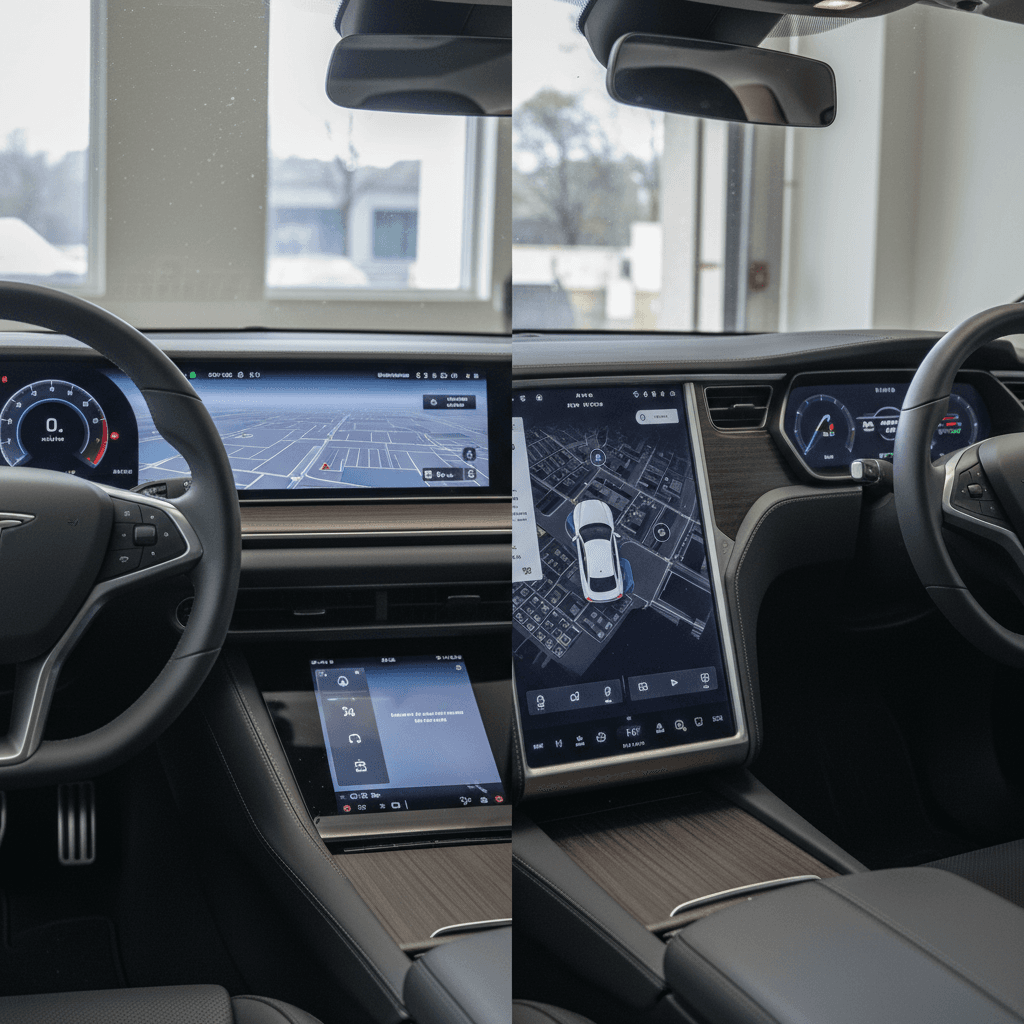
The Model S is a different kind of impressive. Acceleration, especially in Performance or Plaid variants, is sci‑fi brutal. Steering is quick but light, and the car prioritizes effortless speed and quiet cruising over nuanced road feel.
The interior is modernist: big screen, few buttons, lots of glass. Materials and assembly on older cars can be inconsistent compared with Porsche, but the S is roomier, with more rear legroom and a true hatchback opening, making it the better family and cargo hauler.
Comfort reality check
Range and real-world usability
On paper, this round isn’t close. The Model S simply goes farther on a charge, especially in Long Range form. But it’s worth breaking that down by era, because used shoppers see a wide mix of model years.
Typical range expectations for popular used years
Approximate EPA ranges; exact numbers depend on trim, wheels, and battery.
| Model / Era | Approx. EPA range (mi) | Real-world highway feel | Notes for used buyers |
|---|---|---|---|
| Model S (2017–2020 Long Range) | ~335–370 | Close to rated if driven moderately | Strong range, now very attainable on the used market. |
| Model S (2021+ Long Range) | ~390–405+ | Still impressive even at 75–80 mph | Among the longest‑range EVs you can buy used. |
| Taycan (2020–2022 base / 4S) | ~200–240 | Often exceeds ratings slightly | Early cars are underrated by EPA but still shorter‑legged than Model S. |
| Taycan (2024+ updated cars) | ~260–300+ depending on pack | Much improved; can approach 300+ in lighter trims | You’ll see more of these trickling into the used market over the next few years. |
Use this as a directional guide, always check the specific VIN and wheel package.
Beware “range by reputation”
- If you routinely drive under 80 miles a day and have home charging, either car is excessive, in a good way.
- If you do 200–300‑mile same‑day loops, the Model S gives you more buffer and fewer stops.
- If you plan to keep another gas car for road trips, range becomes less critical; the Taycan’s shorter legs might not bother you at all.
Charging experience on road trips
This is where the two philosophies collide head‑on: Tesla owns the network, Porsche owns the hardware. The Model S leans on the ubiquity and simplicity of Superchargers. The Taycan leans on ultra‑fast 800‑V charging that can refill its smaller pack astonishingly quickly, if you can find a station that lets it stretch its legs.
Charging: network vs speed
What matters more for you: where, or how fast?
Tesla Model S – charging network king
- Access to a dense Supercharger network that just works: plug in, walk away.
- Many sites offer covered stalls, lighting, and predictable locations along major corridors.
- Some older S owners have lifetime free Supercharging; others pay per kWh or minute depending on region.
- Recent policy changes are opening parts of the Supercharger network to non‑Teslas, but Teslas still get the most seamless experience.
Porsche Taycan – ultra-fast charging sprinter
- 800‑V architecture and newer packs can accept up to ~270–320 kW on DC fast chargers under ideal conditions.
- In practice, a Taycan on a good high‑power charger can go from low state‑of‑charge to ~80% astonishingly quickly.
- Uses CCS public networks (Electrify America, EVgo, etc.), which vary more in reliability by station and region.
- Planning is essential: know where the high‑power stalls actually work on your routes.
Trip‑planning advice
Reliability, battery health and warranty
Both cars are complex, powerful EVs, and neither is a Camry. Age and mileage matter more here than brand loyalty threads on the internet.
Tesla Model S (used)
- Early cars (2012–2016) can have a laundry list of issues: MCU screen failures, drive unit replacements, suspension wear, and door‑handle mechanisms. Many were fixed under warranty, but used shoppers must verify.
- Battery health is generally decent, but high‑mileage cars fast‑charged often can show noticeable degradation and slower charging rates.
- Good news: the EV drivetrain itself is simple, no oil, no exhaust, no traditional transmission, and plenty of independent shops now understand Teslas.
Porsche Taycan (used)
- Still a newer product line, so there are fewer very‑high‑mileage examples. Early build‑quality is generally solid; the issues tend to be software, 12‑V systems and charging quirks rather than fundamental drivetrain failures.
- Porsche has a reputation for conservative engineering. Combined with their cautious EPA ratings, Taycan battery packs so far look robust in typical use.
- Repairs outside warranty can be eye‑watering; parts and labor rates are firmly in German‑luxury territory.
Never skip a battery health report
Every used EV listed with Recharged includes a Recharged Score Report with verified battery health, charging behavior and thermal performance, so you’re not gambling on the most expensive component in the car.
Depreciation and used pricing
Both cars suffer significant first‑owner depreciation, good news for you, the second or third owner. But they fall in different ways.
How each car loses value over time
Understanding where the bargains, and the traps, are
Tesla Model S
- Older Model S cars, especially pre‑refresh interiors, have fallen hard in price as Model 3 and Y took over the sales charts.
- This means you can find relatively cheap, older S examples, but they’ll also be older tech, older batteries, and older build standards.
- Later Plaid and Long Range cars hold value better thanks to performance and range, but still depreciate faster than equivalent Porsches when new.
Porsche Taycan
- Taycans started extremely expensive when new, so percentage depreciation is steep, but absolute prices remain higher than many used Model S examples of similar age.
- Cross Turismo and high‑spec Turbo/Turbo S models can be relative bargains used compared with their eye‑watering MSRPs.
- Because the Taycan is newer in the market, you’ll find fewer truly cheap, high‑mile examples, for now.
Sweet‑spot strategy
Ownership costs: insurance, servicing and repairs
Running costs for both cars are dramatically lower than equivalent gas sedans when it comes to fuel and routine maintenance, but this is still the top shelf of the EV cabinet.
Cost factors to compare before you buy
Insurance premiums
The Taycan is generally more expensive to insure than a similar‑year Model S thanks to higher parts and labor costs and Porsche’s premium positioning. Get real quotes for your ZIP and driving history before you decide.
Routine maintenance
Neither car needs oil changes, but both need tires (often expensive, staggered fitments), brake fluid flushes, cabin filters, and alignment. Porsche dealer labor rates tend to be higher than Tesla service center rates.
Out-of-warranty repairs
A failed air‑suspension component or onboard charger is going to cost more on a Taycan, and Porsche has fewer independent EV specialists than Tesla, at least for now.
Software and connectivity
Tesla leans heavily on over‑the‑air fixes and feature updates; many come automatically. Porsche updates are more conservative and may require dealer visits, but they’re less likely to radically change your UI overnight.
Charging costs
Home charging costs will be similar per kWh. Public fast‑charging prices vary by network. Some used Teslas still enjoy legacy free Supercharging; verify this carefully, as entitlements sometimes don’t transfer to new owners.
Tech, driver assistance and infotainment
Tesla built its reputation on being a rolling software demo. Porsche built its reputation on not annoying you with gimmicks. On the used market, you’ll feel that difference every time you sit in the car.
Model S: the software car
- Large central touchscreen with frequent UI changes and new features over time.
- Advanced driver assists (Autopilot, optional Enhanced/FSD packages) that some owners lean on heavily; capabilities vary widely by year and optioning.
- Native integration with Tesla’s ecosystem: trip planning, energy use, and charging are all tightly woven into the UI.
Taycan: the analog‑digital hybrid
- Multiple screens, but more traditional instrument cluster feel and physical controls where they matter most.
- Driver‑assist systems are capable but tend to feel less intrusive and less headline‑grabbing than Tesla’s.
- Infotainment is more in line with other German luxury brands: solid, but not always as slick or updatable as Tesla’s interface.
Connectivity reality for used buyers
Which used variants make the most sense?
Smart used trims to target
Balancing price, performance and long-term livability
Porsche Taycan (RWD / 4S)
- The base rear‑drive Taycan and Taycan 4S are the sweet spots for most buyers.
- Plenty of performance, better efficiency than higher‑power trims, and less expensive brakes and tires.
- If budget allows, look for cars with the larger battery pack for extra range headroom.
Tesla Model S Long Range
- Combines big range with more reasonable pricing than Plaid.
- Ideal for people who do frequent highway trips and want fewer charging stops.
- Avoid very early high‑mile cars unless they’re priced to reflect pending repairs.
Performance and Plaid wildcards
- Taycan Turbo / Turbo S and Model S Plaid are astonishing, but they come with higher costs: insurance, tires, and potential track‑day temptations.
- If you don’t need supercar acceleration every day, you’ll save money and stress by sticking with the “merely” quick trims.
How Recharged helps you shop smarter for either EV
Shopping for a used Porsche Taycan vs Tesla Model S isn’t just about falling in love with a spec sheet. It’s about knowing exactly what you’re getting from a battery, charging, and cost‑of‑ownership perspective before you wire a life‑changing amount of money.
- Every car on Recharged comes with a Recharged Score Report that includes verified battery health, charging history patterns where available, and fair‑market pricing analysis.
- You can trade in your current car, get an instant offer, or even consign a vehicle through Recharged if you’re moving out of (or into) a Taycan or Model S.
- Recharged offers financing and nationwide delivery, so you can shop for the right spec instead of the closest one.
- If you’re near Richmond, VA, you can visit the Recharged Experience Center and get hands‑on time and EV‑specialist guidance before you commit.
What our specialists actually do for you
Ready to find your next EV?
Browse VehiclesFAQ: used Porsche Taycan vs Tesla Model S
Frequently asked questions
Bottom line: which used EV should you buy?
If your life is built around distance, suburban sprawl, frequent interstate runs, or a lack of dependable public charging, the used Tesla Model S is still the more rational move. It goes farther, plugs into a friendlier network, swallows more cargo, and stays surprisingly modern thanks to software. You’ll forgive its interior compromises every time you skip a charging stop.
If your life is built around how a car feels, if you drive for pleasure as much as for transportation, the used Porsche Taycan will make your heart sing in ways no spreadsheet can capture. You trade range for steering feel, charge‑curve brutality, and a cockpit that feels purpose‑built rather than software‑defined.
The good news is that you don’t have to guess. With a Recharged Score Report, expert EV‑specialist guidance, trade‑in and financing options, and nationwide delivery, Recharged lets you compare specific Taycan and Model S candidates side by side, battery health, range reality, and total cost of ownership included, so the car you fall for is also the car that actually fits your life.