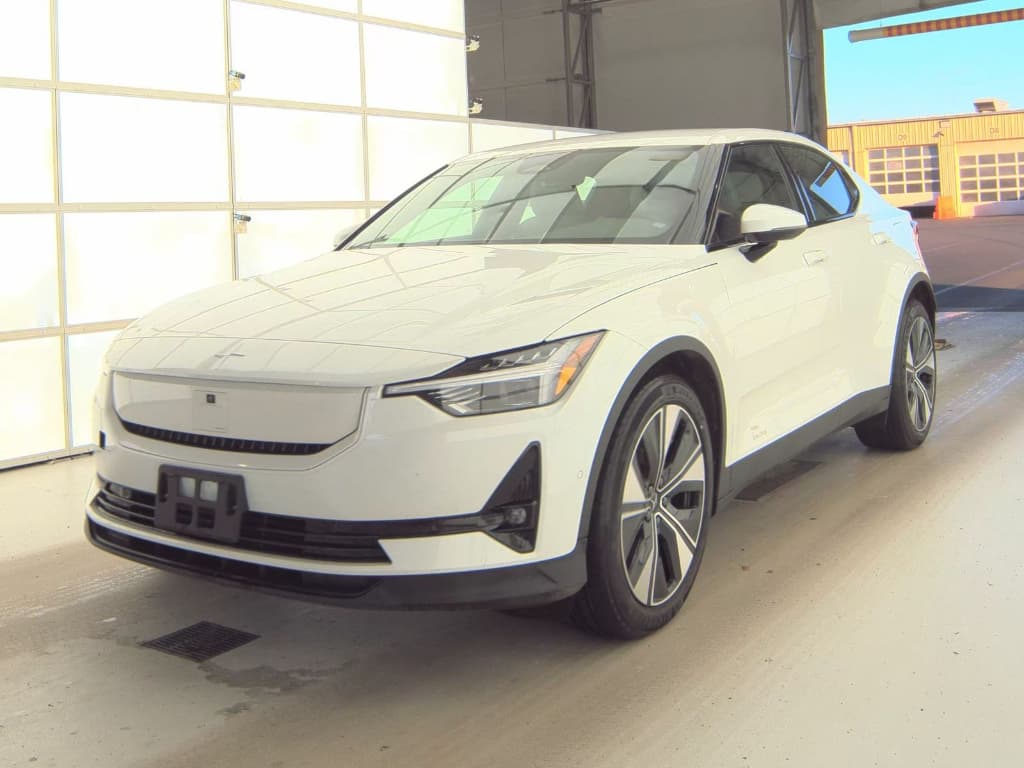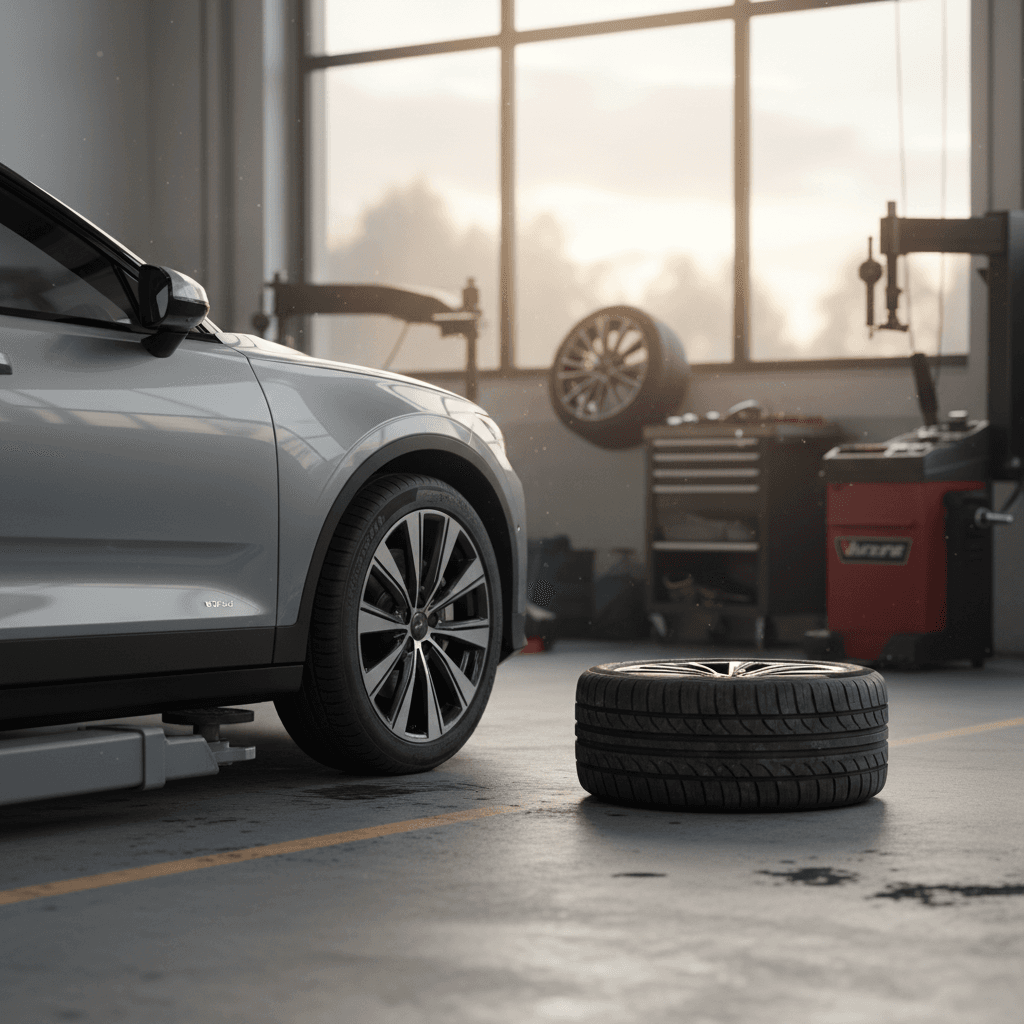
If you’re pricing out a Polestar 2 tire replacement cost, you’ve already discovered one of the truths of EV ownership: tires are a much bigger line item than oil changes. The Polestar 2 is quick, heavy, and often equipped with 19–20 inch performance rubber, all of which can make tire bills sting if you’re not prepared.
Quick cost snapshot
Polestar 2 tire replacement cost overview
Polestar doesn’t publish a fixed tire price, because what you pay depends on wheel size, tire brand, and where you buy. But we can bracket realistic U.S. pricing based on current EV tire market data and real owner reports:
- Per tire (19" all-season, quality brand): roughly $220–$280 before install
- Per tire (20" performance/all-season): roughly $260–$340 before install
- Mount, balance, disposal: usually $25–$40 per tire
- Four‑wheel alignment (often needed on EVs): $120–$220 at most shops
Add that up and a typical full tire job (4 tires, install, taxes, alignment) on a Polestar 2 in 2025 often lands around $1,000–$1,600, with 19‑inch wheels at the lower end and 20‑inch Performance setups at the upper end.
Why EV tires cost more
Polestar 2 tire sizes, types, and what they mean for cost
Before you can estimate cost, you need to know which tires your Polestar 2 actually wears. Polestar specifies staggered wheels, narrower front, wider rear, but the tire size is the same on all four corners for most trims.
Common Polestar 2 wheel and tire sizes
Factory wheel and tire combinations you’ll typically see on U.S. Polestar 2 models.
| Package / trim | Wheel size | Typical OEM tire size | Tire type examples |
|---|---|---|---|
| Standard (many U.S. cars) | 19" alloy | 245/45R19 XL | Michelin Primacy 4, Continental PremiumContact 6 |
| Optional sport wheel | 20" alloy | 245/40R20 XL | Continental PremiumContact 6, Michelin Pilot Sport EV |
| Performance Pack | 20" forged alloy | 245/40R20 XL | Continental SportContact 6 or similar UHP |
Always confirm the tire size printed on your sidewall before ordering replacements.
The main things that drive price are diameter (19" vs 20"), performance level (touring vs ultra‑high‑performance), and special EV features like acoustic foam or Polestar‑specific tuning.
How to quickly check your tire size
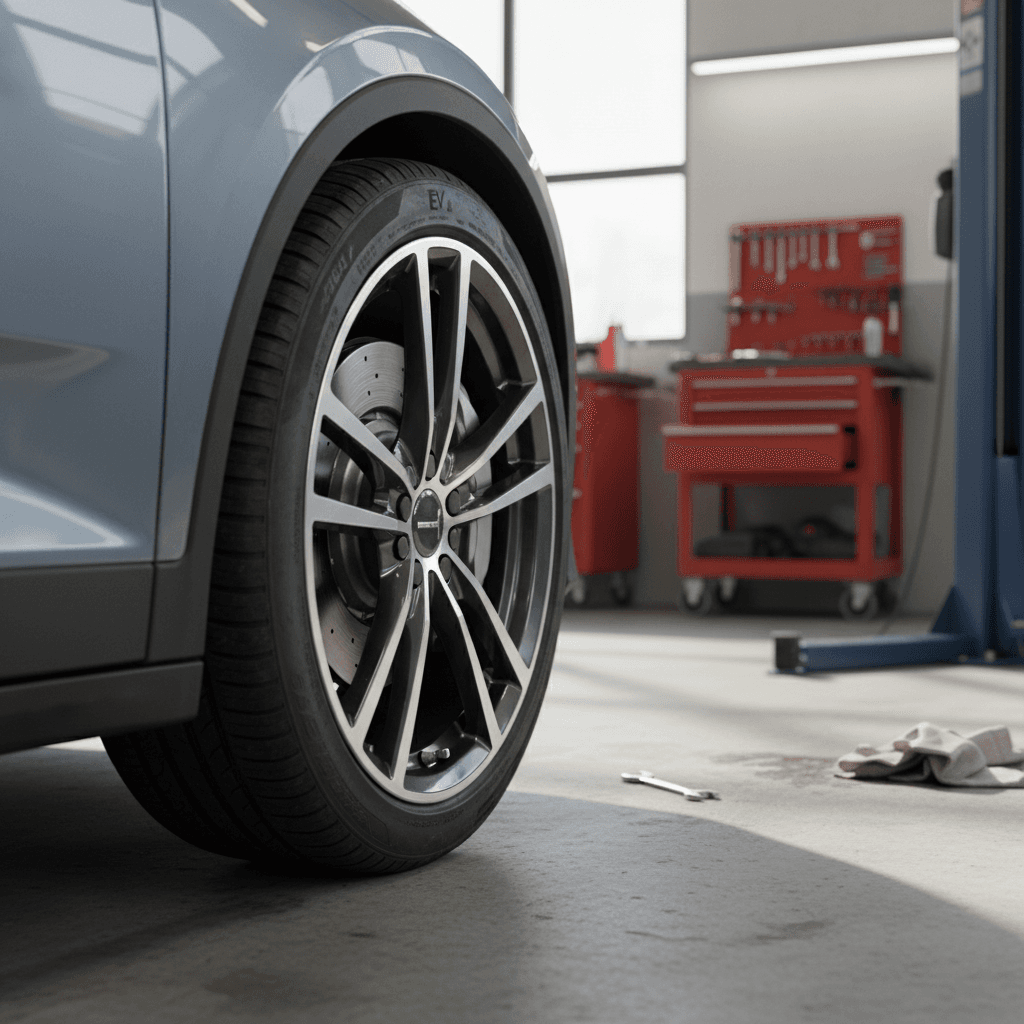
How much are Polestar 2 tires in 2025?
Typical U.S. Polestar 2 tire costs (per axle / set)
U.S. retail listings for 245/45R19 and 245/40R20 EV‑rated tires from brands like Michelin, Continental, and Pirelli commonly fall between $220 and $340 per tire before installation. That is right in line with what Polestar 2 owners are seeing when they price replacements at big tire chains or online retailers.
Real owner examples
Full set vs. single tire: what you’ll actually pay
In theory you can replace just one damaged tire. On a dual‑motor EV like the Polestar 2, though, that’s often a bad idea unless the other three tires are nearly new. Mismatched tread depth can stress the driveline and impact stability and traction-control systems.
When to replace 1, 2, or 4 Polestar 2 tires
Balancing cost, safety, and EV driveline health
Single tire only
Best when:
- One tire is damaged
- Other three are nearly new
- Shop can shave tread to match
Ballpark: Tire price + $40–$80.
Pair on one axle
Best when:
- Front or rear tires are worn
- Other axle still healthy
- Tread depth difference is modest
Ballpark: $520–$640 installed for two.
Full set of four
Best when:
- Tread is low on all corners
- Near 25–40k miles of use
- You want even handling and range
Ballpark: $900–$1,600 installed + alignment.
Avoid mixing random tire models
OEM vs aftermarket Polestar 2 tires
From the factory, the Polestar 2 uses EV‑oriented tires from Michelin and Continental in most markets, and Polestar’s manual strongly recommends using approved Polestar tires. In the real world, plenty of owners switch to mainstream aftermarket options once the original rubber wears out.
Sticking with OEM‑type tires
- Pros: Tuned for the Polestar 2’s weight, braking, and ride; may have lower road noise; preserves original feel.
- Cons: Often more expensive and sometimes hard to source in Polestar‑specific variants; dealer pricing can be steep.
Choosing aftermarket equivalents
- Pros: Wider selection of brands and tread patterns; discount retailers often undercut dealer pricing by hundreds of dollars on a full set.
- Cons: You must match load rating, speed rating, and size correctly; some non‑EV tires may be noisier or reduce range slightly.
What matters more than the Polestar logo
How long do Polestar 2 tires last?
Tire life on a Polestar 2 is one of those "it depends" topics. Polestar’s own maintenance guidance assumes a first major tire change somewhere in the 30,000–50,000 mile window for typical drivers, but owners who drive hard or run 20" Performance tires can burn through rubber more quickly.
Biggest factors that impact Polestar 2 tire life
Driving style and acceleration
Frequent launches, heavy regen, and aggressive cornering scrub tread off much faster than gentle commuting. The Polestar 2’s instant torque makes this easy to underestimate.
Wheel size and tire type
All else equal, <strong>20" performance tires</strong> tend to wear faster than 19" touring or all‑season tires. Wider, stickier rubber equals shorter life and higher replacement cost.
Alignment and tire rotation
A slightly out‑of‑spec alignment or skipped rotations can knock <strong>5,000–10,000 miles</strong> off a set of tires. EVs are heavy enough that small misalignments show up quickly in shoulder wear.
Road conditions and climate
Rough pavement, potholes, and repeated freezing/thaw cycles are hard on any tire. In snow‑belt states, running dedicated winter tires protects your pricier summer/all‑season set.
Load and tire pressure
Consistently running at or near maximum payload, or under‑inflated, generates excess heat and accelerates wear. Follow the pressure chart on your door jamb, not the number on the sidewall.
A reasonable expectation
7 ways to reduce Polestar 2 tire costs
You can’t change the Polestar 2’s weight or torque, but you can absolutely influence how often you’re paying four‑figure tire bills. Here are practical ways to stretch tread life and lower long‑term cost per mile.
- Rotate tires every 6,000–8,000 miles. This evens out front‑to‑rear wear and keeps you in the “replace 4 at once” zone rather than chasing individual corners.
- Get an alignment anytime you notice uneven wear or after big pothole hits. The $150–$200 you spend on a four‑wheel alignment can easily save a set of prematurely worn tires.
- Run the recommended pressures, not "whatever feels good." Polestar and tire makers publish specific front/rear PSI targets, follow those, and check monthly.
- Consider 19" wheels if you’re still shopping for a car. On a Polestar 2, 19" tires are generally cheaper and wear a bit longer than 20" Performance setups while still looking and driving well.
- Don’t cheap out on ultra‑budget brands. Tires that flat‑spot, get noisy, or wear out in 15,000 miles aren’t truly cheaper than reputable mid‑tier options that go the distance.
- Shop around, and separate tire pricing from alignment. Compare quotes from dealer, independent EV shops, and national chains. Make sure you know what’s included so a simple flat repair doesn’t secretly turn into a $750 "tire and alignment" bill.
- Use seasonal setups if you face real winters. A dedicated winter set keeps your pricey OEM or summer tires from grinding away on cold, abrasive roads. Over 5–6 years of ownership, that can easily save a full extra set of primary tires.
Where Recharged fits in
Ready to find your next EV?
Browse VehiclesTire replacement and used Polestar 2 shopping
Tires are one of the first big wear items that show up on a used Polestar 2, especially on earlier dual‑motor cars that have seen a lot of highway miles. When you’re evaluating a car, it pays to think like a tire shop for a few minutes.
Tire checks to make before you buy a used Polestar 2
A few minutes of inspection can save you four figures later
1. Measure tread depth
Use a tread gauge if you have one, or the classic penny test. At or below 4/32" across most of the tire means you’re not far from replacement, use that in your negotiation or budget.
2. Look for uneven wear
Feathered edges, heavy inside or outside shoulder wear, or cupping on one tire usually mean past alignment or suspension issues. That’s a sign to budget for both alignment and tires.
3. Confirm matching brand and model
A mix of random tire models front to rear suggests corners were cut on prior replacements. A full, matching set from a known brand is a better sign of careful ownership.
4. Add realistic tire costs to your TCO
If you’re buying a car that needs tires in the next 5,000 miles, remember that’s effectively a $1,000–$1,600 future expense. Platforms like Recharged help make these costs visible upfront so you can compare cars apples‑to‑apples.
Polestar 2 tire replacement FAQ
Frequently asked questions about Polestar 2 tire costs
Bottom line: budgeting for Polestar 2 tire costs
The Polestar 2 doesn’t need oil changes or spark plugs, but it will ask you to invest in quality tires. Expect to spend around $1,000–$1,600 on a full tire replacement every 30,000–40,000 miles, with 20" performance setups sitting at the higher end of that band. The upside is that with the right tires, the car feels planted, quiet, and efficient, exactly what you bought an EV for.
If you’re already an owner, smart rotation, proper pressures, and timely alignments are your best tools to keep Polestar 2 tire replacement cost under control. If you’re shopping for a used Polestar 2, pay attention to wheel size and current tread depth; that first tire bill is part of the car’s true price. Platforms like Recharged make those costs more transparent by pairing each vehicle with a Recharged Score Report, so you can go into EV ownership with your eyes, and your budget, wide open.